Best Way to Hire an Interior Designer
Hiring an interior designer is easier when you treat it as a structured project decision rather than simply choosing the first designer whose portfolio looks attractive. Define your needs, shortlist relevant professionals, compare scope and proposals, and put the final agreement in writing.
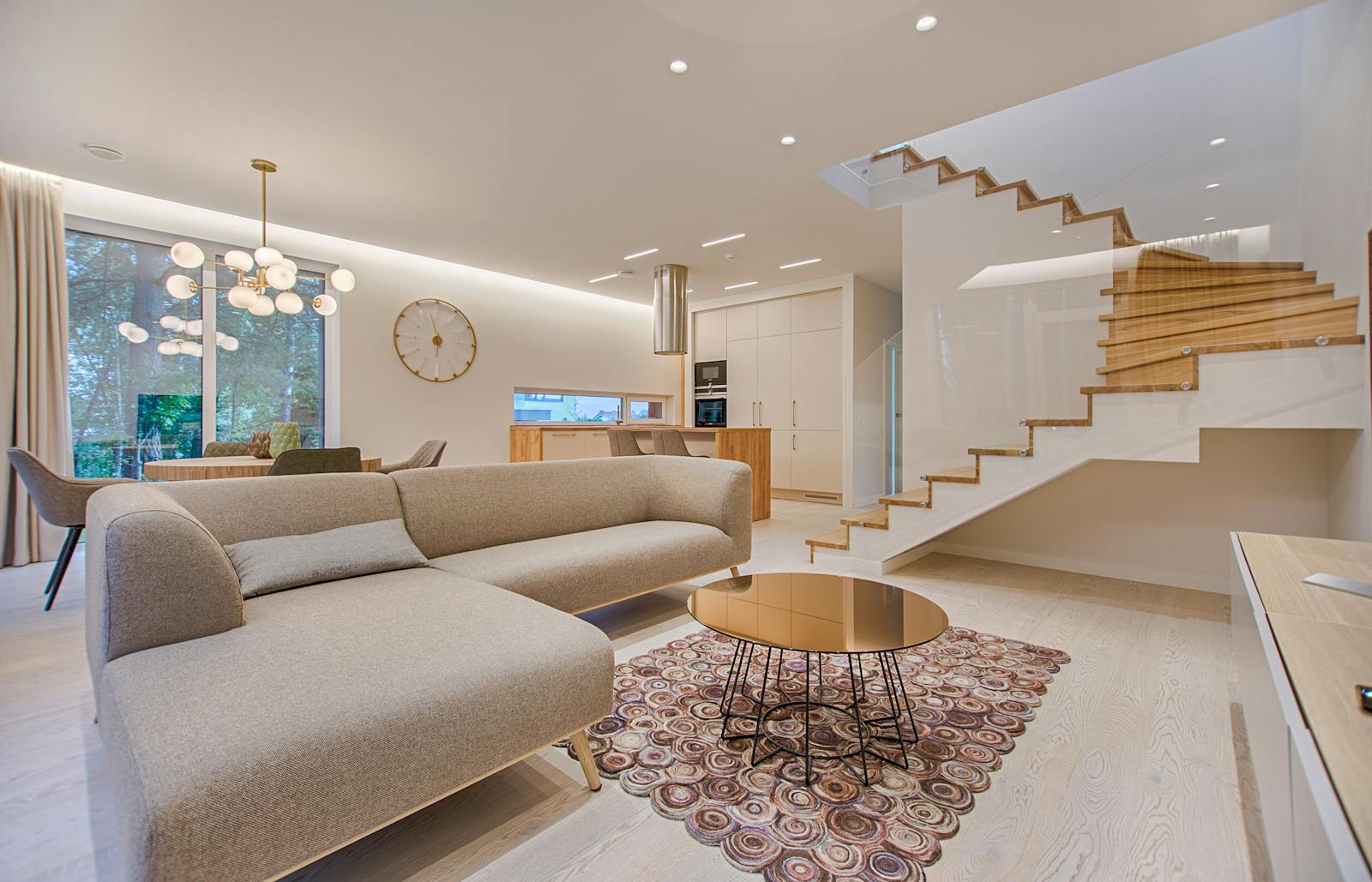
The best way to hire is to compare the whole service, not just the designer’s photos or price.
A good hiring process starts before the first consultation. Decide what you need, understand your property and prepare a realistic budget. Then shortlist designers whose experience matches your project, meet them, ask detailed questions and request a written proposal.
The final comparison should cover design scope, materials, deliverables, execution responsibility, timeline, payment milestones, exclusions and after-service terms—not just the headline quotation. This approach is particularly useful for apartments, villas, builder floors and renovation projects across Delhi NCR.
8 steps to hire the right interior designer
Use these steps as a practical checklist when comparing designers for a new home, apartment, villa, renovation or room-by-room project.
Define Your Project
Start by understanding exactly what you want the designer to do.
- Complete home or selected rooms?
- New property or renovation?
- Design only or design plus execution?
- Modular furniture or custom work?
- What must be completed before moving in?
Set Your Budget & Priorities
Establish a realistic investment range before requesting detailed proposals.
- Separate essential work from optional upgrades.
- Consider furniture and décor requirements.
- Account for materials, labour and applicable taxes.
- Keep room for unexpected project requirements.
- Tell designers your priorities clearly.
Research & Shortlist
Look for designers with relevant experience rather than choosing solely from generic popularity.
- Review completed projects.
- Look for properties similar to yours.
- Check design style and material quality.
- Read available client feedback.
- Check whether they handle your project location.
Review the Portfolio
A portfolio should help you understand how the designer handles complete spaces and real project requirements.
- Look beyond one attractive room.
- Check kitchens, wardrobes and storage.
- Review different room sizes.
- Ask which projects are recent.
- Ask for relevant completed examples.
Have a Consultation
Use the meeting to evaluate both the design approach and the working process.
- Explain your lifestyle and requirements.
- Share plans, photographs and inspiration.
- Discuss expected timeline.
- Ask how communication will work.
- Understand the design-to-execution process.
Compare Written Proposals
Ask shortlisted designers to clearly document what is included.
- Design deliverables.
- Materials and specifications.
- Furniture and carpentry scope.
- Execution responsibilities.
- Timeline and payment milestones.
Verify the Details
Before signing, clarify anything that could create disagreement later.
- Inclusions and exclusions.
- Number of design revisions.
- Material brands or specifications.
- Warranty or after-service terms.
- Change-order procedure.
Sign a Clear Agreement
Start execution only after the commercial and design terms are understood and documented.
- Approved scope of work.
- Payment schedule.
- Project responsibilities.
- Timeline and milestones.
- Process for additional work.
Know what you need before you start comparing designers.

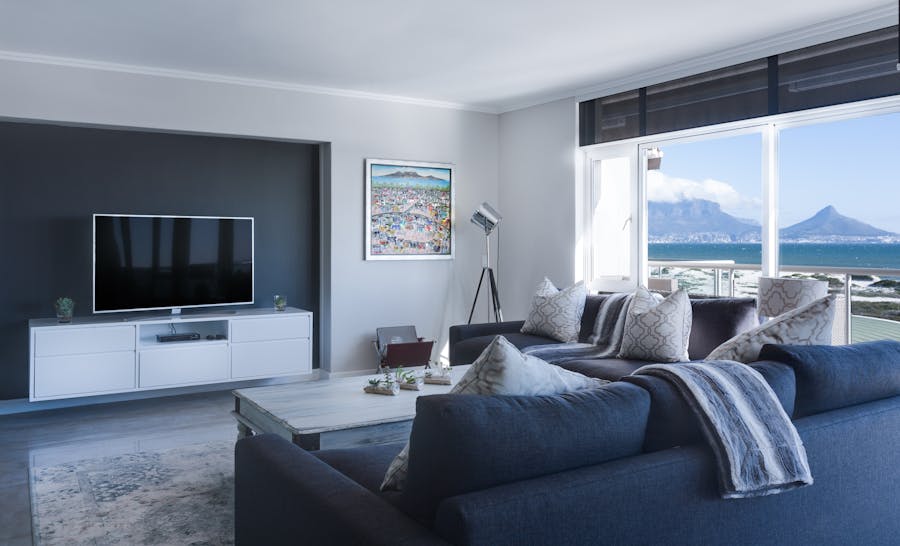
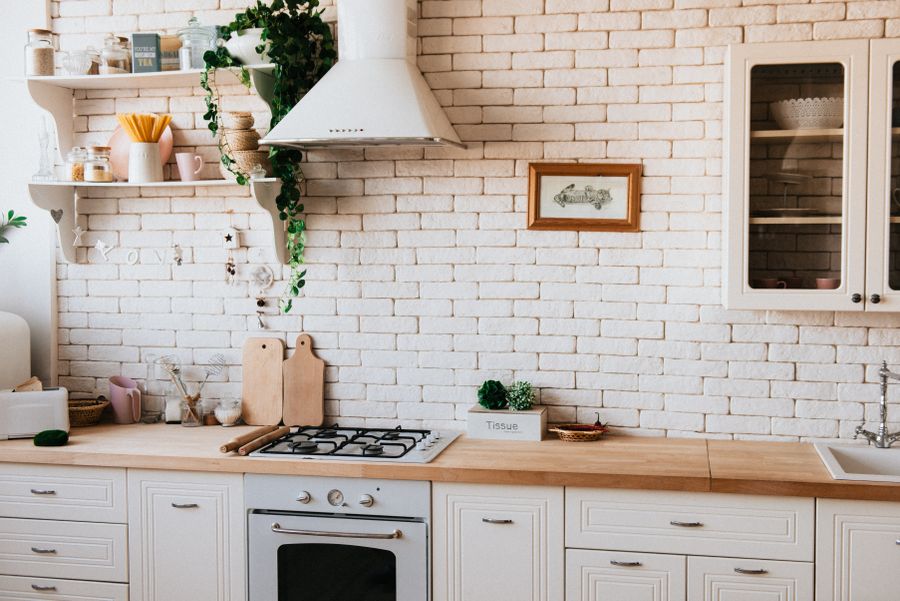
Prepare these details before contacting an interior designer.
Property type
Mention whether it is a 2 BHK, 3 BHK, 4 BHK, villa, builder floor, independent house, office or another property type.
Rooms required
List the spaces that need work: living room, bedrooms, kitchen, wardrobes, bathrooms, study, balcony or other areas.
Design direction
Collect a few reference images and identify whether you prefer modern, minimal, contemporary, luxury, classic or another style.
How you live
Explain storage needs, family routines, work-from-home needs, entertaining, children, pets and other practical requirements.
Investment range
A realistic budget range helps the designer recommend an appropriate level of customization and material selection.
Project deadline
Mention possession dates, expected move-in dates or renovation deadlines so the scope can be planned realistically.
How to evaluate an interior designer’s portfolio
Look for relevant projects
A portfolio becomes more useful when the projects are comparable to your own. A designer experienced with a compact apartment may approach a large villa differently, and vice versa.
- Similar property size
- Similar project scope
- Similar design style
- Similar level of customization
- Similar location or site conditions
Look at complete interiors
Don’t judge a designer only from close-up photographs of decorative details. Review complete rooms and, where possible, understand how furniture, storage, lighting and circulation were coordinated.
- Living room
- Bedrooms
- Kitchen
- Wardrobes and storage
- Lighting and ceilings
Ask these questions before hiring.
Do not compare interior design quotations by the final number alone.
Two proposals with different totals may also have very different scopes. Put the proposals into the same comparison framework before deciding which one fits your project.
| Compare | What to check | Why it matters |
|---|---|---|
| Design | Layouts, drawings, elevations, 3D views and revisions | Shows the actual design deliverables. |
| Materials | Specifications, brands, finishes and hardware | Different specifications can significantly change the project. |
| Furniture | Modular, custom, loose furniture and installation | Clarifies what furniture is actually included. |
| Execution | Site supervision, labour, installation and coordination | Defines who is responsible for implementation. |
| Timeline | Design, procurement, manufacturing and installation stages | Helps establish realistic project expectations. |
| Commercial Terms | Taxes, exclusions, payment milestones and changes | Reduces uncertainty after work begins. |
Put the important decisions in writing.
Important contract information
- Client and designer details
- Project address
- Detailed scope of work
- Design deliverables
- Material specifications
- Execution responsibilities
- Payment milestones
- Project timeline
- Change-order procedure
- Warranty and after-service terms
Clarify exclusions
A proposal should make it clear what is not included. Depending on the project, exclusions may involve civil work, appliances, loose furniture, decorative accessories, structural changes, external work or other items.
The exact exclusions should be agreed for your particular project rather than assumed from a generic package.
Things to clarify before signing.
If the proposal says only “complete interiors” without defining rooms, deliverables and responsibilities, ask for clarification.
Important materials and hardware should have enough specification for you to understand what you are paying for.
Confirm when payments are due and what project milestone each payment relates to.
Establish who manages vendors, site coordination, installation and quality checks.
Design changes happen in real projects. The process for approving and pricing changes should be clear.
Take enough time to review scope, commercial terms and project responsibilities before signing.
The best hiring stage depends on your project.
New construction
Consider involving an interior designer before interior-related construction decisions become fixed. This allows space planning, electrical points, lighting, storage and furniture requirements to be coordinated earlier.
Ready-to-move apartment
Start around the possession or early planning stage. The designer can assess measurements and develop the interior before major furniture, cabinetry and finish decisions are made.
Renovation
Ideally involve the designer before major demolition or remodeling. Existing conditions and new requirements can then be considered together.
Furniture & styling only
If the property is already finished, you can hire a designer for furniture planning, colours, lighting, artwork, wall treatments and styling without undertaking a complete renovation.
Before you sign, make sure these questions are answered.
Hiring an interior designer in Delhi, Gurgaon or Noida
Homes & renovation projects
For Delhi apartments, builder floors and independent homes, compare designers based on relevant project experience, renovation capability, space planning and execution scope.
Delhi NCR Home Interiors →Apartment & luxury interiors
For Gurgaon homes, review experience with apartments, villas, builder floors, storage planning, kitchens, wardrobes and complete-home execution.
Gurgaon Interior Design →Modern apartment interiors
In Noida, compare designers on apartment planning, furniture scale, storage, modular solutions and the level of implementation support you require.
Noida Interior Design →Continue your interior designer research
How to Approach an Interior Designer
Prepare your requirements, inspiration, property information and questions before your first consultation.
Read the Consultation Guide →Best Stages to Hire an Interior Designer
Understand when to involve a designer during construction, possession, renovation, furnishing or styling.
Explore Hiring Stages →How to Hire on a Budget
Understand how scope, priorities and service levels can affect your interior design hiring decision.
Read the Budget Guide →Interior Designer Fees in India
Learn about common interior design pricing models and the factors that can influence fees.
Explore Fee Models →Interior Design Process
Follow the broader journey from consultation and space planning through design, execution and handover.
View the Design Process →Interior Design Services
Explore complete home interiors, room-by-room design, kitchens, wardrobes, renovation and implementation support.
Explore Services →Best way to hire an interior designer: FAQs
What is the best way to hire an interior designer?
Start by defining your project scope, requirements, preferred style, budget and timeline. Research and shortlist suitable designers, review relevant portfolios, conduct consultations, compare written proposals and scope, clarify the contract and payment structure, and finalize the designer before execution.
How many interior designers should I shortlist?
There is no fixed number. Comparing several genuinely relevant designers can help you understand differences in design approach, communication, scope, pricing and execution support without making the process unnecessarily difficult to manage.
What should I check in an interior designer’s portfolio?
Look for projects similar to your property type, size, style and scope. Review complete spaces rather than only individual photographs and ask whether the portfolio represents recent work.
What questions should I ask an interior designer before hiring?
Ask about scope, design deliverables, revisions, materials, execution responsibility, project timeline, payment milestones, exclusions, warranties, change orders, site supervision and communication.
Should I compare interior design quotes only by price?
No. Compare scope, materials, specifications, design deliverables, execution responsibilities, timelines, exclusions, taxes and after-service terms as well as price.
Should I sign a contract with an interior designer?
A written agreement is useful because it documents the agreed scope, deliverables, payment milestones, timeline, exclusions, change process, responsibilities and other project terms.
When should I hire an interior designer?
For new construction or major renovation, it is generally useful to involve the designer before important layout, electrical, lighting, storage and material decisions are finalized. For furnishing or styling projects, the designer can be engaged later.
Start with a clear brief, then choose your designer.
Share your property type, location, approximate size, rooms, project stage, design preferences and requirements. A clear starting brief makes the consultation more productive and helps define the right scope for your project.