Best Stages to Hire an Interior Designer for Your Home or Office
Knowing when to hire an interior designer can make the difference between coordinated planning and expensive changes later. This guide explains the most useful stages for new construction, ready-to-move homes, renovation, design development and final styling.
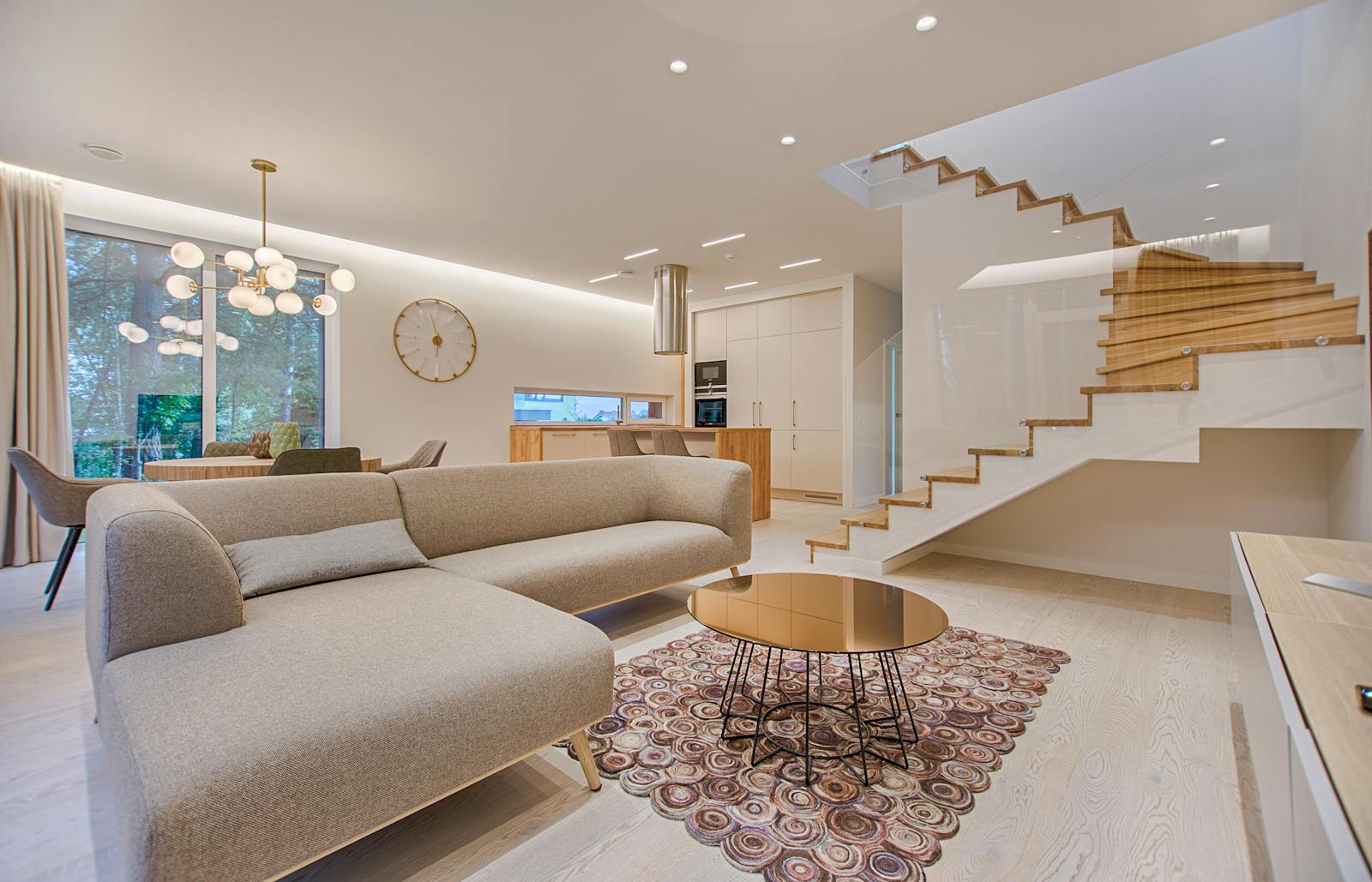
The earlier the design affects construction, the earlier the designer should be involved.
For a new home or major renovation, the planning stage is generally the most useful time to bring an interior designer into the project. Layouts, furniture dimensions, electrical points, lighting, storage, ceilings and material decisions can then be coordinated before work becomes difficult or expensive to change.
However, there is no single stage that applies to every project. Someone buying a ready-to-move flat may need a designer immediately after possession, while a homeowner seeking only furniture and décor can bring one in much later.
6 practical stages when you can hire an interior designer
Your project may enter the design process at any of these points. The scope of the designer’s involvement simply changes depending on how much has already been decided.
Before Construction Starts
For a new house, office or major build, involve the interior designer while planning is still flexible.
- Review room proportions and furniture requirements.
- Coordinate electrical and lighting points.
- Plan storage and wardrobe locations.
- Coordinate ceiling and lighting concepts.
- Align interior requirements with the architect and contractor.
After Buying a Ready-to-Move Property
A newly purchased flat or apartment can be planned before you move furniture and belongings into the space.
- Measure and assess the existing property.
- Plan modular kitchen and wardrobes.
- Develop furniture layouts.
- Plan wall finishes and lighting.
- Coordinate work before occupancy where possible.
At the Start of a Renovation
Bring the designer in before demolition or major remodeling so the new layout can be developed around the existing structure.
- Review existing walls and site conditions.
- Identify the renovation scope.
- Plan new furniture and storage.
- Coordinate finishes and lighting.
- Reduce avoidable demolition and rework.
During Design Development
You can involve a designer even when you already have a concept but need professional planning to turn the idea into a workable interior.
- Refine the furniture layout.
- Develop the colour and material palette.
- Resolve storage requirements.
- Coordinate lighting and finishes.
- Prepare drawings or visual design direction.
For Styling and Aesthetic Updates
A full renovation is not necessary to benefit from professional design guidance.
- Furniture selection and arrangement.
- Colour palette development.
- Wallpaper and wall treatment selection.
- Lighting and décor improvements.
- Artwork, textiles and accessory coordination.
Near Project Completion
A designer can still help bring an almost-finished property together when the main construction is already complete.
- Coordinate furniture placement.
- Review lighting and decorative layers.
- Coordinate artwork and accessories.
- Resolve visual inconsistencies.
- Prepare the final styling direction.
Interior design is connected to more than decoration.

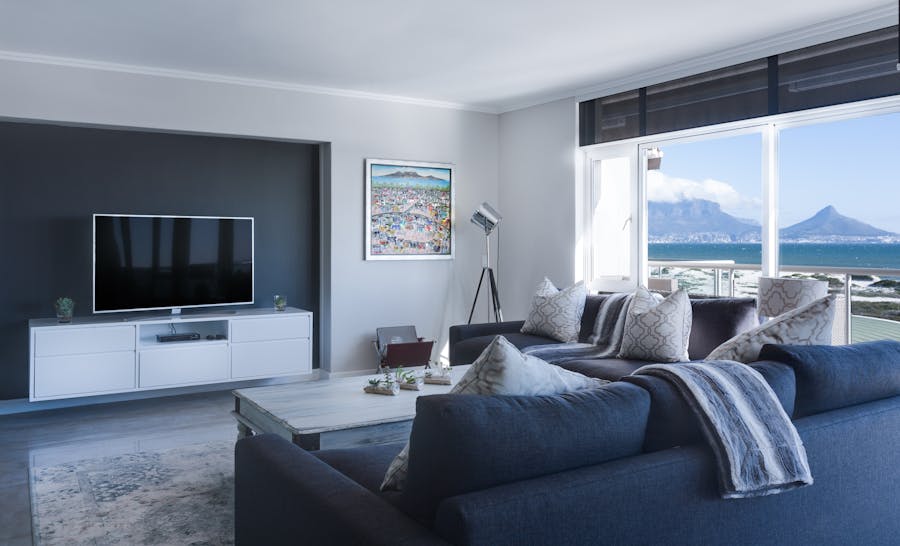
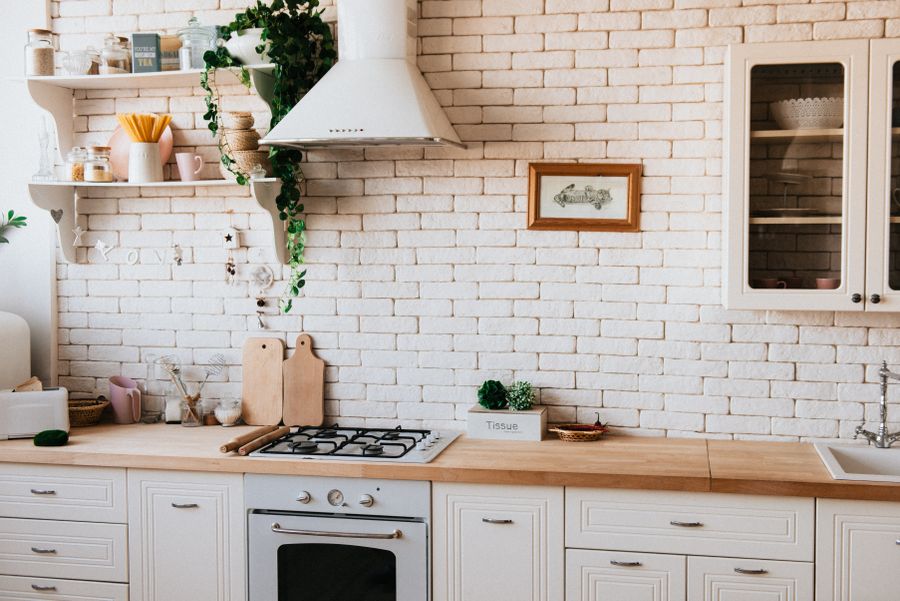
What can be coordinated when you involve a designer early?
Furniture & circulation
Furniture dimensions, walking paths, door swings and room relationships can be considered before fixed elements are built.
Switches & sockets
Lighting, appliances, bedside points, TV locations and charging requirements can be incorporated into the design.
Ambient & task lighting
Ceiling, concealed, decorative and task lighting can be planned alongside furniture and architectural details.
Wardrobes & built-ins
Storage requirements can be incorporated into room layouts rather than added after the available space has already been consumed.
Finishes & surfaces
Flooring, wall finishes, cabinetry, hardware and other materials can be selected as one coordinated palette.
Design-to-site coordination
A defined design scope gives the execution team clearer information about what needs to be built and installed.
A practical interior design timeline
Exact durations vary by property, scope and approvals. The important point is the sequence: requirements should be understood before layouts, layouts before detailed design, and detailed design before major manufacturing or execution.
Consultation & Site Assessment
Understand lifestyle, property condition, rooms, priorities, approximate budget and the overall project scope.
Space Planning
Develop furniture positioning, circulation, storage requirements and functional zoning.
Concept & Design Development
Establish the design direction, colours, materials, furniture language and overall visual character.
Detailed Design & Approvals
Finalize relevant drawings, dimensions, materials, finishes, furniture requirements and execution details.
Execution & Installation
Coordinate the approved design with manufacturing, construction, installation and site activities.
Final Styling & Handover
Complete furniture placement, lighting, décor and final presentation according to the agreed scope.
When should you hire a designer for your specific situation?
Building a new home
Start during planning, ideally before interior-related decisions become fixed. This allows the designer to coordinate interiors with the architectural and construction process.
- Room planning
- Furniture dimensions
- Electrical planning
- Lighting
- Storage
Buying a new apartment
Bring a designer in around the property-selection or possession stage so the layout and interior scope can be reviewed before major purchases and installation.
- Property assessment
- Space planning
- Kitchen and wardrobes
- Furniture
- Lighting and finishes
Renovating an existing home
Involve the designer before demolition or significant changes. The existing structure, services, furniture and new requirements should be reviewed together.
- Existing-condition assessment
- Renovation scope
- New layout
- Material selection
- Execution coordination
Only changing the look
A designer can be hired later if the project is primarily about furniture, colour, décor, wallpaper, lighting or styling rather than structural changes.
- Furniture selection
- Colour palette
- Wall treatments
- Lighting
- Accessories and artwork
What happens if you hire an interior designer late?
Late involvement does not automatically mean the project has to restart. The designer can work with the existing conditions and focus on what remains to be decided.
Some decisions may already be fixed
Electrical routes, ceiling levels, plumbing, wall locations, flooring or built-in construction may already be completed.
Design choices may become narrower
Furniture, lighting and décor can still be improved, but some integrated design options may no longer be practical.
Existing work needs to be assessed
The designer first needs to understand what has already been built, installed, purchased or ordered.
Remaining scope can still be coordinated
The remaining furniture, storage, lighting, finishes and styling can be planned around the completed portions of the property.
Common timing mistakes homeowners make
Large furniture purchases made before a proper layout can create circulation and proportion problems.
Socket and lighting locations should respond to the furniture layout and appliance requirements.
Flooring, cabinetry, wall finishes and furniture should work as a coordinated material palette.
Wardrobes, TV units, kitchen storage and built-ins can affect room proportions and should be considered early.
Manufacturing or installation before dimensions and finishes are confirmed can increase the risk of changes.
Professional interior planning can involve space planning, storage, lighting, materials, furniture and execution coordination.
Prepare these details before hiring an interior designer.
Timing considerations for Delhi, Gurgaon and Noida homes
Existing homes & builder floors
Renovation projects often need an early site assessment because existing construction, services, storage and furniture can influence the new design.
Delhi NCR Home Interiors →Apartment & new-home planning
For new apartments, planning kitchen, wardrobes, storage, furniture and lighting before installation can help create a coordinated interior.
Gurgaon Interior Design →Compact apartment interiors
Space planning becomes particularly important in compact apartments, where furniture scale, circulation and storage need to work together.
Noida Interior Design →Continue planning your interior project
How to Approach an Interior Designer
Prepare your requirements and communicate your project clearly before the first consultation.
Read the Consultation Guide →How to Hire an Interior Designer on a Budget
Understand scope, packages, quotations and priorities before comparing design services.
Explore Budget Hiring →Interior Design Process
Understand how consultation, planning, design, materials, execution and handover fit together.
View the Design Process →How to Choose an Interior Designer
Compare portfolios, scope, communication, budget and execution responsibilities before selecting a professional.
Read the Selection Guide →Interior Design Cost in Delhi NCR
Understand the factors that influence interior project budgets before defining your scope.
Explore Cost Planning →Interior Design Services
Explore home interior design, planning, kitchens, storage, turnkey execution and related services.
Explore Services →Best stage to hire an interior designer: FAQs
When is the best time to hire an interior designer?
For a new-build or major renovation, it is generally useful to involve an interior designer during the planning stage, before decisions affecting layouts, electrical points, lighting, ceilings, storage and furniture are finalized.
Should I hire an interior designer before buying a new flat?
If possible, discuss the project around the property-selection or early possession stage. A designer can review the layout, requirements, budget and potential interior scope before major decisions are made.
Can I hire an interior designer after construction has started?
Yes. A designer can still help during construction, although some decisions may already be fixed. The remaining layout, finishes, storage, furniture and lighting can still be coordinated.
Can I hire an interior designer after renovation has started?
Yes. The designer can assess the existing conditions, remaining scope, layout and design direction and then plan the work that has not yet been completed.
Can I hire an interior designer only for furniture and decoration?
Yes. Design support can be limited to furniture selection, space planning, colour consultation, lighting, artwork, accessories or styling when structural work is not required.
Why can hiring an interior designer early be useful?
Early involvement allows layout, electrical requirements, lighting, storage, ceiling details, furniture dimensions and material decisions to be coordinated before execution.
Plan your interior before the important decisions become fixed.
Share your property type, location, approximate size, rooms, requirements and preferred design style. The right design scope can then be planned around your project stage and priorities.