How to Hire an Interior Designer on a Budget
Hiring an interior designer does not have to mean giving up control of your budget. The key is to define the scope, prioritize important spaces, compare the same specifications and choose where professional design adds real value.
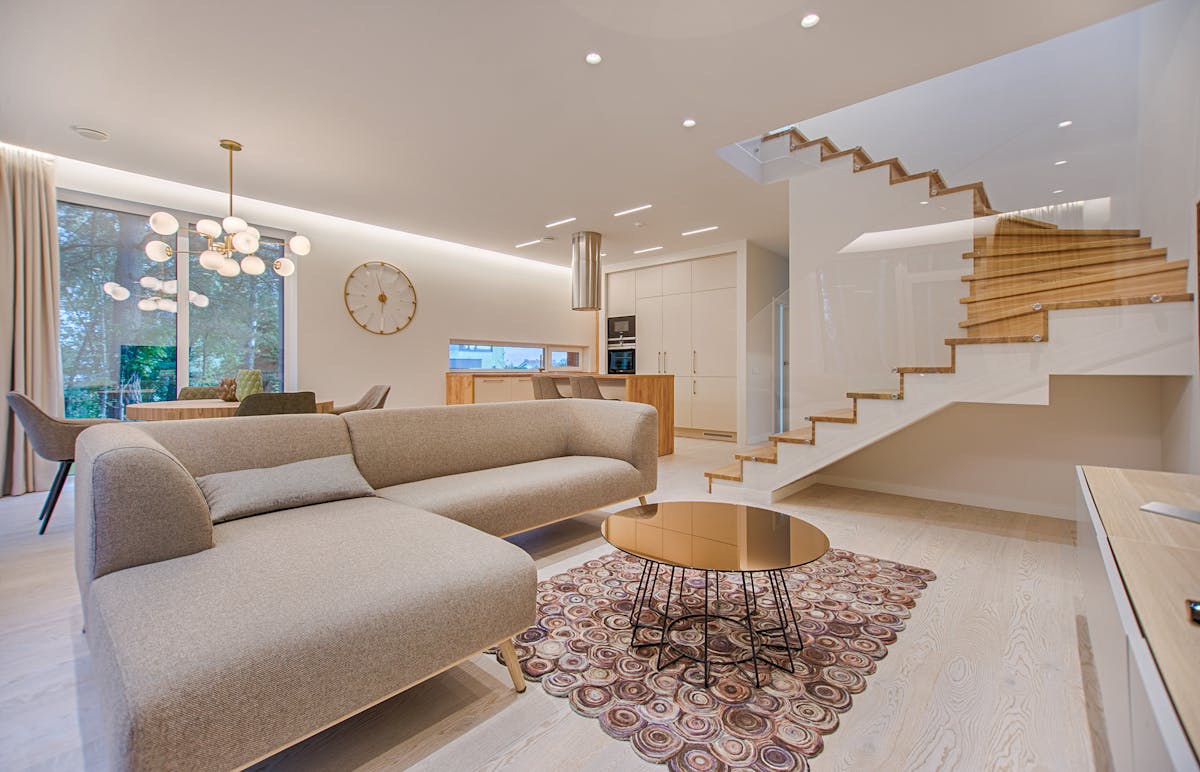
A limited budget needs a clearer plan, not fewer ideas.
A budget-friendly interior starts by separating essential work from optional upgrades. Kitchen requirements, wardrobes, furniture, lighting, electrical work and civil changes should be identified before choosing materials or comparing quotations.
Interior A to Z’s current 2 BHK guidance similarly recommends planning around actual scope rather than relying on a single headline price. Kitchen size, wardrobes, furniture, materials, hardware, lighting and execution can substantially change the final investment. :contentReference[oaicite:0]{index=0}
The objective is not simply to find the lowest quotation. It is to create a project where the budget, design priorities and written scope remain aligned.
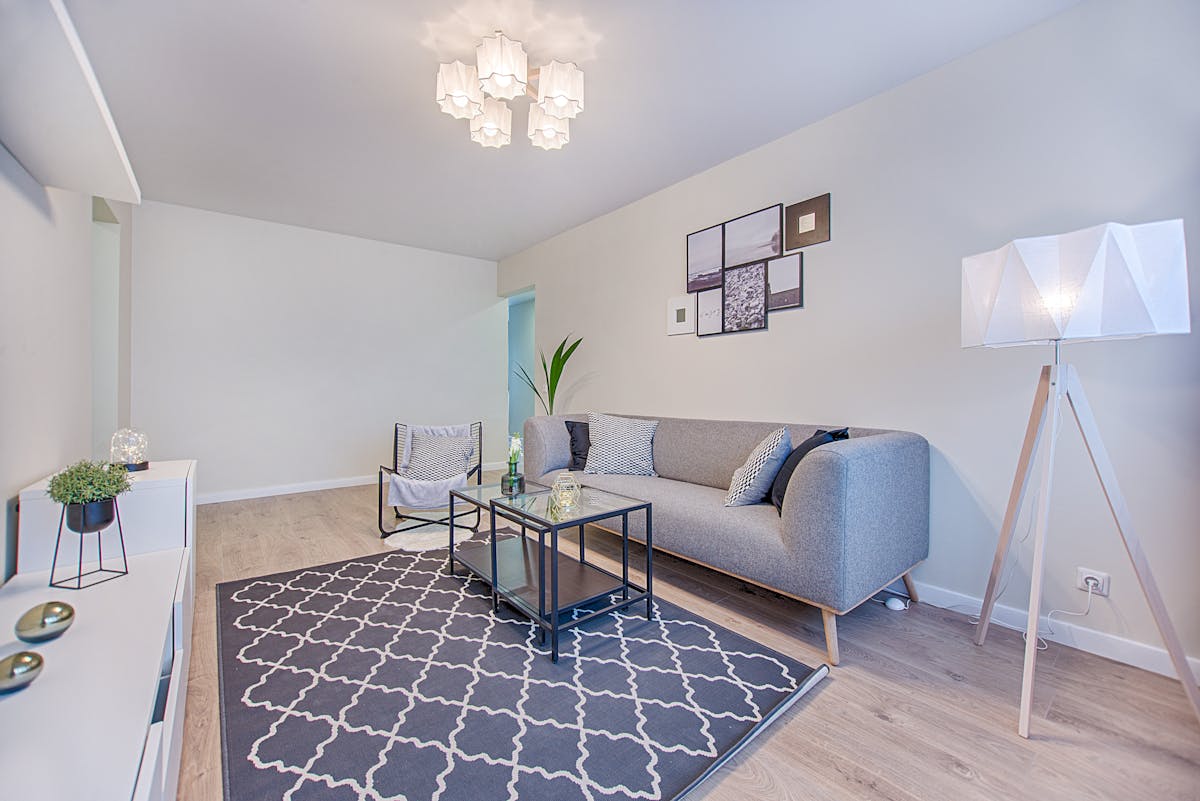
Make these three decisions before contacting designers.
The more clearly you define the project, the easier it becomes to receive useful proposals and avoid paying for things you do not actually need.
Decide What Needs Design
List the rooms, furniture, kitchen, wardrobes, lighting, painting, electrical, civil work and other requirements.
Set a Working Budget
Establish the amount you are comfortable planning around and identify which items can be postponed if the first proposal exceeds it.
Choose Your Priorities
Decide whether storage, kitchen functionality, furniture, aesthetics, lighting or complete execution matters most to your household.
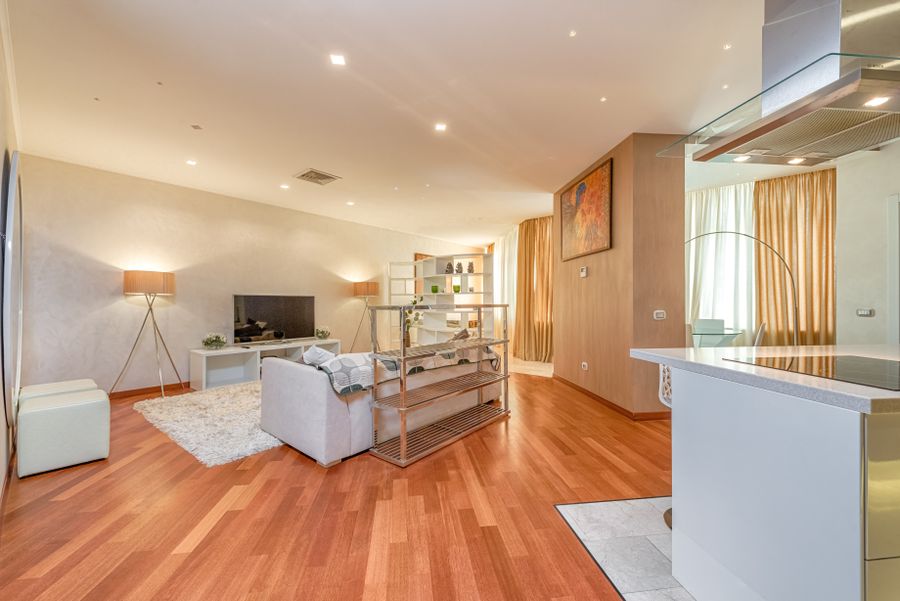
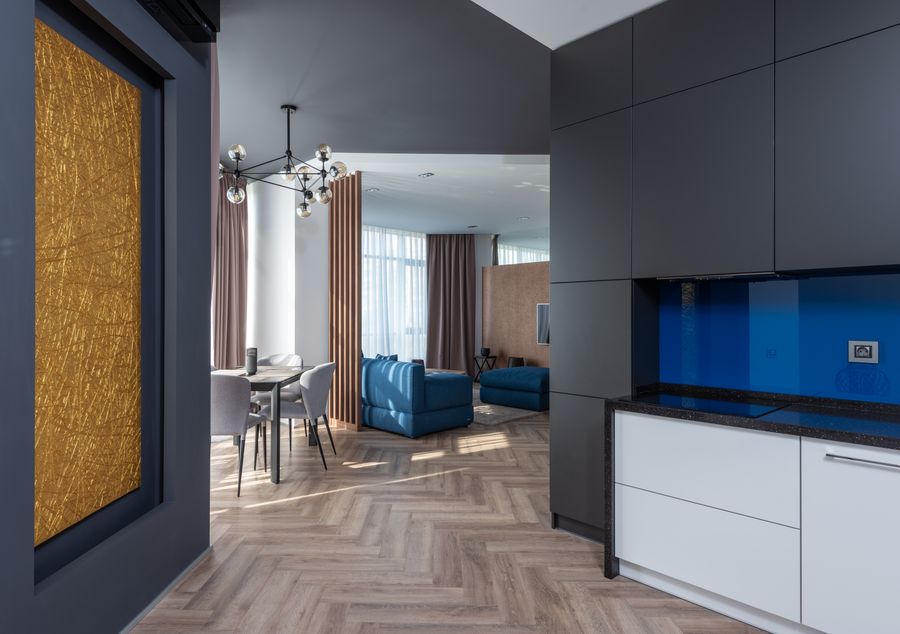
A practical seven-step hiring process.
Use the same information when speaking to each designer. This makes proposals easier to understand and reduces the chance of comparing completely different scopes.
Share the location, floor plan, approximate area, photographs, room list and any known site restrictions.
State what you need in the living room, bedrooms, kitchen, bathrooms, storage areas and other spaces.
Review relevant residential projects and check whether the designer’s experience matches your property type and desired scope.
Request a written breakdown covering design, materials, fabrication, installation, electrical, civil work and other included services.
Check boards, laminates, hardware, countertops, fittings, paint, lighting and furniture specifications rather than only total price.
If the proposal is above budget, ask what can be simplified, delayed or removed without affecting essential functionality.
Confirm scope, payment milestones, timeline, exclusions, variations, warranty and responsibilities in writing before work starts.
Record approved variations and understand their effect on cost and programme before authorizing additional work.
Spend where design decisions affect everyday life.
A smaller budget can still produce a well-planned home when the money is directed toward the elements that solve real problems.
Layout
Get furniture proportions and circulation right before decorative upgrades.
Storage
Plan storage around actual belongings and everyday routines.
Kitchen
Prioritize workflow, usable storage, appliances and durable finishes.
Lighting
Provide practical ambient and task lighting before decorative layers.
Decor
Add artwork, accessories and styling after essential work is complete.
You can often reduce cost by reducing unnecessary scope.
Budget control does not always mean selecting the cheapest material. It can also mean designing fewer elements, simplifying details or completing some rooms later.
Complete the kitchen, key storage and most-used spaces first if the budget does not allow the entire home at once.
Not every wall needs a custom unit. Use existing furniture where it works and reserve custom storage for genuine requirements.
Feature walls, panelling and elaborate details can be selectively used instead of applying them throughout the home.
Compare durability, maintenance, appearance and application rather than assuming the most expensive specification is necessary everywhere.
Existing beds, tables, chairs and storage can remain part of the design when their condition and proportions work.
A well-defined second phase can be better than rushing every room into the first budget.
The lowest quotation is not necessarily the lowest project cost.
Two designers can quote very different totals while both appearing to offer the same service. The difference may be in material grade, quantities, hardware, furniture, electrical work, installation, transportation, GST, exclusions or site supervision.
Current Interior A to Z guidance similarly recommends comparing the detailed scope, material specifications, execution process and warranty rather than choosing a designer solely because of the lowest quote. :contentReference[oaicite:1]{index=1}

Ask these questions before signing with an interior designer.
What exactly is included?
Ask for a room-by-room scope rather than a general statement such as “complete interiors.”
Who handles execution?
Clarify who coordinates vendors, fabrication, installation and site supervision.
What is excluded?
Ask specifically about appliances, loose furniture, civil work, electrical work, painting, GST and transportation.
How are changes charged?
Understand the process for additions, substitutions and changes after approval.
What are the payment milestones?
Confirm when payments are due and what stage of work each payment corresponds to.
What happens after handover?
Ask about snagging, warranty, maintenance information and after-sales support.
From budget discussion to finished home.
A structured process helps prevent budget discussions from becoming disconnected from design and execution decisions.
Consultation
Discuss property, lifestyle, scope, priorities and working budget.
Planning
Review measurements, layout, storage and room requirements.
Design
Develop layouts, materials, colours and design direction.
Quotation
Align quantities, specifications, inclusions, exclusions and milestones.
Execution
Coordinate fabrication, installation and finishing according to scope.
Look carefully when a budget proposal is unclear.
A low initial figure becomes difficult to evaluate when important specifications or responsibilities are left undefined.
The quotation uses broad terms such as “premium” without identifying actual boards, finishes or hardware.
Important electrical, civil, installation or transportation costs are left outside the headline figure.
It is difficult to understand what you are paying for when quantities and dimensions are not provided.
There is no written method for pricing additions or material changes.
A project schedule is not defined or responsibilities for delays are unclear.
You should have sufficient time to understand the scope, quotation, agreement and payment terms before committing.
Budget-conscious interior planning for Delhi, Gurgaon and Noida.
Local site conditions, property type, access, material choices and execution scope can all affect the final project. A useful proposal should therefore be based on the actual home rather than a generic package.
Delhi
Practical residential interiors with space planning, kitchens, wardrobes, furniture and coordinated finishes.
Home interior design Delhi NCR →Gurgaon / Gurugram
Interior planning for apartments, builder floors and modern homes with scope-based budgeting.
Interior designers Gurgaon →Noida
Functional apartment interiors covering kitchens, wardrobes, storage, furniture and room-by-room planning.
Interior designers Noida →Useful pages before hiring an interior designer.
Hiring an Interior Designer on a Budget FAQs
How can I hire an interior designer on a low budget?
Define your scope first, prioritize essential rooms, set a working budget, compare multiple proposals using the same specifications and ask designers what can be simplified or phased without affecting essential functionality.
Can I afford an interior designer with a small budget?
It depends on the scope. A smaller project can focus on planning, selected rooms or essential furniture and storage instead of requiring a complete turnkey interior for the entire home.
How do I find an affordable interior designer?
Shortlist designers based on relevant projects, request clear scope-based proposals and compare materials, quantities, execution, exclusions and payment terms rather than comparing only the headline price.
Should I tell an interior designer my budget?
Sharing a realistic working budget can help the designer prioritize scope and material choices. The budget should be discussed together with the rooms, requirements and expected specifications.
How can I reduce interior design costs?
Prioritize essential spaces, reuse suitable furniture, simplify decorative elements, select materials according to actual use, reduce unnecessary customization and consider phasing non-essential work.
How should I compare interior design quotations?
Compare the same room list, quantities, board and finish specifications, hardware, furniture, electrical and civil work, installation, taxes, exclusions, timeline and payment milestones.
Is the cheapest interior designer quotation the best option?
Price alone does not show whether two proposals offer the same scope. A lower quotation may contain different materials, quantities, exclusions or responsibilities, so the complete written scope should be reviewed before comparing totals.
What should be included in an interior designer quotation?
Depending on the project, the quotation should clearly identify design services, room-wise scope, quantities, materials, hardware, furniture, installation, civil and electrical work, taxes, exclusions, timeline, payment milestones and applicable warranty terms.
Can I hire an interior designer only for design?
Some projects can be structured as design-only engagements, while others include material procurement, fabrication and execution. Confirm exactly which services are included before signing.
Should I renovate the whole home at once?
Not necessarily. If the budget is limited, essential rooms and functional requirements can be prioritized, with less urgent work planned as a later phase.
How can I avoid unexpected interior design costs?
Finalize the scope before work starts, use written material specifications, clarify exclusions, record approved changes and ask how additional work will be priced.
What should I check before signing with an interior designer?
Review completed projects, scope, materials, BOQ or detailed quotation, timeline, payment milestones, exclusions, variation process, site supervision, warranty and after-sales responsibilities.
A realistic budget starts with a clear scope.
Share your location, floor plan, room requirements and approximate budget. Interior A to Z can help you discuss practical priorities for your home before you commit to a design and execution scope.