How to Approach an Interior Designer With the Right Brief
A good interior project starts before the first design meeting. Know what to prepare, what to ask, what information to share and how to compare proposals without getting lost in technical details.
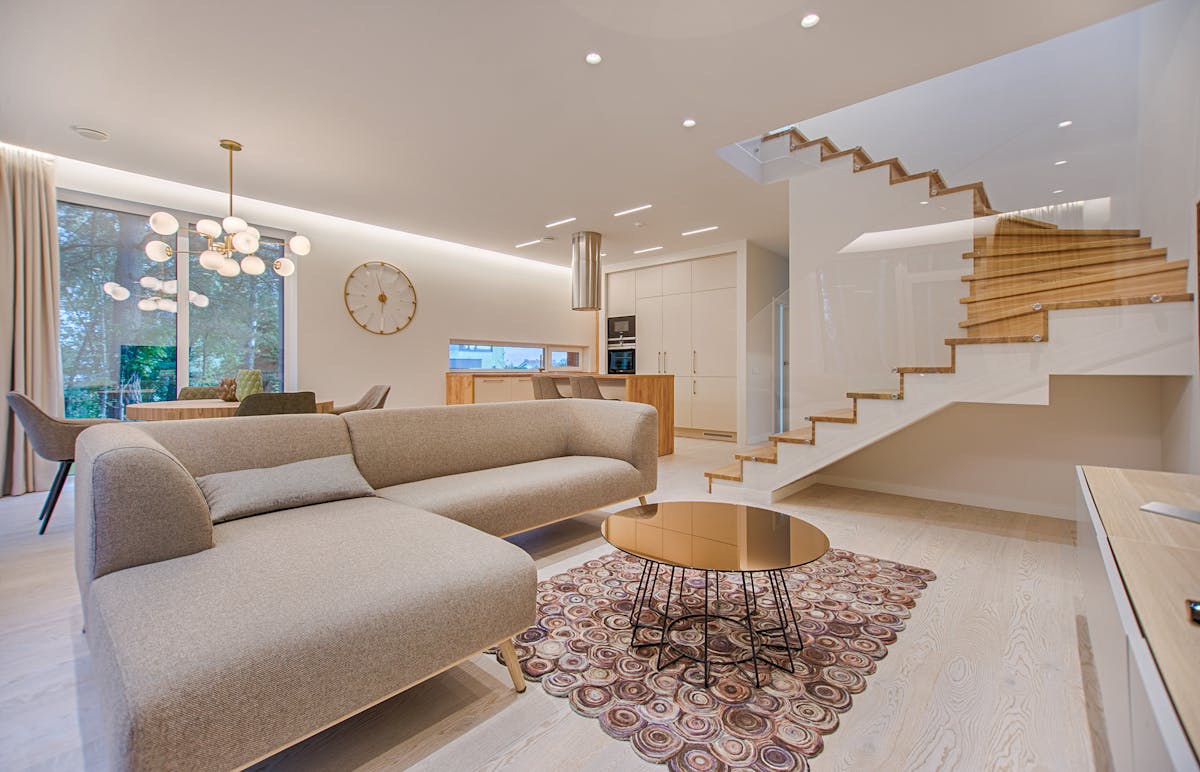
A clearer brief creates a better design conversation.
You do not need to have every design decision made before contacting an interior designer. What matters is being clear about your property, requirements, priorities, budget range and timeline.
Interior A to Z’s existing consultation guide recommends preparing property information, room requirements, floor plans, photographs, design references, budget and timeline before the first contact.
What to Prepare Before Approaching an Interior Designer
You do not need a finished design. Give the designer enough information to understand your home and the problem you want to solve.
Property & Location
Mention whether it is an apartment, builder floor, villa or independent house and where the property is located.
Rooms & Requirements
List the rooms that need attention and identify priorities such as kitchen, wardrobes, storage, furniture or complete interiors.
Floor Plan & Photos
Share the floor plan, approximate measurements, photographs, videos and any important site restrictions.
Design Style
Collect a few reference images and explain whether you prefer modern, minimal, luxury, contemporary or another direction.
Budget Range
Give a realistic budget range so the designer can plan materials, furniture and scope around your priorities.
Timeline
Explain when you want to start and whether there is a handover, move-in or other deadline.
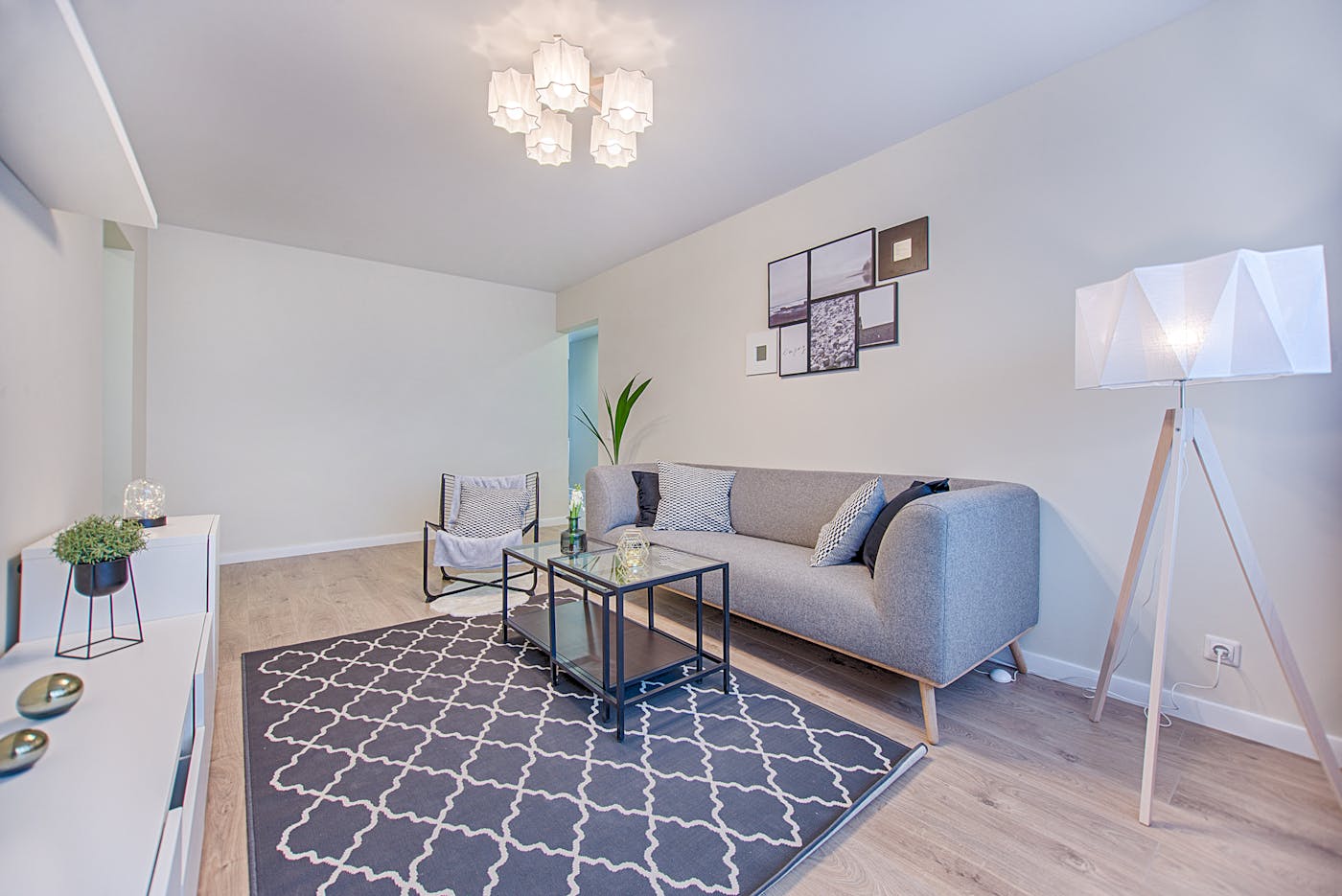
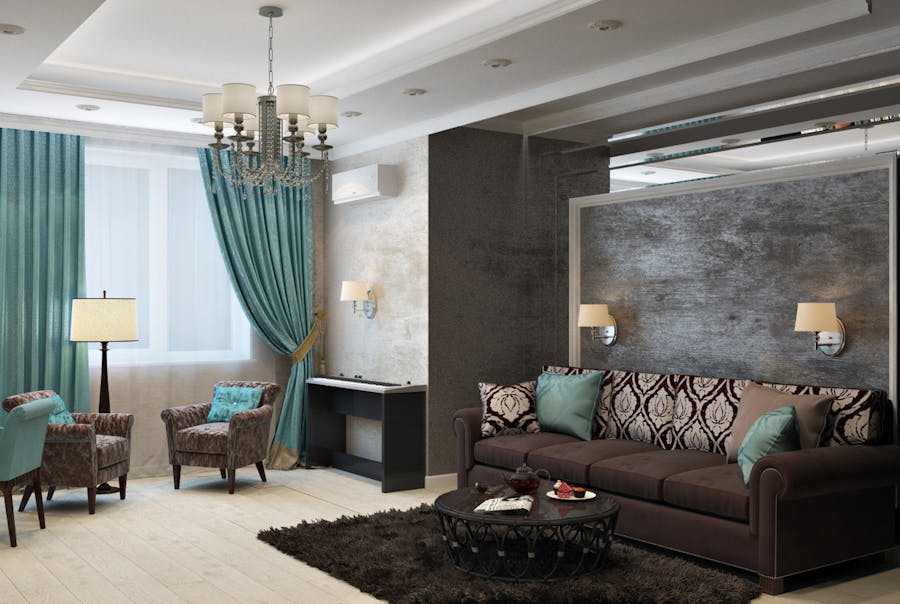
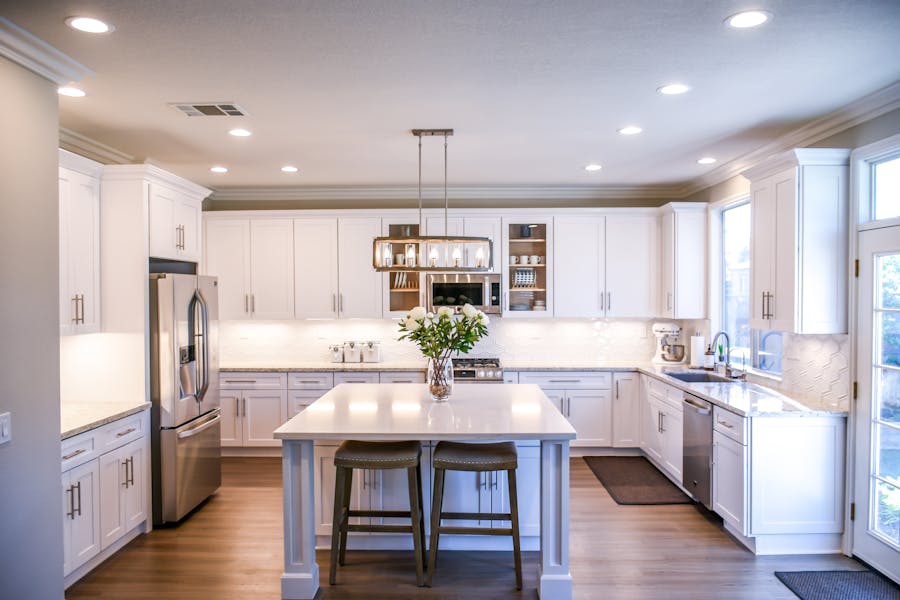
Show Your Interior Designer What You Like
A few carefully selected images can communicate your preferences faster than a long description. Focus on the details you want to bring into your own home.
7 Steps for Approaching an Interior Designer
Use this sequence to move from an initial idea to a structured consultation and an informed project decision.
Define Your Scope
Decide whether you need styling, space planning, a modular kitchen, furniture selection, renovation or complete turnkey interior design.
Set a Realistic Budget
Share a budget range and ask exactly what it includes. Consider materials, furniture, labour, delivery, installation and possible changes.
Collect Focused Inspiration
Save a small collection of useful reference images and explain what you like about each one: colours, storage, lighting, materials, furniture or overall atmosphere.
Send Useful Property Information
Share the floor plan, measurements, photographs, room heights where available and details of existing furniture that will remain.
Write a Clear First Message
Introduce the property, location, rooms, approximate area, required services, budget range and expected timeline.
Understand the Process
Ask how the designer handles concept development, drawings, revisions, materials, procurement, site supervision and installation.
Compare Proposals Carefully
Compare scope, design fees, materials, revisions, execution, payment stages, exclusions, warranty and timeline—not just the headline price.
Questions That Help You Understand the Project
A useful consultation should make the project clearer. Ask questions about scope, process, communication, execution and deliverables.
Have you completed projects similar to my property and design requirements?
What services are included from concept through installation?
Will the project include 2D drawings, material specifications and 3D views?
How many design revisions are included?
Who purchases materials and coordinates contractors?
How frequently will progress updates and site reports be shared?
What are the expected project milestones and completion timeline?
Which items are specifically excluded from the quotation?
What warranty and after-sales support are included?
How to Compare Interior Design Proposals
Two quotations can look very different even when they show similar headline prices. Compare the actual scope and specifications.
| Area | What to Check |
|---|---|
| Design Fee | What design work and revisions are included? |
| Materials | Are brands, grades, finishes and specifications stated? |
| Furniture | Which furniture pieces are included? |
| Execution | Is fabrication and installation included? |
| Drawings | Are 2D plans, elevations and 3D views included? |
| Site Supervision | Who coordinates the site and how frequently? |
| Timeline | What are the major milestones? |
| Payment | Are payment stages clearly documented? |
| Exclusions | What civil, electrical or other items are excluded? |
Things to Clarify Before Hiring an Interior Designer
These are not automatic signs that a designer is unsuitable. Use them as questions that deserve clarification before you commit.
Approaching an Interior Designer in Delhi, Gurgaon or Noida
The first enquiry becomes more useful when you include the actual location and property type. Different homes can require very different planning and execution approaches.
Delhi
Share the property type, room requirements, existing condition, storage needs and expected scope for your Delhi home.
Explore Delhi NCR interiors →Gurgaon / Gurugram
Apartment, builder-floor and villa projects can require different approaches to space planning, materials, access and execution.
Interior design in Gurgaon →Noida
Include your apartment layout, rooms, kitchen requirements, storage needs, budget range and target timeline.
Interior designers in Noida →Explore Interior A to Z Services
Once you have prepared your brief, these pages can help you understand different parts of the interior design process.
Complete Home Interior Design
Explore space planning, kitchens, wardrobes, furniture, lighting and coordinated home interiors.
KITCHENModular Kitchen Design
Understand kitchen planning, storage, finishes, work zones and practical layouts.
PLANNINGSpace Planning
Learn how furniture, circulation, storage and room functions influence an interior layout.
SERVICESInterior Design Services
Explore the wider residential and commercial interior design services offered by Interior A to Z.
How to Approach an Interior Designer FAQs
What should I say when contacting an interior designer?
Briefly explain your property type, location, rooms, approximate size, required services, budget range and timeline. Attach a floor plan, measurements or photographs if available.
Should I share my budget with an interior designer?
Yes. A realistic budget range helps the designer recommend suitable materials, priorities and project scope. Ask for a written breakdown of inclusions and exclusions.
What should I prepare before meeting an interior designer?
Prepare property details, room requirements, approximate area, floor plan, photographs, preferred style, inspiration images, budget range and target timeline.
What questions should I ask an interior designer?
Ask about similar projects, services included, drawings, 3D views, revisions, procurement, site supervision, timeline, exclusions, payment stages, warranty and after-sales support.
Should I contact more than one interior designer?
Comparing two or three suitable professionals can help you understand differences in experience, process, scope and communication. Use the same project brief when comparing proposals.
Can I approach an interior designer without a floor plan?
You can make an initial enquiry without a floor plan, but having the floor plan, measurements and photographs available can make the first consultation substantially more useful.
A Better Interior Project Starts With a Better Brief.
Share your location, property type, rooms, approximate area, preferred style, budget range and timeline. Start the conversation with a clear understanding of what you want to achieve.
Start Your Interior Project →