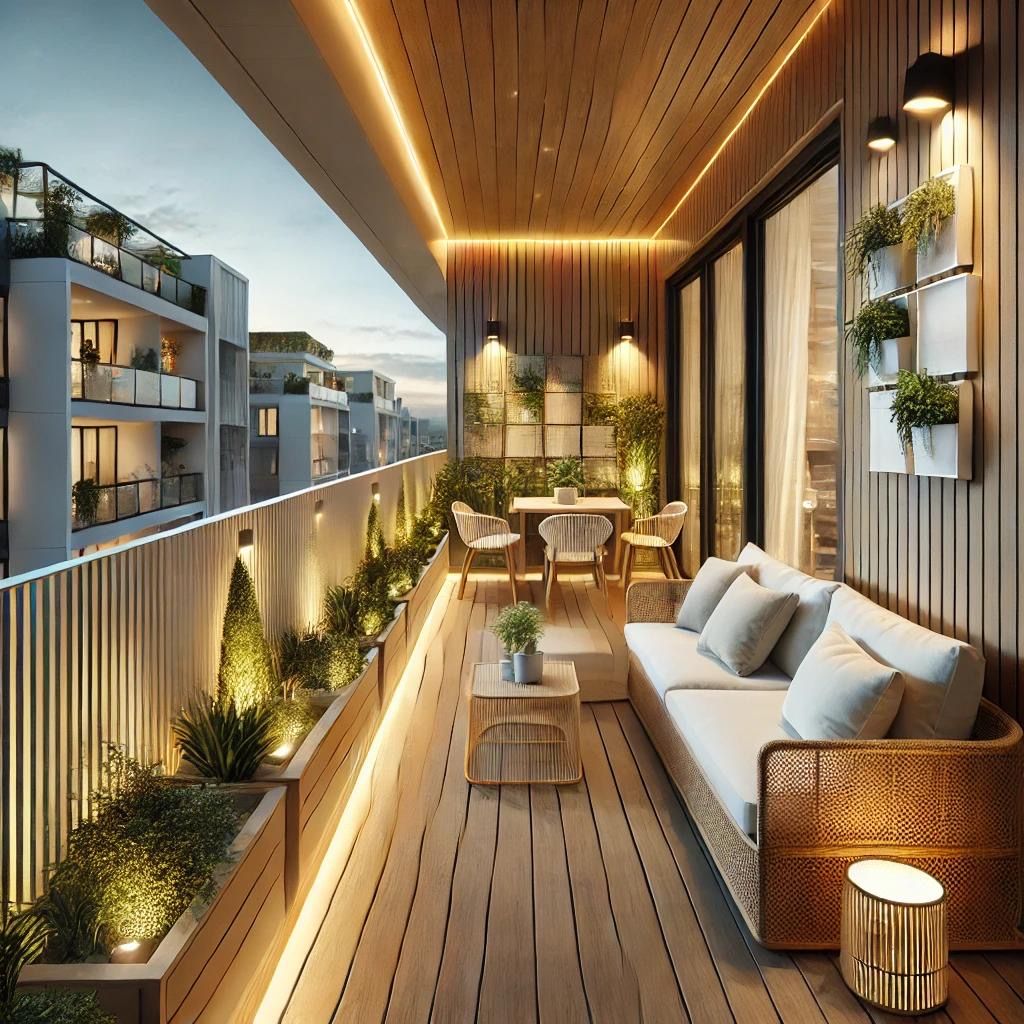
Introduction: Beyond aesthetics and functionality, the art of interior design and decoration is deeply rooted in understanding human behavior and psychology. This blog explores how interior designers and decorators leverage psychological principles to create spaces that not only look appealing but also resonate with the occupants on a deeper, emotional level.
- Interior Designers: Crafting Environments for Well-Being
- Color Psychology:
- Approach: Interior designers harness the psychological impact of colors to evoke specific emotions and influence moods. Warm tones like reds and yellows may create a sense of energy and vibrancy, while cool tones like blues and greens contribute to calmness and relaxation.
- Insight: By strategically selecting color palettes, designers influence the overall atmosphere of a space, aligning it with the desired emotional experience for the occupants.
- Biophilic Design:
- Approach: Biophilic design integrates elements of nature into interiors, recognizing the innate human connection to the natural environment. Designers incorporate elements like indoor plants, natural light, and nature-inspired textures to promote well-being, reduce stress, and enhance productivity.
- Insight: Biophilic design acknowledges the psychological benefits of nature, fostering a sense of tranquility and connection within indoor spaces.
- Spatial Flow and Functionality:
- Approach: Understanding how people move through and interact with a space is crucial for designers. They optimize spatial layouts to enhance flow, minimize obstacles, and create intuitive paths that align with the natural behaviors of occupants.
- Insight: Thoughtful spatial planning contributes to a seamless and comfortable user experience, addressing the psychological need for functionality and ease of movement.
- Personalization and Identity:
- Approach: Designers recognize the psychological importance of personalization. They incorporate elements that reflect the identity and preferences of the occupants, creating a sense of ownership and emotional connection to the space.
- Insight: Personalized interiors contribute to a positive psychological impact, fostering a sense of comfort, security, and self-expression.
- Color Psychology:
- Interior Decorators: Evoking Emotions through Aesthetics
- Emotional Impact of Decor Elements:
- Approach: Decorators leverage the emotional impact of decor elements such as artwork, textiles, and accessories. They curate pieces that resonate with the occupants, eliciting positive emotions and contributing to a harmonious atmosphere.
- Perspective: The selection of decor items goes beyond aesthetics, aiming to create environments that evoke specific feelings and memories, enhancing the overall emotional experience.
- Sensory Appeal:
- Approach: Decorators understand the importance of sensory appeal. Through the careful selection of textures, scents, and visual elements, they create multi-sensory experiences that engage occupants on both a conscious and subconscious level.
- Perspective: Engaging multiple senses contributes to a holistic and immersive experience, addressing the psychological need for a stimulating and enriching environment.
- Cultural and Emotional Resonance:
- Approach: Decorators consider the cultural background and emotional resonance of their clients. They incorporate elements that connect with the occupant’s heritage, memories, and values, fostering a sense of belonging and emotional well-being.
- Perspective: Spaces that reflect cultural identity and evoke positive emotions contribute to a deeper psychological connection and satisfaction for the occupants.
- Seasonal and Trendy Influences:
- Approach: Decorators stay attuned to seasonal and design trends to create spaces that feel current and relevant. By incorporating elements that align with contemporary styles, they cater to the psychological desire for novelty and a sense of being up-to-date.
- Perspective: Adapting to trends allows decorators to fulfill the psychological need for variety and freshness in the visual environment, creating spaces that feel dynamic and inspiring.
- Emotional Impact of Decor Elements:
- Collaborative Synergy: Merging Psychology with Design Brilliance
- Collaboration Between Designers and Decorators:
- Synergy: The collaboration between interior designers and decorators results in a harmonious integration of psychological principles and aesthetic brilliance. Designers provide the architectural foundation, optimizing spatial layouts and incorporating biophilic elements, while decorators infuse emotional resonance through carefully curated decor.
- Impact: The combined efforts result in environments that not only function optimally but also resonate emotionally with the occupants, creating spaces that are both visually stunning and psychologically enriching.
- User-Centric Design Education:
- Impact: Both professionals actively engage in client education on the psychological aspects of design. By explaining the impact of color choices, personalization, and sensory appeal, designers and decorators empower clients to actively participate in creating spaces that align with their psychological and emotional needs.
- Ergonomics and Comfort:
- Impact: Designers and decorators prioritize ergonomics and comfort, addressing the psychological need for spaces that support well-being. Thoughtful selections of furniture, lighting, and textiles contribute to physical and mental comfort, enhancing the overall occupant experience.
- Post-Occupancy Evaluation:
- Impact: Interior designers and decorators may conduct post-occupancy evaluations to assess the psychological impact of their designs. Gathering feedback on the emotional experiences of occupants allows for continuous improvement and refinement of future projects.
- Collaboration Between Designers and Decorators:
Conclusion: The psychology of design is a captivating exploration into the intricate relationship between environments and human behavior. Interior designers and decorators, each in their unique roles, integrate psychological principles to create spaces that not only look visually appealing but also resonate emotionally with the occupants. The collaborative synergy between these professionals ensures a holistic approach, addressing the psychological needs for functionality, personalization, sensory appeal, and cultural resonance. As the art and science of design continue to evolve, the integration of psychology remains a cornerstone, enriching the spaces we inhabit on a profound level.