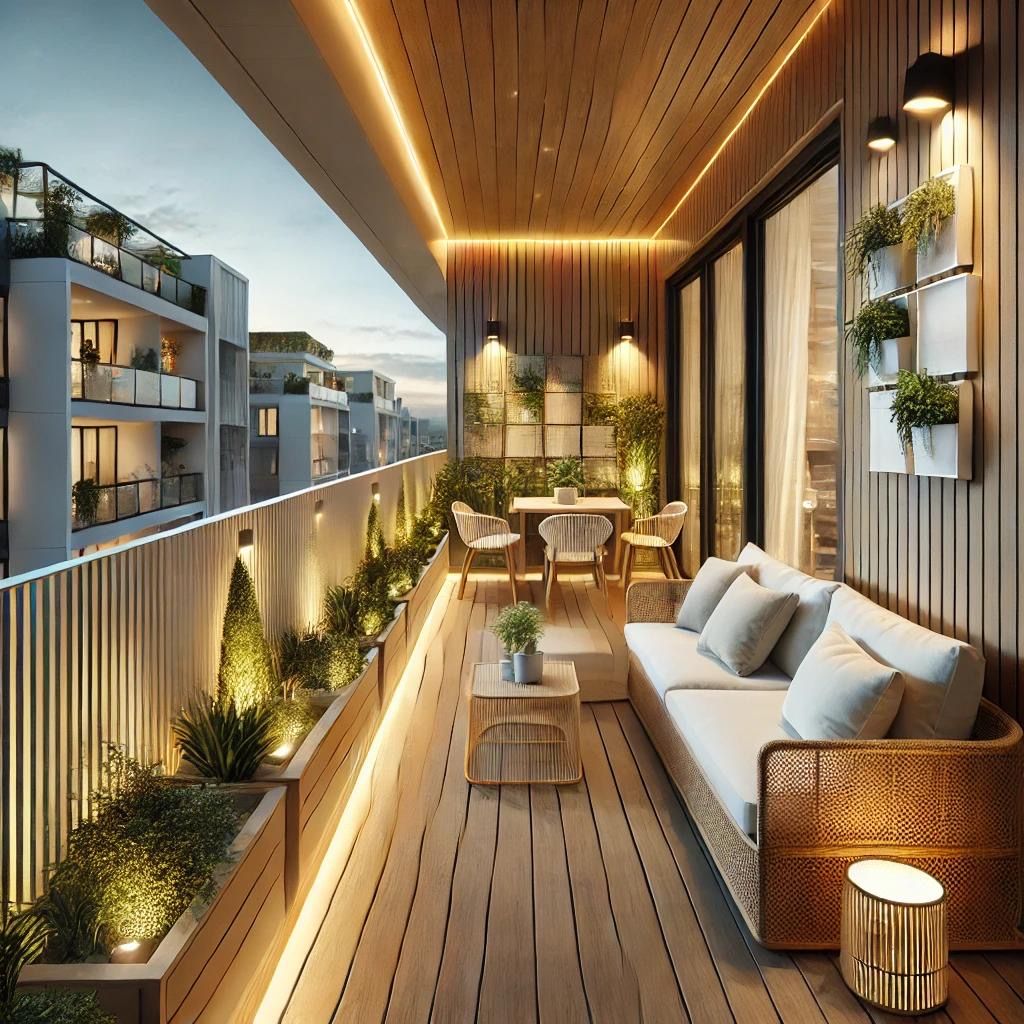
Introduction: Budgeting is a critical aspect of any interior design or decoration project, influencing decisions that range from material selection to the scope of the transformation. This blog explores the nuanced considerations and strategies employed by interior designers and interior decorators when managing budgets, shedding light on the distinctive approaches each profession takes in navigating the financial landscape of their projects.
- Interior Designers: Strategic Investment for Functional Brilliance
- Comprehensive Project Assessment:
- Approach: Interior designers begin by conducting a comprehensive assessment of the project, considering factors such as spatial layout, architectural modifications, and client requirements. This initial evaluation informs the budgeting process and sets the foundation for strategic decision-making.
- Strategy: Designers prioritize allocating budget resources based on functional needs and long-term value, ensuring that investments contribute to the overall functionality and efficiency of the space.
- Structural Considerations and Modifications:
- Approach: Designers factor in structural considerations and potential modifications during budget planning. Whether it involves removing walls for an open-concept layout or reinforcing structures for added support, these considerations impact the overall budget.
- Strategy: Prioritizing structural modifications may involve a larger upfront investment but contributes to the creation of a foundation that aligns with the client’s long-term vision and functional requirements.
- Quality Materials and Finishes:
- Approach: Designers emphasize the use of high-quality materials and finishes that align with the project’s aesthetic and functional goals. While these selections may come with a higher initial cost, they often result in greater durability and reduced long-term maintenance expenses.
- Strategy: The emphasis on quality ensures that the investment made in materials contributes to the longevity and resilience of the design, creating spaces that withstand the test of time.
- Energy-Efficient and Sustainable Solutions:
- Approach: Interior designers integrate energy-efficient and sustainable solutions into their designs. While these choices may have a moderate initial cost, the long-term benefits include reduced energy consumption, lower operational costs, and a positive environmental impact.
- Strategy: The focus on sustainability aligns with a holistic approach to budgeting, considering not only immediate costs but also the overall lifecycle impact of design choices.
- Comprehensive Project Assessment:
- Interior Decorators: Aesthetic Excellence within Budget Constraints
- Client-Centric Budget Discussions:
- Approach: Decorators initiate client-centric budget discussions to understand financial constraints and priorities. These conversations help decorators tailor their design concepts to align with the client’s budget while maximizing aesthetic impact.
- Strategy: The collaborative approach involves making informed choices that prioritize key design elements, ensuring that the available budget is allocated to areas that contribute significantly to the overall aesthetic vision.
- Strategic Furniture and Decor Selection:
- Approach: Decorators strategically select furnishings and decor items within the specified budget. This involves sourcing from a range of suppliers, considering cost-effective alternatives, and leveraging discounts or promotions to optimize the budget.
- Strategy: By focusing on strategic selections, decorators achieve a balance between cost-effectiveness and aesthetic impact, ensuring that each piece contributes to the desired design narrative.
- DIY and Upcycling:
- Approach: Decorators often embrace do-it-yourself (DIY) projects and upcycling as budget-friendly solutions. By repurposing existing items or creating custom pieces, decorators add unique, personalized elements to the design without exceeding budget constraints.
- Strategy: DIY and upcycling strategies showcase the decorator’s creativity, allowing for budget flexibility while adding a touch of uniqueness to the design.
- Ephemeral Trends and Cost-Efficient Styling:
- Approach: Decorators carefully navigate ephemeral design trends, opting for cost-efficient styling solutions that deliver visual impact without significant financial investment. This approach allows clients to refresh their spaces without a complete overhaul.
- Strategy: The focus on cost-efficient styling ensures that clients can enjoy updated aesthetics within budget constraints, providing flexibility for future design adjustments.
- Client-Centric Budget Discussions:
- Collaborative Synergy: Merging Budgeting Best Practices
- Collaboration between Designers and Decorators:
- Synergy: The collaborative synergy between interior designers and decorators ensures a holistic approach to budgeting. Designers provide the structural and functional foundation, while decorators infuse aesthetic brilliance within the defined budget constraints.
- Impact: The combined efforts result in well-balanced projects that prioritize both functionality and aesthetics, achieving a harmonious integration of design elements while respecting financial considerations.
- Client Education on Budget Implications:
- Impact: Both professionals actively engage clients in budget discussions, ensuring transparency and educating them on the implications of various design choices. This collaborative approach empowers clients to make informed decisions aligned with their financial goals.
- Flexible Budget Adjustments:
- Impact: Designers and decorators maintain flexibility in budget adjustments, allowing for strategic reallocations based on evolving project requirements or client preferences. This adaptability ensures that the budget remains a dynamic tool throughout the design process.
- Transparent Cost Communication:
- Impact: Transparent communication about costs, potential overruns, and budget implications fosters trust between professionals and clients. The collaborative transparency ensures that clients have a clear understanding of how budgetary decisions align with project goals.
- Collaboration between Designers and Decorators:
Conclusion: Budgeting brilliance is a shared pursuit for interior designers and interior decorators, each approaching financial considerations with a focus on their unique expertise. Designers strategically invest in functional brilliance, emphasizing long-term value and sustainability. Decorators, on the other hand, excel in achieving aesthetic excellence within defined budget constraints, leveraging strategic selections and creative solutions. The collaborative synergy between these professionals results in projects that seamlessly balance functionality, aesthetics, and financial considerations, ensuring that design aspirations align harmoniously with practical realities.