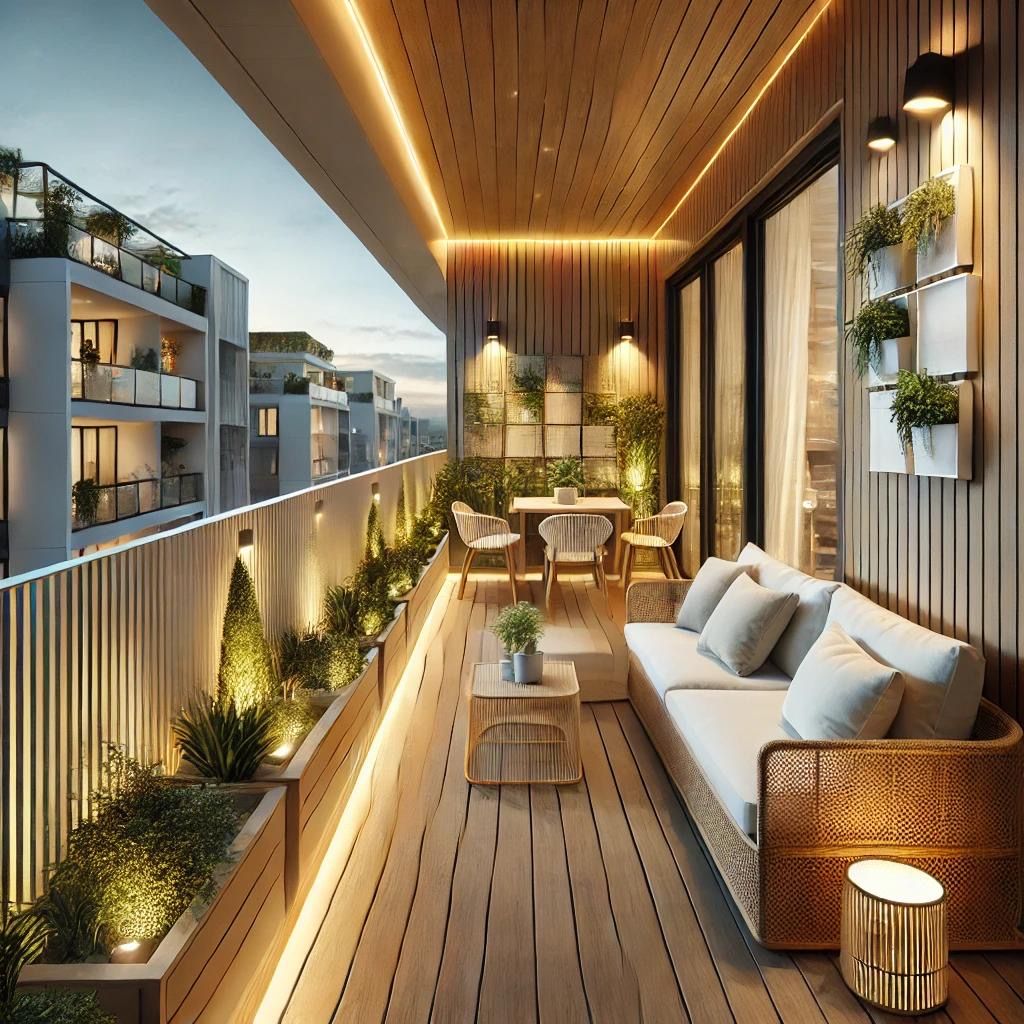
Introduction: In the fast-paced world of modern interior design, designers grapple with a unique set of challenges that require adaptability, innovation, and a keen understanding of evolving trends. Let’s explore the hurdles faced by interior designers in contemporary projects.
- Rapid Technological Changes: Keeping pace with constantly evolving design software and technology poses a challenge, demanding continuous learning and adaptation to remain at the forefront of the industry.
- Sustainability Demands: Meeting the growing demand for sustainable design practices requires sourcing eco-friendly materials, implementing energy-efficient solutions, and navigating an ever-expanding landscape of green certifications.
- Budget Constraints: Striking a balance between ambitious design visions and budget limitations is a perpetual challenge, necessitating creative solutions and effective communication with clients.
- Multifunctional Spaces: The trend towards multifunctional spaces requires designers to create versatile interiors that seamlessly transition between various purposes, optimizing limited space effectively.
- Client Expectations and Trends: Anticipating and meeting client expectations amidst rapidly changing design trends necessitates staying attuned to client preferences and industry shifts.
- Global Sourcing Challenges: Sourcing materials and furnishings from various global locations introduces logistical complexities, including shipping delays, customs regulations, and ensuring ethical sourcing practices.
- Designing for Technology Integration: The integration of smart home technologies poses design challenges, as designers must seamlessly incorporate these elements into the aesthetic while maintaining functionality.
- Project Coordination and Management: Coordinating with contractors, suppliers, and other stakeholders in complex projects requires effective project management skills to ensure timely and successful execution.
- Balancing Aesthetics and Functionality: Achieving the delicate balance between creating visually stunning spaces and ensuring they meet the functional needs of the occupants poses an ongoing challenge.
- Innovative Material Use: Exploring and incorporating innovative materials presents challenges in terms of understanding their properties, durability, and ensuring they align with sustainability goals.
- Changing Consumer Preferences: Adapting to the evolving tastes and preferences of a diverse client base adds complexity, requiring designers to stay ahead of emerging design styles and cultural shifts.
- Compliance with Regulations: Navigating building codes, safety regulations, and accessibility standards demands meticulous attention to detail, ensuring designs not only meet aesthetic goals but also adhere to legal requirements.
Conclusion: As the landscape of interior design continues to evolve, designers face a dynamic array of challenges that demand creativity, resilience, and a commitment to staying at the cutting edge of design innovation. Navigating these challenges not only defines the success of modern projects but also contributes to the continual evolution of the interior design profession.