Floor lamps are versatile lighting fixtures that can provide both ambient and task lighting while also serving as stylish decor elements. Here are some considerations when it comes to floor lamps:
- Functionality:
- Floor lamps can serve various purposes, including providing general ambient lighting or focused task lighting for reading or other activities.
- Choose a floor lamp with the appropriate level of brightness and light distribution for the intended use.
- Style and Design:
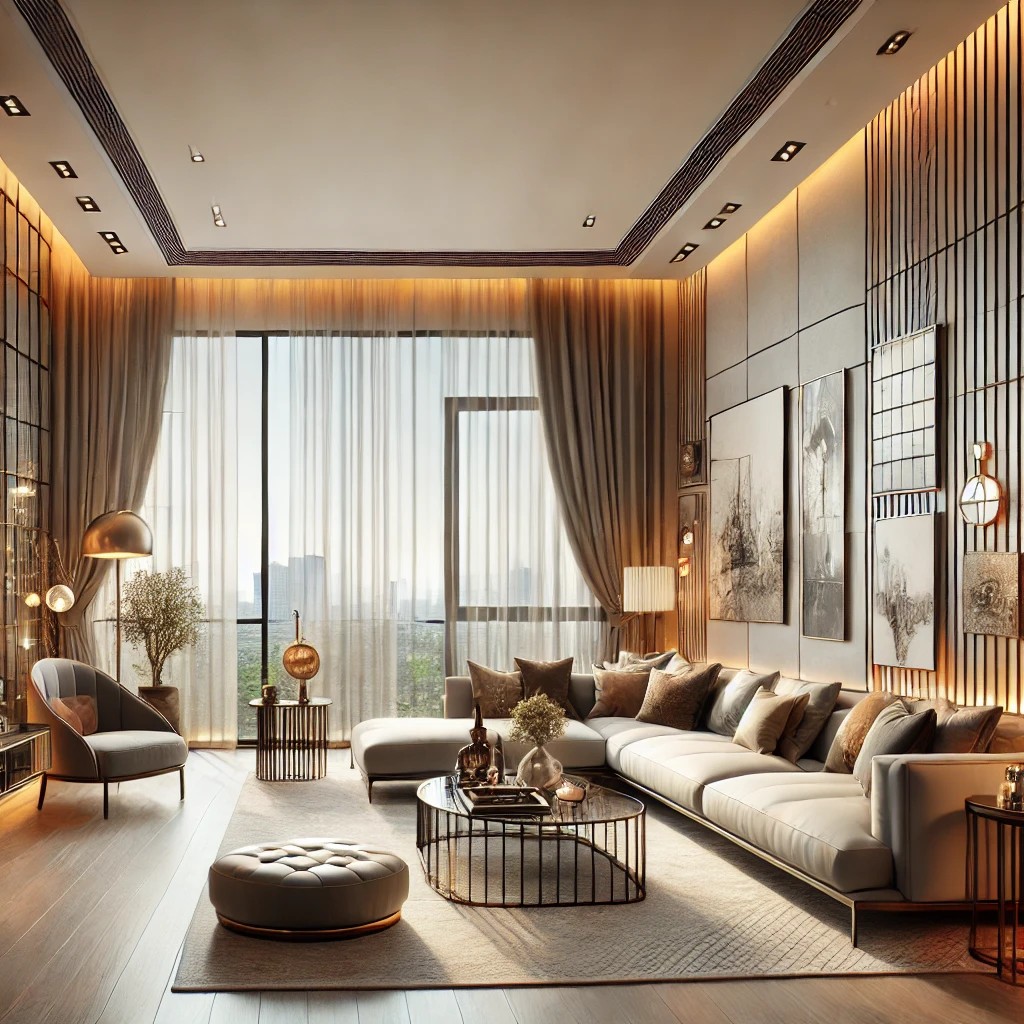
- Floor lamps come in a wide range of styles, from traditional to modern and minimalist to ornate. Consider the overall design and aesthetic of the room when selecting a floor lamp to ensure it complements the existing decor.
- Pay attention to details like the lampshade design, base material, and any decorative elements.
- Height and Size:
- Consider the height of the floor lamp in relation to the surrounding furniture and the ceiling height. Taller floor lamps can draw attention to vertical space, while shorter ones may work well in smaller spaces.
- The size of the lampshade should also be proportionate to the lamp’s height and the room.
- Adjustability:
- Some floor lamps come with adjustable features, allowing you to change the height or angle of the light. This can be beneficial for directing light where it’s needed for specific tasks.
- Lighting Shade:
- Similar to table lamps, the type of lampshade on a floor lamp can affect the quality and direction of light. Different materials and colors will create varying lighting effects.
- Bulb Type:
- Consider the type of bulb the floor lamp uses. LED bulbs are energy-efficient and long-lasting, while incandescent bulbs may provide a warmer light but have a shorter lifespan.
- Dimming Capability:
- Some floor lamps come with built-in dimmer switches or are compatible with dimmable bulbs. This allows you to adjust the light intensity according to your preferences and needs.
- Base Stability:
- Ensure that the floor lamp has a stable and secure base, especially if it’s placed in high-traffic areas or in homes with pets and children. A stable base prevents the lamp from tipping over.
- Cord Management:
- Consider the length and design of the floor lamp’s cord. Some floor lamps come with cord management features to keep the cords organized and unobtrusive.
- Integration with Room Layout:
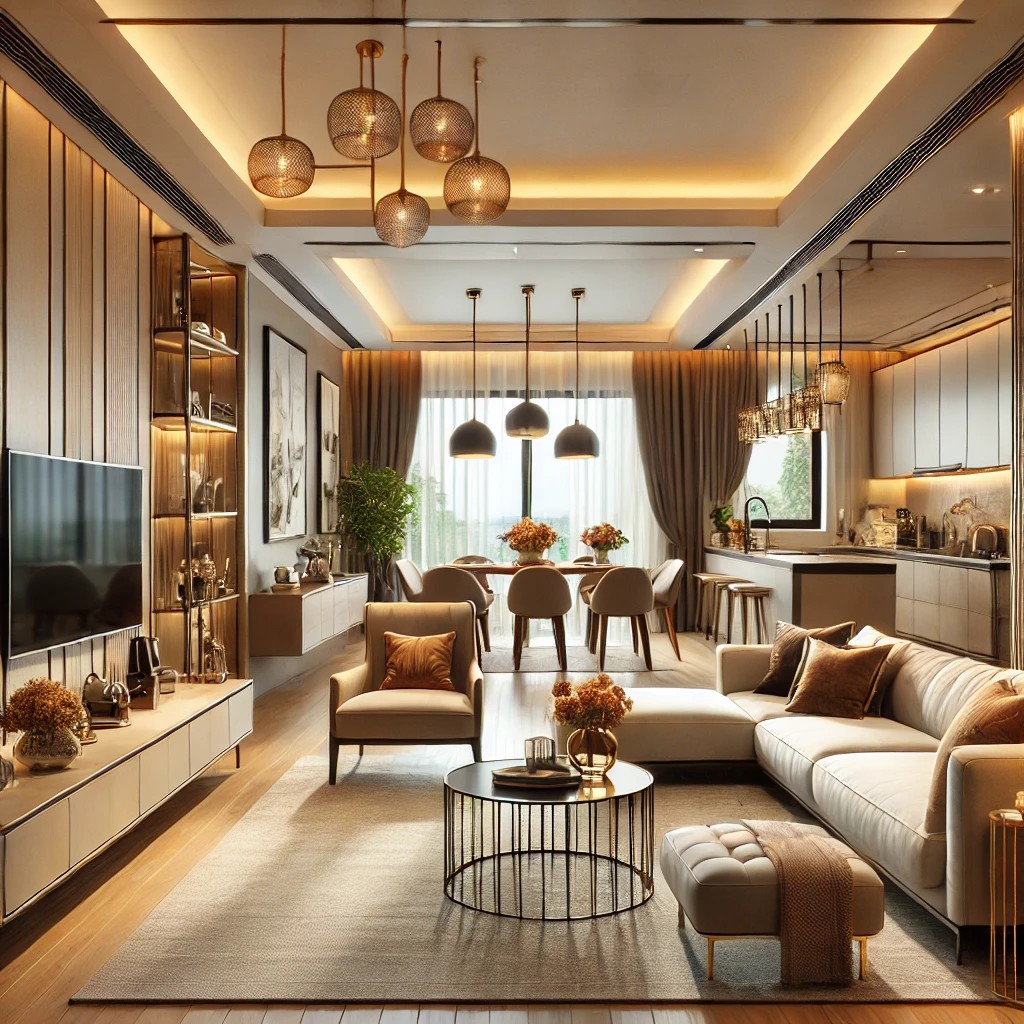
- Evaluate how the floor lamp will integrate into the overall layout of the room. It should complement the existing furniture and enhance the overall ambiance.
- Material and Finish:
- The material and finish of the floor lamp contribute to its overall appearance. Common materials include metal, wood, glass, and plastic. Choose a material that aligns with the room’s style.
- Budget:
- Determine your budget for a floor lamp, as prices can vary widely. There are options available for different budgets, so it’s possible to find a floor lamp that fits your financial considerations.
Floor lamps can be statement pieces in a room, adding both functionality and visual interest. Consider your specific lighting needs and the room’s design when selecting a floor lamp to create a well-lit and aesthetically pleasing space.