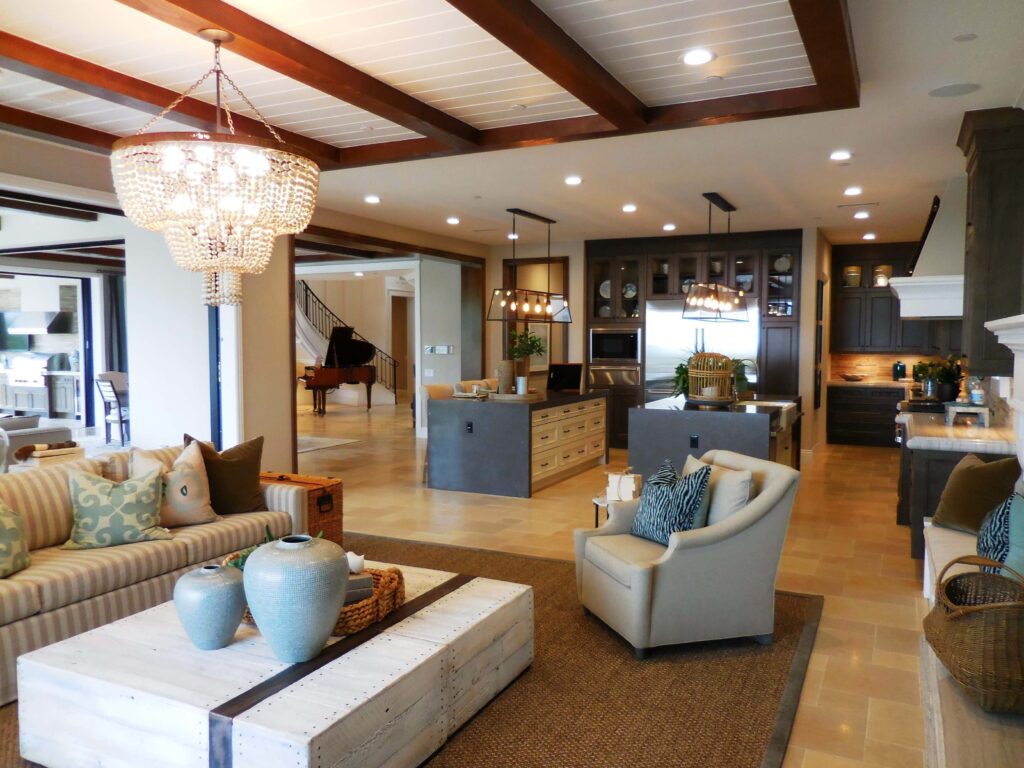
Upholstery fabric is a crucial element in furniture design, providing both aesthetic appeal and functional durability. When selecting upholstery fabric for furniture, consider the following factors:
- Material:
- Upholstery fabrics come in a variety of materials, each with its own characteristics. Common materials include:
- Cotton: Soft and breathable, but may wrinkle and fade.
- Linen: Natural and textured, but can wrinkle easily.
- Wool: Durable and resistant to wrinkles, but may be more expensive.
- Polyester: Resistant to wrinkles and fading, easy to clean, but may feel less breathable.
- Leather: Luxurious and durable, but requires special care.
- Upholstery fabrics come in a variety of materials, each with its own characteristics. Common materials include:
- Durability:
- Consider the level of wear and tear the furniture will endure. High-traffic areas, like living rooms, may require more durable fabrics. Look for fabric with high abrasion resistance, often measured by the Martindale rub test.
- Color and Pattern:
- Choose a color and pattern that complements the overall design and color scheme of the room. Consider the size of the furniture and the surrounding decor when selecting patterns.
- Cleaning and Maintenance:
- Different fabrics have varying cleaning requirements. Some fabrics are easy to clean with a damp cloth, while others may require professional cleaning. Check the care instructions for each fabric type.
- Fade Resistance:
- If the furniture will be exposed to sunlight, consider fade-resistant fabrics to maintain the color vibrancy over time.
- Allergies:
- For individuals with allergies, consider hypoallergenic fabrics that resist dust mites and allergens.
- Texture:
- The texture of the fabric contributes to the overall feel of the furniture. Consider the tactile qualities of the fabric and how they align with the comfort and style you desire.
- Style and Design:
- Upholstery fabric plays a significant role in the design of the furniture. Consider the overall style and aesthetic you want to achieve. Traditional spaces may benefit from rich, textured fabrics, while modern spaces may lean towards sleeker, smoother materials.
- Cost:
- Upholstery fabrics come in a range of price points. Set a budget and look for fabrics that meet your criteria within that range.
- Testing Swatches:
- Before committing to a particular upholstery fabric, obtain swatches to test how they look and feel in your space. This allows you to see how the fabric interacts with other elements in the room.
- Flame Resistance:
- If safety is a concern, especially in public spaces, consider fabrics that meet fire safety standards.
- Environmental Impact:
- If eco-friendliness is a priority, look for upholstery fabrics made from sustainable or recycled materials.
- Backing and Lining:
- Consider the backing and lining of the upholstery fabric, as they can affect the fabric’s stability and durability.
- Fade Resistance:
- If the furniture will be exposed to sunlight, consider fade-resistant fabrics to maintain the color vibrancy over time.
Remember that the right upholstery fabric not only enhances the visual appeal of furniture but also contributes to its longevity and functionality. Assess your specific needs, lifestyle, and design preferences to make an informed decision when choosing upholstery fabric.