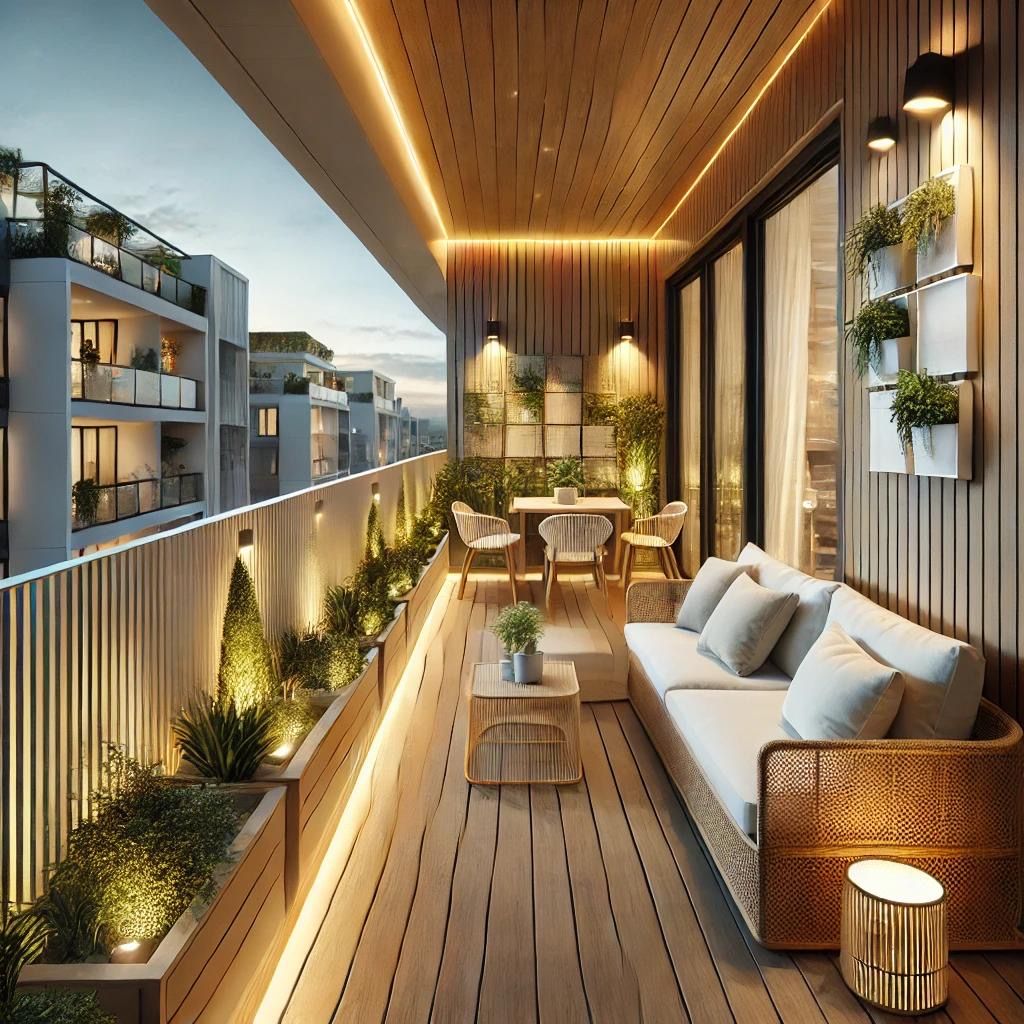
Designing the interior of your house involves a creative and thoughtful process to create a space that reflects your personality, meets your needs, and is aesthetically pleasing. Here are step-by-step guidelines to help you design the interior of your house:
- Define Your Style:
- Start by identifying your personal style preferences. Explore different design styles such as modern, traditional, minimalist, bohemian, or eclectic. Look for inspiration in magazines, online platforms, and by visiting furniture stores.
- Set a Budget:
- Determine a budget for your interior design project. This will guide your choices in terms of furnishings, decor, and any professional services you may require.
- Assess Your Needs:
- Consider the functionality of each space. Identify the purpose of each room and the specific activities that will take place there. This will help you determine the furniture and layout needed.
- Create a Floor Plan:
- Measure the dimensions of each room and create a floor plan. Consider traffic flow, natural light, and the placement of doors and windows. Sketching or using online tools can help visualize the layout.
- Choose a Color Scheme:
- Select a color scheme that suits your taste and complements the overall style you’ve chosen. Consider the mood you want each room to convey and how different colors can influence that.
- Select Furniture:
- Choose furniture pieces that fit the scale of your rooms and align with your style. Consider the functionality of each piece, ensuring it meets your needs while contributing to the overall aesthetic.
- Consider Lighting:
- Plan for adequate lighting in each room. Incorporate a mix of ambient, task, and accent lighting. Consider natural light sources and choose fixtures that enhance the style of your space.
- Add Texture and Layers:
- Introduce texture through textiles, such as rugs, curtains, and throw pillows. Layering textures adds depth and visual interest to the design.
- Personalize with Decor:
- Decorate your space with personal items, artwork, and decorative elements that reflect your personality. Don’t forget to leave room for sentimental items that hold meaning for you.
- Accessorize Mindfully:
- Be mindful of clutter and choose accessories thoughtfully. Opt for items that enhance the design and contribute to a cohesive look.
- Balance and Harmony:
- Aim for balance and harmony in your design. Distribute visual weight evenly, and consider the relationship between colors, shapes, and sizes.
- Consider Long-Term Maintenance:
- Keep in mind the practical aspects of maintaining your interior. Choose materials and finishes that are durable and easy to clean, especially in high-traffic areas.
- Experiment and Iterate:
- Don’t be afraid to experiment with different layouts and arrangements. It’s okay to make adjustments as you live in and experience the space.
- Seek Professional Advice if Needed:
- If you find the process overwhelming or want professional guidance, consider hiring an interior designer or seeking advice from a design consultant.
Remember, the key to successful interior design is creating a space that aligns with your lifestyle and brings you joy. Take your time, enjoy the process, and let your creativity guide you.