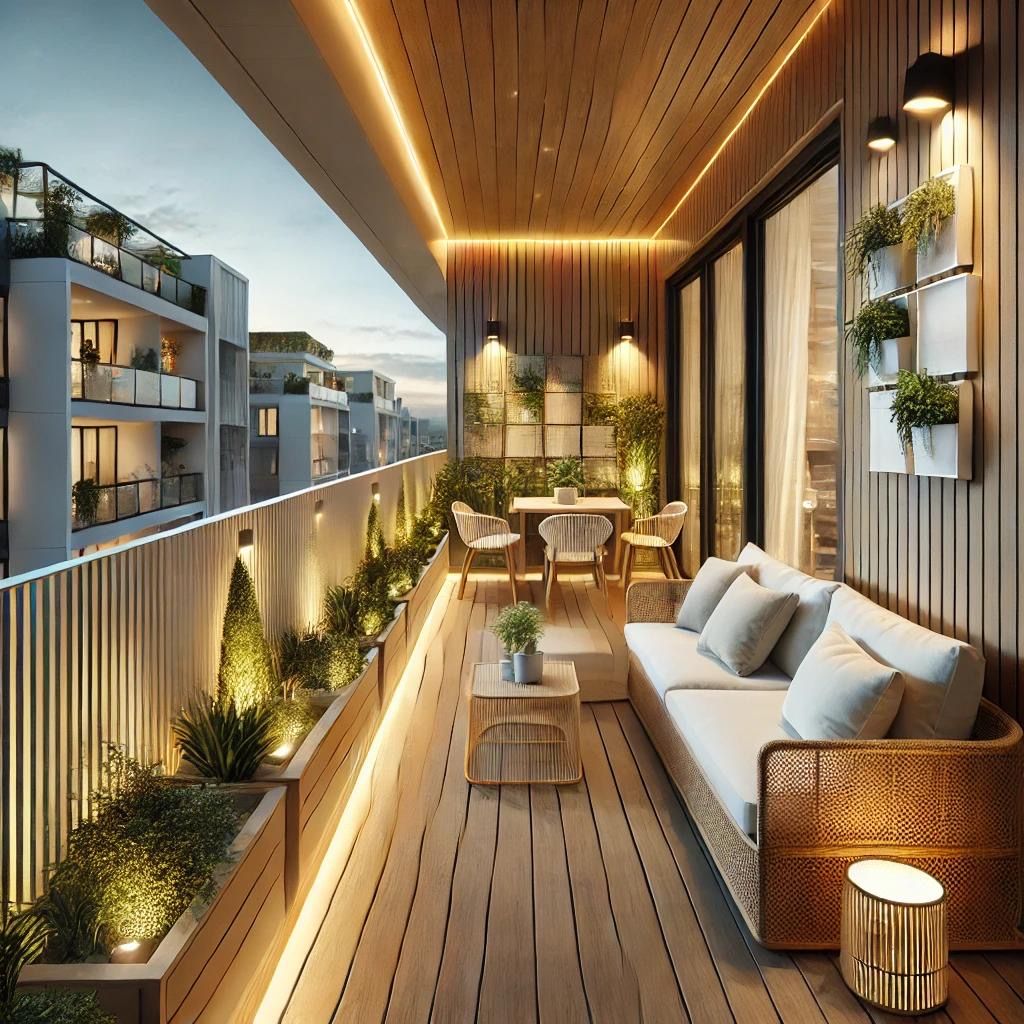
Introduction: Embark on a design journey that bridges the gap between traditional elegance and contemporary flair. Transitional interior design seamlessly marries classic and modern elements to create a space that feels both timeless and fresh. Let’s explore the key principles that bring harmony to this delicate balance.
1. “Neutral Color Palette with Pops of Color”: Start with a neutral color palette as the foundation. Whites, grays, and beiges provide a timeless backdrop. Introduce pops of color through accent pieces, upholstery, or artwork to add vibrancy and a contemporary touch.
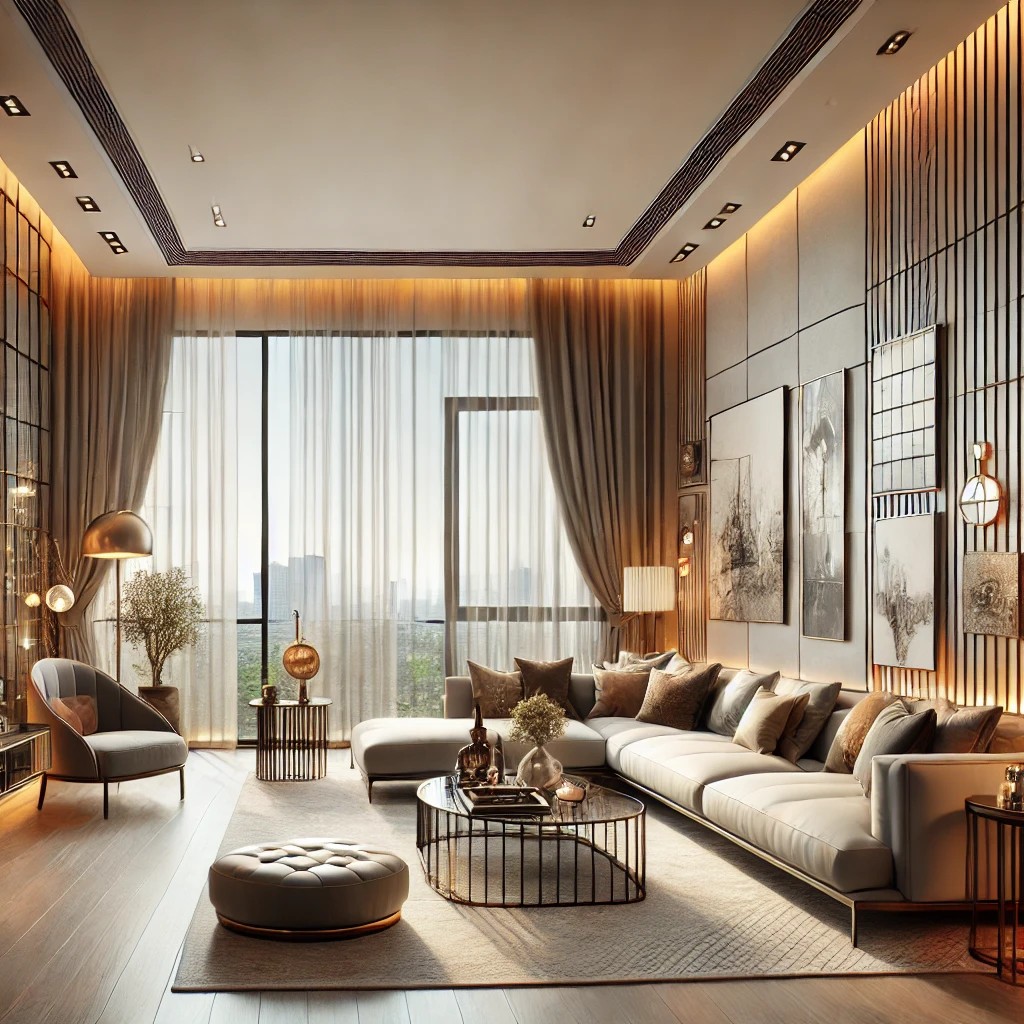
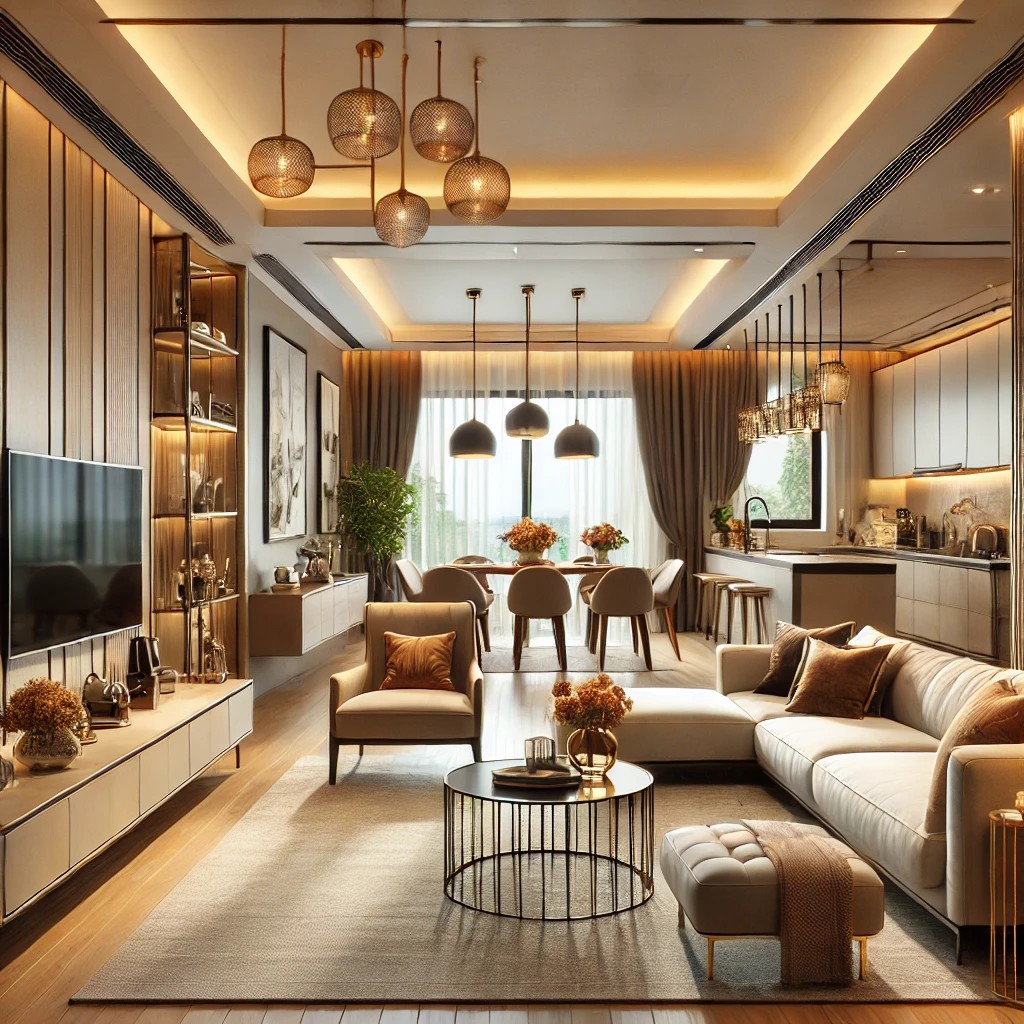
2. “Blending Traditional and Modern Furniture”: Combine traditional and modern furniture to achieve a balanced look. Pair a classic sofa with sleek, contemporary side tables, or place a modern coffee table in a room adorned with traditional furnishings. This juxtaposition creates visual interest and a sense of transitional elegance.
3. “Mix of Textures and Materials”: Infuse the space with a mix of textures and materials. Combine elements like wood, metal, glass, and fabrics to add depth and dimension. Texture plays a crucial role in creating a transitional space that feels rich and inviting.
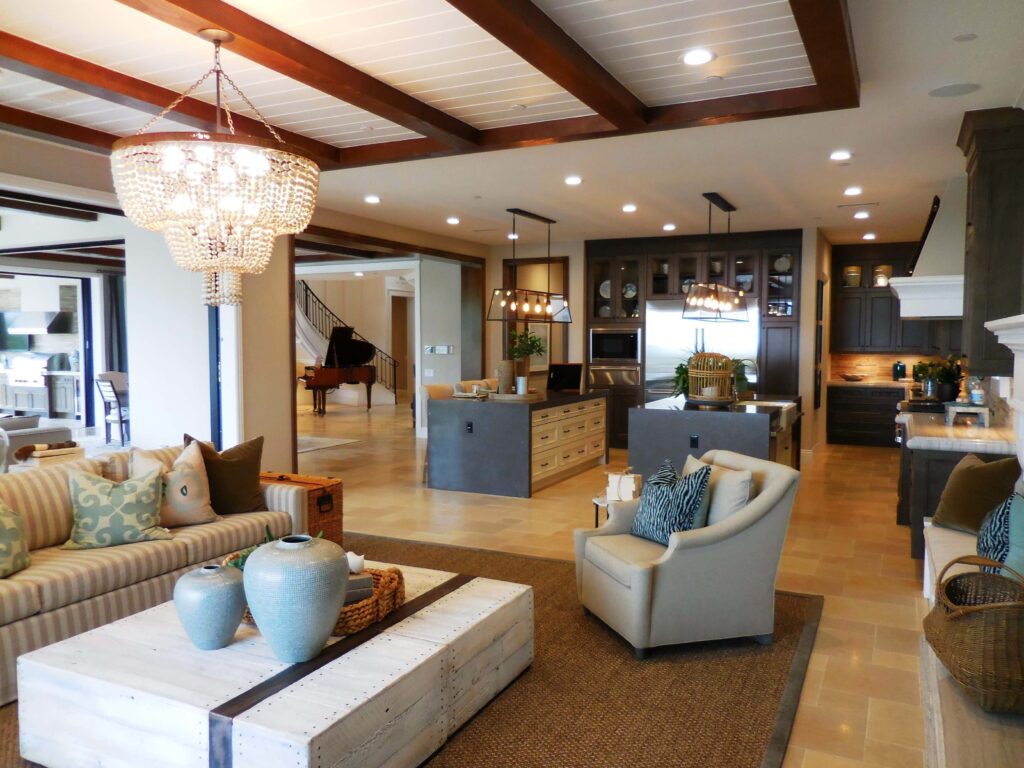
4. “Timeless Architectural Details”: Retain timeless architectural details while incorporating modern finishes. Crown molding, wainscoting, or traditional fireplace mantels can coexist harmoniously with contemporary flooring, lighting fixtures, and hardware.
5. “Subtle Patterns and Prints”: Introduce subtle patterns and prints to add visual interest. Opt for classic patterns like stripes, chevrons, or herringbone in a neutral color scheme. This touch of tradition complements the transitional aesthetic without overpowering the design.
6. “Flexible Lighting Solutions”: Utilize a mix of traditional and modern lighting fixtures. Chandeliers with classic silhouettes, paired with sleek pendant lights or minimalist floor lamps, create a balanced lighting scheme that bridges the gap between the old and the new.
7. “Artwork as a Focal Point”: Make artwork a focal point that blends styles. Whether it’s a classic painting above a modern console or contemporary art in a traditionally furnished room, the right artwork ties the design elements together and adds a personal touch.
8. “Layered Window Treatments”: Achieve a balanced window treatment with layered options. Combine classic drapes with modern blinds or shades. This approach not only enhances the functionality of the space but also adds depth to the transitional design.
9. “Flexible Layout Arrangements”: Maintain a flexible layout that allows for easy transitions. Arrange furniture in a way that promotes conversation and flow, ensuring a harmonious balance between traditional comfort and modern functionality.
10. “Personalized Accessories”: Curate accessories that reflect your style. Whether it’s a mix of traditional vases and contemporary sculptures or a blend of antique and modern decorative items, personalized accessories add the finishing touch to your transitional interior.
Conclusion: Transitional interior design is an artful blend of the old and the new, where classic elegance meets contemporary comfort. By harmonizing neutral palettes, blending furniture styles, and embracing a mix of textures, you can create a space that seamlessly transitions between tradition and modernity. Welcome to a home where the best of both worlds coexists in perfect harmony.