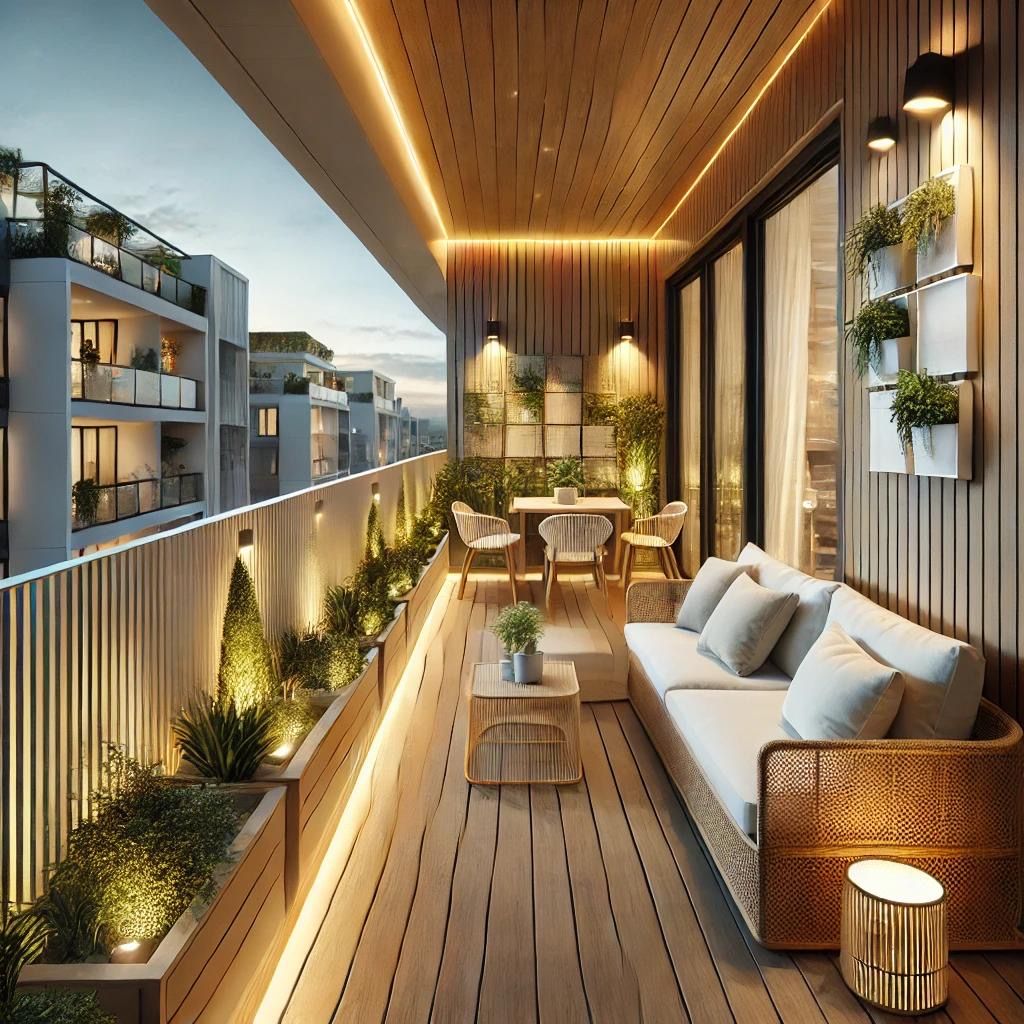
Designing a cohesive and harmonious dining room involves blending aesthetics, functionality, and personal style to create a space that invites warmth and connection. Here are key considerations and steps to guide the creation of a dining room that exudes both unity and beauty:
- Define the Purpose: Understand the primary purpose of the dining room. Is it a formal space for entertaining guests, a casual family dining area, or a multi-functional space for work and meals? Defining the purpose helps guide design decisions.
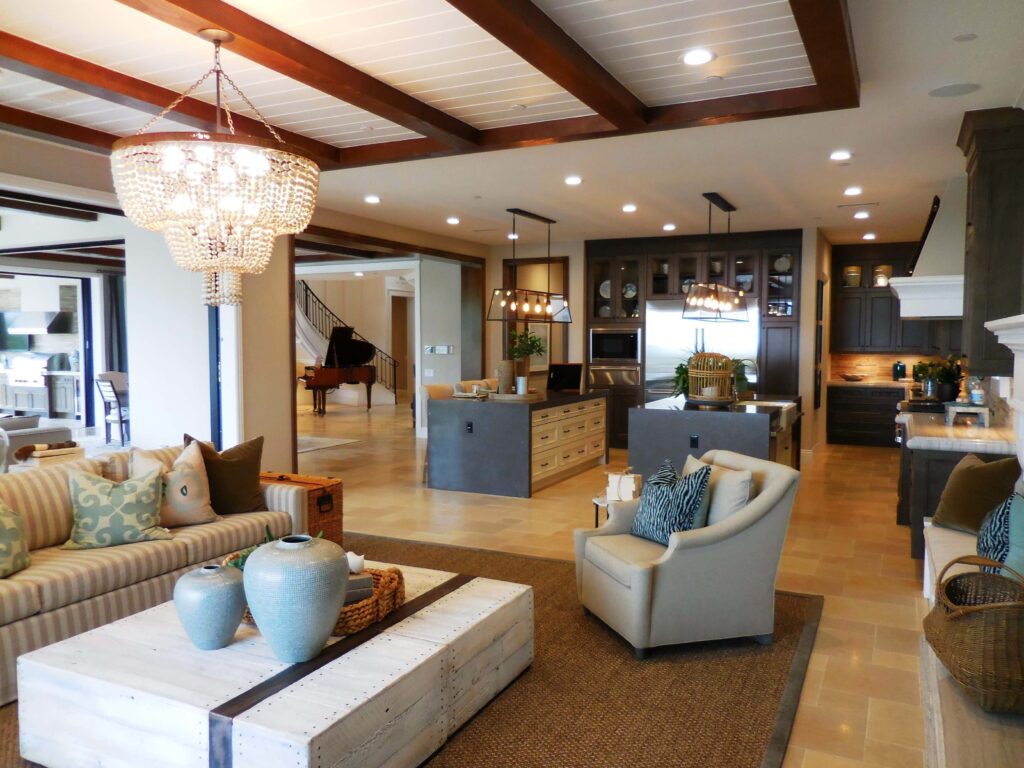
- Establish a Focal Point: Create a focal point that draws attention and anchors the room. This could be a statement chandelier, a large piece of artwork, or a prominent feature like a fireplace. The focal point sets the tone for the design and becomes a visual centerpiece.
- Coordinate Colors and Tones: Choose a cohesive color palette that complements the overall theme of your home. Consistent colors and tones help tie the dining room to adjacent spaces, creating a seamless flow. Consider the mood you want to evoke – warm and inviting or cool and serene – and select colors accordingly.
- Select Appropriate Furniture: Invest in dining furniture that suits the size of the room and accommodates the number of occupants. Ensure that the style and materials of the dining table and chairs harmonize with the overall design. Coordinated furniture contributes to a unified look.
- Mix and Match Thoughtfully: If you opt for a mix of dining furniture styles or materials, do so thoughtfully. Ensure that there is a unifying element, such as color or shape, to tie the pieces together. Mixing styles can add character, but cohesion is key to prevent the room from feeling disjointed.
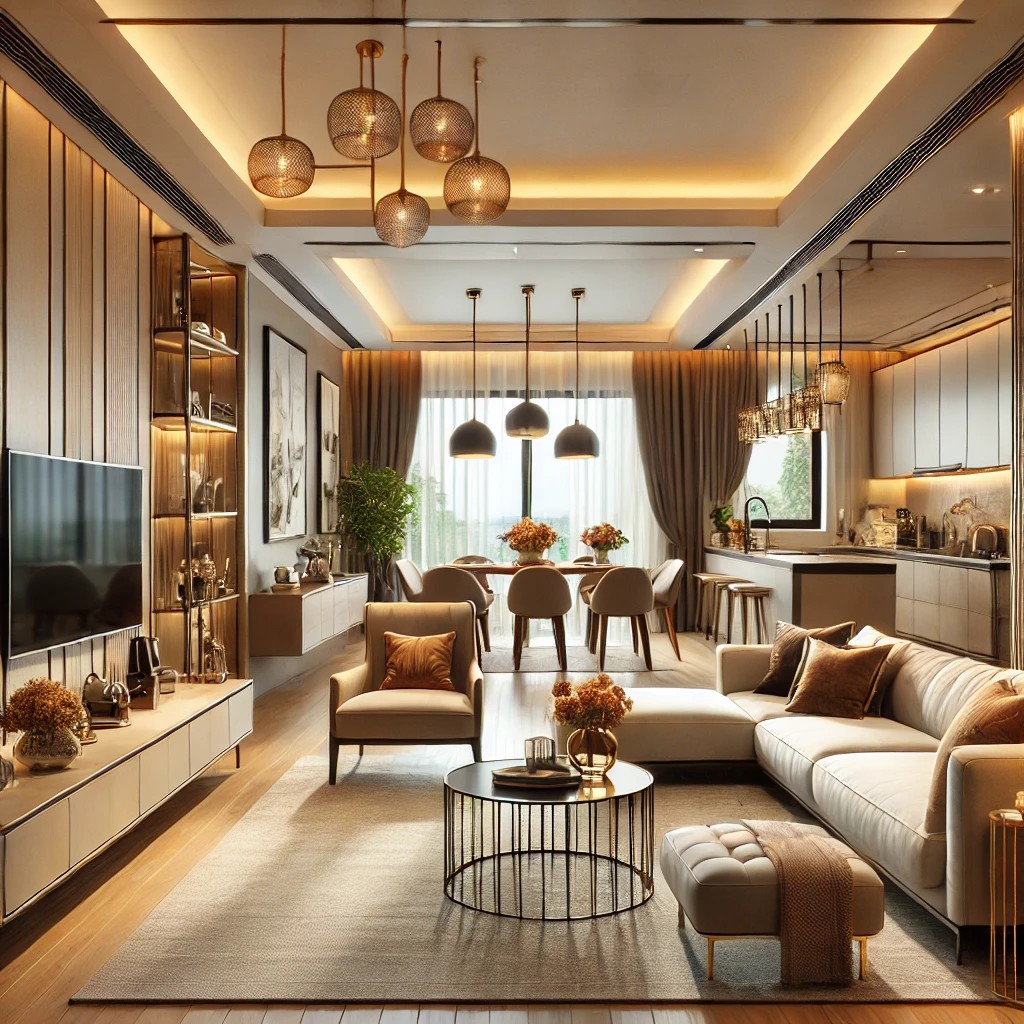
- Pay Attention to Lighting: Lighting plays a crucial role in creating ambiance. Install a lighting fixture that complements the dining table and enhances the overall design. Pendant lights or a chandelier positioned above the table can serve as both functional and decorative elements.
- Incorporate Texture and Layering: Introduce texture through textiles, such as table linens, curtains, and upholstery. Layering textures adds depth and visual interest. Consider a mix of smooth and rough textures to create a balanced and inviting atmosphere.
- Accessorize with Intention: Thoughtful accessorizing enhances the cohesive design. Consider adding decorative elements like a centerpiece, candles, or artwork that align with the overall aesthetic. Avoid overcrowding the table and surrounding areas to maintain a clean and cohesive look.
- Balance Symmetry and Asymmetry: Achieving a balance between symmetry and asymmetry contributes to visual harmony. While symmetrical arrangements can create a sense of order, introducing asymmetrical elements adds a touch of uniqueness. For instance, mismatched chairs around a uniform table can be visually appealing.
- Consider Scale and Proportion: Pay attention to the scale of furniture and decor elements. Ensure that they are proportionate to the size of the dining room. Oversized furniture in a small space can feel overwhelming, while too-small pieces may appear out of place.
- Incorporate Natural Elements: Bring the outdoors in by incorporating natural elements. Consider adding potted plants, flowers, or a bowl of fresh fruit to introduce organic elements. Natural materials, such as wood or stone, can also contribute to a harmonious and earthy atmosphere.
- Maintain Flow with Adjacent Spaces: Ensure a smooth flow between the dining room and adjacent spaces. Consistency in design elements, such as flooring or wall colors, helps create a sense of continuity. Consider the overall layout and how the dining room integrates into the larger home design.
- Personalize with Art and Decor: Infuse personal touches into the dining room with art and decor that resonate with your style and preferences. Family photos, artwork collected during travels, or unique decorative pieces can add a layer of personalization without compromising the overall cohesion.
- Create Visual Continuity: Strive for visual continuity by repeating design elements throughout the room. This could be through consistent colors, patterns, or shapes. Visual repetition creates a cohesive and harmonious environment.
By integrating these considerations into your design process, you can create a dining room that not only reflects your personal style but also fosters a sense of unity and warmth. The key lies in thoughtfully blending elements to ensure that every detail contributes to the overall harmony of the space.