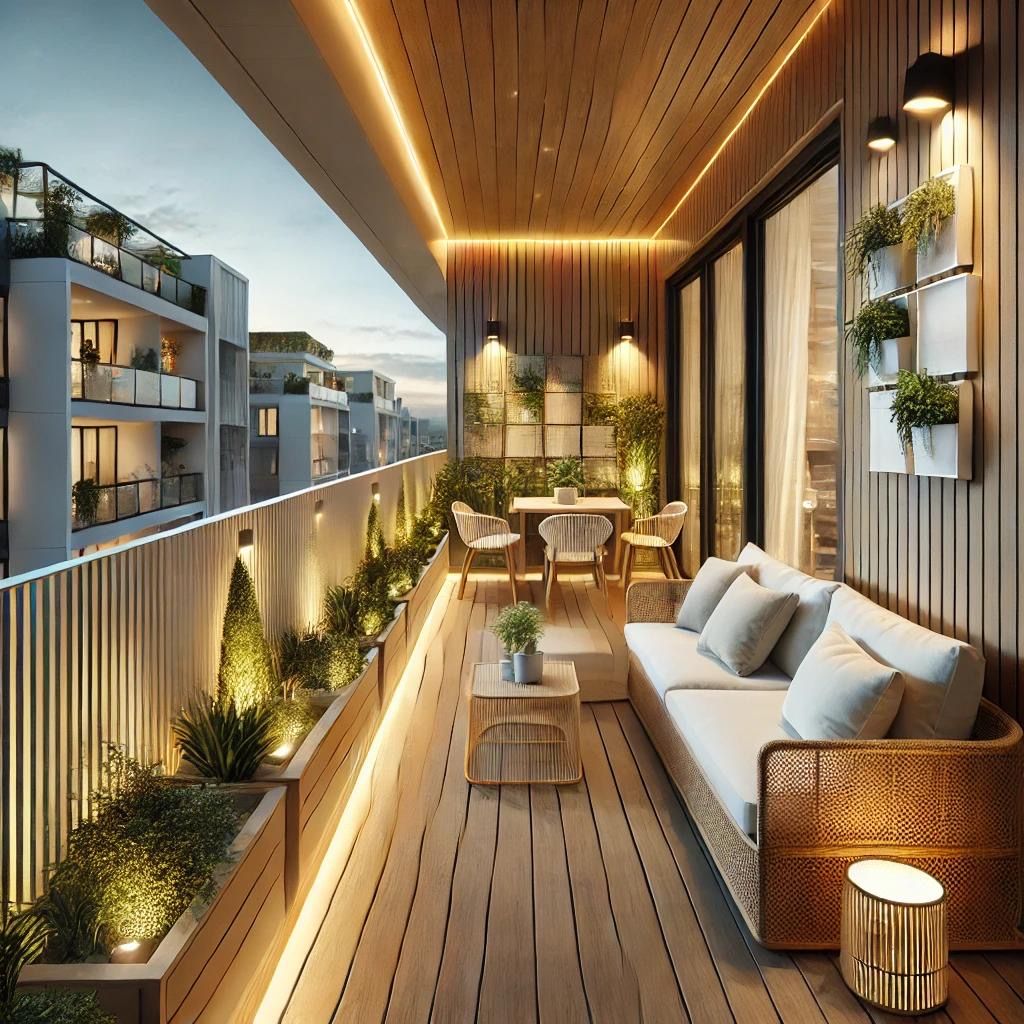
Designing and decorating your home interiors can be an exciting but sometimes challenging endeavor. Here are some tips to make the process easier and more enjoyable:
1. Define Your Style:
- Identify Preferences: Determine your design style, whether it’s modern, traditional, eclectic, or a mix of styles.
- Create a Mood Board: Collect images or create a mood board to visualize your preferred colors, patterns, and furniture styles.
2. Set a Budget:
- Prioritize Spending: Identify key areas where you want to allocate more budget, such as furniture or statement pieces.
- Research Costs: Research the cost of furniture, decor, and materials to create a realistic budget.
3. Prioritize Functionality:
- Understand Room Usage: Consider how each room will be used and design accordingly.
- Multifunctional Furniture: Opt for furniture that serves multiple purposes, especially in smaller spaces.
4. Start with Key Pieces:
- Anchor Furniture: Begin with essential furniture pieces like sofas, beds, and dining tables.
- Build Around Themes: Choose key pieces that align with your design theme.
5. Color Scheme:
- Choose a Base Color: Start with a neutral base color for walls and larger furniture.
- Add Accents: Introduce accent colors through decor items, cushions, and smaller furnishings.
6. Lighting Matters:
- Layered Lighting: Combine ambient, task, and accent lighting for a well-lit and inviting space.
- Statement Lighting: Consider unique light fixtures to add a focal point to each room.
7. Consider Scale and Proportion:
- Balanced Furniture: Ensure furniture is proportionate to the size of the room.
- Avoid Clutter: Don’t overcrowd the space; leave room for movement.
8. Personalize with Accessories:
- Personal Touches: Display personal items, artwork, and photographs to make the space feel like home.
- Seasonal Changes: Update accessories with the seasons for a fresh look.
9. Window Treatments:
- Functional and Aesthetic: Choose window treatments that provide privacy and complement the room’s decor.
- Natural Light: Allow natural light to filter through with sheer curtains or blinds.
10. Flooring Choices:
- Durable and Stylish: Select flooring that suits your lifestyle, considering durability, maintenance, and aesthetics.
- Rugs and Carpets: Add rugs or carpets to define spaces and add warmth.
11. Create Focal Points:
- Statement Wall: Designate one wall in each room as a focal point with bold colors, wallpaper, or artwork.
- Feature Furniture: Let one piece of furniture or decor item stand out as a focal point.
12. DIY Projects:
- Personal Touch: Consider small DIY projects to personalize your space, such as creating artwork or repurposing furniture.
- Budget-Friendly: DIY projects can be cost-effective and allow for creative expression.
13. Flow and Continuity:
- Consistent Theme: Maintain a consistent theme or color scheme throughout the home for a cohesive look.
- Transitional Spaces: Ensure a smooth transition between rooms, especially in open-concept layouts.
14. Plan for Future Changes:
- Adaptable Design: Choose furniture and decor that can be easily updated or replaced over time.
- Neutral Base: Keep larger, more permanent items in neutral tones for versatility.
15. Seek Professional Advice:
- Interior Designers: If possible, consult with a professional interior designer for expert guidance.
- Virtual Design Tools: Use online tools and apps to visualize and plan your designs before making decisions.
16. Quality Over Quantity:
- Invest in Key Pieces: Prioritize quality over quantity when it comes to furniture and major decor items.
- Long-Term Perspective: Consider items that will stand the test of time in terms of style and durability.
17. Stay True to Your Taste:
- Personal Preferences: Don’t be swayed by trends if they don’t align with your personal taste.
- Comfort First: Prioritize comfort and functionality in your furniture choices.
18. Regular Maintenance:
- Clean and Declutter: Regularly clean and declutter to maintain a fresh and organized look.
- Rotate Decor: Rotate decor items periodically to prevent monotony.
Remember that creating a home that reflects your personality and meets your needs is a gradual process. Take your time, enjoy the journey, and let your home evolve into a space that brings you comfort and joy.