If you have specific design preferences, tastes, or requirements, it’s important to communicate them clearly to design experts. Here’s a general guide on how to convey your preferences effectively:
- Create a Design Inspiration Board:
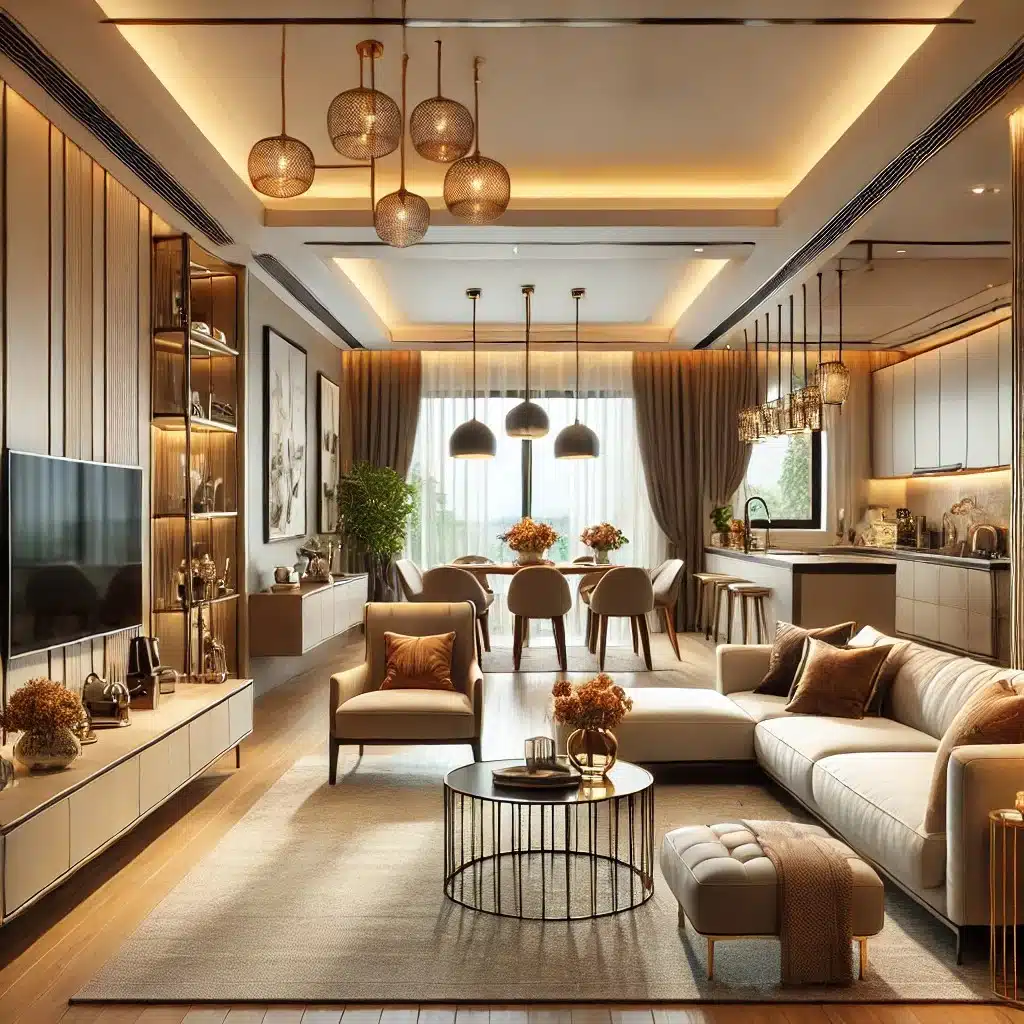
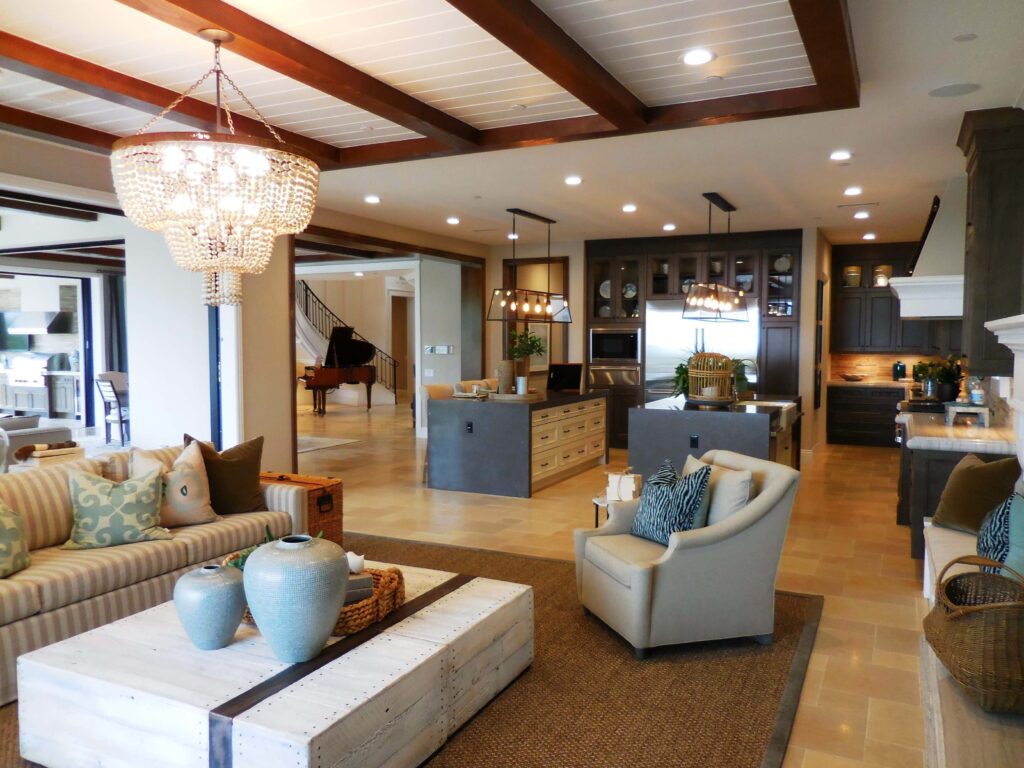
- Collect images, photos, or magazine clippings that represent your preferred style.
- Use online platforms like Pinterest or create a physical mood board.
- Identify Key Elements:
- Point out specific elements in the images that appeal to you, such as colors, patterns, furniture styles, or overall aesthetics.
- Describe Your Lifestyle:
- Share information about your lifestyle, daily routines, and how you use different spaces in your home.
- Mention any specific needs or functionalities that are important to you.
- Color Preferences:
- Specify your color preferences for different rooms or areas. Whether you prefer bold and vibrant colors or a more neutral palette, make it clear.
- Furniture and Layout Preferences:
- Describe the type of furniture you like – modern, traditional, minimalistic, etc.
- Specify any preferences regarding furniture arrangement and spatial layout.
- Budget Constraints:
- Clearly communicate your budget constraints to ensure that the design proposal aligns with your financial parameters.
- Discuss Must-Have Elements:
- Identify any specific elements or features that are non-negotiable for you.
- This could include certain types of lighting fixtures, specific materials, or unique decor items.
- Provide Feedback:
- If you receive design concepts or ideas, provide constructive feedback. Mention what you like and dislike about each proposal.
- Be Open to Suggestions:
- While it’s important to communicate your preferences, be open to professional suggestions and ideas from the design experts.
- Discuss Timelines:
- Clearly discuss your timeline for the project, including any specific deadlines or events that may impact the design and implementation.
- Ask Questions:
- Don’t hesitate to ask questions about any aspect of the design process, including material choices, construction methods, or alternative options.
- Review Previous Work:
- If the design experts have a portfolio or examples of their previous work, take the time to review them. This can give you a better understanding of their style and capabilities.
Remember that effective communication is key to ensuring that your home design reflects your preferences and meets your expectations. Regular and open communication with the design experts will contribute to a successful collaboration.