You can create a comfortable, stylish bedroom on a small budget by prioritizing layout, storage, lighting, and a few high-impact changes. Start with what you already own, set a realistic spending limit, and improve the room in stages rather than buying everything at once.
How Can I Design My Bedroom on a Small Budget?
1. Plan the layout before spending
Measure the room and consider the position of the bed, wardrobe, windows, doors, and walking routes. A better layout can make the bedroom feel larger without any major purchase.
2. Choose the right bed size
Use the smallest bed that comfortably meets your needs. A single or compact double bed can leave more space for movement, storage, and a bedside table in a small bedroom.
3. Lift the bed and use the space underneath
Choose a bed with practical clearance or use suitable under-bed boxes for clothes, bedding, and seasonal items. Keep storage organized and easy to access so the room does not feel cluttered.
4. Use one calm colour palette
Light, coordinated colours can make a compact room feel more open. You can refresh the walls with paint, use matching bedding, or repeat one accent colour through cushions, curtains, artwork, or a rug.
5. Declutter before decorating
Remove items you no longer use and keep surfaces clear. A simple room often looks more polished than a crowded room filled with inexpensive accessories.
6. Make one corner work harder
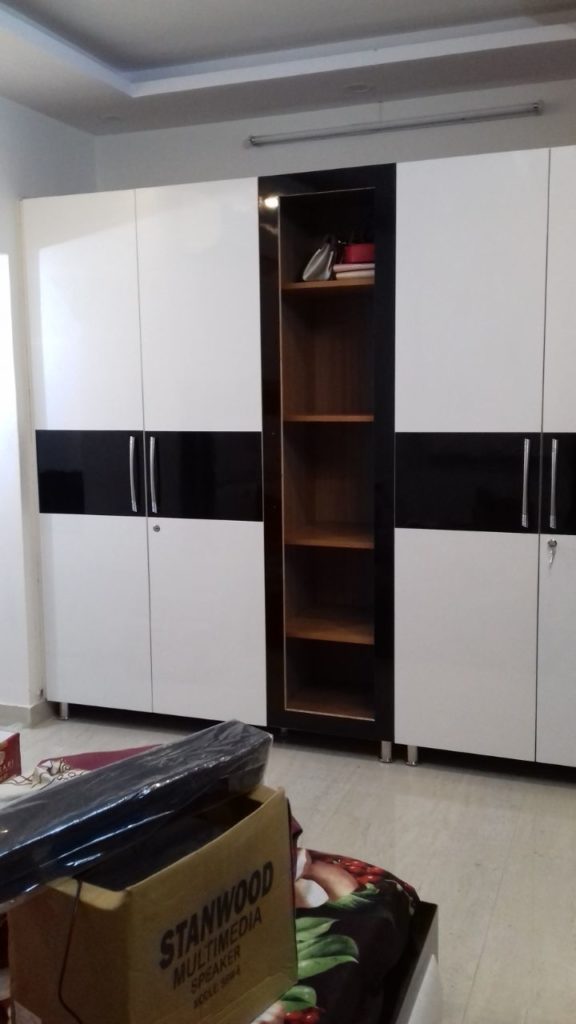
Use an unused corner for a narrow desk, wall-mounted shelf, reading chair, laundry basket, or tall storage unit. Choose furniture that fits the measurements rather than forcing oversized pieces into the room.
7. Add mirrors strategically
A mirror opposite or near a window can reflect light and make the bedroom feel brighter. Look for second-hand frames, affordable full-length mirrors, or smaller grouped mirrors that suit the room’s proportions.
8. Improve lighting in layers
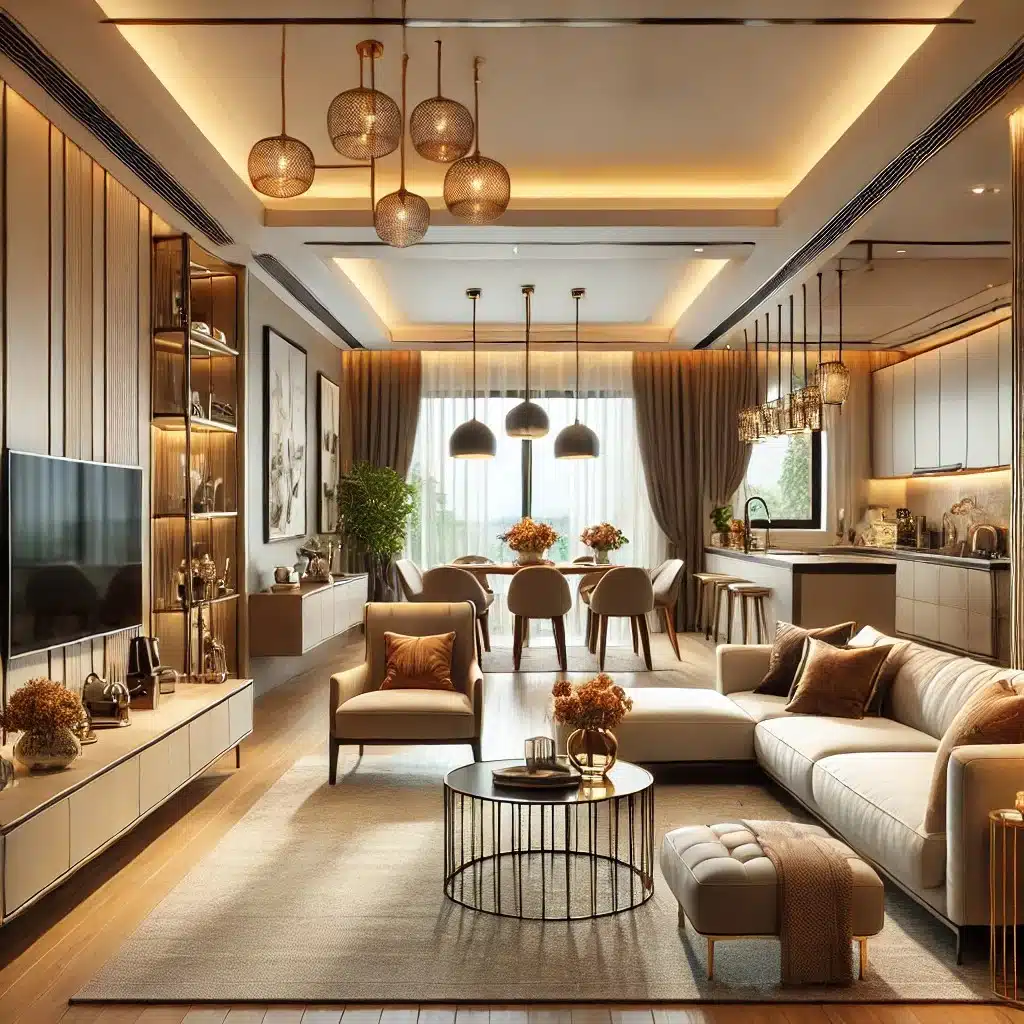
Combine a main light with a bedside lamp, wall light, or inexpensive rechargeable light where appropriate. Warm, adjustable lighting can make the bedroom feel more relaxing without replacing every fitting.
9. Refresh what you already own
Repaint a bedside table, change cabinet handles, rearrange artwork, update lampshades, or use removable covers. Small DIY updates can give familiar furniture a new look at a low cost.
10. Add texture instead of buying more furniture
Use bedding, curtains, cushions, throws, rugs, and plants to add warmth and personality. Choose a few coordinated pieces rather than filling every surface with accessories.
11. Shop second-hand and compare prices
Check local resale platforms, charity shops, clearance sections, and outlet stores for mirrors, lamps, tables, frames, and storage. Inspect second-hand items carefully and confirm that mattresses and upholstered pieces are clean and suitable before buying.
12. Set priorities and a budget
Spend first on items that improve sleep, safety, storage, or daily function. Track each purchase, include delivery and installation costs, and keep a small reserve for unexpected needs.
Low-Cost Bedroom Design Checklist
- Measure the room and test the layout
- Declutter before buying anything
- Choose the right-size bed
- Use under-bed and vertical storage
- Select a simple colour palette
- Refresh existing furniture where possible
- Add a mirror to improve light and depth
- Layer warm, practical lighting
- Use textiles for comfort and texture
- Shop second-hand and compare prices
- Track spending and buy in stages
What Should I Buy First?
Start with the item that solves the biggest problem. This may be a supportive mattress, blackout curtains, better storage, a suitable lamp, or fresh bedding. Once the essentials are working, add decorative elements that support the colour palette and overall mood.
Common Budget Bedroom Mistakes
- Buying furniture before measuring the room
- Choosing too many colours or patterns
- Ignoring storage and allowing clutter to build
- Spending on decoration before fixing poor lighting
- Buying oversized furniture for a compact space
- Forgetting delivery, assembly, or installation costs
Final Thoughts
A small-budget bedroom does not need to look unfinished. A thoughtful layout, calm colours, useful storage, layered lighting, refreshed furniture, and carefully chosen textiles can create a comfortable room without overspending. Improve the essentials first, reuse what you can, and make changes gradually.
For related guidance, read how to design your home interior, learn how to interior design your home yourself, and explore interior design services.