A home designed around the way you live.
Premium home interior design in Gurgaon for apartments, builder floors, independent homes and villas — combining intelligent space planning, useful storage, refined materials and coordinated execution.
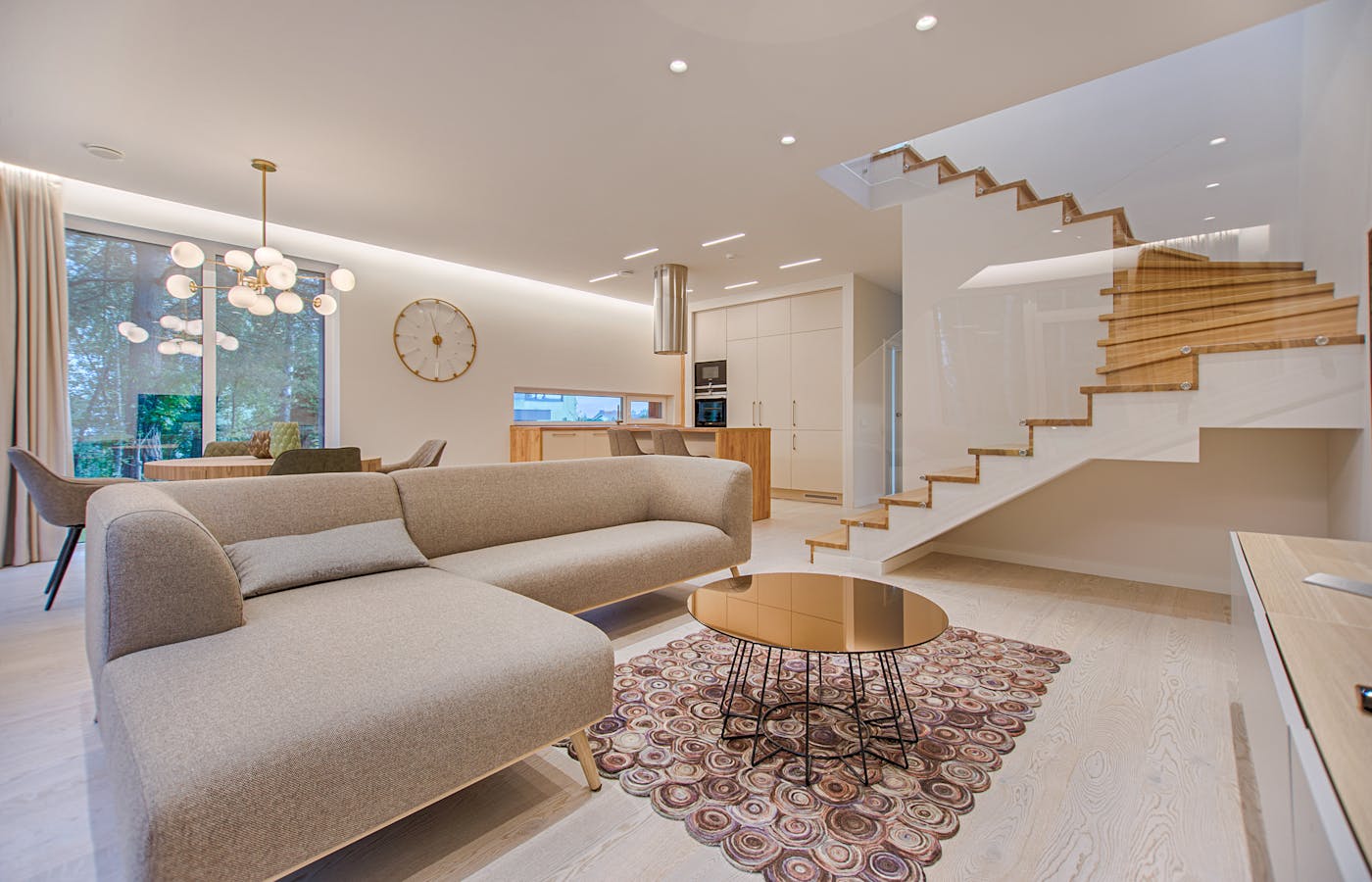
Beautiful is only the beginning.
A strong home interior should make everyday life easier before it makes a room look impressive. We begin with movement, storage, light, furniture proportions and family routines, then build the visual language around them.
Living rooms with room to breathe.
Furniture layouts, TV units, feature walls, lighting and storage planned together.
- Circulation planning
- TV & display units
- Layered lighting
- Dining coordination
A kitchen that works as beautifully as it looks.
Cabinet layouts, appliance zones, worktops, finishes and storage designed around your routine.
- L-shaped & parallel layouts
- Island and open kitchens
- Hardware selection
- Work-zone planning
Bedrooms designed for calm, comfort and storage.
Wardrobes, bedside storage, lighting, furniture proportions and finishes work as one scheme.
- Master, kids & guest rooms
- Full-height wardrobes
- Bed-back concepts
- Warm layered lighting
The details that make the home feel finished.
Storage, furniture, lighting and finishes are coordinated rather than selected in isolation.
- Custom wardrobes
- Ambient & task lighting
- Built-in furniture
- Material palettes
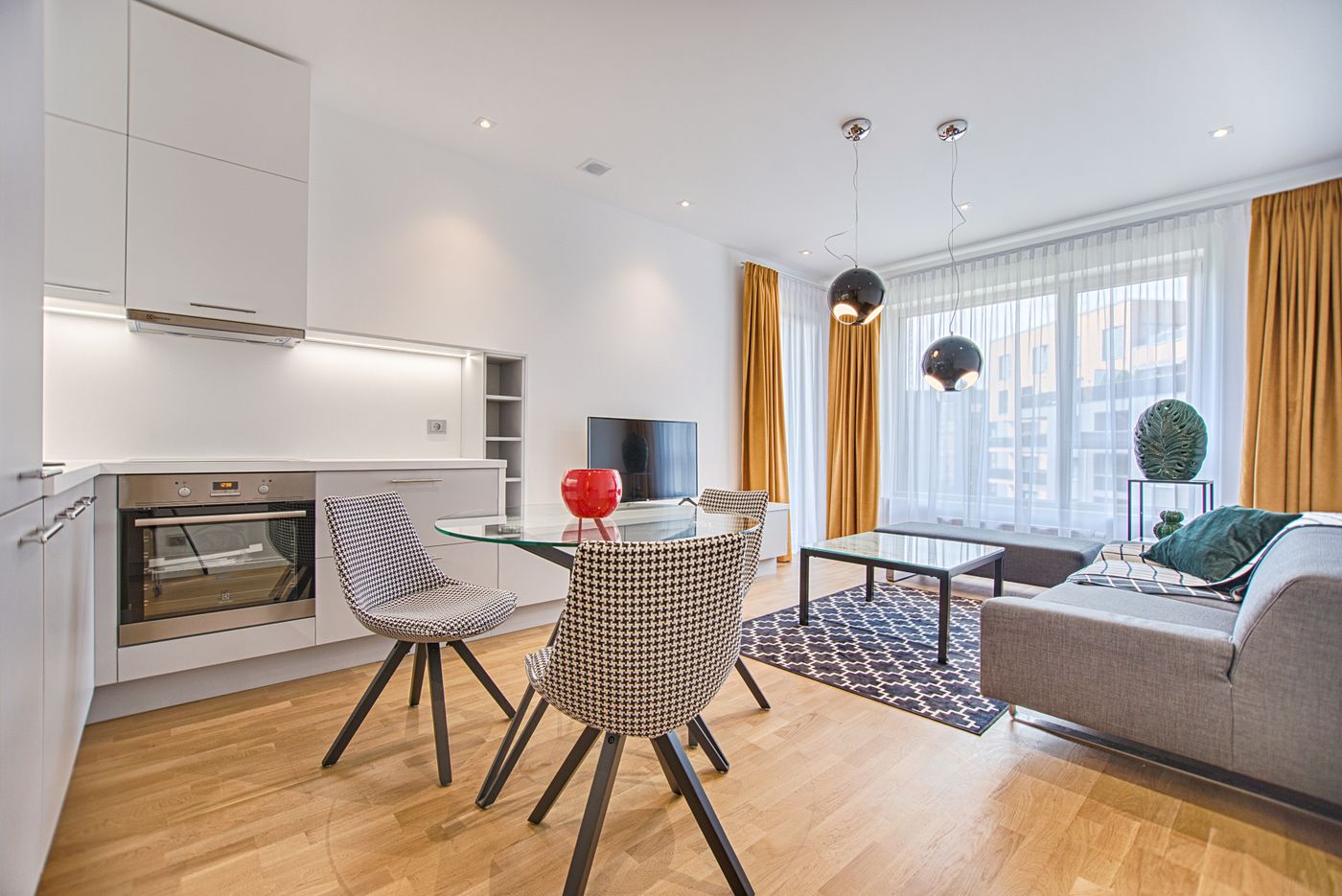
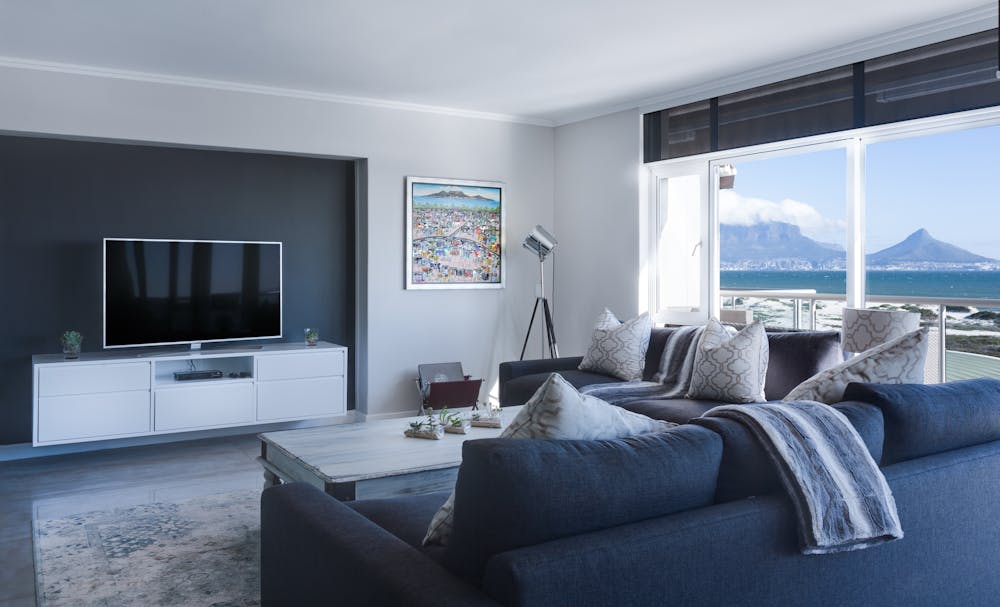
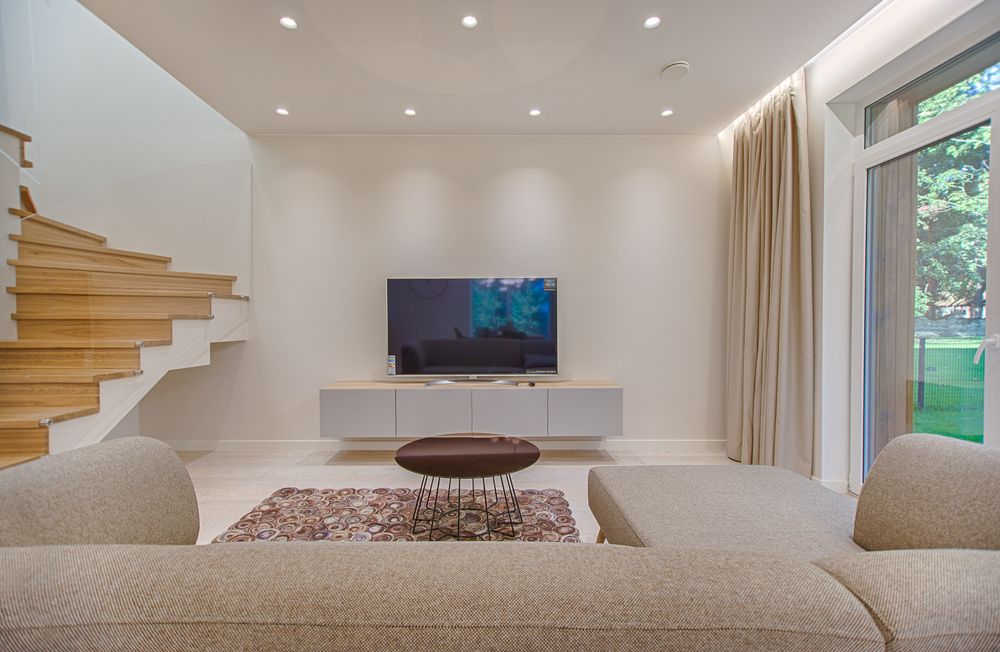
From compact apartments to expansive villas.
High-rise apartments, builder floors and villas each have different proportions, daylight conditions, circulation patterns and storage requirements. The design should respond to the actual property rather than forcing a standard template onto it.
For homeowners across Gurgaon and Gurugram, that means balancing aesthetics with practical storage, durable materials, electrical planning, furniture scale and a realistic execution scope.
Interior planning matched to your home.
Start with the property type, then define rooms, storage, furniture, lighting, materials and execution requirements.
Efficient space planning, modular kitchens, wardrobes and multifunctional furniture.
3BHK & 4BHK HomesRoom-by-room planning with coordinated storage, furniture, lighting and finishes.
Luxury VillasCustomized furniture, premium finishes and detailed design direction for larger homes.
Builder FloorsLayouts and storage designed around unique proportions, windows and family routines.
What should you budget for a Gurgaon home interior?
Interior A to Z’s current Gurgaon planning guides place broad residential ranges around ₹800–₹4,500+ per sq. ft., depending on finish level and project scope. These are planning benchmarks, not fixed quotations.
From floor plan to finished home.
Discover
Discuss the home, lifestyle, rooms, preferred style and approximate budget.
Plan
Review measurements, circulation, furniture, storage and functional priorities.
Design
Develop layouts, materials, colours, lighting and furniture direction.
Build
Coordinate approved fabrication, installation and applicable site execution.
Complete
Review finished spaces and coordinate applicable finishing and handover.
Useful Gurgaon interior resources.
Before you start your home interior design in Gurgaon.
What does home interior design in Gurgaon include?
Depending on the agreed scope, a home interior project can include space planning, living rooms, bedrooms, modular kitchens, wardrobes, furniture, lighting, ceiling concepts, materials and execution coordination.
How much does home interior design cost in Gurgaon?
Current Interior A to Z planning benchmarks range broadly from about ₹800 to ₹4,500+ per sq. ft. depending on specifications and scope. A project-specific quotation should be based on the actual floor plan, rooms, materials and execution requirements.
Can you design a 2BHK, 3BHK or 4BHK home?
Yes. Residential interiors can be adapted to 2BHK, 3BHK and 4BHK apartments, builder floors, independent homes and villas.
Do you provide modular kitchen design in Gurgaon?
Yes. Kitchen planning can cover layout, cabinet storage, work zones, materials, hardware, appliances, lighting and installation according to the project scope.
Do you provide turnkey home interiors?
Turnkey services can combine design development with material coordination, fabrication, installation and execution support. Exact responsibilities and inclusions should be confirmed in the project scope before work begins.
What should I share for an initial consultation?
Share your Gurgaon location or sector, BHK, approximate area, floor plan if available, rooms you want designed, preferred style, approximate budget and target timeline.
Tell us what you want the space to feel like.
Share your floor plan, BHK and a few details about your lifestyle. We can then discuss the right design direction, scope and next steps for your Gurgaon home.