November 2023

Inexpensive DΓ©cor Ideas

Introduction

Decorating your space doesn’t have to break the bank. With a little creativity and resourcefulness, you can transform your home into a stylish and inviting haven without spending a fortune. In this article, we will explore some inexpensive dΓ©cor ideas that will help you achieve a beautiful and personalized space on a budget.

1. Thrift Store Treasures

One man’s trash is another man’s treasure. Thrift stores are a goldmine for finding unique and affordable dΓ©cor items. From vintage picture frames to quirky knick-knacks, you never know what hidden gems you might stumble upon. Take the time to browse through thrift stores in your area and unleash your inner treasure hunter.

2. DIY Artwork

Creating your own artwork is not only a cost-effective way to decorate your walls but also allows you to add a personal touch to your space. You don’t have to be an artist to create something beautiful. Explore different techniques such as abstract painting, collage, or even framing fabric or wallpaper samples. The possibilities are endless, and the result will be a unique piece that reflects your style.

3. Plants and Greenery

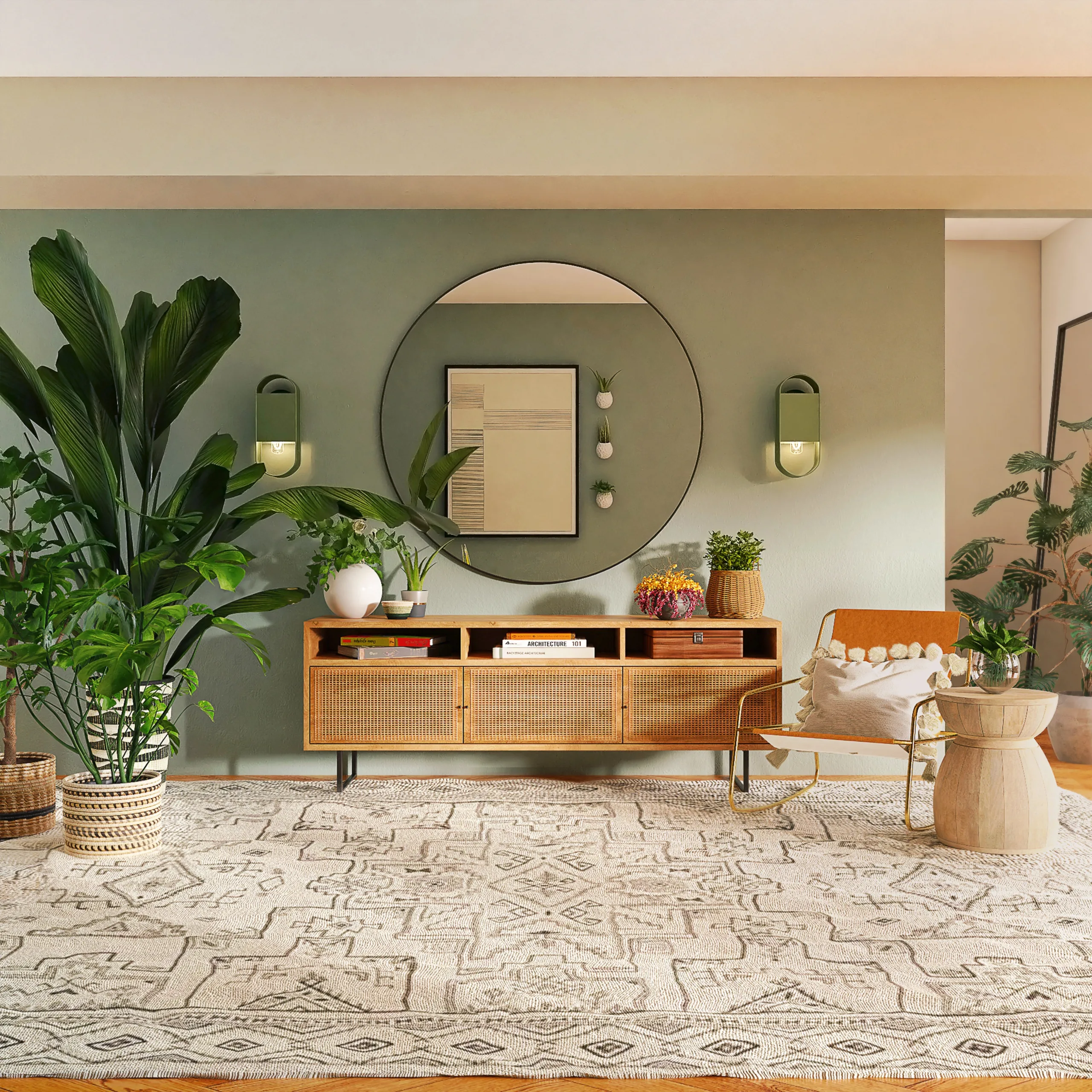
Bringing nature indoors is an excellent way to add life and freshness to any space. Plants not only improve air quality but also act as natural dΓ©cor elements. Look for low-maintenance plants such as succulents or spider plants that require minimal care and can thrive in various lighting conditions. You can also repurpose old containers or mason jars as plant pots for a rustic and eco-friendly touch.

4. Rearrange and Repurpose

Before rushing to buy new furniture or accessories, consider rearranging your existing pieces. Sometimes, a simple change in layout can breathe new life into a room. Additionally, think about repurposing items you already have. That old ladder could become a unique bookshelf, or those mason jars could be transformed into charming candle holders. Get creative and think outside the box!

5. DIY Pillow Covers

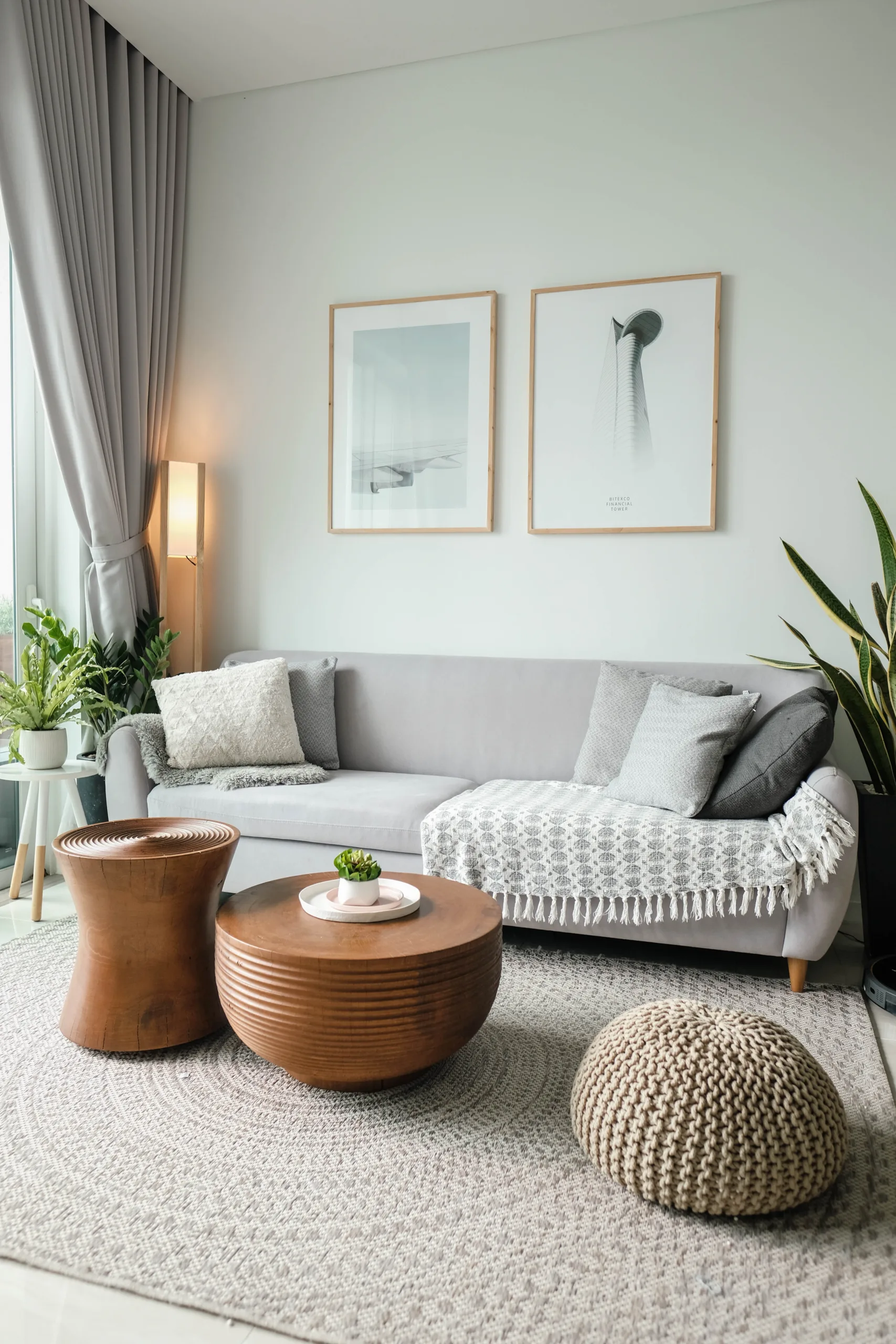
Updating your throw pillows is a quick and budget-friendly way to change the look of a room. Instead of buying new pillows, consider making your own pillow covers. This allows you to choose the fabric, pattern, and size that best suits your style. With basic sewing skills or even fabric glue, you can easily create custom pillow covers that will add a pop of color and personality to your space.

6. Lighting Makeover

Lighting plays a crucial role in setting the ambiance of a room. Instead of investing in expensive light fixtures, consider giving your existing ones a makeover. Replace outdated lampshades with new ones or even create your own using fabric or paper. Experiment with different bulb types to achieve the desired lighting effect. Adding string lights or fairy lights can also create a cozy and magical atmosphere.

7. Wall Decals and Stickers

If you’re looking to add some visual interest to your walls without the commitment of paint or wallpaper, wall decals and stickers are a great option. They come in various designs and sizes, allowing you to customize your space easily. From inspirational quotes to intricate patterns, there’s something for every style and taste. Best of all, they can be easily removed without damaging the walls.

Conclusion

Decorating your home on a budget doesn’t mean compromising on style or creativity. By incorporating these inexpensive dΓ©cor ideas, you can transform your space into a reflection of your personality without breaking the bank. Remember, the key is to think outside the box, get crafty, and have fun in the process!

Inexpensive DΓ©cor Ideas Read More Β»

Economical Interior Solutions

Introduction

When it comes to interior design, many people assume that it requires a hefty budget to achieve a beautiful and stylish space. However, that is not always the case. With some creativity and smart choices, you can transform your home into a stunning oasis without breaking the bank. In this blog post, we will explore some economical interior solutions that will help you create a space you love without draining your wallet.

1. Paint and Wallpaper

A fresh coat of paint can do wonders for a room. It is an affordable way to instantly change the look and feel of a space. Choose light and neutral colors to make a room appear larger and brighter. If you want to add some personality, consider using wallpaper as an accent wall. There are many budget-friendly options available that can add texture and interest to your space.

2. Thrift Stores and Flea Markets

One person’s trash is another person’s treasure. Thrift stores and flea markets are great places to find unique and affordable pieces for your home. Look for furniture, artwork, and accessories that can be repurposed or refurbished. With a little bit of creativity and some DIY skills, you can transform these second-hand items into one-of-a-kind pieces that will make your space stand out.

3. DIY Projects

Speaking of DIY, taking on some projects yourself can save you a significant amount of money. From building your own furniture to creating artwork, there are endless possibilities for DIY projects. Not only will you save money, but you will also have the satisfaction of knowing that you put your own personal touch on your space.

4. Rearrange and Declutter

Before you start spending money on new items, take a look at what you already have. Sometimes, simply rearranging furniture and decluttering can give a room a whole new look. Experiment with different layouts and consider getting rid of items that no longer serve a purpose or bring you joy. You’ll be surprised at how much of a difference this can make.

5. Lighting

Lighting can make or break a space. Instead of investing in expensive light fixtures, consider using affordable alternatives such as floor lamps, table lamps, or string lights. These can create a cozy and inviting atmosphere without breaking the bank. Additionally, maximizing natural light by using sheer curtains or removing heavy window treatments can make a room feel brighter and more spacious.

6. Repurpose and Upcycle

Get creative with items you already have. Repurpose old furniture by giving it a fresh coat of paint or changing the hardware. Use mason jars as storage containers or vases. Turn wine bottles into candle holders. The possibilities are endless. Not only will this save you money, but it will also add a unique and personal touch to your space.

7. Plants and Greenery

Adding plants and greenery to your space can instantly breathe life into it. They not only add a pop of color but also improve air quality. Look for low-maintenance plants such as succulents or snake plants that require minimal care. You can also propagate plants from cuttings or trade with friends to grow your collection without spending a dime.

Conclusion

Creating a beautiful and stylish space doesn’t have to cost a fortune. By implementing these economical interior solutions, you can transform your home into a place you love without breaking the bank. Remember, it’s all about being creative, resourceful, and putting your own personal touch on your space.

Economical Interior Solutions Read More Β»

Affordable and Stylish: Low-Cost Home Design Ideas

Introduction

Designing and decorating your home doesn’t have to break the bank. With a little creativity and planning, you can achieve a stylish and inviting space without spending a fortune. In this blog post, we will explore some low-cost home design ideas that will help you transform your living space on a budget.

1. Embrace Minimalism

Minimalism is not only a design trend but also a cost-effective approach to home design. By decluttering and simplifying your space, you can create a clean and organized look. Consider getting rid of unnecessary furniture, decorations, and accessories. Focus on quality over quantity and opt for functional pieces that serve a purpose.

2. Repurpose and Upcycle

Instead of buying new furniture or decor items, consider repurposing or upcycling what you already have. Give old furniture a fresh coat of paint or reupholster it to give it a new lease on life. Get creative with DIY projects by repurposing items like crates, pallets, or mason jars into unique and stylish pieces.

3. Shop Secondhand

Thrifting and shopping at secondhand stores can be a treasure trove for affordable home design finds. Look for gently used furniture, vintage accessories, and unique decor items that add character to your space. You can often find high-quality pieces at a fraction of the cost compared to buying new.

4. Focus on Lighting

Lighting can dramatically transform the ambiance of a room. Instead of splurging on expensive light fixtures, consider using natural light as much as possible. Opt for sheer curtains or blinds that allow sunlight to filter through. Add table lamps, floor lamps, or string lights for cozy and warm lighting options.

5. DIY Artwork and Wall Decor

Artwork and wall decor can add personality and style to your home, but they can also be quite expensive. Instead of buying expensive prints or paintings, consider creating your own artwork. Get creative with canvas, paint, or even repurpose old frames. You can also frame personal photographs or use printable art available online for free.

6. Utilize Plants and Greenery

Plants and greenery not only add a touch of nature to your home but also improve air quality and create a calming atmosphere. Incorporate low-maintenance indoor plants into your design scheme. You can find affordable options like succulents, spider plants, or pothos that require minimal care and add a refreshing touch to any room.

7. Rearrange and Refresh

Sometimes, a simple rearrangement of furniture and accessories can breathe new life into a space. Experiment with different layouts and placement to maximize functionality and visual appeal. Consider swapping items between rooms for a fresh perspective. Additionally, a fresh coat of paint on walls or a new set of throw pillows can make a significant difference without breaking the bank.

Conclusion

Designing a stylish and inviting home doesn’t have to drain your bank account. By embracing minimalism, repurposing and upcycling, shopping secondhand, focusing on lighting, creating DIY artwork, incorporating plants, and rearranging your space, you can achieve a low-cost home design that reflects your personal style. Remember, it’s all about being creative, resourceful, and making the most of what you already have.

Affordable and Stylish: Low-Cost Home Design Ideas Read More Β»

Budget-Friendly Decor: Transform Your Space Without Breaking the Bank

Introduction

Decorating your home doesn’t have to cost a fortune. With a little creativity and some smart shopping, you can transform your space into a stylish and inviting haven without breaking the bank. In this blog post, we will explore some budget-friendly decor ideas that will help you achieve a fresh and updated look without emptying your wallet.

1. Thrift Store Finds

One of the best ways to find affordable and unique decor pieces is by visiting thrift stores. You never know what hidden gems you might stumble upon! Look for items like vintage frames, decorative vases, or even furniture that can be easily refurbished. With a little bit of paint or some new upholstery, you can give these items a new lease on life and make them the focal point of your room.

2. DIY Projects

Another great way to save money on decor is by embracing your inner DIY enthusiast. There are countless online tutorials and inspiration boards that can guide you through creating your own decor pieces. From handmade wall art to custom throw pillows, the possibilities are endless. Not only will you save money, but you’ll also have the satisfaction of knowing that your space is truly one-of-a-kind.

3. Repurpose and Upcycle

Before you toss out old furniture or decor items, consider how they can be repurposed or upcycled. For example, an old ladder can be transformed into a stylish bookshelf, or a wooden pallet can be turned into a unique coffee table. Get creative and think outside the box; you’ll be amazed at what you can create with a little bit of imagination and some basic tools.

4. Play with Paint

One of the most cost-effective ways to transform a space is by giving it a fresh coat of paint. Whether you choose to paint an accent wall or update your furniture with a new colour, paint can instantly breathe new life into a room. Experiment with different shades and finishes to create the ambiance you desire. Don’t forget to check for discounted paint at your local hardware store, or consider purchasing mistinted cans for even more savings.

5. Shop Sales and Clearance

When it comes to decor, timing is everything. Keep an eye out for sales and clearance events at your favourite home decor stores. Many retailers offer significant discounts on seasonal items or end-of-line products. By being patient and waiting for the right moment, you can score amazing deals on high-quality decor pieces that will elevate your space without breaking your budget.

6. Embrace Nature

Bringing the outdoors in is not only a budget-friendly decor option but also a great way to add freshness and vitality to your space. Incorporate natural elements such as potted plants, flowers, or even branches into your decor. Not only do they add visual interest, but they also improve air quality and create a calming atmosphere.

7. Rearrange and Declutter

Sometimes, all you need to give your space a new look is to rearrange your existing furniture and declutter. Experiment with different layouts and furniture arrangements to create a more functional and visually appealing space. Additionally, decluttering your home can make it feel more spacious and organised, instantly giving it a fresh and updated feel.

Conclusion

Decorating on a budget doesn’t mean compromising on style or quality. By following these budget-friendly decor ideas, you can transform your space into a beautiful and inviting haven without breaking the bank. Remember, it’s all about being creative, resourceful, and patient. With a little bit of effort, you can achieve a fresh and updated look that reflects your personal style and makes you feel right at home.

Budget-Friendly Decor: Transform Your Space Without Breaking the Bank Read More Β»

Affordable Interior Design: Transforming Spaces on a Budget

Affordable Interior Design: Transforming Spaces on a Budget

Affordable Interior Design: Transforming Spaces on a Budget

When it comes to interior design, many people assume that it requires a hefty budget to achieve a beautiful and stylish space. However, with a little creativity and smart planning, it is possible to create a stunning interior without breaking the bank. In this article, we will explore some affordable interior design tips and tricks that can help you transform your space on a budget.

1. Plan and Set a Budget

The first step in any interior design project is to plan and set a budget. Determine how much you are willing to spend on each aspect of the design, including furniture, decor, and any necessary renovations. By having a clear budget in mind, you can make informed decisions and prioritise your spending.

2. Repurpose and Upcycle

One of the most cost-effective ways to decorate your space is to repurpose and upcycle items you already own. Instead of buying new furniture, consider giving your existing pieces a fresh coat of paint or reupholstering them. You can also repurpose items from other parts of your home or even find unique pieces at thrift stores or flea markets.

3. Focus on Key Pieces

When working with a limited budget, it’s important to prioritise your spending on key pieces that will make the most impact. Invest in high-quality, timeless furniture items that will stand the test of time. These pieces can anchor your space and be complemented by more affordable accessories and decor.

4. DIY Projects

Get creative and try your hand at some do-it-yourself (DIY) projects. From painting an accent wall to creating your own artwork or even building simple furniture pieces, there are countless DIY ideas that can add a personal touch to your space without breaking the bank.

5. Opt for Affordable Alternatives

When shopping for furniture and decor, explore affordable alternatives to high-end brands. Look for budget-friendly stores or online marketplaces that offer stylish and affordable options. You can also consider renting furniture or borrowing items from friends and family for special occasions or temporary needs.

6. Use Paint and Lighting

One of the most effective and affordable ways to transform a space is through paint and lighting. A fresh coat of paint can completely change the look and feel of a room, while strategic lighting can create a warm and inviting atmosphere. Experiment with different paint colours and lighting fixtures to achieve the desired ambiance.

7. Declutter and Organise

Before diving into any interior design project, take the time to declutter and organise your space. Removing unnecessary items and creating a sense of order can instantly make a room feel more spacious and inviting. Consider investing in storage solutions that can help you maximise your space and keep things organised.

8. Embrace Minimalism

Minimalism is not only a design trend but also a practical approach for those on a budget. By embracing minimalism, you can focus on quality over quantity and create a clean and clutter-free space. Choose a few statement pieces, and keep the overall design simple and streamlined.

Conclusion

Transforming your space on a budget is not only possible but also a rewarding experience. By following these affordable interior design tips and tricks, you can create a stylish and inviting space without breaking the bank. Remember to plan and set a budget, repurpose and upcycle, focus on key pieces, explore DIY projects, opt for affordable alternatives, use paint and lighting strategically, declutter and organise, and embrace minimalism. With a little creativity and smart planning, you can achieve a beautiful interior that reflects your personal style.

Affordable Interior Design: Transforming Spaces on a Budget ||

Affordable Interior Design: Transforming Spaces on a Budget Read More Β»

Biophilic Design: Enhancing Well-being Through Nature-Inspired Spaces

Introduction

Biophilic design is a concept that seeks to reconnect humans with nature by incorporating natural elements into the built environment. It recognizes the inherent human need to be surrounded by nature and aims to create spaces that enhance well-being and productivity. In this blog post, we will explore the principles of biophilic design and its numerous benefits.

The Principles of Biophilic Design

Biophilic design encompasses a range of principles that can be applied to various types of spaces, from homes to offices and public buildings. Some key principles include:

  1. Access to natural light: Maximising natural light in a space not only reduces the need for artificial lighting but also has a positive impact on our circadian rhythm, mood, and productivity. Large windows, skylights, and light wells are common features of biophilic design.
  2. Incorporating natural materials: Using materials such as wood, stone, and natural fibres in interior design can create a sense of connection to nature. These materials can be used in furniture, flooring, and wall finishes to evoke a calming and grounding effect.
  3. Integrating vegetation: The presence of plants and greenery has been proven to reduce stress, improve air quality, and increase creativity. Incorporating living walls, vertical gardens, and potted plants in indoor spaces can bring nature indoors and improve the overall ambiance.
  4. Creating views of nature: Designing spaces with views of natural elements, such as gardens, parks, or water bodies, can have a profound impact on our mental well-being. These views provide a sense of connection to the outside world and can help reduce stress and increase focus.
  5. Utilising natural shapes and patterns: Nature is full of intricate patterns and organic shapes. Incorporating these elements into the design of furniture, artwork, and architectural features can create a visually appealing and harmonious environment.
  6. Providing spaces for retreat and reflection: Creating quiet areas or nooks that offer a sense of privacy and tranquilly can provide individuals with the opportunity to recharge and reflect. These spaces can be designed with natural materials, comfortable seating, and soft lighting to enhance relaxation.

The Benefits of Biophilic Design

The integration of biophilic design principles into our built environment offers numerous benefits:

  • Improved well-being: Studies have shown that exposure to nature and natural elements can reduce stress, lower blood pressure, and improve overall mental well-being. Biophilic design helps create spaces that promote relaxation, rejuvenation, and a sense of calm.
  • Increased productivity: Incorporating biophilic elements in the workplace has been found to enhance productivity and focus. Natural light, views of nature, and the presence of plants can improve cognitive performance, creativity, and problem-solving skills.
  • Enhanced creativity: Nature has long been a source of inspiration for artists, writers, and designers. By bringing nature indoors, biophilic design can stimulate creativity and encourage innovative thinking.
  • Better air quality: Plants are natural air purifiers, filtering out toxins and releasing oxygen. Incorporating vegetation into indoor spaces can improve air quality and create a healthier environment for occupants.
  • Sustainable design: Biophilic design often goes hand in hand with sustainable practises. By maximising natural light, using energy-efficient materials, and incorporating greenery, biophilic spaces can reduce energy consumption and contribute to a more sustainable future.

Conclusion

Biophilic design offers a holistic approach to creating spaces that prioritise the well-being of individuals while fostering a deep connection with nature. By incorporating natural elements, maximising natural light, and integrating vegetation, we can design environments that enhance our physical and mental health. Whether it’s in our homes, offices, or public spaces, embracing biophilic design principles can lead to spaces that inspire, nurture, and promote a sense of harmony with the natural world.

Biophilic Design: Enhancing Well-being Through Nature-Inspired Spaces Read More Β»

Hidden Storage Solutions

Introduction

When it comes to organising our homes, finding enough storage space can often be a challenge. Clutter can quickly accumulate, making our living spaces feel cramped and disorganised. However, there are clever solutions available that can help maximise storage while maintaining a clean and minimalist aesthetic. In this article, we will explore some hidden storage solutions that can help you declutter and create a more organised living environment.

1. Utilise Under-Bed Space

One often overlooked storage area is the space underneath the bed. By using under-bed storage containers or drawers, you can make use of this valuable space to store items such as seasonal clothing, extra bedding, or even shoes. This not only frees up space in your closets and dressers but also keeps your belongings easily accessible.

2. Install Wall-Mounted Shelves

Wall-mounted shelves are a great way to add storage without taking up valuable floor space. Install shelves in areas such as the living room, bedroom, or kitchen to display books, decorative items, or even kitchen essentials. Opt for floating shelves to create a sleek and modern look, or choose shelves with hidden brackets for a more minimalist design.

3. Use Multi-Functional Furniture

Investing in multi-functional furniture is a smart way to maximise storage in small spaces. Look for ottomans or coffee tables with hidden compartments, or choose a bed frame with built-in drawers. These pieces of furniture not only serve their primary purpose but also provide additional storage space for everyday items or seasonal belongings.

4. Create Built-In Storage

If you have the opportunity, consider creating built-in storage solutions. This can be done by adding custom cabinets, bookshelves, or even window seats with hidden storage beneath. Built-in storage not only maximises space but also adds a seamless and cohesive look to your home’s interior design.

5. Utilise Vertical Space

When floor space is limited, it’s essential to think vertically. Install tall bookshelves or cabinets that reach all the way to the ceiling. This not only provides ample storage but also draws the eye upward, making the room appear larger. Utilise the top shelves for items that are less frequently used or for displaying decorative pieces.

6. Hide Storage in Plain Sight

Another clever storage solution is to hide storage in plain sight. Use decorative boxes or baskets to store items on open shelves or in bookcases. This not only keeps your belongings organised but also adds a stylish touch to your decor. Utilise storage ottomans or benches with hidden compartments to keep everyday items neatly tucked away.

7. Install Over-the-Door Organisers

Over-the-door organisers are a simple yet effective way to create additional storage space. Install them on the back of doors in your bedroom, bathroom, or pantry to store items such as shoes, toiletries, or cleaning supplies. This allows you to utilise the often-underutilized space behind doors and keeps your belongings easily accessible.

Conclusion

By utilising these hidden storage solutions, you can transform your living space into a clutter-free and organised environment. Whether you choose to utilise under-bed space, install wall-mounted shelves, or invest in multi-functional furniture, there are numerous options available to suit your needs and style. Remember, effective storage solutions not only create a more organised home but also contribute to a sense of calm and tranquilly.

Hidden Storage Solutions Read More Β»

Adding Playful and Whimsical Elements to Your Home Decor

When it comes to home decor, adding playful and whimsical elements can bring a sense of joy and lightheartedness to your space. Whether you want to create a fun and vibrant atmosphere or simply inject a touch of whimsy into your home, there are plenty of ways to incorporate playful elements into your decor. In this blog post, we will explore some ideas and inspiration for adding a playful and whimsical touch to your home.

1. Colourful Accents

One of the easiest ways to introduce playfulness into your home decor is through the use of colour. Bright and bold hues can instantly liven up a space and create a cheerful ambiance. Consider adding colourful accent pieces such as throw pillows, rugs, or artwork to bring a pop of colour to your room. You can also experiment with painting an accent wall a vibrant shade or using colourful wallpaper to make a statement.

2. Quirky Artwork

Add a touch of whimsy to your walls by displaying quirky artwork. Look for pieces that feature playful subjects or unusual materials. For example, you could hang a collection of vintage posters, display a gallery wall of whimsical illustrations, or even create a focal point with a large-scale mural. The key is to choose artwork that brings a smile to your face and reflects your personality.

3. Fun Furniture

Another way to infuse playfulness into your home decor is through the use of fun furniture pieces. Look for chairs, tables, or shelving units with unique shapes, colors, or patterns. Consider incorporating furniture with unexpected details, such as a chair in the shape of an animal or a bookshelf with a whimsical design. These statement pieces can serve as conversation starters and add a sense of playfulness to your space.

4. Playful Patterns

Patterns can instantly add a playful touch to any room. Consider incorporating bold and vibrant patterns into your decor through the use of wallpaper, curtains, or upholstery. Animal prints, geometric shapes, or floral patterns can all bring a sense of whimsy to your space. Mix and match patterns to create a lively and eclectic look, or choose one bold pattern as a focal point in a more minimalist setting.

5. Unexpected Accessories

Don’t forget about the power of accessories in adding a playful element to your home decor. Look for unexpected and whimsical accessories such as colorful vases, quirky sculptures, or unique lighting fixtures. These small details can make a big impact and add a sense of fun to your space. Remember to choose accessories that speak to your personal style and bring a sense of joy to your everyday life.

6. Play Spaces

If you have children or simply want to create a space for play and relaxation, consider dedicating an area of your home to play. This could be a playroom, a reading nook, or even a corner with a board game collection. Fill the space with comfortable seating, soft rugs, and plenty of toys or games to encourage playfulness and creativity.

In conclusion, adding playful and whimsical elements to your home decor can bring a sense of joy and lightheartedness to your space. From colorful accents and quirky artwork to fun furniture and unexpected accessories, there are countless ways to infuse playfulness into your home. Remember to choose elements that reflect your personal style and bring a smile to your face. So go ahead, let your imagination run wild and create a space that is as playful and whimsical as you are!

Adding Playful and Whimsical Elements to Your Home Decor Read More Β»

Home Office Setups

Introduction

With the rise of remote work and flexible schedules, more and more people are setting up home offices to create a productive and comfortable workspace. A well-designed home office can improve focus, boost creativity, and enhance overall work-life balance. In this blog post, we will explore some essential tips and ideas for creating an efficient and inspiring home office setup.

1. Choose the Right Location

When setting up a home office, it is crucial to choose the right location. Ideally, you should select a quiet and well-lit area away from distractions. Consider the amount of natural light available and ensure that the space has adequate ventilation. If possible, try to separate your workspace from the rest of your living area to create a clear boundary between work and personal life.

2. Invest in Ergonomic Furniture

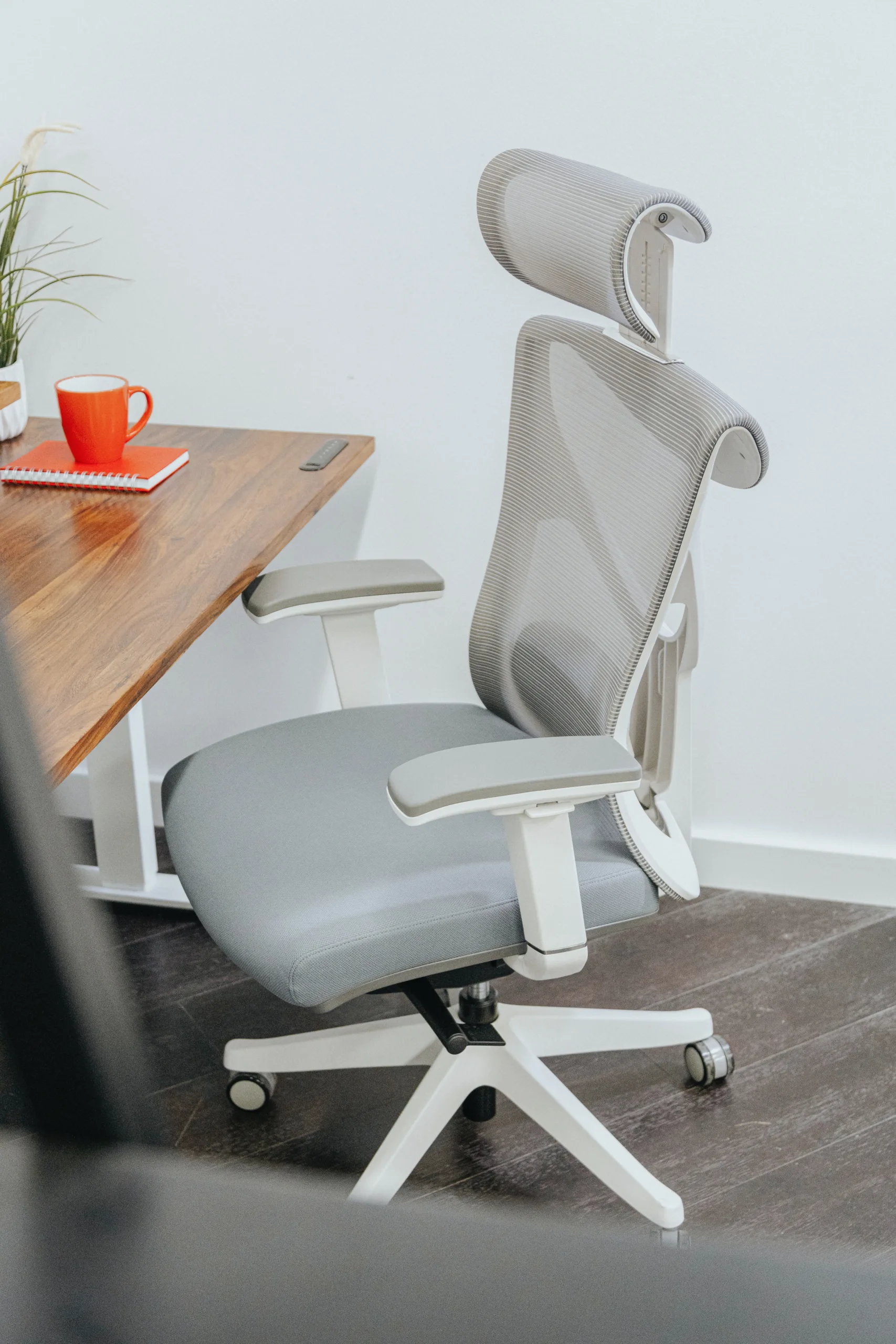
Investing in ergonomic furniture is essential for maintaining good posture and preventing discomfort or long-term health issues. Consider purchasing an adjustable chair that provides proper lumbar support and allows you to adjust the height. A height-adjustable desk or a desk converter can also help you switch between sitting and standing positions, promoting better blood circulation and reducing the risk of back pain.

3. Organize and Declutter

A cluttered and disorganized workspace can hinder productivity and increase stress levels. Take the time to declutter your home office and create an organized system for storing your documents, supplies, and equipment. Use storage solutions such as shelves, drawers, and filing cabinets to keep your workspace tidy and efficient. Consider using cable management solutions to keep your cables and wires neatly organized and out of sight.

4. Lighting and Ambiance

Lighting plays a crucial role in creating a comfortable and productive home office environment. Natural light is ideal, as it not only reduces eye strain but also improves mood and energy levels. Position your desk near a window if possible, and use curtains or blinds to control the amount of light entering the room. Additionally, consider adding task lighting, such as a desk lamp, to provide focused illumination for specific work tasks.

5. Personalize Your Space

Your home office should be a reflection of your personality and inspire creativity. Add personal touches such as artwork, plants, or decorative items that bring you joy and motivate you to work. Consider incorporating a vision board or a motivational quote to keep you focused and inspired throughout the day. However, be mindful not to clutter your workspace with too many distractions that may hinder your productivity.

6. Invest in Technology

Equip your home office with the necessary technology to support your work requirements. Invest in a reliable computer or laptop, a high-quality monitor, and a comfortable keyboard and mouse. Consider your internet connection and ensure it is fast and stable to prevent any disruptions during virtual meetings or online collaborations. Additionally, invest in a good quality headset or speaker system for clear communication.

7. Create a Daily Routine

Establishing a daily routine can help you maintain a healthy work-life balance and maximize productivity. Set specific working hours and stick to them to create a sense of structure and discipline. Take regular breaks, stretch, and move around to avoid prolonged periods of sitting. Incorporate activities such as exercise, meditation, or a short walk to refresh your mind and boost your productivity levels.

Conclusion

A well-designed home office setup can significantly impact your productivity, focus, and overall well-being. By choosing the right location, investing in ergonomic furniture, organizing your space, optimizing lighting, personalizing your environment, and incorporating the necessary technology and routines, you can create a productive and inspiring workspace within the comfort of your own home.

Remember, everyone’s needs and preferences are different, so feel free to experiment and adapt these tips to create a home office setup that works best for you.

Home Office Setups Read More Β»

Outdoor Living Spaces

Outdoor Living Spaces

Creating an inviting and functional outdoor living space is a wonderful way to extend your home and enjoy the beauty of nature. Whether you have a spacious backyard or a cosy balcony, there are countless possibilities to transform your outdoor area into a comfortable and stylish retreat.

Designing Your Outdoor Oasis

When designing your outdoor living space, consider your personal style and how you plan to use the area. Do you envision a cosy nook for reading and relaxation or a vibrant space for entertaining guests? Take into account the size of your outdoor area and the existing landscape elements to create a harmonious and cohesive design.

Furniture and Accessories

The right furniture and accessories can make all the difference in creating a comfortable and inviting outdoor space. Opt for weather-resistant materials that can withstand the elements, and choose pieces that complement your overall design aesthetic. From cosy outdoor sofas and loungers to dining sets and fire pits, there are endless options to suit your needs and preferences.

Shade and Privacy

Creating shade and privacy in your outdoor living space is essential for both comfort and relaxation. Consider incorporating umbrellas, pergolas, or awnings to provide relief from the sun’s rays. Additionally, strategically placed plants, trellises, or privacy screens can help create a sense of seclusion and tranquilly.

Outdoor Cooking and Dining

One of the joys of outdoor living is the opportunity to cook and dine al fresco. Whether you’re a grill master or a culinary enthusiast, incorporating an outdoor kitchen or a simple barbecue area can elevate your outdoor experience. Add a dining table and chairs to create a dedicated space for enjoying meals with family and friends.

Lighting

Proper lighting is essential for extending the usability of your outdoor living space into the evening hours. Consider a combination of ambient, task, and accent lighting to create a warm and inviting atmosphere. From string lights and lanterns to pathway lighting and spotlights, there are various options to suit your style and enhance the aesthetics of your outdoor area.

Greenery and Landscaping

Integrating greenery and landscaping elements into your outdoor living space can add beauty and serenity to the environment. Incorporate plants, flowers, and shrubs that thrive in your climate and complement your design scheme. Create a focal point with a garden, a vertical wall, or a water feature to enhance the overall ambiance.

Comfort and Cosiness

Make your outdoor living space comfortable and cosy by adding cushions, pillows, and blankets to your seating areas. Consider incorporating outdoor rugs and curtains to create a sense of indoor-outdoor living. These small touches can make a big difference in creating a space that feels inviting and welcoming.

Entertainment and Recreation

Transform your outdoor living space into a hub of entertainment and recreation. Install a sound system to enjoy music while lounging or hosting gatherings. If space permits, consider adding a pool, a hot tub, or a play area for children. These additions can provide endless hours of fun and relaxation for you and your loved ones.

Maintenance and Care

Regular maintenance and care are essential to keep your outdoor living space looking its best. Clean furniture regularly, trim plants, and sweep or hose down the area to remove dirt and debris. Consider investing in storage solutions to protect your furniture and accessories during inclement weather.

Conclusion

Creating an outdoor living space allows you to connect with nature and enjoy the benefits of fresh air and sunshine. By carefully designing and furnishing your outdoor area, you can create a space that reflects your style and enhances your quality of life. Whether you’re seeking relaxation, entertainment, or a combination of both, an outdoor oasis is within your reach.

Outdoor Living Spaces Read More Β»

Bathroom Design Concepts

Bathroom Design Concepts

When it comes to designing your bathroom, there are countless possibilities to explore. From modern and minimalist to rustic and traditional, the style choices are endless. In this blog post, we will discuss some popular bathroom design concepts that can help you create a functional and aesthetically pleasing space.

1. Minimalist

The minimalist bathroom design concept focuses on simplicity and clean lines. It often features neutral colours, such as white, grey, or beige, and uses sleek fixtures and fittings. This design concept is perfect for those who prefer a clutter-free and calming environment.

2. Industrial

The industrial bathroom design concept takes inspiration from factories and warehouses. It incorporates raw materials like exposed brick, concrete, and metal. This style often features open shelves, vintage light fixtures, and pipe fittings. The industrial design concept adds a touch of ruggedness and character to your bathroom.

3. Scandinavian

The Scandinavian bathroom design concept is known for its simplicity, functionality, and natural elements. It embraces a light and airy feel with a focus on natural light. This style often incorporates light wood, white tiles, and minimalistic accessories. The Scandinavian design concept creates a serene and inviting atmosphere.

4. Traditional

The traditional bathroom design concept is timeless and elegant. It often features classic elements like porcelain fixtures, ornate mirrors, and intricate tile patterns. This style embraces rich colours, such as deep blues or earthy tones, and luxurious materials like marble or granite. The traditional design concept adds a touch of sophistication to your bathroom.

5. Modern

The modern bathroom design concept is sleek, functional, and cutting-edge. It often features clean lines, geometric shapes, and a minimalist color palette. This style incorporates innovative fixtures, such as waterfall showerheads or smart toilets. The modern design concept creates a contemporary and luxurious feel.

6. Coastal

The coastal bathroom design concept brings the beach vibes into your home. It often features light and breezy colors like blues, whites, and sandy neutrals. This style incorporates natural materials like wicker, rattan, or bamboo. The coastal design concept creates a relaxing and vacation-like atmosphere.

7. Eclectic

The eclectic bathroom design concept is all about mixing and matching different styles and eras. It embraces bold colors, patterns, and unique accessories. This style allows you to showcase your personality and create a one-of-a-kind space. The eclectic design concept adds a sense of fun and creativity to your bathroom.

8. Spa-like

The spa-like bathroom design concept aims to create a serene and luxurious retreat within your home. It often features natural materials like stone, wood, and bamboo. This style incorporates soothing colors, soft lighting, and indulgent amenities like a soaking tub or a rain shower. The spa-like design concept promotes relaxation and rejuvenation.

9. Vintage

The vintage bathroom design concept takes inspiration from the past. It often features retro fixtures, such as clawfoot tubs or pedestal sinks. This style embraces nostalgic colors like pastels or bold patterns like floral or geometric tiles. The vintage design concept adds a touch of nostalgia and charm to your bathroom.

10. Green

The green bathroom design concept focuses on sustainability and eco-friendliness. It incorporates environmentally friendly materials like bamboo flooring or recycled glass countertops. This style often features plants for added freshness and air purification. The green design concept promotes a healthier and more eco-conscious lifestyle.

Remember, these are just a few bathroom design concepts to get you started. Feel free to mix and match elements from different styles to create a unique and personalized space that suits your taste and needs. Whether you prefer a minimalist retreat or a vintage-inspired oasis, the key is to design a bathroom that reflects your personality and provides a functional and enjoyable experience.

Bathroom Design Concepts Read More Β»

Kitchen Design Ideas

Introduction

The kitchen is often considered the heart of a home, where families gather to cook, eat, and spend quality time together. Whether you’re renovating your existing kitchen or designing a new one from scratch, it’s essential to create a space that is both functional and aesthetically pleasing. In this blog post, we will explore some inspiring kitchen design ideas to help you transform your kitchen into a beautiful and practical space.

1. Open Shelving

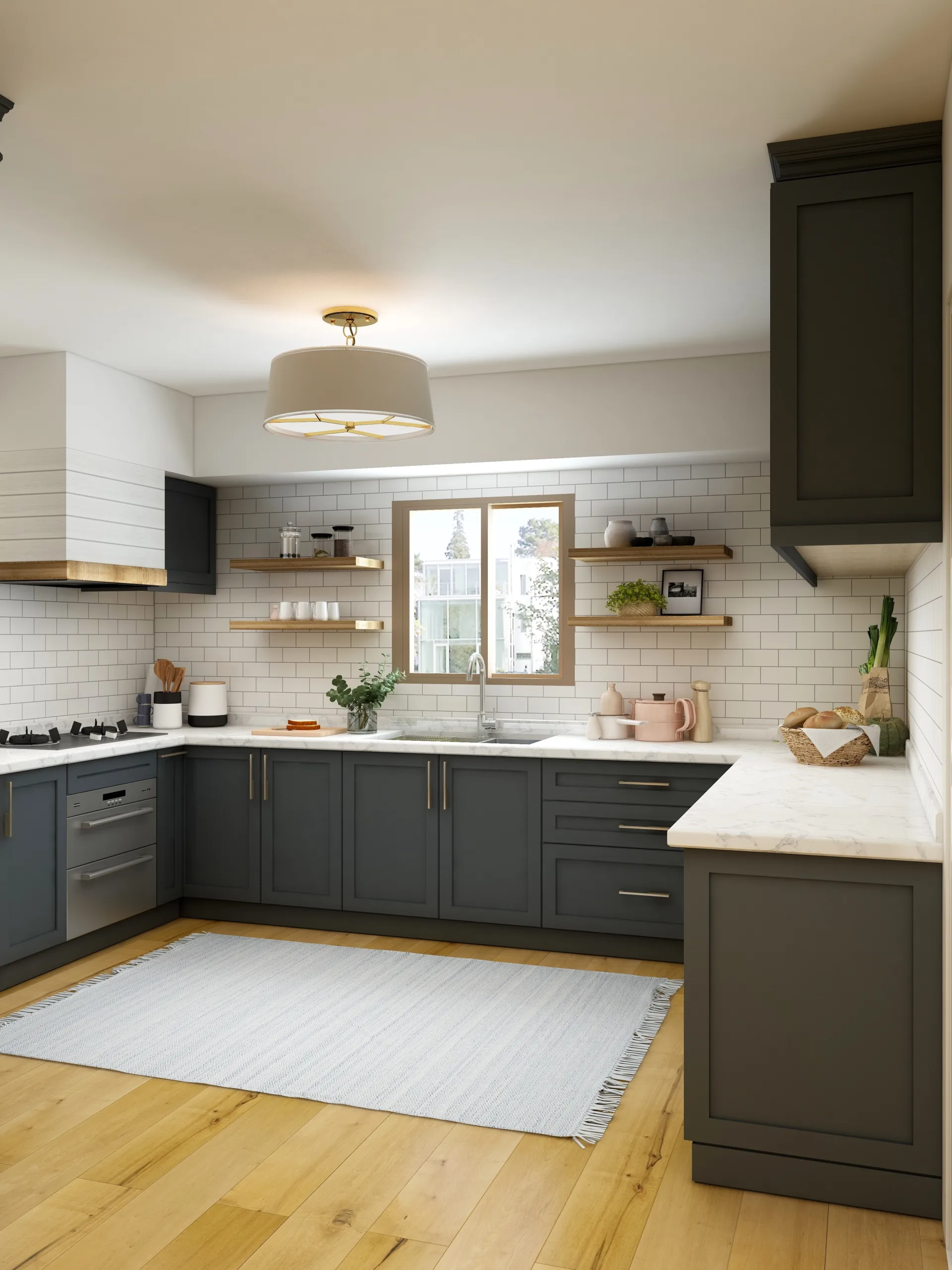
Open shelving has become increasingly popular in kitchen design. It not only adds a modern and airy feel to the space but also provides easy access to frequently used items. Consider replacing some upper cabinets with open shelves to display your favourite dishes, glassware, or cookbooks. You can also mix and match open shelves with closed cabinets for a balanced look.

2. Statement Lighting

Lighting plays a crucial role in kitchen design, both in terms of functionality and aesthetics. Consider installing statement lighting fixtures above the kitchen island or dining area to create a focal point and add a touch of elegance. Pendant lights, chandeliers, or unique light fixtures can instantly elevate the overall look and feel of your kitchen.

3. Two-Tone Cabinets

Gone are the days of monochromatic kitchen cabinets. Embrace the trend of two-tone cabinets by combining different colours or finishes for your upper and lower cabinets. This adds visual interest and depth to your kitchen design. For example, you can opt for white upper cabinets and a contrasting colour like navy blue or grey for the lower cabinets.

4. Smart Storage Solutions

In a well-designed kitchen, storage is key. Incorporate smart storage solutions to maximise space and keep your kitchen organised. Consider pull-out drawers, corner cabinets with rotating shelves, or vertical storage racks for pots and pans. Utilise every inch of space efficiently to ensure that your kitchen remains clutter-free.

5. Natural Elements

Bringing natural elements into your kitchen design can create a warm and inviting atmosphere. Consider using materials like wood, stone, or marble for countertops, backsplashes, or flooring. Add indoor plants or fresh flowers to bring life and freshness to your kitchen. Natural light is also essential, so maximise windows or consider adding skylights to let in more sunlight.

6. Minimalist Design

If you prefer a clean and clutter-free look, a minimalist kitchen design might be for you. Opt for sleek and simple cabinetry, clean lines, and a neutral colour palette. Keep countertops clear of unnecessary items and embrace a minimalist approach to kitchen accessories and decor. This design style creates a sense of calm and simplicity in your kitchen.

7. Open Floor Plan

Consider an open floor plan if you want to create a seamless flow between your kitchen and the rest of your home. Knocking down walls or creating large openings can make your kitchen feel more spacious and connected to the surrounding areas. This design choice is perfect for those who love to entertain or have a busy family life.

When it comes to kitchen design, the possibilities are endless. Whether you prefer a modern, traditional, or eclectic style, incorporating these design ideas can help you create a kitchen that is both functional and visually appealing. Remember to personalise your space and make it reflect your unique taste and lifestyle. With careful planning and attention to detail, you can transform your kitchen into a space that you’ll love for years to come.

Certainly! Here’s a Frequently Asked Questions (FAQ) section on kitchen design ideas:

Q1: What are some popular kitchen design styles?

Popular kitchen design styles include:

  • Modern: clean lines, minimalist aesthetics, and the use of modern materials.
  • Traditional: classic and timeless design with details like ornate cabinetry and mouldings.
  • Farmhouse: rustic and cosy, often featuring farmhouse sinks and reclaimed wood.
  • Scandinavian: minimalist and functional design with a focus on light colours and natural materials.

Q2: How can I maximise storage in a small kitchen?

To maximise storage in a small kitchen:

  • Utilise Vertical Space: Install shelves or cabinets that reach the ceiling.
  • Pull-Out Shelves: Opt for cabinets with pull-out shelves for easy access.
  • Use Hooks and Racks: Hang pots, pans, and utensils on hooks or racks to free up cabinet space.

Q3: What are some trendy countertop materials?

Trendy countertop materials include:

  • Quartz is durable, low-maintenance, and available in various colours and patterns.
  • Marble: elegant and timeless, but requires regular maintenance.
  • Butcher Block: It adds warmth and is suitable for both traditional and modern kitchens.
  • Concrete offers an industrial and contemporary look with customization options.

Q4: How can I add personality to my kitchen design?

Add personality to your kitchen design by:

  • Statement Backsplash: Choose a bold and unique backsplash to make a statement.
  • Open Shelving: Display favourite dishes, cookware, or decorative items on open shelves.
  • Colourful Accents: Introduce pops of colour through accessories, small appliances, or barstools.

Q5: What lighting fixtures work well in kitchens?

Lighting fixtures that work well in kitchens include:

  • Pendant Lights: Hang over islands or dining areas for focused lighting.
  • Under-Cabinet Lighting: Adds task lighting and enhances the overall ambiance.
  • Track Lighting: Provides flexibility in directing light to different areas.

Q6: How can I create a functional kitchen layout?

Create a functional kitchen layout by:

  • The Work Triangle: Arrange the stove, sink, and refrigerator in a triangular layout for efficient workflow.
  • Ample Counter Space: Ensure enough counter space for food preparation and tasks.
  • Smart Storage: Plan storage solutions based on the items you use most frequently.

Q7: What are some popular colour schemes for kitchens?

Popular colour schemes for kitchens include:

  • Neutral Tones: White, grey, and beige for a timeless and versatile look.
  • Bold Accents: Add a pop of colour with bold accents like blue, green, or red.
  • Two-Tone: Combine two complementary colours for the cabinets and walls.

Q8: How can I create an open-concept kitchen?

To create an open-concept kitchen:

  • Remove Walls: If feasible, consider removing non-load-bearing walls to open up the space.
  • Use Islands: Use islands as room dividers without fully enclosing the kitchen.
  • Consistent Flooring: Maintain consistent flooring between the kitchen and adjoining spaces.

Q9: What are some ideas for small kitchen islands?

Ideas for small kitchen islands include:

  • Rolling Islands: Use a portable island with wheels for flexibility.
  • Narrow Breakfast Bar: Create a slim, space-saving breakfast bar.
  • Built-in Storage: Include built-in shelves or cabinets for additional storage.

Q10: How can I make my kitchen more eco-friendly?

Make your kitchen more eco-friendly by:

  • Energy-Efficient Appliances: Invest in energy-efficient and water-saving appliances.
  • Recycled Materials: Choose countertops or cabinets made from recycled or sustainable materials.
  • Composting: Implement a composting system for kitchen waste.

Q11: What are some creative storage solutions for a clutter-free kitchen?

Creative storage solutions for a clutter-free kitchen include the following:

  • Pull-Out Pantry: Utilise narrow spaces with pull-out pantry shelves.
  • Hanging Pot Rack: Save cabinet space by hanging pots and pans.
  • Magnetic Strips: Use magnetic strips for knife storage or spice containers.

Q12: How can I incorporate technology into my kitchen design?

Incorporate technology into your kitchen design by:

  • Smart Appliances: Invest in smart appliances with features like Wi-Fi connectivity.
  • USB Outlets: Install outlets with USB ports for charging devices.
  • Touchless Faucets: Opt for touchless faucets for convenience and hygiene.

Q13: How do I choose the right flooring for my kitchen?

Choose the right flooring for your kitchen by considering:

  • Durability: Select materials like tile, vinyl, or hardwood that can withstand high traffic and spills.
  • Easy Maintenance: Opt for flooring that is easy to clean and maintain.
  • Aesthetic Appeal: Ensure the flooring complements the overall design and colour scheme.

Q14: Can I mix different design styles in my kitchen?

Yes, you can mix different design styles in your kitchen for a personalised and eclectic look. However, maintain a cohesive element, such as colour or materials, to tie the various styles together.

Q15: How can I create a timeless kitchen design?

Create a timeless kitchen design by:

  • Neutral Colors: Stick to neutral color schemes for a classic and enduring look.
  • Classic Materials: Use timeless materials like marble, subway tile, and hardwood.
  • Simple Hardware: Opt for simple and classic hardware for cabinets and fixtures.

These kitchen design ideas can serve as inspiration for creating a functional, stylish, and personalized space that suits your taste and lifestyle.

Kitchen Design Ideas Read More Β»

Exploring the Timeless Charm of Bohemian Style

Bohemian style, also known as boho chic, is a fashion trend that has captivated many with its free-spirited and unconventional aesthetic. Inspired by the bohemian lifestyle, this style embraces a sense of individuality, creativity, and a love for all things eclectic. From fashion to home decor, the bohemian style has made its mark as a timeless and unique expression of personal style.

The Origins of Bohemian Style

The term “bohemian” originated from the French word “bohΓ©mien,” which referred to a group of people who lived unconventional and artistic lives in 19th-century France. These individuals were often associated with the Romani people, who were believed to have originated from Bohemia, a region in the present-day Czech Republic.

Bohemian style draws inspiration from various cultural influences, including the hippie movement of the 1960s and 1970s, the gipsy lifestyle, and the artistic and bohemian communities that flourished in cities like Paris and New York during the early 20th century.

The Key Elements of Bohemian Style

Bohemian style is characterised by its relaxed and effortless vibe, combining vibrant colours, rich textures, and a mix of patterns. Here are some key elements that define this unique style:

1. Flowing Fabrics

Flowing fabrics such as chiffon, silk, and cotton are quintessential to bohemian style. Loose-fitting maxi dresses, peasant blouses, and flowing skirts are common clothing choices that exude a sense of freedom and comfort.

2. Earthy Tones

Bohemian style embraces earthy tones like browns, greens, and warm neutrals. These colours evoke a natural and organic feel, connecting the style to nature and the outdoors.

3. Layering

Layering is a key aspect of bohemian fashion. Mixing and matching different textures, patterns, and colours creates a visually interesting and eclectic look. Layering can be achieved through the use of scarves, cardigans, vests, and statement accessories.

4. Statement Accessories

Accessories play a vital role in completing the bohemian look. Wide-brimmed hats, oversized sunglasses, chunky jewellery, and fringed bags are popular choices that add a touch of boho-chic to any outfit.

5. Natural Materials

Bohemian style embraces natural materials like leather, suede, wood, and rattan. These materials add a rustic and organic touch to both fashion and home decor.

Bringing Bohemian Style into Your Home

Bohemian style is not limited to fashion; it can also be incorporated into home decor. Here are some tips for bringing bohemian vibes into your living space:

1. Mix and Match Patterns

Don’t be afraid to mix and match different patterns and prints. Floral, tribal, and geometric patterns can be combined to create a visually stimulating and bohemian-inspired space.

2. Embrace Natural Elements

Use natural materials like jute rugs, woven baskets, and wooden furniture to add a bohemian touch to your home. Incorporating plants and greenery also helps create a fresh and organic atmosphere.

3. Create Cosy Nooks

Bohemian style is all about creating a cosy and inviting atmosphere. Create cosy nooks with floor cushions, layered rugs, and soft throws to encourage relaxation and comfort.

4. Showcase Art and Crafts

Displaying artwork, handmade crafts, and unique finds adds a personal and artistic touch to your bohemian-inspired space. Embrace the beauty of imperfections and celebrate individual creativity.

Bohemian style is a celebration of individuality, creativity, and a love for all things unconventional. Whether expressed through fashion or home decor, this timeless style continues to captivate and inspire individuals around the world. So go ahead, embrace the free-spirited charm of bohemian style, and let your unique personality shine through.

Certainly! Here’s a Frequently Asked Questions (FAQ) section on bohemian style:

Q1: What is Bohemian style?

Bohemian style, often referred to as “boho,” is a design aesthetic that embraces free-spirited, eclectic, and unconventional elements. It draws inspiration from various cultures, showcasing a mix of colours, patterns, and textures to create a relaxed and vibrant atmosphere.

Q2: What are the key characteristics of bohemian style?

Key characteristics of bohemian style include:

  • Mix of Patterns: Embrace a mix of patterns, such as floral, geometric, and ethnic prints.
  • Rich Colours: Vibrant and rich colour palettes often incorporate jewel tones.
  • Layered Textures: Using a variety of textures, including rugs, throws, and cushions, to create a cosy and inviting space
  • Global Influences: Incorporating elements from various cultures and styles around the world

Q3: How can I create a bohemian-inspired living room?

To create a bohemian-inspired living room:

  • Colourful Textiles: Use a mix of colourful and patterned textiles for throws, cushions, and rugs.
  • Low Seating: Incorporate floor cushions, pouffes, or low sofas for a relaxed seating arrangement.
  • Artistic Displays: Showcase art and decor items with a handmade or artisanal feel.

Q4: Can bohemian style be minimalist?

Bohemian style is typically associated with a more maximalist approach, but it can be adapted to a minimalist Bohemian style. This involves focusing on key elements, simplifying patterns, and maintaining a more subdued colourr palette while still embracing the free-spirited aesthetic.

Q5: How does natural light contribute to bohemian interiors?

Natural light plays a crucial role in Bohemian interiors by:

  • Enhancing Colours: Illuminating vibrant colours and patterns
  • Highlighting Textures: Bringing out the richness of varied textures
  • Creating an Airy Feel: Contributing to the relaxed and airy atmosphere

Q6: What role do plants play in Bohemian design?

Plants are often used in bohemian design for:

  • Natural Elements: Bringing in nature to enhance the boho vibe
  • exture and Greenery: Adding texture with various plant types
  • reating a Relaxed Atmosphere: Contributing to a laid-back and natural ambiance

7: Can bohemian style be incorporated into a bedroom?

Yes, bohemian style can be incorporated into a bedroom by:

  • Layered Bedding: Using an assortment of colourfull and patterned bedding
  • anopy or Textile Hangings: Adding a canopy or textile hangings for a boho-chic focal point
  • ixing Furniture Styles: Embrace mix of furniture styles for an eclectic look.

Q8: How does bohemian style embrace handmade and vintage items?

Bohemian style often includes handmade and vintage items by:

  • Handmade Textiles: Incorporating handwoven rugs, tapestries, and cushions
  • intage Furniture: Mixing in vintage or antique furniture pieces
  • rtisanal Decor: Showcasing handmade or artisanal decor items

9: Can bohemian style work in small spaces?

Yes, bohemian style can work in small spaces by:

  • Vertical Storage: Utilising wall space for storage and decor
  • ultifunctional Furniture: Choosing furniture with multiple functions
  • pting for Light Colours:: Using light colourss to create a sense of openness

10: How does lighting contribute to the Bohemian aesthetic?

Lighting contributes to the bohemian aesthetic by:

  • Unique Fixtures: Incorporating eclectic and unique lighting fixtures
  • arm and Soft Light: Choosing warm and soft lighting for a cosy atmosphere
  • tring Lights or Lanterns: Adding string lights or lanterns for a whimsical touch

Q11: Can I mix bohemian style with other design styles?

Yes, bohemian style can be mixed with other design styles, creating an eclectic and personalised look. Common pairings include bohemian with modern, vintage, or even Scandinavian elements. The key is to find a balance that resonates with your personal taste.

Q12: How does Bohemian style celebrate individuality?

Bohemian style celebrates individuality by:

  • Personal Collections: Showcasing personal collections and treasures
  • Mismatched Furniture: Embracing a mix of furniture styles and colours
  • Handmade Art: Displaying handmade or unique art pieces that reflect personal tastes

Q13: Can bohemian style be family-friendly?

Yes, bohemian style can be family-friendly by:

  • Durable Fabrics: Choosing durable and stain-resistant fabrics for furniture
  • Kid-Friendly Decor: Incorporating playful and kid-friendly decor elements
  • Functional Storage: Using furniture with built-in storage solutions for toys and essentials

Bohemian style encourages creativity, self-expression, and a relaxed approach to design. Whether you prefer a vibrant.

Bohemian style, often referred to as “boho,” is a vibrant tapestry of free-spirited creativity, cultural richness, and a celebration of individuality. Originating from the unconventional lifestyles of the bohemian communities, this eclectic design aesthetic has evolved into a globally embraced style that encourages a bold and unapologetic approach to decor.

At its core, bohemian style rejects strict rules and embraces a maximalist philosophy, mixing patterns, colours, and textures with an effortless charm. It is a tapestry of global influences, incorporating elements from various cultures, eras, and artistic movements. This fusion of diverse elements creates spaces that are not only visually stimulating but also rich with stories and personal connections.

Bohemian interiors often showcase a kaleidoscope of colours, from earthy tones to vibrant jewel hues. Layered textiles, such as throws, rugs, and cushions, contribute to a sense of cosiness and warmth. The mix of patterns, whether floral, tribal, or geometric, adds to the lively and dynamic nature of bohemian decor.

Natural elements play a significant role in bohemian style, with an emphasis on incorporating plants, wooden furniture, and handmade crafts. These elements connect the space to nature and contribute to a relaxed, organic atmosphere.

The philosophy of bohemian style extends beyond aesthetics to a way of life. It values the unique, the handmade, and the imperfect, encouraging a more sustainable and conscious approach to decorating. Vintage and secondhand pieces often find a home in bohemian interiors, adding to the sense of authenticity and individuality.

Flexibility and freedom define the bohemian ethos. Furniture is arranged in an eclectic, informal manner, and the overall vibe is laid-back and inviting. The spaces exude a sense of comfort and an invitation to linger, fostering an environment that encourages self-expression and a connection to the present moment.

In conclusion, bohemian style is a vibrant and liberating design approach that encourages a free-spirited and eclectic way of living. It is a canvas for self-expression, embracing a rich tapestry of colors, patterns, and cultures. Beyond aesthetics, bohemian style is a celebration of a lifestyle that values individuality, creativity, and the beauty of imperfection.

Exploring the Timeless Charm of Bohemian Style Read More Β»

Scandinavian Design: Simple Elegance and Functionality

Introduction

Scandinavian design is known for its simplicity, functionality, and timeless appeal. Originating from the Nordic countries of Sweden, Denmark, Norway, Finland, and Iceland, this design style has gained worldwide recognition for its clean lines, minimalism, and emphasis on natural materials. In this blog post, we will explore the key characteristics of Scandinavian design and its enduring popularity.

Key Characteristics

1. Simplicity: Scandinavian design is all about simplicity. It focuses on clean lines, minimal ornamentation, and uncluttered spaces. The aim is to create an environment that is visually harmonious and calming.

2. Functionality: Another important aspect of Scandinavian design is functionality. Every element in a Scandinavian-designed space has a purpose. Furniture is not only aesthetically pleasing but also practical and versatile.

3. Natural Materials: Scandinavian design embraces the use of natural materials such as wood, leather, and wool. These materials bring warmth and texture to the space, creating a cozy and inviting atmosphere.

4. Light and Airy: Scandinavians value natural light and strive to maximize its presence in their interiors. Light colors, such as whites and pastels, are often used on walls and furniture to reflect and amplify the available light.

5. Connection to Nature: Scandinavian design is deeply influenced by the region’s stunning natural landscapes. Elements inspired by nature, such as organic shapes, botanical prints, and nature motifs, are commonly incorporated into Scandinavian interiors.

Enduring Popularity

Scandinavian design has stood the test of time and continues to be popular for several reasons.

Firstly, its simplicity and minimalism offer a welcome respite from the chaos and clutter of modern life. In a world filled with constant stimulation, Scandinavian design provides a sense of calm and tranquility.

Secondly, the emphasis on functionality makes Scandinavian design highly practical and adaptable to different lifestyles. The furniture is designed to be comfortable, user-friendly, and space-efficient, making it ideal for small apartments and urban living.

Furthermore, the use of natural materials and light colors creates a warm and inviting atmosphere, making Scandinavian interiors feel cozy and comfortable.

Scandinavian design also has a timeless quality. Its clean lines and neutral color palettes transcend trends, ensuring that a Scandinavian-designed space will remain stylish for years to come.

Applying Scandinavian Design Principles

If you’re inspired by Scandinavian design and want to incorporate its principles into your own space, here are a few tips:

1. Declutter: Embrace minimalism by removing unnecessary items and keeping only what you truly need and love.

2. Use Light Colors: Paint your walls in light shades and choose furniture in neutral tones to create a bright and airy atmosphere.

3. Incorporate Natural Materials: Introduce elements made of wood, leather, and wool to add warmth and texture to your space.

4. Embrace Simplicity: Opt for furniture and decor with clean lines and minimal ornamentation.

5. Let in the Light: Maximize natural light by keeping windows unobstructed and using sheer curtains or blinds.

Scandinavian design is renowned for its simplicity, functionality, and connection to nature. Its enduring popularity can be attributed to its ability to create calm and inviting spaces in our fast-paced world. By incorporating the key characteristics of Scandinavian design into our own interiors, we can create spaces that are not only aesthetically pleasing but also practical and timeless.

Certainly! Here’s a Frequently Asked Questions (FAQ) section on Scandinavian design:

Q1: What is Scandinavian design?

Scandinavian design is a design movement characterized by simplicity, minimalism, and functionality. It emerged in the mid-20th century in the Nordic countriesβ€”Denmark, Finland, Norway, Sweden, and Icelandβ€”and has since become renowned for its clean lines, neutral color palettes, and emphasis on craftsmanship.

Q2: What are the key characteristics of Scandinavian design?

Key characteristics of Scandinavian design include:

  • Simplicity: Clean and uncluttered designs with a focus on simplicity.
  • Functionality: Emphasis on functional, practical, and purposeful design.
  • Natural Materials: Use of natural materials like wood, leather, and textiles.
  • Neutral Colors: Predominantly neutral color palettes with pops of muted or pastel hues.
  • Minimalism: Striving for a minimalist aesthetic with a sense of openness.

Q3: How does Scandinavian design incorporate natural elements?

Scandinavian design incorporates natural elements through:

  • Wood: Commonly used for furniture and flooring, providing warmth and texture.
  • Textiles: Natural fabrics like wool and cotton for soft furnishings.
  • Plants: Incorporating indoor plants for a connection to nature.

Q4: Can Scandinavian design be colorful?

While Scandinavian design is known for its neutral color palette, it can incorporate subtle pops of color. Muted tones, pastels, and occasional bright accents are used to add warmth and interest without deviating from the overall simplicity.

Q5: What types of furniture are common in Scandinavian design?

Common furniture in Scandinavian design includes:

  • Mid-Century Modern Pieces: Iconic furniture from the mid-20th century.
  • Functional Shelving: Open and modular shelving units for storage.
  • Simple Seating: Clean-lined sofas and chairs with comfortable upholstery.

Q6: How can I create a Scandinavian-inspired kitchen?

To create a Scandinavian-inspired kitchen:

  • White or Light Colors: Opt for white or light-colored cabinetry and surfaces.
  • Natural Wood: Use natural wood elements for warmth, such as wooden countertops or flooring.
  • Functional Layout: Embrace a functional and efficient kitchen layout.

Q7: Can I mix Scandinavian design with other styles?

Yes, Scandinavian design can be easily mixed with other styles. It blends well with various aesthetics, including modern, industrial, and bohemian. The key is to maintain a sense of simplicity and cohesion in the overall design.

Q8: How does lighting play a role in Scandinavian design?

Lighting is crucial in Scandinavian design for:

  • Natural Light: Maximising natural light with large windows and minimal window treatments
  • endant Lights: Useimple, statement pendant lights for both function and aesthetics.
  • Candles: incorporateandles for a cosy and intimate atmosphere.

Q9: Can small spaces benefit from Scandinavian design?

Yes, Scandinavian design is well-suited for small spaces. Its emphasis on functionality, simplicity, and light colourss can create an illusion of openness, making small spaces feel larger and more inviting.

Q10: How does Scandinavian design embrace hygge?

Scandinavian design often incorporates the concept of “hygge,” which is a Danish term representing cosiness, comfort, and contentment. This is achieved through the use of soft textiles, warm lighting, and inviting spaces that promote a sense of well-being.

Q11: What are some iconic pieces of Scandinavian furniture?

Iconic pieces of Scandinavian furniture include:

  • Egg Chair by Arne Jacobsen: A classic mid-century modern lounge chair
  • H Lamps by Poul Henningsen: Iconic pendant lamps known for their innovative design
  • ishbone Chair by Hans J. Wegner: A widely recognised dining chair with a distinctive Y-shaped back

Q12: How can I incorporate Scandinavian design in a budget-friendly way?

To incorporate Scandinavian design on a budget:

  • Secondhand Finds: Look for pre-owned Scandinavian furniture or decor.
  • DIY Projects: Create simple and functional pieces through DIY projects.
  • Neutral Basics: Invest in neutral basics and add pops of Scandinavian style with accessories.

Q13: Can Scandinavian design be applied to outdoor spaces?

Yes, Scandinavian design principles can be applied to outdoor spaces by:

  • Simple Furniture: Opt for clean-lined and functional outdoor furniture.
  • Natural Materials: Use natural materials like wood and stone.
  • Comfortable Textiles: Add outdoor cushions and textiles for comfort.

Scandinavian design is admired for its timeless elegance and functional aesthetics. Whether applied to entire homes or individual rooms, its principles contribute to creating inviting and harmonious living spaces.

Scandinavian design stands as a testament to the timeless allure of simplicity, functionality, and the celebration of natural beauty. Originating from the Nordic countries, this design ethos has transcended its geographical roots to become a global symbol of understated elegance and practical living.

At its essence, Scandinavian design is characterised by clean lines, minimalism, and a focus on functionality. Stripped of unnecessary ornamentation, it embraces a philosophy that values form and function in equal measure. This simplicity not only contributes to a visually pleasing aesthetic but also fosters a sense of tranquilly and openness within a space.

The use of natural materials, such as wood, stone, and leather, is a hallmark of Scandinavian design. These materials not only add warmth and texture but also connect the interior with the serene landscapes of the Nordic region. The color palette is often dominated by neutral tones, with whites, grays, and muted hues creating a light and airy ambiance.

Scandinavian design is renowned for its commitment to craftsmanship and quality. Furniture and decor items are not only aesthetically pleasing but also meticulously crafted, often with an emphasis on sustainability. This commitment to longevity and durability reflects a culture that values longevity over fleeting trends.

Functionality is a key driver in Scandinavian design, with a focus on practicality and efficiency. Multi-functional furniture, clever storage solutions, and the optimisation of space characterise the design approach, creating interiors that are not only beautiful but also highly livable.

The integration of natural light is another crucial aspect of Scandinavian design. Large windows, light-colored interiors, and the use of mirrors contribute to a bright and uplifting atmosphere, even during the dark winter months in the Nordic region.

In conclusion, Scandinavian design is a harmonious marriage of form, function, and natural elements. Its enduring appeal lies in its ability to create spaces that are not only aesthetically pleasing but also embrace a way of living that prioritises simplicity, comfort, and a connection to nature. As a global influence, Scandinavian design continues to inspire a lifestyle that values both style and substance.

Scandinavian Design: Simple Elegance and Functionality Read More Β»

Understanding Feng Shui Principles for a Harmonious Living Space

Introduction

Feng Shui, an ancient Chinese practice, focuses on creating harmony and balance in living spaces. By arranging furniture, objects, and colors in specific ways, Feng Shui aims to enhance the flow of positive energy, or Qi, and promote well-being and prosperity. In this blog post, we will explore some fundamental Feng Shui principles to help you create a harmonious and inviting living space.

The Bagua Map

The Bagua Map is a key tool in Feng Shui. It is an octagonal grid that divides a space into nine areas, each representing a different aspect of life, such as wealth, career, relationships, and health. By aligning the Bagua Map with the entrance of your home or a specific room, you can determine which areas correspond to each part of your life. This knowledge allows you to make intentional adjustments to enhance the energy flow in those areas.

Decluttering and Organization

One of the fundamental principles of Feng Shui is decluttering and organization. A cluttered space can obstruct the flow of energy and create a sense of chaos. To promote positive energy, it is essential to keep your living space clean and organized. Get rid of items you no longer need, and ensure everything has its designated place. By creating a clutter-free environment, you invite a sense of calmness and clarity into your home.

Balance and Harmony

Achieving balance and harmony is another crucial aspect of Feng Shui. Balance can be achieved through the arrangement of furniture and objects in a space. Avoid placing all heavy furniture on one side of the room, as it can create an imbalance. Instead, distribute the weight evenly to create a sense of equilibrium. Incorporate elements of nature, such as plants or water features, to bring a sense of harmony to your living space.

Colors and Elements

Colors and elements play a significant role in Feng Shui. Each color and element is associated with specific energies and can influence the mood and atmosphere of a room. For example, earthy tones like brown and beige promote stability and grounding, while blues and greens represent calmness and tranquility. Incorporating a variety of colors and elements in your space can create a balanced and energizing environment.

Lighting and Air Quality

Good lighting and air quality are essential for a harmonious living space. Natural light is considered the best source of light in Feng Shui. It promotes positive energy and uplifts the mood. Ensure that your windows are clean and unobstructed to allow ample natural light to enter. Additionally, invest in good air purifiers and keep the air fresh and clean. Fresh air and natural light contribute to a healthy and vibrant living environment.

Personalizing Your Space

While following Feng Shui principles, it is important to remember to personalize your space. Your home should reflect your personality and bring you joy. Incorporate personal mementos, artwork, and items that hold sentimental value to create a space that feels uniquely yours. Feng Shui is not about rigid rules but rather about creating a space that supports your well-being and resonates with your energy.

Understanding and implementing Feng Shui principles can help create a harmonious and inviting living space. By decluttering, achieving balance and harmony, incorporating colors and elements, optimizing lighting and air quality, and personalizing your space, you can enhance the flow of positive energy and promote well-being in your home. Experiment with these principles and observe how they positively impact your living environment.

Certainly! Here’s a Frequently Asked Questions (FAQ) section on Feng Shui principles:

Q1: What is Feng Shui?

Feng Shui is an ancient Chinese art and science that focuses on harmonizing individuals with their environment. It involves arranging the physical environment to enhance the flow of energy, or “chi,” and create balance and positive energy in living spaces.

Q2: How does Feng Shui work?

Feng Shui works by examining the flow of energy (chi) in a space and adjusting elements to ensure a balanced and harmonious environment. This can involve arranging furniture, incorporating specific colors, and paying attention to the placement of objects to optimize the energy flow.

Q3: What are the key principles of Feng Shui?

The key principles of Feng Shui include:

  • Balance and Harmony: Strive for a balanced and harmonious arrangement of elements.
  • Five Elements: Incorporate the five elementsβ€”wood, fire, earth, metal, and waterβ€”in a balanced way.
  • Bagua Map: Use the Bagua Map to determine the energy flow in different areas of a space and align them with specific life aspects.

Q4: How does the Bagua Map work in Feng Shui?

The Bagua Map is a tool used in Feng Shui to divide a space into nine areas, each corresponding to a specific life aspect, such as career, wealth, and relationships. Placing the Bagua Map over a floor plan helps determine where to enhance or balance specific energies within a home or room.

Q5: Can Feng Shui be applied to any space?

Yes, Feng Shui principles can be applied to any space, regardless of its size or purpose. Whether it’s a home, office, or garden, the principles of Feng Shui can help create a more balanced and positive environment.

Q6: How does furniture placement affect Feng Shui?

Furniture placement affects Feng Shui by influencing the flow of energy in a space. Some general guidelines include:

  • Command Position: Place key pieces of furniture, like beds and desks, in the command position to have a clear view of the room’s entrance.
  • Clear Pathways: Ensure that pathways are clear and that energy can flow freely through the space.
  • Balanced Arrangement: Arrange furniture in a balanced and harmonious way to promote positive energy.

Q7: What role do colors play in Feng Shui?

Colors are significant in Feng Shui as they are associated with the five elements and can influence the energy in a space. For example:

  • Wood Element: Greens and browns.
  • Fire Element: Reds and yellows.
  • Earth Element: Earthy tones like beige and terracotta.

Q8: How can I enhance the Feng shui of my bedroom?

To enhance the feng shui of your bedroom:

  • Commanding Position: Place the bed in the command position with a clear view of the bedroom door.
  • Balanced Elements: Introduce a balance of elements through decor and colours.
  • Limit Electronics: Minimise electronic devices for a more restful atmosphere.

Q9: Can Feng Shui improve relationships?

Feng Shui is believed to influence relationships by creating a harmonious and supportive environment. This may involve paying attention to the relationship area in the home (often associated with the southwest Bagua sector) and incorporating elements that symbolise love, communication, and connection.

Q10: How can mirrors be used in Feng Shui?

Mirrors are versatile in Feng Shui and can be used to:

  • Reflect Positive Energy: Place mirrors strategically to reflect positive energy into a space.
  • Expand Space: Use mirrors to create a sense of spaciousness.
  • Correct Negative Energy: Redirect or neutralise negative energy by placing mirrors accordingly.

Q11: Can Feng Shui help with wealth and prosperity?

Feng Shui principles can be applied to enhance the energy associated with wealth and prosperity. This may involve placing symbols of abundance, such as wealth bowls or plants, in the wealth area of the Bagua Map and ensuring that this area is well-maintained and clutter-free.

Q12: Is Feng Shui a spiritual practise?

While Feng Shui has roots in ancient Chinese philosophy and spirituality, it is often practised today as a holistic approach to creating a harmonious living environment. While some may incorporate spiritual beliefs into their practise, Feng Shui can also be approached from a practical and aesthetic standpoint.

Q13: Can Feng Shui be adapted to modern interior design?

Yes, Feng Shui can be adapted to modern interior design. Many principles, such as creating balance, harmonising elements, and optimising energy flow, can be applied in a contemporary context. Integrating Feng Shui into modern design can enhance both the aesthetic and energetic aspects of a space.

Feng Shui is a dynamic practise that aims to create environments that support well-being and balance. While the principles are rooted in ancient philosophy, they can be adapted to suit individual preferences and contemporary lifestyles.

Feng Shui principles offer a profound and time-tested philosophy for creating harmonious living spaces that promote balance, positive energy flow, and well-being. Rooted in ancient Chinese wisdom, Feng Shui translates to “wind and water,” emphasising the importance of harmony with the natural elements in our surroundings.

At the core of Feng Shui is the concept of Qi, the vital energy that flows through everything. By aligning the physical environment with the principles of Feng Shui, one seeks to enhance the flow of Qi, creating a space that supports health, prosperity, and a sense of overall equilibrium.

The arrangement of furniture, the choice of colours, and the use of natural elements are integral to Feng Shui. Furniture placement is designed to allow for smooth energy flow and balance within a room, creating a sense of comfort and purpose. Colours are chosen to evoke specific energies, with each hue representing one of the five elementsβ€”wood, fire, earth, metal, and water.

Incorporating natural elements, such as plants, crystals, and water features, further enhances the balance of energies within a space. These elements not only contribute to the aesthetic appeal but also symbolise the connection between the indoor environment and the natural world.

The bagua, an essential tool in Feng Shui, is a map that divides a space into eight areas, each corresponding to different aspects of life. By applying the Bagua to a floor plan, one can strategically enhance specific areas to support intentions and aspirations, fostering a holistic approach to well-being.

Feng Shui extends beyond the physical environment to include decluttering and the intentional creation of positive rituals. Removing excess belongings and creating mindful practises contribute to a sense of order and tranquilly, allowing Qi to circulate freely and nurturing a space that promotes mental and emotional well-being.

In conclusion, Feng Shui principles offer a profound understanding of the interconnectedness between our environments and our well-being. By aligning spaces with these principles, individuals can cultivate a harmonious and supportive atmosphere that not only enhances the energy flow but also encourages a balanced and fulfilling life.

Understanding Feng Shui Principles for a Harmonious Living Space Read More Β»

Creating a Cozy and Comfortable Home

Introduction

There’s nothing quite like coming home to a cozy and comfortable space. Whether it’s a cold winter evening or a rainy day, having a home that feels warm and inviting can make all the difference in how we feel and unwind. In this blog post, we’ll explore some simple yet effective ways to create a cozy and comfortable atmosphere in your home.

1. Soft Lighting

One of the easiest ways to create a cozy ambiance is through lighting. Replace harsh, bright lights with softer, warmer options. Consider using table lamps, floor lamps, or string lights to create a warm and inviting glow. Dimmer switches are also a great investment as they allow you to adjust the lighting to suit your mood.

2. Warm Colors

The colors you choose for your home can greatly impact its overall atmosphere. Opt for warm and earthy tones such as beige, brown, or deep reds. These colors evoke a sense of comfort and coziness. Incorporate them into your walls, furniture, and decor to create a warm and inviting space.

3. Soft Textures

Add soft and plush textures to your home to enhance its comfort factor. Invest in cozy throw blankets, fluffy pillows, and plush rugs. These simple additions can instantly make your living room or bedroom feel more inviting and comfortable. Don’t forget to choose fabrics that are pleasant to touch and snuggle up with.

4. Natural Elements

Bringing nature indoors can create a soothing and calming atmosphere. Incorporate natural elements such as plants, flowers, or even a small indoor fountain. Not only do they add a touch of beauty to your space, but they also improve air quality and create a sense of tranquility.

5. Aromatherapy

Scents have a powerful effect on our mood and emotions. Use scented candles, essential oils, or incense to create a cozy and comforting aroma in your home. Lavender, vanilla, and cinnamon are popular scents known for their relaxing and comforting properties. Experiment with different scents to find what works best for you.

6. Cozy Nooks

Create cozy nooks in your home where you can curl up with a book or simply relax. Consider adding a window seat with soft cushions and blankets, or a reading corner with a comfortable armchair and a side table for your favorite hot beverage. Having these dedicated spaces will make your home feel more inviting and encourage relaxation.

7. Declutter and Organize

A cluttered and disorganized space can make it difficult to relax and feel comfortable. Take the time to declutter and organize your home. Invest in storage solutions to keep things neat and tidy. A clean and organized space will not only create a more calming environment but also make it easier to find what you need.

Creating a cozy and comfortable home doesn’t have to be complicated or expensive. By incorporating soft lighting, warm colors, soft textures, natural elements, aromatherapy, cozy nooks, and decluttering, you can transform your space into a haven of comfort and relaxation. Remember, the key is to create an environment that makes you feel at ease and helps you unwind after a long day.

Certainly! Here’s a Frequently Asked Questions (FAQ) section on creating a cozy and comfortable home:

Q1: What does it mean to create a cozy and comfortable home?

Creating a cozy and comfortable home involves designing and arranging your living spaces to evoke feelings of warmth, relaxation, and a sense of well-being. It’s about combining elements that make you feel at ease and content in your living environment.

Q2: How can I make my home feel cosier?

You can make your home feel cosier by:

  • Soft Textiles: Introduce soft blankets, cushions, and rugs for added comfort.
  • Warm Lighting: Use warm-toned lighting to create a welcoming atmosphere.
  • Personal Touches: Add personal items and decor that hold sentimental value.

Q3: What colourss contribute to a cosy atmosphere?

Colourss that contribute to a cosy atmosphere include:

  • Warm neutrals: beige, taupe, and soft whites.
  • Earthy Tones: Warm browns, greens, and muted blues
  • eep Reds and Burgundies: Rich, deep red tones can add a sense of warmth.

Q4: How does furniture arrangement affect cosiness?

Furniture arrangement affects cosiness by:

  • Creating Intimate Spaces: Arrange furniture to define cosy nooks or seating areas.
  • Promoting Flow: Ensure there’s a natural flow and ease of movement in the room.
  • Balancing Proportions: Consider the scale of furniture in relation to the room size.

Q5: Can lighting influence the cosiness of a space?

Yes, lighting plays a significant role in creating a cosy atmosphere. Soft, warm lighting from sources like table lamps, floor lamps, and string lights can contribute to a relaxed and inviting ambiance.

Q6: How can I make my bedroom feel more comfortable?

To make your bedroom feel more comfortable:

  • Quality Bedding: Invest in comfortable and high-quality bedding.
  • Soft Lighting: Use bedside lamps with warm bulbs for a calming effect.
  • Declutter: Keep the bedroom tidy and free of unnecessary items.

Q7: What role do textures play in creating a cosy space?

Textures add depth and tactile comfort to a space. Incorporate textures through:

  • Soft Fabrics: plush blankets, cushions, and throws.
  • Rugs: Use rugs with varied textures, such as shag or wool.
  • Natural Elements: Introduce textures from natural materials like wood or stone.

Q8: Can minimalistic design be cosy?

Yes, minimalistic design can be cosy. By focusing on quality over quantity, using warm colours, and incorporating soft textures, a minimalistic space can exude a serene and cosy vibe.

Q9: How does scent contribute to a cosy home?

Scent contributes to a cosy home by:

  • Using Candles or Diffusers: Introduce scents like vanilla, cinnamon, or lavender.
  • Fresh Flowers: Natural scents from fresh flowers can enhance the atmosphere.
  • Baking or Cooking: The aroma of freshly baked goods or home-cooked meals adds warmth.

Q10: Can outdoor spaces be made cosy?

Yes, outdoor spaces can be made cozy by:

  • Comfortable Seating: Add comfortable outdoor furniture with cushions.
  • Lighting: Use outdoor string lights or lanterns for a cosy glow.
  • Blankets and Pillows: Provide warm blankets and outdoor-friendly pillows.

Q11: How can I create a cosy reading nook?

To create a cosy reading nook:

  • Comfy Seating: Use a comfortable chair or a pile of cushions.
  • Soft Lighting: Add a reading lamp or use natural light with strategically placed seating.
  • Personal Touches: Incorporate personal items like favouritee books or a soft blanket.

Q12: Can a cosy home still look stylish?

Absolutely. A cosy home can be stylish by:

  • Thoughtful Decor: Choose decor items that are both comfortable and aesthetically pleasing.
  • Colourr Coordination: Maintain a cohesive colourr palette for a polished look.
  • Balanced Arrangement: Ensure a balance between comfort and style in furniture and decor choices.

Q13: How can I maintain a cosy home in different seasons?

To maintain a cosy home in different seasons:

  • Seasonal Textiles: Switch out textiles like blankets and cushions based on the season.
  • Adapt Lighting: Adjust lighting to match the changing daylight hours.
  • Natural Elements: Bring in seasonal natural elements, like flowers in spring or warm-toned decor in fall.

Creating a cosy and comfortable home is about incorporating elements that align with your personal preferences and contribute to a warm and inviting atmosphere. It’s a combination of thoughtful design, comfort-focused choices, and personal touches that make a space feel truly comforting.

Creating a cosy and comfortable living space is an artful pursuit that goes beyond mere furnishings; it’s about crafting an atmosphere that envelops and nurtures. The essence of cosiness lies in the delicate balance of elements that evoke warmth, relaxation, and a sense of well-being, transforming a house into a true home.

Central to the concept of cosiness is the tactile comfort offered by soft furnishingsβ€”plush cushions, warm blankets, and sumptuous rugs. These elements invite touch and create a physical sensation of comfort, encouraging relaxation and a sense of refuge.

Lighting plays a pivotal role in fostering cosiness. Soft, warm lighting, such as table lamps, string lights, or the gentle glow of candles, contributes to a soothing ambiance. The play of light and shadow adds depth and a touch of intimacy, creating pockets of comfort within the space.

Thoughtfully chosen colour palettes also contribute to the cosiness quotient. Warm neutrals, earthy tones, and muted hues create a calming environment, while pops of comforting colours add character without being overwhelming. The goal is to evoke a sense of familiarity and contentment through the visual harmony of the space.

The strategic arrangement of furniture encourages a sense of intimacy and connection. Cosy spaces often feature furniture groupings that facilitate conversation and shared experiences. Arranging seating around focal points, such as a fireplace or a central table, enhances the feeling of togetherness.

Natural elements, whether in the form of indoor plants, wooden accents, or stone textures, contribute to a connection with the outdoors, bringing a touch of nature into the home. This connection with the natural world further enhances the overall sense of comfort and well-being.

In conclusion, the art of creating a cosy and comfortable living space is about engaging the senses and cultivating an environment that feels like a warm embrace. It’s a holistic approach that combines tactile comfort, atmospheric lighting, soothing colours, and a thoughtful arrangement of elements. A cosy space becomes a havenβ€”a place to unwind, connect, and find solace in the embrace of comfort and contentment.

Creating a Cozy and Comfortable Home Read More Β»

Statement Furniture: Elevating Your Home’s Style

Introduction

When it comes to home decor, furniture plays a crucial role in setting the tone and style of a space. While functional furniture is essential, statement furniture takes it a step further by adding personality and making a bold impact in any room. In this blog post, we will explore the concept of statement furniture and how it can elevate the style of your home.

What is statement furniture?

Statement furniture refers to pieces that are unique, eye-catching, and serve as a focal point in a room. These are not just functional items but rather works of art that demand attention. Statement furniture can come in various forms, such as an intricately designed armchair, a vibrantly patterned sofa, a sculptural coffee table, or a bold, oversized mirror.

The Power of Statement Furniture

Statement furniture has the power to transform an ordinary space into something extraordinary. It adds character, personality, and a touch of luxury to any room. Whether your style is modern, traditional, eclectic, or minimalist, incorporating statement furniture can instantly elevate the overall aesthetic.

Creating a Focal Point

One of the key benefits of statement furniture is its ability to create a focal point in a room. By placing a unique and attention-grabbing piece, such as a bold-colored sofa or an intricately carved console table, you draw the eye and create a visual anchor. This not only enhances the visual appeal but also adds depth and interest to the space.

Expressing Your Style

Statement furniture allows you to express your personal style and taste. It serves as a reflection of your personality and can become a conversation starter when guests visit your home. Whether you prefer a sleek and modern look or a more eclectic and bohemian vibe, there is statement furniture out there to suit every taste.

Pairing Statement Furniture

When incorporating statement furniture into your home, it’s important to strike a balance between the bold and the understated. Pairing a statement piece with more subdued elements allows it to shine without overwhelming the space. For example, if you have a vibrant, patterned armchair, balance it with neutral-colored walls and simple accessories.

Where to Use Statement Furniture

Statement furniture can be used in any room of your home, depending on your preferences and the overall style you wish to achieve. In the living room, a statement sofa or an eye-catching coffee table can become the centrepiece. In the bedroom, a unique headboard or an ornate dresser can add a touch of luxury. Even in the dining room, a statement dining table or a set of designer chairs can elevate the entire space.

Statement furniture has the ability to transform your home and make a lasting impression. By carefully selecting and incorporating unique and eye-catching pieces, you can elevate the style and create a space that truly reflects your personality. Whether you choose a bold-colored sofa, a sculptural coffee table, or an intricately designed armchair, statement furniture adds that extra element of wow-factor to your home.

Certainly! Here’s a Frequently Asked Questions (FAQ) section on statement furniture:

Q1: What is statement furniture?

Statement furniture refers to bold and distinctive pieces that stand out and capture attention in a room. These pieces often have unique designs, eye-catching colors, or unusual shapes, making them the focal point of the space.

Q2: How can statement furniture enhance a room?

Statement furniture can enhance a room by:

  • Creating Focal Points: Drawing attention to specific areas and adding visual interest.
  • Expressing Personal Style: Reflecting the homeowner’s personality and design preferences.
  • Transforming Ambiance: Elevating the overall aesthetic and ambiance of the space.

Q3: What are examples of statement furniture?

Examples of statement furniture include:

  • Bold-colored Sofas: Vibrant and unique-colored sofas that stand out.
  • Unusual-shaped Chairs: Chairs with distinctive and unconventional shapes.
  • Artistic Coffee Tables: Coffee tables with artistic or sculptural designs.

Q4: How do I choose statement furniture for my home?

Consider the following when choosing statement furniture:

  • Room Size: Ensure the size of the statement piece complements the room.
  • Color Palette: Choose a piece that complements or contrasts with the existing color scheme.
  • Personal Taste: Select a piece that resonates with your personal style.

Q5: Can statement furniture work in small spaces?

Yes, statement furniture can work in small spaces. Opt for smaller, impactful pieces that fit the scale of the room without overwhelming it. Additionally, consider multifunctional statement furniture, such as a bold-colored ottoman with storage.

Q6: How can I balance statement furniture with the rest of the decor?

Balance statement furniture with the rest of the decor by:

  • Neutral Background: Pairing bold pieces with neutral surroundings.
  • Complementary Pieces: Introducing other furniture that complements the statement piece.
  • Subtle Accents: Using subtle decor accents to tie in with the statement furniture.

Q7: Can statement furniture be timeless?

Yes, some statement furniture pieces can be timeless, especially if they have a classic design or incorporate quality materials. However, trends in statement furniture may evolve, so it’s essential to choose pieces that align with your long-term design vision.

Q8: How does statement furniture contribute to interior design styles?

Statement furniture can contribute to various interior design styles by becoming a key element that defines the overall aesthetic. For example, a statement mid-century modern chair can enhance a room with a retro theme, while a bold, contemporary sofa can anchor a modern design.

Q9: Is it possible to DIY statement furniture?

Yes, it’s possible to DIY statement furniture by:

  • Creative Finishes: Using unique paint techniques or finishes.
  • Upcycling: Repurposing existing furniture into something bold and distinctive.
  • Custom Designs: Creating custom pieces tailored to your taste.

Q10: Can statement furniture be functional as well as stylish?

Absolutely. Many statement furniture pieces are designed to be both functional and stylish. For example, a statement coffee table may feature unique storage solutions, or a bold accent chair can be as comfortable as it is eye-catching.

Q11: How can statement furniture be incorporated into a minimalist design?

Incorporate statement furniture into a minimalist design by:

  • Choosing a Single Piece: Opt for one standout piece to serve as a focal point.
  • Neutral Background: Place the statement piece against a neutral backdrop.
  • Functional Designs: Select pieces that serve a functional purpose in addition to making a visual impact.

Q12: Can I mix and match statement furniture styles?

Yes, mixing and matching statement furniture styles can create an eclectic and personalized look. Ensure a cohesive overall aesthetic by finding a unifying element, such as a common color or theme, to tie the pieces together.

Q13: How often should I update statement furniture?

The frequency of updating statement furniture depends on personal preference and design trends. Some may prefer timeless pieces that remain relevant for years, while others may enjoy regularly refreshing their space with new and on-trend statement furniture. Consider your style preferences and the overall design vision for your home.

Statement furniture serves as the bold punctuation marks within the language of interior design, elevating a space from ordinary to extraordinary. These distinctive pieces are not merely functional; they are artistic expressions and focal points that command attention, leaving an indelible mark on the aesthetic narrative of a room.

What defines statement furniture is its ability to stand out, capturing the eye and initiating a visual dialogue within the space. These pieces often boast unique designs, striking silhouettes, or unexpected materials, transforming them from utilitarian objects into works of functional art. Whether it’s an avant-garde chair, an intricately designed coffee table, or a vibrant accent cabinet, statement furniture adds an element of surprise and personality to a room.

Beyond their visual impact, statement furniture contributes to the overall theme and mood of a space. It can set the tone for a room, be it through its color, style, or cultural influences. In this way, these pieces become instrumental in defining the character of a room, conveying the tastes and preferences of the inhabitants.

The strategic placement of statement furniture also allows for the creation of focal points within a space, guiding the eye and influencing the flow of the room. It invites a sense of curated design, where each piece serves as a deliberate choice, adding layers of meaning and depth to the overall composition.

While statement furniture often takes center stage, it coexists harmoniously with other design elements. The key lies in achieving balance, ensuring that these standout pieces complement rather than overwhelm the space. The result is an environment that feels curated, intentional, and visually stimulating.

In conclusion, statement furniture goes beyond its utilitarian purpose; it is a declaration of style, personality, and creative expression. These pieces transform living spaces into curated galleries, where each item contributes to the visual symphony of the room. In the world of interior design, statement furniture is the exclamation mark that punctuates the narrative, leaving an unforgettable impression and infusing a space with character and distinction.

Statement Furniture: Elevating Your Home’s Style Read More Β»

Art and Wall Hangings

The Importance of Art and Wall Hangings in Interior Design

When it comes to interior design, art and wall hangings play a crucial role in enhancing the overall aesthetic appeal of a space. Whether you are decorating a home, office, or any other type of space, incorporating art and wall hangings can transform the atmosphere and create a visually pleasing environment.

Creating a Focal Point

One of the main reasons why art and wall hangings are essential in interior design is their ability to create a focal point in a room. A well-placed painting, photograph, or sculpture can instantly draw the eye and become the centrepiece of a space. This focal point not only adds visual interest but also sets the tone for the entire room.

When choosing art for a focal point, consider the size, style, and colour scheme of the room. A large, bold piece of artwork can make a statement in a minimalist space, while a smaller, more intricate piece can add detail to a room with a lot of visual elements.

Adding Personality and Expression

Art and wall hangings are an excellent way to showcase your personality and express your individual style. Whether you prefer abstract paintings, vintage posters, or family photographs, the art you choose reflects your taste and interests. It adds a personal touch to your space and makes it feel uniquely yours.

When selecting art for your walls, consider the emotions and feelings you want to evoke. Do you want a calming and serene atmosphere? Choose landscape paintings or nature-inspired prints. Are you looking for a vibrant and energetic space? Opt for bold and colourful abstract art. The possibilities are endless, and the art you choose can greatly influence the mood of the room.

Enhancing Ambiance

Art and wall hangings have the power to enhance the ambiance of a room. They can create a sense of warmth, tranquilly, or even excitement. By carefully selecting the right pieces, you can set the desired mood for your space.

Consider the style and theme of your room when choosing art and wall hangings. For a modern and contemporary space, sleek and minimalist art can complement the clean lines and simplicity of the design. On the other hand, traditional or vintage-inspired art can add a touch of elegance and nostalgia to a classic interior.

Creating Visual Interest

Art and wall hangings are not just about aesthetics; they also add depth and dimension to a room. By strategically placing art on the walls, you can create visual interest and make a space more visually appealing.

Experiment with different arrangements and groupings of art to create a gallery wall or a curated collection. Mix and match different sizes, shapes, and styles to create a visually dynamic display. This not only adds visual interest but also creates a conversation starter and makes your space more inviting.

Art and wall hangings are vital elements in interior design. They create focal points, add personality, enhance ambiance, and create visual interest in a space. The art you choose should reflect your style and taste while complementing the overall design of the room. So, whether you are a fan of abstract art, photography, or vintage posters, don’t underestimate the power of art to transform your space into something truly remarkable.

Certainly! Here’s a Frequently Asked Questions (FAQ) section on art and wall hangings:

Q1: Why is art important in interior design?

Art plays a crucial role in interior design by adding aesthetic value, expressing individuality, and creating a focal point in a space. It contributes to the overall ambiance, evokes emotions, and enhances the personality of a room.

Q2: How do I choose the right art for my space?

Consider the following when choosing art:

  • Personal Taste: Select pieces that resonate with your personal style and preferences.
  • Room Style: Ensure the art complements the overall style and colour scheme of the room.
  • Size and Scale: Choose art that fits the scale of the wall and furniture.

Q3: Can I mix different types of art on one wall?

Yes, mixing different types of art on one wall, known as a gallery wall, can create visual interest. Ensure a cohesive look by considering a common theme, colour palette, or frame style.

Q4: How do I determine the right placement for art on a wall?

Consider these placement tips:

  • Eye Level: Hang art at eye level for optimal viewing.
  • Furniture Alignment: Align the centre of the artwork with the furniture below.
  • Balance: Maintain balance by spacing art evenly and considering the overall wall layout.

Q5: What are alternative ways to hang art besides traditional frames?

Explore alternative ways to hang art, such as:

  • Floating Shelves: Display art on floating shelves for a contemporary look.
  • Clipboards or Wire Grids: Attach art with clipboards or wire grids for a flexible and dynamic display.
  • Washi Tape: Use washi tape to create a temporary and artistic display.

Q6: How can I incorporate sculptures or 3D art into my decor?

To incorporate sculptures or 3D art:

  • Placement: Consider placing sculptures on side tables, shelves, or as standalone pieces.
  • Lighting: Use focused lighting to highlight the textures and details of sculptures.
  • Grouping: Group smaller sculptures together for a curated display.

Q7: Can I use personal photographs as art in my home?

Absolutely! Personal photographs can be a meaningful and personalised form of art. Consider creating a gallery wall with a mix of personal photos, artwork, and other decorative elements.

Q8: How can I create a cohesive look with mismatched art pieces?

To create a cohesive look with mismatched art:

  • Common Colour Palette: Use a common colour palette to tie diverse pieces together.
  • Frame Consistency: Opt for similar frames or unify frames with a coat of paint.
  • Theme or Style: Introduce a unifying theme or style across the artwork.

Q9: What are some creative ways to display children’s art?

Displaying children’s art creatively includes:

  • Art Gallery Wall: Create a dedicated gallery wall for rotating displays.
  • Clipboards or String Art: Use clipboards or string art to showcase changing pieces.
  • Framed Masterpieces: Frame selected pieces for a more polished look.

Q10: Can wall art enhance the acoustics of a room?

Yes, certain types of wall art, such as tapestries or acoustic panels, can contribute to sound absorption and improve the acoustics of a room. This is particularly beneficial in large or echo-prone spaces.

Q11: How can I highlight a large piece of art in a room?

To highlight a large piece of art:

  • Placement: Choose a focal wall or a prominent location with good lighting.
  • Minimalist Surroundings: Keep the surrounding decor simple to let the art stand out.
  • Accent Lighting: Use focused lighting to illuminate the artwork.

Q12: Can I change the art and wall decor seasonally?

Yes, changing art and wall decor seasonally is a great way to keep your space fresh and reflect the evolving seasons. Consider rotating artwork, adding seasonal elements, or changing the colour scheme to match the time of year.

Art and wall hangings are versatile elements that allow you to express your personality and enhance the visual appeal of your home. Whether it’s paintings, sculptures, or personal photographs, thoughtful placement and curation can transform your walls into a dynamic and engaging canvas.

Art and wall hangings serve as the soulful accents that breathe life into the canvas of our living spaces, transforming mere walls into expressive and personalised galleries. Beyond mere decoration, art holds the power to evoke emotions, tell stories, and reflect the unique personality and taste of those who curate their living spaces.

The diverse world of art and wall hangings encompasses a myriad of styles, mediums, and interpretations. Whether it’s paintings, prints, sculptures, or textiles, these pieces contribute to the visual tapestry of a room, adding layers of texture, colour, and meaning. They serve as focal points, drawing the eye and inviting contemplation.

Art and wall hangings allow for a dynamic interplay between creativity and functionality. They can be statements of personal identity, cultural appreciation, or even reflections of societal themes. The careful selection and arrangement of these pieces contribute to the overall ambiance of a space, fostering a mood that ranges from serene and contemplative to vibrant and energetic.

The arrangement of art is a form of storytelling on the walls, guiding the viewer through a visual narrative. Gallery walls, curated collections, or even a single, impactful piece can transform a room into a reflection of the inhabitant’s passions, experiences, and aspirations.

Moreover, the beauty of art lies in its subjectivity and interpretative nature. What one person sees as a masterpiece, another may see as a conversation starter. This subjective quality invites dialogue and connection, making art and wall hangings more than mere decorations but conduits for shared experiences and discussions.

In conclusion, art and wall hangings transcend the role of mere embellishments; they are the essence of personal expression and cultural appreciation within our living spaces. Assembled thoughtfully, they not only beautify our walls but also contribute to a rich, dynamic, and meaningful environment, making every room a canvas for individuality and creativity.

Art and Wall Hangings Read More Β»

Smart Home Integration

Introduction

Smart home integration is revolutionizing the way we live by bringing automation and convenience to our daily lives. With the advancement of technology, our homes are becoming smarter, allowing us to control various aspects of our living environment with just a few taps on our smartphones or using voice commands.

What is Smart Home Integration?

Smart home integration refers to the process of connecting and controlling different smart devices and systems within a home. It enables homeowners to manage and automate various functions such as lighting, heating, security, entertainment, and more, through a centralized hub or app.

Benefits of Smart Home Integration

1. Convenience: One of the primary benefits of smart home integration is the convenience it offers. With a single app or voice command, you can control multiple devices and systems in your home without having to manually adjust each one.

2. Energy efficiency: Smart home integration allows you to optimize energy usage by automating devices such as thermostats, lighting, and appliances. You can set schedules, monitor energy consumption, and make adjustments accordingly, resulting in energy savings.

3. Security: Integrating security systems into your smart home setup provides enhanced safety and peace of mind. You can monitor and control your home security cameras, door locks, and alarms remotely, ensuring the safety of your property and loved ones.

4. Entertainment: Smart home integration enables seamless control of your entertainment systems. You can stream music, movies, and TV shows from various devices and platforms, all from the comfort of your couch.

Popular Smart Home Integration Devices

1. Smart Speakers: Devices like Amazon Echo and Google Home act as a central hub for controlling other smart devices using voice commands.

2. Smart Thermostats: These devices allow you to control and automate your home’s heating and cooling systems, resulting in energy savings and increased comfort.

3. Smart Lighting: With smart lighting systems, you can control the brightness, color, and scheduling of your lights, creating the perfect ambiance for any occasion.

4. Smart Security Systems: These systems include features like smart door locks, security cameras, and motion sensors, providing enhanced security and peace of mind.

Challenges of Smart Home Integration

While smart home integration offers numerous benefits, there are a few challenges that homeowners may face:

1. Compatibility: Not all smart devices are compatible with each other, which can make integration a bit challenging. It’s important to research and ensure that the devices you choose can work seamlessly seamlessly together

and Security: With increased connectivity, there is a concern about privacy and data security. It’s crucial to choose devices from reputable brands and take necessary steps to protect your network.

3. Cost: Smart home integration can be a significant investment, especially if you plan to automate multiple aspects of your home. It’s essential to set a budget and prioritise your needs to avoid overspending.

Smart home integration is transforming the way we live, offering convenience, energy efficiency, security, and entertainment. While there may be challenges, the benefits outweigh them, making it an attractive option for homeowners looking to enhance their living spaces. With the right devices and careful planning, you can create a smart home that suits your lifestyle and brings you the utmost comfort and control.

Certainly! Here’s a Frequently Asked Questions (FAQ) section on smart home integration:

Q1: What is smart home integration?

Smart home integration refers to the process of connecting and coordinating various smart devices and systems within a home to work together seamlessly. This allows homeowners to control and automate different aspects of their home, such as lighting, security, temperature, and entertainment, using a centralised system.

Q2: What are the key benefits of smart home integration?

  1. Convenience: Control multiple devices with a single interface, often through a smartphone or voice commands.
  2. Energy Efficiency: Monitor and manage energy usage to optimise efficiency and reduce utility costs.
  3. Security: Enhance home security with smart locks, cameras, and sensors that can be monitored remotely.

Q3: What types of devices can be integrated into a smart home?

A wide range of devices can be integrated into a smart home, including:

  • Smart Lighting: Controllable via apps or voice commands
  • Smart thermostats allow for remote temperature control and energy management.
  • Smart Security Systems: Include cameras, doorbell cameras, and sensors.

Q4: How does voice control work in a smart home?

Voice control in a smart home is typically facilitated by virtual assistants like Amazon Alexa, Google Assistant, or Apple’s Siri. Users can issue voice commands to control various smart devices, request information, or even automate specific tasks using natural language.

Q5: Can I integrate different brands of smart devices?

Yes, many smart home platforms and ecosystems are designed to be interoperable, allowing devices from different brands to work together. Common standards like Zigbee and Z-Wave facilitate this compatibility.

Q6: How do I choose a smart home platform?

When choosing a smart home platform, consider factors such as:

  • Device Compatibility: Ensure the platform supports the devices you want to use.
  • User Interface: Evaluate the ease of use of the platform’s interface.
  • Integration with Voice Assistants: Check compatibility with popular voice assistants.

Q7: Can I control my smart home remotely?

Yes, many smart home systems offer remote control capabilities. Through dedicated apps, you can monitor and control your smart devices from anywhere with an internet connection.

Q8: How does smart home technology contribute to energy savings?

Smart home technology contributes to energy savings by:

  • Smart Thermostats: Optimising heating and cooling based on occupancy and preferences
  • Smart Lighting: Turning off lights automatically when rooms are unoccupied.
  • Energy Monitoring: Providing insights into energy usage for better management

Q9: Is smart home integration secure?

Security is a crucial consideration in smart home integration. Ensure that:

  • Devices Are Updated: Regularly update firmware to patch security vulnerabilities.
  • Use Strong Passwords: Secure devices and accounts with strong, unique passwords.
  • Network Security: Implement a secure Wi-Fi network with encryption.

Q10: Can I integrate a home entertainment system into my smart home?

Yes, home entertainment systems can be integrated into a smart home. Smart TVs, streaming devices, audio systems, and even smart blinds or curtains can be controlled and automated within a smart home ecosystem.

Q11: How does smart home technology enhance accessibility?

Smart home technology enhances accessibility by:

  • Voice Commands: Allowing users to control devices without physical interaction
  • Remote Monitoring: Providing the ability to check on home conditions from anywhere
  • Automation: automating tasks to reduce physical effort.

Q12: Can I install a smart home system in an existing home?

Yes, smart home systems can be installed in existing homes. Retrofit solutions, wireless devices, and modular systems make it feasible to upgrade a traditional home to a smart one without extensive rewiring or construction.

Q13: Are there privacy concerns with smart home devices?

Privacy concerns exist in smart homes, especially with devices that collect and transmit data. To mitigate privacy risks:

  • Review Privacy Policies: Understand how data is collected and used by each device.
  • Limit Data Sharing: Configure devices to share only essential information.
  • Regularly Update Firmware: Keep devices updated to ensure the latest security features.

Smart home integration offers a wealth of possibilities for convenience, efficiency, and customization. However, users should remain vigilant about security and privacy considerations to fully enjoy the benefits of a smart home.

Smart home integration marks a revolutionary chapter in the evolution of residential living, transforming houses into intelligent, responsive, and interconnected environments. At its core, this technology-driven approach enhances convenience, efficiency, and security, offering residents unprecedented control and customization over their living spaces.

The seamless connection of various devices and systemsβ€”such as lighting, thermostats, security cameras, and entertainment systemsβ€”defines the essence of smart home integration. This connectivity allows for centralised management through smartphones, tablets, or voice-activated assistants, providing residents with the ability to monitor, control, and automate various aspects of their homes remotely.

Energy efficiency is a cornerstone of smart home integration, with systems designed to optimise energy consumption based on user preferences, occupancy patterns, and external factors. This not only contributes to sustainability but also offers potential cost savings through the intelligent use of resources.

Security gains a new dimension with smart home integration, as residents can monitor and control security features remotely. From smart locks and doorbell cameras to comprehensive security systems, these technologies enhance the safety and peace of mind of homeowners, allowing them to stay connected to their homes even when physically distant.

The evolution of voice-activated assistants and artificial intelligence further elevates the smart home experience. Residents can now interact with their homes in a natural, intuitive manner, issuing commands and receiving real-time information, creating an environment that adapts to their preferences and routines.

However, as smart home integration advances, considerations about privacy, data security, and interoperability become paramount. Striking a balance between convenience and safeguarding personal information is crucial to ensuring the responsible and ethical development of smart home technologies.

In conclusion, smart home integration represents a transformative leap into a future where technology seamlessly enhances the way we live. By providing unprecedented levels of control, efficiency, and security, smart home technologies contribute to a more personalised, responsive, and connected living experience. As these innovations continue to evolve, the potential for shaping a more intelligent, sustainable, and enjoyable home environment becomes increasingly promising.

Smart Home Integration Read More Β»

Sustainable Design: Creating a Better Future

Introduction

In an era of increasing environmental awareness, sustainable design has emerged as a vital approach to creating a better future. This design philosophy focuses on minimising the negative impact on the environment while maximising the positive social and economic benefits. By integrating sustainable practises into the design process, we can reduce resource consumption, promote renewable energy, and create healthier and more livable spaces.

The Principles of Sustainable Design

Sustainable design is guided by a set of principles that aim to achieve a harmonious relationship between human activities and the natural world. These principles include:

  1. Energy Efficiency: Designing buildings and products that consume less energy, thereby reducing greenhouse gas emissions and dependence on fossil fuels
  2. Renewable Energy: Utilising renewable energy sources such as solar, wind, and geothermal power to reduce reliance on non-renewable resources
  3. Waste Reduction: Minimising waste generation through efficient use of materials, recycling, and composting
  4. Water Conservation: Implementing strategies to reduce water consumption, such as rainwater harvesting, graywater recycling, and efficient irrigation systems
  5. Biodiversity: preserving and enhancing biodiversity through the integration of green spaces, native plants, and wildlife habitats.
  6. Healthy Indoor Environment: Designing spaces that prioritise indoor air quality, natural lighting, and the use of non-toxic materials

The Benefits of Sustainable Design

Sustainable design offers a wide range of benefits, both for individuals and society as a whole.

  1. Environmental Protection: By reducing resource consumption and minimising pollution, sustainable design helps protect the environment and preserve natural resources for future generations.
  2. Cost Savings: Energy-efficient buildings and products result in lower utility bills and operational costs over time, saving money for individuals and businesses.
  3. Improved Health and Well-being: Sustainable design prioritises the health and well-being of occupants by creating spaces that promote better indoor air quality, natural light, and access to nature.
  4. Enhanced Resilience: Sustainable design strategies, such as green infrastructure and climate-responsive buildings, can help communities adapt to the challenges of climate change and extreme weather events.
  5. Positive Social Impact: Sustainable design can contribute to the revitalization of communities, create job opportunities, and promote social equity.

Examples of Sustainable Design

Sustainable design can be seen in various fields and applications:

  • Green Buildings: Buildings designed with sustainable principles in mind, such as energy-efficient designs, green roofs, and the use of recycled materials.
  • Product Design: Designing products that are durable, recyclable, and made from sustainable materials
  • Urban Planning: Creating cities and communities that prioritise walkability, public transportation, and the preservation of green spaces
  • Landscape Design: Incorporating native plants, rain gardens, and permeable surfaces to manage stormwater and enhance biodiversity
  • Fashion Design: Embracing sustainable practises in the fashion industry, such as using organic fabrics, reducing waste, and promoting fair trade

The Role of Designers

Designers play a crucial role in promoting sustainable design. By integrating sustainable practises into their work, designers can contribute to a more sustainable future. This can be achieved through:

  • Research and Education: Staying informed about the latest sustainable design practises and sharing knowledge with clients and colleagues
  • ollaboration: working with interdisciplinary teams to develop innovative solutions that address environmental, social, and economic challenges.
  • Material Selection: Choosing environmentally friendly materials that are durable, recyclable, and have a low environmental impact
  • ife Cycle Assessment: Considering the entire life cycle of a product or building, from raw material extraction to disposal, to minimise environmental impact
  • dvocacy: promoting sustainable design principles and advocating for policies that support sustainable practises at local, national, and global levels.

Sustainable design is not just a trend; it is a necessary response to the challenges facing our planet. By embracing sustainable design principles, we can create a better future for ourselves and future generations. Designers have a unique opportunity to lead the way in integrating sustainability into all aspects of our lives, from buildings and products to cities and communities. Together, we can build a more sustainable and resilient world.

Certainly! Here’s a Frequently Asked Questions (FAQ) section on sustainable design:

Q1: What is sustainable design?

Sustainable design, also known as green or eco-friendly design, is an approach to creating products, buildings, and environments with a focus on minimising environmental impact, conserving resources, and promoting long-term ecological balance.

Q2: Why is sustainable design important?

Sustainable design is important for several reasons:

  1. Environmental Conservation: It helps reduce the negative impact on the environment byby conserving natural resources and biodiversity.
  2. Energy Efficiency: Sustainable design often emphasises energy-efficient technologies, reducing overall energy consumption.
  3. Health and Well-Being: It promotes healthier indoor environments by using non-toxic materials and improving air quality.

Q3: How can I make my home more sustainable?

To make your home more sustainable:

  • Energy-Efficient Appliances: Invest in energy-efficient appliances and lighting.
  • Insulation: Ensure proper insulation to reduce heating and cooling energy needs.
  • Recycled Materials: Choose materials made from recycled or sustainable sources.

Q4: Can sustainable design be stylish and aesthetically pleasing?

Yes, sustainable design can be stylish and aesthetically pleasing. With advancements in eco-friendly materials and innovative design approaches, sustainable spaces can be both visually appealing and environmentally conscious.

Q5: What are some sustainable materials commonly used in design?

Common sustainable materials include:

  • Bamboo is rapidly renewable and versatile.
  • Reclaimed wood is salvaged from old structures for a unique and sustainable option.
  • Recycled Metal: Metal sourced from recycled materials

Q6: How does sustainable design impact energy efficiency?

Sustainable design promotes energy efficiency through:

  • Passive Solar Design: Maximising Natural Sunlight for Heating
  • High-efficiency HVAC Systems: Using energy-efficient heating, ventilation, and air conditioning systems
  • Smart Lighting: Incorporating energy-saving lighting solutions

Q7: Can sustainable design be cost-effective?

While some sustainable materials and technologies may have a higher upfront cost, they often result in long-term savings through reduced energy bills and maintenance costs. Additionally, as sustainable practises become more widespread, the cost of eco-friendly materials is decreasing.

Q8: How can sustainable design be implemented in commercial spaces?

In commercial spaces:

  • Green Building Certification: Aim for certifications like LEED (Leadership in Energy and Environmental Design).
  • Energy-Efficient Lighting: Install LED lighting and motion sensors.
  • Waste Reduction: Implement recycling programmes and minimise single-use items.

Q9: How does sustainable design consider water conservation?

Sustainable design promotes water conservation through:

  • Low-flow Fixtures: Installing faucets and toilets with low water consumption
  • Rainwater Harvesting: Collecting rainwater for non-potable uses like irrigation
  • Xeriscaping: landscaping with drought-resistant plants to reduce water usage.

Q10: Can existing buildings be retrofitted for sustainability?

Yes, existing buildings can be retrofitted for sustainability by:

  • Energy Audits: Identifying areas for energy efficiency improvements
  • Insulation Upgrades: Improving insulation for better energy retention
  • Renewable Energy Integration: Adding solar panels or wind turbines

Q11: How can sustainable design contribute to community well-being?

Sustainable design benefits community well-being by:

  • Public Spaces: Creating green, accessible public spaces
  • fordable Housing: Incorporating sustainable practises in affordable housing projects
  • cal Sourcing: Supporting local economies by using regionally sourced materials

2: Can I implement sustainable design principles in interior decor?

Absolutely! Sustainable design principles can be applied to interior decor by:

  • Upcycling: repurposing old or discarded items
  • tural Fabrics: Choosing textiles made from sustainable and organic fibres
  • door Plants: Adding indoor plants for improved air quality

stainable design is a versatile and impactful approach that can be tailored to various scales, from individual homes to large-scale urban planning, contributing to a more sustainable and resilient future.

Sustainable design stands as a beacon of responsible and forward-thinking creativity, addressing the urgent need for environmentally conscious practises in the fieldss of design and architecture. Rooted in principles of resource efficiency, ecological responsibility, and longevity, sustainable design represents a paradigm shift towardss a more harmonious relationship between human activities and the natural world.

At its core, sustainable design seeks to minimise the environmental impact of the built environment. This involves considerations such as energy efficiency, the use of eco-friendly materials, waste reduction, and a commitment to renewable resources. The goal is to create spaces that not only meet the needs of the present but also safeguard the well-being of future generations.

One of the hallmarks of sustainable design is the integration of renewable energy sources and energy-efficient technologies. From solar panels to passive heating and cooling systems, these innovations reduce the reliance on non-renewable energy, mitigating the carbon footprint of buildings and promoting energy independence.

Material selection plays a pivotal role in sustainable design, emphasising the use of recycled, reclaimed, or rapidly renewable materials. This approach not only minimises waste but also encourages a shift towardss a circular economy, where materials are reused, repurposed, and recycled to reduce environmental impact.

Furthermore, sustainable design extends beyond the construction phase, emphasising the importance of a building’s life cycle. Considerations such as adaptability, durability, and the ease of disassembly and recycling contribute to a holistic approach that prioritises long-term sustainability.

In conclusion, sustainable design represents a crucial evolution in the way we approach the built environment. It is a testament to our collective responsibility to preserve and protect our planet. By integrating environmentally friendly practises and embracing innovative technologies, sustainable design paves the way for a more resilient, regenerative, and responsible future in the realm of architecture and design.

Sustainable Design: Creating a Better Future Read More Β»

The Pros and Cons of Open-Concept Living

Introduction

Open-concept living has become increasingly popular in recent years, with many homeowners opting for a more spacious and connected layout in their homes. This design style removes walls and barriers, creating a seamless flow between different areas of the house. While open-concept living offers numerous benefits, it also comes with a few drawbacks. In this article, we will explore the pros and cons of open-concept living, helping you decide if it’s the right choice for your home.

The Pros of Open-Concept Living

1. Enhanced social interaction: One of the biggest advantages of open-concept living is that it encourages social interaction. With fewer walls, people can easily communicate and connect with each other, whether they are in the kitchen, living room, or dining area. This layout is ideal for families who want to spend more quality time together and for those who love to entertain guests.

2. Increased natural light: Open-concept living allows natural light to flow freely throughout the space, making it feel brighter and more inviting. Large windows and unobstructed sightlines create a sense of openness and can even make a smaller space appear larger.

3. Better sightlines: Without walls blocking the view, open-concept living provides better sightlines, allowing you to keep an eye on children or pets while you’re in another area of the house. This can be particularly beneficial for families with young children.

4. Flexibility in design: With an open floor plan, you have more flexibility in designing and arranging your furniture. You can create different zones within the space, such as a cosy reading nook or a home office area, without the constraints of walls.

The Cons of Open-Concept Living

1. Lack of privacy: One of the main drawbacks of open-concept living is the lack of privacy. Without walls to separate different areas, it can be challenging to find a quiet space for work or relaxation. Noise from the kitchen or living room can easily travel to other parts of the house, which may not be ideal for those who value privacy.

2. Difficulty in maintaining cleanliness: Open-concept living means that cooking smells and messes are not confined to the kitchen. The lack of walls can make it harder to contain odours and keep the rest of the space clean. Additionally, open shelving and storage can be more challenging to keep organised and clutter-free.

3. Less defined spaces: While the absence of walls can create a sense of openness, it can also result in less defined spaces. Without distinct rooms, it can be difficult to create a cosy and intimate atmosphere in certain areas of the house.

4. Limitations in temperature control: Open-concept living can make it harder to control the temperature in different areas of the house. Heating or cooling the entire space evenly can be a challenge, especially if there are variations in insulation or exposure to sunlight.

Open-concept living offers a range of benefits, including enhanced social interaction, increased natural light, and flexibility in design. However, it also comes with drawbacks such as a lack of privacy, difficulty in maintaining cleanliness, and limitations in temperature control. Before deciding on an open-concept layout, it’s important to consider your lifestyle, preferences, and the specific needs of your household. Ultimately, the choice between open-concept living and traditional room divisions should be based on what works best for you and your family.

Certainly! Here’s a Frequently Asked Questions (FAQ) section on open-concept living:

Q1: What is open-concept living?

Open-concept living refers to a design style that eliminates traditional barriers like walls and doors between key functional areas of a home, such as the kitchen, dining, and living areas. This design fosters a sense of spaciousness, connectivity, and a seamless flow between different living spaces.

Q2: What are the benefits of open-concept living?

  1. Enhanced Social Interaction: Open spaces facilitate easy communication and interaction among family members and guests.
  2. Increased Natural Light: Without interior walls, natural light can flow freely throughout the entire space.
  3. Versatile Use of Space: The absence of walls allows for flexible furniture arrangements and versatile use of space.

Q3: How can I define different areas in an open-concept space?

  • Area Rugs: Use rugs to define specific zones within the open space.
  • Furniture Placement: Arrange furniture to create natural divisions between areas.
  • Lighting: Use pendant lights or chandeliers to distinguish different functional zones.

Q4: Can open-concept living work for small spaces?

Yes, open-concept living can be especially beneficial for small spaces. It creates the illusion of a larger area, maximises natural light, and allows for efficient use of limited square footage.

Q5: What are the challenges of open-concept living?

  1. Limited Privacy: The lack of walls can result in reduced privacy, especially in bedrooms or workspaces.
  2. Noise: Open spaces may amplify noise, impacting quieter areas of the home.
  3. Clutter Visibility: Since the entire space is visible, maintaining organisation is crucial to avoid visual clutter.

Q6: How can I maintain a sense of cosiness in an open-concept home?

  • Warm Colourr Palette: Use warm and inviting colourss to create a cosy atmosphere.
  • Textiles and Fabrics: Incorporate soft textures with cushions, throws, and area rugs.
  • Defined Seating Areas: Arrange furniture to create distinct and intimate seating areas.

Q7: Can I have a defined kitchen space in an open-concept layout?

Yes, you can define the kitchen area by:

  • Kitchen Island: Use an island to create a boundary between the kitchen and the rest of the space.
  • Different Flooring: Consider using a different flooring material for the kitchen area.

Q8: What type of lighting works well in open-concept spaces?

  • Pendant Lights: Hang pendant lights over specific zones, like dining or kitchen islands.
  • Recessed Lighting: Install recessed lights for overall ambient lighting.
  • Floor and Table Lamps: Use floor and table lamps to create cosy corners.

Q9: How can I make the transition between different areas seamless?

  • Consistent Flooring: Use the same flooring throughout to create visual continuity.
  • Unified Colour Palette: Maintain a consistent colour scheme for a cohesive look.
  • Open Sight Lines: Keep furniture and decor elements low to maintain open sight lines.

Q10: Can I incorporate different design styles in an open-concept space?

Yes, you can blend different design styles in an open-concept space. Ensure there’s a cohesive element, such as a colour palette or theme, to create a harmonious look despite the diversity in styles.

Q11: Is open-concept living suitable for all types of homes?

While open-concept living is popular, it may not be suitable for every home. Consider factors like the architectural structure, the needs of the occupants, and the overall design preferences when deciding whether open-concept living is a good fit for a particular home.

Open-concept living has become a hallmark of modern design, revolutionising the way we perceive and utilise our living spaces. Characterized by the removal of walls and barriers between traditionally distinct rooms, open-concept living fosters a sense of connectivity, fluidity, and a more inclusive way of living.

At its core, open-concept living prioritises a seamless flow between different areas, usually encompassing the kitchen, dining, and living spaces. This design choice promotes a sense of togetherness, allowing individuals to interact and engage in various activities without the confinement of separate rooms.

The removal of physical barriers not only enhances the visual spaciousness of a home but also allows for an abundance of natural light to permeate throughout, creating a bright and airy atmosphere. This design approach aligns with contemporary lifestyles, encouraging a more casual and flexible use of space that adapts to the diverse needs of modern households.

Open-concept living also encourages a more inclusive and communal atmosphere, making it ideal for entertaining guests or fostering family interactions. The lack of walls encourages a shared experience, whether it’s cooking, dining, or relaxing, creating a social hub within the home.

However, successful open-concept design requires thoughtful consideration of layout, furniture placement, and the use of multifunctional elements to define different zones within the open space. While it offers numerous benefits, open-concept living may not suit everyone’s preferences, as it requires a certain level of organisation and mindful design to maintain functionality and visual appeal.

In conclusion, open-concept living represents a contemporary and inclusive approach to designing living spaces. It promotes a sense of unity, flexibility, and communal living, catering to the dynamic needs of modern lifestyles. While it may not be a one-size-fits-all solution, when executed thoughtfully, open-concept living can transform a home into a versatile, inviting, and interconnected space.

The Pros and Cons of Open-Concept Living Read More Β»

Scroll to Top