Introduction
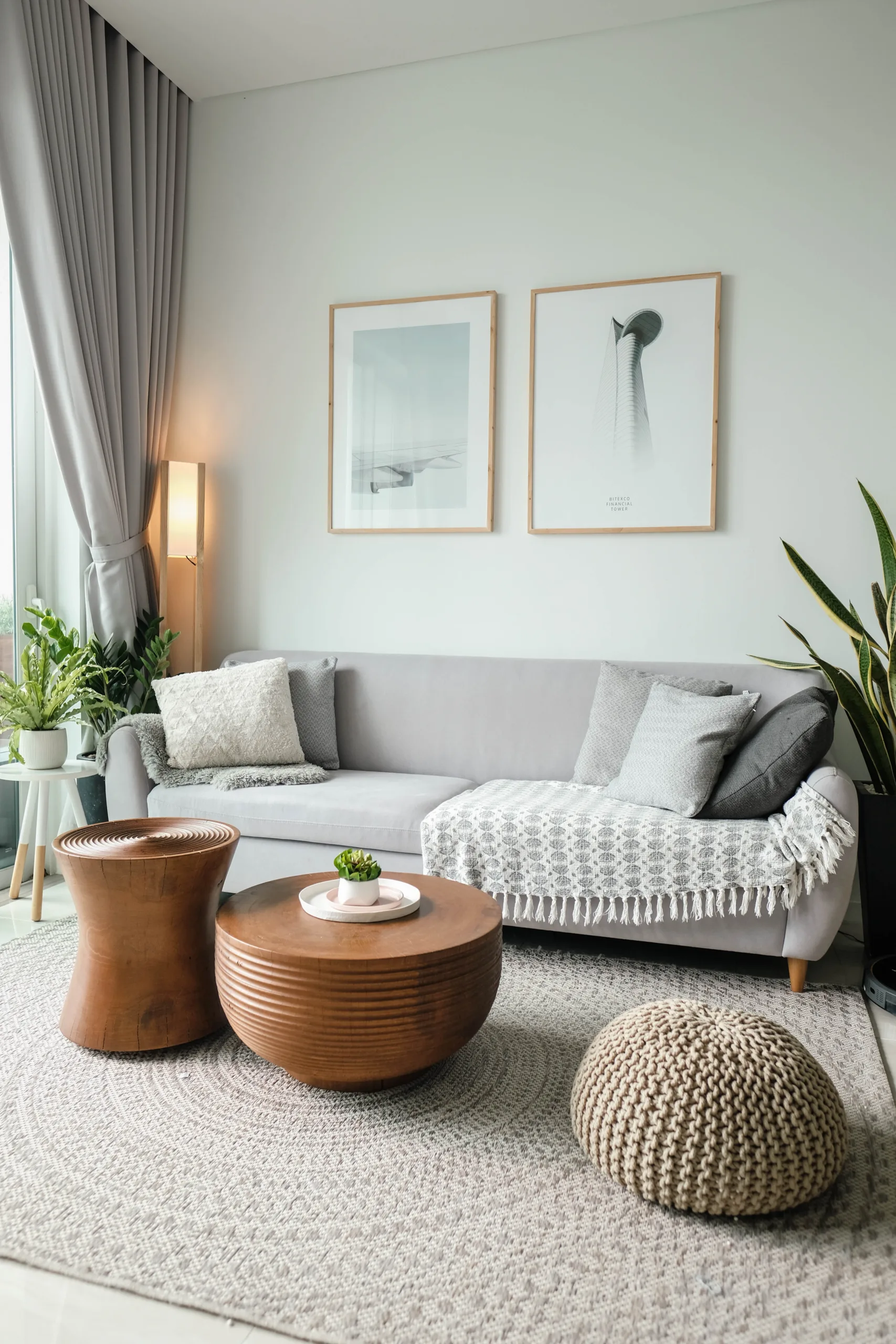
Scandinavian design is known for its simplicity, functionality, and timeless appeal. Originating from the Nordic countries of Sweden, Denmark, Norway, Finland, and Iceland, this design style has gained worldwide recognition for its clean lines, minimalism, and emphasis on natural materials. In this blog post, we will explore the key characteristics of Scandinavian design and its enduring popularity.
Key Characteristics
1. Simplicity: Scandinavian design is all about simplicity. It focuses on clean lines, minimal ornamentation, and uncluttered spaces. The aim is to create an environment that is visually harmonious and calming.
2. Functionality: Another important aspect of Scandinavian design is functionality. Every element in a Scandinavian-designed space has a purpose. Furniture is not only aesthetically pleasing but also practical and versatile.
3. Natural Materials: Scandinavian design embraces the use of natural materials such as wood, leather, and wool. These materials bring warmth and texture to the space, creating a cozy and inviting atmosphere.
4. Light and Airy: Scandinavians value natural light and strive to maximize its presence in their interiors. Light colors, such as whites and pastels, are often used on walls and furniture to reflect and amplify the available light.
5. Connection to Nature: Scandinavian design is deeply influenced by the region’s stunning natural landscapes. Elements inspired by nature, such as organic shapes, botanical prints, and nature motifs, are commonly incorporated into Scandinavian interiors.
Enduring Popularity
Scandinavian design has stood the test of time and continues to be popular for several reasons.
Firstly, its simplicity and minimalism offer a welcome respite from the chaos and clutter of modern life. In a world filled with constant stimulation, Scandinavian design provides a sense of calm and tranquility.
Secondly, the emphasis on functionality makes Scandinavian design highly practical and adaptable to different lifestyles. The furniture is designed to be comfortable, user-friendly, and space-efficient, making it ideal for small apartments and urban living.
Furthermore, the use of natural materials and light colors creates a warm and inviting atmosphere, making Scandinavian interiors feel cozy and comfortable.
Scandinavian design also has a timeless quality. Its clean lines and neutral color palettes transcend trends, ensuring that a Scandinavian-designed space will remain stylish for years to come.
Applying Scandinavian Design Principles
If you’re inspired by Scandinavian design and want to incorporate its principles into your own space, here are a few tips:
1. Declutter: Embrace minimalism by removing unnecessary items and keeping only what you truly need and love.
2. Use Light Colors: Paint your walls in light shades and choose furniture in neutral tones to create a bright and airy atmosphere.
3. Incorporate Natural Materials: Introduce elements made of wood, leather, and wool to add warmth and texture to your space.
4. Embrace Simplicity: Opt for furniture and decor with clean lines and minimal ornamentation.
5. Let in the Light: Maximize natural light by keeping windows unobstructed and using sheer curtains or blinds.
Scandinavian design is renowned for its simplicity, functionality, and connection to nature. Its enduring popularity can be attributed to its ability to create calm and inviting spaces in our fast-paced world. By incorporating the key characteristics of Scandinavian design into our own interiors, we can create spaces that are not only aesthetically pleasing but also practical and timeless.
Certainly! Here’s a Frequently Asked Questions (FAQ) section on Scandinavian design:
Q1: What is Scandinavian design?
Scandinavian design is a design movement characterized by simplicity, minimalism, and functionality. It emerged in the mid-20th century in the Nordic countries—Denmark, Finland, Norway, Sweden, and Iceland—and has since become renowned for its clean lines, neutral color palettes, and emphasis on craftsmanship.
Q2: What are the key characteristics of Scandinavian design?
Key characteristics of Scandinavian design include:
- Simplicity: Clean and uncluttered designs with a focus on simplicity.
- Functionality: Emphasis on functional, practical, and purposeful design.
- Natural Materials: Use of natural materials like wood, leather, and textiles.
- Neutral Colors: Predominantly neutral color palettes with pops of muted or pastel hues.
- Minimalism: Striving for a minimalist aesthetic with a sense of openness.
Q3: How does Scandinavian design incorporate natural elements?
Scandinavian design incorporates natural elements through:
- Wood: Commonly used for furniture and flooring, providing warmth and texture.
- Textiles: Natural fabrics like wool and cotton for soft furnishings.
- Plants: Incorporating indoor plants for a connection to nature.
Q4: Can Scandinavian design be colorful?
While Scandinavian design is known for its neutral color palette, it can incorporate subtle pops of color. Muted tones, pastels, and occasional bright accents are used to add warmth and interest without deviating from the overall simplicity.
Q5: What types of furniture are common in Scandinavian design?
Common furniture in Scandinavian design includes:
- Mid-Century Modern Pieces: Iconic furniture from the mid-20th century.
- Functional Shelving: Open and modular shelving units for storage.
- Simple Seating: Clean-lined sofas and chairs with comfortable upholstery.
Q6: How can I create a Scandinavian-inspired kitchen?
To create a Scandinavian-inspired kitchen:
- White or Light Colors: Opt for white or light-colored cabinetry and surfaces.
- Natural Wood: Use natural wood elements for warmth, such as wooden countertops or flooring.
- Functional Layout: Embrace a functional and efficient kitchen layout.
Q7: Can I mix Scandinavian design with other styles?
Yes, Scandinavian design can be easily mixed with other styles. It blends well with various aesthetics, including modern, industrial, and bohemian. The key is to maintain a sense of simplicity and cohesion in the overall design.
Q8: How does lighting play a role in Scandinavian design?
Lighting is crucial in Scandinavian design for:
- Natural Light: Maximising natural light with large windows and minimal window treatments
- endant Lights: Useimple, statement pendant lights for both function and aesthetics.
- Candles: incorporateandles for a cosy and intimate atmosphere.
Q9: Can small spaces benefit from Scandinavian design?
Yes, Scandinavian design is well-suited for small spaces. Its emphasis on functionality, simplicity, and light colourss can create an illusion of openness, making small spaces feel larger and more inviting.
Q10: How does Scandinavian design embrace hygge?
Scandinavian design often incorporates the concept of “hygge,” which is a Danish term representing cosiness, comfort, and contentment. This is achieved through the use of soft textiles, warm lighting, and inviting spaces that promote a sense of well-being.
Q11: What are some iconic pieces of Scandinavian furniture?
Iconic pieces of Scandinavian furniture include:
- Egg Chair by Arne Jacobsen: A classic mid-century modern lounge chair
- H Lamps by Poul Henningsen: Iconic pendant lamps known for their innovative design
- ishbone Chair by Hans J. Wegner: A widely recognised dining chair with a distinctive Y-shaped back
Q12: How can I incorporate Scandinavian design in a budget-friendly way?
To incorporate Scandinavian design on a budget:
- Secondhand Finds: Look for pre-owned Scandinavian furniture or decor.
- DIY Projects: Create simple and functional pieces through DIY projects.
- Neutral Basics: Invest in neutral basics and add pops of Scandinavian style with accessories.
Q13: Can Scandinavian design be applied to outdoor spaces?
Yes, Scandinavian design principles can be applied to outdoor spaces by:
- Simple Furniture: Opt for clean-lined and functional outdoor furniture.
- Natural Materials: Use natural materials like wood and stone.
- Comfortable Textiles: Add outdoor cushions and textiles for comfort.
Scandinavian design is admired for its timeless elegance and functional aesthetics. Whether applied to entire homes or individual rooms, its principles contribute to creating inviting and harmonious living spaces.
Scandinavian design stands as a testament to the timeless allure of simplicity, functionality, and the celebration of natural beauty. Originating from the Nordic countries, this design ethos has transcended its geographical roots to become a global symbol of understated elegance and practical living.
At its essence, Scandinavian design is characterised by clean lines, minimalism, and a focus on functionality. Stripped of unnecessary ornamentation, it embraces a philosophy that values form and function in equal measure. This simplicity not only contributes to a visually pleasing aesthetic but also fosters a sense of tranquilly and openness within a space.
The use of natural materials, such as wood, stone, and leather, is a hallmark of Scandinavian design. These materials not only add warmth and texture but also connect the interior with the serene landscapes of the Nordic region. The color palette is often dominated by neutral tones, with whites, grays, and muted hues creating a light and airy ambiance.
Scandinavian design is renowned for its commitment to craftsmanship and quality. Furniture and decor items are not only aesthetically pleasing but also meticulously crafted, often with an emphasis on sustainability. This commitment to longevity and durability reflects a culture that values longevity over fleeting trends.
Functionality is a key driver in Scandinavian design, with a focus on practicality and efficiency. Multi-functional furniture, clever storage solutions, and the optimisation of space characterise the design approach, creating interiors that are not only beautiful but also highly livable.
The integration of natural light is another crucial aspect of Scandinavian design. Large windows, light-colored interiors, and the use of mirrors contribute to a bright and uplifting atmosphere, even during the dark winter months in the Nordic region.
In conclusion, Scandinavian design is a harmonious marriage of form, function, and natural elements. Its enduring appeal lies in its ability to create spaces that are not only aesthetically pleasing but also embrace a way of living that prioritises simplicity, comfort, and a connection to nature. As a global influence, Scandinavian design continues to inspire a lifestyle that values both style and substance.