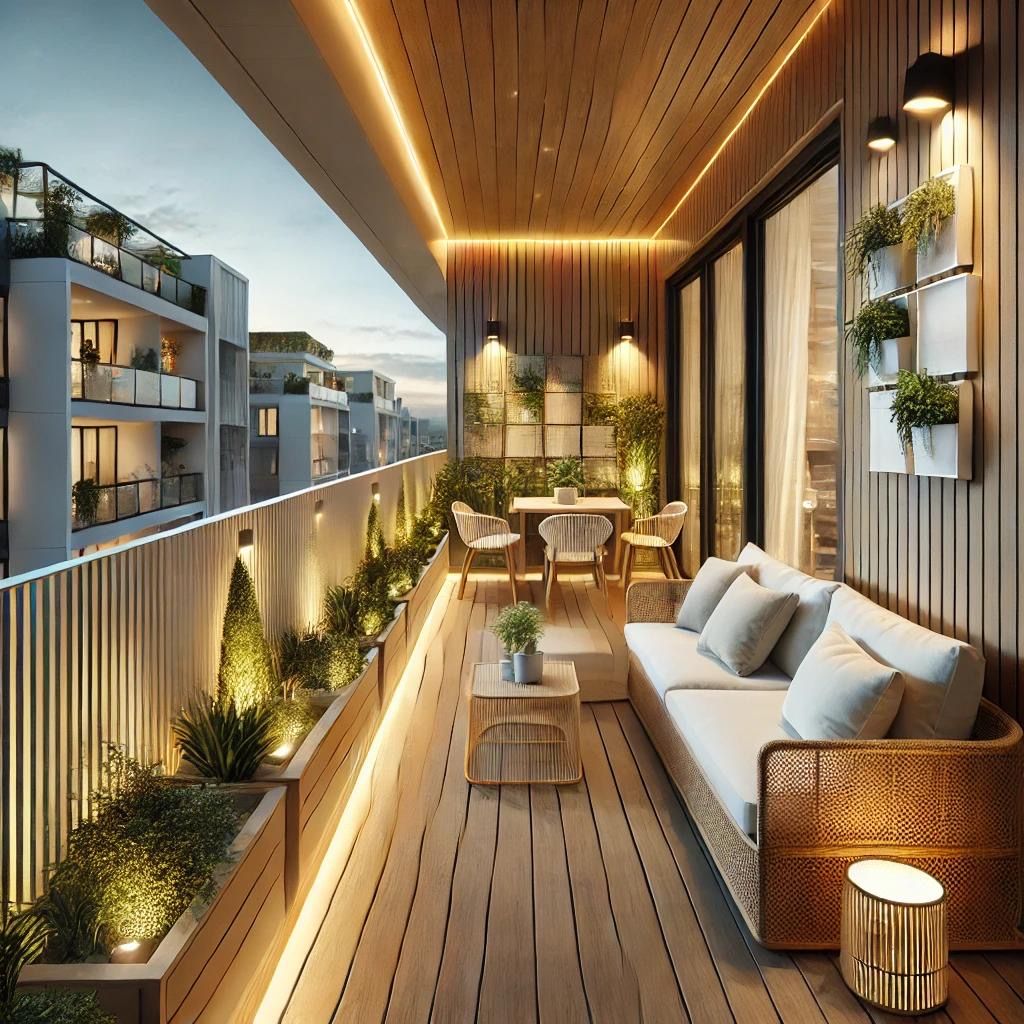
1. Sustainable & Eco-Friendly Design 🌱
- Clients are becoming conscious of environmental impact.
- Use of low-VOC paints, bamboo flooring, recycled furniture, and energy-efficient lighting will grow.
- Designers who embrace sustainable interiors will be in high demand.
👉 In Delhi NCR, where pollution is a concern, eco-friendly interiors are becoming a lifestyle choice.
2. Smart Homes & Technology Integration 🤖
- Smart lighting, climate control, automated curtains, voice-controlled devices are now part of interiors.
- Integration of IoT (Internet of Things) will be a must.
- Designers will need to collaborate with tech providers to create future-ready homes.
3. Flexible & Multi-Functional Spaces 🏡
- Post-COVID lifestyles changed home usage—living rooms double as offices, bedrooms as workout spaces.
- Expect more foldable furniture, modular walls, and convertible layouts.
- Small apartments in cities like Gurgaon and Noida will push demand for space optimization designs.
4. Virtual & Augmented Reality (VR/AR) 🕶️
- Clients want to see designs before execution.
- VR headsets and AR apps allow walk-throughs of the final design.
- This will reduce design errors and increase client confidence.
👉 Designers using 3D renders + AR previews will win more projects.
5. Wellness-Centric Interiors 🧘
- Homes will increasingly focus on health, mental well-being, and comfort.
- Design trends:
- Natural light optimization
- Biophilic design (plants indoors, earthy textures)
- Ergonomic furniture
- Offices too will prioritize well-being zones like nap pods, meditation areas, and green walls.
6. Personalized & Bespoke Designs 🎨
- Cookie-cutter interiors are fading out.
- Clients want personalized homes that reflect their identity, culture, and lifestyle.
- In luxury markets (like Gurgaon villas), bespoke furniture and custom finishes will dominate.
7. Rise of AI & Design Software 💻
- AI tools will help designers create layouts, color schemes, and mood boards in seconds.
- Software like AutoCAD, Revit, SketchUp, and AI-driven platforms will become more advanced.
- Designers must adapt and use these tools to stay ahead.
8. Commercial & Hospitality Boom 🏢
- With Gurgaon and Noida becoming corporate hubs, demand for office interiors, co-working spaces, retail stores, and hospitality design will grow.
- Future workplaces will focus on hybrid office designs: flexible desks, open lounges, and smart meeting pods.
9. Affordable & Budget-Friendly Interiors 💰
- Middle-class homeowners in Delhi NCR want stylish yet affordable designs.
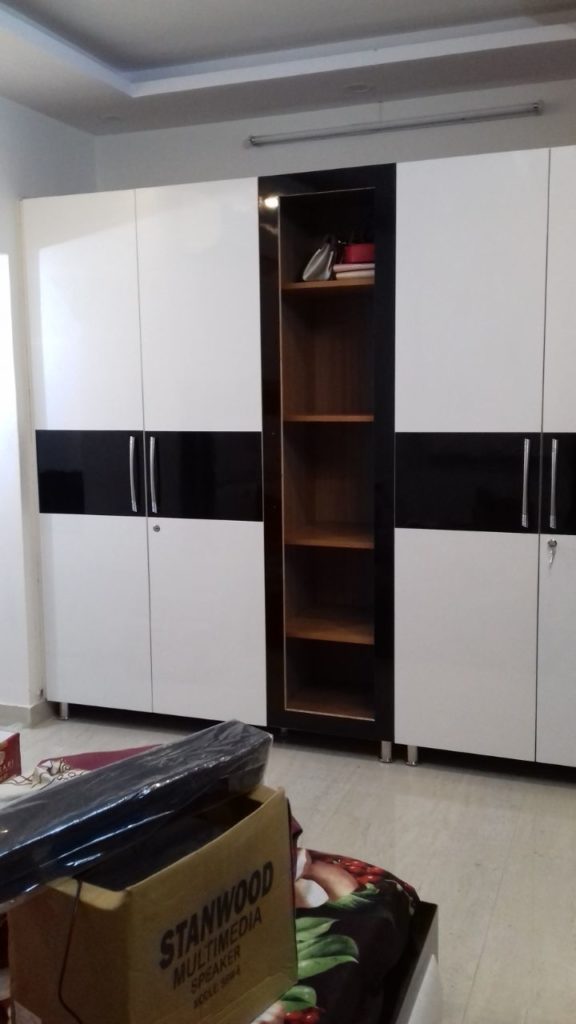
- Modular kitchens, wardrobes, and prefabricated furniture will dominate.
- Designers offering budget-friendly concepts will capture mass markets.
10. Global Aesthetic with Local Touch 🌍 + 🇮🇳
- Fusion is the future: modern global aesthetics blended with Indian culture.
- Example: Minimalist furniture with Jaipur fabrics or Delhi handmade crafts.
- Interior design will preserve heritage while being globally appealing.
🚀 Final Thoughts – The Future is Bright!
The future of interior design is:
- Smart (technology-driven)
- Sustainable (eco-conscious)
- Flexible (multi-functional spaces)
- Personalized (tailored to lifestyles)
In cities like Gurgaon, Noida, and Delhi, demand will rise for both luxury turnkey projects and budget-friendly interiors, creating opportunities for every type of designer.
Sigh… the challenges are there—clients expect more for less, competition is fierce—but designers who adapt, innovate, and embrace technology will thrive.