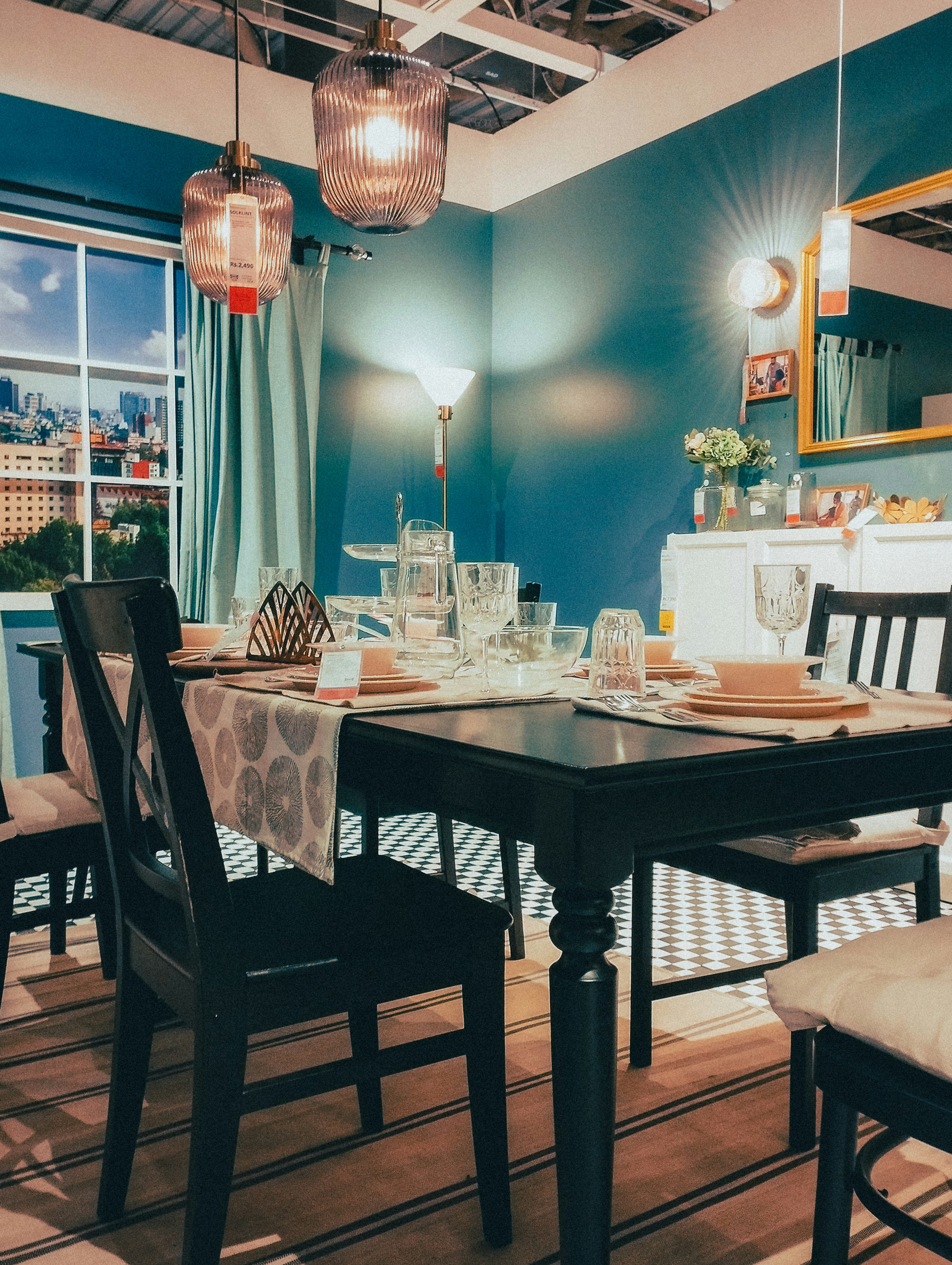
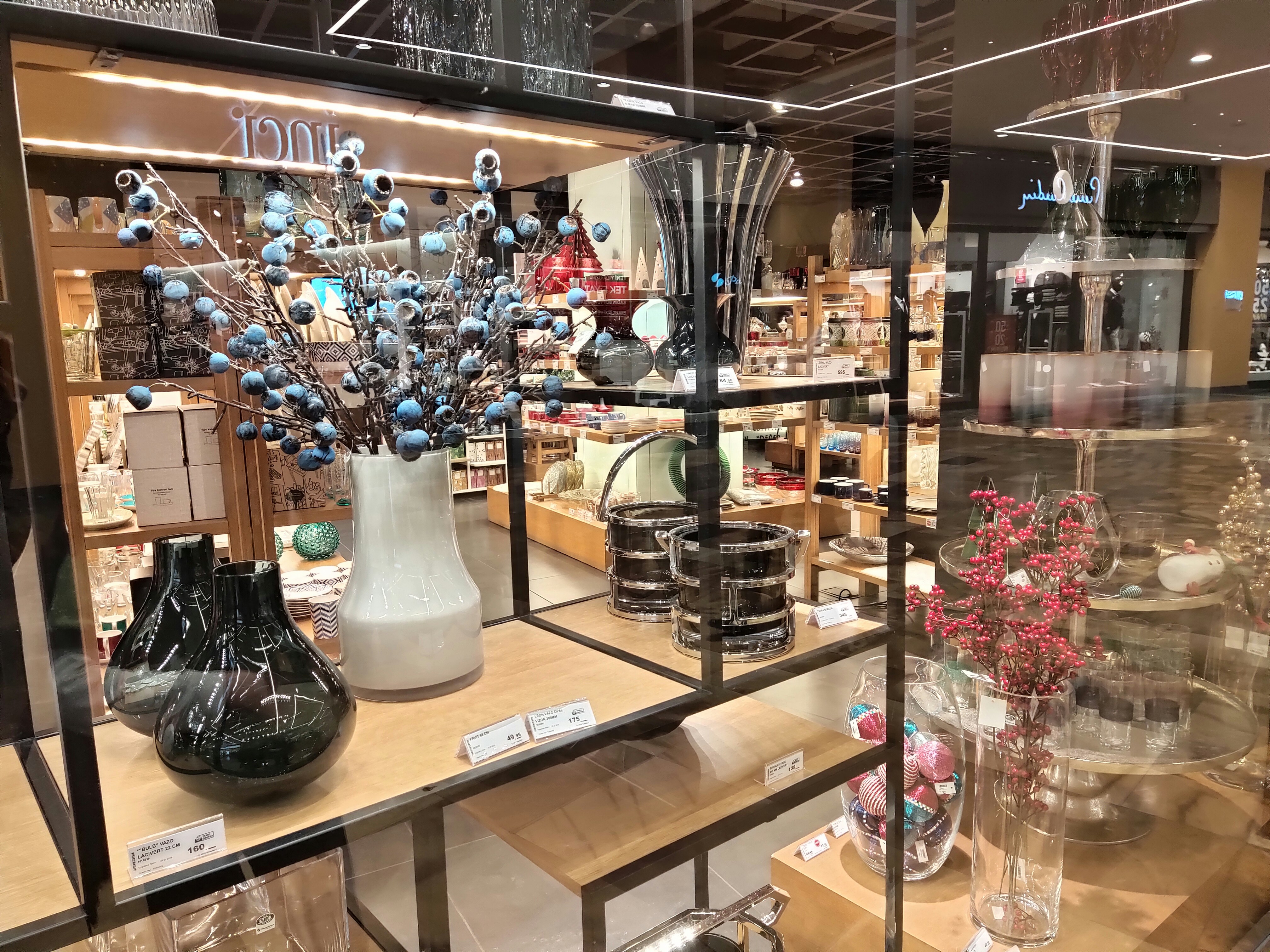
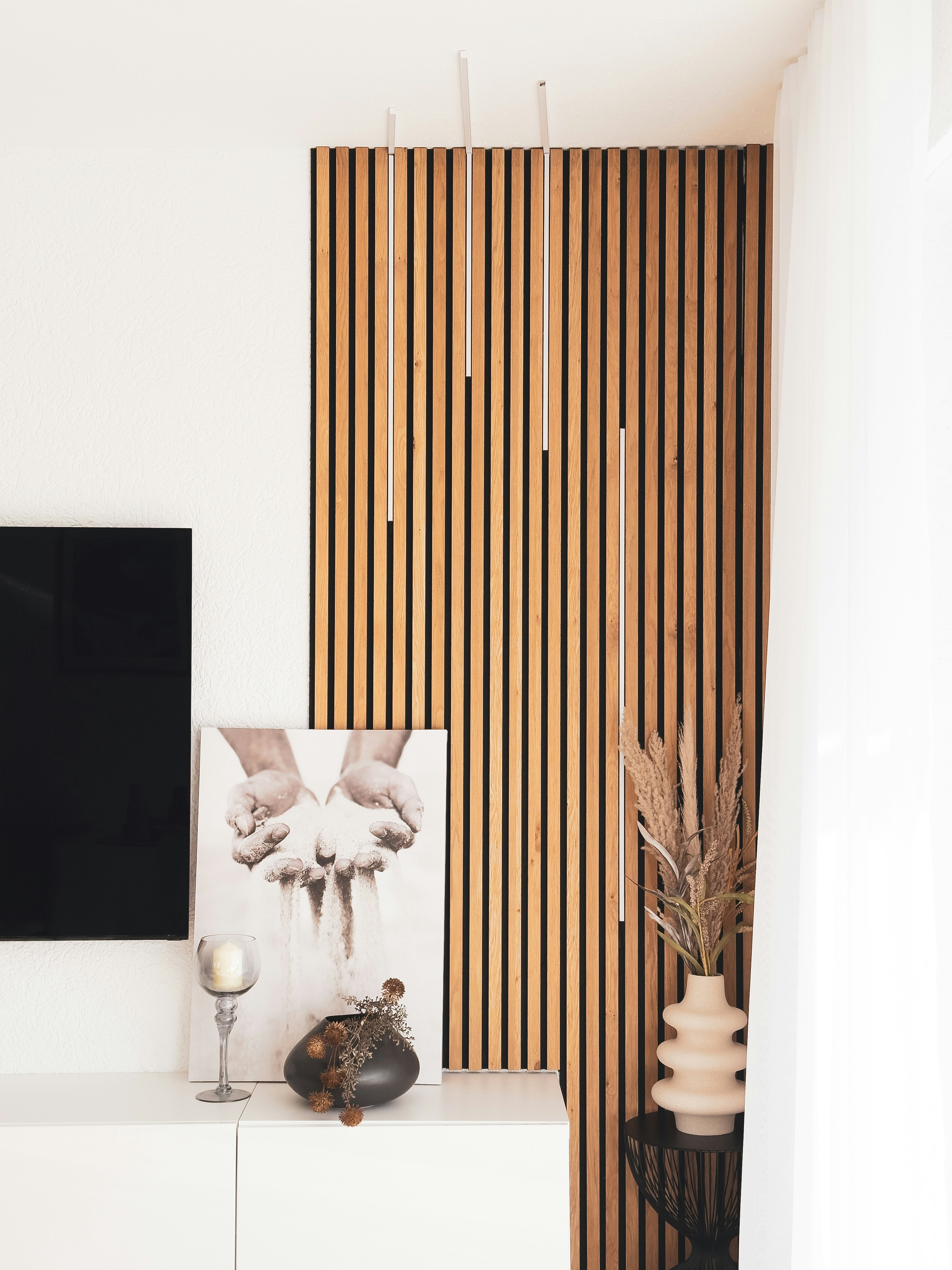
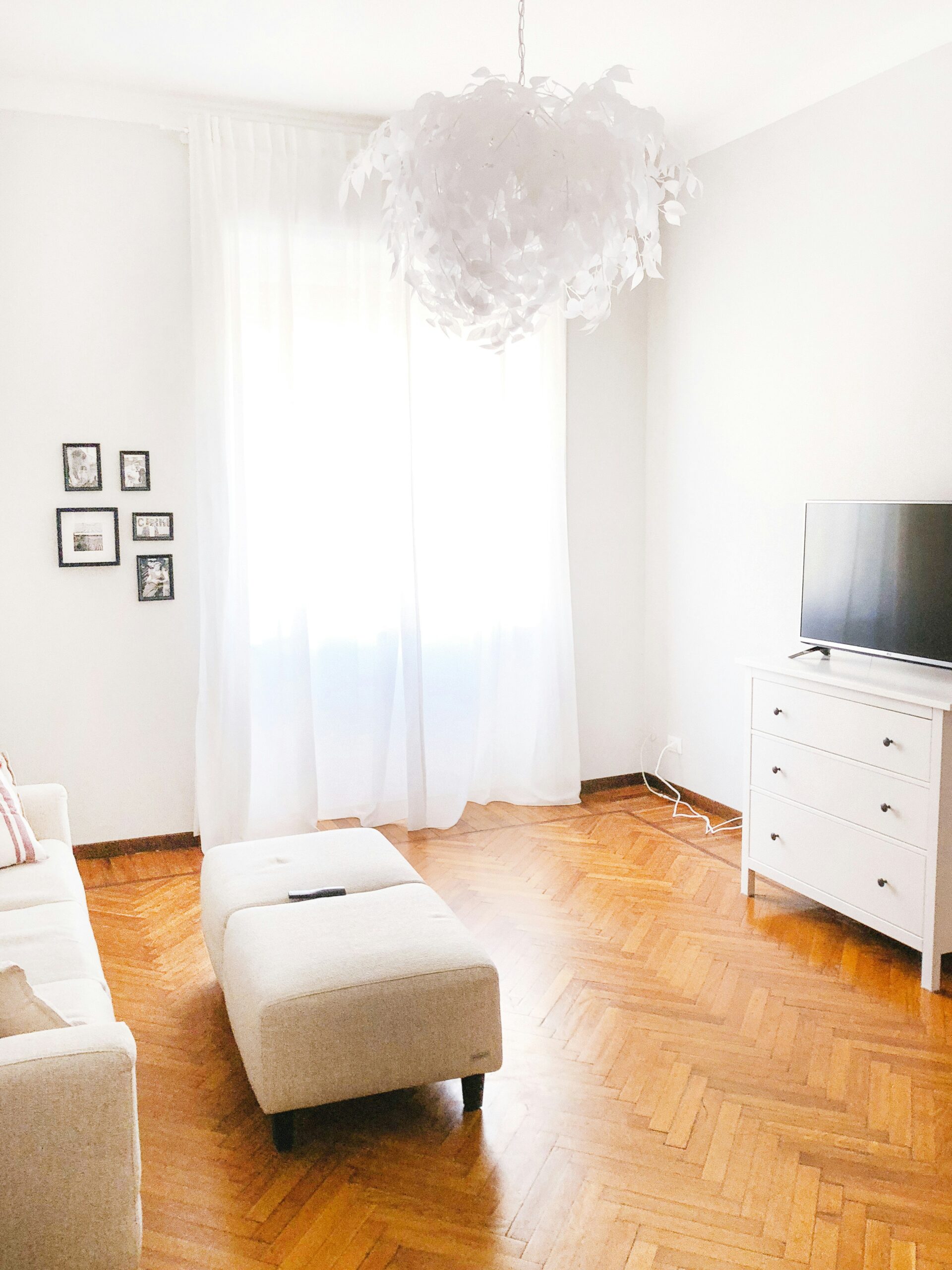
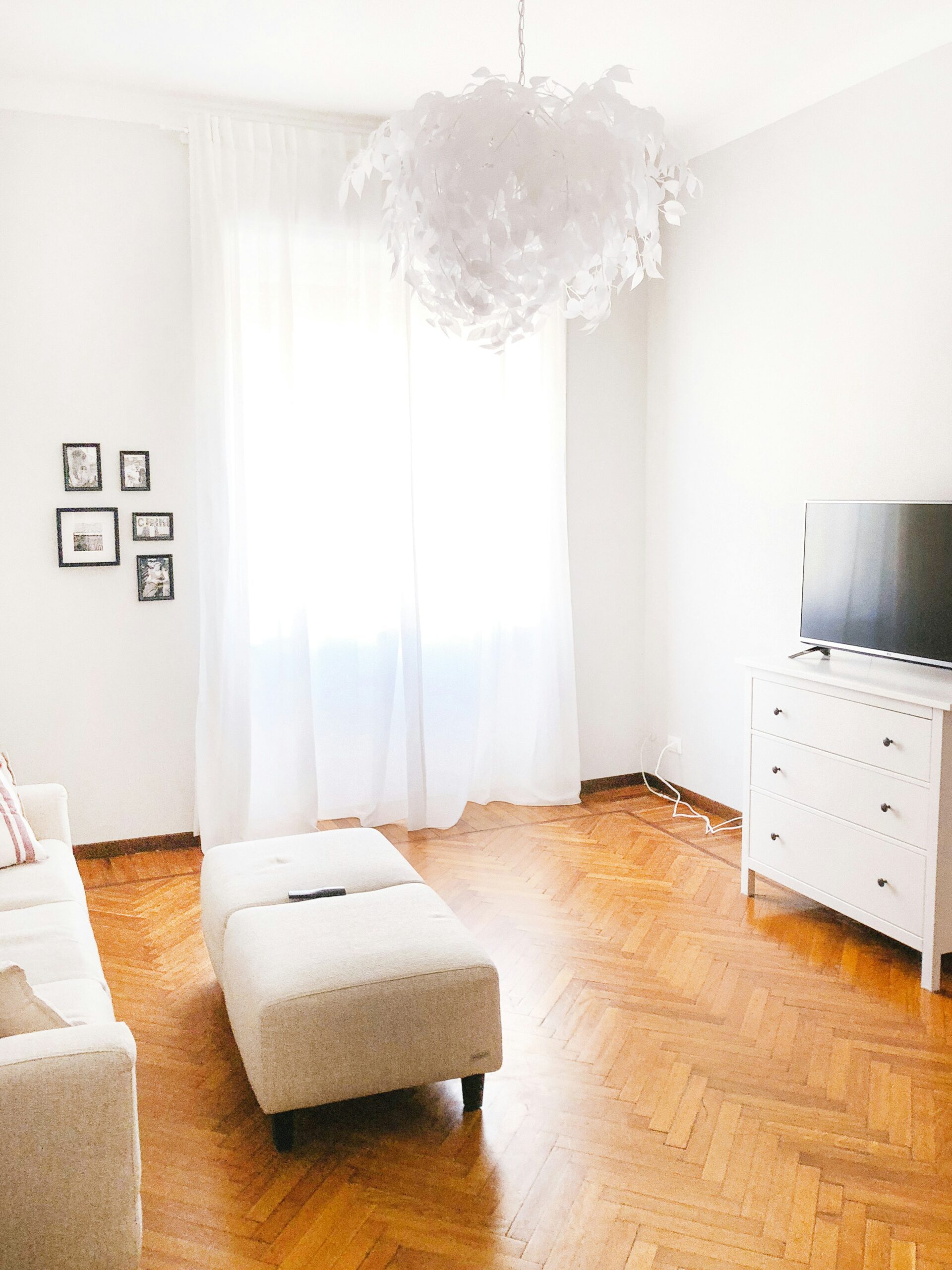
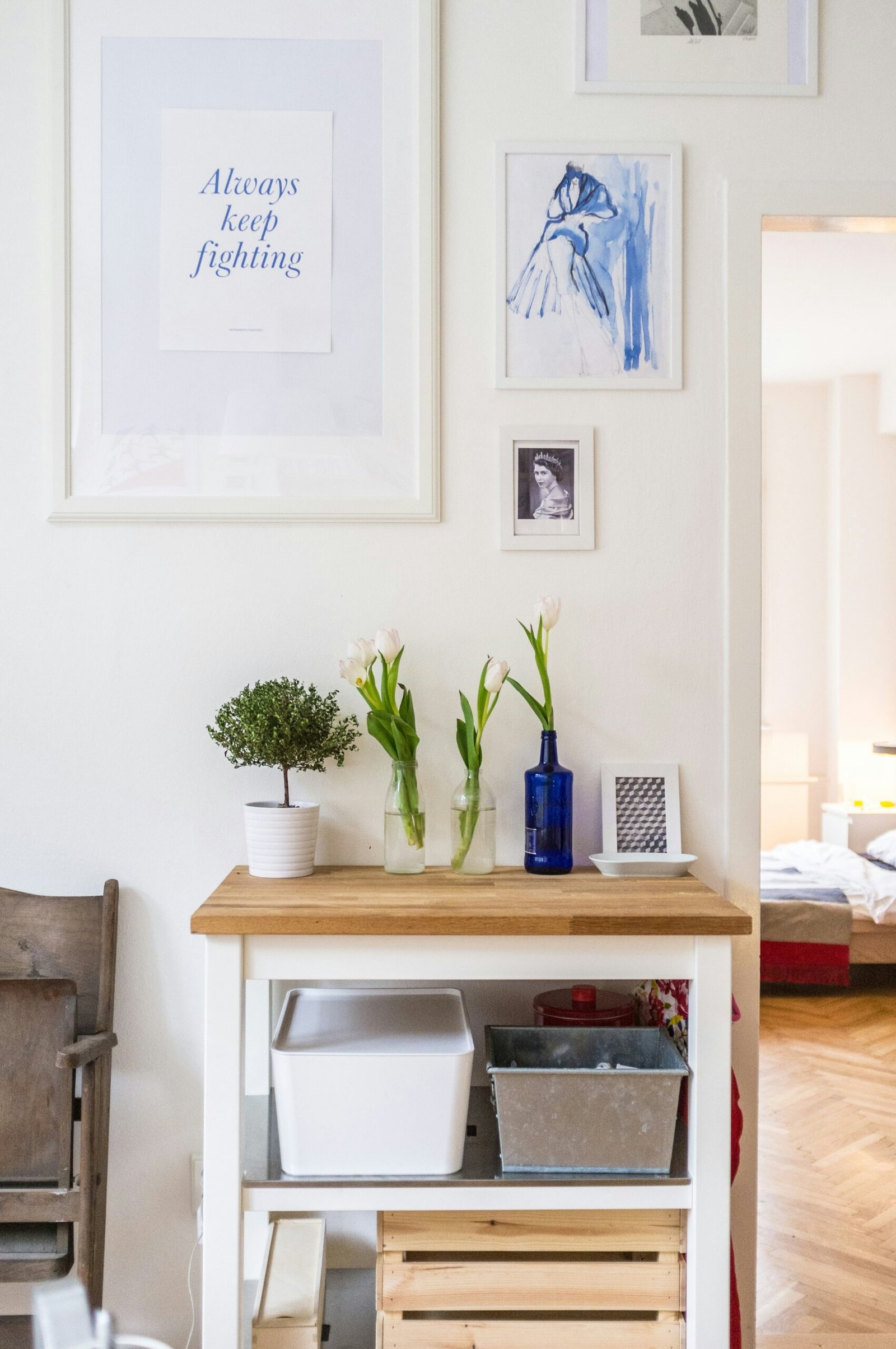
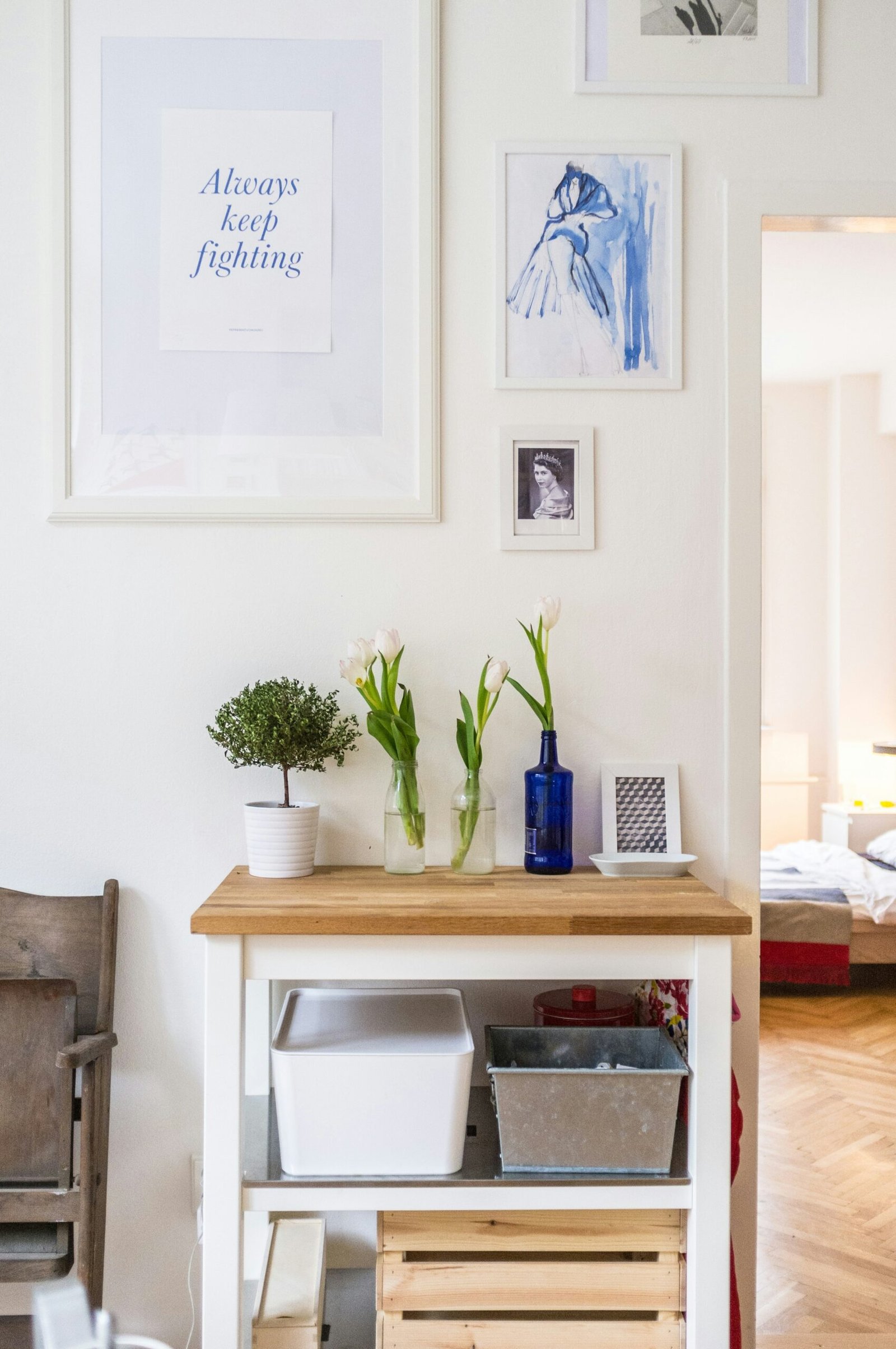
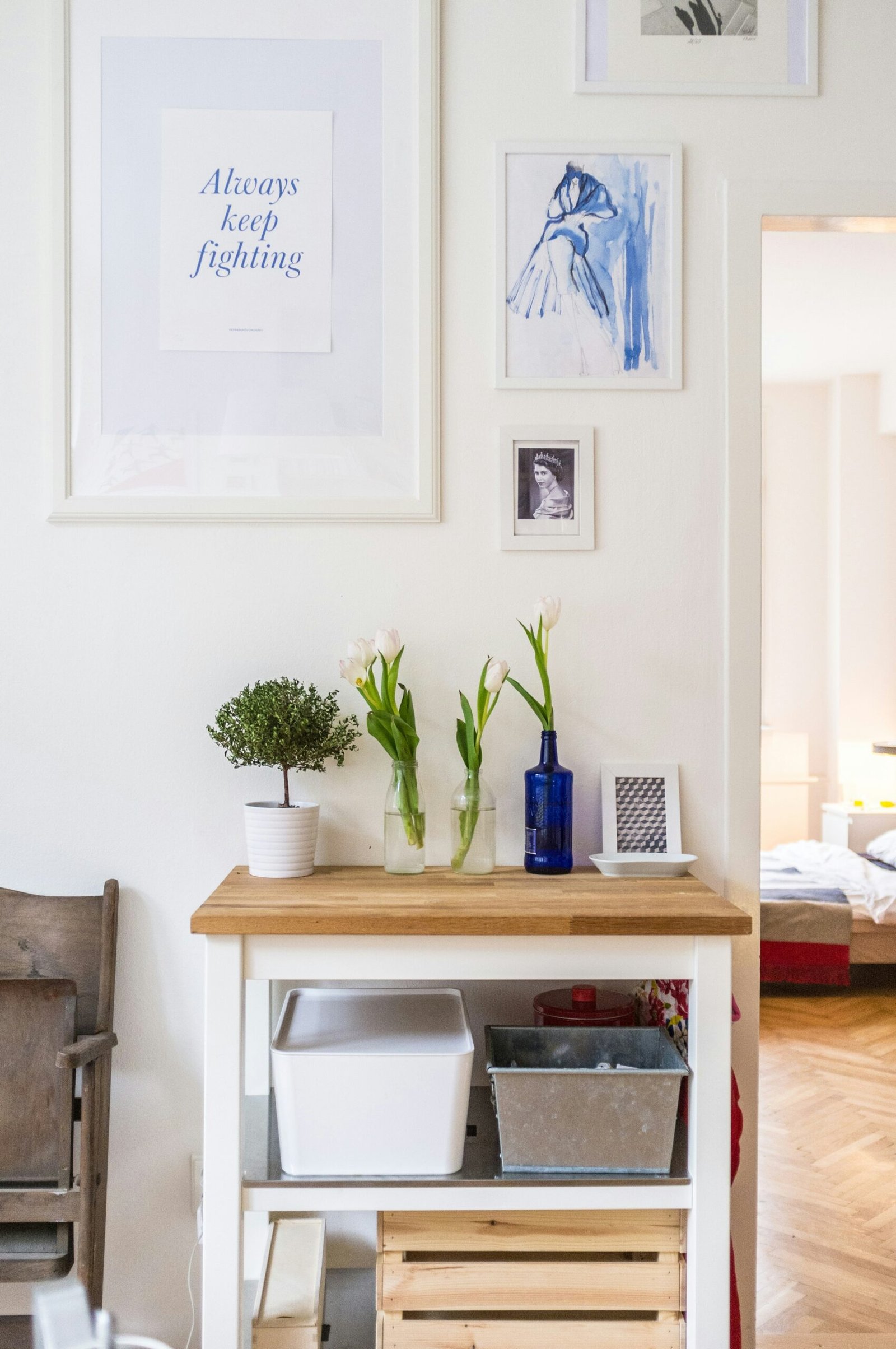
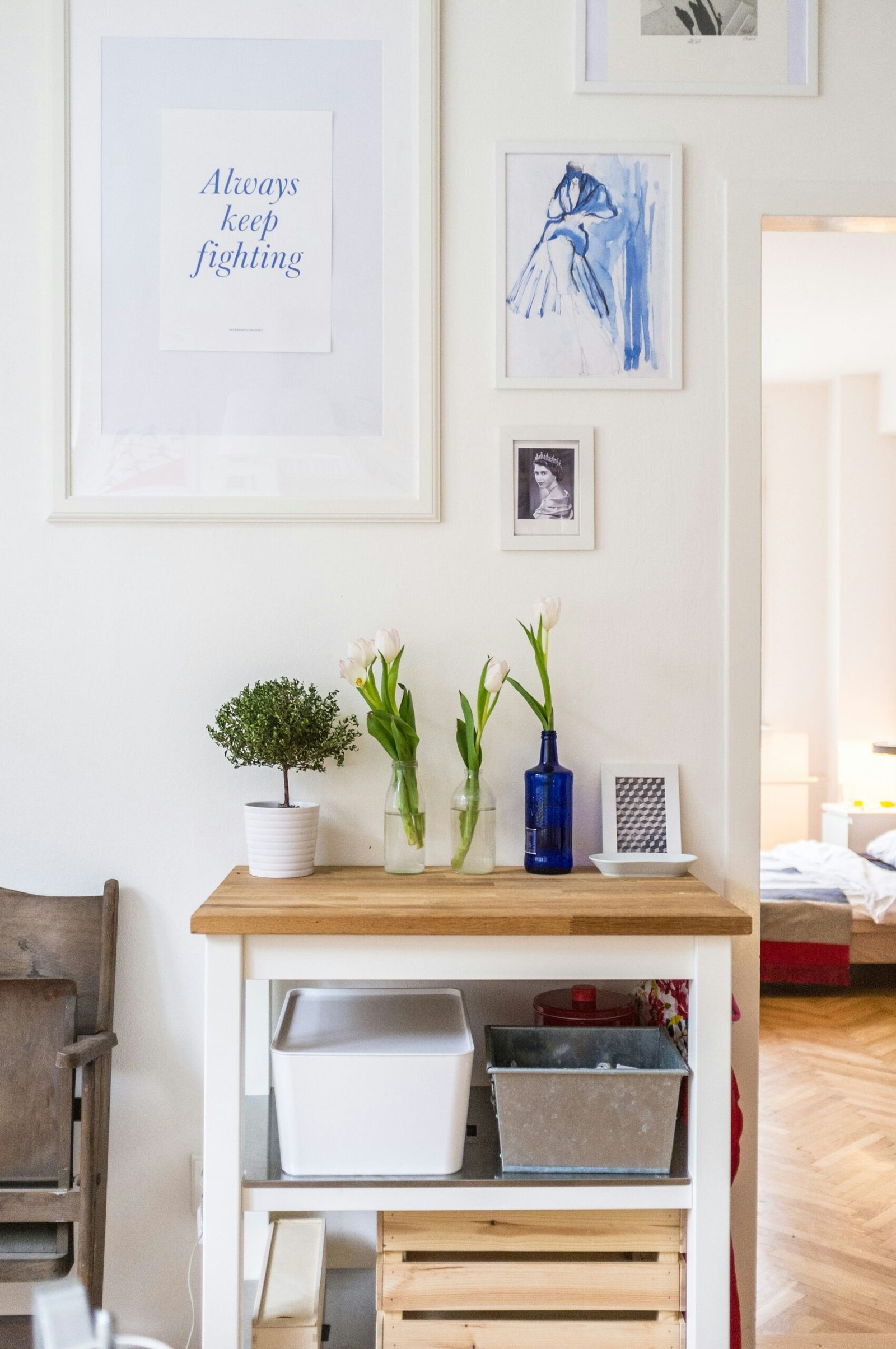
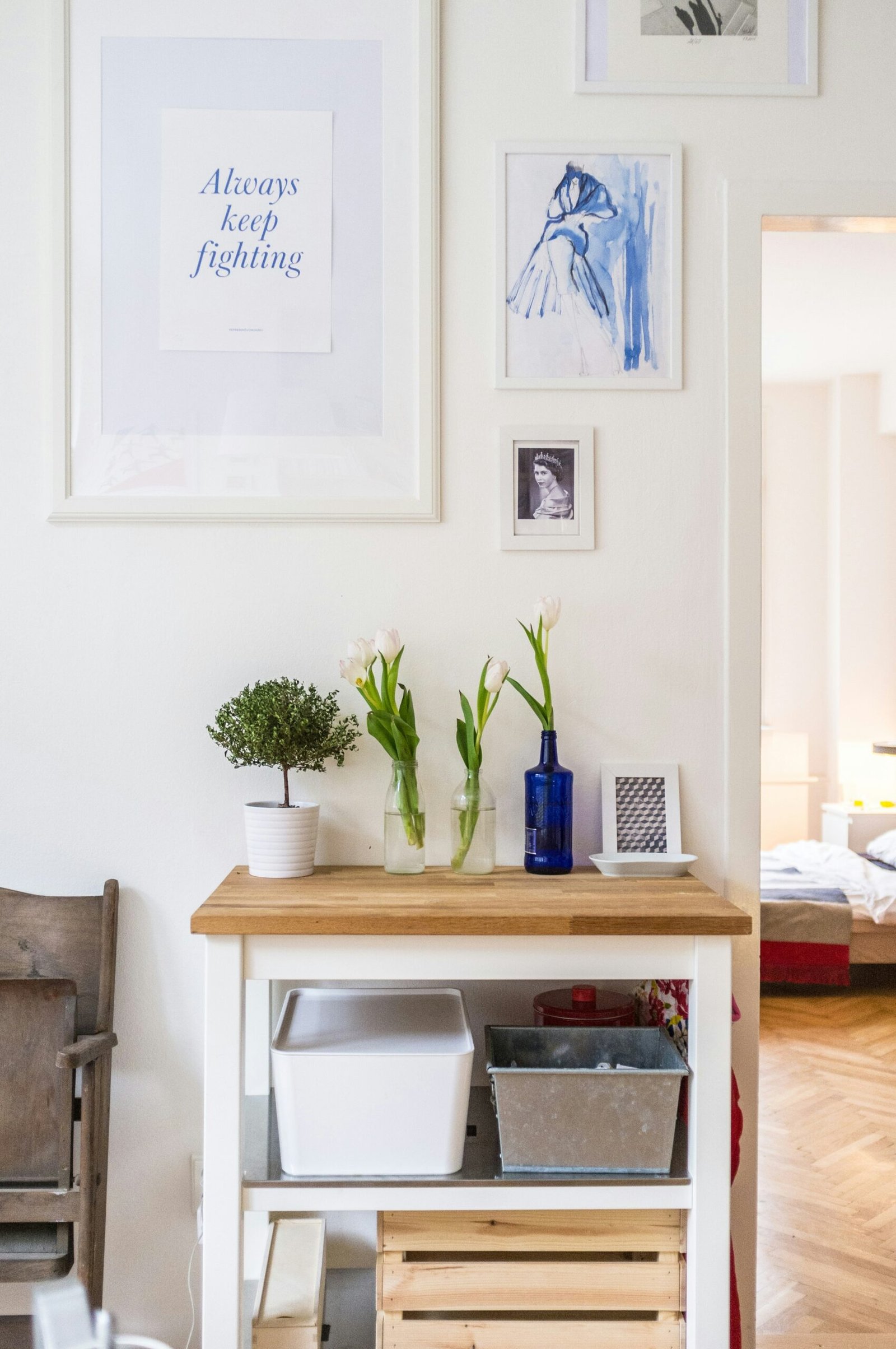
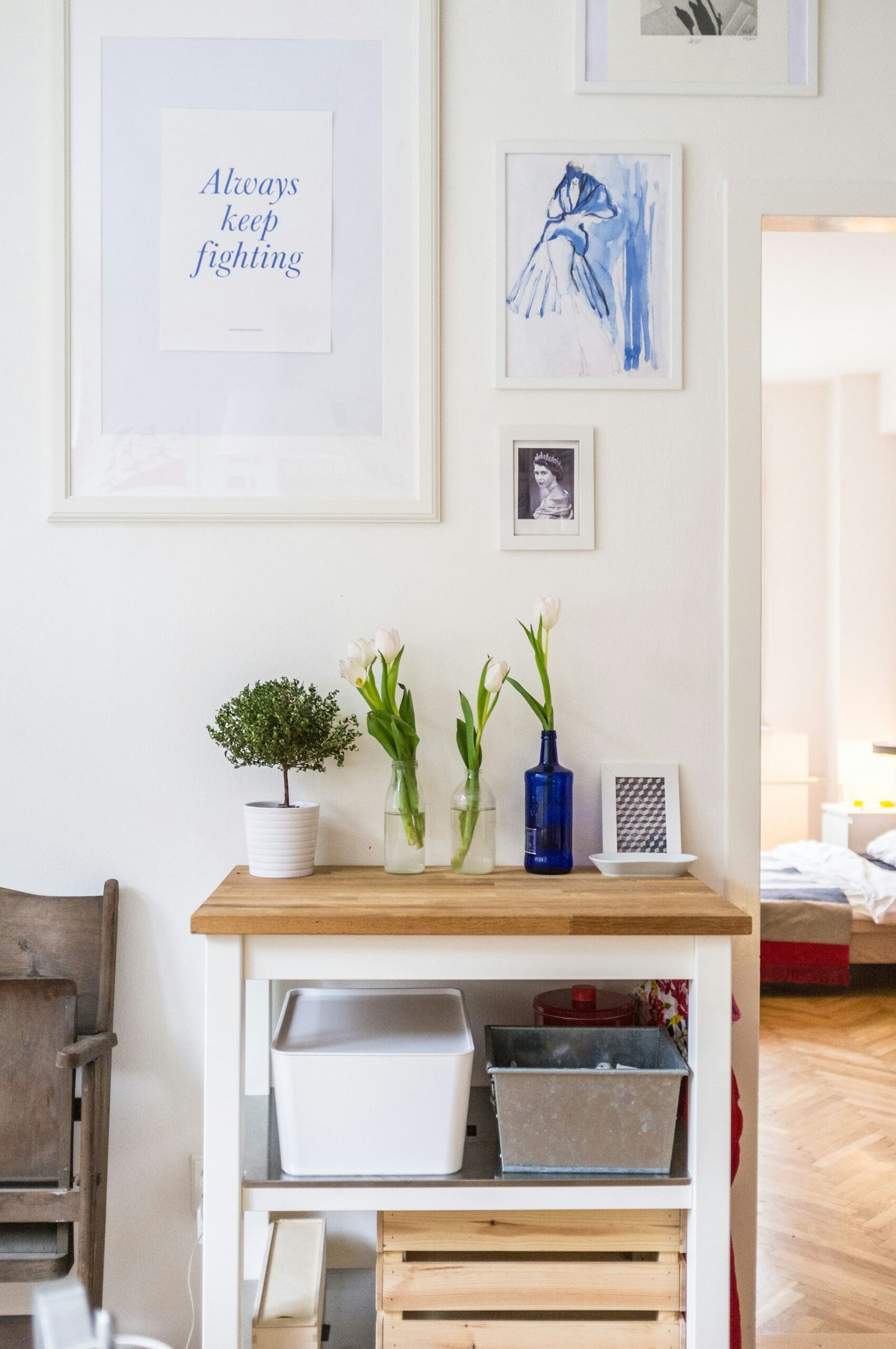
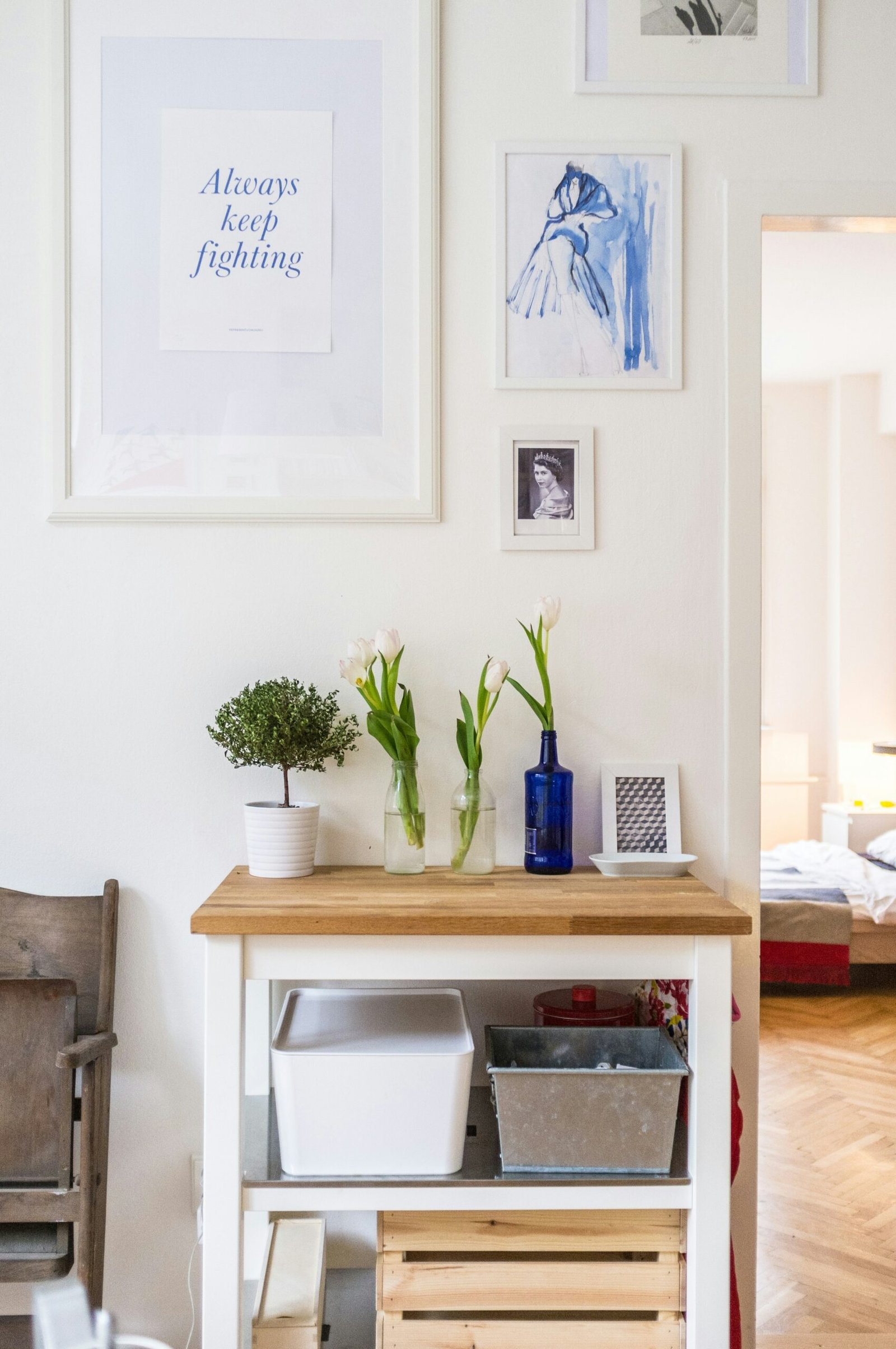
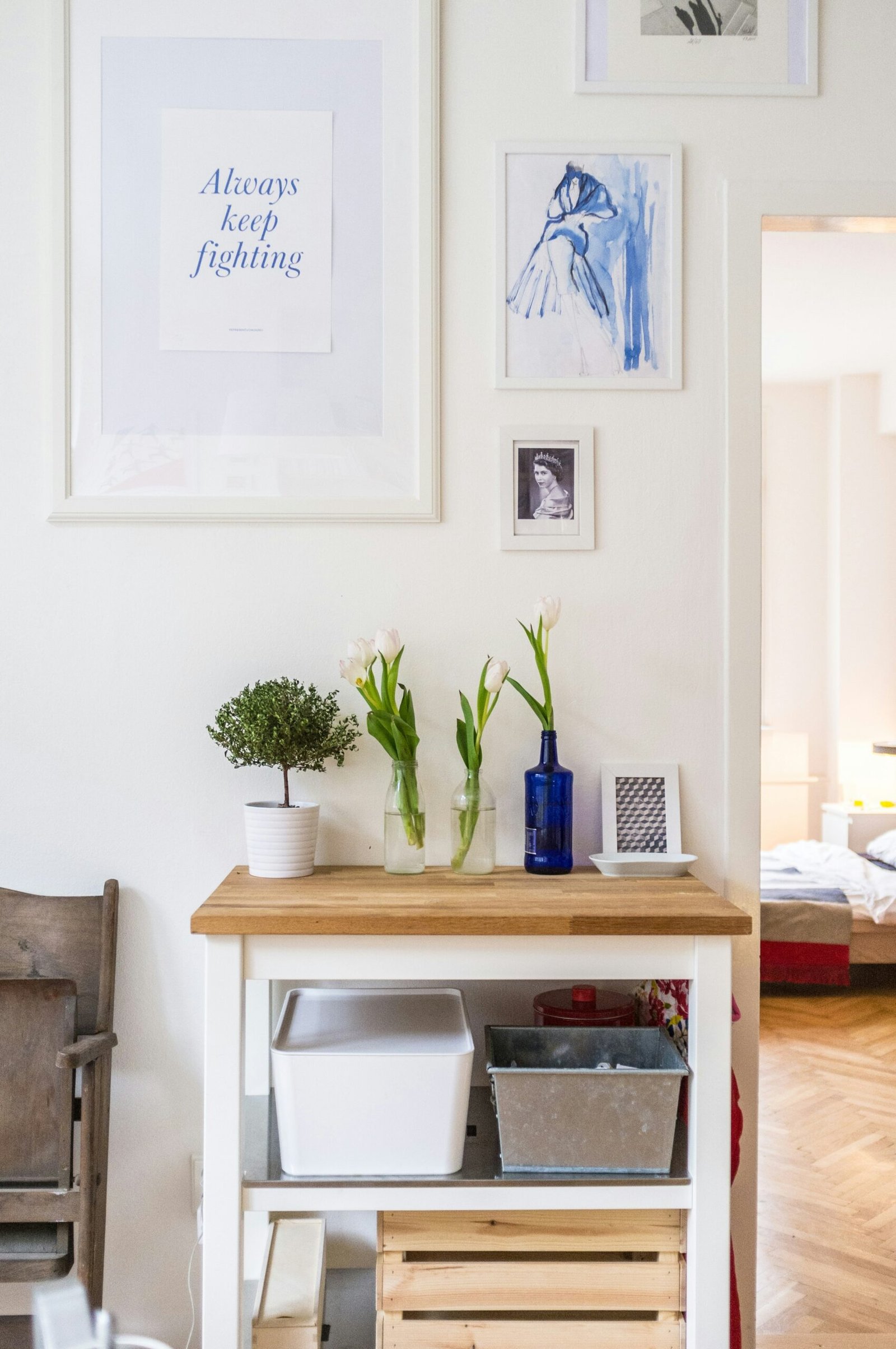
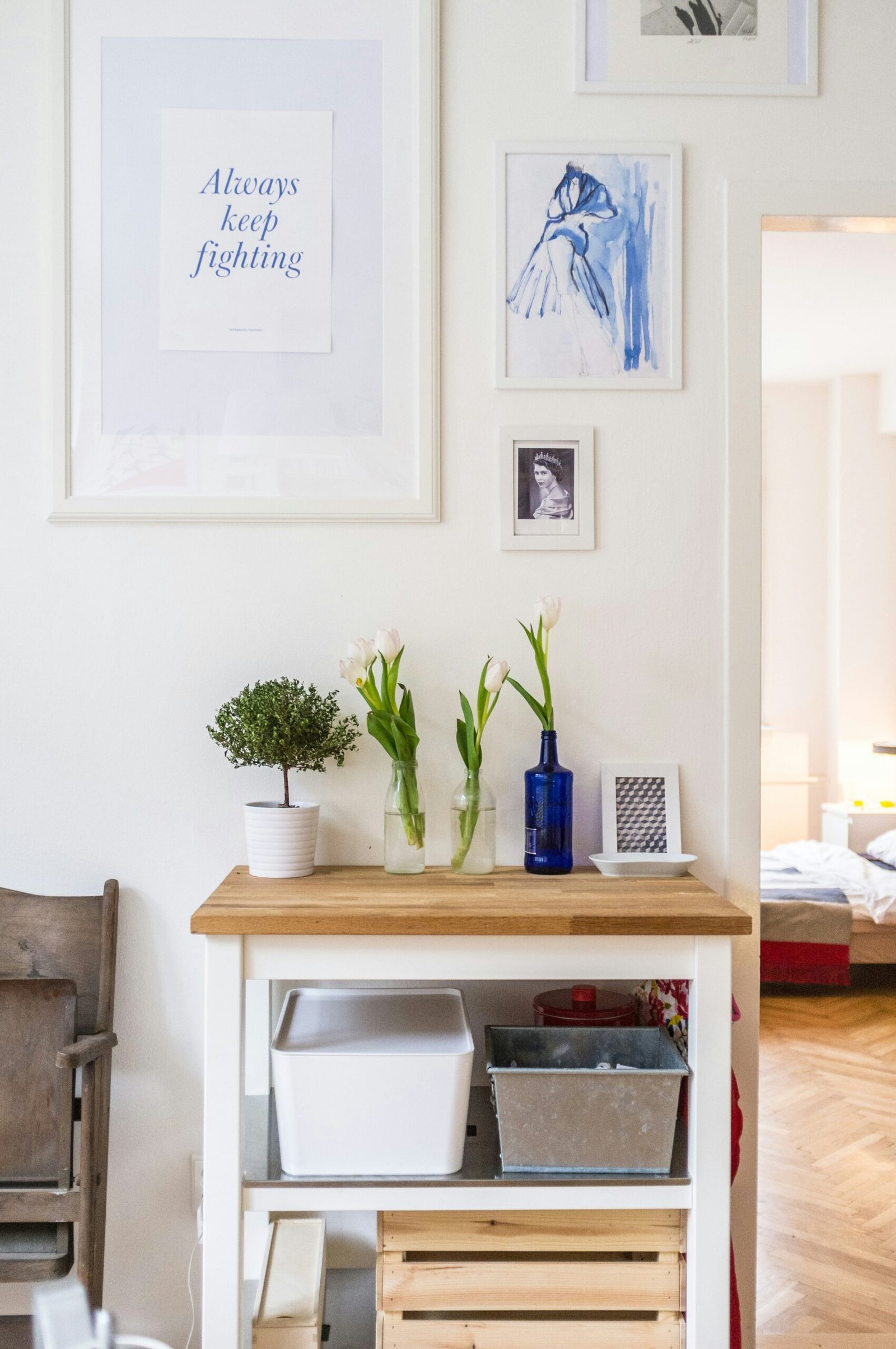
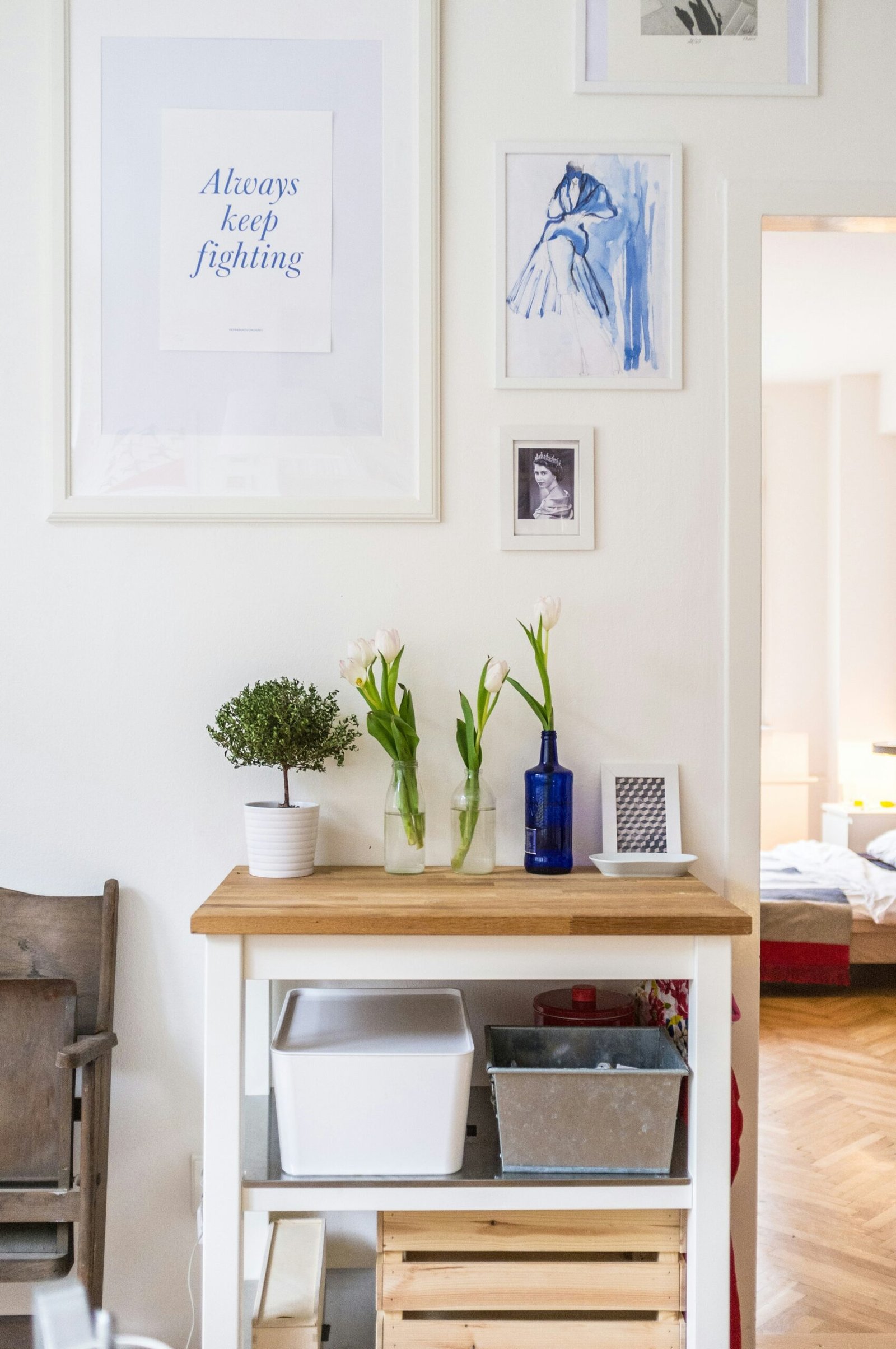
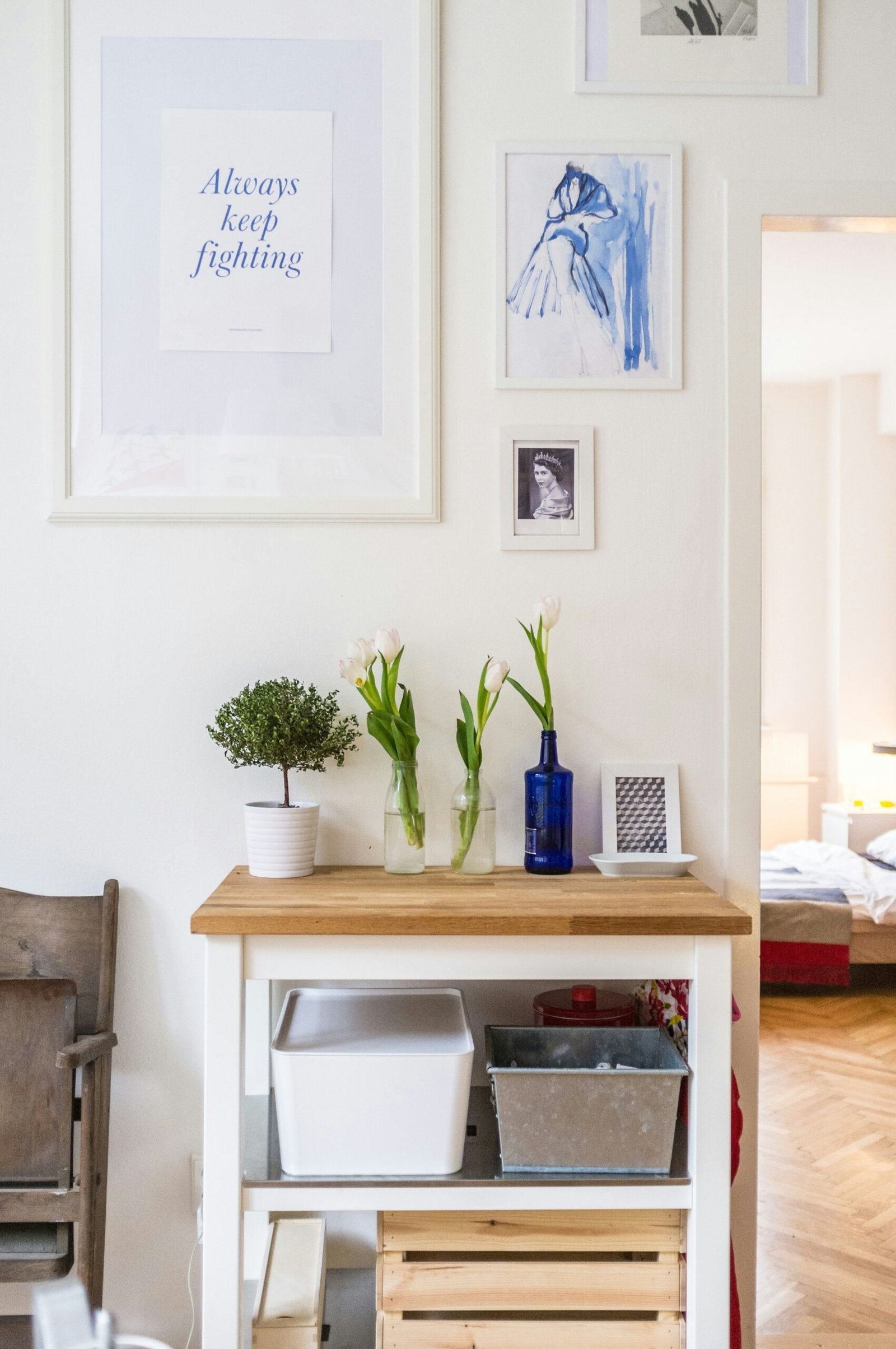
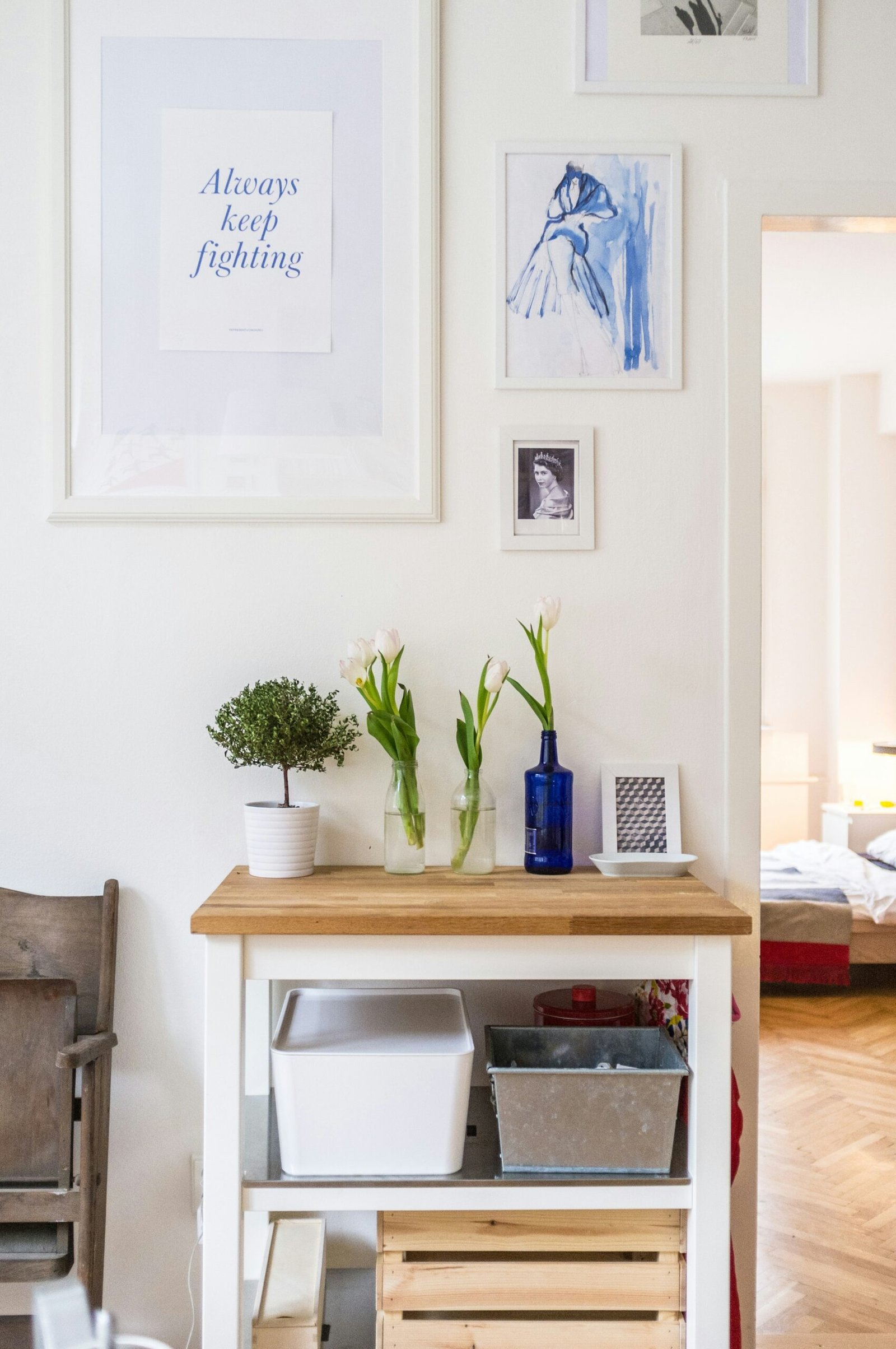
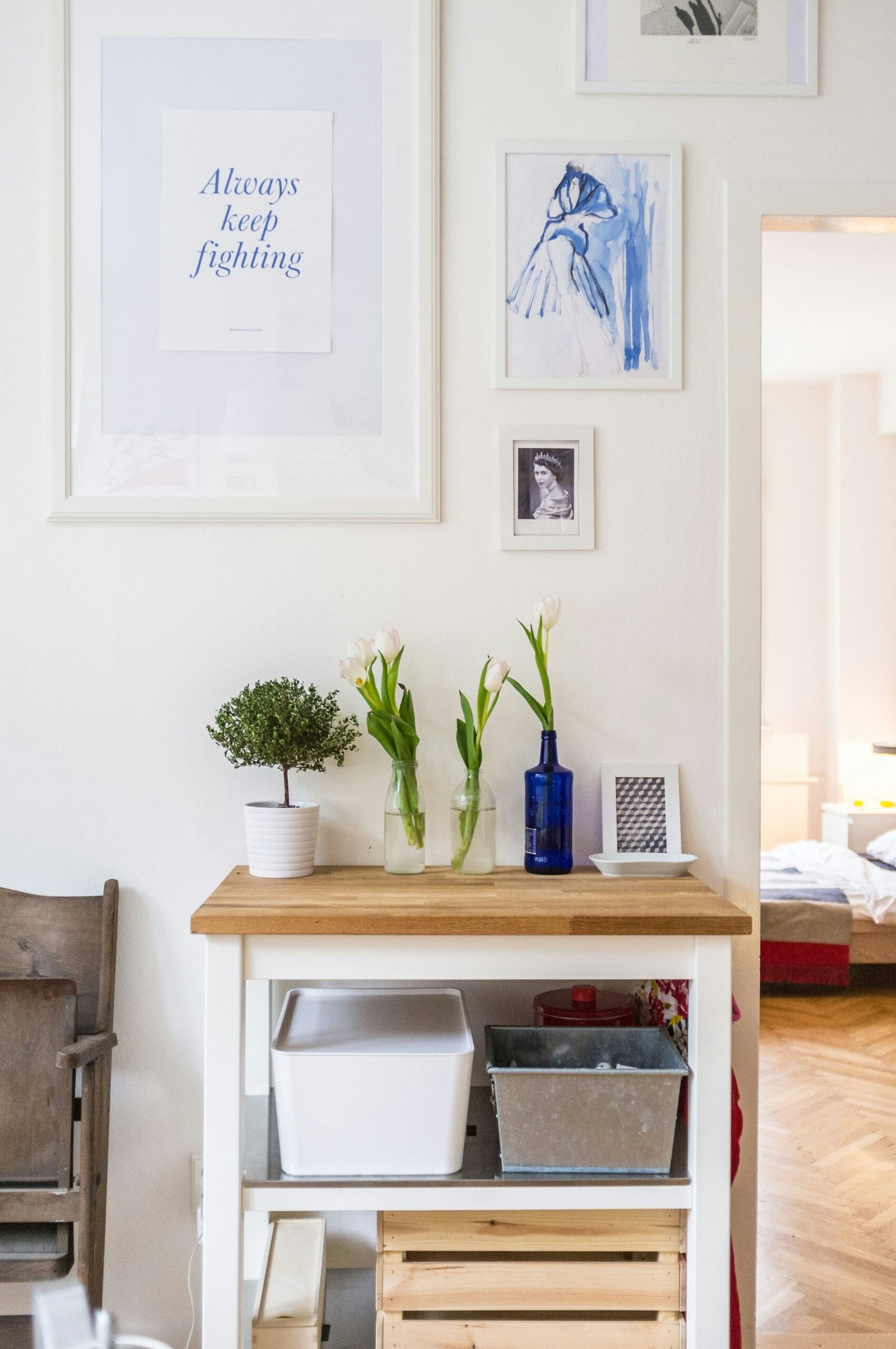
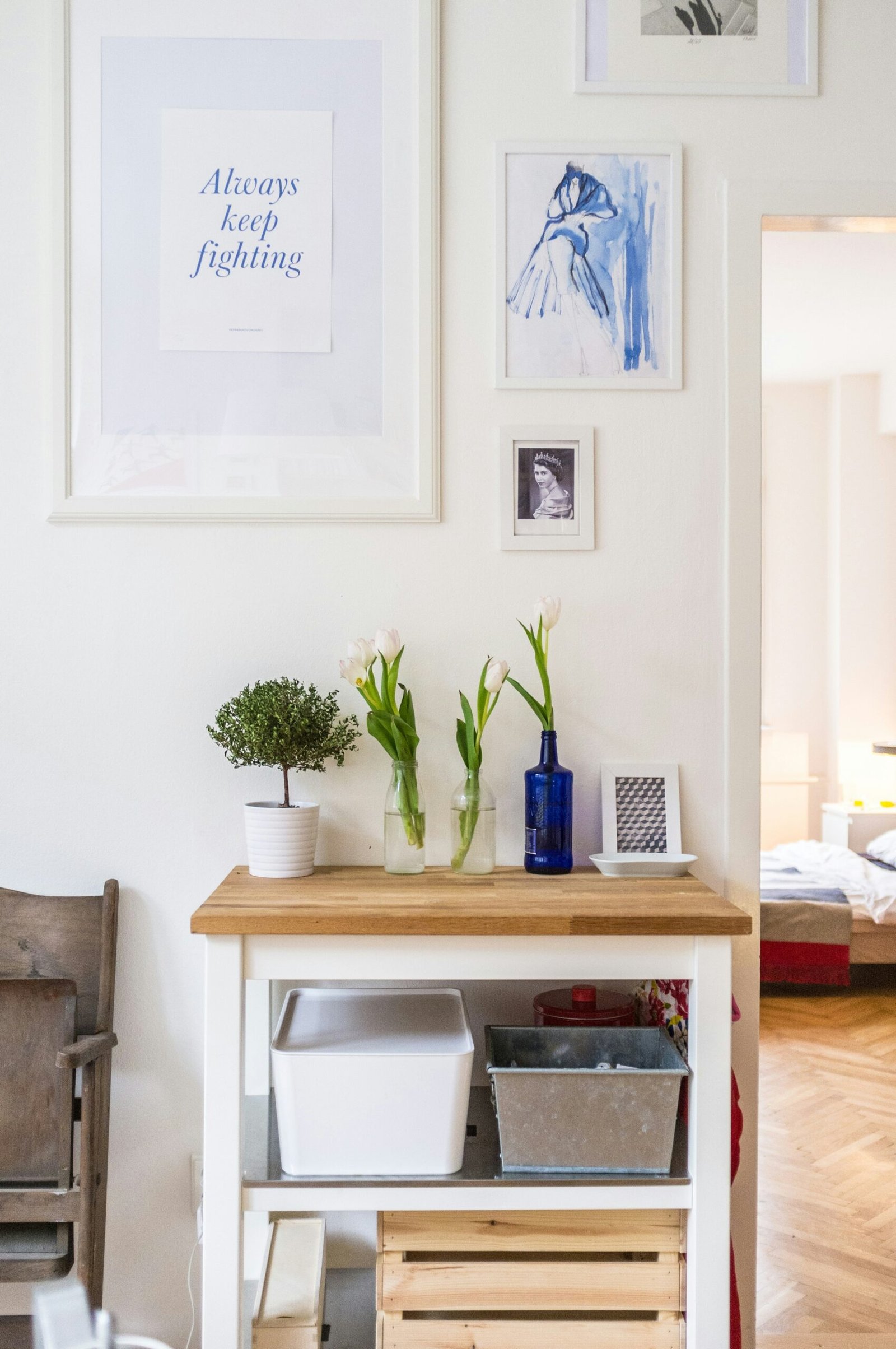
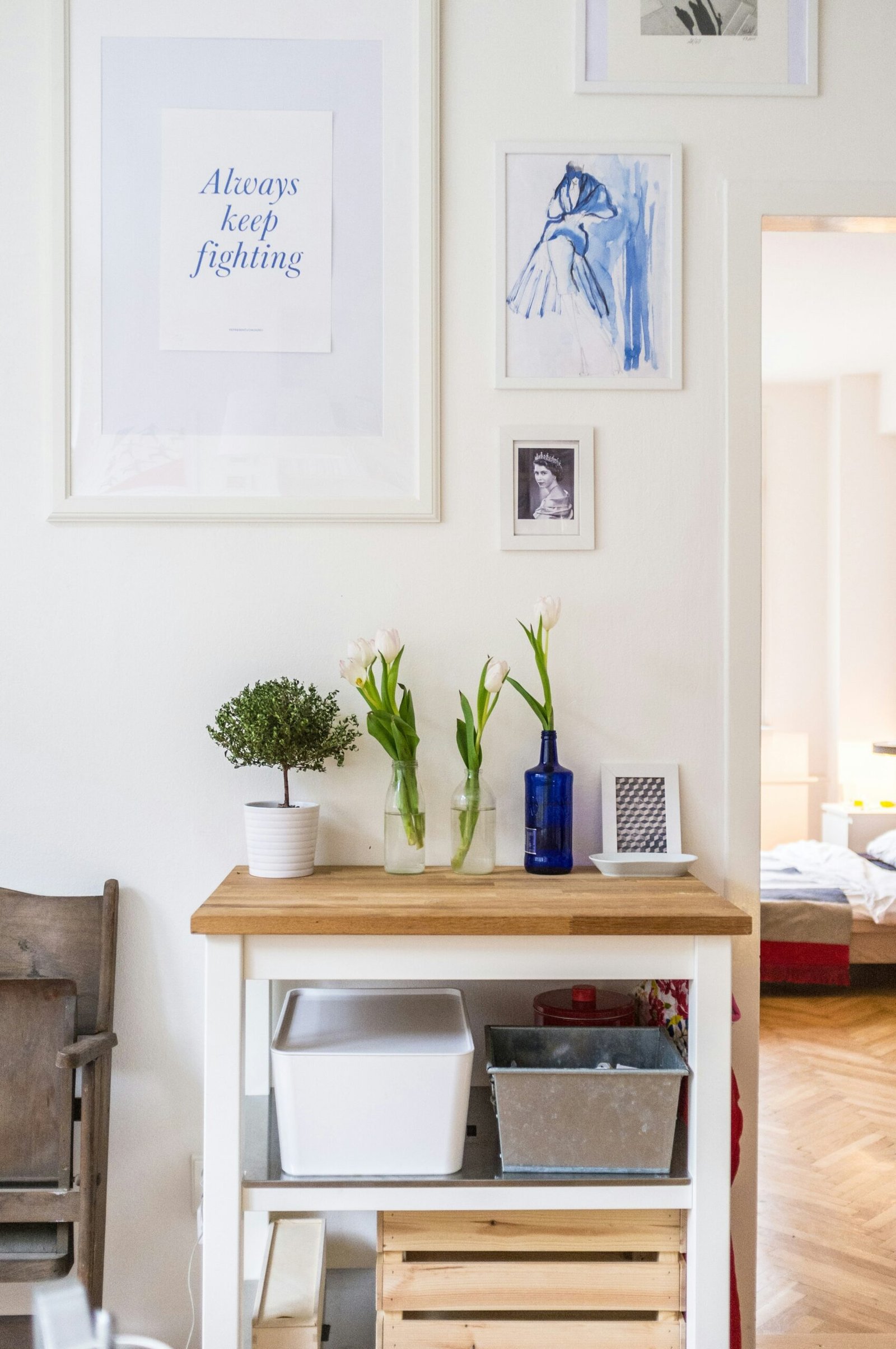
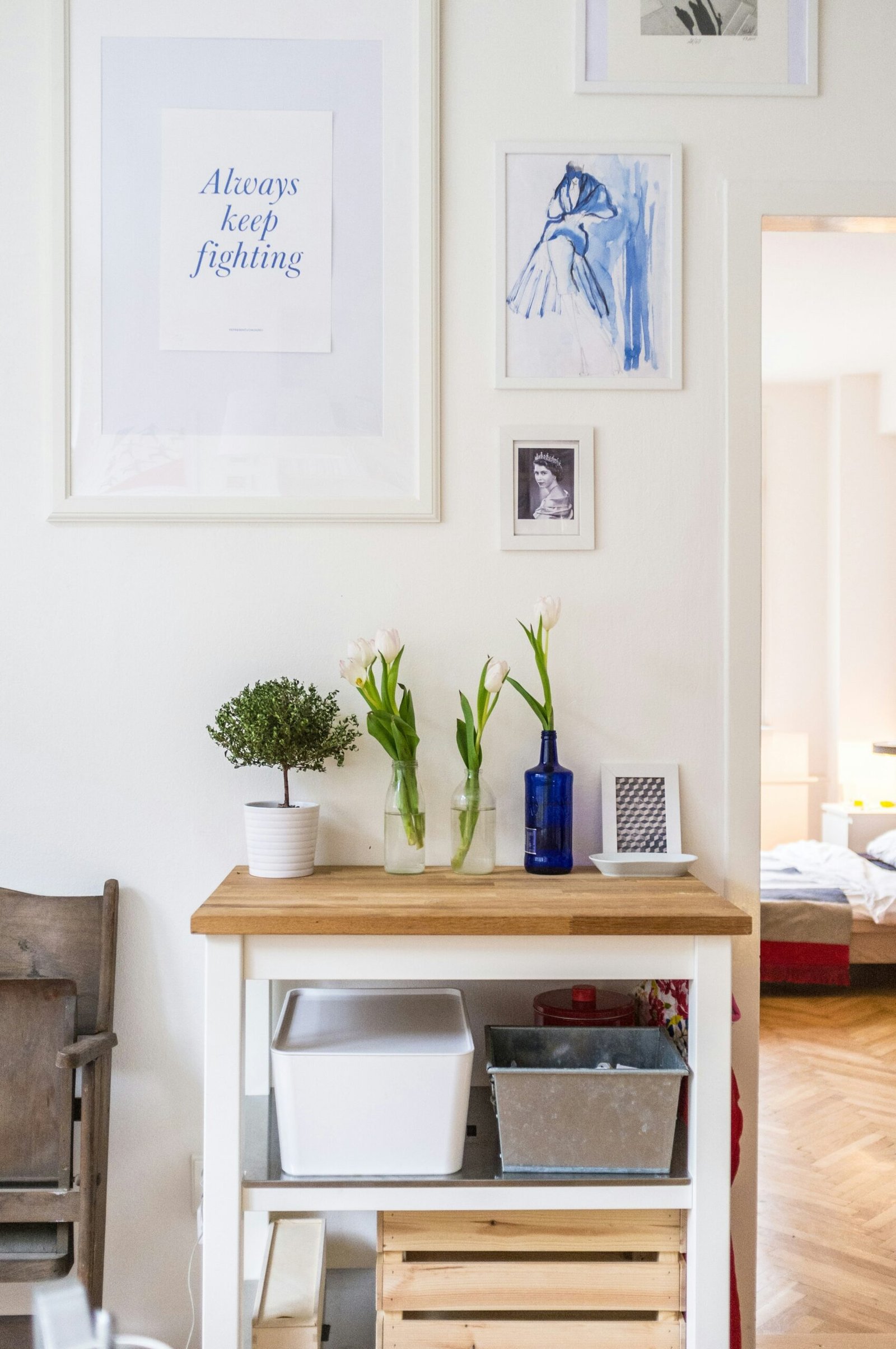
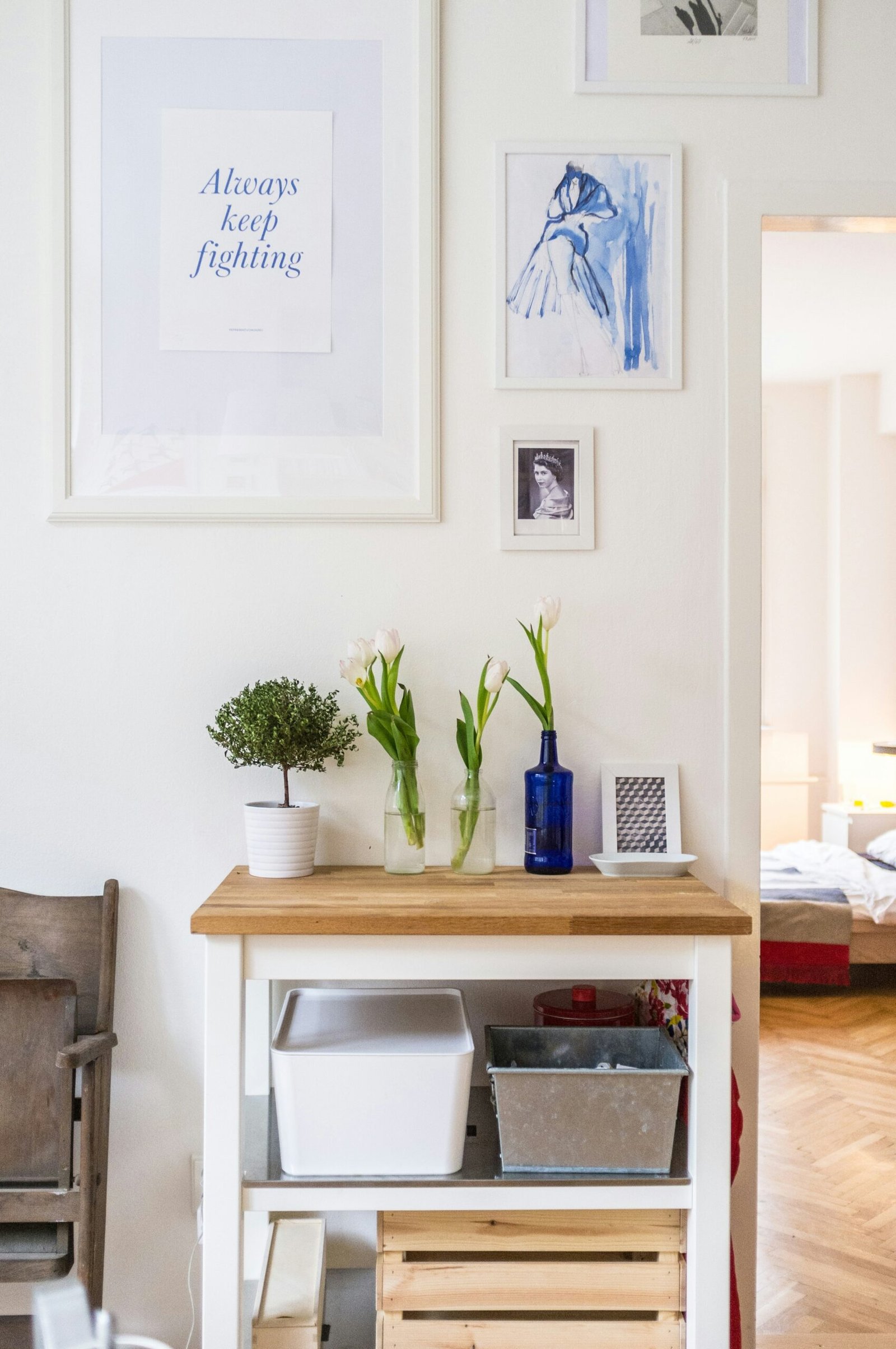
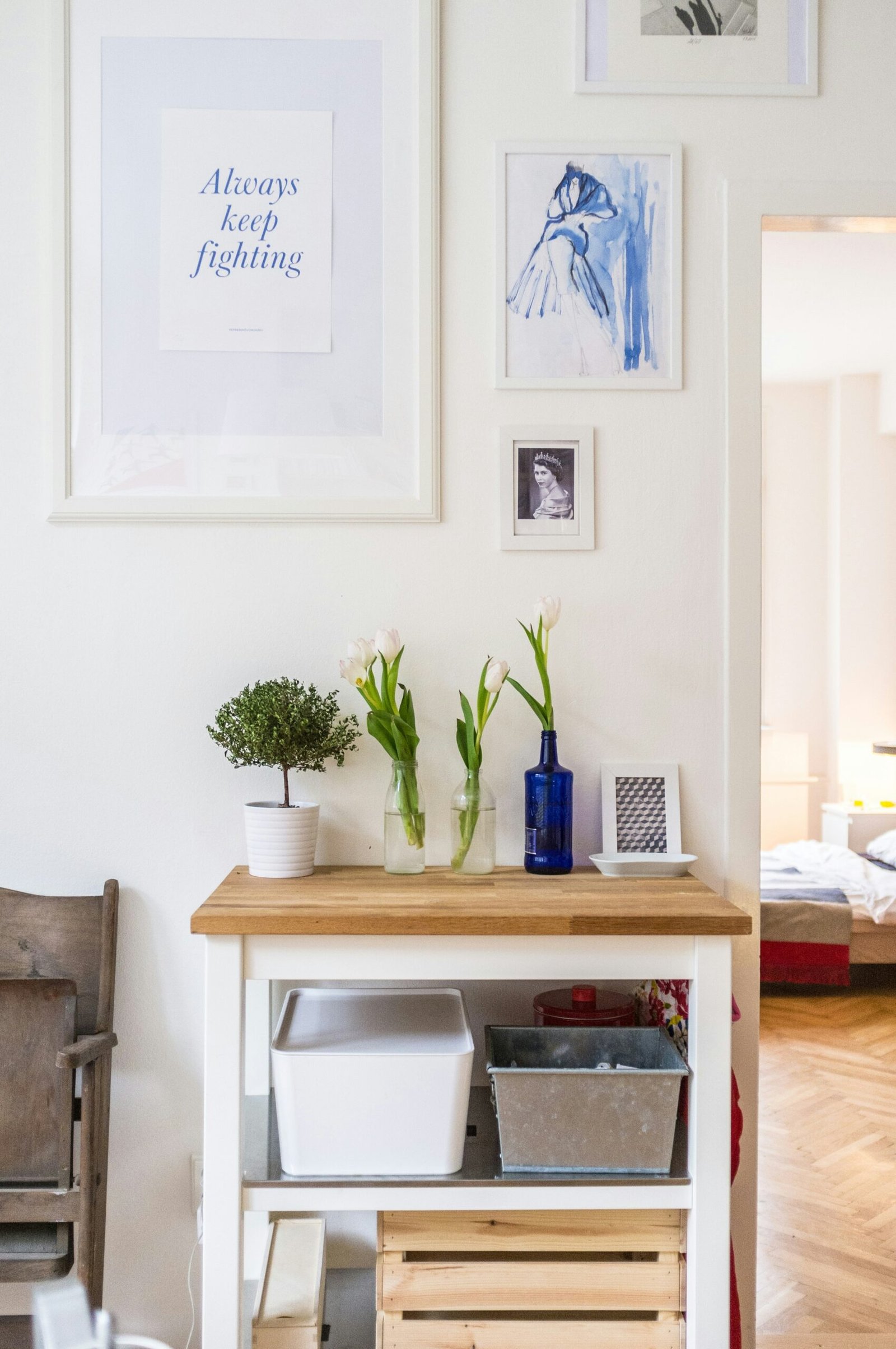
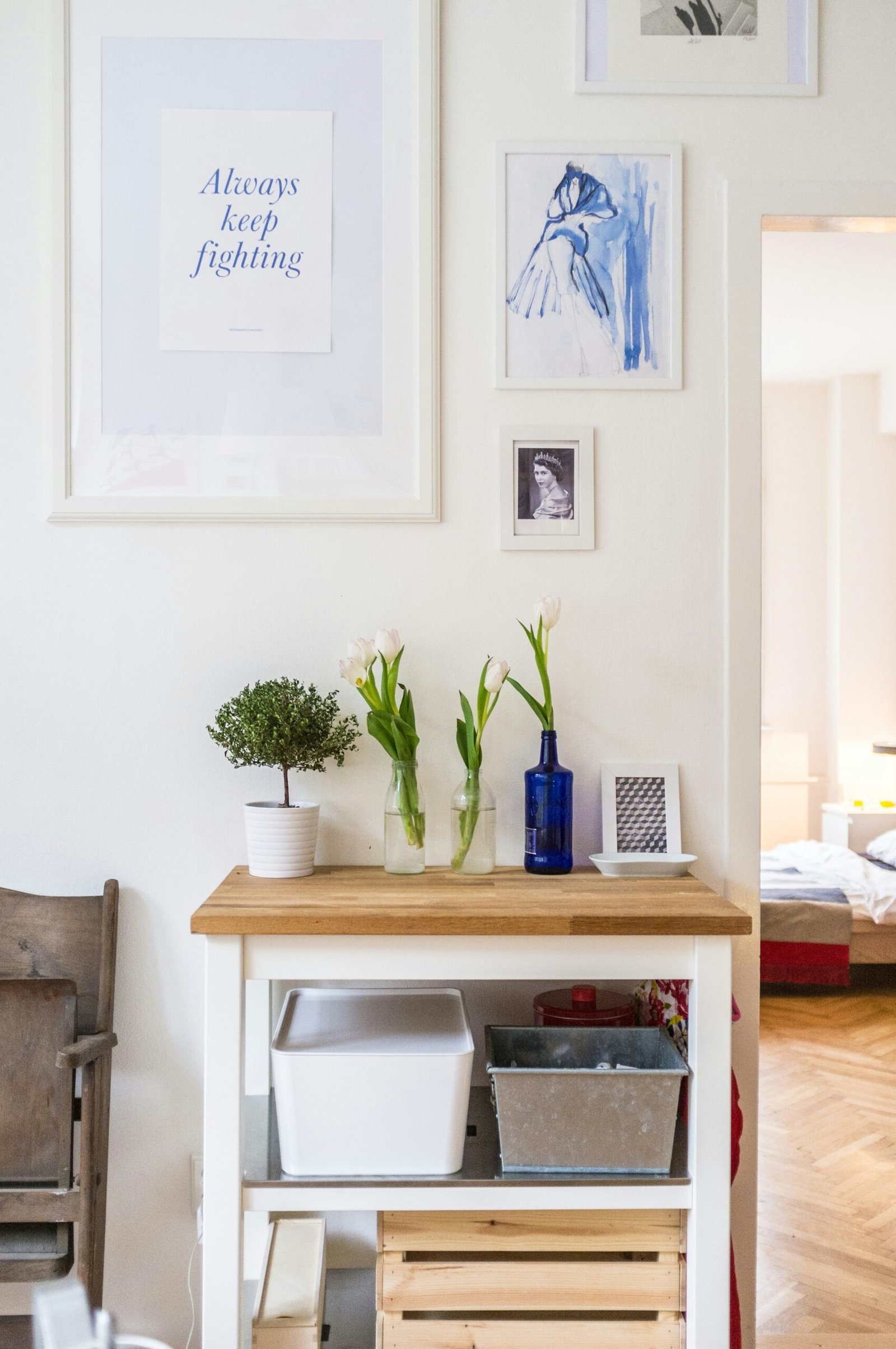
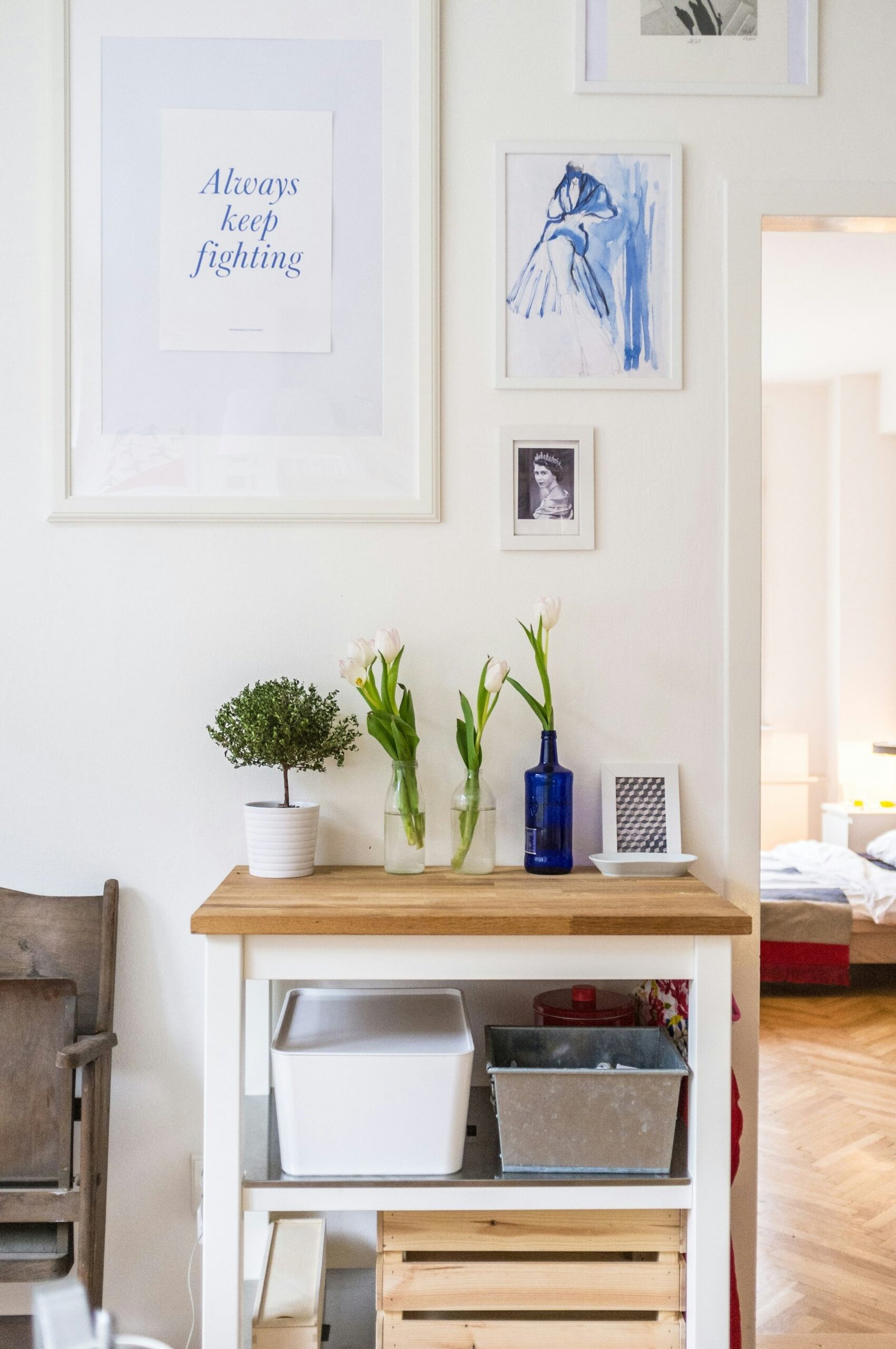
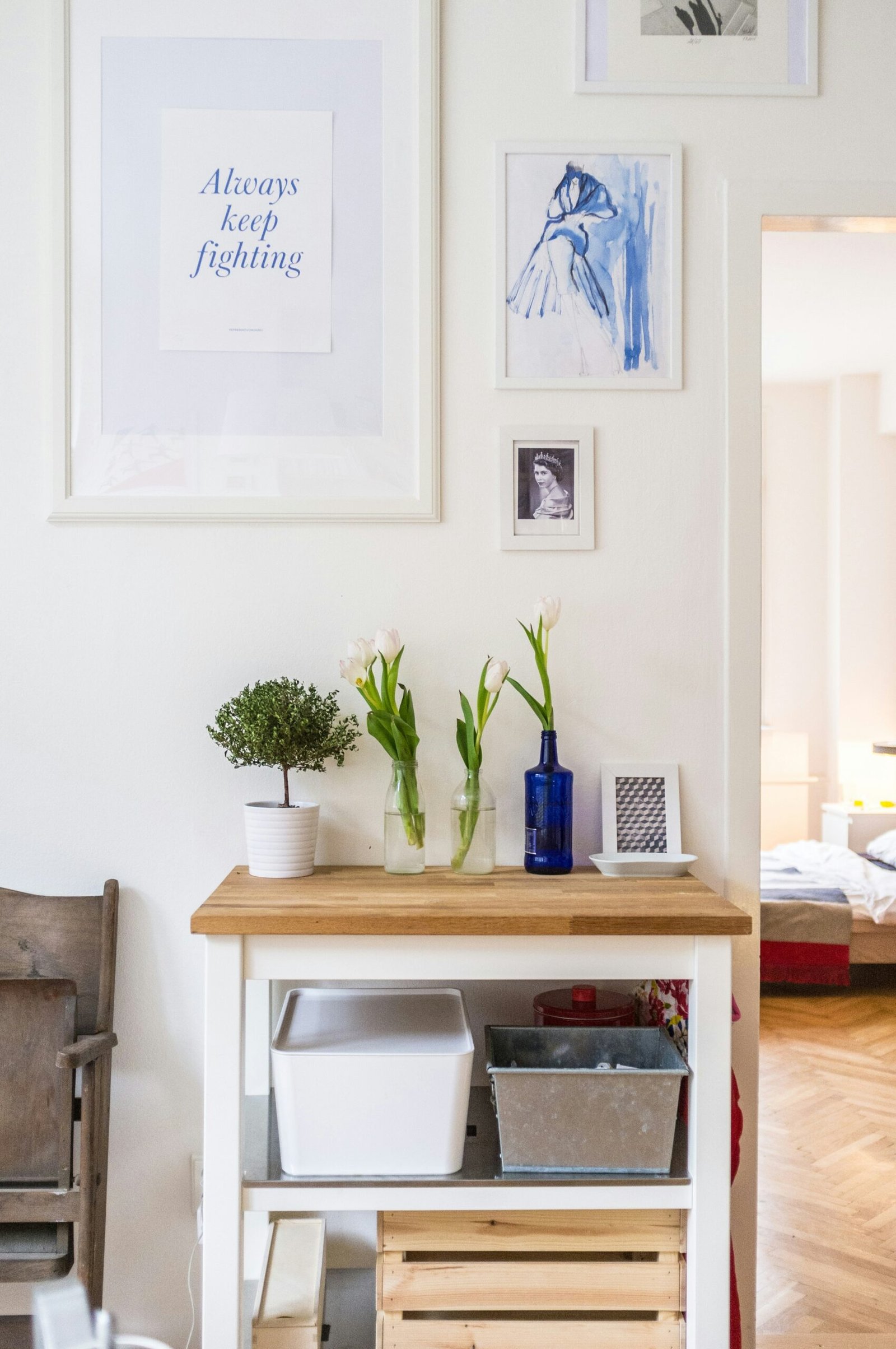
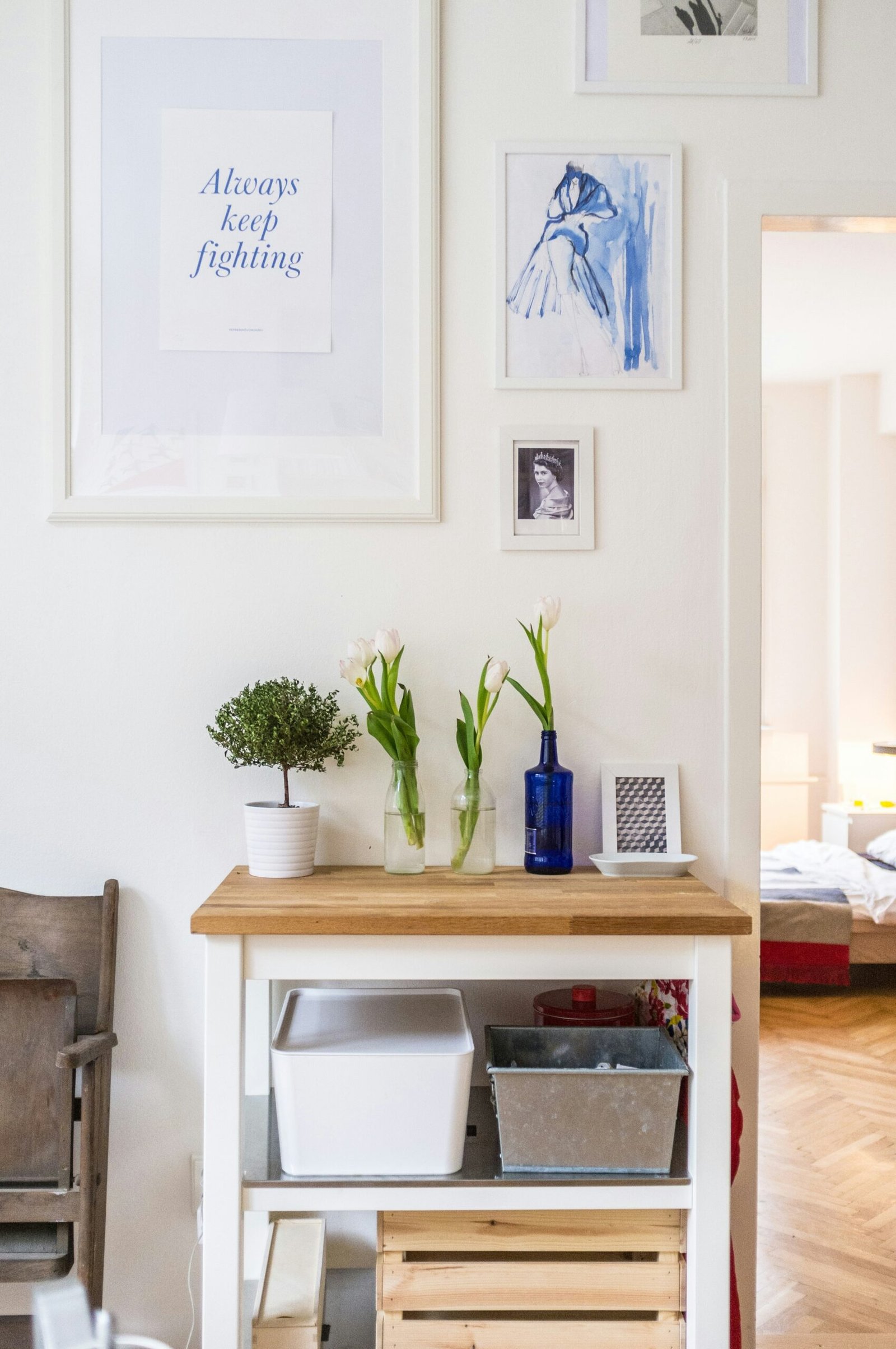
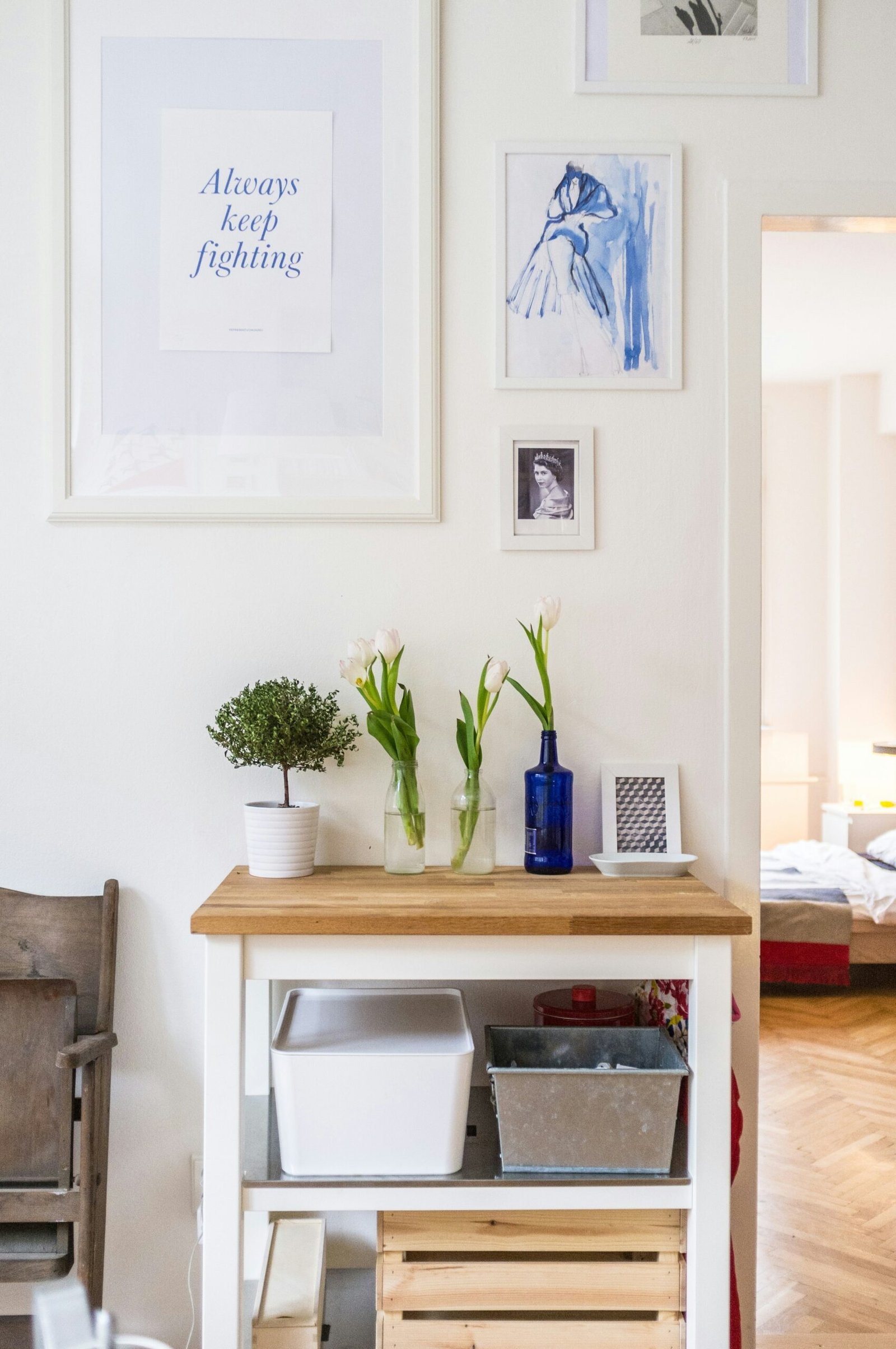
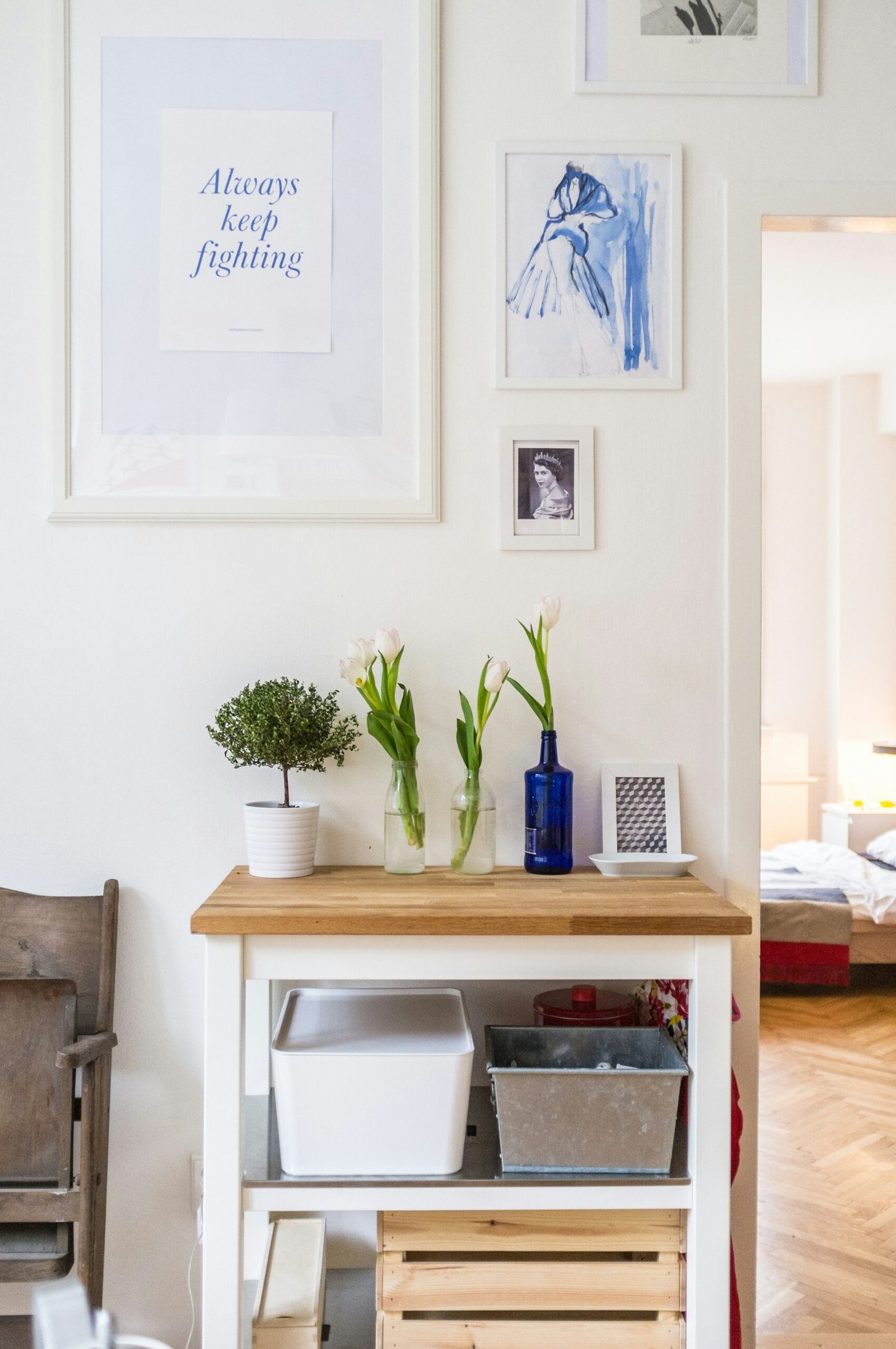
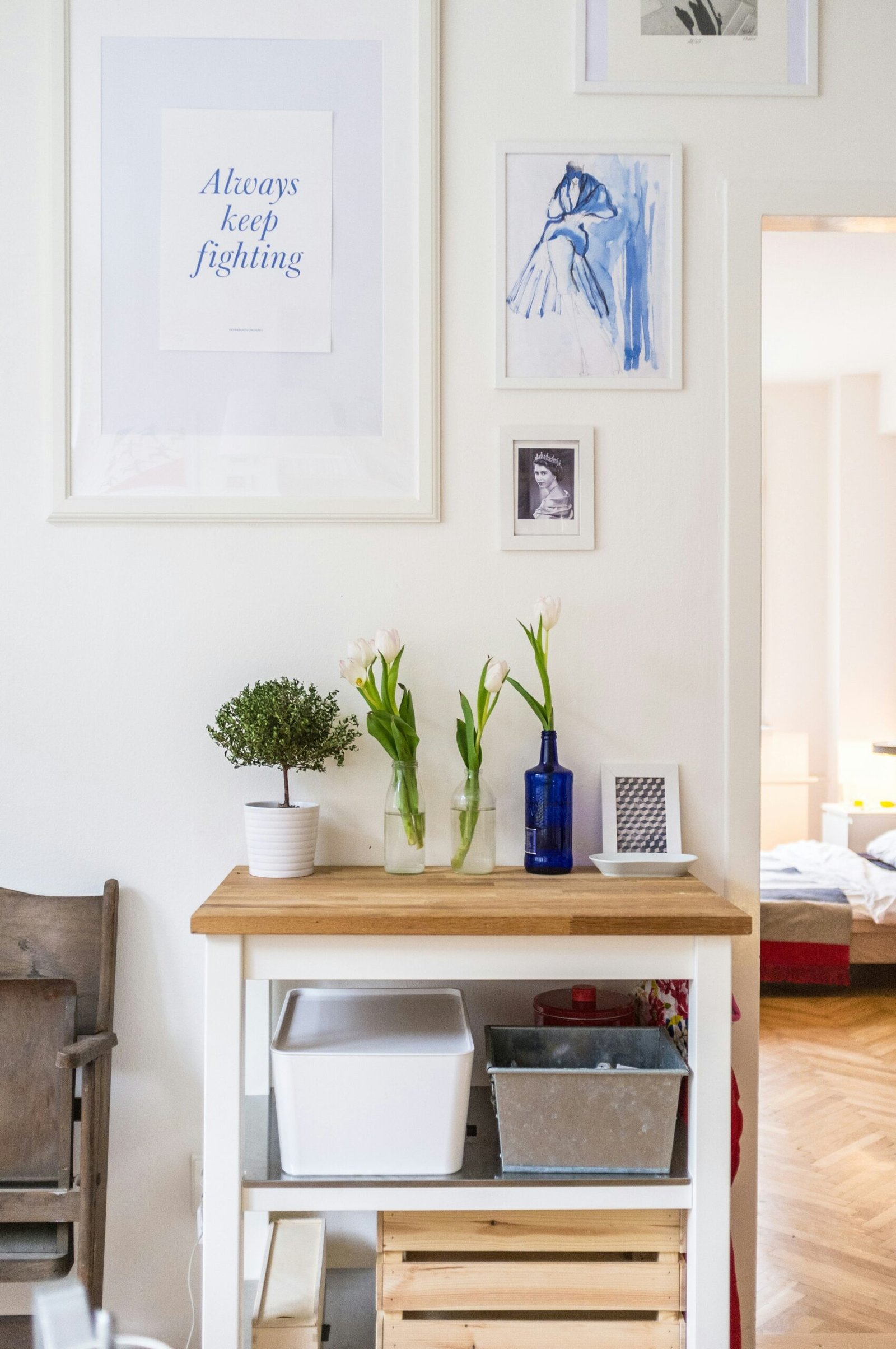
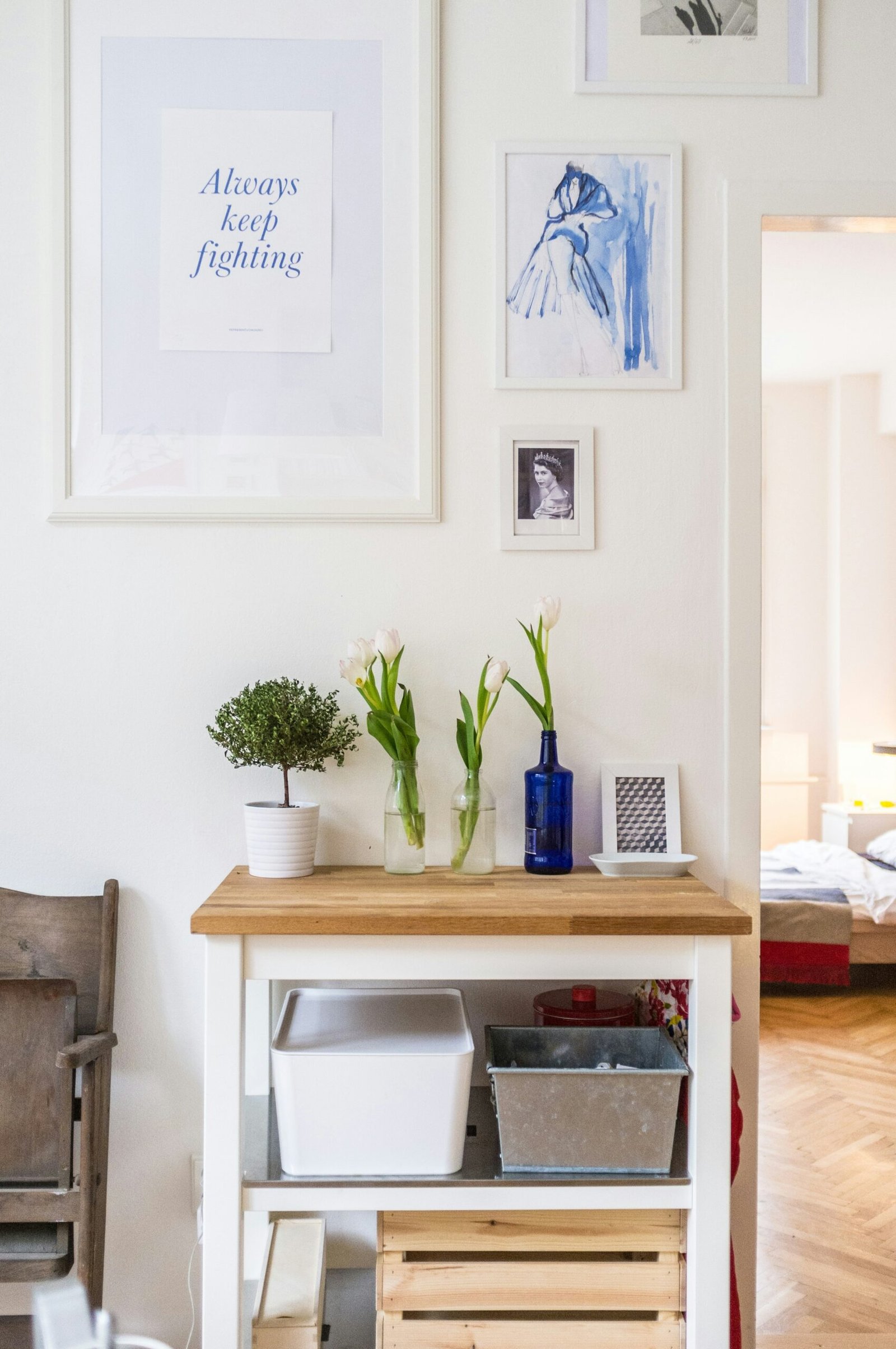
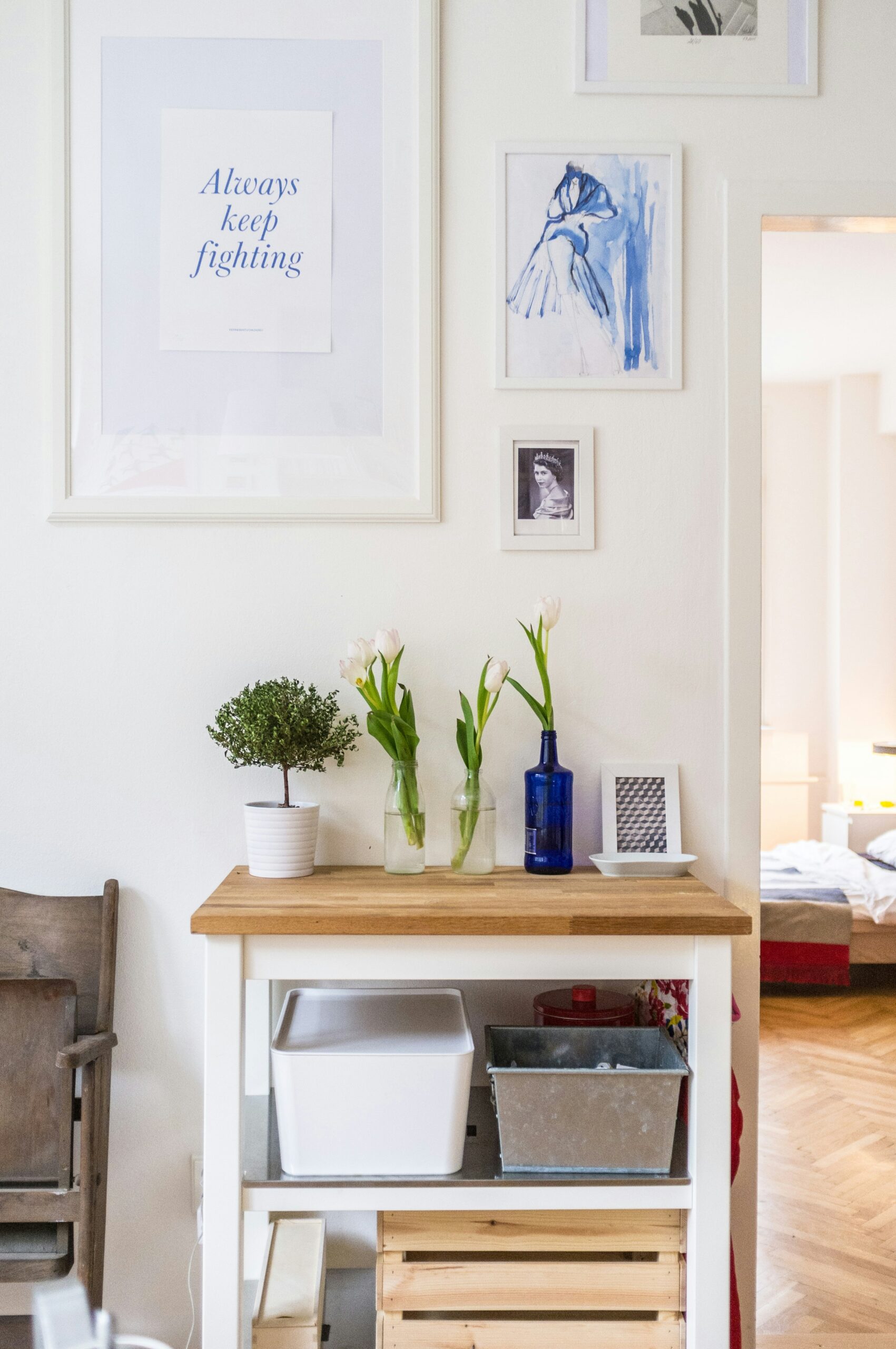
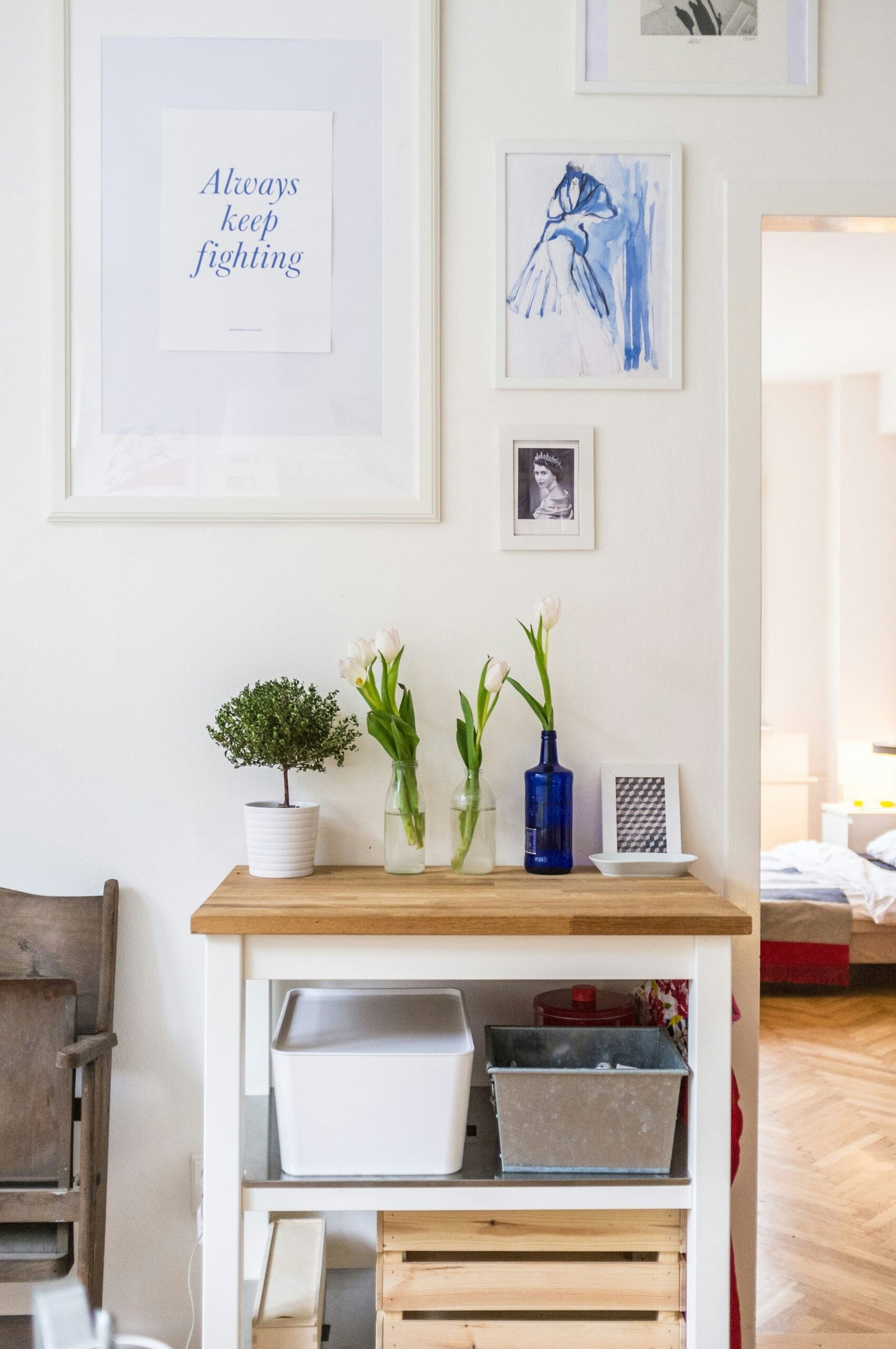
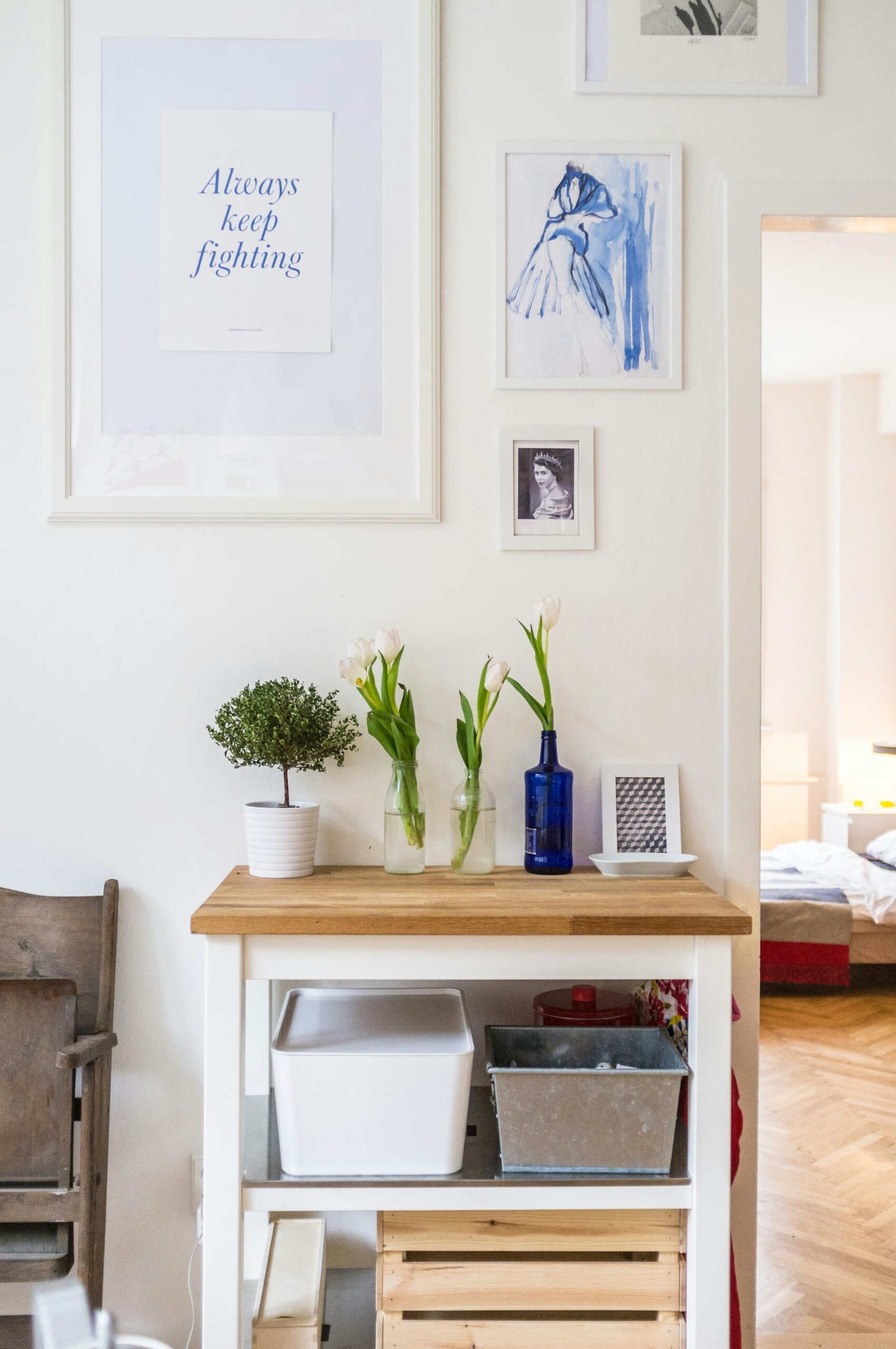
Contemporary home decor embodies a modern aesthetic that focuses on simplicity and functionality. It reflects current trends while incorporating timeless elements that create inviting living spaces. This design style often includes clean lines, neutral colors, and a variety of textures, providing a perfect blend of sophistication and comfort.
Key Elements of Contemporary Design
One of the hallmarks of contemporary home decor is its emphasis on open spaces. Furniture is typically low-profile, allowing for fluid movement around the room. Minimalist approaches are prevalent, with decorative accents carefully chosen for their aesthetic appeal rather than for making a visual clutter. Natural materials such as wood, glass, and metal play a significant role, enhancing the elegant vibe while ensuring sustainability.
Incorporating Contemporary Decor in Your Home
To embrace contemporary home decor, start by decluttering your living spaces. Choose a neutral color palette as your base and add pops of color through accessories, such as cushions or artwork. Consider investing in statement pieces—such as an oversized piece of art or a unique light fixture—that reflect your personal style while adhering to contemporary principles. Remember, coherence and balance are essential in achieving a harmonious look.
In conclusion, contemporary home decor is about creating a stylish yet functional environment that suits modern lifestyles. By understanding its key elements and making conscious design choices, you can transform your home into a sanctuary that reflects your taste and individuality.
Transforming your living space into a home you adore begins with choosing the right decor. Knowing where to find quality pieces is crucial, and that’s why we’ve compiled a list of the best home decor stores. Whether you prefer classic styles or modern aesthetics, there’s something for everyone.
Top Picks for Home Decor
1. Target: This retail giant offers a wide range of trendy decor options, perfect for any budget. From chic wall art to cozy throw pillows, Target is a favorite among many decor enthusiasts.
2. HomeGoods: If you enjoy hunting for unique items, HomeGoods is the place to go. Their ever-changing inventory of furniture, rugs, and accessories makes every visit an exciting treasure hunt.
3. Wayfair: For those who appreciate online shopping, Wayfair provides a vast array of home decor styles. Their impressive selection ensures you’ll find everything from statement pieces to everyday essentials—all at competitive prices.
Finding Your Style
When exploring the best home decor stores, consider your personal style. Do you prefer bohemian accents, minimalist lines, or perhaps a farmhouse vibe? Each store has a distinct selection that caters to various aesthetics, allowing you to create a space that genuinely reflects your personality.
As you navigate through these stores, keep an eye out for seasonal sales and special promotions. Decorating doesn’t have to break the bank; with a little savvy shopping, you can elevate your space affordably.
Conclusion
Ultimately, discovering the best home decor stores is about finding the pieces that resonate with you. Embrace your creativity, explore the various options available, and make your home a true reflection of your style.
Modern home decor is all about creating a clean, uncluttered aesthetic that promotes functionality and simplicity. It typically incorporates elements like sleek lines, neutral colors, and natural materials. By focusing on minimalism, modern decor allows each piece to stand out while contributing to a harmonious whole.
Key Features of Modern Home Decor
One of the most defining aspects of modern home decor is its emphasis on form and function. Furniture and accessories are designed not only for beauty but also for practicality. Popular materials used in this style include metal, glass, and wood. Additionally, bold accent colors and geometric patterns often play a significant role in modern spaces, adding contrast and visual interest.
Incorporating Modern Decor into Your Home
If you’re looking to refresh your living space, consider incorporating modern home decor elements gradually. Start by selecting a few key pieces, such as a stylish coffee table or a statement light fixture. Layer these with functional items like decorative storage solutions or artwork that reflects your personal taste. The goal is to create a cohesive look that integrates modern elements while still feeling inviting and lived-in.
Elevate Your Space with Modern Home Decor in Delhi NCR
Elevating your space with modern home decor isn’t just about style—it’s about creating a living environment that blends functionality, comfort, and aesthetics. Homeowners in Gurgaon, Noida, and Delhi NCR are increasingly turning to modern design concepts to transform their interiors into personalized, elegant, and functional spaces. This guide explores how modern home decor can enhance your living space and offers practical tips for achieving a contemporary look.
What is Modern Home Decor?
Modern home decor emphasizes simplicity, clean lines, and minimal clutter. Key features include:
Neutral or muted color palettes
Functional and ergonomic furniture
Open layouts for better flow and lighting
Integration of natural materials like wood, stone, and metal
Modern decor isn’t just about aesthetics; it’s about creating a comfortable and efficient living space that reflects your personality. For inspiration, check Interior Design Solutions in Delhi NCR.
Benefits of Modern Home Decor
Enhanced Functionality: Thoughtful furniture placement and open layouts improve usability.
Visual Appeal: Clean lines and cohesive color schemes create a harmonious look.
Increased Property Value: Modern interiors attract potential buyers and renters.
Low Maintenance: Minimalistic designs are easier to clean and maintain.
The Role of Interior Designers in Modern Home Decor
Professional interior designers help homeowners:
Plan layouts effectively
Choose the right furniture and materials
Coordinate color schemes and textures
Ensure timely project completion within budget
Working with experts in Gurgaon, Noida, or Delhi NCR ensures your modern home decor vision becomes reality. Explore Interior Design Expert in Delhi NCR for trusted professionals.
Conclusion
Modern home decor is about more than trends—it’s about elevating your living space to match your lifestyle, personality, and comfort needs. By combining minimalist design, functional furniture, cohesive color schemes, and thoughtful lighting, you can create a contemporary home that is stylish, efficient, and inviting.
Call to Action: Ready to transform your home with modern decor? Explore Interior A to Z in Delhi NCR for expert guidance, and start elevating your space today!
Here’s an SEO-optimized FAQ section for the blog “Elevate Your Space with Modern Home Decor”:
Frequently Asked Questions (FAQ)
1. What is modern home decor? Modern home decor emphasizes simplicity, clean lines, and functionality. It often uses neutral colors, ergonomic furniture, open layouts, and natural materials to create a comfortable and stylish living space.
2. How can modern home decor improve my home? Modern decor enhances functionality, visual appeal, and property value. It makes spaces easier to maintain, creates a cohesive look, and improves comfort through thoughtful furniture placement and lighting design.
3. What are popular modern decor trends in Delhi NCR?
Minimalist living rooms with statement furniture
Smart lighting solutions for ambiance
Open-concept kitchens and multifunctional spaces
Eco-friendly materials
Personalized art and décor
4. How do I choose furniture for modern home decor?
Opt for clean lines and neutral colors
Consider modular or multifunctional furniture
Mix textures to add depth
Ensure furniture fits the scale of your space
5. Can I combine modern decor with my existing furniture? Yes. Designers can blend existing pieces with modern elements to create a cohesive, updated look. The focus is on maintaining harmony in color, style, and functionality.
6. Why hire an interior designer for modern home decor? Interior designers help plan layouts, select furniture and materials, coordinate colors, and manage projects. They ensure that your home looks stylish while remaining functional and comfortable.
7. How much does modern home decor cost in Gurgaon, Noida, or Delhi NCR? Costs vary depending on the size of the space, materials, and designer expertise. Many designers offer fixed packages or hourly rates. Discuss your budget upfront for accurate estimates.
8. How long does a modern home decor project take? Timelines depend on the complexity and scale of the project. Small updates may take a few weeks, while full-scale renovations can take several months.
10. How can lighting enhance modern home decor? Lighting creates ambiance, highlights focal points, and enhances the perception of space. Using layered lighting, smart systems, and accent lights can dramatically elevate modern interiors.
Creating a personalized space is essential for making your home feel uniquely yours. Personalization can range from selecting the right color palette to incorporating items that hold personal significance. By thoughtfully choosing decor, you can express your personality and style, transforming each room into a true reflection of who you are.
Incorporating Meaningful Items
One effective way to personalize your home with decor is by incorporating items that have special meaning to you. Whether it’s framed photos from family gatherings, treasured souvenirs from your travels, or artwork created by you or your loved ones, these meaningful pieces serve not only as decor but also as conversation starters. Consider creating a gallery wall that showcases your favorite memories while adding character to your space.
Color and Texture Choices for Personal Touch
Choosing the right colors and textures is another crucial aspect of personalizing your home. Color can evoke emotions and set the mood for each room. Opt for shades that resonate with you—soft pastels for a calm feel or bold hues for vibrancy. Additionally, introducing various textures through textiles, such as throw pillows, rugs, and curtains, can create a warm and inviting atmosphere. These choices will help to accentuate your unique style and enhance the overall aesthetic of your home.
Decorating a modern flat involves a careful blend of aesthetics and functionality. The key features of modern decor include clean lines, minimal clutter, and the use of natural materials. This approach results in spaces that feel open and inviting, making them ideal for contemporary living.
Choosing the Right Color Palette
When it comes to selecting colors for your flat, opt for a neutral base with splashes of vibrant shades. Soft whites, grays, and earthy tones can serve as a canvas, while bold colors can be introduced through accessories such as cushions, artwork, or accent walls. This combination adds personality while maintaining the modern look.
Smart Furniture Arrangements
In a modern flat, how you arrange furniture can significantly influence the overall vibe. Aim for a layout that promotes easy movement and conversation. Consider investing in multi-functional furniture, such as storage ottomans or expandable tables, to maximize space. This strategy helps keep the room organized and stylish.
Incorporating Natural Light
Natural light is a crucial component of modern decor. Utilize sheer curtains or blinds to permit daylight while maintaining privacy. Reflective surfaces such as mirrors can also help to amplify light, creating an airy atmosphere. Spaces filled with light feel more inviting and spacious, enhancing the overall decor.
Personal Touches
Lastly, remember to infuse your personality into the decor of your modern flat. Whether it’s through framed photographs, bookshelves filled with your favorite reads, or unique art pieces, adding personal items creates warmth and character. This balance between modern design and personal touches brings your space to life.
Decorating a modern flat involves creating a stylish and functional space that reflects contemporary design principles. Here’s a step-by-step guide to help you achieve a modern aesthetic in your flat:
1. Define Your Style
Research Modern Design: Familiarize yourself with modern design elements, such as clean lines, minimalism, and a neutral color palette. Look at examples for inspiration.
Create a Mood Board: Gather images, color swatches, and textures that resonate with your vision for a modern flat.
2. Choose a Color Palette
Neutral Base: Start with a neutral base for walls, such as whites, grays, or beiges. This creates a clean backdrop that allows furniture and decor to stand out.
Accent Colors: Introduce pops of color through accessories like cushions, rugs, and artwork. Stick to a limited color scheme to maintain harmony.
3. Opt for Minimalist Furniture
Select Clean-Lined Furniture: Choose furniture with simple, geometric shapes and smooth surfaces. Look for pieces made of materials like wood, metal, and glass.
Prioritize Functionality: Choose multi-functional furniture, such as a sofa bed or storage ottoman, to maximize space without sacrificing style.
4. Enhance Lighting
Use Layered Lighting: Incorporate a mix of ambient, task, and accent lighting to create a warm and inviting atmosphere. Pendant lights and floor lamps can add a modern touch.
Maximize Natural Light: Keep window treatments light and airy to allow natural light to flow in. Use sheer curtains or blinds for privacy without blocking light.
5. Incorporate Textures
Mix Materials: Combine different textures, such as wood, metal, glass, and fabric, to add depth. For example, pair a sleek leather sofa with soft, textured cushions.
Use Area Rugs: Define spaces and add warmth with area rugs, particularly in living and dining areas.
6. Add Art and Decor
Choose Statement Artwork: Select bold, contemporary artwork that complements your color palette. Large-scale pieces can serve as focal points.
Limit Clutter: Keep decor minimal to avoid a crowded look. Use a few well-chosen accessories to enhance the modern feel.
7. Create Open Spaces
Emphasize Flow: Arrange furniture to create an open, inviting layout that encourages movement and interaction. Avoid overcrowding any area.
Use Room Dividers: In larger flats, consider using stylish room dividers or open shelving to create distinct zones without closing off the space.
8. Incorporate Technology
Smart Home Features: Integrate smart technology, like automated lighting or climate control, to enhance functionality while keeping a modern aesthetic.
Stylish Electronics: Choose modern-looking appliances and gadgets that blend seamlessly with your decor.
9. Personalize Your Space
Showcase Personal Items: Incorporate personal touches, like travel souvenirs or family photos, to make the space uniquely yours while keeping it cohesive.
Add Indoor Plants: Bring life and color into your flat with indoor plants. Choose low-maintenance options if you’re not confident in your plant care skills.
10. Pay Attention to Details
Select Stylish Fixtures: Upgrade light fixtures, cabinet handles, and faucets to modern, sleek designs that enhance the overall look.
Consider Flooring: Choose flooring that complements the modern aesthetic, such as hardwood, laminate, or polished concrete.
11. Keep it Organized
Use Smart Storage Solutions: Invest in furniture with built-in storage to keep the space tidy. Opt for stylish baskets or decorative boxes for easy organization.
Declutter Regularly: Maintain a clean and modern look by regularly decluttering and minimizing excess items.
12. Stay Flexible
Be Open to Change: As you live in your flat, you may discover what works and what doesn’t. Don’t hesitate to rearrange or update your design over time.
Experiment with Arrangements: Try different furniture arrangements to find what feels best in your space. A new layout can refresh the entire look.
Conclusion
Decorating a modern flat is about blending style, functionality, and personal touches to create a cohesive and inviting environment. By focusing on clean lines, a neutral palette, and thoughtful decor choices, you can achieve a modern aesthetic that reflects your personality and enhances your living space. Enjoy the decorating process and let your creativity shine!
When decorating your first flat, the first step is to identify your personal style. Consider whether you lean towards bohemian, minimalistic, modern, or vintage aesthetics. This will guide your choices in color schemes, furniture, and decor elements, making the decorating process more cohesive and enjoyable.
Choose a Color Palette
A well-chosen color palette can transform your space. Opt for neutral tones as a base, which can make a small flat feel larger. Accentuate with bold colors through accessories like cushions or art pieces. This balance creates a vibrant yet inviting atmosphere, perfect for your first home.
Maximize Vertical Space
In smaller flats, utilizing vertical space is crucial. Consider wall-mounted shelves for books, plants, or decorative items. This approach not only frees up floor space but also draws the eye upward, creating an illusion of height. Additionally, tall furniture pieces can add character without overcrowding the room.
Decorating your first flat should be an exciting endeavor filled with personalization and creativity. Remember, it’s a reflection of you, so take your time and enjoy each step of making it your very own.
Decorating your first flat is an exciting opportunity to express your personal style and make the space feel like home. Here’s a step-by-step guide to help you navigate the process:
1. Set a Budget
Determine Your Spending Limit: Establish a clear budget to help guide your purchases and avoid overspending.
Prioritize Expenses: Decide which areas or items are most important to you, such as furniture, decor, or appliances.
2. Assess Your Space
Understand the Layout: Measure the rooms and take note of their layout. Consider where furniture will fit and how the flow of movement will work.
Identify Key Features: Highlight any architectural elements or natural light sources you want to showcase.
3. Choose a Style
Find Your Aesthetic: Decide on a style that reflects your personality, whether it’s modern, minimalist, bohemian, industrial, or a mix.
Create a Mood Board: Collect images, colors, and textures that inspire you to visualize your design.
4. Plan Your Layout
Use Design Tools: Consider using online room planners or apps to help visualize furniture placement and layout.
Create Zones: Think about how you will use each space and designate areas for different activities (e.g., dining, working, relaxing).
5. Select Furniture
Choose Multi-Functional Pieces: Look for furniture that serves multiple purposes, such as a sofa bed, storage ottoman, or expandable dining table, to maximize space.
Prioritize Comfort: Ensure your furniture is comfortable and suited for your lifestyle.
6. Incorporate Color
Choose a Color Palette: Select a cohesive color scheme that resonates with you. You can start with neutral colors and add pops of color through decor.
Experiment with Paint: Consider painting an accent wall or using removable wallpaper to add personality.
7. Add Textures and Fabrics
Layer Textures: Incorporate different textures with textiles like cushions, throws, and rugs to create warmth and depth.
Choose Quality Materials: Invest in high-quality fabrics that enhance the overall aesthetic, such as cotton, linen, or velvet.
8. Enhance Lighting
Use Layered Lighting: Combine ambient, task, and accent lighting to create a warm and inviting atmosphere. Consider floor lamps, table lamps, and overhead fixtures.
Maximize Natural Light: Use sheer curtains or blinds that allow natural light to flow in, making the space feel airy.
9. Personalize with Decor
Display Personal Items: Use decor items that reflect your interests, such as photographs, travel souvenirs, or art.
Keep It Minimal: Avoid overcrowding surfaces with too many decor pieces. Choose a few key items that have meaning to you.
10. Incorporate Plants
Add Greenery: Use indoor plants to bring life to your space. They improve air quality and add color and texture.
Select Stylish Planters: Choose planters that fit your style to enhance the decor.
11. Maximize Storage
Use Smart Storage Solutions: Invest in furniture with built-in storage, like bookshelves, ottomans, or coffee tables with hidden compartments.
Utilize Vertical Space: Use wall shelves or hooks to store and display items without taking up floor space.
12. Focus on Accessories
Choose Statement Pieces: Incorporate a few standout accessories, like a unique piece of art or a decorative mirror, to elevate the space.
Use Rugs to Define Areas: Area rugs can help define different spaces within an open layout and add warmth.
13. Create a Cozy Atmosphere
Incorporate Soft Lighting: Use warm light bulbs and dimmers to create a cozy ambiance in the evenings.
Add Cozy Textiles: Use throw blankets and cushions to create a comfortable and inviting space.
14. Have Fun with It
Enjoy the Process: Decorating your first flat is an exciting adventure. Take your time to explore different options and find what truly makes you happy.
Be Open to Change: Don’t hesitate to rearrange or swap out decor as you live in the space and discover what works best for you.
Conclusion
Decorating your first flat is all about expressing your personal style and creating a comfortable, functional environment. By planning thoughtfully, prioritizing your purchases, and having fun with the process, you can turn your flat into a stylish home that reflects who you are. Enjoy making it your own!
When it comes to decorating your modern flat, less is often more. Embrace the principles of minimalism by focusing on clean lines and a clutter-free space. Choose furniture with simple designs in neutral colors to create a serene atmosphere. Integrating a few well-placed decorative items can add personality without overwhelming the space.
Utilize Bold Accents
While minimalism is key, incorporating bold accents can breathe life into your flat. Consider vibrant artwork or colorful throw pillows that contrast with your muted furniture. Accent walls painted in deep colors or adorned with striking wallpaper can create a focal point, making the room feel dynamic and inviting.
Maximize Natural Light
Natural light plays a crucial role in enhancing the aesthetic of your modern flat. Use sheer curtains to allow sunlight to filter through, creating a warm and airy vibe. Mirrors can also be strategically placed to reflect light, making the space appear larger and brighter. By combining these elements, you can create a bright and welcoming environment that complements your modern decor.
Decorating a modern flat involves combining functionality with aesthetic appeal to create a stylish and comfortable living space. Here’s a step-by-step guide to help you achieve a modern look for your flat:
Step 1: Define Your Style
Research Modern Design: Look for inspiration in modern design styles such as minimalist, industrial, Scandinavian, or contemporary. Identify elements you like.
Create a Mood Board: Gather images, colors, textures, and materials that resonate with you to visualize your desired outcome.
Step 2: Choose a Color Palette
Neutral Base Colors: Use a neutral color palette as the foundation (whites, greys, beige) to keep the space feeling open and airy.
Accent Colors: Add pops of color with accent walls, cushions, or artwork. Choose bold colors like navy blue, emerald green, or mustard yellow for a striking effect.
Step 3: Plan the Layout
Consider Functionality: Identify how you’ll use the space. Arrange furniture to create a functional flow and allow for easy movement.
Open Spaces: In modern design, open spaces are key. Use furniture placement to create distinct areas (e.g., living, dining, working) without enclosing them.
Step 4: Select Modern Furniture
Choose Sleek Lines: Opt for furniture with clean lines and geometric shapes. Look for pieces made of materials like metal, glass, and light-colored woods.
Multi-Functional Pieces: Consider furniture that serves multiple purposes, such as a sofa bed, a coffee table with storage, or nesting tables.
Step 5: Incorporate Textures
Layer Textures: Mix different textures to add depth and warmth. Use materials like wool, velvet, leather, and natural fibers in cushions, rugs, and throws.
Use Area Rugs: Define spaces with area rugs, especially in open-concept flats. Choose rugs that complement your color palette.
Step 6: Emphasize Lighting
Natural Light: Maximize natural light by using sheer curtains or blinds. Keep window areas clear of clutter to enhance brightness.
Statement Lighting Fixtures: Install modern light fixtures such as pendant lights, chandeliers, or sculptural lamps to serve as focal points.
Step 7: Decorate the Walls
Art and Mirrors: Hang large pieces of modern art or create a gallery wall with a mix of frames. Mirrors can also help reflect light and create a sense of space.
Accent Walls: Consider painting one wall in a bold color or using wallpaper for a dramatic effect.
Step 8: Add Greenery
Incorporate Plants: Use indoor plants to bring life to your flat. Choose low-maintenance varieties like snake plants, pothos, or succulents.
Stylish Planters: Opt for modern planters in geometric shapes or materials that match your decor.
Step 9: Accessorize Thoughtfully
Minimal Accessories: Keep accessories minimal and purposeful. Use decorative items that reflect your personality, like books, vases, or sculptures.
Functional Decor: Choose decor that also serves a function, like stylish storage boxes or baskets.
Step 10: Create Zones
Define Areas: Use furniture placement, rugs, or lighting to create distinct zones for different activities (e.g., a reading nook, dining area, or workspace).
Cozy Corners: Add comfortable seating or cushions in corners for inviting spots to relax or work.
Step 11: Focus on Storage Solutions
Built-in Storage: Utilize built-in shelves or cabinets to maximize space and keep items organized.
Hidden Storage: Look for furniture with hidden storage, like ottomans or coffee tables with compartments.
Step 12: Personal Touches
Showcase Memories: Incorporate personal items such as family photos, travel souvenirs, or artwork to make the space feel uniquely yours.
Balance Style with Comfort: Ensure that while the design is modern, the space also feels inviting and comfortable.
Conclusion
Decorating a modern flat is all about balancing aesthetics with functionality. By selecting the right colors, furniture, and decor, you can create a stylish and inviting environment that reflects your personal style while maintaining a contemporary feel. Take your time to plan and execute your vision, ensuring that your flat feels like a true home.
Home decor is an essential aspect of creating a space that reflects your personality and lifestyle. It encompasses everything from furniture and artwork to textiles and color schemes. The right home decor can significantly enhance the ambiance of your living space, making it more inviting and comfortable.
Key Elements of Home Decor
When considering home decor, it’s crucial to focus on key elements such as color, texture, and layout. Colors play a pivotal role in setting the mood; warm hues create a cozy atmosphere while cool colors can induce calmness. Textures, on the other hand, add depth and interest, with various fabrics and materials contributing to the overall look.
Personalizing Your Decor
Personalization is what truly makes home decor unique. Incorporating personal items, such as family photos or souvenirs from travels, can add character and tell your story. Additionally, staying updated with trends can inspire fresh ideas, but it’s essential to balance these trends with your individual taste to ensure your space feels like home.
Transform Your Space: Essential Tips for Home Decor
Redecorating your living space can breathe new life into your home, making it feel fresh, stylish, and truly yours. Whether you’re starting from scratch or simply looking to add some finishing touches, these essential home decor tips will help you transform your space into a stunning sanctuary.
1. Start with a Vision
Before diving into home decor, envision how you want your space to look and feel. Consider the mood or atmosphere you want to create. Is it cozy and inviting, sleek and modern, or eclectic and artistic? Use inspiration from magazines, online platforms, and social media, and create a mood board to organize your ideas.
2. Choose a Color Palette
The right colors can dramatically change a room’s vibe. A well-thought-out color palette is the foundation of good design. Consider using:
Neutral tones for a calm and timeless look.
Bold colors for accents that add personality and energy.
Soft pastels to create a gentle, airy atmosphere. Remember to test paint samples on the wall before committing to ensure the colors work well with your lighting.
3. Maximize Lighting
Lighting is a key component of home decor that often gets overlooked. Make use of natural light as much as possible, and layer different types of lighting to enhance the mood:
Ambient lighting (overhead lights or chandeliers) for general illumination.
Task lighting (table lamps or under-cabinet lights) for specific activities.
Accent lighting (spotlights or candles) to highlight artwork or architectural features. Dimmable lights can offer greater flexibility and help create a cozy ambiance.
4. Invest in Key Furniture Pieces
Quality furniture can elevate the look of your space. Prioritize investing in key items that make a significant impact, such as:
A comfortable sofa for the living room.
A stylish dining table for the dining area.
A statement bed frame for the bedroom. Balance functionality with aesthetics, and choose pieces that suit your lifestyle.
5. Play with Textures
Adding different textures can bring depth and interest to a room. Use a mix of materials like wood, metal, glass, and textiles to create a rich, layered look:
Rugs and throws for a cozy feel.
Wooden accents to add warmth.
Metallic accessories for a touch of luxury. Don’t be afraid to combine different textures for a more dynamic appearance.
6. Incorporate Art and Decor Pieces
Personal touches make a house feel like home. Display artwork, family photos, or decorative items that reflect your personality and style:
Wall art and paintings to create focal points.
Books, sculptures, or vases to add charm and character.
Mirrors to make small spaces feel larger and brighter. Group smaller decor items together for more impact, or keep it minimal for a clean, uncluttered look.
7. Use Greenery to Add Life
Plants can liven up your space and improve air quality. Choose a variety of indoor plants to suit your space, from large leafy greens to small succulents:
Tall potted plants in empty corners.
Hanging plants for an elevated touch.
Tabletop succulents for easy maintenance. Mix different types and sizes to create a lush, natural vibe.
8. Declutter and Organize
A cluttered space can feel overwhelming, while a well-organized room looks inviting and spacious. Make it a habit to declutter regularly and use smart storage solutions to keep your home tidy:
Shelving and baskets for stylish storage.
Multi-functional furniture to save space.
Hidden storage for items you don’t want on display. Aim for a balance between practical storage and decor to maintain a clean look.
9. Don’t Forget the Details
The small details make all the difference. Think about adding:
Throw pillows and blankets for added comfort.
Unique hardware like doorknobs and cabinet pulls for a touch of style.
Aromatic candles or diffusers to create a pleasant atmosphere. Experiment with different combinations to find what works best for your home.
10. Stay True to Your Style
While it’s helpful to follow trends, your home should ultimately reflect your personal taste. Stick to what you love, and don’t be afraid to express your unique style. The most beautiful spaces are those that feel authentic and lived-in.
Transforming your space doesn’t have to be daunting. With these essential tips, you can create a home that is not only stylish but also comfortable and reflective of your personality. Whether you’re doing a full makeover or just adding a few finishing touches, enjoy the process and make it your own!
Minimalism is not just a trend; it’s a lifestyle choice that many are adopting to create serene living spaces. Embracing minimalist home decor ideas often means reducing clutter and simplifying one’s surroundings. By focusing on essential elements, you can enhance the functionality and aesthetics of your home. Below, we explore how incorporating monochrome colors can elevate your minimalist decor.
The Power of Monochrome Colors
Monochrome colors form the backbone of minimalist design. Utilizing shades from a single color family can create an elegant and cohesive look. For example, various tones of gray or beige can contribute to a calming atmosphere while still providing depth and character. Monochrome palettes allow for seamless transitions between spaces, making your home feel more integrated and inviting.
Implementing Minimalist Ideas in Your Space
When implementing minimalist home decor ideas using monochrome colors, consider the following tips:
Choose Quality Over Quantity: Invest in a few staple pieces that complement a monochrome scheme rather than overcrowding your space with decorations.
Use Textures: To add interest, incorporate different textures like wood, metal, or fabric in similar hues that enhance the monochrome effect without disrupting the minimalism.
Have a Clear Focus: Designate a focal point in each room to draw attention, such as a piece of art or a unique furniture item, against a simplified backdrop.
FAQ on Minimalist Home Decor Ideas Using Monochrome Colors
Minimalist home decor focuses on simplicity, clean lines, and a clutter-free environment. Using a monochrome color palette, typically featuring various shades of a single color, can enhance this style and create a cohesive, elegant look. Here’s a helpful FAQ to guide you in decorating your home with minimalist, monochrome ideas.
1. What is monochrome home decor, and why is it ideal for minimalism?
Monochrome home decor involves using different shades and tones of a single color:
Simplifies the Design: A monochrome palette creates a harmonious and unified look, perfect for minimalist decor.
Adds Depth Without Clutter: By varying the shades and textures within one color family, you can add visual interest without overwhelming the space.
Creates a Calming Atmosphere: Monochrome colors evoke a sense of tranquility and order, which aligns well with minimalist principles.
2. How do I choose the right monochrome color palette for my minimalist space?
Choosing the right color is key to achieving the desired ambiance:
Neutral Tones for a Classic Look: Shades of white, gray, or beige are commonly used in minimalist decor for a timeless, elegant feel.
Darker Hues for a Dramatic Effect: If you prefer a bolder look, try deep colors like charcoal, navy, or forest green.
Soft Pastels for a Calm Vibe: Light pastels, such as pale blue or blush pink, can add a touch of color while maintaining a minimalist aesthetic.
3. How can I add depth to a monochrome room without using other colors?
Adding depth is important for avoiding a flat look:
Vary the Shades: Use a range of light, medium, and dark tones within the same color family.
Incorporate Textures: Add different textures through materials like wood, linen, metal, or concrete.
Layer Different Finishes: Combine matte, glossy, or metallic finishes to create contrast and interest.
4. How do I use furniture in a monochrome minimalist space?
Furniture selection should enhance the monochrome look while keeping the space minimal:
Choose Simple Shapes: Opt for furniture with clean lines and no excessive ornamentation.
Stick to the Color Palette: Use furniture in the chosen monochrome color, with subtle variations in shade.
Multifunctional Pieces: Consider furniture that serves multiple purposes to maintain a clutter-free environment.
5. Can I use patterns in monochrome minimalist decor?
Patterns can be used sparingly to add subtle detail:
Tone-on-Tone Patterns: Choose patterns that use different shades of the same color for a low-contrast effect.
Geometric or Linear Designs: Simple geometric shapes or linear patterns work well with minimalist decor.
Small Scale and Minimal Patterns: Keep patterns small and not overly intricate to avoid disrupting the minimalist vibe.
6. How can I incorporate artwork in a monochrome minimalist space?
Artwork can add a focal point while still maintaining a monochrome theme:
Black and White Art: Choose black and white prints, photographs, or sketches.
Monochrome Abstract Art: Use abstract art pieces that feature different tones of the same color.
Frameless or Minimal Frames: Opt for frameless canvases or frames in the same color family as the artwork.
7. What role does lighting play in a monochrome minimalist space?
Lighting can enhance the monochrome look and highlight textures:
Use Natural Light: Maximize natural light to bring out the different shades and textures in the room.
Install Minimalist Fixtures: Choose lighting fixtures with simple designs that blend seamlessly into the space.
Layer Lighting Types: Use a combination of ambient, task, and accent lighting to add dimension.
8. How can I incorporate natural elements into a monochrome minimalist decor?
Natural elements can bring warmth and life to a monochrome space:
Use Plants Sparingly: Add a few monochromatic or neutral-colored plants, such as white orchids or gray-green succulents.
Natural Materials: Integrate natural materials like wood, stone, or wool that fit within the monochrome palette.
Monochrome Vases or Planters: Choose vases or planters in the same color family as the room to maintain cohesion.
9. What types of textiles should I use in a monochrome minimalist room?
Textiles can add softness while sticking to the monochrome theme:
Layering Textiles: Use throw blankets, pillows, and rugs in different textures but in the same color family.
Tone-on-Tone Bedding or Upholstery: Choose bedding or upholstery with slight variations in shade to add depth without breaking the color scheme.
Natural Fibers: Linen, cotton, and wool in monochrome tones can add warmth and comfort.
10. Can I add metallics to a monochrome minimalist space?
Metallics can add a touch of sophistication while keeping the minimalist look:
Subtle Metallic Accents: Use small metallic elements like lamp bases, picture frames, or decorative objects.
Choose a Single Metallic Tone: Stick to one type of metal (e.g., silver, brass) to maintain a cohesive look.
Matte or Brushed Finishes: Opt for matte or brushed metallic finishes instead of highly reflective ones to keep the space subtle.
Minimalist home decor using monochrome colors is all about finding the beauty in simplicity. By thoughtfully selecting shades, textures, and materials within a single color family, you can create a cohesive and calming space that reflects your personal style. If you have more questions or need further inspiration, feel free to reach out!
Nautical-themed home decor is an excellent choice for creating serene environments that mirror the beauty of coastal living. This style invokes the charm of the sea and the coastal lifestyle, transforming any space into a relaxing retreat. Whether you’re decorating a beach house or simply want to bring a touch of the coast into your home, nautical decor can perfectly encapsulate breezy afternoons and salty air.
Key Elements of Nautical Decor
Color schemes play a pivotal role in achieving a nautical theme. Common colors include soft blues, sandy beiges, and crisp whites, which evoke a calm and refreshing atmosphere. Accessories like ropes, ocean-themed art, and weathered wood can enhance the maritime feel. Consider incorporating elements like anchors, ship wheels, or marine life prints into your decor to complete the coastal-inspired interiors.
Tips for Implementing Nautical Decor
To successfully implement nautical-themed home decor, start small. Incorporate cushions or throws in sea-inspired patterns on your furniture. Wall art featuring seascapes, boats, or waves can also be an eye-catching focal point. Additionally, layering textures such as sisal rugs or linen curtains can add depth and warmth, seamlessly blending comfort with coastal elegance. For more inspiration and resources on designing your coastal haven, explore sites like Interior AtoZ and Modular Kitchen Design.
FAQ on Nautical-Themed Home Decor for Coastal-Inspired Interiors
Embracing a nautical theme in your home decor can evoke the serene beauty of coastal living. By incorporating elements inspired by the sea, you can create a refreshing and calming atmosphere. Here’s a comprehensive FAQ to help you navigate nautical-themed decor for your coastal-inspired interiors.
1. What is nautical-themed home decor?
Nautical-themed decor is inspired by the sea and maritime elements, incorporating colors, materials, and motifs associated with coastal life. Common themes include the use of navy blues, whites, sandy neutrals, and decor elements like anchors, ropes, and marine life.
2. What color palette should I use for nautical decor?
A classic nautical color palette includes:
Navy Blue: Reflects the ocean and creates a strong base.
White: Provides a crisp, clean contrast and mimics coastal elements like sails and sand.
Soft Neutrals: Incorporate shades of beige, sandy tones, and light grays to evoke a beachy feel.
Accent Colors: Add pops of color with shades like coral, turquoise, or seafoam green for vibrancy.
3. How can I incorporate nautical decor elements into my home?
Consider these key elements:
Marine Accessories: Use decor items such as anchors, ship wheels, compasses, and ropes as focal points.
Art and Prints: Hang artwork featuring seascapes, marine life, or vintage nautical maps to enhance the theme.
Textiles: Incorporate fabrics with stripes, shells, or fish patterns through cushions, throws, and curtains.
4. What types of furniture work best in nautical-themed decor?
Choose furniture that complements the nautical theme:
Weathered Wood: Use furniture made from reclaimed or weathered wood to evoke a beachy, rustic feel.
Wicker and Rattan: Incorporate wicker or rattan furniture for a relaxed, coastal vibe.
Light and Airy Pieces: Opt for lightweight furniture with an open design to create an airy atmosphere.
5. How can I use lighting to enhance a nautical theme?
Lighting plays a crucial role in creating a coastal ambiance:
Hanging Lanterns: Use pendant lights or lanterns with a rustic or marine-inspired design to evoke a ship’s cabin.
Natural Light: Maximize natural light with large windows and light, airy curtains.
Sconces: Consider wall sconces shaped like lanterns to add a nautical touch while providing ambient lighting.
6. What accessories can enhance my nautical decor?
Accessorizing is key to completing your nautical theme:
Throw Pillows: Use pillows with nautical patterns or colors to add comfort and style to seating.
Decorative Jars: Fill glass jars with sand, shells, or driftwood for a beachy centerpiece.
Nautical Charts: Display nautical charts or maps in frames to add a historical and artistic touch.
7. How can I incorporate marine life into my decor?
Marine life can enhance the coastal feel:
Artwork: Choose artwork that features fish, dolphins, seashells, or coral.
Decorative Items: Use sculptures or decor items shaped like sea creatures to add interest and whimsy.
Aquariums: Consider incorporating a small aquarium to bring a live marine element into your space.
8. What type of flooring is best for nautical-themed interiors?
When selecting flooring, consider:
Light-Colored Woods: Use light, weathered wood or laminate that resembles driftwood for a beachy feel.
Natural Fibers: Opt for natural fiber rugs like jute or sisal to add texture and warmth while keeping with the coastal theme.
Tile: For a more durable option, consider tiles that mimic the look of stone or beach pebbles.
9. How can I create a cohesive look with nautical decor?
To achieve a cohesive look:
Consistent Color Scheme: Stick to a unified color palette throughout the space to create harmony.
Balance Elements: Mix different textures and materials while keeping the overall theme consistent.
Focal Points: Create focal points using larger decor pieces, such as a ship’s wheel or a large canvas, to anchor the space.
10. What are some common mistakes to avoid in nautical-themed decor?
Avoid these common pitfalls:
Overdoing It: Too many nautical elements can make the decor feel cluttered. Choose a few key pieces to feature prominently.
Neglecting Functionality: Ensure that the decor does not impede the functionality of the space; balance aesthetics with practicality.
Ignoring Personal Style: Incorporate personal touches and elements that resonate with your style to make the space uniquely yours.
By thoughtfully incorporating nautical-themed decor into your interiors, you can create a serene and inviting atmosphere that captures the essence of coastal living. Whether you live near the sea or simply want to evoke that feeling, these ideas and tips can help you embrace the waves in your home decor. If you have more questions or need further inspiration, feel free to reach out!
Decorating your home doesn’t have to break the bank. With a few creative strategies, you can transform your space without sacrificing style. Whether you’re revamping a single room or the entire house, these tips for home decor on a budget will help you achieve a chic look that reflects your personal style.
Get Creative with DIY Projects
One of the best ways to save money is by embarking on DIY projects. From creating your own wall art to refurbishing old furniture, there are countless ways to inject creativity into your home. Visit Interior A to Z for tutorials and inspiration. Simple projects allow you to personalize your decor and keep costs low while achieving a stylish finish.
Accessorize Smartly
Accessories can make a significant impact in any room. Instead of investing in expensive decor, consider affordable options such as throw pillows, lamps, and vases. Retailers often offer sales, so keep an eye out for bargains. Additionally, adding plants can liven up your space at minimal costs. Check out Modular Kitchen Design for unique accessory inspirations.
Embrace Second-Hand Finds
Don’t overlook thrift stores and online marketplaces for second-hand treasures. Vintage pieces can add character and style to your home decor. A unique chair or table can become a stunning focal point of your room. For more tips on incorporating these finds, refer to the resources at Interior Designer NCR and beyond.
FAQ on Stylish Home Decor Tips on a Budget
Creating a stylish home doesn’t have to break the bank. With a little creativity and resourcefulness, you can achieve a beautifully decorated space without overspending. Here’s a comprehensive FAQ to help you decorate your home on a budget while still making a stylish impact.
1. How can I decorate my home on a budget?
You can decorate your home on a budget by:
Thrifting: Visit thrift stores, garage sales, and flea markets for unique finds at low prices.
DIY Projects: Get crafty with DIY decor projects using affordable materials to create custom pieces.
Repurposing: Upcycle old furniture or decor items to give them a new life and style.
Shop Sales: Take advantage of seasonal sales and clearance items at home goods stores.
2. What are some inexpensive ways to refresh my space?
Here are a few budget-friendly ideas to refresh your space:
Paint: A fresh coat of paint can dramatically change the look of a room. Choose a trendy color to update the walls or furniture.
Textiles: Update cushions, throws, and curtains to add color and texture without spending much.
Gallery Wall: Create a gallery wall using inexpensive frames and personal photos or art prints.
3. How can I use plants to enhance my decor on a budget?
Plants are an affordable way to add life and color to your decor:
Indoor Plants: Opt for low-maintenance indoor plants like pothos, snake plants, or succulents that are often budget-friendly.
DIY Planters: Create your own planters using recycled materials like jars, cans, or wooden crates.
Plant Grouping: Group plants together in different heights and textures to create an attractive display.
4. What are some cost-effective ways to create a focal point in a room?
Creating a focal point doesn’t have to be expensive:
Feature Wall: Use removable wallpaper or paint a single wall in a bold color to draw attention.
Artwork: Hang a large piece of art or a DIY canvas to create visual interest.
Statement Furniture: Invest in one statement piece of furniture, like a colorful chair or a unique coffee table.
5. How can I find affordable decor items?
To find affordable decor items, consider:
Online Marketplaces: Check websites like Craigslist, Facebook Marketplace, or OfferUp for budget-friendly furniture and decor.
Dollar Stores: Explore dollar stores for inexpensive decor items, frames, and kitchen accessories.
Local Craftsmen: Support local artisans at craft fairs for unique, handcrafted decor pieces at reasonable prices.
6. What are some budget-friendly DIY decor projects I can try?
Here are a few simple DIY projects:
Wall Art: Create your own abstract art using canvas and paint or frame fabric remnants.
Cushion Covers: Sew or use fabric glue to make custom cushion covers with inexpensive fabric.
Decorative Jars: Repurpose glass jars by painting or wrapping them in twine for stylish storage solutions.
7. How can I mix high and low decor items effectively?
Mixing high and low decor items can create a balanced and stylish look:
Invest in Key Pieces: Spend more on essential items like a quality sofa or dining table, then accessorize with budget-friendly items.
Layering: Layer expensive-looking items with budget finds, such as pairing high-end pillows with a thrifted sofa.
Style Consistency: Ensure that both high and low items share a common style or color palette for a cohesive look.
8. How can I utilize lighting to enhance my decor on a budget?
Lighting plays a significant role in home decor:
DIY Lampshades: Update old lamps with new DIY lampshades made from fabric or paper.
String Lights: Use string lights to add a warm ambiance to your space; they are affordable and easy to install.
Reflective Surfaces: Incorporate mirrors to reflect light and make the space feel brighter and larger without spending much.
9. What are some tips for arranging furniture on a budget?
Furniture arrangement can drastically change a room’s feel:
Play with Layout: Experiment with different furniture arrangements to find the most functional and aesthetic setup.
Use What You Have: Rearrange your existing furniture instead of buying new pieces to refresh your space.
Create Conversation Areas: Group furniture to encourage conversation and interaction, making the space feel cozier.
10. How can I maintain a stylish look without overspending?
To maintain a stylish look on a budget:
Plan Your Purchases: Make a list of what you need and stick to it to avoid impulse buying.
Quality Over Quantity: Focus on acquiring fewer, high-quality items rather than many low-quality pieces.
Seasonal Updates: Change small decor items seasonally, such as cushions and candles, to keep the space feeling fresh without a significant investment.
Decorating your home stylishly on a budget is achievable with creativity and thoughtful planning. By incorporating these tips and tricks, you can create a beautiful and inviting space that reflects your personal style without overspending. If you have more questions or need further inspiration for budget-friendly home decor, feel free to reach out!
In today’s world, home decor has become an expression of personal style and creativity. Modern homes often emphasize minimalism, functionality, and the use of innovative elements. One such element that has gained immense popularity is the integration of LED lights. These lights not only serve a practical purpose but also enhance the aesthetic appeal of any space.
Benefits of LED Lights in Home Decor
Using LED lights in home decor offers numerous advantages. Firstly, they are energy-efficient, making them an environmentally friendly option. Furthermore, LED lights are available in various colors and designs, allowing homeowners to create specific moods or themes in different areas of their homes. For instance, warm lights can create a cozy atmosphere, while cooler tones can add a touch of sophistication.
Creative Ways to Incorporate LED Lights
There are countless ways to incorporate LED lights into your home decor. Consider installing LED strips under shelves or cabinets for a subtle glow. Pendant lights with LED bulbs can serve as artistic focal points in your dining area. Additionally, using LED lights to highlight artwork or architectural features can transform basic elements into stunning showcases.
For more inspiration on home decor ideas, you can explore resources like Interior A to Z, Modular Kitchen Design, and Interior Designer NCR. By incorporating LED lighting creatively, you can enhance the modern touch of your home, making it not just beautiful but also inviting.
[/vc_column_text][vc_column_text]
FAQ on Enhancing Home Decor with LED Lights for a Modern Touch
LED lights have revolutionized home decor by providing efficient, versatile, and stylish lighting solutions. Whether you’re looking to create ambiance, highlight features, or simply upgrade your lighting, here’s a comprehensive FAQ on using LED lights to enhance your home decor.
1. What are LED lights, and how do they differ from traditional bulbs?
LED (Light Emitting Diode) lights are energy-efficient lighting options that use significantly less power than traditional incandescent or fluorescent bulbs. They have a longer lifespan, produce less heat, and are available in various colors and styles, making them versatile for different decor needs.
2. How can I use LED lights to enhance my home decor?
You can enhance your home decor with LED lights in several ways:
Accent Lighting: Use LED strip lights to highlight architectural features, artwork, or shelves.
Task Lighting: Install LED under-cabinet lighting in kitchens or workspace areas for practical illumination.
Mood Lighting: Incorporate smart LED bulbs that allow you to adjust colors and brightness to create the desired atmosphere.
Decorative Fixtures: Choose LED chandeliers or pendant lights that serve as stunning focal points.
3. What are LED strip lights, and how can I use them?
LED strip lights are flexible circuits with multiple LED bulbs attached. They can be used for various purposes:
Under Furniture: Place them under sofas or beds to create a floating effect.
Cabinet Lighting: Install them inside or under cabinets for a modern touch.
Staircase Accents: Line stair risers for added safety and style.
Ceiling Designs: Use them to outline ceilings or create cove lighting.
4. Are LED lights energy-efficient?
Yes, LED lights are highly energy-efficient, using up to 80% less energy than traditional incandescent bulbs. This efficiency not only reduces your electricity bill but also has a lower environmental impact due to decreased energy consumption.
5. How can I incorporate color-changing LED lights in my decor?
Color-changing LED lights can add versatility and flair to your decor:
Smart Bulbs: Use smart LED bulbs that can change colors via an app or voice command, allowing you to customize your lighting for different occasions.
Mood Lighting: Set different colors for specific moods—cool blues for relaxation, warm yellows for coziness, or vibrant colors for parties.
Decorative Accents: Integrate color-changing LED strips in decorative features like mirrors or wall art.
6. What types of LED fixtures are best for modern decor?
For a modern decor style, consider these LED fixtures:
Sleek Pendant Lights: Choose minimalist designs with geometric shapes.
Recessed Lighting: Install recessed LED lights for a clean, unobtrusive look.
LED Wall Sconces: Use stylish sconces to add interest to walls while providing ambient lighting.
Chandeliers: Opt for modern chandeliers that combine LED technology with artistic designs.
7. Can I use LED lights outdoors?
Absolutely! LED lights are suitable for outdoor use due to their durability and resistance to weather conditions. Consider:
Outdoor String Lights: Hang them around patios or decks for a cozy atmosphere.
Pathway Lights: Use LED landscape lighting to illuminate walkways and gardens.
Flood Lights: Install LED flood lights for security and accenting architectural features.
8. How do I choose the right color temperature for my LED lights?
Color temperature is measured in Kelvin (K) and affects the ambiance of your space:
Warm White (2700K-3000K): Ideal for cozy, relaxing environments like living rooms and bedrooms.
Neutral White (3500K-4100K): Works well in kitchens and bathrooms for a clean, balanced look.
Cool White (5000K-6500K): Best for task-oriented spaces like offices and workshops, providing bright, clear illumination.
9. How can I control my LED lights smartly?
To control your LED lights smartly:
Smart Bulbs: Invest in smart LED bulbs compatible with home automation systems like Amazon Alexa, Google Assistant, or Apple HomeKit.
Smart Switches: Install smart switches that allow you to control multiple lights at once.
Mobile Apps: Use dedicated apps to customize schedules, brightness, and colors from your smartphone.
10. Are there any DIY ideas for using LED lights in home decor?
Here are some creative DIY ideas:
Customized LED Strip Designs: Cut and shape LED strips to fit unique spaces or designs, such as behind furniture or along shelves.
Mood Lamps: Create your own mood lamp by combining LED strips with decorative glass or acrylic.
Backlit Mirrors: Install LED lights behind a mirror for a modern, luxurious look.
Decorative Jars: Fill glass jars with LED fairy lights for a charming, whimsical centerpiece.
Incorporating LED lights into your home decor can dramatically enhance the ambiance and style of your space. With their versatility, energy efficiency, and modern designs, LED lights offer endless possibilities for creating a warm and inviting environment. If you have more questions or need inspiration on how to incorporate LED lighting into your decor, feel free to reach out!
Industrial home decor is a design trend that draws inspiration from repurposed factories and warehouses. The aesthetic emphasizes raw materials, open spaces, and a minimalist approach. For urban lofts, embodying this style can create a unique and inviting atmosphere.
Key Elements of Industrial Decor
When decorating an urban loft, consider using industrial materials like exposed brick, metal accents, and hardwood floors. Large, open spaces can accommodate bold furniture choices such as oversized sofas or vintage armchairs. Pair these with accessories that reflect the industrial style, such as pendant lighting and metal shelving units.
Creating a Cohesive Look
To achieve a cohesive industrial look in your urban loft, focus on a color palette that includes neutral tones with splashes of bold colors. Incorporating plants can soften the harder materials, bringing warmth and balance to the space. Don’t hesitate to mix vintage and modern pieces; this eclectic blend will enhance the overall appeal of your home decor.
Scandinavian home decor style is characterized by its simplicity, functionality, and minimalism. Originating from the Nordic countries, this style focuses on clean lines, light colors, and an uncluttered aesthetic. The objective is to create serene environments that enhance the living experience while fostering a sense of warmth and comfort.
Key Elements of Scandinavian Design
Incorporating Scandinavian design principles into your home means emphasizing neutral color palettes, natural materials, and an abundance of light. Common elements include wood, soft textiles, and minimalistic furniture that prioritize both beauty and functionality. The goal is to achieve a cohesive and harmonious space that feels inviting and peaceful.
How to Achieve a Scandinavian Look
To effectively implement the Scandinavian home decor style in your interiors, start by decluttering your space. Choose furniture that boasts sleek designs and multifunctional capabilities. Incorporate warm lighting features and natural elements like greenery. Lastly, opt for a few decorative items that reflect Nordic aesthetics, ensuring they don’t overpower the minimalist vibe.
When it comes to elevating the aesthetic of your bedroom, luxury home decor accessories play a pivotal role. These accessories not only add beauty but also offer personalization, making your bedroom a sanctuary that reflects your style. From elegant throw pillows to exquisite chandeliers, the right pieces can transform an ordinary space into a luxurious retreat.
What Are Luxury Home Decor Accessories?
Luxury home decor accessories for bedrooms encompass a range of items designed to enhance the overall ambiance and comfort of your room. This can include decorative pillows, high-quality bed linens, artworks, and stylish lighting. The essence of luxury in these accessories lies in their craftsmanship, materials, and design, creating an opulent environment.
Where Can I Find Quality Luxury Home Decor Accessories?
To find the finest luxury home decor accessories for your bedroom, explore specialized websites such as Interior A to Z or Modular Kitchen Design. They offer a curated selection of premium items that align with current design trends. Additionally, you can gather tips and inspiration by visiting Wikipedia’s Interior Design page. Also, Interior A to Z provides valuable insights and recommendations for choosing the best decor pieces.
Finding the best home decor specialist near you can be a transformative step in enhancing your living space. Before you start your search, it’s essential to understand your specific needs. Are you looking for someone to redesign a single room or your entire house? Knowing your goals will help narrow down your options and lead you to the right expert.
Searching Locally
When looking for a home decor specialist, consider starting your search locally. Utilize online platforms and community forums to find qualified professionals. Websites like Yelp, Houzz, or Google My Business can provide reviews and ratings. You can also ask friends or family members for recommendations. A specialist with local experience may have a better understanding of design trends and materials that work well in your area.
Evaluating Potential Specialists
Once you have a list of potential home decor specialists, it’s time to evaluate them further. Review their portfolios to see examples of their previous work. Look for consistency in style and creativity that resonates with your vision. Schedule consultations with your top choices to discuss your project in detail. This will give you insight into their approach, personality, and whether they truly understand your decor needs.
Ultimately, choosing the right home decor specialist involves careful consideration of your own style preferences and the specialist’s ability to fulfill your design dreams. Take your time and trust your instincts as you make your decision.
Home decor specialists are professionals who focus on enhancing the aesthetic and functional aspects of residential spaces. With a background often rooted in design, architecture, or interior decorating, these experts possess a unique skill set that allows them to transform ordinary spaces into extraordinary environments. Their qualifications may include degrees in design, certifications from recognized institutions, and extensive experience working on various projects, from small renovations to large-scale makeovers.
One of the primary roles of home decor specialists is to understand the needs and preferences of their clients. By combining this understanding with their knowledge of design principles, they can create tailored solutions that reflect the homeowner’s style while maximizing space utilization. Their expertise encompasses a wide range of topics, including color theory, spatial arrangements, lighting design, materials selection, and furniture placement. This diverse skill set enables them to address various aspects of a home renovation, ensuring a cohesive and polished result.
In addition to their technical skills, home decor specialists possess a keen eye for detail and an innate understanding of trends in home design. They stay updated with the latest style developments, which allows them to recommend options that not only meet current standards but also stand the test of time. Their ability to curate aesthetic elements that harmonize with personal preferences and lifestyle requirements makes them invaluable during renovation projects.
Employing a home decor specialist can significantly streamline the renovation process. They often collaborate with contractors and suppliers, managing various components to ensure timely delivery and installation. As such, they act as intermediaries between homeowners and the construction team, allowing clients to focus on other essential aspects of their lives, all while ensuring that their vision is realized effectively. This partnership ultimately leads to a more efficient renovation experience, highlighting the crucial role these specialists play in the world of home decorating.
Expertise in Design Trends
One of the primary advantages of hiring a home decor specialist for renovations lies in their expertise in current design trends. These professionals dedicate considerable time and resources to stay updated on the latest styles, materials, and color palettes that resonate with contemporary tastes. Their extensive knowledge enables them to make informed decisions that enhance the aesthetic appeal of a home while ensuring it remains functional and inviting.
Incorporating contemporary design elements into renovations is vital for several reasons. Firstly, styles evolve, and what was once considered fashionable may quickly fall out of favor. A home decor specialist is adept at identifying enduring trends that can withstand the test of time. By integrating these modern elements into a renovation project, homeowners can increase the property’s market value and overall appeal, making it more attractive to potential buyers or guests.
Furthermore, home decor specialists possess a keen eye for detail, allowing them to curate spaces that reflect a harmonious blend of aesthetics and personal preferences. They are proficient in not only aesthetics but also in understanding how various elements interact within a space. This knowledge aids in creating an inviting atmosphere that resonates with occupants and visitors alike. Their expertise often extends to utilizing sustainable materials and energy-efficient designs, aligning with contemporary lifestyle choices that prioritize sustainability.
Ultimately, engaging a home decor specialist provides insights that an average homeowner might overlook. Their guidance ensures that renovations employ contemporary design trends that not only captivate the eye but also promote livability and functionality. By investing in the expertise of these professionals, homeowners set the stage for beautifully transformed spaces that celebrate modern design while fulfilling practical needs.
Tailored Solutions for Individual Needs
Hiring a home decor specialist can significantly enhance the renovation experience by providing tailored solutions that meet individual needs. These professionals possess the expertise to interpret the homeowner’s vision, transforming unique preferences and lifestyles into cohesive design plans. Each household is different, reflecting various tastes, cultural influences, and functional requirements. Therefore, customization is key to achieving a satisfying renovation outcome.
Home decor specialists start the process with a comprehensive consultation, where they assess the client’s space, preferences, and requirements. This initial interaction is vital for establishing a clear understanding of the client’s goals. By listening attentively, the specialist can identify the specific elements that resonate with the homeowner, from color palettes to furniture choices. This personalized approach leads to design solutions that are not only aesthetically pleasing but also functional, ensuring that the newly renovated space truly reflects the homeowner’s personality.
A fundamental aspect of personalized renovations involves creating spaces that accommodate lifestyle needs. Whether the homeowner requires a cozy family area, a vibrant workspace, or an entertaining zone, a home decor specialist can skillfully design environments that fulfill these requirements while maintaining an overarching style. The blend of form and function is critical; hence, specialists often recommend multipurpose furniture and versatile layouts to maximize usability. Furthermore, they have access to a wide range of resources, enabling them to source unique furnishings and decor elements that align with the homeowner’s personal taste.
Ultimately, the collaboration with a home decor specialist not only streamlines the renovation process but also ensures that the outcome is a true reflection of the client’s individual style and needs. This commitment to tailored design solutions fosters an environment where the homeowner can feel at home and find pleasure in their surroundings.
Budget Management and Cost-Effectiveness
When embarking on a renovation project, managing a budget effectively is crucial to ensuring that expenses do not spiral out of control. Hiring a home decor specialist can significantly enhance budget management through their experience and expertise in cost-effective design. These professionals possess an in-depth understanding of the materials and resources available, which allows them to propose solutions that align with both aesthetic preferences and financial constraints.
One of the primary advantages of enlisting the help of a home decor specialist is their capacity to create budget-conscious designs tailored to individual needs. They can provide insights into where to allocate funds for maximum impact, thus ensuring that homeowners do not overspend on unnecessary components. Their knowledge of current pricing, trends, and availability aids in sourcing quality materials at competitive prices, which can lead to substantial savings compared to a standard DIY approach.
Moreover, an experienced home decor specialist brings a keen eye for detail and can help avoid costly mistakes often made by those unfamiliar with the renovation process. For instance, they are equipped to address potential design flaws before they become a financial burden, minimizing the risk of needing extensive revisions once the project is underway. This proactive approach not only preserves the budget but also fosters a smoother renovation experience.
In addition to managing direct expenses, hiring a home decor specialist can save homeowners time, which often equates to financial savings. Their established networks and relationships in the industry allow them to expedite procurement processes and engage reliable contractors, ensuring that projects are completed efficiently. Ultimately, an investment in professional decor services can yield considerable dividends, enhancing both the value and enjoyment of a renovated space.
Access to a Network of Contractors and Suppliers
One of the significant advantages of hiring a home decor specialist for renovations is their extensive network of contractors and suppliers. These professionals often develop longstanding relationships with various industry players, which provides clients with access to vetted and skilled laborers. This network can not only streamline the renovation process but also lead to a more cohesive execution of design plans.
Home decor specialists frequently collaborate with contractors who possess a range of expertise, from general contractors to specialized tradespeople, such as electricians, plumbers, and carpenters. This diverse access ensures that the correct professionals are engaged for specific tasks, leading to a smoother workflow and timely project completion. Furthermore, home decor specialists are adept at coordinating between these contractors, ensuring that deadlines are met and that the renovation progresses as planned.
Additionally, the connections that home decor specialists have with suppliers can result in better pricing for materials. Established relationships often mean that designers can negotiate deals, securing quality materials at competitive prices. This not only helps in managing the overall budget effectively but also in sourcing premium products that might otherwise be out of reach for the average homeowner. Moreover, having access to unique and exclusive items from trusted suppliers can enhance the overall aesthetic and functionality of the space being renovated.
Thus, leveraging the extensive network of contractors and suppliers that a home decor specialist possesses can significantly benefit homeowners undertaking renovations. It provides a streamlined approach, enhances project quality, manages costs effectively, and results in a higher level of satisfaction with the end results. By choosing to work with a home decor professional, clients can transform their visions into reality while minimizing potential challenges associated with sourcing, pricing, and coordinating labor.
Innovative Problem-Solving Skills
Home decor specialists possess an array of innovative problem-solving skills that are invaluable during renovation projects. These professionals are adept at navigating the various challenges that can emerge in both minor and major remodels. A common obstacle homeowners face is unexpected structural issues, such as outdated wiring or plumbing problems that were not detected during initial assessments. A specialist can efficiently devise solutions, collaborating with contractors to ensure that the renovations remain on schedule and within budget.
Moreover, aesthetic mismatches can serve as another significant hurdle in home renovations. Sometimes, a homeowner’s vision may clash with the realities of a space’s layout or proportions. A home decor specialist can creatively adjust design elements to harmonize with existing features while still capturing the client’s desired theme. Their expertise allows them to suggest alternative materials or design layouts that enhance the overall cohesiveness of the project.
Budget constraints are another common issue that can arise during renovations. Homeowners may find that their initial budget can quickly escalate due to unforeseen costs. Specialists are experienced in cost management and can propose practical adjustments without compromising the integrity of the design. They can suggest sourcing alternative materials or re-evaluating specific design choices to keep the renovation on track financially.
In addition to navigating these pitfalls, their strong communication skills facilitate collaboration among various parties involved in the renovation process, including architects, contractors, and clients. This coordination is pivotal for avoiding delays and maintaining a clear project vision. By effectively addressing challenges as they arise, home decor specialists not only streamline the renovation process but also enhance the final outcome, resulting in spaces that are beautifully functional and tailored to the client’s needs.
Project Management From Start to Finish
Engaging a home decor specialist for renovations significantly enhances project management, seamlessly coordinating the various facets of a renovation process. These professionals are equipped with the expertise to handle multiple dimensions of a project, thus ensuring that everything from conceptualization to execution is meticulously planned and implemented. Their role often begins with a comprehensive consultation, during which they assess the homeowners’ needs, preferences, and budget constraints, laying a solid foundation for the entire project.
A crucial aspect of their involvement involves creating a detailed project timeline. Home decor specialists meticulously schedule each phase of the renovation, setting realistic deadlines that help manage homeowner expectations. By establishing these timelines early on, these professionals not only prioritize tasks but also identify possible overlaps that could lead to inefficiencies. This foresight enables them to allocate resources effectively, ensuring that the renovation moves smoothly and adheres to schedule.
Moreover, a home decor specialist serves as the primary point of contact for all involved parties, including contractors, suppliers, and laborers. Their ability to communicate effectively across various stakeholders mitigates potential misunderstandings that often lead to delays and increased costs. Their adept problem-solving skills also come into play should unforeseen issues arise. Quick, informed decisions made by the decor specialist can realign the project, minimizing downtime and ensuring it stays within the financial confines established at the outset.
Ultimately, by hiring a home decor specialist, homeowners are investing in a structured approach to project management that emphasizes efficiency and budget adherence. This professional oversight not only simplifies the renovation process but also enhances the overall quality of the project, leading to a restored living space that reflects the homeowners’ vision.
Enhancing Property Value
Engaging a home decor specialist for renovations can significantly enhance the property value, making it an astute investment for homeowners. A professional decorator brings expertise and a fresh perspective, essential for maximizing both aesthetic appeal and functionality. The experience of a home decor specialist allows for the meticulous selection of materials, colors, and designs that resonate with modern buyers, ultimately leading to increased market value.
One of the primary advantages of hiring a home decor specialist is their ability to identify elements that could elevate the property’s appeal. They are skilled in understanding market trends and buyer preferences, which allows them to implement renovations that are not only stylish but also aligned with what prospective buyers are seeking. By transforming spaces to reflect contemporary designs, specialists can make a home more attractive and desirable, leading to a favorable market positioning.
Moreover, a well-executed renovation typically demonstrates a higher return on investment (ROI) when it comes time to sell. Properties with thoughtfully designed interiors often command a higher price and can sell more quickly compared to those that appear dated or poorly planned. This trend underscores the importance of quality renovations, as buyers are often willing to pay a premium for homes that are move-in ready and aesthetically pleasing.
Furthermore, the expertise of a home decor specialist extends beyond mere visual appeal. They can ensure that renovations are not only appealing but also functional, improving the overall livability of a space. By optimizing layouts and ensuring efficient use of space, decorators can transform houses into homes that truly stand out on the market. Thus, investing in a home decor specialist offers a dual advantage: it enhances the property’s value while simultaneously creating a space that potential buyers will find irresistible.
Conclusion
In the realm of home renovations, the value of hiring a home decor specialist cannot be overstated. This professional insight offers a multitude of benefits that can significantly enhance the overall outcome of your project. With their expertise, a home decor specialist can help you navigate the complexities of design and functionality, ensuring every element of your decor aligns with your vision and lifestyle needs.
One of the primary advantages of employing a home decor specialist lies in their ability to provide tailored solutions. They possess a deep understanding of current design trends, materials, and spatial awareness, which enables them to optimize your space effectively. By leveraging their skills, homeowners can avoid common pitfalls associated with amateur design choices, ultimately saving time and money in the long run. Moreover, a specialist can facilitate seamless coordination with contractors, ensuring that the renovation process remains smooth and efficient.
Additionally, their professional insight can enhance aesthetic appeal while maximizing functionality. Home decor specialists often have access to exclusive resources, including high-quality furnishings and decor items not commonly available to the general public. This access equips them to create unique, personalized spaces that reflect the homeowner’s tastes and preferences. Furthermore, their design principles help in creating cohesive and harmonious interiors, transforming ordinary living spaces into extraordinary environments.
Ultimately, engaging a home decor specialist for renovations can lead to a more satisfying and rewarding experience. Their expertise not only illuminates the path to a successful design but also instills confidence in homeowners, allowing them to fully appreciate the transformation of their space. As you embark on your renovation journey, considering the benefits of professional decor guidance may prove to be a pivotal decision in achieving your dream home.
Introduction to Home Decor Specialists and Interior Designers
In today’s world, the terms “home decor specialist” and “interior designer” are often used interchangeably by homeowners seeking to enhance their living spaces. However, it is crucial to recognize that these two professions possess distinct roles and skill sets that contribute differently to the home improvement process. Understanding the differences can help clients make informed decisions when engaging professionals for their projects.
A home decor specialist typically focuses on the aesthetic aspects of a space. Their primary aim is to enhance the visual appeal through the selection and arrangement of furniture, decor items, colors, and fabrics. They are skilled at creating inviting atmospheres and often work with clients to realize specific styles, such as modern, rustic, or eclectic. This role does not usually require formal education or certification, although many specialists have acquired practical experience through personal projects or apprenticeships. Hence, a home decor specialist’s expertise leans heavily towards curating styles that reflect the client’s personality and preferences.
On the other hand, interior designers delve deeper into the functional and technical aspects of space design. Their training typically includes formal education, often encompassing principles of architecture, spatial planning, and building code regulations. Interior designers consider not only aesthetics but also functionality, safety, and efficiency. They are adept at creating layouts that optimize space while adhering to structural standards. Consequently, an interior designer’s work may involve extensive renovations, electrical layout planning, and adherence to specific guidelines that a decor specialist may not be qualified to address.
By distinguishing between home decor specialists and interior designers, this blog post aims to clarify their unique functions within the home enhancement industry. Understanding these differences can lead to better project outcomes and a more satisfying collaboration between clients and professionals in their respective fields.
Defining Home Decor Specialists
Home decor specialists play a significant role in enhancing the aesthetic appeal of residential spaces. These professionals focus primarily on the visual and decorative aspects of a home, utilizing their keen sense of style and an understanding of design principles to create inviting environments. Unlike interior designers, who often possess formal education and certifications, home decor specialists typically rely on their inherent creativity and acquired knowledge through experience.
The expertise of home decor specialists centers on essential elements such as furniture arrangement, color schemes, and the selection of accessories that complement a space. Their approach involves understanding how various components of a room interact to create visual harmony. For instance, they adeptly assess the layout of a room and suggest optimal furniture placement, which can enhance functionality and improve the overall flow of a living area.
Moreover, home decor specialists advocate for color palettes that evoke desired emotions or atmospheres. They understand the psychological effects colors can have, and they skillfully recommend hues that align with the preferences and personalities of their clients. Accessories, such as artwork, rugs, and decorative items, are also pivotal in their work, as these elements can significantly elevate a room’s visual appeal and provide a personal touch.
Home decor specialists typically work on a variety of projects, ranging from minor room refreshes to complete overhauls of a home’s interior aesthetic. They are often engaged in residential projects, assisting homeowners in transforming spaces with limited structural modifications. Clients seeking assistance primarily focus on upgrading the visual quality of their homes without the need for extensive renovations, making the home decor specialist an invaluable resource for such endeavors.
Defining Interior Designers
Interior designers are highly trained professionals who focus on enhancing the interior spaces of residential and commercial properties. Their primary objective is to create environments that are not only aesthetically pleasing but also functional and safe. This discipline combines a deep understanding of design principles, spatial relationships, and the psychology of color with a knowledge of construction methods and building regulations. Interior designers must consider a variety of technical aspects, including space planning, materials selection, building codes, and compliance with safety standards.
Space planning is a critical component of interior design, which involves organizing furniture, decorations, and other elements to create a coherent and efficient layout. By applying strategic design techniques, interior designers can optimize the flow of a space, ensuring it meets the clients’ needs and preferences. Furthermore, they assess lighting, acoustics, and ergonomics to cultivate a conducive environment for living and working.
In many regions, pursuing a career in interior design requires a formal education, often culminating in a degree in interior design or a related field. Furthermore, interior designers are frequently required to obtain professional certifications to demonstrate their expertise. These credentials are often awarded by recognized institutions, such as the National Council for Interior Design Qualification (NCIDQ) in the United States. Holding such certifications not only validates their knowledge and skills but also instills confidence in clients seeking professional guidance for their design projects.
Interior designers engage in project management throughout the design process. From initial concept development to the final implementation, they coordinate various aspects, including budgeting, scheduling, and collaboration with contractors and suppliers. This comprehensive approach ensures that every project is executed seamlessly, resulting in a harmonious, well-designed space that meets the diverse needs of clients.
Education and Credentials: A Key Differentiator
When distinguishing between home decor specialists and interior designers, education and credentials play a crucial role. Interior designers typically pursue formal education, often earning a degree in interior design, architecture, or a closely related field. These academic programs generally span four to five years and encompass various subjects, including design principles, color theory, spatial arrangements, and building codes. This structured educational background equips interior designers with an in-depth understanding of both aesthetics and functionality, enabling them to create spaces that are not only visually appealing but also compliant with safety regulations.
In addition to formal education, aspiring interior designers often seek certification from recognized professional organizations, such as the National Council for Interior Design Qualification (NCIDQ) in the United States. Obtaining this certification requires passing a series of rigorous exams and demonstrating a certain level of professional experience. Consequently, certified interior designers are often seen as qualified practitioners who adhere to established industry standards, which further differentiates them from home decor specialists.
On the other hand, home decor specialists generally have a more varied educational background, with many entering the field through non-traditional paths. While some may possess degrees in relevant areas such as fine arts or graphic design, others may not have formal education in design at all. Instead, these specialists often hinge their expertise on personal experience, creativity, and practical knowledge. This flexible approach allows home decor specialists to appeal to clients seeking aesthetically pleasing interiors without the need for strict adherence to regulatory requirements. Although home decor specialists may pursue certifications to bolster their credibility, these qualifications do not typically require as much academic rigor or practical experience as those demanded of interior designers.
Scope of Services Provided
Understanding the scope of services offered by home decor specialists and interior designers is essential for those seeking to enhance their living spaces. Although both professionals aim to improve aesthetics and functionality, their approaches and areas of expertise differ significantly. Home decor specialists primarily focus on the surface level of design, engaging in cosmetic changes that elevate the appearance of a space. Their services typically include selecting color palettes, furnishings, decorative accessories, and textiles that align with the homeowner’s personal style. These professionals may adeptly coordinate the arrangement of furniture, artwork, and decor to create cohesive and visually appealing environments.
In contrast, interior designers encompass a broader range of services, often delving into structural elements of interior spaces. They are trained to manage comprehensive projects, which may involve renovation, remodeling, and redesigning existing spaces to improve both aesthetics and functionality. Interior designers work closely with architects, builders, and contractors to ensure that any changes are safe, feasible, and adhere to local building codes. Their services can include space planning, drafting technical drawings, and specification of materials and finishes, making them well-equipped to handle more complex design challenges.
While home decor specialists concentrate on enhancing the visual appeal of individual rooms, interior designers take a holistic approach that can encompass entire homes or commercial spaces. For instance, an interior designer may oversee a kitchen remodel, collaborating with various tradespeople throughout the process. On the other hand, a home decor specialist might be engaged to select and arrange the kitchen decor once the remodel is complete. Ultimately, understanding these differences can guide homeowners in choosing the right professional for their specific projects, ensuring that they receive the appropriate services tailored to their needs.
Client Relationships and Design Process
When it comes to home decor specialists and interior designers, their approaches to client relationships and the design process can vary considerably. Home decor specialists tend to focus on enhancing the aesthetic appeal of a space, often by working on smaller-scale projects that involve decorative elements such as furniture, accessories, and color palettes. In contrast, interior designers are not only concerned with aesthetics but also with optimizing spaces for functionality, safety, and compliance with building codes.
The initial consultation is a vital part of the design process for both professionals. For home decor specialists, this meeting often involves understanding the client’s personal style and preferences, as they typically emphasize visual cohesion and ambiance. They may utilize tools such as mood boards to communicate their vision effectively. Interior designers, on the other hand, begin their consultations by assessing the entire scope of the project, including spatial planning, budget constraints, and long-term functionality. Their comprehensive approach ensures that all critical aspects of the design are covered from the outset.
During the concept development phase, home decor specialists may concentrate on selecting color schemes, furnishings, and decor that align with the client’s goals. In this phase, their creativity shines but typically remains within the realm of aesthetic transformation. Conversely, interior designers delve deeper into the technical elements, drafting comprehensive plans that include layouts, material specifications, and structural modifications if necessary. This deeper engagement often results in a more complex and integrated design proposal.
Implementation and follow-up services further differentiate the two roles. Home decor specialists might handle installations of decor elements, while maintaining a light touch after completion, as their projects are less likely to require ongoing maintenance. Interior designers, however, may involve themselves in the entire construction process, collaborating with contractors, and ensuring that the project adheres to the established design vision and timeline. This continued engagement reflects their commitment to delivering not just an aesthetically pleasing environment, but also a fully functional and safe one.
Cost Considerations: Home Decor vs. Interior Design
When considering the financial aspects of home transformation, it’s important to understand the differences in cost associated with hiring a home decor specialist versus an interior designer. The expenses linked to each professional can vary significantly based on several key factors. The complexity of a project is one of the primary determinants of the overall cost. Home decor specialists typically focus on aesthetic improvements, often working on smaller-scale projects that may involve selecting furniture, accessories, or color palettes. Their fees might be lower since the scope of work is generally less complex.
On the other hand, interior designers often manage larger projects that encompass comprehensive planning, structural changes, and a cohesive design throughout the space. This can include coordination with architects and contractors, which increases the time commitment and the financial investment required. Similarly, the level of expertise and training of the professionals can influence pricing. Interior designers usually possess formal education and relevant certifications, which can justify higher fees compared to home decor specialists. Additionally, the type of services provided can significantly impact costs.
For instance, interior design services can range from consultation fees to full-service design packages that include everything from initial concept development to furniture installation. In contrast, home decor services may offer more flexible pricing structures, often charging by the hour or on a per-project basis without the formalities associated with interior design. Thus, potential clients should carefully consider their specific needs, the desired level of involvement, and their budget when deciding whether to hire a home decor specialist or an interior designer.
When to Hire Each Professional
Determining whether to hire a home decor specialist or an interior designer requires a clear understanding of the specific project and its scope. A home decor specialist typically focuses on aesthetic enhancements. They excel in providing personalized design elements that include color schemes, furniture selection, textiles, and accessories. Their services are ideal for homeowners looking for a refresh or a quick makeover of their space without extensive renovations. For instance, if you wish to revamp your living room with new curtains, cushions, and art pieces without altering the structural aspects, a home decor specialist would be the suitable choice.
On the other hand, an interior designer is more appropriate for larger-scale projects, particularly when structural changes or detailed planning is involved. Interior designers often possess formal training in space planning, technical drawings, and building regulations, enabling them to handle renovations that may include load-bearing walls, layout changes, and compliance with safety codes. If you’re planning a comprehensive remodel of your kitchen or bathroom—where plumbing, electrical work, and significant alterations are necessary—an interior designer would be most beneficial.
There are scenarios where both professionals might be needed, particularly in extensive projects with diverse requirements. For example, if you are undertaking a full home renovation, you may start with an interior designer to manage the layout and structural aspects, then engage a home decor specialist to furnish and accessorize the final product. Understanding the scale of your project will help you identify the right expert to meet your needs effectively, ensuring that your home reflects your personal style while maintaining functionality and adherence to safety measures.
Conclusion: Making an Informed Choice
In the realm of enhancing living spaces, discerning the difference between a home decor specialist and an interior designer is crucial for homeowners. While both professionals offer valuable services, they cater to distinct needs and approaches towards interior enhancement. Home decor specialists primarily focus on aesthetic elements such as color coordination, furniture selection, and decorative accessories. Their expertise lies in creating visually appealing environments that reflect personal style and preferences. This could involve updating existing spaces, selecting new furnishings, or simply rearranging decor to breathe new life into a room.
Conversely, interior designers take a broader perspective that encompasses not only style but also structural changes, space optimization, and comprehensive planning. They are trained to handle more complex projects that may involve remodeling, layout design, and the functionality of a space, often adhering to building codes and regulations. This expertise is particularly beneficial for larger renovations or commercial projects, where technical knowledge plays a vital role in transforming a space efficiently and safely.
As potential clients weigh their options, it is important to assess their specific needs and preferences. For those seeking quick updates or enhancement of aesthetics, a home decor specialist may be the ideal choice. However, for individuals or businesses contemplating more extensive modifications, partnering with an interior designer can ensure a well-rounded and expertly executed vision. By recognizing these differences and understanding what each professional offers, homeowners can make an informed decision that best suits their aspirations for a transformed living space. Ultimately, the goal is to create an environment that is both functional and reflective of individual tastes, thereby enriching everyday life.
Before initiating any DIY home decor project, a comprehensive understanding of your living space is crucial. This analysis enables homeowners to make informed design choices that align with the dimensions, lighting, and existing elements within their home. Key factors to consider include room size, as it significantly influences your options for renovations, furniture selection, and decor choices.
Start by measuring the dimensions of the room. A simple measuring tape will suffice to record the width, length, and height. By creating a scaled floor plan, you can visualize potential changes and facilitate better decision-making. Mapping out your space also allows you to consider the flow of the room. Identify focal points, such as windows or fireplaces, which can guide your design direction.
Equally important is the evaluation of lighting conditions. Natural light plays a pivotal role in determining color choices and decor styles. Rooms with ample natural light can benefit from lighter colors and airy designs, while darker spaces might require brighter hues to enhance illumination. Consider the mood you wish to create and how lighting will affect various elements within your project.
Additionally, existing furniture and architectural features should be integral to your design plan. Analyzing the style, scale, and layout of current furniture can prevent overcrowding and ensure cohesion in your decor. Furthermore, architectural features like moldings, windows, and doors will influence color schemes and decorative elements. Adapting your design to complement these features fosters a harmonious and unified space.
In conclusion, before embarking on a DIY project, take the time to fully understand your space. A thoughtful analysis of its size, lighting, existing furniture, and architectural characteristics ensures that your design choices will be practical, aesthetically pleasing, and reflective of your personal style. Taking these initial steps will pave the way for a successful home improvement endeavor.
Setting a Realistic Budget
Establishing a practical budget is a fundamental step in any DIY home decor project. It is crucial to clearly outline how much money you are willing to invest before starting. A well-thought-out budget not only helps in keeping your expenses in check but also empowers you to make informed decisions throughout the project. Begin by determining your total available budget for home decor, considering both materials and tools needed for your project.
Once you have a total budget in mind, break it down into specific categories such as materials, tools, and unexpected expenses. It’s essential to allocate funds first for high-priority items, like essential materials to get the job done effectively. Consider creating a list of supplies required and pricing them to ensure that your budget meets your needs. Remember to factor in the costs of tools either for purchase or rental if not already owned, as they can significantly impact the overall financing.
Unexpected expenses often occur during DIY projects. It’s advisable to set aside approximately 10-15% of your total budget as a contingency fund. This buffer can assist in addressing unforeseen issues that may arise, ensuring your project remains on track financially. Additionally, prioritize where to spend your money based on personal preferences and aesthetic goals. Perhaps invest more in standout pieces like furniture or high-quality paint while sourcing more affordable accessories.
Sourcing materials affordably can also help maintain your budget. Explore local thrift stores, discount retailers, and online marketplaces where you might find quality items at lower prices. Repurposing old materials can yield beautiful, budget-friendly results while allowing for greater creativity. Overall, developing a realistic budget is essential for a successful DIY home decor project, ensuring your vision is both attainable and economically viable.
Choosing the Right Materials
When embarking on a DIY project, selecting the right materials is essential for achieving both aesthetic appeal and functional durability. The plethora of options available can be overwhelming; however, understanding the various materials and their benefits can streamline this decision-making process.
Firstly, wood is perhaps one of the most popular materials in DIY crafts. There are numerous types of wood to consider, such as hardwoods like oak and maple, which offer exceptional durability and natural beauty. Softwoods like pine or cedar can be more budget-friendly alternatives, but they may not possess the same longevity. For outdoor projects, pressure-treated lumber is recommended due to its resistance to moisture and pests. When choosing wood, it is important to consider not just the cost, but also its resistance to wear and tear, particularly in high-usage areas.
Another significant aspect of DIY projects is the choice of paint and finishes. High-quality paints not only enhance the visual appeal but can also extend the life of your projects, providing robust protection against the elements or everyday use. While oil-based paints deliver durability, water-based options are often easier to apply and clean. For those concerned about indoor air quality, zero-VOC (volatile organic compounds) paints are excellent eco-friendly choices that can promote a healthier living environment.
In addition, fabrics play a vital role in home decor and can drastically alter the ambiance of a space. Upholstery materials such as durable cotton blends or synthetic options can offer both style and resilience. For window treatments, fabrics with UV protection are advisable, as they help to maintain the integrity of your furniture.
Finally, hardware must not be overlooked. Selecting high-quality fixtures can significantly enhance both functionality and safety in your projects. While aesthetic appeal is essential, investing in components such as hinges, handles, and knobs that offer longevity is imperative. Utilizing long-lasting materials for hardware ensures that the projects remain reliable over time.
In conclusion, by thoughtfully selecting materials—woods, paints, fabrics, and hardware based on durability, cost, and eco-friendly options—you can greatly enhance the quality of your DIY projects, ensuring they stand the test of time while aligning with your budget and aesthetic requirements.
Planning Your Design
When embarking on a home decor project, careful planning is crucial to achieving a cohesive and aesthetically pleasing outcome. The initial step in the creative process is to develop a clear design concept. Start by identifying your preferred color schemes, themes, and styles that resonate with your vision for the space. Understanding the emotions and functionality associated with different colors will assist in selecting a palette that aligns with your objectives.
Creating mood boards can be an effective way to visualize your ideas. These boards can incorporate fabric swatches, paint samples, images from magazines, and online sources that reflect your chosen themes. The visual representation of your ideas aids in recognizing how different elements can harmonize within the space. Additionally, utilizing design software can further enhance your planning process, allowing you to experiment with various layouts, colors, and furnishings without the need for physical alterations.
To gather inspiration, explore a broad array of sources. This may include design blogs, social media platforms, home decor magazines, and real-life spaces that inspire you. Visit local showrooms or attend home and garden expos to experience colors and textures firsthand. These experiences can spark creativity and motivate you in the early stages of your project.
Consider the functionality and flow of the space as you solidify your design concept. Ensure that your selections not only reflect your aesthetic preferences but are also practical and suited to the needs of your household. As you finalize these components, make adjustments as necessary, keeping in mind that design is an iterative process. Developing a thoughtful plan ensures a well-rounded approach to your home decor project while paving the way for a successful implementation.
Essential Tools for DIY Projects
Embarking on DIY projects requires not only creativity and vision but also a well-equipped toolkit. The right tools can significantly enhance project efficiency, ensure safety, and achieve professional-looking results. Below is a compilation of essential tools every DIY enthusiast should consider.
Hand Tools: A set of basic hand tools is fundamental for any DIY undertaking. A trusty hammer is indispensable for driving nails or assembling components. A tape measure facilitates precise measurements, ensuring project accuracy. A screwdriver set, equipped with both flat and Phillips heads, allows for the assembly and disassembly of various items, from furniture to electrical fixtures. Lastly, a utility knife is versatile for cutting through materials such as cardboard, rope, or drywall.
Power Tools: As projects become more ambitious, incorporating power tools can save time and increase efficiency. A cordless drill is essential for drilling holes and driving screws quickly and effectively. For woodworking projects, a circular saw is a valuable addition, offering the ability to make straight cuts in lumber with ease. Additionally, a jigsaw is useful for more intricate cuts and designs.
Safety Equipment: Safety should be a priority when working on any DIY project. Personal protective equipment (PPE) such as safety goggles, gloves, and a dust mask can help prevent injuries. When operating power tools, it is crucial to read the user manuals thoroughly and adhere to safety instructions. Always ensure a clean workspace to avoid accidents and maintain focus while using tools.
Having the right tools not only aids in achieving the desired outcome but also contributes to a positive DIY experience. By investing in a comprehensive toolkit and practicing safety measures, DIY enthusiasts can complete their projects with confidence and ease.
Common DIY Mistakes to Avoid
Engaging in DIY home decor projects can be a satisfying endeavor, yet it is not without its challenges. One prevalent mistake that many DIYers encounter is inaccurate measurements. Whether it’s cutting wood for furniture or assessing space for wall artwork, taking precise measurements is crucial. A common anecdote involves a homeowner who meticulously planned a new bookshelf installation but ultimately mismeasured the wall, leading to significant adjustments and additional costs. To circumvent such issues, it is advisable to measure twice and cut once. Utilizing a high-quality tape measure and having a second pair of eyes to verify dimensions can help mitigate errors.
Another frequent pitfall lies in the execution of the project. DIYers often rush into projects without ample preparation or may lack familiarity with tools. For example, an amateur painter may grab a brush without first considering the right type for their paint and texture. This oversight can lead to uneven finishes and ultimately require more work to correct. To avoid execution mishaps, it is beneficial to read the instructions carefully, watch tutorial videos, or consult professionals in your specific area of concern. Taking the time to understand the necessary techniques can significantly enhance both the quality and enjoyment of the process.
Material selection is also a critical factor that can lead to frustration in DIY projects. Beginners may choose cheaper materials, mistakenly believing they are saving money, but those choices often lead to subpar results. An experienced home decorator once shared a tale of using low-quality paint that chipped within weeks. Selecting high-quality materials—such as durable fabrics, resilient paints, or solid wood—may require a higher initial investment but pays off in longevity and aesthetics. It’s vital to do thorough research on materials and invest in the right products to ensure the project’s long-term success and appeal.
Incorporating Personal Style
In the realm of home decor, personal style plays an integral role in transforming a house into a home. DIY projects offer the unique opportunity to incorporate personal touches that reflect the homeowner’s individuality. By integrating elements that are meaningful to the residents, such as family heirlooms, handcrafted items, or custom artwork, one can create an environment that resonates with personal history and aesthetic preferences.
Family heirlooms provide an excellent starting point for adding character to DIY projects. These items often carry stories and memories that evoke emotions, making them perfect focal points in decor. For example, a vintage chair passed down through generations can serve as both a functional piece and a conversation starter. By giving such items a fresh look through reupholstering or strategic placement, homeowners can blend nostalgia with modern decor trends.
Additionally, handcrafted items, whether created by the homeowner or sourced from local artisans, can significantly enhance the personal touch in home decor. Unique pieces such as pottery, woven baskets, or hand-painted signs infuse the space with originality and charm. When selecting such items, it’s essential to consider how they complement existing decor elements, fostering a cohesive look that showcases individuality without appearing disjointed.
Custom art is another effective way to reflect personal style. Commissioning local artists to create bespoke pieces, or even utilizing personal photographs as art installations, can bring a sense of uniqueness to the space. Ensuring a harmonious blend of various styles can be achieved by maintaining a consistent color palette or theme throughout the decor. This way, the final outcome is a well-curated environment that highlights the homeowner’s personality while remaining visually appealing.
Sourcing Inspiration: Where to Look
When embarking on DIY projects, sourcing inspiration is a crucial step that can set the foundation for your creative endeavors. Today, several platforms offer a wealth of design ideas tailored to various tastes and preferences. One of the most popular online platforms is Pinterest, where users can browse through countless images, saving ideas and organizing them into boards. This platform not only provides visual stimuli but also allows you to connect concepts that resonate with your style. Similarly, Instagram has become a hub for interior design inspiration, with countless influencers and decorators sharing their projects. Following specific hashtags related to home decor can unveil hidden gems and fresh ideas, making it easier to explore contemporary trends.
Home decor magazines are another invaluable resource. They feature curated collections of designs that can serve as a springboard for your projects. Subscribing to magazines or visiting your local library can introduce you to expert advice and seasonal trends that might ignite your creativity. Additionally, magazines often showcase regional styles, allowing you to incorporate local aesthetics into your DIY projects effectively.
Visiting local design stores can also provide tangible inspiration. Many shops display their products in beautifully arranged vignettes, showcasing how various items can work together. Speaking with store employees or interior designers can yield helpful tips and insights into trending decor styles, which can further inform your DIY projects.As you gather ideas, remember that it is essential to adapt and personalize inspiration to suit your individual space. Consider the dimensions, layout, and existing elements within your home, and strive to integrate this inspiration thoughtfully. By combining various sources of inspiration, you can create a cohesive design that reflects your unique personality and style.
Finishing Touches and Styling
In the realm of home decor, the finishing touches play a pivotal role in transforming a completed DIY project into a welcoming and stylish living space. These final elements can significantly influence the overall ambiance and aesthetic appeal of your home. To achieve a polished look, attention to detail is vital. Consider utilizing accessories such as decorative cushions, stylish throws, and curated art pieces, which can help to convey your personal style while also enhancing comfort.
Layering textiles is another effective technique for adding depth to a room. This can be accomplished by combining different materials, patterns, and textures. For example, place a soft, knitted throw over a sleek leather sofa to create contrast, or incorporate a plush area rug onto a hardwood floor to unify the space. The interplay of various fabrics not only makes the environment feel more inviting but also adds warmth and interest.
Incorporating plants into your interior design is a timeless method for enlivening any space. Not only do plants improve air quality, but they also introduce vibrant colors and natural elements that can soften rigid lines in a room. Whether it is large potted plants making a statement in the corner or smaller succulents adorning shelves, greenery is a versatile accessory that can enhance the overall aesthetic. Additionally, using unique planters can add another layer of character to your decor.
Furthermore, it’s essential to consider the arrangement of furniture and decor. This organization impacts how the space feels and functions. Aim for a balanced layout that fosters conversation and traffic flow, ensuring that each piece has its place while contributing to the cohesive design. Thoughtful styling and meticulous finishing touches not only elevate the completed project but also reflect your personal touch, making your home truly yours.
Minimalism is more than just a design trend; it’s a lifestyle that emphasizes simplicity, functionality, and beauty. In a bustling city like Noida, where space can often be limited, adopting a minimalist approach to home styling can transform your environment into a tranquil haven. By focusing on essential decor elements, homeowners can create spacious, clutter-free spaces that evoke calmness and organization.
Expert Home Styling Services in Noida
For those looking to embrace minimalist aesthetics, specialized home styling and decor services in Noida can provide invaluable assistance. These professionals understand the unique needs of minimalist design, helping clients curate a space that not only looks good but feels good. From selecting the right color palette and furniture to sourcing bespoke decor items, these experts can streamline the styling process.
Tips for Achieving Minimalist Decor
When working on your minimalist home, consider adopting a few strategic practices. Start by decluttering your space, removing items that no longer serve a purpose. Next, invest in versatile furniture pieces that can double as storage options. Additionally, ensure your color scheme is cohesive—neutral tones often work best in minimalist designs. Finally, embrace natural elements like plants to add life without overwhelming your decor.
In conclusion, transforming your home into a minimalist masterpiece is entirely achievable with the right home styling and decor services in Noida. Embrace the beauty of less, and create a serene haven that reflects your personal style.
When it comes to designing a contemporary home in Delhi NCR, selecting the right decor accessories can make a significant difference. Modern home decor accessories not only enhance the aesthetic appeal of your living spaces but also reflect your personal style, making your home truly unique.
Key Accessories for a Contemporary Look
To achieve a chic modern look, focus on key accessories that blend functionality with style. Items such as sleek vases, geometric wall art, and designer light fixtures are essential. Incorporating minimalist furniture can also help streamline your space while keeping it fashionable. Textiles like cushions and throws in bold colors or patterns can add warmth and coziness.
Sourcing the Best Decor Accessories
In Delhi NCR, there are various stores and online platforms specializing in modern home decor accessories. Explore local boutiques and markets, or shop online for convenience. Look for brands that prioritize quality and design. Mixing and matching different accessories can help you create a cohesive yet dynamic look that complements the contemporary style of your home.