Scandinavian Style Home Interior Designer Near Me
Create a calm, bright and functional home inspired by Scandinavian design. Combine light colours, natural textures, comfortable furniture, smart storage and warm lighting with a layout designed around everyday Indian living.
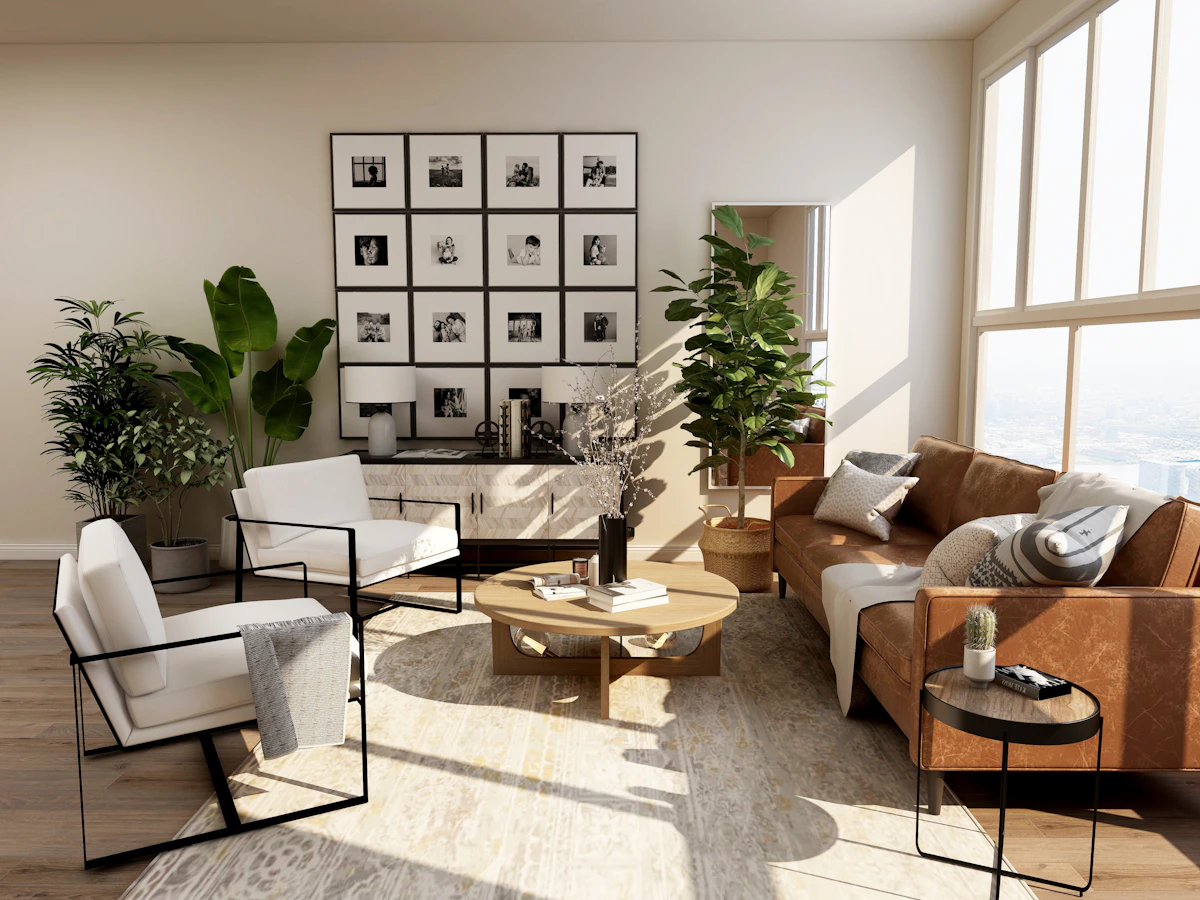
Scandinavian design combines simplicity, functionality, comfort, natural materials and visual calm. For an Indian home, the style can be adapted rather than copied literally: use the Nordic principles of light, proportion and simplicity while selecting materials, furniture and storage appropriate for the property and lifestyle.
Simple does not mean empty
A successful Scandinavian-inspired home balances clean design with warmth. Natural textures, comfortable furniture, thoughtful lighting and useful storage prevent minimal spaces from feeling cold or unfinished.
12 elements that create a Scandinavian-style home
These principles can be adapted to apartments, builder floors, independent houses and villas.
Light Colour Palette
Use warm whites, soft beige, light grey and muted natural tones as a flexible foundation.
Natural Wood Character
Wood tones add warmth and visual texture to otherwise simple interiors.
Clean Furniture Forms
Choose furniture with simple silhouettes and proportions suited to the room.
Functional Storage
Keep everyday belongings organized through wardrobes, cabinets, shelves and hidden storage.
Natural Textiles
Cotton, linen-like textures, wool-inspired fabrics and woven surfaces add softness.
Layered Lighting
Combine ambient, task and accent lighting to create a warm atmosphere.
Indoor Plants
Greenery introduces natural colour and can soften minimal architectural lines.
Negative Space
Leave breathing room around furniture instead of filling every wall and surface.
Comfort First
Comfortable sofas, beds, dining chairs and practical layouts are essential to the style.
Muted Accent Colours
Add carefully selected greens, blues, terracotta or other muted tones without overwhelming the base palette.
Simple Décor
Choose fewer meaningful objects rather than large quantities of decorative accessories.
Practical Minimalism
Every major element should contribute to comfort, function, storage or visual balance.
Four ingredients create the Scandinavian feeling
The style becomes more successful when simplicity is balanced with warmth, texture and practical functionality.
Scandinavian design for every room
The same design language can flow through the home while each room receives its own practical requirements.
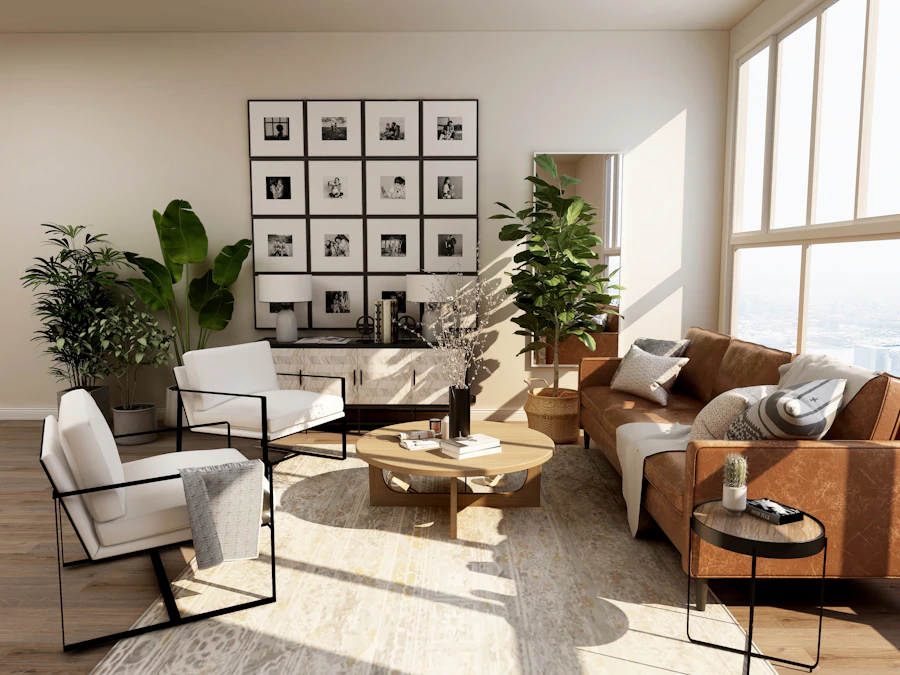
Scandinavian Living Room
Create a bright, comfortable social space with clean forms and warm textures.
- Light neutral walls
- Comfortable simple sofa
- Natural wood accents
- Soft area rug
- Plants and restrained artwork

Scandinavian Bedroom
Keep the bedroom calm through soft colours, practical storage and warm bedside lighting.
- Neutral bedding
- Wood or wood-look accents
- Functional wardrobe
- Soft bedside lights
- Minimal wall decoration

Scandinavian Kitchen
Combine clean cabinetry with efficient storage and practical work surfaces.
- Simple cabinet profiles
- Light or wood-look finishes
- Organized drawers
- Open shelves where appropriate
- Warm under-cabinet lighting

Scandinavian Dining Area
Keep dining spaces light and welcoming with simple furniture and carefully selected lighting.
- Wood dining table
- Simple upholstered chairs
- Pendant lighting
- Minimal tabletop styling
- Natural textures

Scandinavian Home Office
Create a calm work environment with minimal visual distraction.
- Simple desk
- Comfortable chair
- Open shelving
- Task lighting
- Hidden cable management

Scandinavian Bathroom
Use clean surfaces, natural-looking textures and functional storage to create a calm bathroom.
- Simple vanity
- Light tile palette
- Wood-look details where suitable
- Mirror lighting
- Minimal accessories
Scandinavian design is not simply minimalism
The two approaches overlap, but Scandinavian interiors typically introduce more warmth, comfort, natural texture and everyday livability.
| Element | Scandinavian approach | Very minimal approach |
|---|---|---|
| Colour | Light neutrals with soft natural accents | Often highly restrained |
| Furniture | Simple but comfortable and welcoming | Strong emphasis on visual simplicity |
| Texture | Wood, textiles, rugs and natural surfaces | Can be more visually controlled |
| Décor | Personal but carefully selected | Often reduced to essentials |
| Atmosphere | Bright, warm and inviting | Calm, restrained and uncluttered |
Build warmth through a restrained material palette
Scandinavian-inspired homes work particularly well when a small number of complementary materials are repeated across different rooms.
Light Wood Tones
Use natural-looking wood finishes on furniture, flooring, cabinetry or selected feature elements.
Textured Fabrics
Introduce softness through upholstery, curtains, cushions, throws and rugs.
Matte Finishes
Subtle matte surfaces can support the understated visual language of Scandinavian interiors.
Glass
Glass can maintain visual openness in selected partitions, cabinets and decorative applications.
Black or Dark Accents
Controlled darker details can provide contrast against a lighter overall palette.
Natural-Looking Accessories
Baskets, woven elements, ceramics and greenery can add character without excessive decoration.
Why Scandinavian design works well in compact homes
Light colours, functional furniture and uncluttered layouts can help smaller apartments feel organized and visually spacious.
Warm lighting completes the Scandinavian atmosphere
Natural light is important, but evening lighting should also be layered so the home remains comfortable after sunset.
Ambient Lighting
Provide general illumination without creating unnecessarily harsh pools of light.
Task Lighting
Add focused lighting for reading, cooking, studying and working.
Decorative Lighting
Pendant lights, table lamps and selected accent fixtures add warmth and visual character.
How a Scandinavian home interior project can be planned
A clear process helps translate the Scandinavian aesthetic into practical layouts, materials and execution details.
Consultation
Discuss the property, lifestyle, rooms, preferences and project scope.
Site Assessment
Review dimensions, architecture, light, services and existing conditions.
Design Direction
Establish palette, furniture language, materials and Scandinavian character.
Detailed Planning
Finalize storage, lighting, furniture, finishes and execution requirements.
Execution
Coordinate implementation, installation and finishing according to the agreed scope.
What to check before choosing a Scandinavian interior designer nearby
A nearby designer can be convenient for site coordination, but design experience and project scope should also be evaluated.
| What to check | Question to ask | Why it matters |
|---|---|---|
| Relevant projects | Have you designed homes with a Scandinavian or similar aesthetic? | Relevant experience helps translate the desired style into practical decisions. |
| Space planning | How will the furniture and storage be planned? | Scandinavian design depends heavily on proportion and functionality. |
| Materials | Which finishes and hardware are included? | Clear specifications make quotations easier to compare. |
| Lighting | Is lighting included in the design scope? | Layered lighting is an important part of the overall atmosphere. |
| Execution | Who coordinates fabrication and installation? | Clear responsibilities reduce execution confusion. |
| Quotation | Are inclusions and exclusions documented? | A clear scope helps prevent unexpected requirements later. |
Plan your Scandinavian-style home before the first purchase
Use this checklist to organize your requirements before discussing the project with an interior designer.
Common Scandinavian interior design mistakes
Explore related home interior design services
Build your Scandinavian-inspired home around your property, lifestyle, storage needs and preferred level of execution.
Scandinavian home interior design FAQs
What is Scandinavian interior design?
Scandinavian interior design is known for simplicity, functionality, clean lines, light colours, natural materials, comfortable furniture and an uncluttered relationship between beauty and everyday use.
Is Scandinavian interior design suitable for Indian homes?
Yes. Scandinavian principles can be adapted to Indian homes through practical storage, climate-appropriate materials, comfortable furniture, natural light, warm textures and a restrained colour palette.
Can Scandinavian design work in a small apartment?
Yes. Light colours, multifunctional furniture, vertical storage, simple forms and uncluttered layouts can make Scandinavian design particularly suitable for compact apartments.
What colours are commonly used in Scandinavian interiors?
Scandinavian interiors commonly use white, warm off-white, beige, light grey and muted natural tones, often combined with wood and restrained accent colours.
What materials are suitable for Scandinavian home interiors?
Common choices include wood textures, natural or textured fabrics, glass, selected metals, practical laminates, stone or stone-look surfaces and materials that support a simple natural aesthetic.
How can I make my home look Scandinavian without renovating everything?
Start with decluttering, a lighter colour palette, simple furniture, natural textures, warm lighting, practical storage, plants and carefully selected decorative elements.
How do I choose a Scandinavian interior designer near me?
Review relevant residential projects, design approach, space-planning process, material specifications, execution scope, communication method and quotation details before making a decision.
Create a Scandinavian home that feels warm, simple and personal.
Plan your home around light, storage, natural textures, comfortable furniture and practical everyday living.