How to Decorate a Room in Zero Budget
You do not always need new furniture or expensive accessories to make a room feel better. Start with what you already own, change the layout, remove visual clutter and use light, fabric, plants and personal objects more intentionally.
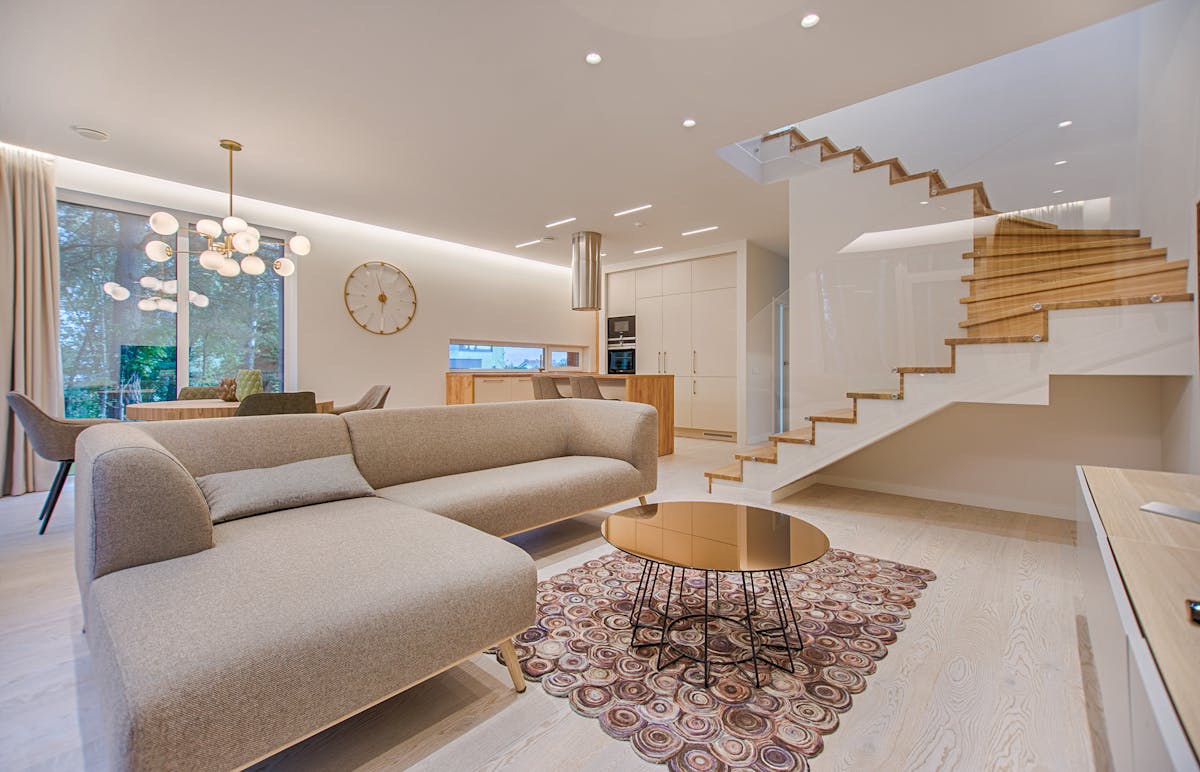
Decorate the room you have before buying anything new.
A room can look completely different without adding another product. The first step is to understand what is already there and decide what deserves to stay.
Rearranging furniture, clearing unnecessary objects, improving circulation, changing the focal point and using daylight better can create a noticeable visual change without a shopping list.
Once the room works, small additions from your existing home can be used to add personality, warmth and colour.

Before decorating, make the room easier to see.
The cheapest room makeover is often a reset. Remove visual noise first, then decide what the room actually needs.
Clear Surfaces
Remove unnecessary items from tables, shelves, chairs and other visible surfaces.
Group Similar Things
Bring books, décor, cables, textiles and everyday objects together so you can decide what is actually useful.
Keep What Matters
Retain objects that are useful, meaningful or visually valuable instead of trying to fill every empty space.
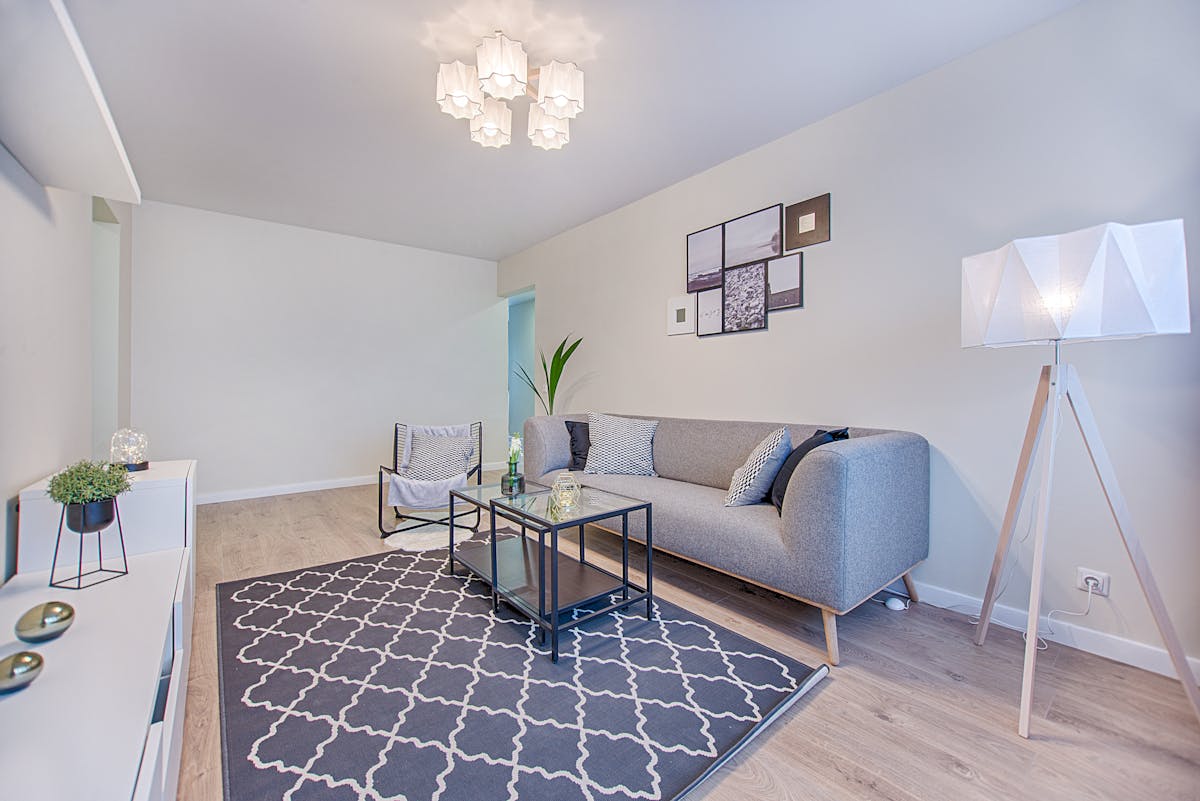
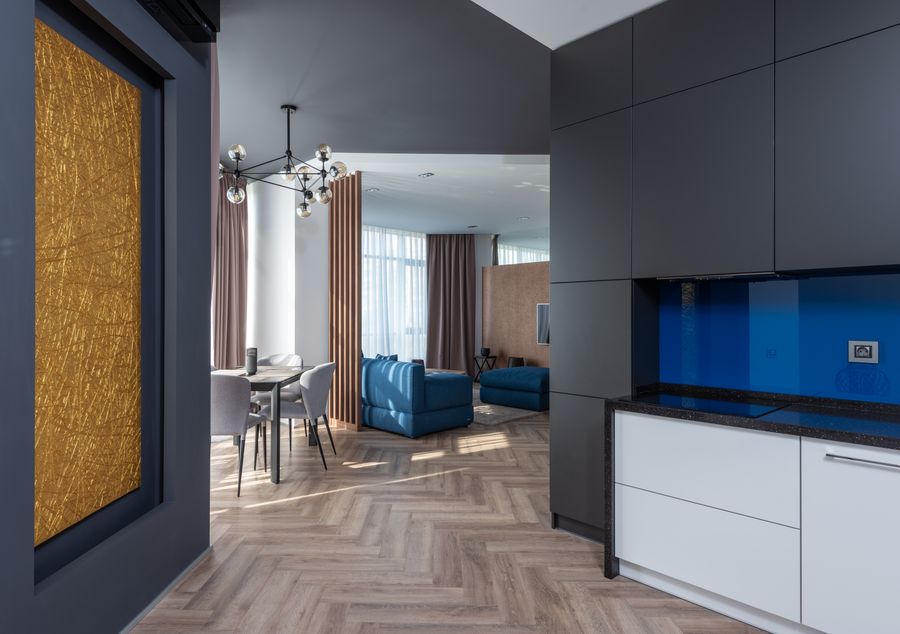
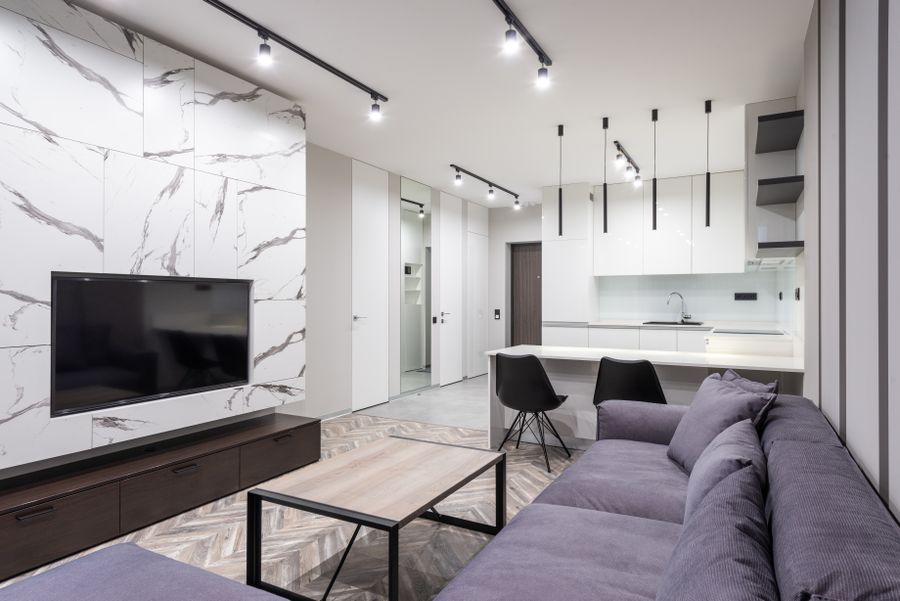
12 ways to decorate your room without spending money.
Start with changes that use only time, cleaning, rearrangement and things already available in your home.
Try different layouts. Move the sofa, bed, chairs or table to improve circulation and create a clearer focal point.
Decide what should catch the eye first. A window, artwork, bookshelf, bed wall or existing architectural feature can become the focus.
Clean windows, mirrors, lights, shelves, furniture and corners. A clean room often feels more finished without any new decoration.
Open curtains or blinds and remove objects blocking windows. Let natural light become part of the room’s design.
Move cushions, artwork, books, lamps, vases and accessories between rooms instead of buying new pieces.
Remove half the objects and regroup the remaining pieces by height, colour, material or function.
Move blankets, bedsheets, cushion covers, rugs or curtains from another room if the colours work together.
Move existing indoor plants to a more visible location or use healthy plants already growing elsewhere in the home.
Use books you already own to create simple horizontal or vertical arrangements on shelves and tables.
Group cables, paperwork and miscellaneous items into existing baskets, drawers, boxes or storage areas.
Pair similar lamps, chairs, cushions or objects where possible to make an arrangement feel more intentional.
Keep one part of the room deliberately simple. Negative space can make the rest of the room feel more considered.
Rearrange furniture before replacing it.
Furniture placement has a larger visual effect than many accessories. Start by identifying the room’s main function and then create a clear path through it.
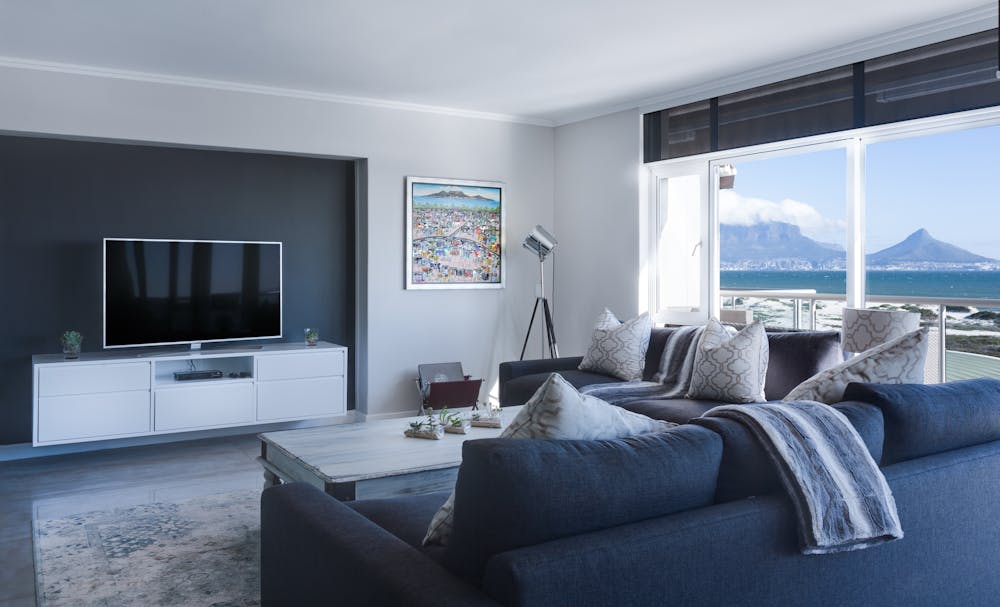
Make the room feel intentional, not simply full.
Even a zero-budget room can have a clear visual direction. Choose one simple idea and let the existing furniture and objects support it.
Choose a palette
Identify the main colours already present and repeat them selectively.
Choose a mood
Decide whether you want calm, warm, bright, minimal or cosy.
Reduce noise
Remove objects that do not contribute to function or character.
Repeat materials
Connect wood, metal, fabric, glass or natural textures already available.
Leave space
Allow empty areas so important pieces have room to stand out.
Zero-budget ideas for different rooms.
Living Room
Rearrange seating, clear the TV unit, rotate cushions, move plants, open the curtains and create a stronger focal point.
Modern living room ideas →Bedroom
Simplify bedside surfaces, rotate bedding, reposition the bed if practical and create a calmer arrangement around the sleeping area.
Bedroom interior ideas →Dining Area
Clear the tabletop, centre the arrangement and use existing plants, books or simple objects as a restrained centrepiece.
Home interior design →Study Corner
Remove paperwork, group stationery, improve task lighting and keep only the objects that support work or study.
Space planning →Balcony
Clean the floor, remove unused objects, group plants and create one simple sitting or relaxing zone using existing furniture.
Home interiors →Entrance
Keep the entry clear, organise shoes and everyday items and create a simple visual point using existing artwork, mirrors or plants.
Explore interior services →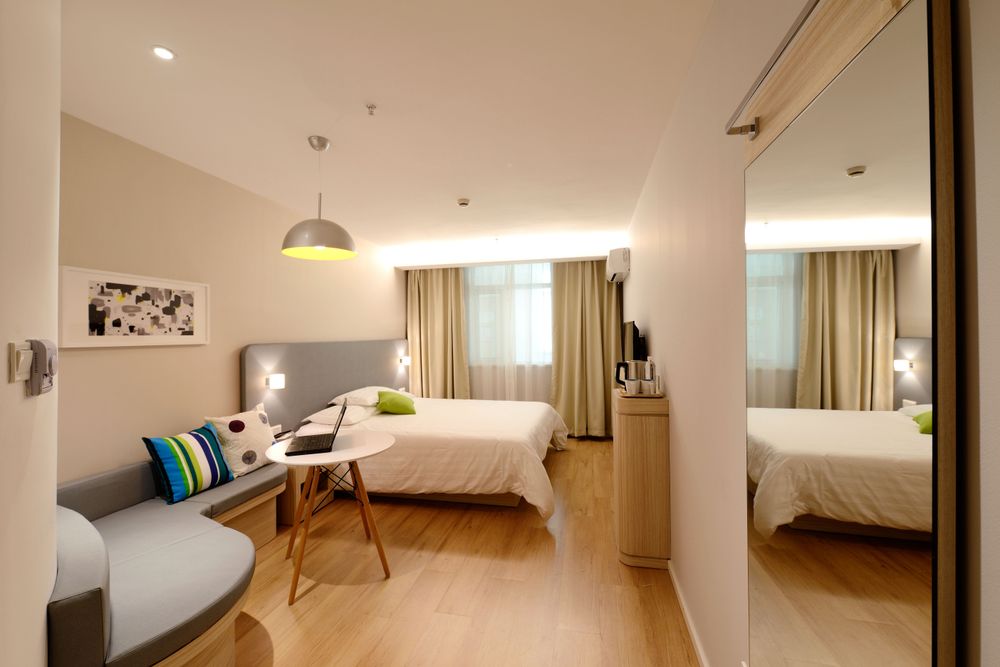
Use what the room already gives you.
Natural light is one of the strongest free design elements in a home. Keep windows clean and unobstructed where possible and observe how sunlight moves through the room during the day.
Mirrors can also help reflect available light, while lighter existing textiles and uncluttered surfaces can make a room feel visually brighter.
Do not cover every wall or surface simply because it is empty. Empty space is part of good composition.
Move things between rooms before you buy anything.
Treat the whole house as one collection of furniture, textiles, artwork, books, plants and accessories. Something that feels ordinary in one room may become useful in another.
Change the combination of cushions between living and bedroom spaces.
Try existing artwork on another wall or group several smaller pieces.
Place plants where they improve the composition and receive suitable natural light.
Reposition table or floor lamps to create useful reading or accent light.
Test existing rugs in different spaces to change colour, texture and visual zoning.
Use books to add height, texture and personality to shelves or tables.
Zero budget does not mean filling every corner.
Good decoration is often about editing rather than adding.
Too many objects can make a room feel smaller and make individual pieces less noticeable.
Use your own furniture, lifestyle and architecture rather than trying to reproduce a completely different room.
Change one part of the room, observe the result and then adjust.
A room should remain comfortable and practical after decoration.
Natural light and views can be more valuable than another decorative object.
An intentionally empty wall can make the room feel calmer and more spacious.
A simple sequence you can do today.
If you want to decorate a room without spending anything, start with this short reset rather than trying to redesign everything at once.
Clear
Remove unnecessary objects from visible surfaces.
Clean
Clean windows, mirrors, tables and visible furniture.
Rearrange
Test a new furniture arrangement and improve circulation.
Style
Add back only the objects that improve the room.
Observe
Look at the room from the doorway and adjust the focal point.
Buy only what solves a real problem.
If you eventually have a small amount to spend, do not start with random accessories. First identify the one change that would make the largest practical difference.
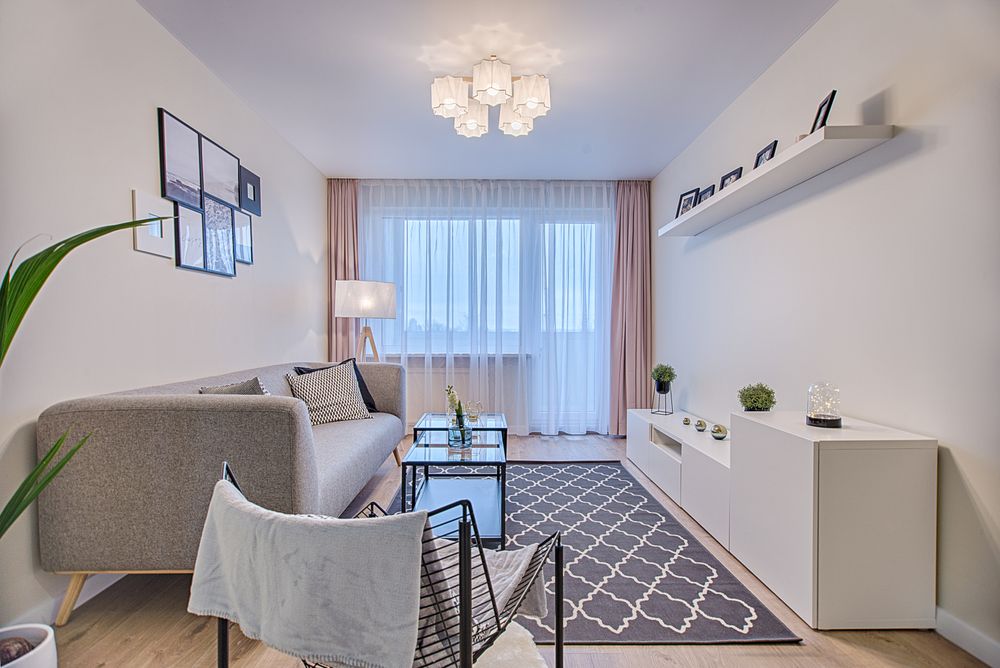
From zero-budget refreshes to complete interiors.
A zero-budget room refresh can be a useful first step. If the property later needs space planning, storage, kitchen work, furniture or a complete interior, the same principle applies: design around how the home is actually used.
Delhi
Practical home interior planning for apartments, builder floors and independent homes.
Home interiors Delhi NCR →Gurgaon / Gurugram
Space planning, storage, furniture, kitchens and coordinated interiors for modern homes.
Interior design Gurgaon →Noida
Room-by-room planning for apartments and homes with practical storage and connected design.
Interior designers Noida →Useful interior design ideas before you spend.
Zero-Budget Room Decor FAQs
How can I decorate my room with zero money?
Start by decluttering, deep cleaning, rearranging furniture, improving circulation, using natural light, rotating existing décor and moving plants, books, cushions, artwork and textiles from other rooms.
How can I make my room look better without buying anything?
Change the furniture layout, clear unnecessary objects, clean visible surfaces, improve the focal point, open curtains, restyle shelves and use existing objects more selectively.
How do I decorate a boring room for free?
Begin with a reset. Remove clutter, rearrange furniture, create a clear focal point, rotate artwork and textiles from elsewhere in the home, bring in plants and use daylight effectively.
How can I decorate my bedroom without spending money?
Simplify the bedside tables, change the bedding arrangement, move existing artwork or plants, improve the furniture layout and keep the sleeping area visually calm.
How can I decorate my living room with no money?
Rearrange seating, clear the TV unit and tables, rotate cushions, rugs and artwork from other rooms, move plants and create a stronger focal point.
How can I make a small room look bigger without buying furniture?
Reduce visual clutter, improve circulation, use appropriately scaled furniture, keep windows clear, use existing mirrors where useful and leave some surfaces and floor areas visually open.
Can rearranging furniture really change a room?
Yes. Furniture placement affects circulation, focal points, usable space, visual balance and how much natural light reaches different areas of a room.
How can I use things I already own as decoration?
Group books, artwork, plants, lamps, cushions, baskets and meaningful objects selectively. You can also rotate items between rooms to create a different visual arrangement.
How can I make my room look expensive without spending money?
Focus on order, proportion, cleanliness, lighting, symmetry where appropriate, coordinated colours and negative space. A room does not need many decorative objects to feel considered.
What should I do first when decorating a room on no budget?
Start by removing unnecessary objects and cleaning the room. Then rearrange the furniture, improve circulation and decide on a focal point before adding back existing decorative items.
How can I decorate a room with things from around the house?
Move artwork, books, plants, cushions, throws, rugs, lamps and useful storage pieces between rooms. Test different combinations and keep only arrangements that improve the room’s function and visual balance.
When should I consider professional interior design?
Professional design can become useful when the room requires structural changes, space planning, custom storage, kitchen or wardrobe work, coordinated lighting, material selection or complete execution.
Good design does not always begin with a shopping list.
Rearrange, remove, clean, reuse and observe the room first. If you later need professional space planning or a complete home interior, Interior A to Z can help develop the next stage around your actual home.