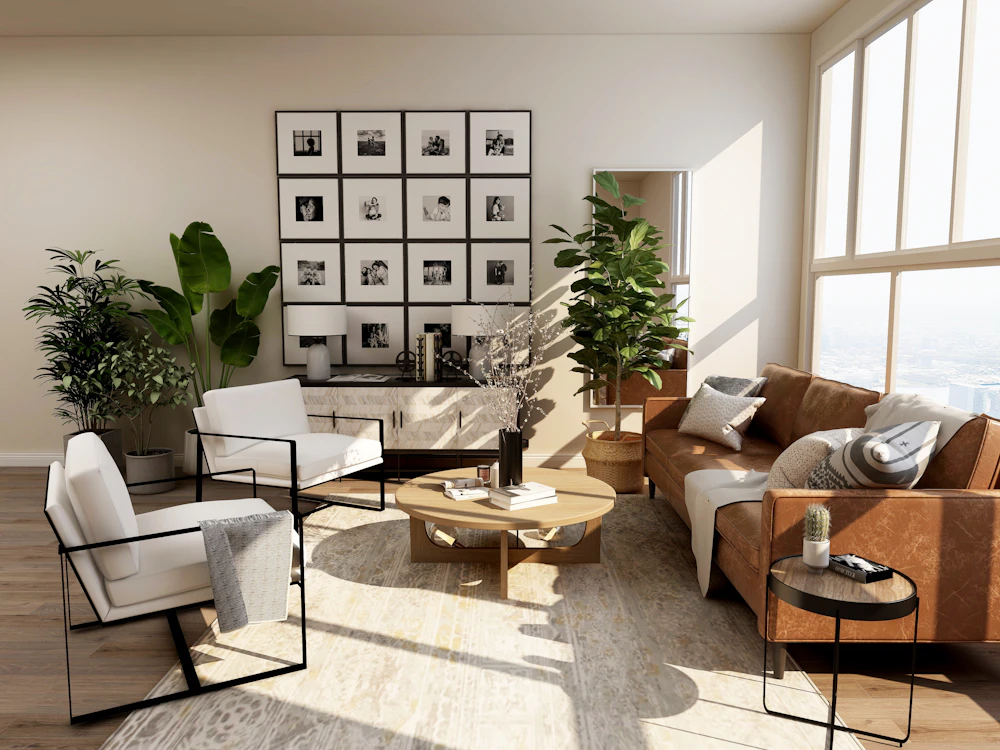
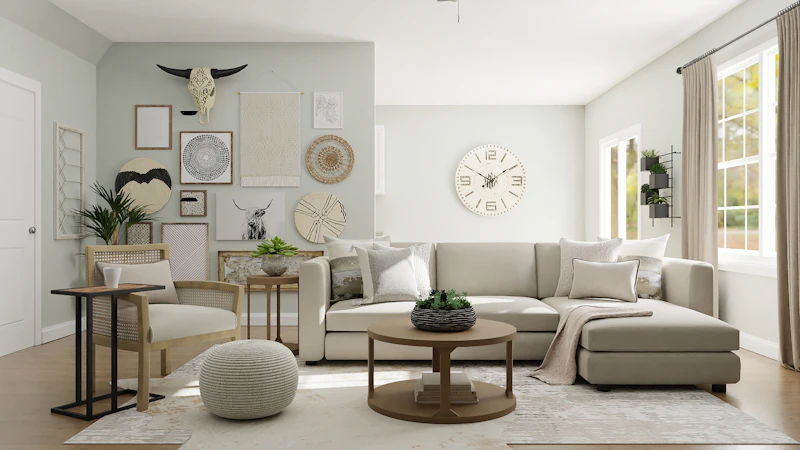
brown wooden framed yellow padded chair

Exploring the Best of Commercial Interior Design in Delhi

Introduction to Commercial Interior Design

Commercial interior design plays a pivotal role in shaping the environments in which businesses operate. It encompasses the strategic planning and design of spaces such as offices, retail stores, restaurants, and other commercial establishments. The primary objective of commercial interior design is to create functional, aesthetic, and inspiring environments that align with a company’s brand identity and operational needs.

One of the fundamental aspects of commercial interior design is its impact on brand image. A well-designed space can significantly enhance how a business is perceived by its clients and stakeholders. Elements such as color schemes, furniture selection, lighting, and layout can all contribute to creating an atmosphere that resonates with the brand’s values. For example, a modern tech startup may opt for an open layout with vibrant colors to reflect innovation and creativity, while a law firm may choose a more traditional, subdued design to convey professionalism and trustworthiness.

Moreover, the influence of commercial interior design extends beyond aesthetics; it also plays a crucial role in enhancing employee productivity. A thoughtfully designed workplace can lead to improved efficiency and job satisfaction. Factors such as natural light, ergonomic furniture, and collaborative spaces encourage employees to work effectively and foster a positive work culture. Research has shown that environments conducive to task completion lead to happier employees, ultimately benefiting the business.

Additionally, commercial interior design affects customer experiences. The design of a retail space, for instance, can influence purchasing decisions. Strategic placement of products, comfortable seating areas, and an inviting ambiance can encourage customers to spend more time in a store, which may lead to increased sales. Therefore, the importance of commercial interior design in creating enriching experiences for both employees and customers cannot be overstated.

Current Trends in Commercial Interior Design in Delhi

Delhi, as one of the most dynamic cities in India, has witnessed significant transformations in commercial interior design. The trends emerging in recent years reflect a combination of cultural influences, technological advancements, and an increasing awareness of sustainability. One of the foremost trends is the adoption of sustainable design practices. Businesses are now prioritizing eco-friendly materials, energy-efficient lighting, and sustainable sourcing methods. This shift not only minimizes the environmental impact but also enhances the aesthetic appeal of commercial spaces.

Another significant trend is the incorporation of biophilic design elements. This approach emphasizes the connection between interior spaces and nature. By integrating greenery, natural light, and organic materials, designers are creating environments that promote well-being and productivity. Offices in Delhi are now featuring living walls, indoor plants, and large windows, which allow natural light to permeate the workspace, enhancing employee satisfaction and engagement.

Technology also plays a pivotal role in shaping contemporary commercial interiors. With the rise of smart building technologies, interior designers in Delhi are leveraging automation to create more responsive and efficient environments. Touchless systems, integrated audiovisual components, and smart lighting control are some examples of how technology enhances functionality while providing a modern aesthetic. The incorporation of augmented and virtual reality tools in design presentations is further enabling clients to visualize their spaces before actual implementation.

Lastly, the shift toward flexible workspaces has become increasingly prevalent. As businesses adapt to the changing nature of work, the demand for adaptable interiors has surged. Open-plan designs, modular furniture, and multi-functional spaces are becoming common features in offices, allowing for easy reconfiguration based on the requirements of teams. This trend reflects not only a response to the evolving business landscape but also an emphasis on collaboration and creativity.

Top Commercial Interior Design Firms in Delhi

Delhi, being a hub for commercial activities, is home to some of the most prominent commercial interior design firms. These firms have carved a niche for themselves through their innovative design philosophies, diverse portfolios, and an ability to cater to various client needs. One such leading firm is Ansa Interiors, known for its modern aesthetics combined with functional designs. Their notable projects include corporate offices for top multinational companies, where the emphasis on creating inspiring workspaces is evident. With numerous client testimonials praising their attention to detail and ability to customize designs, Ansa Interiors has established a solid reputation in the industry.

Another noteworthy firm is Design Atelier, which stands out for its sustainable design approach. Their portfolio showcases a variety of commercial spaces that reflect a commitment to environmental responsibility without compromising on style. They have worked on several award-winning projects, including eco-friendly offices that seamlessly integrate nature. Clients appreciate their thorough research processes and the collaborative spirit they bring to every project, resulting in designs that resonate with the brand identity of the business.

Studio HBA is also recognized for its dedication to luxury interior design. With a series of high-end hospitality projects, they focus on creating opulent spaces that enhance the customer experience. Their unique design approach is deeply rooted in cultural contexts, which helps in crafting bespoke interiors that tell a story. Client feedback often highlights their exceptional creativity and professionalism throughout the design and implementation stages.

These firms represent the dynamism and creativity prevalent in Delhi’s commercial interior design landscape. As businesses seek to elevate their environments, exploring these renowned firms provides a gateway to professional interior design services that align with both functionality and aesthetic appeal.

The Role of Cultural Influences in Delhi’s Commercial Interiors

Delhi, a city steeped in history and cultural diversity, serves as a canvas for commercial interior design that reflects its rich heritage. The fusion of traditional and contemporary design elements is not only a stylistic choice but also a means of storytelling, as businesses in the capital strive to connect with both their customers and their roots. This interplay of cultures can be observed in various commercial spaces across the city, where local art, crafts, and architectural motifs are seamlessly integrated into modern designs.

One prominent example of this cultural integration can be seen in the hospitality sector. Many hotels and restaurants in Delhi showcase traditional craftsmanship through the use of intricate woodwork, handwoven textiles, and locally sourced artifacts, which contrast beautifully against minimalist modern furnishings. This thoughtful blend creates an inviting atmosphere that resonates with both local patrons and international visitors. For instance, a notable restaurant in Hauz Khas has effectively utilized traditional Indian jali screens alongside sleek, modern furniture, allowing guests to enjoy an authentic cultural experience while appreciating contemporary design principles.

Moreover, retail spaces have also embraced Delhi’s artistic legacy. Shops selling handicrafts, textiles, and jewelry often feature vibrant murals or installations that pay homage to local artisans while incorporating modern merchandising techniques. This not only elevates the shopping experience but also supports and promotes local talent, bridging the gap between past and present. A well-known boutique in Khan Market exemplifies this approach by utilizing vintage fabrics as wall art, creating a unique ambiance that reflects the essence of Delhi’s textile heritage.

The impact of cultural influences in Delhi’s commercial interiors significantly shapes the way businesses present themselves and engage with their clientele. By intertwining traditional elements with contemporary styles, these spaces not only serve their functional purpose but also narrate a story that celebrates the city’s rich cultural tapestry.

Factors to Consider When Designing Commercial Spaces

When embarking on the journey of designing commercial spaces, businesses must take into account several essential factors to ensure the project aligns with their objectives and enhances the user experience. One of the foremost considerations is understanding the target audience. Identifying the demographics, preferences, and behavioral patterns of clients can significantly influence design choices, ensuring that the space is not only visually appealing but also functionally suited to its intended users.

Another important factor is scalability. As businesses evolve, their space needs may change; therefore, flexibility in design allows for easy adaptations without significant renovations. Modular furniture and multifunctional areas can accommodate growth, making the initial investment more valuable over time.

Ergonomics must also be prioritized in commercial interior design. Creating environments that promote comfort and well-being enhances productivity and employee satisfaction. Thoughtful placement of furniture, proper lighting, and accessibility features contribute to a workspace that supports the physical well-being of both employees and customers.

Furthermore, ensuring compliance with local regulations is paramount in the design process. Adhering to building codes, safety regulations, and accessibility standards protects the business from legal issues and promotes inclusivity. This highlights the importance of incorporating elements that cater to all individuals, regardless of their physical capabilities.

Lastly, it is crucial to strike a balance between aesthetics and functionality. While an appealing design can attract clients and enhance brand image, it should not compromise the functionality needed for daily operations. By harmonizing these elements, businesses can create inspiring environments that foster creativity, efficiency, and client satisfaction.

Sustainable Practices in Commercial Interior Design

In recent years, sustainable practices have gained prominence in commercial interior design, and this trend is particularly evident in Delhi. As the city grapples with pollution and environmental challenges, many designers are integrating eco-friendly materials and energy-efficient solutions into their projects. This shift not only reflects a growing awareness of environmental issues but also aligns with the increasing demands of consumers and corporations who prioritize sustainability.

The use of eco-friendly materials plays a significant role in sustainable commercial interior design. Designers are now opting for sustainable alternatives such as reclaimed wood, bamboo, and recycled metal, which help to reduce the carbon footprint of their projects. For instance, a notable example in Delhi is the headquarters of a local tech firm, which features furniture crafted from reclaimed materials and finishes that utilize low-VOC (volatile organic compounds) products. Such choices not only contribute to a healthier indoor environment but also support the principles of circular economy.

Energy-efficient designs are also a crucial component of sustainable commercial interior design practices. Incorporating elements like natural lighting, LED lighting, and energy-efficient HVAC systems can significantly lower energy consumption and operational costs. Many modern office spaces in Delhi are being designed with large windows and open layouts to maximize daylight utilization, thereby minimizing the need for artificial lighting during daytime operations.

Another important aspect of sustainability is the emphasis on reducing waste throughout the design process. This involves careful planning and consideration of materials to ensure that waste is minimized during construction. For example, a recently completed co-working space in the city adopted a zero-waste philosophy, reusing construction debris and implementing a successful recycling program to manage any by-products effectively.

These practices not only enhance the functionality and aesthetic appeal of commercial spaces but also align with the broader global commitment towards sustainable development. As the trend continues to evolve, Delhi stands as a testament to the potential of responsible design in creating environmentally friendly commercial interiors.

Case Studies of Successful Commercial Interior Designs in Delhi

Delhi, as a vibrant hub for business, has witnessed significant transformations in its commercial spaces by integrating innovative interior design strategies. These case studies focus on notable examples that highlight how thoughtful design can rejuvenate work environments and retail spaces, ultimately leading to improved business performance.

One exemplary case study is the redesign of a leading financial services firm’s office in Connaught Place. The objective was to create an environment conducive to collaboration and creativity. The design team undertook a thorough analysis of existing workflow patterns and employee interactions. By integrating open workspaces, flexible meeting areas, and breakout zones, they successfully fostered a culture of teamwork. The challenge of maintaining privacy in an open layout was addressed with the strategic use of partitions and acoustic panels. Post-implementation feedback showed a marked increase in employee satisfaction and productivity, evidencing the powerful influence of interior design on occupational dynamics.

Another case involves a popular retail brand in Delhi, where the goal was to enhance customer engagement through strategic space utilization. The design phase began with a comprehensive assessment of customer traffic patterns and purchasing behaviors. By creating visually appealing product displays and a seamless navigation flow, the design team managed to elevate the shopping experience. The challenge lay in balancing aesthetic appeal with functional retail layouts. However, the resulting design not only optimized space but also increased footfall and conversions. Client reports indicated a substantial revenue increase following the redesign, underscoring the critical role of effective commercial interior design.

These case studies exemplify that successful commercial interior design in Delhi extends beyond aesthetics; it is fundamentally about enhancing functionality and aligning with business objectives. Through innovative solutions, designers can significantly transform work and retail environments, reinforcing the strategic importance of interior design within the commercial sector.

Budgeting for Commercial Interior Design Projects

Budgeting for commercial interior design projects is a crucial step that can significantly influence the outcome and overall success of a space. The first step in effective budgeting is to identify all key expenses associated with the design project. These expenses typically encompass various categories, including materials, labor, and design fees. Materials can range from flooring and paint to fixtures, furniture, and technological integrations. It is important to take the time to thoroughly research and select high-quality materials that align with both the aesthetic vision and functional requirements of the space.

Labor costs represent another substantial portion of the budget. This encompasses the hiring of skilled professionals such as architects, interior designers, and contractors. Engaging experienced designers not only ensures that the design meets the required standards, but also promotes efficient use of resources, potentially leading to cost savings in the long run. Their expertise can help mitigate costly mistakes that often arise from insufficient planning or lack of vision.

To maximize value and minimize unnecessary expenses, it is helpful to implement certain cost-saving strategies. One effective way includes exploring bulk purchasing options for materials or seeking out local suppliers to reduce shipping costs. Another strategy is prioritizing essential elements of the design that can have the greatest impact while allowing for some flexibility in non-essential areas. Furthermore, it can be beneficial to allocate a contingency fund, typically around 10-15% of the total budget, to address any unforeseen expenses that may arise during the process.

Collaborating with a knowledgeable interior designer is essential in ensuring that the project stays within budget while achieving the desired aesthetics. Their project management skills can streamline communication and facilitate effective decision-making, ultimately leading to a successful commercial interior design project that meets both functional and financial goals.

Conclusion: The Future of Commercial Interior Design in Delhi

As we gaze into the future of commercial interior design in Delhi, it becomes increasingly evident that this vibrant field is on the verge of substantial evolution. Current trends indicate a strong shift towards sustainability, with designers incorporating eco-friendly materials and energy-efficient solutions into their work. As businesses build their identities around corporate social responsibility, this commitment to green design choices will likely dictate broader design patterns across the city.

Additionally, technology will play an essential role in shaping the landscape of commercial interiors. The integration of smart technology, such as IoT devices, augmented reality (AR), and virtual reality (VR), will redefine how spaces are designed and experienced. These innovations will allow designers to create dynamic environments that are not only appealing but also serve functional purposes, enhancing client interactions and employee productivity. The incorporation of digital solutions can help businesses craft spaces that adapt to changing needs, allowing for flexibility and efficiency in the rapidly evolving commercial sector.

Moreover, the rich cultural heritage of Delhi will continue to influence commercial interior design, creating a unique blend of tradition and modernity. Designers are increasingly recognizing the importance of weaving local art, craftsmanship, and historical elements into their designs, resulting in spaces that resonate with both local and global audiences. The fusion of contemporary styles with traditional motifs and materials will enrich the design narrative, offering a sense of place that speaks to the identity of the city.

In conclusion, the future of commercial interior design in Delhi appears promising, marked by trends that prioritize sustainability, technological advancement, and cultural significance. As the industry adapts to these changes, it will undoubtedly cultivate an enriched environment for businesses, employees, and patrons alike, setting a benchmark for commercial spaces in the years to come.

Scroll to Top