Bedroom Interior Design That Feels Like Your Space
Create a calm, elegant and highly functional bedroom with thoughtful layouts, custom wardrobes, beautiful bed back walls, layered lighting, practical storage and finishes chosen around the way you live.
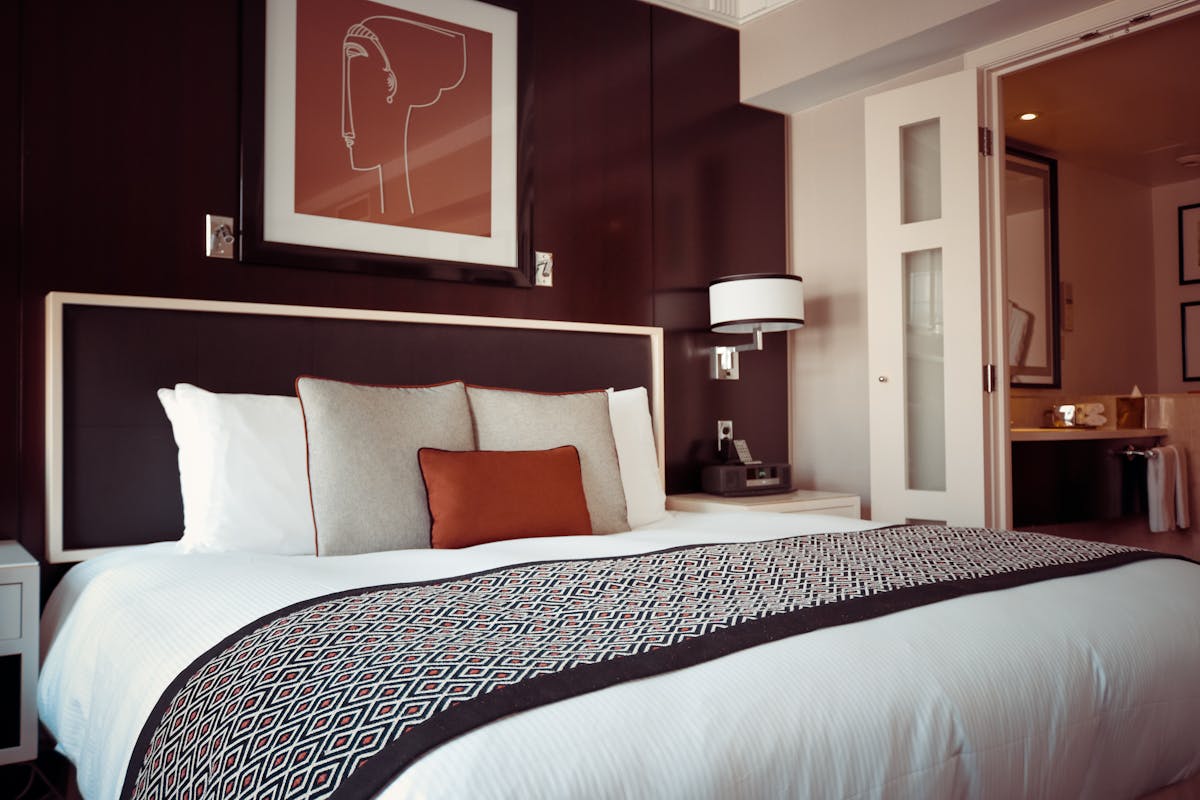
A bedroom should be beautiful before it becomes luxurious.
Good bedroom interior design starts with comfort and function. The bed, circulation, wardrobe, dressing area, lighting and storage need to work together before decorative details are added. Interior A to Z plans bedrooms around the actual room dimensions, lifestyle and overall home interior.
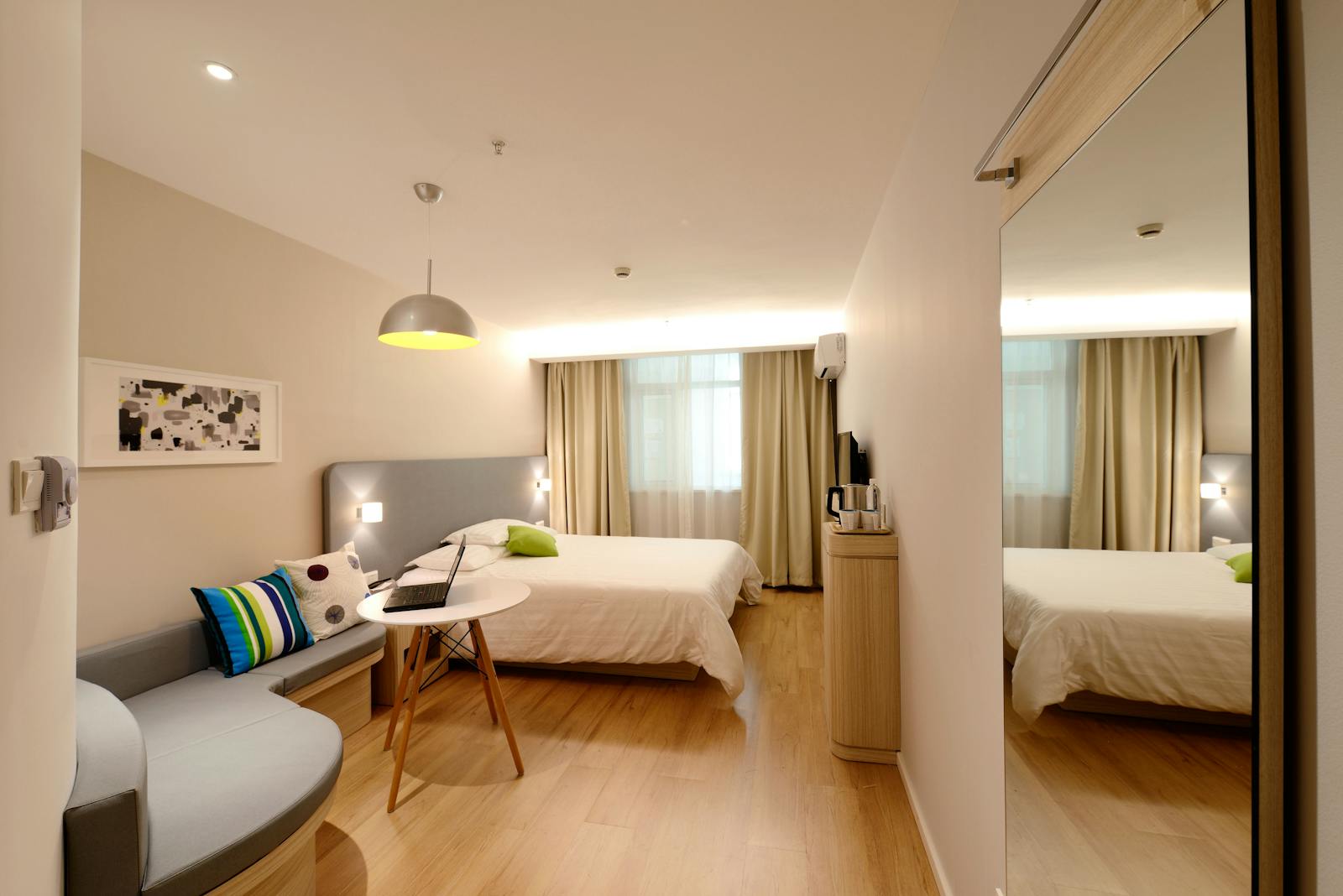
Designed room by room.
From a compact apartment bedroom to a large master suite, every room benefits from proportion, storage and a lighting plan that feels natural at night.
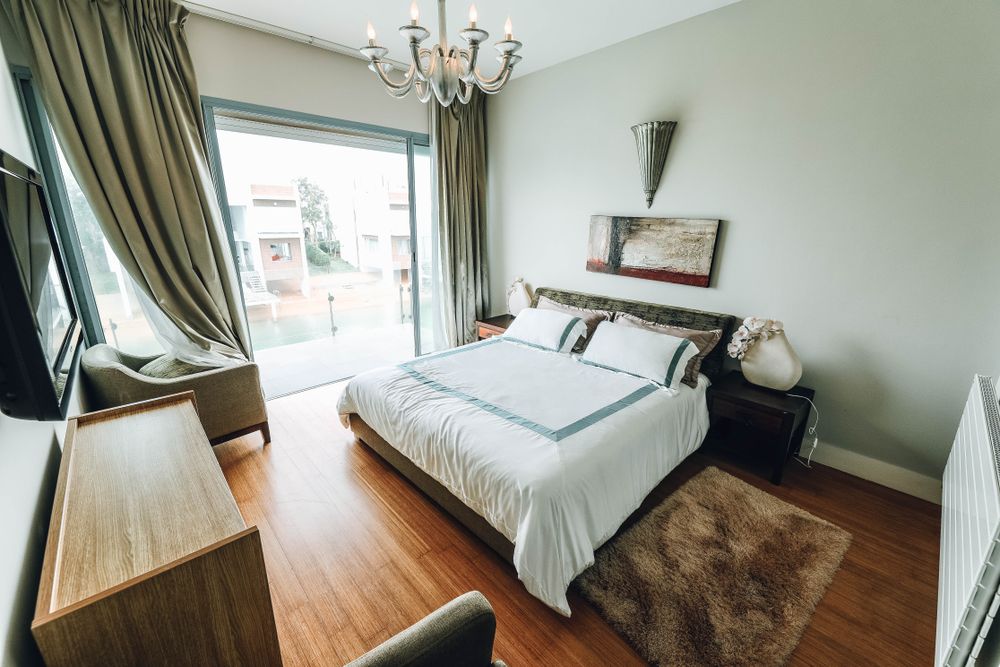
Master Bedroom
Build a restful retreat with a strong bed wall, full-height wardrobes, dressing, bedside lighting, soft textures and carefully scaled furniture.
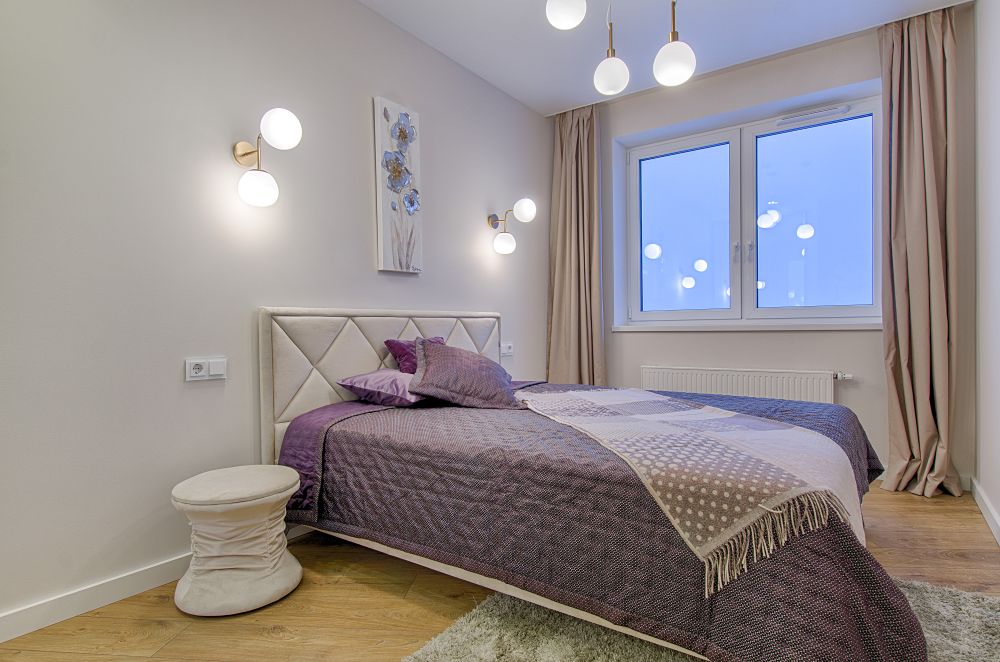
Modern Bedroom
Clean lines, restrained colours, integrated storage and layered lighting create an uncluttered bedroom that still feels warm.
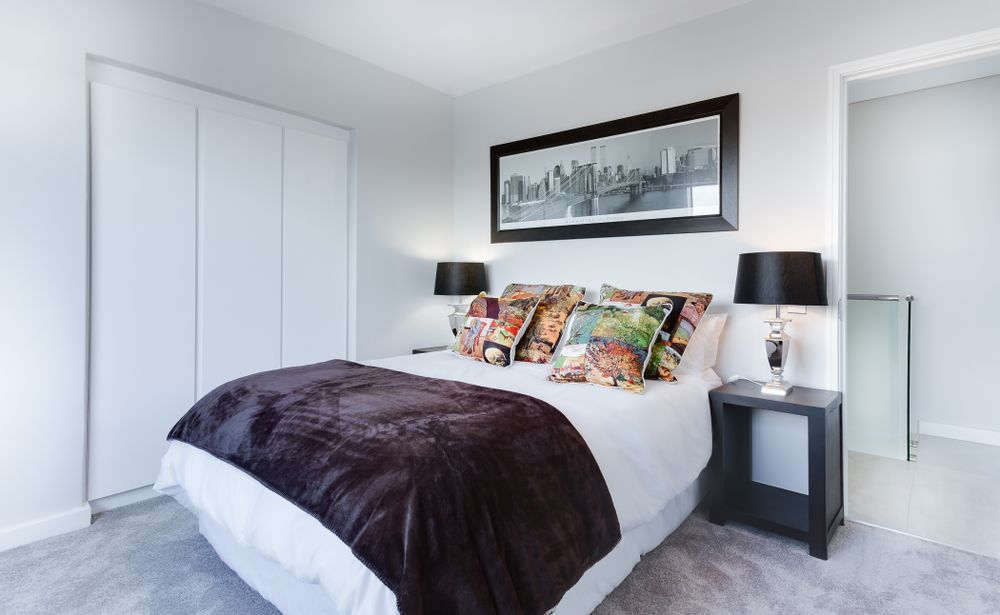
Small Bedroom
Use vertical storage, proportionate furniture, sliding wardrobes, lighter finishes and clear circulation to make compact rooms work harder.
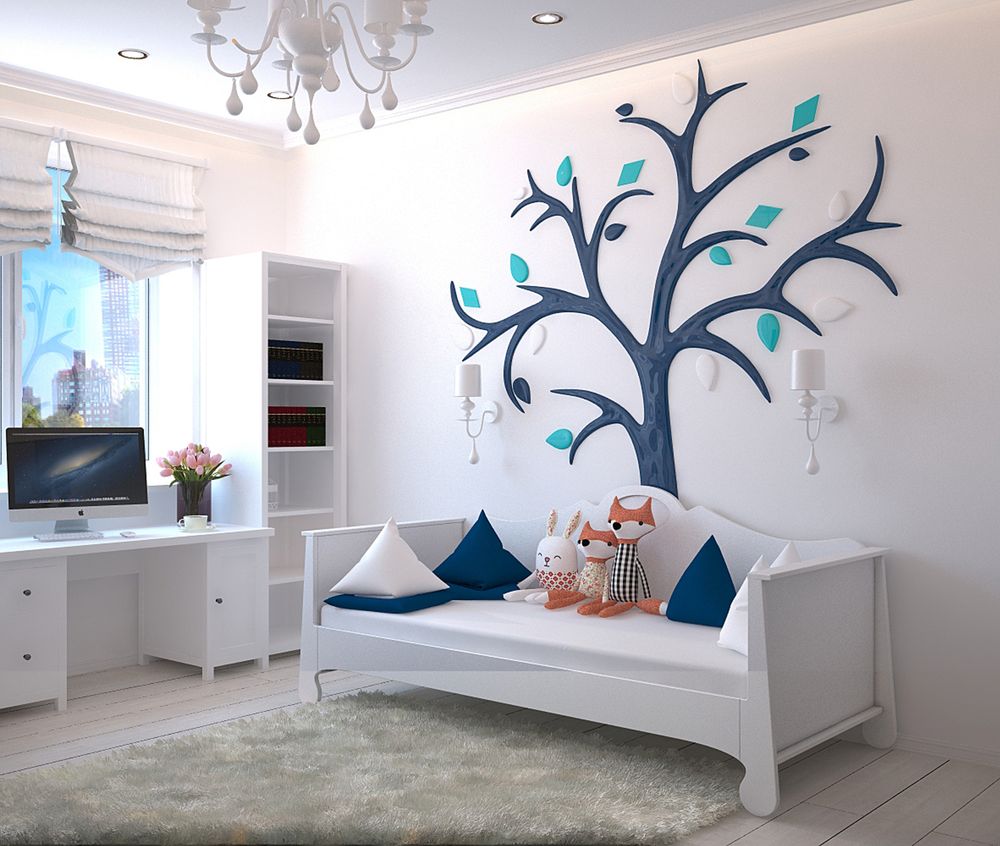
Guest & Family Bedrooms
Flexible layouts, practical wardrobes, comfortable beds and durable finishes make secondary bedrooms easy to use and maintain.
Storage, lighting and the bed wall come first.
The most successful bedroom interiors are rarely about adding more decoration. They are about making the essentials feel considered.
- Custom wardrobes planned around clothing, accessories and daily use
- Bed back walls with paneling, paint, wallpaper, veneer or upholstered details
- Layered lighting for ambient, bedside, dressing and wardrobe zones
- TV units, study desks, dressing tables and storage integrated without clutter
- Materials and colours coordinated with the wider home interior
One design language. Different bedroom types.
Bedroom interior design can be adapted to the property, room size and person using it. The objective is always a comfortable layout with enough storage and visual calm.
Bedroom interior design cost: plan before you build.
Bedroom interiors vary significantly with room size, wardrobe length, furniture, materials, lighting, wall treatments and customization. Current published planning guidance on Interior A to Z places many bedroom projects within the ranges below.
Basic bedroom interiors. Typically suited to essential wardrobe, bed setup, lighting and simple finishes.
Mid-range bedroom design with customized storage, stronger furniture, ceiling and decorative finishes.
Luxury bedroom interiors with premium finishes, larger storage, designer furniture and more customization.
Planning ranges only. Final cost depends on measurements, scope, materials, hardware, furniture and execution requirements.
A clear process from empty room to finished bedroom.
Every decision becomes easier when layout and practical requirements are resolved before finishes are finalized.
Consultation
Discuss your room, lifestyle, storage needs, preferred style and budget direction.
Site Assessment
Review dimensions, doors, windows, electrical points and existing conditions.
Layout
Plan the bed, wardrobe, dressing, circulation, TV, study and storage zones.
3D Design
Develop materials, colours, lighting and key details for design review.
Execution
Coordinate agreed bedroom work, furniture, installation and finishing.
Bedroom interiors across Delhi NCR.
Interior A to Z works on bedroom and residential interior projects across New Delhi, South Delhi, Gurgaon and Noida, adapting the design to the property and its actual floor plan.
Bedroom interior design FAQs.
Useful starting points before you discuss your own room with a designer.
What is included in bedroom interior design?
Depending on the project, bedroom design can include layout planning, wardrobes, bed and headboard, dressing area, TV or study units, false ceiling, lighting, wall treatments, storage and furniture.
How much does bedroom interior design cost?
Cost depends on room size, wardrobe requirements, furniture, materials, lighting, wall treatments and customization. A detailed estimate requires measurements and a defined project scope.
Can you design a small bedroom?
Yes. Small bedrooms can benefit from full-height or sliding wardrobes, storage beds, floating furniture, integrated lighting and carefully planned circulation.
What is the best wardrobe for a bedroom?
There is no single best type. Hinged, sliding, full-height and walk-in wardrobes can all work depending on wall length, circulation, storage requirements and the room layout.
What lighting works well in a bedroom?
A layered lighting plan usually works best: ambient ceiling light combined with bedside, wardrobe, dressing and concealed accent lighting where appropriate.
Do you provide bedroom interior design in Gurgaon and Noida?
Yes. Interior A to Z provides residential interior design solutions across New Delhi, South Delhi, Gurgaon, Noida and wider Delhi NCR.
Let the bedroom feel as good as it looks.
Share your bedroom photographs, approximate dimensions, property location and preferred style. Interior A to Z can help you plan the layout, storage, materials and overall design direction.
If you are working on remodeling your bedroom or need fresh inspiration for Bedroom Interior Design, our category archive is a great resource. Whether you are planning a luxury 3 BHK interior or a compact space, you will find expert advice on furniture, layouts, and decor.
Designing Your Dream Bedroom
Creating a relaxing space starts with the right choices. From bedroom design in Gurgaon to general styling tips, we cover everything you need to get started. If you’re unsure where to start decorating, our guides provide a step-by-step approach.
Cohesive Home Interiors
A bedroom should feel like a part of a unified home theme. Consider how your bedroom style matches your modular kitchen or your bathroom interior design. For professional help in maintaining this harmony, explore our interior design services in Gurgaon and learn about theme selection.
Budgeting and Planning
Understanding the interior design cost is crucial for any renovation. Use a cost calculator to manage your expenses effectively. If you’re wondering about the value of expert advice, read is hiring an interior designer worth it?
Explore our latest posts for more ideas on bathroom design, tile selection, and storage optimization. Happy designing!