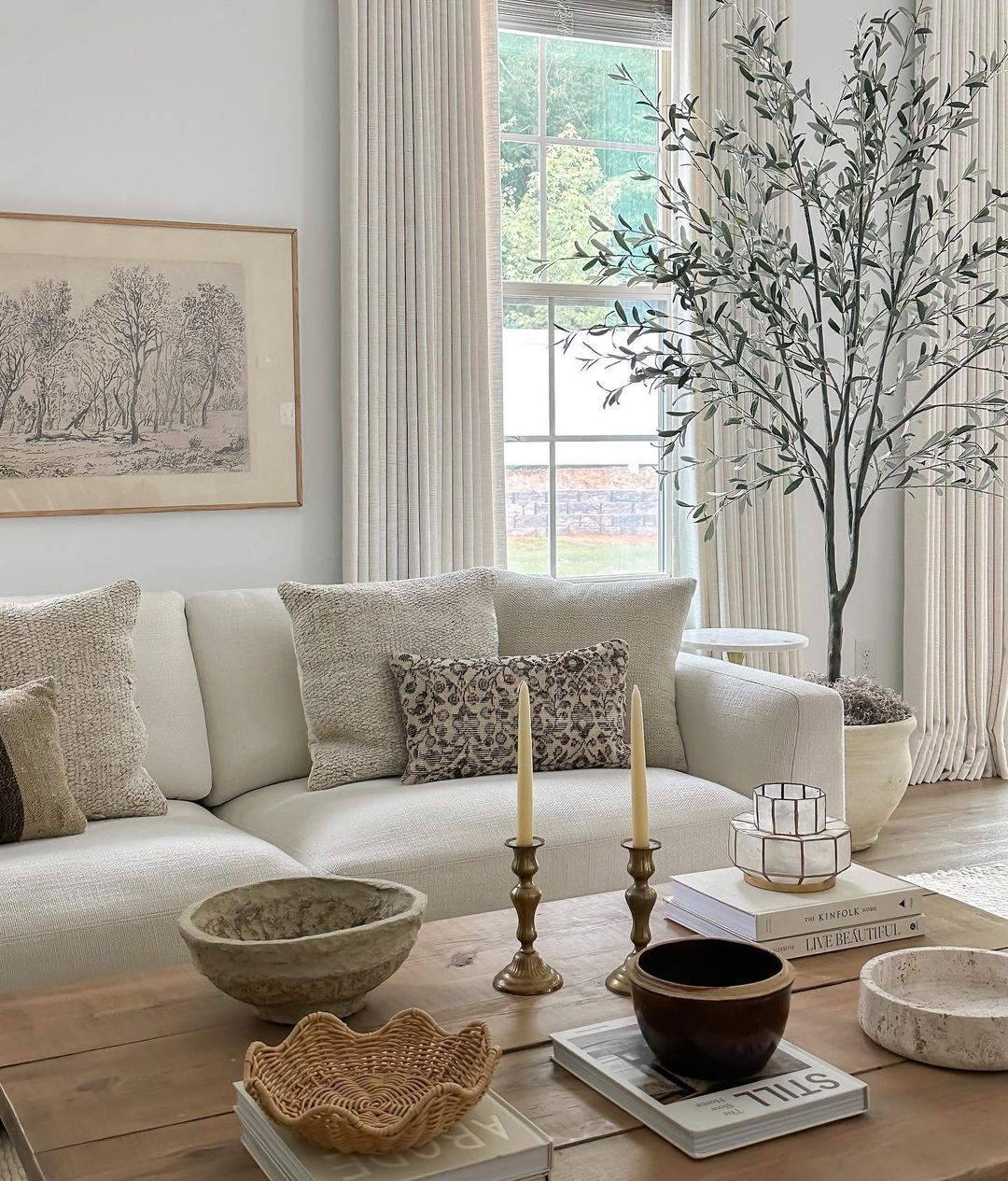
Interior design

Dining table centerpiece

Dining table centerpieces are decorative focal points placed in the middle of a dining table to enhance the look, set a mood, and elevate both everyday meals and special occasions. A well-styled centerpiece anchors the table and reflects the room’s overall decor approach. (Wikipedia)


Classic & Timeless Centerpiece Ideas

Floral Arrangements

  • Fresh flowers in one large vase or multiple small vases create an elegant and inviting look.
  • Choose blooms that match your room’s palette or seasonal colors to keep the look current and cohesive. (Architectural Digest)

Candles & Candle Holders

  • Taper, pillar, or votive candles add warmth and ambience.
  • Place them in clusters of varying heights for visual interest. (Better Homes & Gardens)

Decorative Bowls or Fruit Displays

  • A sculptural bowl filled with seasonal fruit adds natural color and texture.
  • Ceramic, glass, or woven bowls can also serve as artful decor even when empty. (preppygoods.com)

Modern & Minimalist Centerpieces

Monochrome Solos

  • One striking object β€” a sculptural vase, ceramic piece, or artistic bowl β€” can serve as a minimalist centerpiece.
  • Works well in contemporary and clean-line interiors. (potterybarn.com)

Greenery & Succulents

  • Low potted plants or succulents bring fresh, organic energy to the table without overpowering the space.
  • Ideal for everyday use and easy care. (IKEA)

Seasonal & Themed Ideas

Seasonal Elements

  • Use autumn leaves, pinecones, dried branches, or berries to match the season.
  • Swap items throughout the year to keep the table fresh and relevant. (Better Homes & Gardens)

Mixed Materials

  • Combine natural elements (wood, stone, plants) with metal or glass accents for textured contrast.
  • Great for eclectic or layered design schemes. (casacor.abril.com.br)

Functional & Stylish Options

Lazy Susan Centerpiece

  • A rotating tray lets you display objects (candles, vases, small plants) while also serving functional use for shared meals. (Wikipedia)

Table Runners & Trays

  • A runner adds linear interest; place candles, vases, or small decor items along it for a structured centerpiece.
  • Trays contain items neatly and make styling easy to change. (IKEA)

Tips for Styling Your Dining Table Centerpiece

  • Scale & Proportion: Ensure the centerpiece fits the table size β€” not too tall or wide, so conversation and sightlines aren’t blocked. (Architectural Digest)
  • Balance: Use heights, textures, and repetition to create visual harmony. (Better Homes & Gardens)
  • Flexibility: Choose items that can be switched seasonally or for different occasions. (IKEA)

Summary
A dining table centerpiece elevates the room’s design by adding a thoughtful focal point that complements the space’s mood and style. Options range from classic floral arrangements and candle groupings to minimalist sculptures and organic displays. Whether everyday or seasonal, centerpiece styling enhances both form and function at the heart of your dining experience. (Wikipedia)

Dining table centerpiece Read More Β»

Kitchen cabinet trends

Kitchen cabinet trends in 2026 reflect a shift toward warmer, more textured, and more personalised designs that balance beauty with functionality. Designers are moving beyond purely minimal, neutral schemes to cabinets that bring character, depth, and smarter storage to the heart of the home. (decorilla.com)


1. Textured & Decorative Cabinet Details

Cabinet fronts are becoming more than smooth panels β€” details like cut-outs, perforations, and subtle patterns add personality while keeping a refined look. These details provide tactile interest without overwhelming a space. (Homes and Gardens)


2. Warm Wood & Rich Stains

Dark and rich wood finishes β€” such as walnut or deep stained oak β€” are trending, offering warmth and natural depth. These finishes replace lighter, washed-out woods for kitchens that feel grounded and inviting. (Homes and Gardens)


3. Curved & Soft-Edged Cabinets

Straight, purely angular cabinets are evolving to include curved edges and ergonomic profiles. This adds softness and flow to kitchen designs and pairs well with islands and countertops that feel sculptural. (Ideal Home)


4. Bold & Unexpected Colors

Beyond neutral whites and greys, kitchen cabinets in saturated or unconventional hues β€” from muted terracotta and clay to deeper charcoals and nature-inspired greens β€” are gaining traction. These tones create a richer, more expressive kitchen palette. (decorilla.com)


5. Integrated & Invisible Storage Solutions

Cabinet designs increasingly incorporate smart storage β€” integrated pantries, hidden appliance garages, custom pull-outs, and dedicated zones that keep countertops clear and clutter hidden. (domino)


6. Slim Shaker & Handleless Options

Slimmed-down shaker profiles and handleless cabinets are part of the modern aesthetic, merging minimalist geometry with approachable detail. These designs feel intentional and crafted, not industrial. (domino)


7. Mix of Materials & Textures

Combining materials β€” such as wood with matte or satin finishes, stone accents, or even glass β€” adds layered visual interest. This approach brings warmth and richness without losing a contemporary edge. (Stoneham Kitchens)


8. Return of Freestanding & Custom Pieces

Freestanding cabinets, pantries, or furniture-style pieces are making a subtle comeback, allowing kitchens to feel more bespoke and less built-in. (Homes and Gardens)


Summary

Kitchen cabinetry in 2026 is moving toward warmth, texture, and function β€” with attention to meaningful details like wood stains, decorative cut-outs, ergonomic forms, expressive colors, and clever storage. This blend of craftsmanship and practicality creates kitchens that feel personal, timeless, and tailored to how people live today. (decorilla.com)

Kitchen cabinet trends Read More Β»

Bedroom furniture

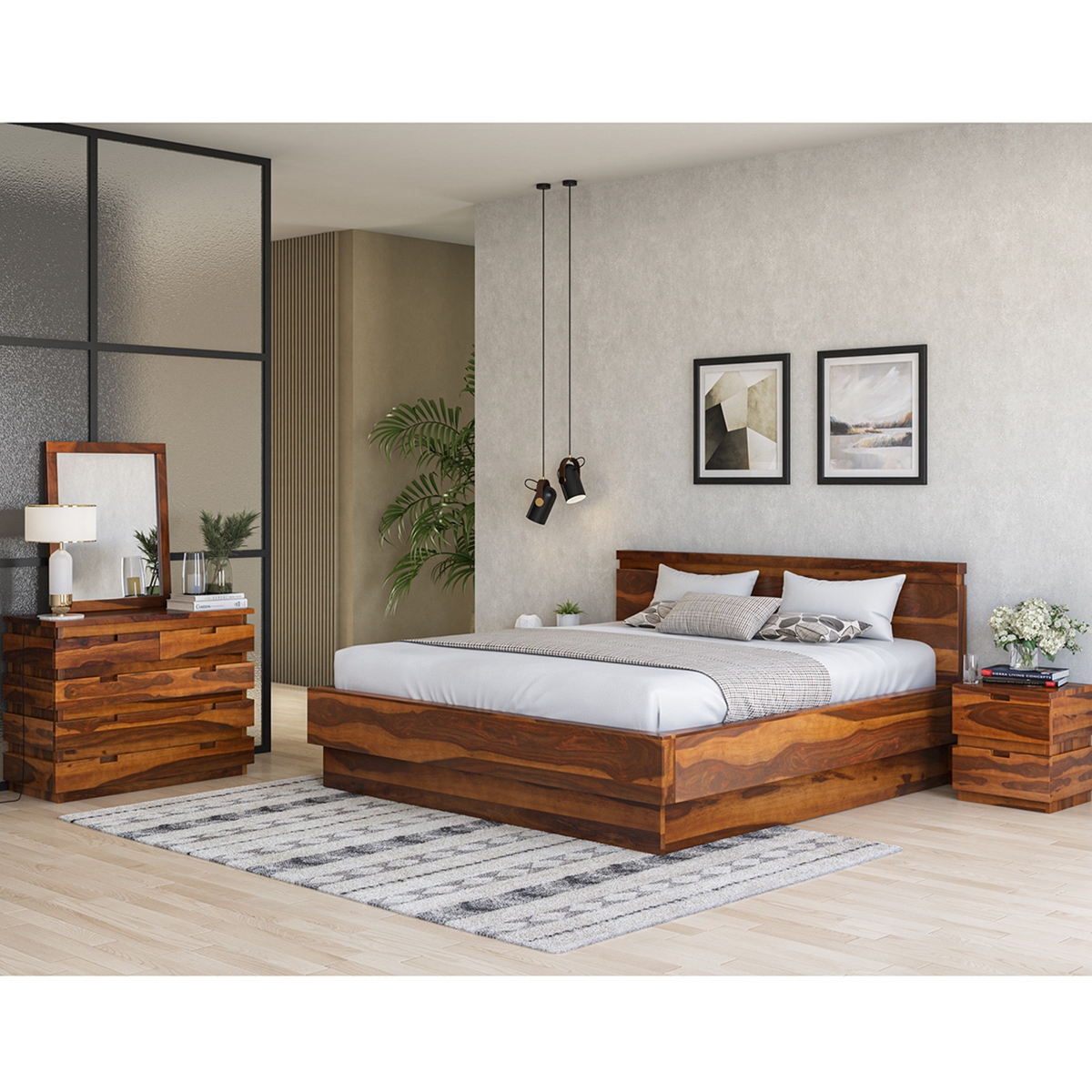
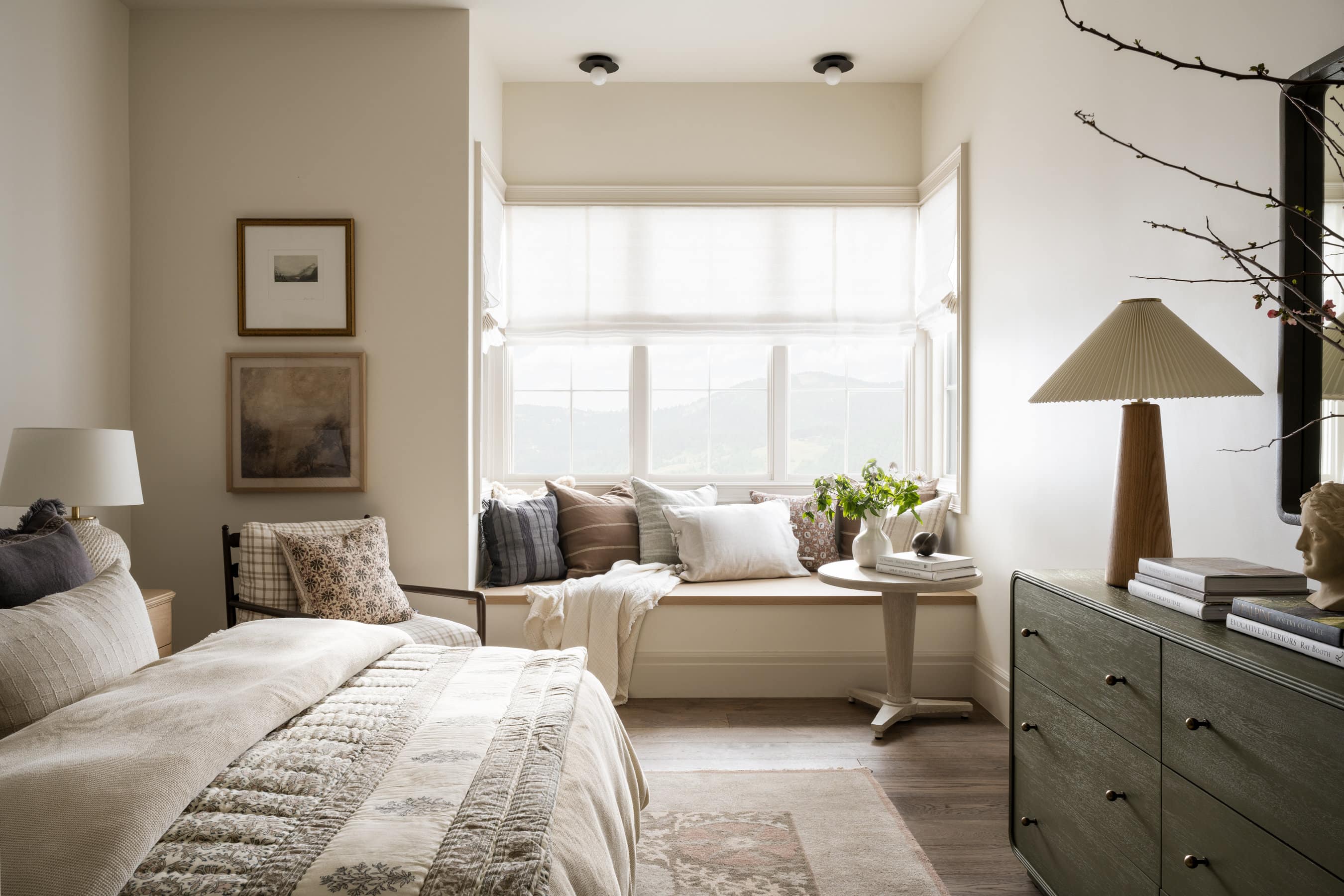
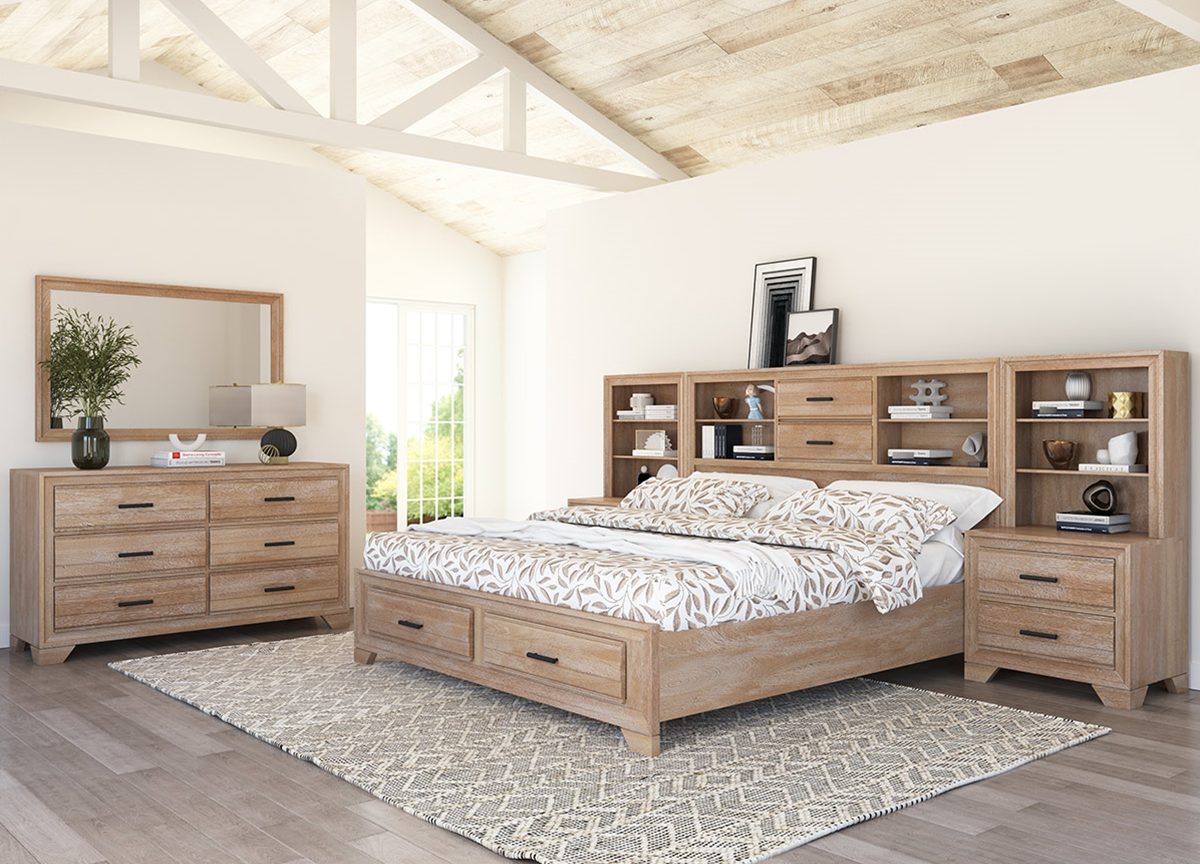
Bedroom furniture includes the key pieces that make the room functional, comfortable, and visually cohesive. Choosing the right furniture supports daily routines and enhances the overall design of the space.

Image
Image
Image
Image

Essential Bedroom Furniture Pieces

1. Bed Frame
The central piece of any bedroom. It sets the tone for the room’s style and comfort.

Common types:

  • Platform bed
  • Upholstered bed
  • Wooden frame
  • Storage bed with drawers

Choose proportionally to the room size.


2. Mattress
Not visible but critical for comfort and support.

Considerations:

  • Firmness based on sleep preference
  • Quality materials for durability
  • Breathability for better sleep

A better mattress improves rest and well-being.


3. Nightstands / Bedside Tables
Functional and framing elements beside the bed.

Features:

  • Drawers or shelves for essentials
  • Surface for lamps, clocks, or dΓ©cor
  • Matching or coordinating with the bed

Nightstands balance symmetry and practicality.


4. Wardrobe / Closet Solutions
Storage for clothes, linens, and accessories.

Popular options:

  • Freestanding wardrobes
  • Built-in closets (if space permits)
  • Sliding doors for compact areas
  • Mirrored fronts to expand visual space

Choose based on storage needs and circulation.


5. Dresser / Chest of Drawers
Horizontal storage for folded clothes and accessories.

Benefits:

  • Organizes smaller apparel
  • Surface for dΓ©cor, mirrors, and lighting
  • Complements height of wardrobe or bed

A dresser adds both function and scale to the room.


6. Seating (Bench / Accent Chair / Small Sofa)
Optional seating enhances comfort and luxury.

Placement ideas:

  • Bench at the foot of the bed
  • Accent chair near a window or corner
  • Small sofa for added lounging space

Seating makes the bedroom feel more complete.


7. Mirrors and Vanity Units
Mirrors expand light and provide utility.

Options:

  • Full-length mirror
  • Wall-mounted mirror above a dresser
  • Vanity with stool and lighting

Mirrors balance function with refined style.


Choosing Bedroom Furniture by Room Size

Small Bedrooms

  • Slim profile beds
  • Compact wardrobes with sliding doors
  • Minimal nightstands
  • Built-in or wall-mounted storage

Medium to Large Bedrooms

  • Larger bed sizes (queen/king)
  • Coordinated furniture sets
  • Seating corners
  • Storage benches and statement pieces

Proportion ensures circulation and comfort.


Material and Style Considerations

Materials

  • Solid wood for warmth and durability
  • Upholstered pieces for comfort
  • Matte finishes for a calm look
  • Metal accents for refined detail

Styles

  • Modern minimalist
  • Scandinavian / Hygge
  • Rustic or Vintage
  • Luxury / Bespoke

Choose a style that aligns with overall home interior design.


Layout Tips for Bedroom Furniture

  • Center the bed on the longest wall
  • Balance furniture on either side of the bed
  • Maintain clear walkways
  • Align dressers and wardrobes for circulation

Good layout enhances both function and flow.


Summary

Bedroom furniture includes the bed, nightstands, wardrobe, dresser, optional seating, and mirrors. Prioritize comfort, scale, and storage while choosing materials and styles that reflect the desired mood. Thoughtful furniture selection and layout make the bedroom feel well-designed, functional, and harmonious.

Bedroom furniture Read More Β»

Luxurious bedding ideas

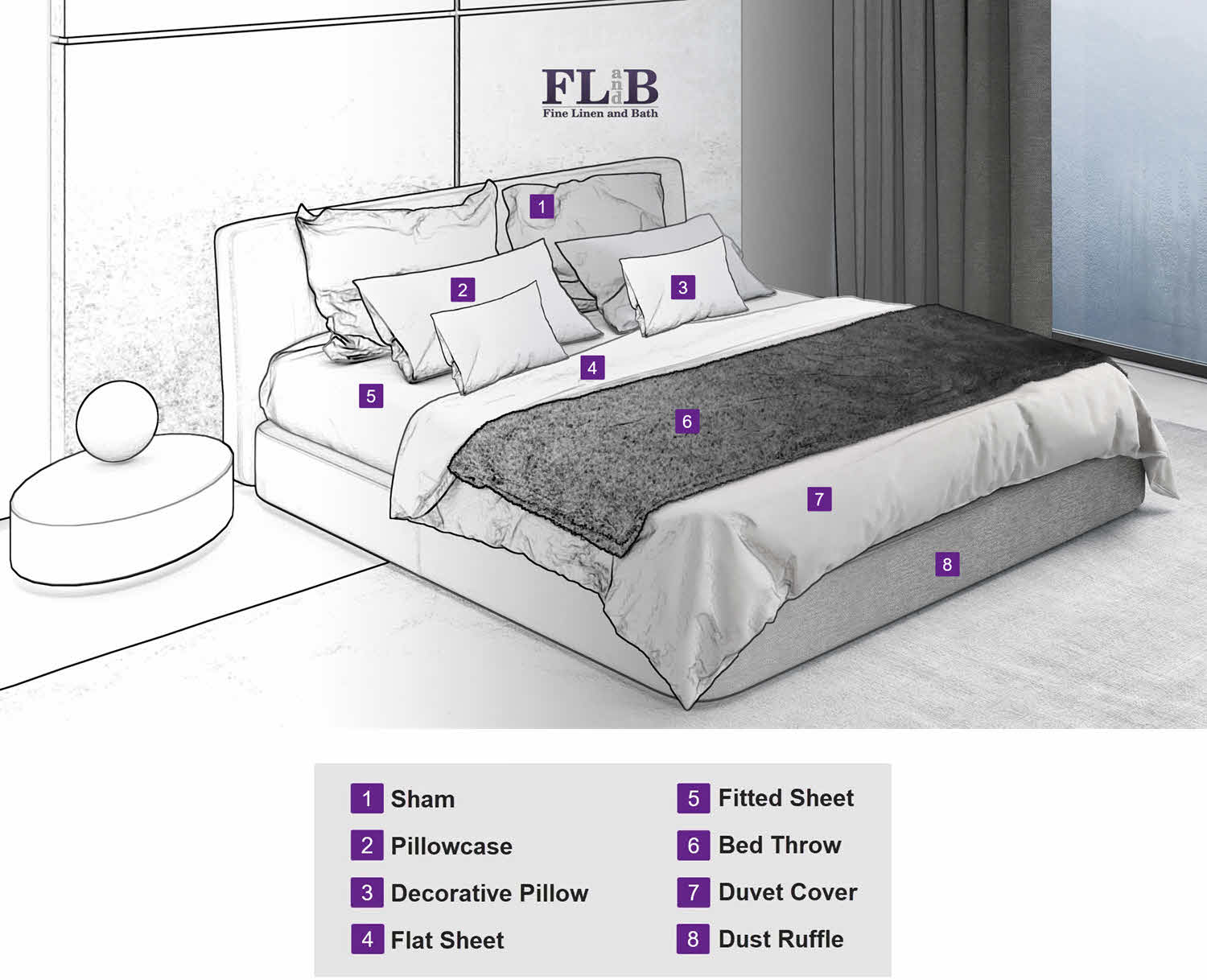
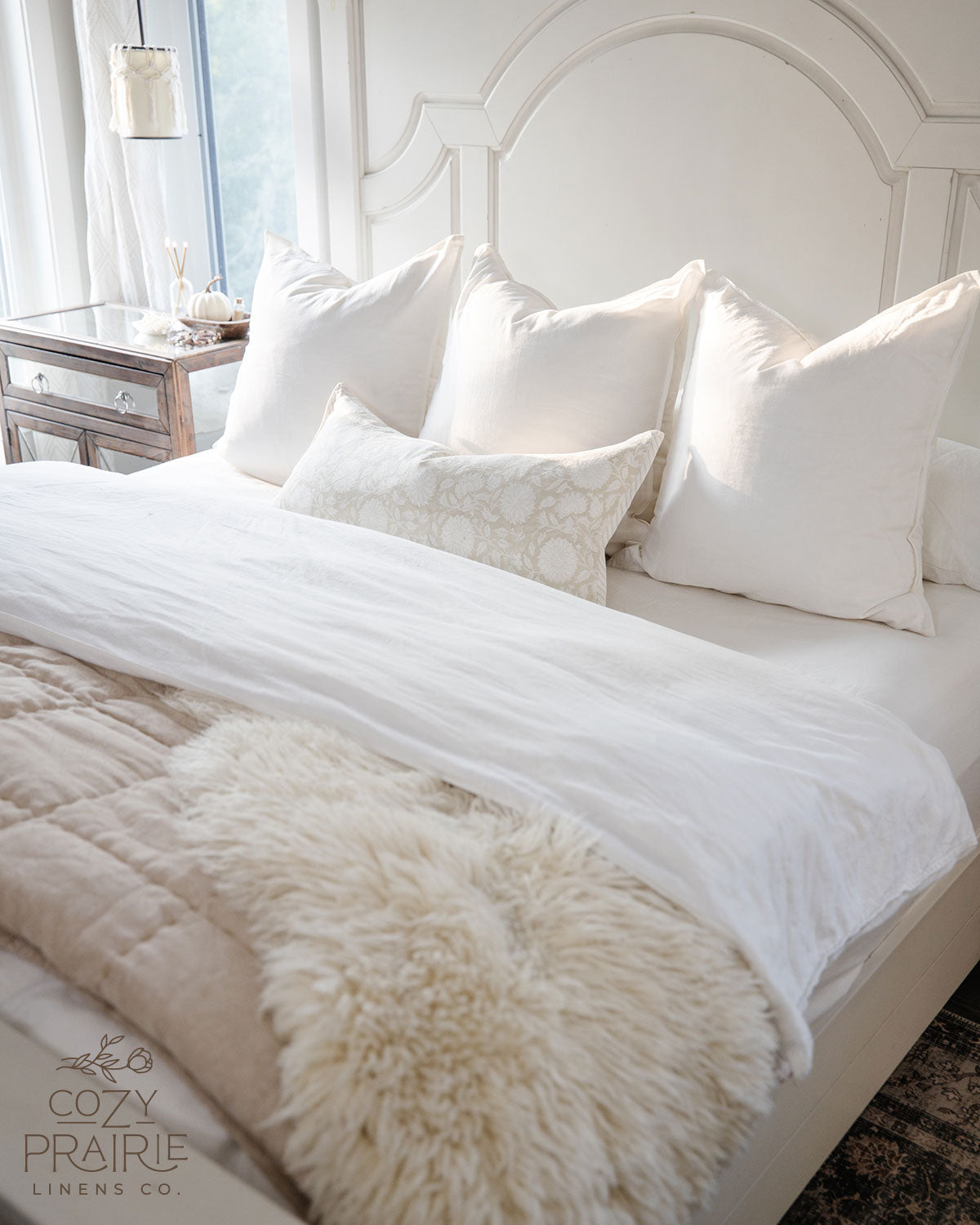
Luxurious bedding ideas elevate the bedroom into a restful and refined retreat. High-quality fabrics, thoughtful layering, and attention to detail create comfort, visual richness, and a sense of indulgence.

Image
Image
Image
Image

1. Invest in Premium Bed Linens

High-end fabrics make the biggest impact on feel and comfort.

Top choices:

  • Egyptian cotton β€” soft, breathable, and durable
  • Pima cotton or Supima β€” smooth and long-lasting
  • Linen β€” relaxed yet elegant texture
  • Silk or sateen β€” ultra-smooth, luxe sheen

Look for thread counts between 300–600 for a balance of softness and strength.


2. Layer with Quality Duvets and Comforters

Layers enhance comfort and visual depth.

Layering tips:

  • Use a plush down or down-alternative duvet
  • Add a lightweight coverlet or quilt for texture
  • Fold a throw blanket at the foot of the bed

Multiple layers create warmth and a hotel-worthy look.


3. Mix Textures for Visual Interest

Texture adds sophistication without extra clutter.

Effective combinations:

  • Crisp cotton sheets + soft linen duvet
  • Velvet or woven throws
  • Quilted shams + embroidered cushions

Mixing textures enriches the tactile and visual appeal.


4. Coordinate Pillows for Comfort and Style

Pillows balance comfort with layered design.

Suggested setup:

  • Two sleeping pillows (standard or king)
  • Two Euro shams for structure
  • One accent cushion for personality

Place larger pillows at the back and smaller decorative ones in front.


5. Choose a Statement Headboard

While not bedding itself, a well-designed headboard enhances the bedding composition.

Headboard ideas:

  • Upholstered in velvet or textured fabric
  • Tall, tufted designs for drama
  • Wooden or natural-material frames for warmth

The headboard anchors the bed visually.


6. Add Elegance with Bed Skirts and Throws

Accessories refine the bedding ensemble.

Key accents:

  • Tailored bed skirt to hide under-bed storage
  • Cashmere or faux-fur throw for luxury and warmth
  • Accent runner for subtle pattern or color contrast

These elements complete the layered look.


7. Coordinate Colors and Patterns

A cohesive palette makes bedding feel intentional.

Guidelines:

  • Neutral base (white, cream, grey) for timeless luxury
  • Accent tones (taupe, blush, navy, forest green) for depth
  • Subtle patterns (stripes or tone-on-tone) for refinement

Keeping colors harmonious ensures calm and elegance.


8. Maintain Crisp, Clean Presentation

Luxury bedding looks intentional and well-kept.

Presentation tips:

  • Tuck and fold edges neatly
  • Fluff pillows daily
  • Replace bedding regularly for freshness

A well-made bed transforms the entire bedroom.


Summary

Luxurious bedding combines premium fabrics, layered textiles, coordinated colors, and thoughtful accents. Investing in quality materials and layering with purpose creates a refined, comfortable bedroom that feels both restful and visually elevated. Focus on texture, proportion, and presentation to achieve a truly luxurious sleep space.

Luxurious bedding ideas Read More Β»

Bedroom interior design

Bedroom interior design focuses on creating a calm, comfortable, and functional personal retreat. A well-designed bedroom supports rest, relaxation, and everyday routines while reflecting individual style.

Image
Image
Image
Image

Purpose of Bedroom Interior Design

The primary goal of bedroom interior design is to promote rest and well-being.

Key objectives:

  • Create a relaxing and clutter-free environment
  • Support good sleep and comfort
  • Balance aesthetics with functionality
  • Reflect personal taste without visual overload

A successful bedroom feels peaceful and intentional.


Layout and Space Planning

Good layout is the foundation of bedroom comfort.

Layout considerations:

  • Position the bed as the main focal point
  • Ensure clear movement around furniture
  • Avoid overcrowding with excess pieces
  • Use zoning for seating, dressing, or work areas if space allows

Thoughtful planning improves both comfort and flow.


Color Palette and Mood

Color strongly influences the bedroom atmosphere.

Popular choices:

  • Soft neutrals for a calming effect
  • Warm tones for a cosy, inviting feel
  • Muted earthy or pastel shades for subtle character

Avoid overly bright or harsh colors that disrupt relaxation.


Furniture Selection

Bedroom furniture should prioritize comfort and proportion.

Essential furniture pieces:

  • Bed with a well-designed headboard
  • Bedside tables with functional storage
  • Wardrobe or storage units suited to room size
  • Optional seating such as a bench or small sofa

Clean-lined, well-scaled furniture keeps the room balanced.


Lighting Design

Lighting should support both function and relaxation.

Effective lighting layers:

  • Ambient lighting for overall illumination
  • Bedside or task lighting for reading
  • Soft accent lighting for warmth

Warm lighting tones enhance comfort and restfulness.


Materials and Textures

Materials add warmth and sensory comfort.

Common choices:

  • Natural wood for furniture
  • Soft textiles like cotton, linen, and wool
  • Upholstered elements for added comfort
  • Matte finishes for visual softness

Layering textures prevents the bedroom from feeling flat.


Decor and Styling

Decor completes the bedroom without overwhelming it.

Styling tips:

  • Minimal wall art or calming artwork
  • Cushions and throws layered subtly
  • Rugs for warmth underfoot
  • Personal accents used sparingly

Less decor supports a more restful environment.


Summary

Bedroom interior design is about balanceβ€”comfort, calm, and functionality. By focusing on layout, color, lighting, materials, and thoughtful decor, the bedroom becomes a restful retreat that supports both sleep and daily living. Intentional design choices ensure the space feels timeless, personal, and truly relaxing.

Bedroom interior design Read More Β»

Living room makeover

Living room makeover focuses on refreshing the space for better comfort, functionality, and visual impact without necessarily doing a full renovation. A well-planned makeover updates the look while improving how the room is used every day.

Image
Image
Image
Image

Step 1: Reassess the Living Room Layout

A successful living room makeover starts with layout improvement.

Key actions:

  • Rearrange furniture to improve circulation
  • Create a clear focal point (sofa, TV unit, or feature wall)
  • Remove oversized or unnecessary furniture
  • Define zones using rugs or lighting

Even simple rearrangement can dramatically change how the room feels.


Step 2: Update the Color Palette

Refreshing colors instantly transforms the mood.

Popular makeover choices:

  • Warm neutrals for a calm, inviting look
  • Accent walls for depth and character
  • Subtle contrasts using cushions and decor

Paint is one of the most cost-effective makeover tools.


Step 3: Upgrade Soft Furnishings

Textiles bring immediate comfort and visual freshness.

Easy upgrades:

  • New cushions and throws
  • Updated curtains or blinds
  • A statement rug to anchor the seating area

Layering textiles adds warmth and a finished look.


Step 4: Improve Lighting

Lighting changes how the living room is experienced.

Makeover lighting ideas:

  • Add floor or table lamps for warmth
  • Use layered lighting instead of a single ceiling light
  • Switch to warm-toned bulbs for a cosy atmosphere

Good lighting elevates both comfort and style.


Step 5: Refresh Wall Decor

Walls offer high-impact makeover opportunities.

Simple wall updates:

  • Add large wall art or a gallery wall
  • Introduce mirrors to reflect light
  • Style floating shelves with minimal decor

Wall decor should balance scale with furniture placement.


Step 6: Add Character with Decor and Accessories

Accessories complete the makeover without clutter.

Finishing touches:

  • Plants for freshness and softness
  • Vases, trays, and sculptural objects
  • Personal items that add character

Curated decor makes the space feel intentional.


Step 7: Focus on One Statement Element

Every living room makeover benefits from a focal upgrade.

Statement ideas:

  • New sofa or accent chair
  • Feature wall with texture or wallpaper
  • Oversized artwork or lighting fixture

One strong element can redefine the entire room.


Summary

A living room makeover is about smart updates rather than major changes. By improving layout, refreshing colors, upgrading textiles, enhancing lighting, and adding curated decor, the living room becomes more comfortable, functional, and visually appealing. Thoughtful, layered changes ensure the space feels renewed, personal, and timeless.

Living room makeover Read More Β»

Living room design

Living room design focuses on creating a balanced space that supports relaxation, social interaction, and everyday living. A well-designed living room combines layout planning, comfort, lighting, and decor to achieve both functionality and visual harmony.

Image
Image
Image
Image

Purpose of Living Room Design

The living room is the heart of the home. Its design should accommodate daily activities while remaining welcoming and adaptable.

Primary goals:

  • Comfortable seating for relaxation and guests
  • Clear circulation and functional layout
  • Visual balance and cohesion
  • A mood that reflects the household’s lifestyle

Good design ensures the space feels neither overcrowded nor empty.


Living Room Layout and Space Planning

Layout is the foundation of successful living room design.

Key layout principles:

  • Arrange seating to encourage conversation
  • Anchor the space with a rug or central furniture piece
  • Maintain clear walkways for easy movement
  • Use zoning in large rooms to define functions

Thoughtful space planning improves usability and comfort.


Furniture Selection

Furniture defines both comfort and style.

Essential furniture elements:

  • Sofa or sectional as the main anchor
  • Accent chairs for flexibility
  • Coffee table or ottoman for functionality
  • Storage units or consoles for organization

Proportion and scale are critical to avoid visual imbalance.


Color Palette and Mood

Color shapes the emotional tone of the living room.

Popular choices:

  • Warm neutrals for a welcoming feel
  • Earthy tones for depth and comfort
  • Subtle accent colors for visual interest

A cohesive palette keeps the design calm and timeless.


Lighting Design

Lighting enhances both function and atmosphere.

Effective lighting layers:

  • Natural light as the primary source
  • Ambient lighting for overall brightness
  • Accent and task lighting for mood and usability

Warm lighting creates a comfortable, inviting environment.


Materials and Textures

Materials add depth and tactile comfort.

Common material choices:

  • Wood and stone for warmth
  • Soft textiles for comfort
  • Matte finishes for visual softness
  • Textured surfaces for subtle contrast

Layering textures prevents the space from feeling flat.


Decor and Styling

Decor completes the living room design.

Key decor elements:

  • Wall art or mirrors as focal points
  • Cushions, throws, and rugs for softness
  • Plants and accessories for character

Decor should enhance the design, not overpower it.


Summary

Living room design is about balancing comfort, function, and aesthetics. By focusing on layout, furniture, color, lighting, and thoughtful decor, the living room becomes a space that supports everyday life while feeling welcoming and visually cohesive. A well-designed living room remains adaptable, timeless, and personal.

Living room design Read More Β»

Living room decor

Living room decor focuses on creating a space that feels welcoming, functional, and visually balanced. As the most social area of the home, the living room should combine comfort with thoughtful styling that reflects everyday living and personal taste.

Image
Image
Image
Image

Key Elements of Living Room Decor

Successful living room decor is built on a few essential components that work together.

Core elements:

  • Comfortable seating with balanced proportions
  • Rugs to anchor furniture and define zones
  • Layered lighting for mood and functionality
  • Textiles and accessories for warmth

Each element contributes to comfort and visual cohesion.


Furniture and Layout

Furniture placement defines how the living room functions.

Decor-focused layout tips:

  • Arrange seating to encourage conversation
  • Maintain clear walkways for easy movement
  • Use coffee tables or ottomans to ground the seating area
  • Balance large furniture with lighter accent pieces

A well-planned layout improves both comfort and flow.


Color Palette and Mood

Color sets the tone of the living room.

Popular choices:

  • Warm neutrals for a calm, inviting feel
  • Earthy tones for depth and comfort
  • Accent colors introduced through cushions or art

A cohesive palette keeps the space visually calm.


Textiles and Soft Furnishings

Textiles add comfort and visual softness.

Common decor items:

  • Cushions and throws layered on sofas
  • Curtains that frame windows and soften light
  • Area rugs to add texture and warmth

Layering textiles makes the living room feel lived-in and cozy.


Wall Decor and Styling

Walls provide an opportunity for expression.

Decor ideas:

  • Statement wall art or oversized artwork
  • Mirrors to reflect light and add depth
  • Shelves styled with books and objects

Wall decor should complement furniture scale and layout.


Lighting as Decor

Lighting functions as both utility and decor.

Effective lighting layers:

  • Ambient lighting for overall brightness
  • Accent lighting for atmosphere
  • Table and floor lamps for warmth

Warm lighting enhances comfort, especially in the evening.


Accessories and Finishing Touches

Accessories complete the look without overwhelming the space.

Popular accents:

  • Vases, trays, and sculptural objects
  • Indoor plants for natural softness
  • Books and personal objects for character

Keep accessories curated rather than excessive.


Summary

Living room decor is about balanceβ€”comfort, function, and visual harmony. By layering furniture, textiles, lighting, and accessories thoughtfully, the living room becomes a warm, inviting space suited for relaxation and social connection. Intentional decor choices ensure the room feels personal, cohesive, and timeless rather than overstyled.

Living room decor Read More Β»

Hygge / Scandinavian styleΒ 

Hygge / Scandinavian style focuses on comfort, simplicity, and a deep sense of well-being. Rooted in Nordic living, this design approach creates calm, warm, and functional interiors that feel inviting rather than decorative.

Image
Image
Image
Image

What Is Hygge

Hygge (pronounced hoo-gah) is a Danish concept centered on comfort, coziness, and everyday contentment. In interiors, it translates into spaces that feel warm, safe, and emotionally comforting.

Key characteristics:

  • Soft lighting and warm light tones
  • Comfortable seating and layered textiles
  • Calm, clutter-free environments
  • Emphasis on relaxation and togetherness

Hygge is more about feeling than visual perfection.


What Defines Scandinavian Style

Scandinavian interior design focuses on functionality, simplicity, and natural beauty. It balances minimalism with warmth.

Core elements:

  • Clean lines and uncluttered layouts
  • Light, neutral color palettes
  • Natural materials like wood and wool
  • Practical furniture with simple forms

Scandinavian interiors feel bright, airy, and purposeful.


Hygge and Scandinavian Style Together

Hygge adds emotional warmth to the clean structure of Scandinavian design, making interiors feel lived-in rather than stark.

How they complement each other:

  • Scandinavian design provides simplicity and order
  • Hygge introduces softness, comfort, and warmth
  • Together, they create calm yet welcoming spaces

This blend is ideal for modern homes seeking balance.


Color Palette

Color choices are soft and nature-inspired.

Common colors:

  • White, off-white, and soft grey
  • Beige, taupe, and warm neutrals
  • Muted pastels or earthy accents

These tones enhance light while maintaining warmth.


Materials and Textures

Natural and tactile materials are essential.

Frequently used materials:

  • Light-toned wood (oak, ash, birch)
  • Linen, cotton, and wool textiles
  • Ceramics, stone, and glass
  • Matte and natural finishes

Texture replaces excess decoration.


Lighting in Hygge / Scandinavian Interiors

Lighting is central to creating atmosphere.

Key lighting features:

  • Warm, soft lighting instead of harsh brightness
  • Table lamps, floor lamps, and candles
  • Simple pendant lights with diffused glow

Lighting creates intimacy and comfort, especially in evenings.


Styling Tips for Hygge Scandinavian Homes

Styling remains intentional and minimal.

Practical tips:

  • Layer rugs, cushions, and throws subtly
  • Keep decor functional and meaningful
  • Use plants for natural softness
  • Avoid overcrowding surfaces

The goal is calm, not decoration overload.


Summary

Hygge and Scandinavian style together create interiors that are simple, functional, and emotionally comforting. Clean lines, natural materials, warm lighting, and cosy textures define this approach. The result is a home that feels peaceful, inviting, and timelessβ€”perfect for those who value comfort, clarity, and everyday well-being in their living spaces.

Hygge / Scandinavian styleΒ  Read More Β»

Luxury home decor / Bespoke furniture

Luxury home decor / bespoke furniture represents the highest level of interior refinement, where exclusivity, craftsmanship, and personalization define the space. This approach focuses on quality over quantity and interiors designed around individual lifestyles rather than mass trends.

Image
Image
Image
Image

What Is Luxury Home Decor

Luxury home decor is not defined by excess, but by precision, detail, and material excellence. Every element is intentional and curated.

Key characteristics:

  • Premium materials and refined finishes
  • Balanced, uncluttered layouts
  • Statement pieces with strong design identity
  • Timeless aesthetics rather than fast trends

Luxury interiors feel composed, elegant, and enduring.


Bespoke Furniture Explained

Bespoke furniture refers to custom-designed pieces created specifically for a particular space, client, and purpose.

Defining features:

  • Tailor-made dimensions and proportions
  • Custom materials, finishes, and upholstery
  • Handcrafted or artisan-led production
  • One-of-a-kind designs not found in retail collections

Bespoke furniture ensures perfect fit, function, and individuality.


Why Bespoke Furniture Defines Luxury Interiors

Customization elevates both comfort and aesthetics.

Key advantages:

  • Optimized use of space
  • Design aligned with personal lifestyle
  • Superior craftsmanship and durability
  • Distinct identity that cannot be replicated

Bespoke pieces often become the focal points of luxury homes.


Materials Used in Luxury and Bespoke Design

Material quality is central to luxury interiors.

Common premium materials:

  • Solid hardwoods and natural veneers
  • Marble, quartz, and natural stone
  • High-grade metals such as brass and bronze
  • Rich textiles like velvet, leather, and linen

The emphasis is on tactile richness and longevity.


Luxury Home Decor Elements

Luxury decor enhances spaces subtly rather than overpowering them.

Popular decor choices:

  • Sculptural lighting and statement chandeliers
  • Oversized or curated artwork
  • Textured rugs and layered textiles
  • Custom wall finishes and paneling

Decor is used sparingly to maintain visual balance.


Bespoke Furniture by Room

Custom furniture adapts seamlessly to different spaces.

Examples:

  • Living room: custom sofas, coffee tables, media units
  • Bedroom: tailor-made beds, wardrobes, bedside units
  • Dining area: custom dining tables and seating
  • Study: bespoke desks and storage solutions

Each piece responds to the room’s proportions and function.


Summary

Luxury home decor is defined by restraint, refinement, and attention to detail, while bespoke furniture brings exclusivity and precision to interiors. Together, they create homes that feel personal, timeless, and exceptionally crafted. This design approach suits homeowners who value individuality, craftsmanship, and interiors designed to last rather than follow fleeting trends.

Luxury home decor / Bespoke furniture Read More Β»

Sustainable home decor / Eco-friendly interior solutions

Sustainable home decor / eco-friendly interior solutions focus on creating interiors that are environmentally responsible, healthy, and timeless. This approach prioritizes conscious choices that reduce environmental impact while maintaining comfort and aesthetic quality.

Image
Image
Image
Image

What Is Sustainable Home Decor

Sustainable home decor emphasizes mindful consumption and long-term design value. It reduces waste and supports healthier living environments through responsible material and product choices.

Core principles:

  • Environmentally responsible materials
  • Longevity over short-term trends
  • Ethical sourcing and production
  • Reduced waste and energy use

The goal is to design homes that are both beautiful and sustainable.


Eco-Friendly Interior Solutions

Eco-friendly interior solutions focus on how homes are built, furnished, and styled to minimize environmental impact.

Key solutions include:

  • Low-VOC and non-toxic paints and finishes
  • Energy-efficient lighting and appliances
  • Furniture made from renewable or recycled materials
  • Design layouts that maximize natural light and ventilation

These solutions improve indoor air quality and energy efficiency.


Sustainable Materials for Home Decor

Material selection is the foundation of sustainable interiors.

Common sustainable materials:

  • Reclaimed or responsibly sourced wood
  • Bamboo, cork, and rattan
  • Organic cotton, linen, and wool
  • Recycled glass, metal, and stone

These materials are durable, biodegradable, or recyclable.


Sustainable Furniture and Decor Choices

Furniture and accessories play a major role in eco-friendly interiors.

Best practices:

  • Choose solid wood or modular furniture
  • Invest in timeless designs with long lifespans
  • Repurpose vintage or pre-owned pieces
  • Support local artisans and handmade products

This approach reduces landfill waste and supports ethical craftsmanship.


Energy-Efficient Lighting and Styling

Lighting significantly affects sustainability.

Eco-friendly lighting strategies:

  • Maximize daylight through layout and window treatments
  • Use LED lighting for lower energy consumption
  • Choose lighting fixtures designed for longevity

Thoughtful lighting enhances ambiance while reducing energy use.


Styling a Sustainable Home

Sustainable styling is intentional and minimal.

Styling tips:

  • Decorate with fewer, meaningful items
  • Use plants for natural air purification and warmth
  • Avoid excessive seasonal decor
  • Focus on quality, not quantity

This creates calm, clutter-free interiors.


Summary

Sustainable home decor and eco-friendly interior solutions create interiors that are healthier, responsible, and timeless. By using natural materials, energy-efficient systems, durable furniture, and intentional decor, homes become environmentally conscious without sacrificing comfort or style. This approach reflects a growing shift toward mindful living and long-term design value.

Sustainable home decor / Eco-friendly interior solutions Read More Β»

Rustic decor / Vintage home interiors

Rustic decor / vintage home interiors celebrate warmth, character, and timeless charm. These styles move away from polished perfection and instead highlight age, texture, and storytelling through materials and dΓ©cor.

Image
Image
Image
Image

What Is Rustic Decor

Rustic decor is inspired by nature and traditional countryside homes. It emphasizes raw materials, handcrafted elements, and an organic, grounded aesthetic.

Key characteristics:

  • Natural and weathered materials
  • Visible textures and imperfections
  • Warm, earthy color palettes
  • Simple, functional furniture

Rustic interiors feel cozy, honest, and deeply connected to nature.


What Defines Vintage Home Interiors

Vintage home interiors focus on pieces from earlier eras, celebrating history and craftsmanship.

Core elements:

  • Antique or retro furniture
  • Patina finishes and aged surfaces
  • Ornamental details and classic silhouettes
  • Decorative objects with nostalgic value

Vintage interiors feel layered, personal, and rich in character.


Color Palette in Rustic and Vintage Interiors

Color plays a major role in creating warmth and depth.

Common palettes:

  • Warm neutrals like beige, cream, and taupe
  • Earthy tones such as brown, olive, rust, and terracotta
  • Muted pastels and faded hues in vintage spaces

These colors enhance the aged, lived-in look.


Materials and Textures

Material authenticity is central to both styles.

Frequently used materials:

  • Reclaimed or distressed wood
  • Natural stone and brick
  • Linen, cotton, wool, and leather
  • Aged metals such as brass and iron

Layering textures adds richness and visual depth.


Rustic and Vintage Decor by Room

These styles adapt beautifully across the home.

Room highlights:

  • Living room: wooden beams, vintage sofas, layered rugs
  • Kitchen: open shelves, farmhouse tables, antique accessories
  • Bedroom: wooden bed frames, soft linens, vintage lighting
  • Dining area: solid wood tables, mismatched chairs

Each space feels comfortable and expressive rather than styled.


Mixing Rustic and Vintage for a Balanced Look

Blending both styles creates warmth without heaviness.

Styling tips:

  • Use rustic materials as a base
  • Add vintage pieces as accents
  • Keep the color palette cohesive
  • Avoid overcrowding with too many antiques

This balance keeps interiors inviting and functional.


Summary

Rustic decor brings natural warmth and simplicity, while vintage home interiors add history and personality. Together, they create spaces that feel authentic, cozy, and timeless. This design approach is ideal for those who value craftsmanship, storytelling, and homes that feel lived-in rather than showroom-perfect.

Rustic decor / Vintage home interiors Read More Β»

Minimalist interior design / Modern interior design

Minimalist interior design / modern interior design focuses on clarity, function, and timeless aesthetics. Both styles prioritize simplicity and purpose, creating interiors that feel calm, organized, and visually balanced rather than decorative or excessive.

Image
Image
Image
Image

What Is Minimalist Interior Design

Minimalist interior design is based on the principle of β€œless but better.” It removes unnecessary elements and focuses only on what adds value to the space.

Key characteristics:

  • Clean lines and uncluttered layouts
  • Limited color palettes
  • Functional furniture with simple forms
  • Emphasis on space, light, and proportion

Minimalist interiors feel calm, intentional, and visually light.


What Defines Modern Interior Design

Modern interior design originates from modernist architecture and emphasizes function, structure, and material honesty.

Core features:

  • Straight lines and geometric forms
  • Open-plan layouts
  • Neutral colors with subtle contrast
  • Use of modern materials like glass, metal, and wood

Modern interiors are structured, efficient, and timeless.


Minimalist vs Modern Interior Design

While closely related, there are subtle differences.

Minimalist interior design:

  • Focuses on extreme simplicity
  • Uses fewer decorative elements
  • Prioritizes negative space

Modern interior design:

  • Allows slightly more visual detail
  • Uses contrast and textures more freely
  • Balances aesthetics with comfort

Many homes today blend both approaches seamlessly.


Color Palette and Materials

Both styles rely on restrained palettes and quality materials.

Common choices:

  • Whites, greys, beige, and soft neutrals
  • Natural wood for warmth
  • Matte finishes over glossy surfaces
  • Textured materials used subtly

These elements prevent spaces from feeling cold or sterile.


Furniture and Layout

Furniture selection supports both function and visual clarity.

Typical features:

  • Low-profile, clean-lined furniture
  • Built-in storage to reduce clutter
  • Multifunctional pieces for flexibility
  • Thoughtful spacing between elements

Layouts are open, practical, and easy to navigate.


Lighting in Minimalist and Modern Interiors

Lighting enhances form and mood rather than decoration.

Key lighting elements:

  • Large windows for natural light
  • Recessed or concealed lighting
  • Simple, sculptural light fixtures
  • Warm lighting temperatures for comfort

Good lighting keeps minimal spaces inviting.


Summary

Minimalist interior design strips spaces down to their essentials, while modern interior design balances simplicity with subtle sophistication. Together, they create interiors that are clean, functional, and timeless. This blended approach suits contemporary lifestyles by offering calm, flexibility, and long-lasting visual appeal without unnecessary complexity.

Minimalist interior design / Modern interior design Read More Β»

Boho decor / Bohemian bedroom

Boho decor / bohemian bedroom design emphasizes comfort, creativity, and individuality. This style creates relaxed, soulful spaces layered with texture, color, and personal expression rather than structured formality.

Image
Image
Image
Image

What Is Boho Decor

Boho decor, short for bohemian, draws inspiration from global cultures, travel, and artistic lifestyles. It values freedom of expression and curated imperfection.

Key characteristics:

  • Layered textiles and mixed patterns
  • Natural materials such as wood, rattan, and jute
  • Earthy, warm color palettes
  • Handmade and vintage decor pieces

Boho interiors feel relaxed, personal, and lived-in.


Bohemian Bedroom Design

A bohemian bedroom is designed as a calm, cosy retreat that encourages rest and creativity.

Essential elements:

  • Low-profile beds or floor seating
  • Soft, breathable bedding with layered throws
  • Textured rugs and woven wall hangings
  • Warm, ambient lighting

The focus is on comfort and emotional warmth rather than symmetry.


Color Palette for Boho Bedrooms

Color sets the mood in bohemian spaces.

Popular palettes include:

  • Warm neutrals like beige, cream, and sand
  • Earthy tones such as terracotta, olive, and rust
  • Muted jewel tones used sparingly

These colors create depth while maintaining softness.


Materials and Textures

Texture is central to boho decor.

Common materials:

  • MacramΓ©, cotton, and linen textiles
  • Cane, rattan, and reclaimed wood
  • Ceramics, clay, and natural stone
  • Plants for organic softness

Layering textures adds richness without clutter.


Styling Tips for a Bohemian Bedroom

Thoughtful curation keeps the space balanced.

Key tips:

  • Mix patterns but limit the color range
  • Use decor with personal or cultural meaning
  • Balance busy elements with neutral backdrops
  • Keep the layout relaxed and uncluttered

This ensures the bedroom feels curated, not chaotic.


Summary

Boho decor creates expressive, comfortable interiors rooted in individuality. A bohemian bedroom blends soft textures, natural materials, and personal decor to form a relaxed, soulful space. This style is ideal for those seeking a cozy, artistic retreat that feels authentic, warm, and effortlessly inviting.

Boho decor / Bohemian bedroom Read More Β»

Farmhouse decor / Modern farmhouse

Farmhouse decor / modern farmhouse design blends rustic comfort with clean, contemporary elements. It creates warm, welcoming interiors that feel timeless, practical, and lived-in rather than overly styled.

Image
Image
Image
Image

What Is Farmhouse Decor

Farmhouse decor originates from traditional rural homes, focusing on simplicity, durability, and comfort. It emphasizes natural materials and a relaxed, homely atmosphere.

Key characteristics:

  • Natural wood finishes and distressed textures
  • Neutral and earthy color palettes
  • Functional, sturdy furniture
  • Cozy, layered textiles

Farmhouse decor feels warm, familiar, and timeless.


What Defines Modern Farmhouse

Modern farmhouse updates classic farmhouse style with cleaner lines and subtle contemporary details.

Core elements:

  • Simplified forms with minimal ornamentation
  • Neutral palettes with black or dark metal accents
  • Mix of rustic textures and modern finishes
  • Balanced blend of old and new

The result is a refined yet approachable aesthetic.


Color Palette in Modern Farmhouse Interiors

Color plays a key role in achieving the right balance.

Common choices:

  • Whites, creams, greige, and soft beige
  • Warm wood tones
  • Charcoal or matte black accents for contrast

This palette keeps spaces bright while maintaining warmth.


Materials and Finishes

Material selection defines the farmhouse look.

Popular materials:

  • Reclaimed or natural wood
  • Stone, brick, and shiplap walls
  • Wrought iron or black metal details
  • Linen, cotton, and wool textiles

These materials add texture and authenticity.


Farmhouse Decor by Room

Farmhouse style adapts well across the home.

Room-specific highlights:

  • Living room: comfortable sofas, wood coffee tables, layered rugs
  • Kitchen: apron-front sinks, shaker cabinets, open shelving
  • Bedroom: wooden beds, soft linens, minimal accessories
  • Dining area: solid wood tables with simple seating

Each space feels practical yet inviting.


Why Farmhouse and Modern Farmhouse Remain Popular

This style continues to resonate due to its balance of comfort and simplicity.

Key reasons:

  • Timeless and easy to maintain
  • Feels warm and welcoming rather than trendy
  • Works well in both urban and suburban homes
  • Easily personalized with decor and vintage pieces

Summary

Farmhouse decor celebrates comfort, tradition, and natural materials, while modern farmhouse refines the look with clean lines and contemporary accents. Together, they create interiors that are warm, functional, and effortlessly stylish. This design approach suits homeowners seeking a relaxed yet polished home that feels both current and enduring.

Farmhouse decor / Modern farmhouse Read More Β»

House interior design, Room decorΒ 

House interior design and room decor together define how a home looks, feels, and functions. Interior design provides structure and planning, while room decor adds personality, comfort, and visual refinement.

Image
Image
Image
Image

House Interior Design

House interior design focuses on the overall planning and visual flow of the home. It ensures that all spaces work together cohesively.

Key components:

  • Space planning and layout optimization
  • Selection of materials, finishes, and color palettes
  • Lighting design and furniture placement
  • Functional zoning for different activities

Good house interior design creates a strong foundation that supports daily living and long-term comfort.


Room Decor

Room decor is the styling layer that personalizes individual spaces. It enhances mood and adds warmth without changing the structure.

Common room decor elements:

  • Cushions, rugs, and curtains
  • Wall art, mirrors, and decorative lighting
  • Plants and decorative accessories
  • Textured fabrics and accent pieces

Room decor allows flexibility and easy updates over time.


Designing and Decorating Room by Room

Each room has unique functional and emotional needs.

Examples:

  • Living rooms: focus on comfort, seating layout, and visual balance
  • Bedrooms: prioritize calm colors, soft textures, and minimal decor
  • Kitchens: functional styling with lighting and accessories
  • Bathrooms: clean finishes with subtle decorative accents

A room-by-room approach ensures both usability and visual harmony.


How House Interior Design and Room Decor Work Together

Successful interiors balance planning and styling.

Best practices:

  • Start with a neutral, cohesive design base
  • Add decor gradually to avoid clutter
  • Maintain consistency in colors and materials
  • Use statement pieces intentionally

This balance creates homes that feel curated rather than overstyled.


Current Direction in House Interior Design and Room Decor

Modern homes are shifting toward:

  • Warm, neutral color palettes
  • Personalized and eclectic decor
  • Multifunctional and flexible spaces
  • Sustainable materials and timeless design

The emphasis is on comfort, individuality, and long-term usability.


Summary

House interior design establishes structure and flow, while room decor adds character and comfort. Together, they create homes that are functional, visually appealing, and deeply personal. Thoughtful design combined with intentional decor results in spaces that feel cohesive, inviting, and timeless.

House interior design, Room decorΒ  Read More Β»

Home decor items, Interior decoration

Home decor items and interior decoration are the finishing layers that transform functional interiors into warm, expressive, and visually complete living spaces. They add personality, comfort, and cohesion without requiring structural changes.

Image
Image
Image
Image

Home Decor Items

Home decor items are movable elements used to enhance the look and feel of a space. They allow flexibility and easy updates as styles or preferences evolve.

Common home decor items:

  • Cushions, throws, and rugs
  • Vases, bowls, and decorative objects
  • Table lamps and floor lamps
  • Wall art, mirrors, and clocks
  • Indoor plants and planters

Design purpose:

  • Add color, texture, and warmth
  • Soften hard architectural lines
  • Reflect personal taste and lifestyle

Well-chosen decor items elevate interiors without overwhelming them.


Interior Decoration

Interior decoration focuses on styling and visual composition rather than structural planning. It works on top of interior design to refine and personalize spaces.

Key aspects of interior decoration:

  • Coordinating colors, materials, and textures
  • Styling furniture with accessories
  • Creating visual balance and focal points
  • Enhancing mood through lighting and dΓ©cor

Interior decoration ensures that a space feels finished, cohesive, and inviting.


How Decor Items Enhance Interior Decoration

Decor items are the tools through which interior decoration comes to life.

Effective decoration strategies:

  • Layering textiles for depth and comfort
  • Mixing materials such as wood, ceramic, metal, and fabric
  • Using statement pieces sparingly
  • Repeating colors or textures for visual flow

This approach creates harmony while maintaining visual interest.


Room-by-Room Decor Focus

Different rooms benefit from different decor priorities.

Examples:

  • Living rooms: cushions, rugs, art, and lighting
  • Bedrooms: soft textiles, bedside lamps, minimal accessories
  • Dining areas: centerpieces, lighting, wall accents
  • Entryways: mirrors, consoles, and curated objects

Tailoring decor to each room improves both function and atmosphere.


Summary

Home decor items bring warmth, texture, and individuality, while interior decoration brings cohesion and balance. Together, they complete a home by turning well-planned interiors into comfortable, visually engaging living spaces. Thoughtful decoration ensures that interiors feel personal, adaptable, and timeless rather than purely functional.

Home decor items, Interior decoration Read More Β»

Wall decor, Wall art, Wall mirror

Wall Decor, Wall Art, and Wall Mirrors: The Ultimate Guide to Home Styling

Wall decor, wall art, and wall mirrors are the essential finishing touches that transform a house into a home. They shape visual focus, enhance space perception, and add personality without the need for major structural changes. Whether you are decorating a luxury villa in South Delhi or a modern apartment in Gurgaon, understanding how to balance these elements is key to a cohesive interior.


1. Wall Decor: Adding Texture and Depth

Wall decor refers to all decorative elements used to enhance vertical surfaces beyond traditional paint or wallpaper. It helps define the mood and character of a space by adding layers of texture.

  • Common Elements: Decorative panels, floating shelves styled with plants, textured wall hangings, and sculptural metal installations.
  • Design Value: Breaks up large blank walls and allows for easy seasonal updates without full renovations.

2. Wall Art: Establishing a Focal Point

Wall art is often the anchor of a room’s design, establishing the color palette and emotional tone of the interior.

  • Popular Styles: Oversized statement canvases, abstract contemporary art, and curated gallery walls with mixed frame sizes.
  • Pro Tip: Ensure the art is scaled correctly to your furniture. A small piece on a large wall can feel lost, while an oversized piece creates a bold, designer statement.

3. Wall Mirrors: Enhancing Light and Space

Wall mirrors combine functionality with high visual impact. They are particularly effective in compact urban homes to create the illusion of a larger area.

  • Mirror Styles: Round organic shapes, minimal frameless designs, and decorative mirrors with textured frames.
  • Strategic Placement: Place mirrors opposite windows to reflect natural light and instantly brighten your interiors. For more specific ideas, see our Home Mirror Styling Guide.

How to Style Wall Decor, Art, and Mirrors Together

A layered approach creates a curated look. Follow these simple styling rules:

  • Balance: Combine one large focal element (like a statement mirror) with subtle supporting pieces.
  • Consistency: Maintain a consistent color story across your frames and decor finishes.
  • Negative Space: Don’t overcrowd; leave some blank space to let your key pieces “breathe.”

Ready to transform your walls into a masterpiece?
At Interior A to Z, we specialize in bespoke interior styling that reflects your unique personality. Contact our design experts today for a free site visit and consultation!

Wall decor, Wall art, Wall mirror Read More Β»

Home decor, Decor, Home interior design

Home decor, decor, and home interior design work together to shape how a home looks, feels, and functions. While often used interchangeably, each plays a distinct role in creating cohesive, comfortable, and visually appealing living spaces.

Image
Image
Image
Image

Home Interior Design

Home interior design is the foundation of any well-designed space. It focuses on structure, layout, and long-term functionality.

Key aspects:

  • Space planning and furniture layout
  • Selection of materials, finishes, and surfaces
  • Lighting design and color schemes
  • Functional zoning of rooms

Home interior design ensures that spaces are practical, balanced, and suited to daily living before decorative layers are added.


Home Decor

Home decor builds on interior design by adding warmth, personality, and visual interest. It focuses on movable and changeable elements.

Key components:

  • Furniture, rugs, and curtains
  • Cushions, throws, and textiles
  • Wall art, mirrors, and decorative lighting
  • Plants, objects, and accessories

Home decor allows homeowners to refresh spaces easily without major renovations.


Decor as a Styling Layer

Decor refers to the finer styling details that complete a space.

Typical decor elements:

  • Vases, sculptures, and accent pieces
  • Books, trays, and tabletop styling
  • Candles and ambient accessories
  • Textured and artisanal objects

Decor brings character and emotional depth, turning functional spaces into lived-in homes.


How Home Decor and Interior Design Work Together

A cohesive home blends strong interior design with thoughtful decor choices.

Best practices:

  • Start with a neutral, well-planned base
  • Add decor gradually to avoid clutter
  • Maintain consistency in color and materials
  • Balance statement pieces with minimal backgrounds

This approach creates interiors that feel intentional rather than overstyled.


Current Direction in Home Decor and Interior Design

Modern homes are moving toward:

  • Personalised and eclectic styling
  • Warm tones and cosy atmospheres
  • Sustainable and long-lasting materials
  • Multifunctional and flexible spaces

The emphasis is on comfort, individuality, and timeless appeal rather than showroom perfection.


Summary

Home interior design forms the structure, home decor adds comfort and personality, and decor completes the visual story. Together, they create spaces that are functional, expressive, and welcoming. A thoughtful balance between these elements results in homes that feel cohesive, adaptable, and truly personal.

Home decor, Decor, Home interior design Read More Β»

Eclectic/Artistic:Β A move towards more personalized and curated, rather than showroom-perfect, homes.Β 

Eclectic/Artistic interiors reflect a clear shift away from showroom-perfect homes toward spaces that feel personal, layered, and lived-in. This trend values individuality, storytelling, and creative freedom over rigid design rules.

Image
Image
Image
Image

What Defines Eclectic / Artistic Interiors

Eclectic design blends multiple styles, eras, and influences into a cohesive yet expressive space. Artistic interiors prioritize emotion and character rather than uniformity.

Core characteristics:

  • Mix of old and new furniture
  • Layered colors, patterns, and textures
  • Art, objects, and dΓ©cor with personal meaning
  • Non-matching yet intentionally curated elements

The focus is on authenticity rather than perfection.


Why Homes Are Moving Away from Showroom-Perfect Design

Homeowners are increasingly rejecting overly styled interiors that feel impersonal.

Key drivers behind the shift:

  • Desire for homes that reflect personality and lifestyle
  • Fatigue with trend-heavy, identical interiors
  • Greater appreciation for handmade, vintage, and collected pieces
  • Emphasis on comfort and emotional connection

Homes are now seen as evolving personal spaces, not static displays.


The Role of Art in Eclectic Interiors

Art becomes a central design element rather than an afterthought.

How art is used:

  • Gallery walls with mixed frames and sizes
  • Large statement artworks paired with subtle furnishings
  • Sculptural and handmade pieces displayed as focal points
  • Art placed intuitively, not symmetrically

Art tells the story of the homeowner and anchors the space emotionally.


Curated, Not Cluttered

Eclectic does not mean chaotic. Successful artistic interiors are carefully edited.

Key balance principles:

  • Limit color palettes even when mixing styles
  • Repeat materials or tones for cohesion
  • Let statement pieces breathe with negative space
  • Mix bold elements with calm, neutral backdrops

This approach maintains visual harmony while preserving creativity.


Materials and Objects That Define the Look

Texture and material variety are essential.

Common elements:

  • Vintage furniture and inherited pieces
  • Handcrafted ceramics, textiles, and dΓ©cor
  • Natural materials mixed with expressive finishes
  • One-of-a-kind finds over mass-produced items

Each object adds depth and narrative to the home.


Summary

The eclectic/artistic interior trend celebrates personality over perfection. By embracing curated collections, meaningful art, and layered design, homes become expressive, comfortable, and deeply personal. This move away from showroom aesthetics reflects a broader desire for authenticity, creativity, and emotional connection in interior design.

Eclectic/Artistic:Β A move towards more personalized and curated, rather than showroom-perfect, homes.Β  Read More Β»

Small sofa for bedroom:Β A popular search indicating a desire for cozy, personal, and multifunctional spaces.

Small sofa for bedroom is a growing interior design trend that reflects the shift toward cozy, personal, and multifunctional living spaces. Homeowners are increasingly treating bedrooms as more than sleeping areas, transforming them into private retreats for relaxation, reading, or light work.

Image
Image
Image
Image

Why a Small Sofa in the Bedroom Is Gaining Popularity

Adding a small sofa creates a functional seating zone without overwhelming the room.

Key reasons behind the trend:

  • Desire for a private relaxation space
  • Growing preference for multifunctional bedrooms
  • Increased focus on comfort and lifestyle-driven design
  • Efficient use of underutilized bedroom corners

This trend aligns with modern living, where personal comfort is prioritized.


Benefits of a Small Sofa for Bedroom

A compact sofa adds both function and visual interest.

Key benefits:

  • Creates a cosy reading or lounging corner
  • Adds hotel-like comfort to bedrooms
  • Offers extra seating without clutter
  • Enhances the room’s overall layout and balance

It allows the bedroom to serve multiple purposes while maintaining calmness.


Best Types of Small Sofas for Bedrooms

Choosing the right style ensures comfort without compromising space.

Popular options:

  • Two-seater compact sofas
  • Upholstered benches with back support
  • Chaise lounges for corner placement
  • Armless or low-profile sofas for small rooms

These styles blend easily into bedroom layouts.


Placement Ideas for Small Bedroom Sofas

Strategic placement maximizes both comfort and flow.

Common placements:

  • At the foot of the bed
  • Near a window for a reading nook
  • In an unused corner with a side table
  • Along a blank wall paired with wall art

Good placement keeps the bedroom feeling open and uncluttered.


Styling Tips for a Cozy Bedroom Sofa

Styling enhances the comfort-driven appeal of this trend.

Design tips:

  • Choose soft, neutral or warm-toned upholstery
  • Add cushions and a throw for texture
  • Pair with a floor lamp or side table
  • Keep surrounding dΓ©cor minimal

The goal is to complement the bedroom’s calm atmosphere.


Summary

A small sofa for bedroom design reflects the demand for cozy, personal, and multifunctional interiors. It transforms bedrooms into versatile spaces for relaxation and daily living without sacrificing tranquility. When chosen and placed thoughtfully, a small sofa adds comfort, style, and practicality, making the bedroom feel more intentional and luxurious.

Small sofa for bedroom:Β A popular search indicating a desire for cozy, personal, and multifunctional spaces. Read More Β»

Scroll to Top