Living Room Interior Design: 21 Modern & Stylish Ideas
Create a living room that feels beautiful, comfortable and functional with thoughtful furniture planning, TV units, wall design, lighting, storage, colours and décor designed around your home.
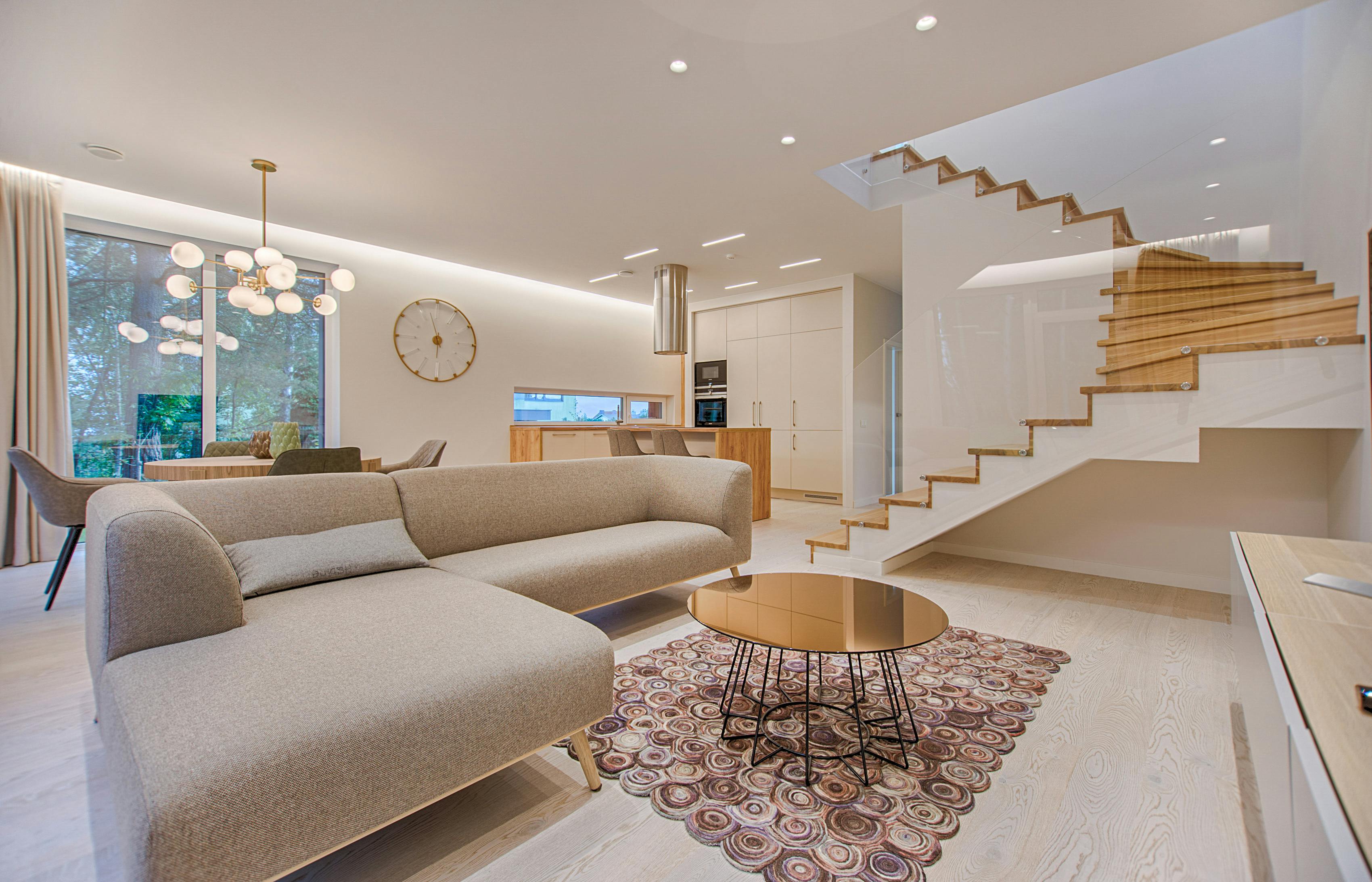
What Makes a Great Living Room Interior?
A successful living room balances comfort, proportion, circulation, storage, lighting and visual character. It should work for everyday family life while also creating a welcoming environment for guests.
The design should begin with the actual room rather than with individual furniture pieces. Door positions, windows, natural light, television location, seating requirements and movement paths all influence the final layout.
Interior A to Z’s current living-room approach similarly combines furniture planning, TV units, wall treatments, lighting, storage, colour and decorative details as one coordinated composition.
9 Essential Elements of Living Room Interior Design
Plan these elements together instead of designing each one separately. This creates a more cohesive and practical living room.
01. Space Planning
Plan seating, circulation, viewing zones, doors, windows and connections with adjoining spaces.
02. Sofa & Seating
Select seating according to room dimensions, family requirements, comfort and circulation.
03. TV Unit
Combine television placement, storage, display, concealed wiring and wall treatment.
04. Wall Design
Use paint, wood, veneer, fluted panels, mouldings, wallpaper or textured finishes selectively.
05. False Ceiling
Use ceiling design to integrate lighting and architectural details without making the room feel heavy.
06. Lighting
Combine ambient, accent and decorative lighting for different activities and evening moods.
07. Storage
Conceal everyday items through cabinets, consoles, shelving and integrated furniture.
08. Colour
Coordinate walls, furniture, curtains, flooring and accent colours into one balanced palette.
09. Styling
Complete the room with rugs, curtains, artwork, cushions, plants and carefully selected accessories.
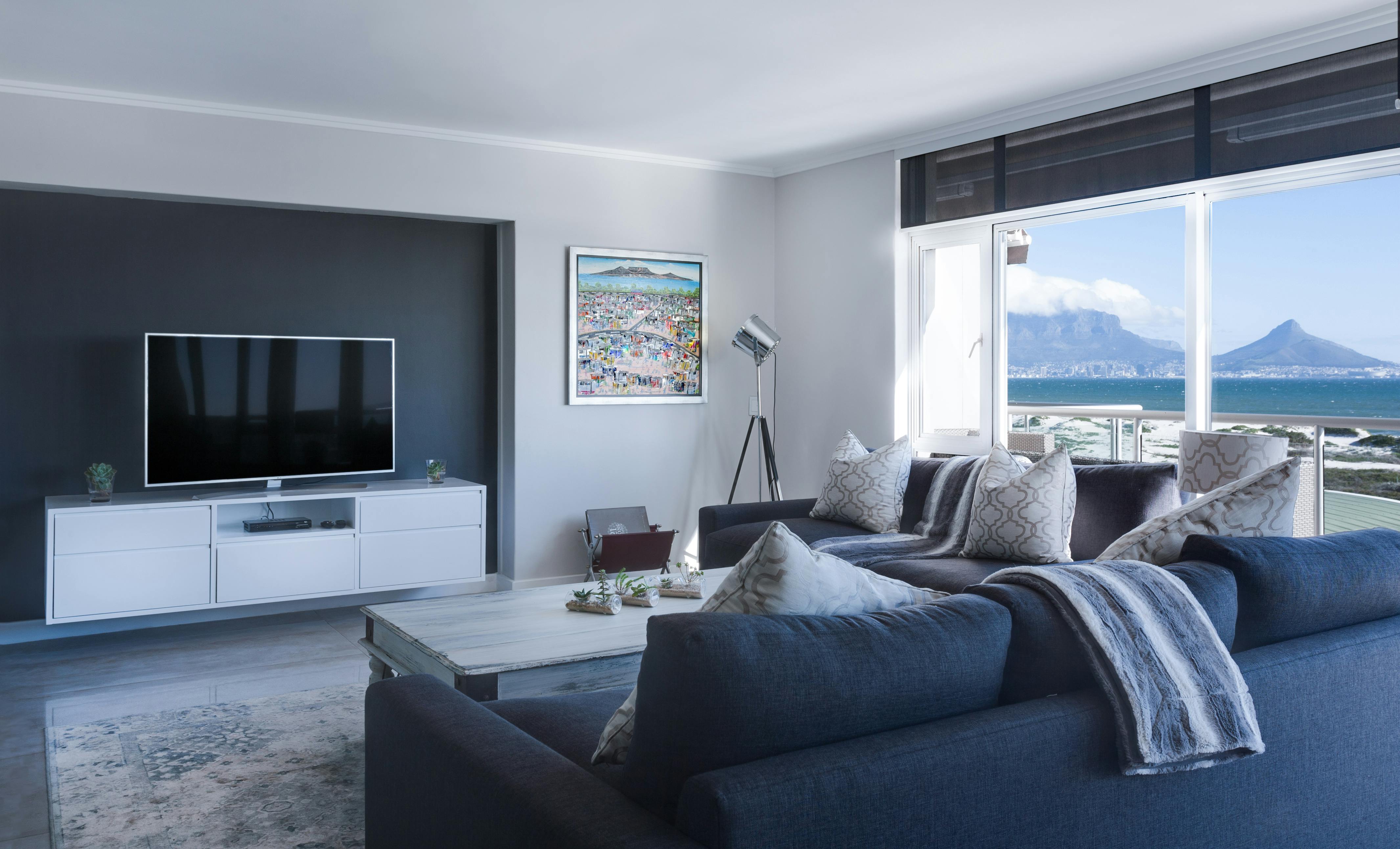
Start With the Layout, Not the Decoration
Furniture should be planned around how people move through and use the room. A beautiful sofa arrangement is not successful if it blocks doors, windows or the main circulation route.
- Keep clear movement routes between doors and seating.
- Position the TV according to viewing distance and glare.
- Choose sofa dimensions according to the room.
- Leave practical space around coffee tables.
- Consider windows and natural light before placing large furniture.
- Connect the living room naturally with dining and foyer areas.
21 Living Room Interior Design Ideas
Use these ideas according to your room size, architecture, lifestyle and preferred design style.
Neutral Colour Base
Start with white, beige, taupe, grey or another controlled base colour and add accents selectively.
Statement TV Wall
Create a focal wall using wood, panels, stone-look finishes, textured paint or a refined combination of materials.
Layered Lighting
Combine ceiling lights, wall lights, concealed LEDs and accent fixtures rather than using one bright light source.
Large Comfortable Sofa
Select seating that fits the room and supports everyday family use.
Custom Storage
Use built-in storage to keep books, electronics and everyday items organised.
Feature Wall
Give one wall a stronger treatment while keeping surrounding surfaces more restrained.
Large Area Rug
A properly sized rug can visually connect sofas, chairs and the coffee table.
Full-Height Curtains
Floor-to-ceiling curtains can visually increase perceived ceiling height and soften hard surfaces.
Indoor Plants
Greenery introduces natural texture and can soften contemporary interiors.
Accent Chair
Add one well-positioned chair to increase seating without overcrowding the room.
Floating TV Unit
Wall-mounted furniture can create a lighter visual appearance and make floor cleaning easier.
Wood & Neutral Combination
Natural wood adds warmth to beige, white or grey living rooms.
Decorative Wall Lighting
Wall lights can create depth and highlight selected architectural or decorative features.
Minimalist Styling
Use fewer but better-proportioned decorative objects to keep the room visually calm.
Display Shelves
Use selected shelves for books, artwork and meaningful objects instead of filling every surface.
Modern False Ceiling
Integrate lighting and ceiling details into the overall room composition.
Living-Dining Connection
Coordinate colours, materials and lighting so adjoining spaces feel like part of one home.
Mirror for Visual Depth
A correctly positioned mirror can reflect light and create additional visual depth.
Textured Wall Panels
Fluted, wooden or textured panels can create architectural character without excessive decoration.
Smart Concealed Wiring
Plan wiring during design so televisions, lights and devices do not leave visible cables.
Personal Artwork
Artwork and meaningful objects make the living room feel personal rather than showroom-like.
Modern Living Room TV Unit Ideas
The TV wall often becomes the main focal point of a living room. Instead of treating it as a separate piece of furniture, integrate the television with storage, lighting and the surrounding wall.
- Floating TV cabinets
- Full-height storage
- Wood or veneer panels
- Fluted wall details
- Open display niches
- Concealed wiring
- Integrated LED lighting
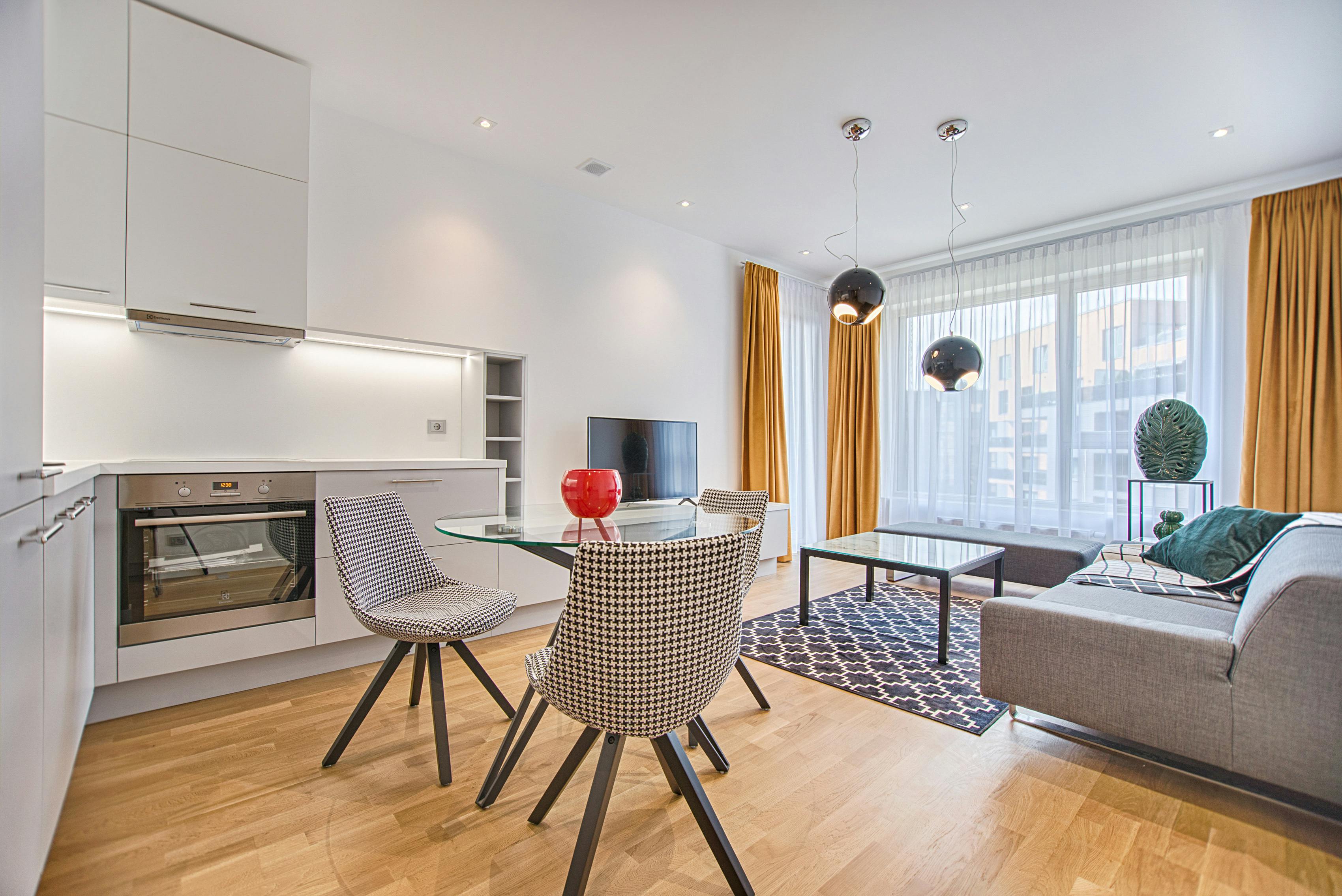
6 Living Room Interior Design Styles
The right style depends on your architecture, lifestyle, maintenance preferences and the atmosphere you want to create.
Modern
Clean geometry, practical furniture, restrained colours and integrated storage.
Contemporary
Layered textures, refined furniture, architectural lighting and current materials.
Minimalist
Fewer visual elements, simple forms, concealed storage and strong emphasis on proportion.
Luxury
Premium materials, custom furniture, detailed wall treatments and statement lighting.
Warm Neutral
Beige, wood, soft textiles and warm lighting for a relaxed everyday atmosphere.
Eclectic
Art, colour and individual pieces brought together through a controlled material palette.
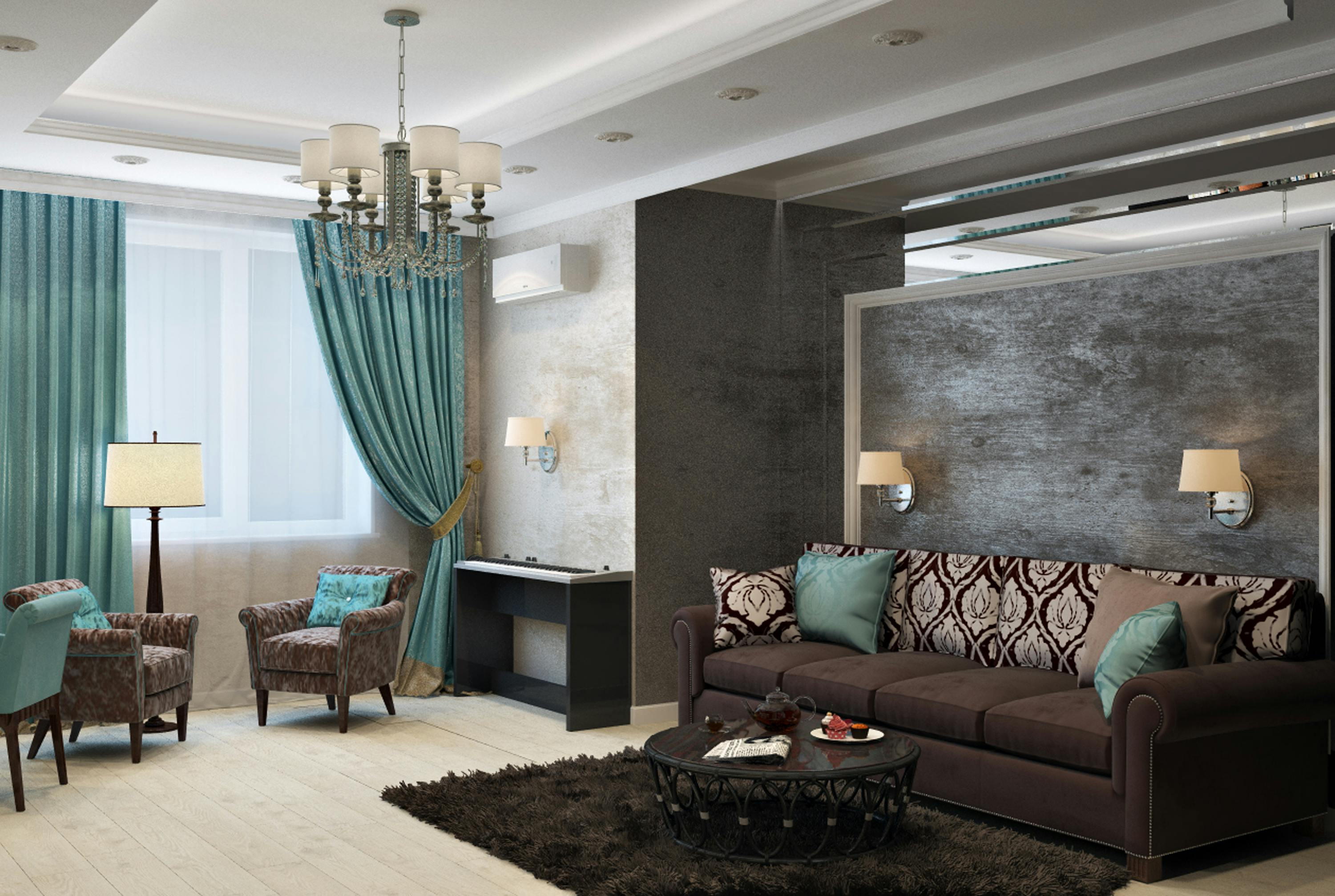
Small Living Room Interior Design Ideas
A small living room does not need to feel crowded. Good proportions, clear circulation and integrated storage can create a comfortable space even when the available floor area is limited.
- Choose sofas according to actual room dimensions.
- Use multifunctional storage furniture.
- Consider wall-mounted TV units.
- Keep the colour palette visually controlled.
- Use mirrors where they make sense.
- Avoid unnecessary furniture.
- Use layered lighting to create depth.
What Affects Living Room Interior Design Cost?
There is no single price for a living room because the scope can range from furniture and styling to a complete design and execution project.
Room Size
Larger rooms generally require more furniture, materials, lighting and installation.
Furniture
Sofa type, fabric, custom furniture, accent chairs, tables and consoles can significantly affect the project.
TV Unit
Size, storage, wall treatment, finishes, hardware and customization influence the scope.
Wall Treatments
Paint, wallpaper, veneer, wood, fluted panels and stone-look finishes have different costs.
Ceiling
False ceiling complexity, profiles and integrated lighting add design and execution requirements.
Lighting
Fixtures, LEDs, profiles, controls and electrical modifications contribute to the final scope.
For an accurate quotation, provide room measurements, photographs or a floor plan along with the required furniture, materials, lighting and execution scope.
Living Room Interior Design Process
A structured process helps control design decisions, materials, measurements and execution.
Consultation
Discuss your lifestyle, seating, TV, storage, preferred style and approximate budget.
Site Assessment
Review room dimensions, windows, doors, electrical points and existing conditions.
Design
Develop the furniture layout, materials, colours, lighting and feature elements.
Finalization
Confirm finishes, furniture, hardware, lighting and project scope before execution.
Execution
Coordinate fabrication, installation, finishing and final styling according to the approved scope.
Living Room Interior Design in Delhi, Gurgaon & Noida
Interior A to Z provides residential living room interior solutions across Delhi NCR, including New Delhi, Gurgaon and Noida. Designs can be adapted to apartments, builder floors, independent houses and villas.
Delhi
Living room planning for apartments, builder floors, independent homes and larger residences.
Delhi NCR Home Interiors →Gurgaon
Modern and luxury living rooms for Gurgaon apartments, villas and contemporary homes.
Gurgaon Interior Design →Noida
Functional living room interiors for apartments, builder floors and modern residential properties.
Noida Interior Design →Connect the Living Room With the Rest of Your Home
A living room should not feel visually disconnected from the kitchen, dining area, foyer or bedrooms. Repeating selected materials, colours, lighting details and furniture finishes can create a more cohesive interior throughout the home.
Home Interior Design
Coordinate the living room with bedrooms, kitchen, wardrobes, dining and other residential spaces.
Explore Home Interiors →Modular Kitchen
Connect kitchen finishes, lighting and materials with the adjoining living and dining spaces.
Explore Modular Kitchens →Turnkey Interiors
Coordinate design, materials, fabrication, installation and finishing for a broader residential project.
View Interior Services →Living Room Interior Design FAQs
What does living room interior design include?
It can include space planning, furniture placement, sofa selection, TV units, storage, wall treatments, false ceilings, lighting, colour coordination and decorative styling depending on the project scope.
How do I design a small living room?
Use proportionate furniture, maintain clear circulation, choose multifunctional storage, control the colour palette and use layered lighting. Wall-mounted furniture can also help preserve floor space.
What are popular living room interior styles?
Modern, contemporary, minimalist, luxury, warm neutral and curated eclectic designs are all suitable depending on the home and lifestyle.
How much does living room interior design cost?
Cost depends on room size, furniture, TV unit, storage, materials, wall treatments, ceiling design, lighting, customization and execution scope. A project-specific quotation requires measurements and a defined scope.
What should a living room TV unit include?
A TV unit can include the television position, concealed wiring, storage, display niches, cabinets, lighting and selected wall finishes.
Can you design a living room as part of a complete home?
Yes. The living room can be coordinated with the foyer, dining area, kitchen, bedrooms, wardrobes and other spaces so the home has a consistent design language.
Do you provide living room interior design in Gurgaon and Noida?
Interior A to Z provides residential interior design solutions across New Delhi, Gurgaon, Noida and Delhi NCR, depending on project location and scope.
Create a Living Room Designed Around Your Home
Share your room dimensions, photographs or floor plan, preferred design style and approximate budget. The living room can then be planned around your actual furniture, storage, lighting and everyday requirements.