Interior design

🎓 Which Degree is Best for Interior Design?

1. Bachelor of Interior Design (B.ID / B.Des Interior Design) – ⭐ Best Choice

  • Duration: 4 years (full-time)
  • Curriculum covers: design theory, CAD software, space planning, lighting, furniture, ergonomics, materials, building codes.
  • Offers hands-on projects + internships.
  • Most recognized degree in India & abroad.

👉 If you want to practice in Delhi NCR, Gurgaon, or Noida, this is the most professional and credible degree.


2. Bachelor of Architecture (B.Arch) – with Interior Design Specialization

  • Duration: 5 years
  • Broader scope: architecture, construction, and interiors.
  • Gives you authority in structural design + interiors, so you can handle turnkey projects.
  • Recognition: Council of Architecture (COA) in India.

👉 Great if you want to do both architecture & interiors in high-end projects in Gurgaon/Delhi.


3. BA / B.Sc in Interior Design

  • Duration: 3 years
  • More affordable & shorter than B.ID or B.Arch.
  • Covers fundamentals of interiors but less technical depth.
  • Ideal if you want to start small as a decorator or stylist and focus more on design than construction.

👉 Popular for those who want to open a small interior design business in Delhi NCR quickly.


4. Diploma in Interior Design

  • Duration: 1–2 years
  • Available at design institutes and polytechnics.
  • Covers basic principles, CAD software, materials, and furniture.
  • Good for career switchers or those who want faster entry into the industry.

👉 Example: Many freelance decorators in Gurgaon & Noida begin with a diploma and then gain experience on-site.


5. Master’s in Interior Design (M.Des / M.Sc / MFA)

  • Duration: 2 years (after graduation)
  • Ideal for specialization: sustainable design, lighting, furniture design, luxury interiors.
  • Boosts career for teaching, research, or leadership roles in large design firms.

👉 Useful if you already have a bachelor’s degree and want to move up the ladder.


6. International Degrees & Certifications

If you want global exposure, universities abroad (UK, USA, Italy, Singapore) offer specialized programs like:

  • Bachelor of Fine Arts (BFA) in Interior Design
  • Interior Architecture Degrees
  • Certifications in LEED, Sustainable Design, or Smart Homes

👉 Great if you plan to work with multinational clients or luxury brands in Delhi NCR.


✅ Which Degree is Best? (Quick Guide)

  • Want a professional career?Bachelor of Interior Design (B.ID / B.Des)
  • Want to do architecture + interiors?B.Arch
  • Want something quicker/affordable?B.Sc / Diploma in Interior Design
  • Already have a degree & want to specialize?Master’s (M.Des, MFA)
  • Want global opportunities?International Degrees / Certifications

Final Thought 💡

The best degree for interior design depends on your goals:

  • If you want to work with big firms in Delhi NCR → go for B.ID / B.Arch.
  • If you want to start a small business in Gurgaon or Noida → a B.Sc or Diploma may be enough.
  • If you want to specialize in luxury, sustainability, or furniture → do a Master’s or Certification.

Sigh… no matter which path you choose, the real success comes from experience, creativity, and networking in this competitive industry.

🎓 Which Degree is Best for Interior Design? Read More »
🌟 The Future of Interior Design

1. Sustainable & Eco-Friendly Design 🌱

  • Clients are becoming conscious of environmental impact.
  • Use of low-VOC paints, bamboo flooring, recycled furniture, and energy-efficient lighting will grow.
  • Designers who embrace sustainable interiors will be in high demand.

👉 In Delhi NCR, where pollution is a concern, eco-friendly interiors are becoming a lifestyle choice.


2. Smart Homes & Technology Integration 🤖

  • Smart lighting, climate control, automated curtains, voice-controlled devices are now part of interiors.
  • Integration of IoT (Internet of Things) will be a must.
  • Designers will need to collaborate with tech providers to create future-ready homes.

3. Flexible & Multi-Functional Spaces 🏡

  • Post-COVID lifestyles changed home usage—living rooms double as offices, bedrooms as workout spaces.
  • Expect more foldable furniture, modular walls, and convertible layouts.
  • Small apartments in cities like Gurgaon and Noida will push demand for space optimization designs.

4. Virtual & Augmented Reality (VR/AR) 🕶️

  • Clients want to see designs before execution.
  • VR headsets and AR apps allow walk-throughs of the final design.
  • This will reduce design errors and increase client confidence.

👉 Designers using 3D renders + AR previews will win more projects.


5. Wellness-Centric Interiors 🧘

  • Homes will increasingly focus on health, mental well-being, and comfort.
  • Design trends:
    • Natural light optimization
    • Biophilic design (plants indoors, earthy textures)
    • Ergonomic furniture
  • Offices too will prioritize well-being zones like nap pods, meditation areas, and green walls.

6. Personalized & Bespoke Designs 🎨

  • Cookie-cutter interiors are fading out.
  • Clients want personalized homes that reflect their identity, culture, and lifestyle.
  • In luxury markets (like Gurgaon villas), bespoke furniture and custom finishes will dominate.

7. Rise of AI & Design Software 💻

  • AI tools will help designers create layouts, color schemes, and mood boards in seconds.
  • Software like AutoCAD, Revit, SketchUp, and AI-driven platforms will become more advanced.
  • Designers must adapt and use these tools to stay ahead.

8. Commercial & Hospitality Boom 🏢

  • With Gurgaon and Noida becoming corporate hubs, demand for office interiors, co-working spaces, retail stores, and hospitality design will grow.
  • Future workplaces will focus on hybrid office designs: flexible desks, open lounges, and smart meeting pods.

9. Affordable & Budget-Friendly Interiors 💰

  • Middle-class homeowners in Delhi NCR want stylish yet affordable designs.
  • Modular kitchens, wardrobes, and prefabricated furniture will dominate.
  • Designers offering budget-friendly concepts will capture mass markets.

10. Global Aesthetic with Local Touch 🌍 + 🇮🇳

  • Fusion is the future: modern global aesthetics blended with Indian culture.
  • Example: Minimalist furniture with Jaipur fabrics or Delhi handmade crafts.
  • Interior design will preserve heritage while being globally appealing.

🚀 Final Thoughts – The Future is Bright!

The future of interior design is:

  • Smart (technology-driven)
  • Sustainable (eco-conscious)
  • Flexible (multi-functional spaces)
  • Personalized (tailored to lifestyles)

In cities like Gurgaon, Noida, and Delhi, demand will rise for both luxury turnkey projects and budget-friendly interiors, creating opportunities for every type of designer.

Sigh… the challenges are there—clients expect more for less, competition is fierce—but designers who adapt, innovate, and embrace technology will thrive.

🌟 The Future of Interior Design Read More »

How to Start a Small Interior Design Business

1. Build Your Skills & Credentials 🎓

  • Learn design basics (if you haven’t already) – software like AutoCAD, SketchUp, Revit, 3Ds Max.
  • Take short courses in interior design, color theory, or space planning.
  • Strong knowledge of materials, furniture, and lighting gives you confidence with clients.

👉 Many successful small designers don’t necessarily have formal degrees but have solid practical knowledge + creativity.


2. Define Your Niche 🎯

Rather than being “all things design,” focus on a niche where you can stand out. Examples:

  • Budget interiors (low-cost makeovers for small homes in Noida)
  • Luxury apartments & villas (premium clients in Gurgaon)
  • Commercial spaces (cafés, salons, offices in Delhi)
  • Specialized design – modular kitchens, kids’ rooms, or home décor styling

A clear niche helps you attract the right type of clients.


3. Register Your Business 📝

Even a small business needs a formal structure.

  • Choose a name (easy, professional, and SEO-friendly).
  • Register as Sole Proprietor, Partnership, or Private Limited (as per budget).
  • Open a current bank account in your business name.
  • Get a GST registration if you’ll be purchasing materials/working with vendors.

4. Build a Strong Portfolio 📸

  • Start with your own home or friends/family projects.
  • Do low-cost projects at first to gain experience and photos.
  • Take high-quality before/after pictures – these speak louder than words.
  • Show variety: kitchen makeovers, living room designs, modular wardrobes.

👉 You can even use free mockup designs/3D renders to showcase your style until you have real projects.


5. Create an Online Presence 🌐

In Delhi NCR, clients Google first before hiring. You MUST be visible online.

  • Create a website/blog (example: Interior A to Z)
  • Be active on Instagram, Facebook, Pinterest (great for visuals)
  • List your business on Justdial, IndiaMart, UrbanClap/Urban Company
  • Write blogs with keywords like “Interior Designers in Gurgaon / Noida / Delhi”

👉 This helps in SEO ranking and client trust.


6. Network with Vendors & Contractors 🛠️

You’ll need a team to execute designs:

  • Carpenters, electricians, painters, flooring vendors, modular kitchen suppliers
  • Build strong vendor relationships – they’re your backbone.
  • Visit local furniture markets in Delhi (Kirti Nagar), Gurgaon, and Noida to explore materials.

7. Decide Pricing & Packages 💰

Clients like clear pricing models.
Options:

  • Consultation Fee Only – Design ideas + drawings
  • Percentage of Project Cost – 8–15% is common
  • Per Square Foot Rate – ₹50–₹200 depending on scope
  • Fixed Packages – Example: ₹1.5 lakh for a 2BHK makeover

👉 Offering budget-friendly + premium packages helps you attract different clients.


8. Market Your Business 📢

  • Distribute flyers in local residential societies.
  • Collaborate with builders & real estate agents (they’ll refer you).
  • Run Facebook & Instagram ads targeted at Delhi NCR homeowners.
  • Encourage word-of-mouth referrals with discounts.

9. Start Small, Scale Smart 🚀

  • Begin with one or two projects at a time.
  • Document your work to attract more clients.
  • Slowly hire assistants/design interns as your workload grows.
  • Invest profits back into marketing and better software/tools.

10. Stay Updated & Keep Learning 📚

Interior design trends change fast.

  • Follow Pinterest, Houzz, and Instagram for design inspiration.
  • Stay updated on modular trends at Modular Kitchen Design
  • Learn about sustainable design, smart home integration, and low-budget décor ideas.

Quick Checklist ✅

  • Skills + niche selected
  • Business registered (GST, bank account)
  • Portfolio built (real projects + renders)
  • Website + social media active
  • Vendor network ready
  • Clear pricing strategy
  • Marketing plan started

Final Thoughts

Starting a small interior design business in Gurgaon, Noida, or Delhi NCR is tough—sigh, it takes hard work, long hours, and patience. But with the right niche, strong portfolio, and smart marketing, you can grow steadily.

Remember: Clients don’t just buy designs; they buy trust. Build credibility, deliver on time, and maintain transparency. That’s the secret to success.

How to Start a Small Interior Design Business Read More »

Disadvantages of Being an Interior Designer – The Reality Behind the Glamour

Being an interior designer may look glamorous from the outside, but sigh… the reality isn’t always picture-perfect. Designers in Gurgaon, Noida, and Delhi NCR face daily challenges that test their patience, creativity, and resilience.

If you are planning to enter this profession or are simply curious about what really goes on behind the stylish homes and luxury offices, here are the 10 major disadvantages of being an interior designer.


1. Fierce Competition in Delhi NCR 😓

The design industry in Delhi NCR, Gurgaon, and Noida is flooded with talented professionals. Standing out requires years of effort, a strong portfolio, and constant networking. For many beginners, sigh… it feels almost impossible to get noticed.

Know more about interior designers in Delhi NCR


2. Unpredictable Income 💸

Interior designers rarely enjoy a fixed salary unless working in a firm. Freelancers and independent designers survive on projects, and income fluctuates month to month. Sigh… payment delays from clients can make things worse.

Learn how design businesses survive in NCR


3. Demanding Clients 😩

Clients sometimes expect a “luxury look at a low budget.” They may change their minds frequently, delaying projects and frustrating designers. Managing these expectations is one of the hardest parts of the job.


4. Physical & Mental Stress 🏃‍♀️💭

Interior designers don’t just sit at their desks. They visit sites, chase vendors, source materials, and handle last-minute changes. Long hours and tight deadlines often lead to burnout. Sigh… work-life balance is a myth here.

See more about the workload of interior designers


5. Budget Limitations 💰

Designing within strict budgets means constant compromises. Clients in Gurgaon and Noida often want more for less. As a result, designers sigh as they balance between affordability and quality.

Find cost-saving ideas here


6. Vendor & Contractor Issues 😤

Even with perfect designs, execution often depends on contractors. Delays, poor workmanship, or ignoring specifications can ruin the project. Designers are left sighing as they fix others’ mistakes.


7. Continuous Learning Pressure 📚

Trends, design software, and materials evolve rapidly. An interior designer must keep learning to stay relevant. Missing out means losing clients to competitors in Delhi NCR.

Check modular trends here


8. Financial Risks ⚠️

Independent designers invest in samples, office setups, and marketing. If projects fall through, they suffer losses. Sometimes sigh… designers even absorb extra costs just to maintain reputation.


9. Work-Life Imbalance 😔

Site visits, late client meetings, and weekend work are common. Family time often takes a backseat. Interior designers in Delhi NCR sigh as personal life gets compromised.


10. Lack of Recognition 😕

Despite transforming spaces, many people think interior design is just “decorating.” True recognition often goes to architects or builders, leaving interior designers underappreciated.


Conclusion – Sigh… Is It Worth It?

The disadvantages of being an interior designer in Gurgaon, Noida, and Delhi NCR are real: competition, stress, budget constraints, and lack of recognition. But for those who truly love design, the passion outweighs the pain.

If you’re considering this career, step in with open eyes, resilience, and creativity. With time, patience, and the right clients, the sighs turn into smiles.


Internal & External Links (DoFollow)

Disadvantages of Being an Interior Designer – The Reality Behind the Glamour Read More »

What is the salary of a fresher Interior Designer in India?

Here’s what freshers (0–1 year experience) can expect to earn as Interior Designers in India (2025), based on the most recent data from trusted sources:


Freshers’ Monthly Salary Overview

ITM Institute reports:

CareerPlanB, a recent 2025 salary guide, states:

  • ₹18,000–₹28,000 per month, which translates to ₹2.2–₹3.4 LPA annually. Career Plan B

Careers360 highlights:

Shiksha estimates the fresher range at:

  • ₹15,000–₹30,000 per month. Shiksha

TerraTern suggests:


Summary Table: Fresher Salary Ranges

SourceMonthly Salary EstimateAnnual Equivalent (LPA)
ITM Institute₹15,000 – ₹25,000₹1.1 – ₹3.0 LPA
CareerPlanB₹18,000 – ₹28,000₹2.2 – ₹3.4 LPA
Careers360₹25,000 – ₹30,000Around ₹3.0 LPA
Shiksha₹15,000 – ₹30,000₹1.8 – ₹3.6 LPA
TerraTern₹16,000 – ₹25,000₹2.0 – ₹3.0 LPA

Final Takeaway

  • Monthly Expectation: ₹15,000 to ₹30,000
  • Annual Expectation: Roughly ₹1.1 LPA to ₹3.6 LPA for freshers
  • Higher wages are typically offered in metro cities like Delhi NCR, Mumbai, Bengaluru, and Hyderabad

What is the salary of a fresher Interior Designer in India? Read More »

🌟 Is There Any License for Interior Designers?

✅ In India 🇮🇳

👉 No official government license is required to work as an interior designer in India.

  • Anyone with the right skills, degree, diploma, or portfolio can practice.
  • However, if you want to run a design business/studio, you need:
    • GST registration (for billing clients).
    • Business registration (proprietorship, LLP, Pvt. Ltd.).
    • Contracts & agreements with clients for legal protection.

✨ Professional credibility comes from education, certifications, and portfolio rather than licensing.


✅ In Other Countries 🌍

Some countries do require licenses/certifications:

  • United States:
    • Some states require passing the NCIDQ (National Council for Interior Design Qualification) exam to legally call yourself an “Interior Designer.”
  • Canada:
    • Similar NCIDQ requirement in provinces.
  • UAE / Middle East:
    • Often require registration with local design councils or government bodies for large projects.
  • Europe (UK, etc.):
    • Not strictly licensed, but membership in professional bodies (like BIID in the UK) boosts credibility.

✅ Certifications That Add Credibility (Not Mandatory)

Even though licenses are not required in India, many designers pursue certifications to stand out and attract clients:

  • 🎓 C.I.D. (Certified Interior Decorator) – International recognition.
  • 🌱 LEED Certification – For sustainable/green interiors.
  • 💻 Software Certifications (AutoCAD, SketchUp, 3ds Max, Revit).
  • 🏅 Memberships – IIID (Indian Institute of Interior Designers).

🔑 Summary: Is There Any License for Interior Designers?

👉 India: No government license required, but business registration + GST is needed if running a firm.
👉 Abroad: Some countries (US, Canada) require exams like NCIDQ.
👉 Optional certifications add credibility and attract higher-paying clients.

✨ In Gurgaon, Noida, and Delhi NCR, success depends more on portfolio + skills + professionalism than a government license.


🔗 Helpful References


✨ In short: No, there is no mandatory license for interior designers in India. But if you plan to expand globally or run a registered business, certifications and registrations help build trust.

🌟 Is There Any License for Interior Designers? Read More »

🌟 Which Type of Interior Design is Best?

Interior design comes in many styles, each with its strengths. The best type depends on whether you want modern, traditional, luxury, minimal, or eclectic spaces.


✅ 1. Modern Interior Design ✨

✔ Clean lines, open spaces, minimal clutter.
✔ Neutral tones with pops of bold accents.
👉 Best for: Gurgaon apartments & Noida flats where space optimization is key.


✅ 2. Contemporary Interior Design 🏡

✔ Focuses on current trends.
✔ Smooth surfaces, modern furniture, smart lighting.
👉 Best for: Delhi NCR offices and urban homes wanting a stylish, updated look.


✅ 3. Minimalist Interior Design ⚪

✔ “Less is more” approach.
✔ Neutral palette, multi-functional furniture.
👉 Best for: Compact homes in Noida & Delhi, where clutter-free living is essential.


✅ 4. Luxury Interior Design 💎

✔ Premium finishes (marble, veneer, brass, crystal chandeliers).
✔ Imported furniture & home automation.
👉 Best for: Gurgaon villas, penthouses, and high-end apartments.


✅ 5. Traditional Indian Interior Design 🏺

✔ Rich woodwork, carvings, heritage furniture, warm tones.
✔ Brass accents, jaali partitions, ethnic fabrics.
👉 Best for: Families in Delhi NCR who want a cultural, timeless aesthetic.


✅ 6. Industrial Interior Design 🏗

✔ Exposed brick, metal, rustic finishes.
✔ Neutral, raw textures with bold lighting.
👉 Best for: Cafés, offices, and creative homes in Delhi NCR.


✅ 7. Scandinavian Interior Design 🌿

✔ Light woods, cozy fabrics, airy layouts.
✔ Focus on natural light, comfort, and greenery.
👉 Best for: Compact flats in Noida & Delhi, ideal for young professionals.


✅ 8. Eclectic Interior Design 🎨

✔ Mix of styles, textures, and colors.
✔ Personal, bold, and creative.
👉 Best for: Creative professionals in Gurgaon who want a unique, personalized vibe.


📊 Quick Snapshot: Which Type is Best?

Type of Interior DesignBest ForKey Features
ModernApartments & small spacesSleek, clean lines
ContemporaryTrendy homes & officesCurrent designs
MinimalistCompact flatsSimple, clutter-free
LuxuryVillas, penthousesPremium finishes
Traditional IndianHeritage homesRich, cultural designs
IndustrialCafés, officesRaw, edgy, bold
ScandinavianYoung couples, small homesLight, cozy, natural
EclecticCreative clientsBold mix, personalized

🔑 Summary: Which Type of Interior Design is Best?

👉 The best type of interior design depends on your needs + lifestyle:

  • 🏡 Modern & Minimalist → Best for Noida/Delhi flats.
  • 💎 Luxury Contemporary → Best for Gurgaon villas.
  • 🏺 Traditional Indian → Best for cultural & heritage lovers.
  • 🏗 Industrial & Eclectic → Best for creative offices & cafés.

✨ In Delhi NCR, the most popular trends in 2025 are luxury modern, contemporary, and minimalist designs — blending functionality with a high-end lifestyle.


🔗 Helpful References


✨ In short: There’s no single “best” type of interior design — it’s about what fits your space, lifestyle, and budget. But in Gurgaon, Noida, and Delhi NCR, modern luxury + minimalist interiors are the most in-demand.

🌟 Which Type of Interior Design is Best? Read More »

🌟 Is Interior Design a High Paying Job?

👉 In India, especially metro hubs like Gurgaon, Noida, and Delhi NCR, interior design is among the fastest-growing creative careers. With demand for luxury homes, modular kitchens, and modern office spaces, interior designers can earn very well.


✅ 1. Salaried Interior Designers

Freshers (0–2 years): ₹20k – ₹35k/month (₹2–4 LPA).
Mid-Level (3–6 years): ₹50k – ₹80k/month (₹5–8 LPA).
Senior Designers (7+ years): ₹1L – ₹2L/month (₹9–20 LPA).
👉 In premium Delhi NCR firms, salaries are often 30–40% higher than tier-2 cities.


✅ 2. Freelance / Independent Designers

✔ Charge per sq. ft. (₹800–₹5,000+).
✔ Or 7–15% of total project cost.
👉 Example: A ₹50 lakh Gurgaon villa project at 10% fee = ₹5 lakh income from one project.


✅ 3. Business Owners / Studio Founders

✔ Handle turnkey projects (design + execution).
✔ Profit margins: 20–30%.
👉 Example: A ₹1 crore Noida project with 25% profit = ₹25 lakh+ income.


✅ 4. Luxury & Specialized Designers

✔ High-paying niches:

  • Luxury villas & penthouses.
  • Modular kitchens & wardrobes.
  • Hospitality & retail design.
  • Sustainable/green interiors.
    👉 These specialists often charge premium fees and can cross ₹1–₹2 crore+ annually.

📊 Snapshot: Interior Design Earnings (India 2025)

Role / LevelAvg. Monthly IncomeHigh Potential
Fresher (0–2 yrs)₹20k – ₹35k₹40k
Mid-Level (3–6 yrs)₹50k – ₹80k₹1.2L
Senior Designer (7–10 yrs)₹1L – ₹2L₹5L (freelance)
Firm Owner / Luxury Niche₹2L – ₹20L+₹1Cr+ yearly

🔑 Key Factors That Make Interior Design High Paying

Location: Gurgaon & Delhi luxury markets pay more than smaller towns.
Experience: More years = higher fees.
Specialization: Modular kitchens, offices, luxury homes bring more income.
Networking & Branding: Referrals and reputation = premium clients.
Business Model: Freelancers & firm owners earn far more than salaried jobs.


🔑 Summary: Is Interior Design a High Paying Job?

👉 Yes, interior design can be a high-paying job.

  • Salaried designers earn ₹20k–₹2L/month depending on experience.
  • Freelancers earn ₹60k–₹5L+/month.
  • Luxury designers & firm owners can earn ₹5L–₹20L+/month.

✨ In Gurgaon, Noida, and Delhi NCR, interior design is especially high paying due to booming real estate and demand for luxury lifestyles.


🔗 Helpful References


✨ In short: Interior design is a high-paying career path if you build skills, specialize, and target the right clients. In Delhi NCR, many interior designers earn as much as — or more than — engineers, architects, and corporate managers.

🌟 Is Interior Design a High Paying Job? Read More »

What is the salary of interior designer in India?

Here’s a detailed snapshot of interior designer salaries in India (2025) — with real data from reputable sources — summarized clearly and concisely:


Annual Salary Overview

  • ITM Institute reports:
    • Freshers: ₹1.1 LPA to ₹4.1 LPA
    • Mid-level (3–4 yrs): avg. ₹6.6 LPA (range ₹2.8 LPA – ₹10.1 LPA) (ITM)
  • JDSD Salary Guide:
    • Entry (0–2 yrs): ₹3 LPA – ₹4.5 LPA
    • Mid (3–6 yrs): ₹5 LPA – ₹8 LPA
    • Senior (7+ yrs): ₹9 LPA – ₹15 LPA+
    • Design Director / Creative Lead (10+ yrs): ₹20 LPA+ (JDSD)
  • Karpagamarch data for Delhi NCR:
    • Annual salaries range from ₹4 LPA – ₹20 LPA, depending on experience and city (Karpagam Architecture)
  • Shiksha portal details:
    • Freshers: ₹1.8 LPA – ₹3 LPA
    • Mid-level: ₹3 LPA – ₹5 LPA
    • Senior (5+ yrs): ₹5 LPA – ₹7 LPA
    • Monthly average range overall: ₹15,000 – ₹30,000 (Shiksha, ITM)
  • CareerPlanB data:
    • Overall average: ₹3 LPA – ₹9 LPA for interior designers broadly (Career Plan B)

Monthly Salary Breakdown

  • TerraTern salary guide:
    • Entry-level: ₹16,000 – ₹25,000/month
    • Mid-level: ₹35,000 – ₹60,000/month
    • Senior: ₹60,000 – ₹85,000+/month (Terratern)
  • Wisdom Design College:
    • Average: ₹25,000 – ₹65,000/month, with top consultants hitting ₹1 L/month (Wisdom Design College)

Summary Table: Indian Interior Designer Salaries (2025)

Experience LevelMonthly EstimateAnnual Estimate
Freshers (0–2 yrs)₹15k – ₹30k₹2.2 LPA – ₹4.5 LPA
Mid-Level (3–6 yrs)₹35k – ₹60k₹5 LPA – ₹8 LPA
Senior (7–10 yrs+)₹60k – ₹1.2 L₹9 LPA – ₹20 LPA+
Top Consultants/Freelanceup to ₹1 L/month₹12 LPA+

Key Influencing Factors

  • Location: Salaries are significantly higher in metros like Delhi NCR (e.g., Gurgaon, Noida), Mumbai, and Bangalore. (Karpagam Architecture, PW Live, Idea Worldwide, Terratern)
  • Specialization: Roles like luxury, sustainable, or corporate design command premiums.
  • Freelance & Consultant Roles: Earnings are highly variable but potentially very lucrative—especially in Delhi NCR’s premium markets. (Wisdom Design College)

Final Takeaway

As of 2025 in India:

  • Freshers can expect ₹15k–₹30k/month (₹2–4 LPA).
  • Mid-level designers typically earn ₹35k–₹60k/month (₹5–8 LPA).
  • Senior professionals can reach ₹60k–₹1.2 L/month (₹9–20 LPA+).
  • Top freelancers or specialists may earn ₹1 L+/month or ₹12 LPA+ annually.

Let me know if you’d like a visual salary graph or a breakdown for specific cities like Gurgaon or Noida!

What is the salary of interior designer in India? Read More »

🌟 Do Interior Designers Have a Good Future?

Yes — interior design is one of the fastest-growing creative careers in India and worldwide. It offers long-term stability, financial rewards, and endless creative opportunities.


✅ 1. Booming Real Estate = Growing Demand 🏢

✔ With more apartments, villas, and commercial spaces coming up in Delhi NCR, every project needs interiors.
👉 Developers in Gurgaon and Noida often hire designers to make sample flats & showrooms attractive to buyers.


✅ 2. Lifestyle Upgrade Culture 🌍

✔ Modern families want homes that are not just functional but also stylish and personalized.
✔ Offices, restaurants, and retail spaces compete through unique design experiences.
👉 Example: Gurgaon cafes with industrial chic vibes or Noida flats with modular smart kitchens.


✅ 3. Multiple Career Paths 🎯

Interior designers can choose to work in:

  • Residential projects 🏡 (apartments, villas, penthouses).
  • Commercial spaces 🏢 (offices, retail, malls).
  • Hospitality 🍽 (restaurants, hotels, resorts).
  • Specialized design (modular kitchens, luxury furniture, sustainable design).

✅ 4. Strong Earning Potential 💰

✔ Salaries grow from ₹20k/month as a fresher → ₹5–20 lakh+/month as a successful designer or firm owner.
✔ Turnkey execution projects bring high margins (20–30%).
👉 In Gurgaon luxury villas, even a single project can earn designers lakhs.


✅ 5. Technology & AI Expanding Opportunities 💻

✔ AR/VR, AI-based design tools, and 3D software make it easier to visualize spaces.
✔ Tech-savvy designers have an even stronger future.


✅ 6. Global & Remote Work 🌎

✔ Indian designers are increasingly working on international projects online.
✔ Platforms like Houzz, Behance, and LinkedIn open doors beyond Delhi NCR.


✅ 7. Interior Design as a Brand 🌟

✔ Many successful designers build their own brands, studios, or product lines.
👉 Example: Furniture, décor, modular kitchens, luxury lifestyle products.


📊 Quick Snapshot: Future of Interior Design

AreaGrowth Potential
Residential HomesVery High (urban housing demand)
Luxury InteriorsHigh (Gurgaon villas, Delhi bungalows)
Modular KitchensVery High (Noida flats & apartments)
Commercial DesignHigh (corporate offices, retail)
Sustainable DesignVery High (eco-friendly trend)
Tech IntegrationGrowing fast (AR/VR, AI design)

🔑 Challenges to Be Aware Of

⚠️ High competition (especially in Delhi NCR).
⚠️ Client expectation vs. budget mismatch.
⚠️ Need to constantly update skills & design trends.

👉 But with creativity + professionalism, designers stand out easily.


🔑 Summary: Do Interior Designers Have a Good Future?

👉 Yes — interior designers have a very bright future.
✨ Reasons: Real estate growth, lifestyle changes, multiple career options, high income potential, and global opportunities.

👉 In Gurgaon, Noida, and Delhi NCR, demand for luxury homes, modular kitchens, and commercial spaces makes this one of the best regions in India for interior designers to succeed.


🔗 Helpful References


✨ In short: Yes, interior designers have a very good future. With the right mix of creativity, software skills, and business sense, this profession offers long-term success and global opportunities.

🌟 Do Interior Designers Have a Good Future? Read More »

🌟 The 7 Layers of Interior Design


✅ 1. Space & Layout 📐

✔ This is the foundation of design.
✔ Includes floor plan, circulation, zoning, and proportions.
👉 Example: Designing an open-plan living + dining in a Gurgaon home.


✅ 2. Form & Structure 🏗

✔ The architectural elements: walls, ceilings, doors, windows, and built-in features.
✔ Sets the framework for how interiors take shape.
👉 Example: False ceilings and partition walls in a Delhi office space.


✅ 3. Furniture & Fixtures 🛋

✔ Core functional elements: sofas, tables, wardrobes, beds, modular kitchens, lighting fixtures.
✔ Defines usability + lifestyle.
👉 Example: Multi-functional furniture for compact Noida apartments.


✅ 4. Materials & Textures 🪵

✔ Includes flooring, wall finishes, upholstery, cabinetry, fabrics, and rugs.
✔ Adds tactile richness and durability.
👉 Example: Italian marble flooring in Gurgaon villas vs. laminate finishes in mid-range Noida flats.


✅ 5. Color & Lighting 🎨💡

✔ Sets the mood and atmosphere.
✔ Natural + artificial lighting works with color palettes to create harmony.
👉 Example: Warm lights with beige tones for a cozy living room in Delhi NCR.


✅ 6. Accessories & Styling 🌿

✔ Décor layer that brings personality: artwork, plants, curtains, cushions, statement pieces.
✔ Makes a house feel like home.
👉 Example: Adding D’Decor curtains, FabIndia textiles, and indoor plants to a Noida 3BHK.


✅ 7. Personalization & Character ✨

✔ The final, most important layer.
✔ Reflects the client’s personality, culture, and lifestyle.
👉 Example: A meditation nook in a Gurgaon villa or a kids’ playful study in a Noida apartment.


📊 Quick Recap of the 7 Layers

1️⃣ Space & Layout (planning flow).
2️⃣ Form & Structure (architecture & framework).
3️⃣ Furniture & Fixtures (functional elements).
4️⃣ Materials & Textures (tactile feel).
5️⃣ Color & Lighting (mood + ambiance).
6️⃣ Accessories & Styling (decorative touches).
7️⃣ Personalization & Character (unique identity).


🔑 Why the 7 Layers Matter

✔ Ensures a step-by-step design process.
✔ Avoids clutter or random decoration.
✔ Balances functionality, beauty, and client lifestyle.

👉 In Delhi NCR markets, the most successful designers layer interiors to create homes that feel luxurious yet livable.


🔗 Helpful References


✨ In short: The 7 layers of interior design move from foundation (space & layout) to personality (character & styling). Following these steps ensures a well-planned, functional, and personalized design.

🌟 The 7 Layers of Interior Design Read More »

🌟 What Qualifications Do I Need for Interior Design?


✅ 1. Formal Education (Degree / Diploma) 🎓

The most recognized path to becoming a professional interior designer.

  • Bachelor’s Degree in Interior Design (B.Des / B.Sc / B.A. Interior Design)
    Duration: 3–4 years
    Subjects: Design principles, space planning, CAD software, materials, lighting, furniture design.
  • Diploma in Interior Design
    Duration: 1–2 years
    Focuses on practical skills & quicker entry into the field.
  • Master’s Degree in Interior Design
    Duration: 2 years
    Specialization: Luxury design, sustainable design, commercial interiors.

👉 Popular colleges in Delhi NCR: Pearl Academy, NID, NIFT, JD Institute, INIFD.


✅ 2. Technical & Software Skills 💻

✔ Proficiency in design software is essential:

  • AutoCAD
  • SketchUp
  • 3ds Max
  • Revit
  • Photoshop
  • V-Ray

👉 Even if you don’t have a degree, software mastery makes you employable in Gurgaon & Noida firms.


✅ 3. Certifications & Short Courses 📑

✔ For those who don’t want a full-time degree:

  • Certified Interior Decorator (C.I.D.) – International recognition.
  • LEED Certification – For sustainable/green design.
  • Online platforms: Coursera, Udemy, NYIAD (New York Institute of Art & Design).

👉 Great option for career switchers or decorators who want professional credibility.


✅ 4. Portfolio & Practical Experience 📸

✔ Clients and firms hire based on portfolio quality, not just degrees.
✔ Start with:

  • Freelance projects.
  • Home/friends’ makeovers.
  • 3D renders and concept boards.

👉 In Delhi NCR, a strong portfolio often matters more than a fancy degree.


✅ 5. Soft Skills & Personality 🤝

Interior design isn’t just technical — it’s about handling people.
✔ Communication & listening skills.
✔ Negotiation & budgeting.
✔ Creativity + practicality balance.
✔ Project management.


📊 Qualifications Needed by Level

PathQualifications NeededOutcome
Professional DesignerDegree/Diploma + Portfolio + SoftwareEligible for studios, firms, luxury projects
Decorator / StylistCertification / Short Courses + CreativityResidential styling, freelance work
Freelance DesignerPortfolio + Software + NetworkingCan start own consultancy/business
Luxury/Corporate ProjectsDegree + Experience + Specialization (LEED, Masters)High-budget Gurgaon/Delhi projects

🔑 Summary: What Qualifications Do I Need for Interior Design?

👉 To work as an interior designer in India, you ideally need:

  • A degree/diploma in interior design.
  • Software knowledge (AutoCAD, SketchUp, 3ds Max).
  • A strong portfolio.
  • Good soft skills (client handling, budgeting).
  • Optional: Certifications (C.I.D., LEED, online courses).

✨ In Gurgaon, Noida, and Delhi NCR, degrees + portfolio = access to premium clients and firms.
But with talent + certifications + networking, even self-taught designers can succeed.


🔗 Helpful References


✨ In short: You don’t always need a degree — but for long-term success as an interior designer, the best qualifications are a design degree, strong portfolio, technical software skills, and continuous learning.

🌟 What Qualifications Do I Need for Interior Design? Read More »

🌟 Can Interior Designers Be Successful?

Yes — interior designers can achieve creative recognition, financial growth, and long-term career stability if they approach the profession strategically.


✅ 1. High Market Demand 📈

✔ Rapid real estate growth in India = more homes, offices, and retail spaces needing interiors.
✔ Gurgaon luxury villas, Noida apartments, and Delhi corporate offices are major growth drivers.

👉 Result: Consistent demand = long-term success potential.


✅ 2. Multiple Income Streams 💰

Interior designers can earn through:

  • Design consultancy fees.
  • Percentage of project cost (7–15%).
  • Per sq. ft. charges (₹800–₹5,000+).
  • Furniture & décor commissions.
  • Turnkey execution (design + build).

👉 Successful designers in Delhi NCR often scale to ₹5 lakh–₹20 lakh+ per month.


✅ 3. Creative Freedom 🎨

✔ Designers get to express creativity while solving practical problems.
✔ Success = creating spaces that balance beauty + function.


✅ 4. Client Referrals & Reputation 🤝

✔ Happy clients = more referrals.
✔ In Gurgaon and Delhi circles, word-of-mouth is the biggest growth driver.


✅ 5. Brand Building & Recognition 🌍

✔ Successful designers often become brands themselves.
✔ Examples: Owning a studio, launching a furniture line, or building a strong Instagram presence.


✅ 6. Global Opportunities 🌏

✔ Interior design skills are in demand worldwide.
✔ Many Indian designers move into international luxury projects.


🔑 Challenges to Overcome

⚠️ High competition in Delhi NCR.
⚠️ Managing demanding clients.
⚠️ Vendor/contractor reliability.
⚠️ Staying updated with design trends & technology.

👉 Success comes from patience + professionalism + passion.


📊 Success Factors for Interior Designers

  • 🎨 Creativity & innovation.
  • 🗣 Strong communication & client handling.
  • 📈 Marketing & networking skills.
  • 📐 Technical knowledge (software, space planning).
  • ⏳ Project management & budgeting.
  • 🌍 Trend awareness (sustainability, smart homes).

🔑 Summary: Can Interior Designers Be Successful?

👉 Yes, interior designers can be highly successful.
✨ With creativity, strong client management, and business sense, they can build a profitable and fulfilling career.
👉 In Gurgaon, Noida, and Delhi NCR, demand for luxury homes, modular kitchens, and modern offices makes this one of the best markets for interior design success.


🔗 Helpful References


✨ In short: Yes — interior designers can absolutely be successful. With the right blend of design talent, marketing, and professionalism, they can achieve both financial prosperity and creative recognition.

🌟 Can Interior Designers Be Successful? Read More »

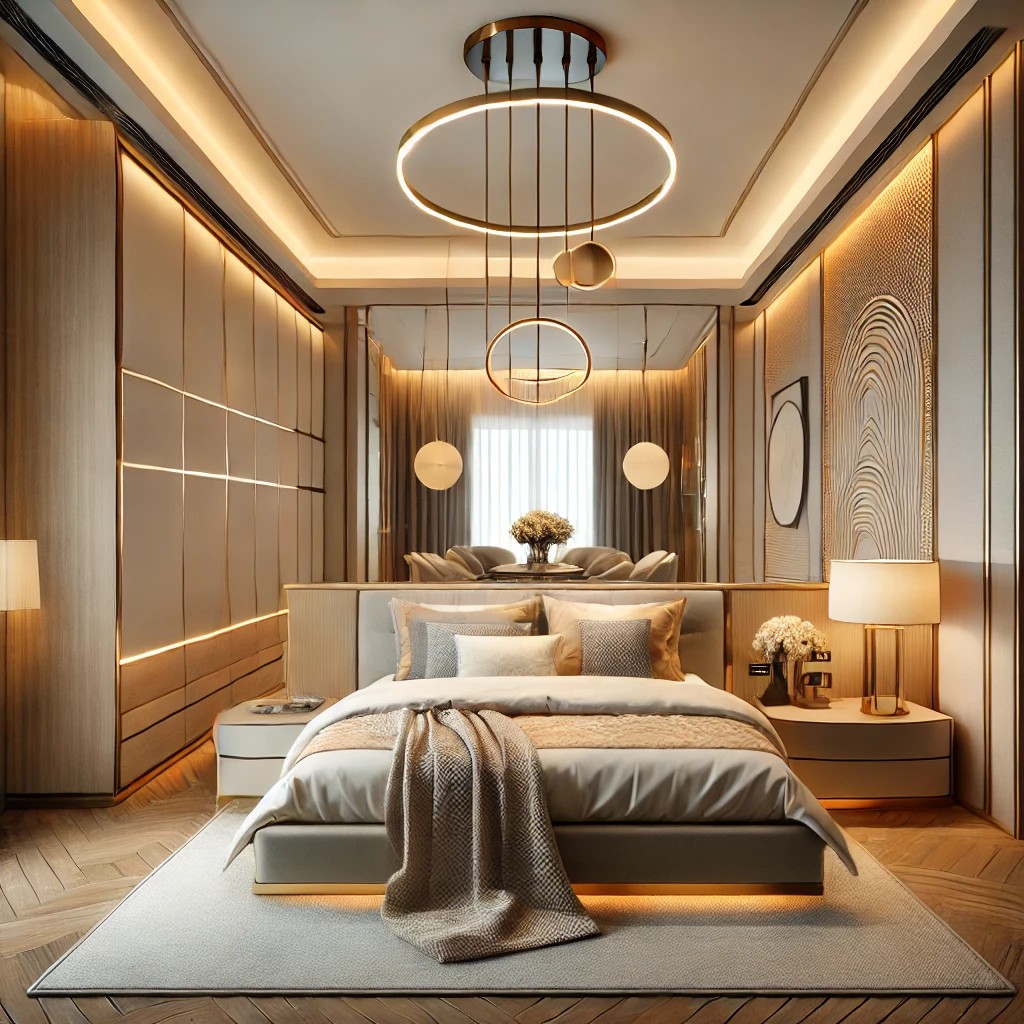
A luxurious and modern bedroom design featuring a cozy bed with elegant bedding, stylish nightstands, soft ambient lighting, and contemporary decor. T

🌟 What is the Monthly Income of an Interior Designer?

[vc_row][vc_column][vc_column_text]

✅ 1. Freshers (0–2 years experience)


    • Usually work as junior designers in studios or firms.
    • Monthly salary: ₹20,000 – ₹35,000
      👉 In premium Delhi NCR firms, it can go up to ₹40,000.


✅ 2. Mid-Level Designers (3–5 years experience)


    • Handle independent projects or manage client communication.
    • Monthly income: ₹50,000 – ₹80,000 (salary-based).
      👉 Freelance designers earn ₹60,000 – ₹1.2 lakh/month depending on projects.


✅ 3. Senior Interior Designers (5–10 years experience)


    • Lead design teams or manage big residential/commercial projects.
    • Salary: ₹1 – ₹2 lakh/month in reputed firms.
    • Independent designers earn ₹2 – ₹5 lakh/month on average.


✅ 4. Luxury / High-End Interior Designers


    • Work with elite clients in Gurgaon villas, Delhi bungalows, or corporate projects.
    • Income depends on per sq. ft. pricing (₹2,500 – ₹5,000+).
      👉 Monthly earnings can reach ₹5–₹10 lakh+ depending on projects.


✅ 5. Freelance & Business Owners

If you run your own interior design firm or consultancy:


    • Consultancy-only model: 80–90% profit (high margins).
    • Turnkey execution model: 20–30% profit but bigger absolute earnings.
      👉 Monthly income: anywhere from ₹1 lakh to ₹20 lakh+, depending on scale and number of projects.


📊 Income Snapshot (Delhi NCR Market)


Level / Role Avg. Monthly Income
Fresher / Junior Designer ₹20k – ₹40k
Mid-Level (3–5 yrs) ₹50k – ₹80k
Senior (5–10 yrs) ₹1L – ₹2L
Freelance Designer ₹60k – ₹5L+
Luxury Designer / Firm Owner ₹5L – ₹20L+


🔑 Factors That Affect Income

Location – Gurgaon/Delhi luxury projects = higher pay than smaller towns.
Experience – More projects → higher rates.
Specialization – Modular kitchens, luxury villas, or office interiors pay better.
Business Model – Freelancers & firm owners earn much more than salaried employees.
Clientele – High-net-worth clients = higher fees.


🔑 Summary: Monthly Income of an Interior Designer

👉 Salaried designers: ₹20k–₹2 lakh/month.
👉 Freelancers: ₹60k–₹5 lakh/month.
👉 Luxury designers / firm owners: ₹5 lakh–₹20 lakh+ monthly.

✨ In Gurgaon, Noida, and Delhi NCR, skilled interior designers can quickly move from ₹30k/month as beginners → ₹5 lakh+ per month with experience and branding.


🔗 Helpful References


✨ In short: The monthly income of an interior designer in India ranges from ₹20k as a fresher to ₹20 lakh+ for top-tier designers — with Delhi NCR (Gurgaon & Noida) offering the highest earnings due to booming real estate and luxury demand.

[/vc_column_text][/vc_column][/vc_row][vc_row][vc_column][vc_raw_html]JTNDc2NyaXB0JTIwdHlwZSUzRCUyMmFwcGxpY2F0aW9uJTJGbGQlMkJqc29uJTIyJTNFJTBBJTdCJTBBJTIwJTIwJTIyJTQwY29udGV4dCUyMiUzQSUyMCUyMmh0dHBzJTNBJTJGJTJGc2NoZW1hLm9yZyUyMiUyQyUwQSUyMCUyMCUyMiU0MGdyYXBoJTIyJTNBJTIwJTVCJTBBJTIwJTIwJTIwJTIwJTdCJTBBJTIwJTIwJTIwJTIwJTIwJTIwJTIyJTQwdHlwZSUyMiUzQSUyMCUyMldlYlBhZ2UlMjIlMkMlMEElMjAlMjAlMjAlMjAlMjAlMjAlMjIlNDBpZCUyMiUzQSUyMCUyMmh0dHBzJTNBJTJGJTJGWU9VUl9VUkwlMkYlMjIlMkMlMEElMjAlMjAlMjAlMjAlMjAlMjAlMjJ1cmwlMjIlM0ElMjAlMjJodHRwcyUzQSUyRiUyRllPVVJfVVJMJTJGJTIyJTJDJTBBJTIwJTIwJTIwJTIwJTIwJTIwJTIybmFtZSUyMiUzQSUyMCUyMldoYXQlMjBpcyUyMHRoZSUyME1vbnRobHklMjBJbmNvbWUlMjBvZiUyMGFuJTIwSW50ZXJpb3IlMjBEZXNpZ25lciUzRiUyMCUyOEluZGlhJTJDJTIwR3VyZ2FvbiUyQyUyME5vaWRhJTJDJTIwRGVsaGklMjBOQ1IlMjklMjIlMkMlMEElMjAlMjAlMjAlMjAlMjAlMjAlMjJpc1BhcnRPZiUyMiUzQSUyMCU3QiUyMCUyMiU0MGlkJTIyJTNBJTIwJTIyaHR0cHMlM0ElMkYlMkZZT1VSX1NJVEUlMkYlMjN3ZWJzaXRlJTIyJTIwJTdEJTJDJTBBJTIwJTIwJTIwJTIwJTIwJTIwJTIycHJpbWFyeUltYWdlT2ZQYWdlJTIyJTNBJTIwJTdCJTIwJTIyJTQwaWQlMjIlM0ElMjAlMjJodHRwcyUzQSUyRiUyRllPVVJfU0lURSUyRiUyM3ByaW1hcnlpbWFnZSUyMiUyMCU3RCUyQyUwQSUyMCUyMCUyMCUyMCUyMCUyMCUyMmRlc2NyaXB0aW9uJTIyJTNBJTIwJTIyRnJlc2hlcnMlMjBlYXJuJTIwJUUyJTgyJUI5MjBrJUUyJTgwJTkzJUUyJTgyJUI5NDBrJTJGbW9udGglM0IlMjBtaWQtbGV2ZWwlMjAlRTIlODIlQjk1MGslRTIlODAlOTMlRTIlODIlQjk4MGslM0IlMjBzZW5pb3JzJTIwJUUyJTgyJUI5MSVFMiU4MCU5MzJMJTNCJTIwZnJlZWxhbmNlcnMlMjAlRTIlODIlQjk2MGslRTIlODAlOTMlRTIlODIlQjk1TCUyQiUzQiUyMGx1eHVyeSUyMGRlc2lnbmVycyUyRmZpcm0lMjBvd25lcnMlMjAlRTIlODIlQjk1JUUyJTgwJTkzJUUyJTgyJUI5MjBMJTJCJTIwaW4lMjBJbmRpYSVFMiU4MCU5OXMlMjBtZXRybyUyMG1hcmtldHMlMjBsaWtlJTIwR3VyZ2FvbiUyQyUyME5vaWRhJTJDJTIwYW5kJTIwRGVsaGklMjBOQ1IuJTIyJTJDJTBBJTIwJTIwJTIwJTIwJTIwJTIwJTIyaW5MYW5ndWFnZSUyMiUzQSUyMCUyMmVuLUlOJTIyJTJDJTBBJTIwJTIwJTIwJTIwJTIwJTIwJTIyZGF0ZVB1Ymxpc2hlZCUyMiUzQSUyMCUyMjIwMjUtMDgtMjYlMjIlMkMlMEElMjAlMjAlMjAlMjAlMjAlMjAlMjJkYXRlTW9kaWZpZWQlMjIlM0ElMjAlMjIyMDI1LTA4LTI2JTIyJTJDJTBBJTIwJTIwJTIwJTIwJTIwJTIwJTIyYnJlYWRjcnVtYiUyMiUzQSUyMCU3QiUyMCUyMiU0MGlkJTIyJTNBJTIwJTIyaHR0cHMlM0ElMkYlMkZZT1VSX1VSTCUyRiUyM2JyZWFkY3J1bWIlMjIlMjAlN0QlMEElMjAlMjAlMjAlMjAlN0QlMkMlMEElMjAlMjAlMjAlMjAlN0IlMEElMjAlMjAlMjAlMjAlMjAlMjAlMjIlNDB0eXBlJTIyJTNBJTIwJTIyQnJlYWRjcnVtYkxpc3QlMjIlMkMlMEElMjAlMjAlMjAlMjAlMjAlMjAlMjIlNDBpZCUyMiUzQSUyMCUyMmh0dHBzJTNBJTJGJTJGWU9VUl9VUkwlMkYlMjNicmVhZGNydW1iJTIyJTJDJTBBJTIwJTIwJTIwJTIwJTIwJTIwJTIyaXRlbUxpc3RFbGVtZW50JTIyJTNBJTIwJTVCJTBBJTIwJTIwJTIwJTIwJTIwJTIwJTIwJTIwJTdCJTIwJTIyJTQwdHlwZSUyMiUzQSUyMCUyMkxpc3RJdGVtJTIyJTJDJTIwJTIycG9zaXRpb24lMjIlM0ElMjAxJTJDJTIwJTIybmFtZSUyMiUzQSUyMCUyMkhvbWUlMjIlMkMlMjAlMjJpdGVtJTIyJTNBJTIwJTIyaHR0cHMlM0ElMkYlMkZZT1VSX1NJVEUlMkYlMjIlMjAlN0QlMkMlMEElMjAlMjAlMjAlMjAlMjAlMjAlMjAlMjAlN0IlMjAlMjIlNDB0eXBlJTIyJTNBJTIwJTIyTGlzdEl0ZW0lMjIlMkMlMjAlMjJwb3NpdGlvbiUyMiUzQSUyMDIlMkMlMjAlMjJuYW1lJTIyJTNBJTIwJTIyQ2FyZWVyJTIwR3VpZGVzJTIyJTJDJTIwJTIyaXRlbSUyMiUzQSUyMCUyMmh0dHBzJTNBJTJGJTJGWU9VUl9TSVRFJTJGY2F0ZWdvcnklMkZjYXJlZXItZ3VpZGVzJTJGJTIyJTIwJTdEJTJDJTBBJTIwJTIwJTIwJTIwJTIwJTIwJTIwJTIwJTdCJTIwJTIyJTQwdHlwZSUyMiUzQSUyMCUyMkxpc3RJdGVtJTIyJTJDJTIwJTIycG9zaXRpb24lMjIlM0ElMjAzJTJDJTIwJTIybmFtZSUyMiUzQSUyMCUyMk1vbnRobHklMjBJbmNvbWUlMjBvZiUyMGFuJTIwSW50ZXJpb3IlMjBEZXNpZ25lciUyMiUyMCU3RCUwQSUyMCUyMCUyMCUyMCUyMCUyMCU1RCUwQSUyMCUyMCUyMCUyMCU3RCUyQyUwQSUyMCUyMCUyMCUyMCU3QiUwQSUyMCUyMCUyMCUyMCUyMCUyMCUyMiU0MHR5cGUlMjIlM0ElMjAlMjJBcnRpY2xlJTIyJTJDJTBBJTIwJTIwJTIwJTIwJTIwJTIwJTIyJTQwaWQlMjIlM0ElMjAlMjJodHRwcyUzQSUyRiUyRllPVVJfVVJMJTJGJTIzYXJ0aWNsZSUyMiUyQyUwQSUyMCUyMCUyMCUyMCUyMCUyMCUyMm1haW5FbnRpdHlPZlBhZ2UlMjIlM0ElMjAlN0IlMjAlMjIlNDBpZCUyMiUzQSUyMCUyMmh0dHBzJTNBJTJGJTJGWU9VUl9VUkwlMkYlMjIlMjAlN0QlMkMlMEElMjAlMjAlMjAlMjAlMjAlMjAlMjJoZWFkbGluZSUyMiUzQSUyMCUyMldoYXQlMjBpcyUyMHRoZSUyME1vbnRobHklMjBJbmNvbWUlMjBvZiUyMGFuJTIwSW50ZXJpb3IlMjBEZXNpZ25lciUzRiUyMFNhbGFyeSUyMCUyNiUyMEVhcm5pbmdzJTIwJTI4SW5kaWElMjAyMDI1JTI5JTIyJTJDJTBBJTIwJTIwJTIwJTIwJTIwJTIwJTIyaW1hZ2UlMjIlM0ElMjAlNUIlMjAlMjJodHRwcyUzQSUyRiUyRllPVVJfU0lURSUyRnBhdGglMkZmZWF0dXJlZC1pbWFnZS5qcGclMjIlMjAlNUQlMkMlMEElMjAlMjAlMjAlMjAlMjAlMjAlMjJhdXRob3IlMjIlM0ElMjAlN0IlMEElMjAlMjAlMjAlMjAlMjAlMjAlMjAlMjAlMjIlNDB0eXBlJTIyJTNBJTIwJTIyT3JnYW5pemF0aW9uJTIyJTJDJTBBJTIwJTIwJTIwJTIwJTIwJTIwJTIwJTIwJTIybmFtZSUyMiUzQSUyMCUyMkludGVyaW9yJTIwQSUyMHRvJTIwWiUyMiUyQyUwQSUyMCUyMCUyMCUyMCUyMCUyMCUyMCUyMCUyMnVybCUyMiUzQSUyMCUyMmh0dHBzJTNBJTJGJTJGWU9VUl9TSVRFJTJGJTIyJTBBJTIwJTIwJTIwJTIwJTIwJTIwJTdEJTJDJTBBJTIwJTIwJTIwJTIwJTIwJTIwJTIycHVibGlzaGVyJTIyJTNBJTIwJTdCJTBBJTIwJTIwJTIwJTIwJTIwJTIwJTIwJTIwJTIyJTQwdHlwZSUyMiUzQSUyMCUyMk9yZ2FuaXphdGlvbiUyMiUyQyUwQSUyMCUyMCUyMCUyMCUyMCUyMCUyMCUyMCUyMiU0MGlkJTIyJTNBJTIwJTIyaHR0cHMlM0ElMkYlMkZZT1VSX1NJVEUlMkYlMjNvcmclMjIlMkMlMEElMjAlMjAlMjAlMjAlMjAlMjAlMjAlMjAlMjJuYW1lJTIyJTNBJTIwJTIySW50ZXJpb3IlMjBBJTIwdG8lMjBaJTIyJTJDJTBBJTIwJTIwJTIwJTIwJTIwJTIwJTIwJTIwJTIydXJsJTIyJTNBJTIwJTIyaHR0cHMlM0ElMkYlMkZZT1VSX1NJVEUlMkYlMjIlMkMlMEElMjAlMjAlMjAlMjAlMjAlMjAlMjAlMjAlMjJsb2dvJTIyJTNBJTIwJTdCJTBBJTIwJTIwJTIwJTIwJTIwJTIwJTIwJTIwJTIwJTIwJTIyJTQwdHlwZSUyMiUzQSUyMCUyMkltYWdlT2JqZWN0JTIyJTJDJTBBJTIwJTIwJTIwJTIwJTIwJTIwJTIwJTIwJTIwJTIwJTIydXJsJTIyJTNBJTIwJTIyaHR0cHMlM0ElMkYlMkZZT1VSX1NJVEUlMkZwYXRoJTJGbG9nby01MTIucG5nJTIyJTJDJTBBJTIwJTIwJTIwJTIwJTIwJTIwJTIwJTIwJTIwJTIwJTIyd2lkdGglMjIlM0ElMjA1MTIlMkMlMEElMjAlMjAlMjAlMjAlMjAlMjAlMjAlMjAlMjAlMjAlMjJoZWlnaHQlMjIlM0ElMjA1MTIlMEElMjAlMjAlMjAlMjAlMjAlMjAlMjAlMjAlN0QlMEElMjAlMjAlMjAlMjAlMjAlMjAlN0QlMkMlMEElMjAlMjAlMjAlMjAlMjAlMjAlMjJhcnRpY2xlU2VjdGlvbiUyMiUzQSUyMCUyMkNhcmVlciUyMEd1aWRlcyUyMiUyQyUwQSUyMCUyMCUyMCUyMCUyMCUyMCUyMmluTGFuZ3VhZ2UlMjIlM0ElMjAlMjJlbi1JTiUyMiUyQyUwQSUyMCUyMCUyMCUyMCUyMCUyMCUyMmRhdGVQdWJsaXNoZWQlMjIlM0ElMjAlMjIyMDI1LTA4LTI2JTIyJTJDJTBBJTIwJTIwJTIwJTIwJTIwJTIwJTIyZGF0ZU1vZGlmaWVkJTIyJTNBJTIwJTIyMjAyNS0wOC0yNiUyMiUwQSUyMCUyMCUyMCUyMCU3RCUyQyUwQSUyMCUyMCUyMCUyMCU3QiUwQSUyMCUyMCUyMCUyMCUyMCUyMCUyMiU0MHR5cGUlMjIlM0ElMjAlMjJGQVFQYWdlJTIyJTJDJTBBJTIwJTIwJTIwJTIwJTIwJTIwJTIyJTQwaWQlMjIlM0ElMjAlMjJodHRwcyUzQSUyRiUyRllPVVJfVVJMJTJGJTIzZmFxJTIyJTJDJTBBJTIwJTIwJTIwJTIwJTIwJTIwJTIybWFpbkVudGl0eSUyMiUzQSUyMCU1QiUwQSUyMCUyMCUyMCUyMCUyMCUyMCUyMCUyMCU3QiUwQSUyMCUyMCUyMCUyMCUyMCUyMCUyMCUyMCUyMCUyMCUyMiU0MHR5cGUlMjIlM0ElMjAlMjJRdWVzdGlvbiUyMiUyQyUwQSUyMCUyMCUyMCUyMCUyMCUyMCUyMCUyMCUyMCUyMCUyMm5hbWUlMjIlM0ElMjAlMjJXaGF0JTIwaXMlMjB0aGUlMjBtb250aGx5JTIwaW5jb21lJTIwb2YlMjBhJTIwZnJlc2hlciUyMGludGVyaW9yJTIwZGVzaWduZXIlMjBpbiUyMEluZGlhJTNGJTIyJTJDJTBBJTIwJTIwJTIwJTIwJTIwJTIwJTIwJTIwJTIwJTIwJTIyYWNjZXB0ZWRBbnN3ZXIlMjIlM0ElMjAlN0IlMEElMjAlMjAlMjAlMjAlMjAlMjAlMjAlMjAlMjAlMjAlMjAlMjAlMjIlNDB0eXBlJTIyJTNBJTIwJTIyQW5zd2VyJTIyJTJDJTBBJTIwJTIwJTIwJTIwJTIwJTIwJTIwJTIwJTIwJTIwJTIwJTIwJTIydGV4dCUyMiUzQSUyMCUyMkZyZXNoZXJzJTIwJTI4MCVFMiU4MCU5MzIlMjB5ZWFycyUyOSUyMHR5cGljYWxseSUyMGVhcm4lMjAlRTIlODIlQjkyMCUyQzAwMCVFMiU4MCU5MyVFMiU4MiVCOTM1JTJDMDAwJTIwcGVyJTIwbW9udGglMkMlMjB3aXRoJTIwcHJlbWl1bSUyMG1ldHJvJTIwc3R1ZGlvcyUyMGluJTIwRGVsaGklMjBOQ1IlMjBzb21ldGltZXMlMjBvZmZlcmluZyUyMHVwJTIwdG8lMjAlRTIlODIlQjk0MCUyQzAwMC4lMjIlMEElMjAlMjAlMjAlMjAlMjAlMjAlMjAlMjAlMjAlMjAlN0QlMEElMjAlMjAlMjAlMjAlMjAlMjAlMjAlMjAlN0QlMkMlMEElMjAlMjAlMjAlMjAlMjAlMjAlMjAlMjAlN0IlMEElMjAlMjAlMjAlMjAlMjAlMjAlMjAlMjAlMjAlMjAlMjIlNDB0eXBlJTIyJTNBJTIwJTIyUXVlc3Rpb24lMjIlMkMlMEElMjAlMjAlMjAlMjAlMjAlMjAlMjAlMjAlMjAlMjAlMjJuYW1lJTIyJTNBJTIwJTIySG93JTIwbXVjaCUyMGRvJTIwbWlkLWxldmVsJTIwaW50ZXJpb3IlMjBkZXNpZ25lcnMlMjBlYXJuJTIwcGVyJTIwbW9udGglM0YlMjIlMkMlMEElMjAlMjAlMjAlMjAlMjAlMjAlMjAlMjAlMjAlMjAlMjJhY2NlcHRlZEFuc3dlciUyMiUzQSUyMCU3QiUwQSUyMCUyMCUyMCUyMCUyMCUyMCUyMCUyMCUyMCUyMCUyMCUyMCUyMiU0MHR5cGUlMjIlM0ElMjAlMjJBbnN3ZXIlMjIlMkMlMEElMjAlMjAlMjAlMjAlMjAlMjAlMjAlMjAlMjAlMjAlMjAlMjAlMjJ0ZXh0JTIyJTNBJTIwJTIyTWlkLWxldmVsJTIwZGVzaWduZXJzJTIwJTI4MyVFMiU4MCU5MzUlMjB5ZWFycyUyOSUyMGF2ZXJhZ2UlMjAlRTIlODIlQjk1MCUyQzAwMCVFMiU4MCU5MyVFMiU4MiVCOTgwJTJDMDAwJTIwbW9udGhseSUyMGluJTIwc2FsYXJpZWQlMjByb2xlcy4lMjBGcmVlbGFuY2VycyUyMGluJTIwdGhpcyUyMGJhbmQlMjB1c3VhbGx5JTIwbWFrZSUyMCVFMiU4MiVCOTYwJTJDMDAwJUUyJTgwJTkzJUUyJTgyJUI5MS4yJTIwbGFraCUyMGRlcGVuZGluZyUyMG9uJTIwcHJvamVjdHMuJTIyJTBBJTIwJTIwJTIwJTIwJTIwJTIwJTIwJTIwJTIwJTIwJTdEJTBBJTIwJTIwJTIwJTIwJTIwJTIwJTIwJTIwJTdEJTJDJTBBJTIwJTIwJTIwJTIwJTIwJTIwJTIwJTIwJTdCJTBBJTIwJTIwJTIwJTIwJTIwJTIwJTIwJTIwJTIwJTIwJTIyJTQwdHlwZSUyMiUzQSUyMCUyMlF1ZXN0aW9uJTIyJTJDJTBBJTIwJTIwJTIwJTIwJTIwJTIwJTIwJTIwJTIwJTIwJTIybmFtZSUyMiUzQSUyMCUyMldoYXQlMjBpcyUyMHRoZSUyMG1vbnRobHklMjBpbmNvbWUlMjBvZiUyMHNlbmlvciUyMGludGVyaW9yJTIwZGVzaWduZXJzJTNGJTIyJTJDJTBBJTIwJTIwJTIwJTIwJTIwJTIwJTIwJTIwJTIwJTIwJTIyYWNjZXB0ZWRBbnN3ZXIlMjIlM0ElMjAlN0IlMEElMjAlMjAlMjAlMjAlMjAlMjAlMjAlMjAlMjAlMjAlMjAlMjAlMjIlNDB0eXBlJTIyJTNBJTIwJTIyQW5zd2VyJTIyJTJDJTBBJTIwJTIwJTIwJTIwJTIwJTIwJTIwJTIwJTIwJTIwJTIwJTIwJTIydGV4dCUyMiUzQSUyMCUyMlNlbmlvciUyMGRlc2lnbmVycyUyMCUyODUlRTIlODAlOTMxMCUyMHllYXJzJTI5JTIwaW4lMjByZXB1dGVkJTIwZmlybXMlMjBlYXJuJTIwYWJvdXQlMjAlRTIlODIlQjkxJUUyJTgwJTkzJUUyJTgyJUI5MiUyMGxha2glMjBwZXIlMjBtb250aC4lMjBJbmRlcGVuZGVudHMlMjBoYW5kbGluZyUyMG11bHRpcGxlJTIwcHJvamVjdHMlMjBjYW4lMjByZWFjaCUyMCVFMiU4MiVCOTIlRTIlODAlOTMlRTIlODIlQjk1JTIwbGFraCUyQi4lMjIlMEElMjAlMjAlMjAlMjAlMjAlMjAlMjAlMjAlMjAlMjAlN0QlMEElMjAlMjAlMjAlMjAlMjAlMjAlMjAlMjAlN0QlMkMlMEElMjAlMjAlMjAlMjAlMjAlMjAlMjAlMjAlN0IlMEElMjAlMjAlMjAlMjAlMjAlMjAlMjAlMjAlMjAlMjAlMjIlNDB0eXBlJTIyJTNBJTIwJTIyUXVlc3Rpb24lMjIlMkMlMEElMjAlMjAlMjAlMjAlMjAlMjAlMjAlMjAlMjAlMjAlMjJuYW1lJTIyJTNBJTIwJTIySG93JTIwbXVjaCUyMGNhbiUyMGx1eHVyeSUyMGludGVyaW9yJTIwZGVzaWduZXJzJTIwb3IlMjBmaXJtJTIwb3duZXJzJTIwbWFrZSUyMG1vbnRobHklM0YlMjIlMkMlMEElMjAlMjAlMjAlMjAlMjAlMjAlMjAlMjAlMjAlMjAlMjJhY2NlcHRlZEFuc3dlciUyMiUzQSUyMCU3QiUwQSUyMCUyMCUyMCUyMCUyMCUyMCUyMCUyMCUyMCUyMCUyMCUyMCUyMiU0MHR5cGUlMjIlM0ElMjAlMjJBbnN3ZXIlMjIlMkMlMEElMjAlMjAlMjAlMjAlMjAlMjAlMjAlMjAlMjAlMjAlMjAlMjAlMjJ0ZXh0JTIyJTNBJTIwJTIySGlnaC1lbmQlMjBkZXNpZ25lcnMlMjBhbmQlMjBzdHVkaW8lMjBvd25lcnMlMjBzZXJ2aW5nJTIwbHV4dXJ5JTIwaG9tZXMlMjBvciUyMGxhcmdlJTIwY29tbWVyY2lhbCUyMHdvcmslMjBpbiUyMEd1cmdhb24lMkZEZWxoaSUyMG9mdGVuJTIwbWFrZSUyMCVFMiU4MiVCOTUlRTIlODAlOTMlRTIlODIlQjkxMCUyMGxha2glMkIlMjBwZXIlMjBtb250aCUyQyUyMHNjYWxpbmclMjBoaWdoZXIlMjB3aXRoJTIwcHJvamVjdCUyMHZvbHVtZS4lMjIlMEElMjAlMjAlMjAlMjAlMjAlMjAlMjAlMjAlMjAlMjAlN0QlMEElMjAlMjAlMjAlMjAlMjAlMjAlMjAlMjAlN0QlMkMlMEElMjAlMjAlMjAlMjAlMjAlMjAlMjAlMjAlN0IlMEElMjAlMjAlMjAlMjAlMjAlMjAlMjAlMjAlMjAlMjAlMjIlNDB0eXBlJTIyJTNBJTIwJTIyUXVlc3Rpb24lMjIlMkMlMEElMjAlMjAlMjAlMjAlMjAlMjAlMjAlMjAlMjAlMjAlMjJuYW1lJTIyJTNBJTIwJTIyV2hhdCUyMGZhY3RvcnMlMjBhZmZlY3QlMjBhbiUyMGludGVyaW9yJTIwZGVzaWduZXIlRTIlODAlOTlzJTIwaW5jb21lJTNGJTIyJTJDJTBBJTIwJTIwJTIwJTIwJTIwJTIwJTIwJTIwJTIwJTIwJTIyYWNjZXB0ZWRBbnN3ZXIlMjIlM0ElMjAlN0IlMEElMjAlMjAlMjAlMjAlMjAlMjAlMjAlMjAlMjAlMjAlMjAlMjAlMjIlNDB0eXBlJTIyJTNBJTIwJTIyQW5zd2VyJTIyJTJDJTBBJTIwJTIwJTIwJTIwJTIwJTIwJTIwJTIwJTIwJTIwJTIwJTIwJTIydGV4dCUyMiUzQSUyMCUyMkxvY2F0aW9uJTIwJTI4bWV0cm8lMjB2cy4lMjB0aWVyLTIlMjklMkMlMjBleHBlcmllbmNlJTJDJTIwc3BlY2lhbGl6YXRpb24lMjAlMjhlLmcuJTJDJTIwbW9kdWxhciUyMGtpdGNoZW5zJTJDJTIwbHV4dXJ5JTIwdmlsbGFzJTI5JTJDJTIwYnVzaW5lc3MlMjBtb2RlbCUyMCUyOHNhbGFyaWVkJTIwdnMuJTIwZnJlZWxhbmNlJTIwdnMuJTIwdHVybmtleSUyOSUyQyUyMGFuZCUyMGNsaWVudGVsZSUyMGhhdmUlMjB0aGUlMjBiaWdnZXN0JTIwaW1wYWN0LiUyMiUwQSUyMCUyMCUyMCUyMCUyMCUyMCUyMCUyMCUyMCUyMCU3RCUwQSUyMCUyMCUyMCUyMCUyMCUyMCUyMCUyMCU3RCUyQyUwQSUyMCUyMCUyMCUyMCUyMCUyMCUyMCUyMCU3QiUwQSUyMCUyMCUyMCUyMCUyMCUyMCUyMCUyMCUyMCUyMCUyMiU0MHR5cGUlMjIlM0ElMjAlMjJRdWVzdGlvbiUyMiUyQyUwQSUyMCUyMCUyMCUyMCUyMCUyMCUyMCUyMCUyMCUyMCUyMm5hbWUlMjIlM0ElMjAlMjJEbyUyMGZyZWVsYW5jZXJzJTIwZWFybiUyMG1vcmUlMjB0aGFuJTIwc2FsYXJpZWQlMjBpbnRlcmlvciUyMGRlc2lnbmVycyUzRiUyMiUyQyUwQSUyMCUyMCUyMCUyMCUyMCUyMCUyMCUyMCUyMCUyMCUyMmFjY2VwdGVkQW5zd2VyJTIyJTNBJTIwJTdCJTBBJTIwJTIwJTIwJTIwJTIwJTIwJTIwJTIwJTIwJTIwJTIwJTIwJTIyJTQwdHlwZSUyMiUzQSUyMCUyMkFuc3dlciUyMiUyQyUwQSUyMCUyMCUyMCUyMCUyMCUyMCUyMCUyMCUyMCUyMCUyMCUyMCUyMnRleHQlMjIlM0ElMjAlMjJPZnRlbiUyMHllcy4lMjBDb25zdWx0YW5jeSUyMGhhcyUyMGhpZ2glMjBtYXJnaW5zJTJDJTIwYW5kJTIwdHVybmtleSUyMGV4ZWN1dGlvbiUyMGFkZHMlMjByZXZlbnVlJTIwdGhyb3VnaCUyMHZlbmRvciUyMGFuZCUyMG1hdGVyaWFscyUyMG1hbmFnZW1lbnQuJTIwRnJlZWxhbmNlcnMlRTIlODAlOTklMjBtb250aGx5JTIwaW5jb21lJTIwcmFuZ2VzJTIwd2lkZWx5JTIwd2l0aCUyMHByb2plY3QlMjBjb3VudC4lMjIlMEElMjAlMjAlMjAlMjAlMjAlMjAlMjAlMjAlMjAlMjAlN0QlMEElMjAlMjAlMjAlMjAlMjAlMjAlMjAlMjAlN0QlMEElMjAlMjAlMjAlMjAlMjAlMjAlNUQlMEElMjAlMjAlMjAlMjAlN0QlMkMlMEElMjAlMjAlMjAlMjAlN0IlMEElMjAlMjAlMjAlMjAlMjAlMjAlMjIlNDB0eXBlJTIyJTNBJTIwJTIyT3JnYW5pemF0aW9uJTIyJTJDJTBBJTIwJTIwJTIwJTIwJTIwJTIwJTIyJTQwaWQlMjIlM0ElMjAlMjJodHRwcyUzQSUyRiUyRllPVVJfU0lURSUyRiUyM29yZyUyMiUyQyUwQSUyMCUyMCUyMCUyMCUyMCUyMCUyMm5hbWUlMjIlM0ElMjAlMjJJbnRlcmlvciUyMEElMjB0byUyMFolMjIlMkMlMEElMjAlMjAlMjAlMjAlMjAlMjAlMjJ1cmwlMjIlM0ElMjAlMjJodHRwcyUzQSUyRiUyRllPVVJfU0lURSUyRiUyMiUyQyUwQSUyMCUyMCUyMCUyMCUyMCUyMCUyMnNhbWVBcyUyMiUzQSUyMCU1QiUwQSUyMCUyMCUyMCUyMCUyMCUyMCUyMCUyMCUyMmh0dHBzJTNBJTJGJTJGaW50ZXJpb3JhdG96LmluJTJGJTIyJTJDJTBBJTIwJTIwJTIwJTIwJTIwJTIwJTIwJTIwJTIyaHR0cHMlM0ElMkYlMkZpbnRlcmlvcmRlc2lnbmVybmNyLmNvbSUyRiUyMiUyQyUwQSUyMCUyMCUyMCUyMCUyMCUyMCUyMCUyMCUyMmh0dHBzJTNBJTJGJTJGbW9kdWxhcmtpdGNoZW5kZXNpZ24uaW4lMkYlMjIlMkMlMEElMjAlMjAlMjAlMjAlMjAlMjAlMjAlMjAlMjJodHRwcyUzQSUyRiUyRmVuLndpa2lwZWRpYS5vcmclMkZ3aWtpJTJGSW50ZXJpb3JfZGVzaWduJTIyJTBBJTIwJTIwJTIwJTIwJTIwJTIwJTVEJTBBJTIwJTIwJTIwJTIwJTdEJTJDJTBBJTIwJTIwJTIwJTIwJTdCJTBBJTIwJTIwJTIwJTIwJTIwJTIwJTIyJTQwdHlwZSUyMiUzQSUyMCUyMkltYWdlT2JqZWN0JTIyJTJDJTBBJTIwJTIwJTIwJTIwJTIwJTIwJTIyJTQwaWQlMjIlM0ElMjAlMjJodHRwcyUzQSUyRiUyRllPVVJfU0lURSUyRiUyM3ByaW1hcnlpbWFnZSUyMiUyQyUwQSUyMCUyMCUyMCUyMCUyMCUyMCUyMnVybCUyMiUzQSUyMCUyMmh0dHBzJTNBJTJGJTJGWU9VUl9TSVRFJTJGcGF0aCUyRmZlYXR1cmVkLWltYWdlLmpwZyUyMiUyQyUwQSUyMCUyMCUyMCUyMCUyMCUyMCUyMndpZHRoJTIyJTNBJTIwMTIwMCUyQyUwQSUyMCUyMCUyMCUyMCUyMCUyMCUyMmhlaWdodCUyMiUzQSUyMDY3NSUwQSUyMCUyMCUyMCUyMCU3RCUyQyUwQSUyMCUyMCUyMCUyMCU3QiUwQSUyMCUyMCUyMCUyMCUyMCUyMCUyMiU0MHR5cGUlMjIlM0ElMjAlMjJXZWJTaXRlJTIyJTJDJTBBJTIwJTIwJTIwJTIwJTIwJTIwJTIyJTQwaWQlMjIlM0ElMjAlMjJodHRwcyUzQSUyRiUyRllPVVJfU0lURSUyRiUyM3dlYnNpdGUlMjIlMkMlMEElMjAlMjAlMjAlMjAlMjAlMjAlMjJ1cmwlMjIlM0ElMjAlMjJodHRwcyUzQSUyRiUyRllPVVJfU0lURSUyRiUyMiUyQyUwQSUyMCUyMCUyMCUyMCUyMCUyMCUyMm5hbWUlMjIlM0ElMjAlMjJJbnRlcmlvciUyMEElMjB0byUyMFolMjIlMkMlMEElMjAlMjAlMjAlMjAlMjAlMjAlMjJpbkxhbmd1YWdlJTIyJTNBJTIwJTIyZW4tSU4lMjIlMkMlMEElMjAlMjAlMjAlMjAlMjAlMjAlMjJwdWJsaXNoZXIlMjIlM0ElMjAlN0IlMjAlMjIlNDBpZCUyMiUzQSUyMCUyMmh0dHBzJTNBJTJGJTJGWU9VUl9TSVRFJTJGJTIzb3JnJTIyJTIwJTdEJTBBJTIwJTIwJTIwJTIwJTdEJTBBJTIwJTIwJTVEJTBBJTdEJTBBJTNDJTJGc2NyaXB0JTNFJTBB[/vc_raw_html][/vc_column][/vc_row]

🌟 What is the Monthly Income of an Interior Designer? Read More »

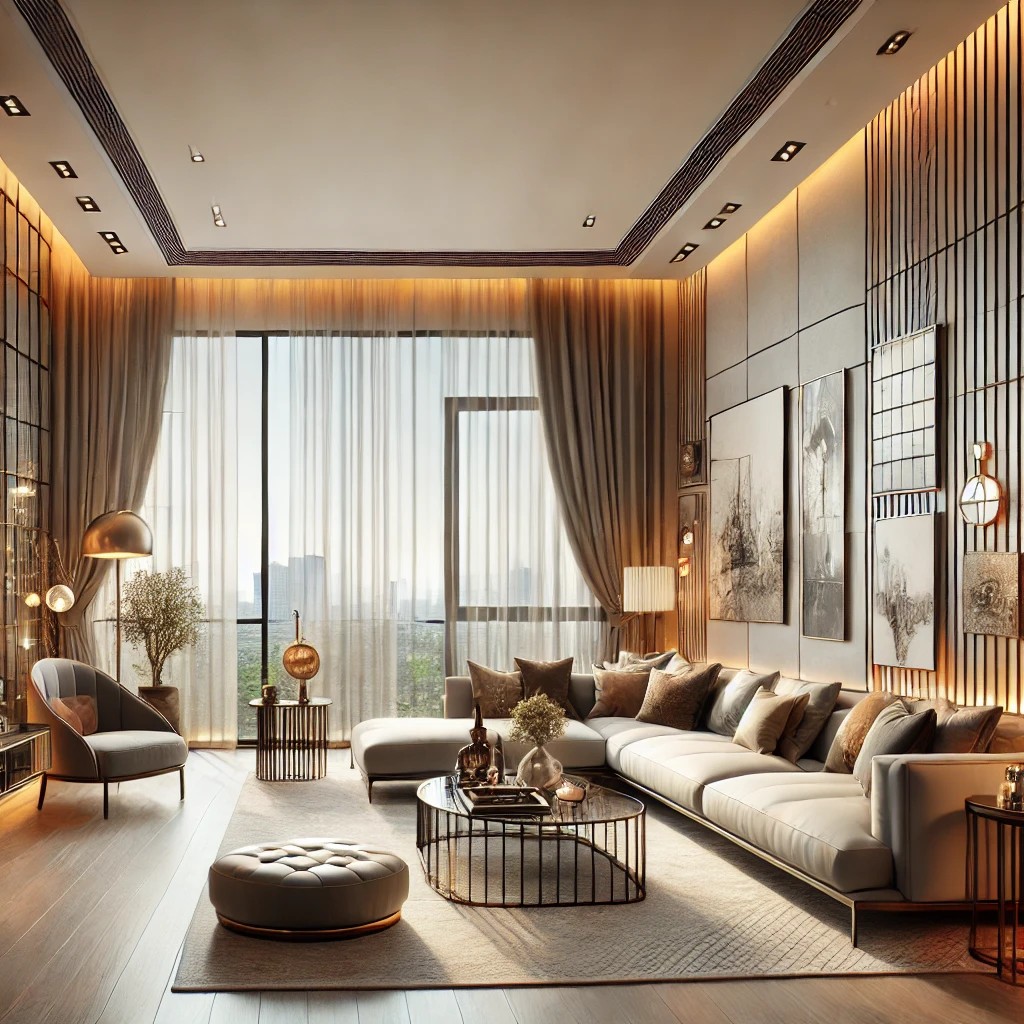
A luxurious and modern living room design featuring elegant furniture, warm lighting, and stylish decor. The space includes a comfortable sectional so

💰 How Much Should I Budget for Interior Design?

[vc_row][vc_column][vc_column_text]Interior design budgets in India usually range from ₹800–₹2,500+ per sq. ft., depending on whether you want basic, mid-range, or luxury interiors.


✅ 1. Budget Interiors (₹800–₹1,200 per sq. ft.)

✔ Ideal for: 1–2 BHK flats, rental properties, or first-time homeowners.
✔ Includes:


    • Modular kitchen (basic laminates).
    • Standard wardrobes.
    • Basic false ceiling.
    • Affordable furniture & lights.

👉 Example: A 1,000 sq. ft. Noida apartment = ₹8–12 lakh.


✅ 2. Mid-Range Interiors (₹1,500–₹2,200 per sq. ft.)

✔ Ideal for: 2–3 BHK homes, young families, professionals.
✔ Includes:


    • Modular kitchen with premium finishes.
    • Wardrobes with sliding systems.
    • Designer false ceilings + lighting.
    • Branded furniture & décor.
    • Textured paints/wallpapers.

👉 Example: A 1,500 sq. ft. Gurgaon apartment = ₹22–30 lakh.


✅ 3. Luxury Interiors (₹2,500–₹5,000+ per sq. ft.)

✔ Ideal for: Villas, penthouses, premium apartments.
✔ Includes:


    • Imported modular kitchen (Häfele/Hettich fittings).
    • Walk-in wardrobes.
    • Italian marble/engineered wooden flooring.
    • High-end furniture & lighting.
    • Home automation & smart tech.

👉 Example: A 3,000 sq. ft. luxury villa in Gurgaon = ₹75 lakh–₹1.5 crore.


📊 Typical Budget Breakdown (Average 2–3 BHK Home)


    • Modular Kitchen 🍳 → 15–20%
    • Wardrobes & Storage 🚪 → 15–20%
    • Furniture & Furnishings 🛋 → 25–30%
    • False Ceiling & Lighting 💡 → 10–15%
    • Flooring & Wall Finishes 🧱 → 10–15%
    • Décor & Accessories 🌿 → 5–10%
    • Designer Fees 🧑‍🎨 → 7–15%


✅ Example Budgets (Delhi NCR)


👉 2BHK Apartment (1,000–1,200 sq. ft.)


    • Basic: ₹10–12 lakh
    • Mid-Range: ₹15–20 lakh
    • Luxury: ₹30 lakh+


👉 3BHK Apartment (1,500–1,800 sq. ft.)


    • Basic: ₹15–20 lakh
    • Mid-Range: ₹25–35 lakh
    • Luxury: ₹50 lakh+


👉 Villa / Penthouse (2,500–3,500 sq. ft.)


    • Mid-Range: ₹40–60 lakh
    • Luxury: ₹75 lakh–₹1.5 crore+


🔑 Tips to Budget Smartly for Interiors

✔ Always keep a 10–15% buffer for unexpected costs.
✔ Prioritize kitchen, wardrobes, and furniture (functional essentials).
✔ Spend smartly on finishes — laminates vs. veneer, Indian vs. imported marble.
✔ Mix branded + custom-made furniture to balance costs.
✔ Consult a professional interior designer — they help optimize costs and avoid mistakes.


🔑 Summary: How Much Should I Budget for Interior Design?

👉 Interiors in Gurgaon, Noida, and Delhi NCR cost:


    • ₹800–₹1,200/sq. ft. → Budget interiors.
    • ₹1,500–₹2,200/sq. ft. → Mid-range interiors.
    • ₹2,500–₹5,000+/sq. ft. → Luxury interiors.

✨ For a typical 2–3 BHK home, budget anywhere from ₹15–35 lakh (mid-range) depending on style and finishes.


🔗 Helpful References


✨ In short: Budgeting for interior design depends on size, finishes, and lifestyle. For Delhi NCR homes, expect ₹800–₹2,500+/sq. ft. — from budget to luxury.

[/vc_column_text][/vc_column][/vc_row][vc_row][vc_column][vc_raw_html]JTdCJTBBJTIwJTIwJTIyJTQwY29udGV4dCUyMiUzQSUyMCUyMmh0dHBzJTNBJTJGJTJGc2NoZW1hLm9yZyUyMiUyQyUwQSUyMCUyMCUyMiU0MHR5cGUlMjIlM0ElMjAlMjJGQVFQYWdlJTIyJTJDJTBBJTIwJTIwJTIybWFpbkVudGl0eSUyMiUzQSUyMCU1QiUwQSUyMCUyMCUyMCUyMCU3QiUwQSUyMCUyMCUyMCUyMCUyMCUyMCUyMiU0MHR5cGUlMjIlM0ElMjAlMjJRdWVzdGlvbiUyMiUyQyUwQSUyMCUyMCUyMCUyMCUyMCUyMCUyMm5hbWUlMjIlM0ElMjAlMjJIb3clMjBtdWNoJTIwc2hvdWxkJTIwSSUyMGJ1ZGdldCUyMGZvciUyMGludGVyaW9yJTIwZGVzaWduJTIwaW4lMjBJbmRpYSUzRiUyMiUyQyUwQSUyMCUyMCUyMCUyMCUyMCUyMCUyMmFjY2VwdGVkQW5zd2VyJTIyJTNBJTIwJTdCJTBBJTIwJTIwJTIwJTIwJTIwJTIwJTIwJTIwJTIyJTQwdHlwZSUyMiUzQSUyMCUyMkFuc3dlciUyMiUyQyUwQSUyMCUyMCUyMCUyMCUyMCUyMCUyMCUyMCUyMnRleHQlMjIlM0ElMjAlMjJUaGUlMjBjb3N0JTIwb2YlMjBpbnRlcmlvciUyMGRlc2lnbiUyMGluJTIwSW5kaWElMjB0eXBpY2FsbHklMjByYW5nZXMlMjBmcm9tJTIwJUUyJTgyJUI5ODAwJUUyJTgwJTkzJUUyJTgyJUI5MiUyQzUwMCUyQiUyMHBlciUyMHNxLiUyMGZ0LiUyMEJhc2ljJTIwaW50ZXJpb3JzJTIwY29zdCUyMCVFMiU4MiVCOTgwMCVFMiU4MCU5MyVFMiU4MiVCOTElMkMyMDAlMkZzcS4lMjBmdC4lMkMlMjBtaWQtcmFuZ2UlMjBpbnRlcmlvcnMlMjBjb3N0JTIwJUUyJTgyJUI5MSUyQzUwMCVFMiU4MCU5MyVFMiU4MiVCOTIlMkMyMDAlMkZzcS4lMjBmdC4lMkMlMjBhbmQlMjBsdXh1cnklMjBpbnRlcmlvcnMlMjBjYW4lMjBnbyUyMGZyb20lMjAlRTIlODIlQjkyJTJDNTAwJUUyJTgwJTkzJUUyJTgyJUI5NSUyQzAwMCUyQiUyRnNxLiUyMGZ0LiUyMEZvciUyMGElMjAyQkhLJTIwaW4lMjBOb2lkYSUyMG9yJTIwRGVsaGklMjBOQ1IlMkMlMjBleHBlY3QlMjAlRTIlODIlQjkxMCVFMiU4MCU5MzIwJTIwbGFraCUyMCUyOGJhc2ljJTIwdG8lMjBtaWQtcmFuZ2UlMjklMkMlMjB3aGlsZSUyMGx1eHVyeSUyMEd1cmdhb24lMjB2aWxsYXMlMjBjYW4lMjBjb3N0JTIwJUUyJTgyJUI5NzUlMjBsYWtoJUUyJTgwJTkzJUUyJTgyJUI5MS41JTIwY3JvcmUlMkIuJTIyJTBBJTIwJTIwJTIwJTIwJTIwJTIwJTdEJTBBJTIwJTIwJTIwJTIwJTdEJTJDJTBBJTIwJTIwJTIwJTIwJTdCJTBBJTIwJTIwJTIwJTIwJTIwJTIwJTIyJTQwdHlwZSUyMiUzQSUyMCUyMlF1ZXN0aW9uJTIyJTJDJTBBJTIwJTIwJTIwJTIwJTIwJTIwJTIybmFtZSUyMiUzQSUyMCUyMldoYXQlMjBpcyUyMGluY2x1ZGVkJTIwaW4lMjBhbiUyMGludGVyaW9yJTIwZGVzaWduJTIwYnVkZ2V0JTNGJTIyJTJDJTBBJTIwJTIwJTIwJTIwJTIwJTIwJTIyYWNjZXB0ZWRBbnN3ZXIlMjIlM0ElMjAlN0IlMEElMjAlMjAlMjAlMjAlMjAlMjAlMjAlMjAlMjIlNDB0eXBlJTIyJTNBJTIwJTIyQW5zd2VyJTIyJTJDJTBBJTIwJTIwJTIwJTIwJTIwJTIwJTIwJTIwJTIydGV4dCUyMiUzQSUyMCUyMkElMjB0eXBpY2FsJTIwaW50ZXJpb3IlMjBkZXNpZ24lMjBidWRnZXQlMjBpbmNsdWRlcyUzQSUyME1vZHVsYXIlMjBLaXRjaGVuJTIwJTI4MTUlRTIlODAlOTMyMCUyNSUyOSUyQyUyMFdhcmRyb2JlcyUyMCUyNiUyMFN0b3JhZ2UlMjAlMjgxNSVFMiU4MCU5MzIwJTI1JTI5JTJDJTIwRnVybml0dXJlJTIwJTI2JTIwRnVybmlzaGluZ3MlMjAlMjgyNSVFMiU4MCU5MzMwJTI1JTI5JTJDJTIwRmFsc2UlMjBDZWlsaW5nJTIwJTI2JTIwTGlnaHRpbmclMjAlMjgxMCVFMiU4MCU5MzE1JTI1JTI5JTJDJTIwRmxvb3JpbmclMjAlMjYlMjBXYWxsJTIwRmluaXNoZXMlMjAlMjgxMCVFMiU4MCU5MzE1JTI1JTI5JTJDJTIwRCVDMyVBOWNvciUyMCUyNiUyMEFjY2Vzc29yaWVzJTIwJTI4NSVFMiU4MCU5MzEwJTI1JTI5JTJDJTIwYW5kJTIwRGVzaWduZXIlMjBGZWVzJTIwJTI4NyVFMiU4MCU5MzE1JTI1JTI5LiUyMiUwQSUyMCUyMCUyMCUyMCUyMCUyMCU3RCUwQSUyMCUyMCUyMCUyMCU3RCUyQyUwQSUyMCUyMCUyMCUyMCU3QiUwQSUyMCUyMCUyMCUyMCUyMCUyMCUyMiU0MHR5cGUlMjIlM0ElMjAlMjJRdWVzdGlvbiUyMiUyQyUwQSUyMCUyMCUyMCUyMCUyMCUyMCUyMm5hbWUlMjIlM0ElMjAlMjJIb3clMjBtdWNoJTIwc2hvdWxkJTIwSSUyMGJ1ZGdldCUyMGZvciUyMGElMjAyQkhLJTIwaG9tZSUyMGluJTIwRGVsaGklMjBOQ1IlM0YlMjIlMkMlMEElMjAlMjAlMjAlMjAlMjAlMjAlMjJhY2NlcHRlZEFuc3dlciUyMiUzQSUyMCU3QiUwQSUyMCUyMCUyMCUyMCUyMCUyMCUyMCUyMCUyMiU0MHR5cGUlMjIlM0ElMjAlMjJBbnN3ZXIlMjIlMkMlMEElMjAlMjAlMjAlMjAlMjAlMjAlMjAlMjAlMjJ0ZXh0JTIyJTNBJTIwJTIyRm9yJTIwYSUyMDJCSEslMjBob21lJTIwaW4lMjBEZWxoaSUyME5DUiUyMCUyODElMkMwMDAlRTIlODAlOTMxJTJDMjAwJTIwc3EuJTIwZnQuJTI5JTJDJTIwZXhwZWN0JTIwdG8lMjBzcGVuZCUyMCVFMiU4MiVCOTEwJUUyJTgwJTkzMTIlMjBsYWtoJTIwZm9yJTIwYnVkZ2V0JTIwaW50ZXJpb3JzJTJDJTIwJUUyJTgyJUI5MTUlRTIlODAlOTMyMCUyMGxha2glMjBmb3IlMjBtaWQtcmFuZ2UlMkMlMjBhbmQlMjAlRTIlODIlQjkzMCUyMGxha2glMkIlMjBmb3IlMjBsdXh1cnklMjBpbnRlcmlvcnMuJTIyJTBBJTIwJTIwJTIwJTIwJTIwJTIwJTdEJTBBJTIwJTIwJTIwJTIwJTdEJTJDJTBBJTIwJTIwJTIwJTIwJTdCJTBBJTIwJTIwJTIwJTIwJTIwJTIwJTIyJTQwdHlwZSUyMiUzQSUyMCUyMlF1ZXN0aW9uJTIyJTJDJTBBJTIwJTIwJTIwJTIwJTIwJTIwJTIybmFtZSUyMiUzQSUyMCUyMkhvdyUyMG11Y2glMjBzaG91bGQlMjBJJTIwYnVkZ2V0JTIwZm9yJTIwYSUyMDNCSEslMjBhcGFydG1lbnQlMjBpbiUyMEd1cmdhb24lMjBvciUyME5vaWRhJTNGJTIyJTJDJTBBJTIwJTIwJTIwJTIwJTIwJTIwJTIyYWNjZXB0ZWRBbnN3ZXIlMjIlM0ElMjAlN0IlMEElMjAlMjAlMjAlMjAlMjAlMjAlMjAlMjAlMjIlNDB0eXBlJTIyJTNBJTIwJTIyQW5zd2VyJTIyJTJDJTBBJTIwJTIwJTIwJTIwJTIwJTIwJTIwJTIwJTIydGV4dCUyMiUzQSUyMCUyMkZvciUyMGElMjAzQkhLJTIwYXBhcnRtZW50JTIwJTI4MSUyQzUwMCVFMiU4MCU5MzElMkM4MDAlMjBzcS4lMjBmdC4lMjklMkMlMjB0aGUlMjBidWRnZXQlMjBpcyUyMHVzdWFsbHklMjAlRTIlODIlQjkxNSVFMiU4MCU5MzIwJTIwbGFraCUyMGZvciUyMGJhc2ljJTIwaW50ZXJpb3JzJTJDJTIwJUUyJTgyJUI5MjUlRTIlODAlOTMzNSUyMGxha2glMjBmb3IlMjBtaWQtcmFuZ2UlMkMlMjBhbmQlMjAlRTIlODIlQjk1MCUyMGxha2glMkIlMjBmb3IlMjBsdXh1cnklMjBkZXNpZ25zLiUyMiUwQSUyMCUyMCUyMCUyMCUyMCUyMCU3RCUwQSUyMCUyMCUyMCUyMCU3RCUyQyUwQSUyMCUyMCUyMCUyMCU3QiUwQSUyMCUyMCUyMCUyMCUyMCUyMCUyMiU0MHR5cGUlMjIlM0ElMjAlMjJRdWVzdGlvbiUyMiUyQyUwQSUyMCUyMCUyMCUyMCUyMCUyMCUyMm5hbWUlMjIlM0ElMjAlMjJEbyUyMEklMjBuZWVkJTIwdG8lMjBrZWVwJTIwYSUyMGJ1ZmZlciUyMGluJTIwbXklMjBpbnRlcmlvciUyMGJ1ZGdldCUzRiUyMiUyQyUwQSUyMCUyMCUyMCUyMCUyMCUyMCUyMmFjY2VwdGVkQW5zd2VyJTIyJTNBJTIwJTdCJTBBJTIwJTIwJTIwJTIwJTIwJTIwJTIwJTIwJTIyJTQwdHlwZSUyMiUzQSUyMCUyMkFuc3dlciUyMiUyQyUwQSUyMCUyMCUyMCUyMCUyMCUyMCUyMCUyMCUyMnRleHQlMjIlM0ElMjAlMjJZZXMlMkMlMjBpdCUyMGlzJTIwcmVjb21tZW5kZWQlMjB0byUyMGtlZXAlMjBhJTIwMTAlRTIlODAlOTMxNSUyNSUyMGJ1ZmZlciUyMGluJTIweW91ciUyMGludGVyaW9yJTIwZGVzaWduJTIwYnVkZ2V0JTIwZm9yJTIwdW5leHBlY3RlZCUyMGNvc3RzJTIwc3VjaCUyMGFzJTIwbGFzdC1taW51dGUlMjBtYXRlcmlhbCUyMGNoYW5nZXMlMkMlMjBsYWJvciUyMGFkanVzdG1lbnRzJTJDJTIwb3IlMjBjdXN0b20lMjBmdXJuaXR1cmUlMjByZXF1aXJlbWVudHMuJTIyJTBBJTIwJTIwJTIwJTIwJTIwJTIwJTdEJTBBJTIwJTIwJTIwJTIwJTdEJTBBJTIwJTIwJTVEJTBBJTdEJTBB[/vc_raw_html][/vc_column][/vc_row]

💰 How Much Should I Budget for Interior Design? Read More »

🌟 Can I Open My Own Interior Design Business?

Yes — with the right skills, planning, and execution, you can build your own design studio or firm. Many successful designers in Delhi NCR started small — with just a laptop, portfolio, and vendor contacts — and grew into established brands.


✅ Step 1: Build Skills & Portfolio 🎨

✔ Learn design basics, CAD/SketchUp software, and space planning.
✔ Create a portfolio with:

  • Home makeovers 🏡
  • 3D renders 🎨
  • Small freelance projects.
    👉 Even if you’re self-taught, clients want to see your work.

✅ Step 2: Decide Your Business Model 🏗

  • Consultancy-Only – You provide design & layouts (high profit %).
  • Turnkey Execution – You handle design + materials + labor.
  • Niche Specialization – Modular kitchens, luxury homes, commercial spaces.

👉 In Gurgaon, turnkey + luxury villas are booming.
👉 In Noida, modular kitchens & budget-friendly interiors have high demand.


✅ Step 3: Register Your Business 📑

✔ Register as:

  • Sole proprietorship / partnership.
  • LLP or Pvt Ltd (for bigger firms).
    ✔ Get GST registration (for billing clients).
    👉 Adds professionalism + trust.

✅ Step 4: Build Vendor & Contractor Network 🤝

✔ Tie up with:

  • Modular kitchen companies.
  • Carpenters, electricians, plumbers.
  • Furniture & lighting vendors.
    👉 Reliable vendors = smoother projects & higher profit margins.

✅ Step 5: Marketing & Branding 📢

✔ Create a professional website + Instagram portfolio.
✔ Use keywords like “Interior Designer in Gurgaon/Noida/Delhi NCR” for SEO.
✔ List on platforms:

👉 Most first clients will come from referrals + social media.


✅ Step 6: Pricing & Profit 💰

✔ Charge per sq. ft. (₹100–₹2,000+).
✔ Or % of project cost (7–15%).
✔ Or fixed consultancy fees.

👉 Profit margins:

  • Consultancy: ~80–90% (only design fees).
  • Turnkey projects: ~20–30%.

✅ Step 7: Start Small, Scale Fast 🚀

✔ Begin with 1–2 projects (friends, referrals, small apartments).
✔ Deliver WOW factor → get word-of-mouth clients.
✔ Expand into commercial/luxury projects over time.


🔑 Challenges to Expect

⚠️ Finding reliable contractors.
⚠️ Managing client expectations (budget vs. vision).
⚠️ Handling payments & negotiations.
⚠️ Staying updated with design trends.

👉 But with patience + professionalism, you can overcome these easily.


🔑 Summary: Can I Open My Own Interior Design Business?

👉 Yes, you can — if you:
🎨 Build design + business skills.
📑 Register your firm.
🤝 Build vendor/contractor network.
📢 Market via website + social media.
💰 Price smartly.
🚀 Start small and scale.

✨ In Gurgaon, Noida, and Delhi NCR, demand is booming — making it a perfect time to launch your own interior design venture.


🔗 Helpful References


✨ In short: Yes — you can open your own interior design business. Start with skills + portfolio, build networks, market yourself, and scale strategically in growing markets like Delhi NCR, Noida, and Gurgaon.

🌟 Can I Open My Own Interior Design Business? Read More »

🌟 Is Interior Design a Job or Career?

Interior design is a career path with multiple opportunities for growth — whether you work in residential spaces, corporate offices, retail, hospitality, or luxury design in hubs like Gurgaon, Noida, and Delhi NCR.


✅ Why Interior Design is More Than Just a Job

1. It’s a Long-Term Profession 👩‍🎨

✔ Interior design requires formal learning, certifications, or self-taught expertise.
✔ Designers often build their careers over years with portfolios, clients, and signature styles.


2. It Offers Career Growth 📈

✔ Start as a junior designer → move to senior designer → project manager → start your own design firm.
👉 Example: In Delhi NCR, many start as assistants in studios and later become independent consultants.


3. Specializations Available 🎯

✔ Residential interiors (homes, villas, apartments).
✔ Commercial interiors (offices, retail, restaurants).
✔ Modular kitchens, furniture design, lighting, sustainable design.
👉 This diversity makes it a career with choices, not just a one-off job.


4. High Demand = Long-Term Career Security 🏢

✔ Rapid urbanization in Gurgaon, Noida, and Delhi NCR means constant demand for interiors.
✔ NRIs, corporates, and homeowners keep the profession booming.


5. Creative + Financially Rewarding 💰

✔ Not just a paycheck — successful designers can build brands and firms.
✔ Profit margins in interior design businesses range from 20%–45% (turnkey, consultancy, or modular).


6. Personal Brand Building 🌍

✔ A career in interior design lets you create a name and reputation.
👉 Many interior designers in Delhi NCR are recognized not just for their work, but for their signature style.


✅ When It Feels Like “Just a Job”

  • If you work only for a salary in a firm without passion.
  • If you see it as temporary until you switch fields.
    👉 In this case, it’s just a job, not a long-term career.

🔑 Summary: Job vs Career in Interior Design

👉 Interior design is a career because it offers:
🎨 Creative expression.
📈 Long-term growth.
🎯 Specializations.
💰 Strong earning potential.
🌍 Personal branding.

But it can feel like “just a job” if taken only for salary, without passion or long-term vision.

👉 In Gurgaon, Noida, and Delhi NCR, interior design is widely pursued as a career path due to urban development, lifestyle changes, and rising demand for luxury spaces.


🔗 Helpful References


✨ In short: Interior design is a career, not just a job. It’s a profession that combines creativity, business, and long-term growth — especially in fast-growing regions like Delhi NCR, Gurgaon, and Noida.

🌟 Is Interior Design a Job or Career? Read More »

🌟 What is the Best Certification for Interior Decorators?

Unlike full-fledged interior design degrees, certifications are shorter, flexible, and focus more on styling, décor, and practical applications. The best choice depends on whether you’re targeting local clients in Gurgaon, Noida, Delhi NCR, or building an international portfolio.


✅ 1. Certified Interior Decorator (C.I.D.) – International

  • Globally recognized.
  • Focus on residential & commercial décor, furniture placement, color theory, and styling.
  • Perfect for decorators who don’t want to pursue a full design degree.
    👉 Good option if you want international credibility + online clients.

✅ 2. Diploma / Certificate in Interior Decoration – Indian Institutes

Popular in Delhi NCR & metros:

  • Pearl Academy (Delhi) – Short courses in Interior Styling & Decoration.
  • JD Institute of Fashion Technology (Delhi, Noida, Gurgaon) – Interior & décor certificate programs.
  • INIFD (International Institute of Fashion Design) – Offers interior styling diplomas.
    👉 Great for those targeting local Indian clients and markets.

✅ 3. LEED (Leadership in Energy & Environmental Design) – Sustainability

  • Offered by the U.S. Green Building Council (USGBC).
  • Focus: Eco-friendly, energy-efficient, and sustainable spaces.
    👉 Highly valuable in Delhi NCR’s luxury & corporate sector where green design is trending.

✅ 4. NCIDQ (National Council for Interior Design Qualification) – Advanced (Global)

  • The gold standard for professional interior designers in the US/Canada.
  • Covers codes, safety, and professional practice.
    👉 Not essential for decorators in India, but if you want to work abroad, it adds strong credibility.

✅ 5. Online Interior Decoration Certifications 🌍

✔ Affordable, flexible, and globally recognized:

  • New York Institute of Art & Design (NYIAD) – Interior Design & Decorating Certification.
  • Udemy / Coursera Interior Decorating Programs – Quick, beginner-friendly certifications.
  • Skillshare / LinkedIn Learning – Specialized décor, color, and furniture arrangement courses.

👉 Ideal for self-taught decorators in Gurgaon/Noida who want certification without years of study.


🔑 Best Choice for Interior Decorators in India (Delhi NCR, Gurgaon, Noida)

👉 If you want local credibility:

  • Pearl Academy, JD Institute, or INIFD certificates.

👉 If you want international credibility:

  • Certified Interior Decorator (C.I.D.).
  • NYIAD online certification.

👉 If you want specialization (sustainability/green décor):

  • LEED Certification.

✨ Summary

The best certifications for interior decorators include:

  • C.I.D. (Certified Interior Decorator) – International recognition.
  • Pearl Academy / JD Institute / INIFD Diplomas – Popular in Gurgaon, Noida, Delhi NCR.
  • LEED Certification – For sustainable projects.
  • NYIAD, Coursera, Udemy – Flexible online options.

👉 The right one depends on whether you’re aiming at local projects or global clientele.


🔗 Helpful References


✨ In short: The Certified Interior Decorator (C.I.D.) is the best global certification, while Pearl Academy, JD Institute, and INIFD certificates are the most practical for interior decorators in Delhi NCR, Gurgaon, and Noida.

🌟 What is the Best Certification for Interior Decorators? Read More »

🌟 What Brands Do Interior Designers Use?

Interior designers source from furniture, lighting, paint, tiles, modular kitchen, and décor brands to complete projects.


✅ 1. Furniture & Home Décor Brands 🛋

  • IKEA – Affordable, modern furniture & storage.
  • Pepperfry – Wide range of furniture & décor.
  • Urban Ladder – Contemporary and functional designs.
  • West Elm & Pottery Barn – Premium luxury imports (popular in Gurgaon homes).
  • FabIndia Home – Ethnic, sustainable Indian furniture.

👉 Example: Noida apartments often use IKEA modular storage, while Gurgaon villas lean towards West Elm luxury furniture.


✅ 2. Modular Kitchen & Wardrobe Brands 🍳🚪

  • Häfele – Premium kitchen hardware & fittings.
  • Hettich – German brand for wardrobe/kitchen systems.
  • Sleek Kitchens (by Asian Paints) – Modular kitchens in mid-to-high range.
  • Godrej Interio – Trusted for modular wardrobes & furniture.
  • Spacewood – Modular furniture brand in India.

👉 Many Delhi NCR clients demand Häfele/Hettich fittings for long-term durability.


✅ 3. Paint & Wall Finish Brands 🎨

  • Asian Paints – India’s top brand with luxury ranges like Royale.
  • Berger Paints – Trendy colors + affordable.
  • Dulux – Rich palettes & washable paints.
  • Nerolac – Durable & eco-friendly options.
  • Wallpaper Brands – Elementto, Marshalls.

👉 Example: Asian Paints Royale is widely used in premium Gurgaon homes.


✅ 4. Lighting Brands 💡

  • Philips & Wipro – Smart lighting & LEDs.
  • Jaquar Lighting – Modern fixtures, chandeliers.
  • Havells – Affordable & reliable.
  • Fos Lighting – Decorative statement lights.

👉 For Delhi NCR projects, designers often use Philips smart lighting systems.


✅ 5. Tiles, Flooring & Surfaces 🧱

  • Kajaria Tiles – Stylish, durable tiles.
  • Somany Ceramics – Popular in mid-range projects.
  • Johnson Tiles – Long-established brand.
  • Nitco – Premium flooring & marble.
  • Pergo – Engineered wooden flooring.

👉 Example: Nitco marble flooring is common in Gurgaon luxury villas.


✅ 6. Sanitaryware & Bath Fittings 🚿

  • Jaquar – Popular in both premium & mid-range projects.
  • Kohler – Luxury bathrooms.
  • Grohe – Premium German fittings.
  • Hindware – Budget to mid-segment.
  • Cera – Affordable & reliable.

👉 Noida apartments often use Jaquar, while Gurgaon luxury villas prefer Kohler/Grohe.


✅ 7. Soft Furnishings & Fabrics 🪟

  • D’Decor – Premium curtains, upholstery.
  • RR Décor – Luxury Indian fabric brand.
  • FabIndia Textiles – Traditional & sustainable.
  • Maspar – Bed linen & cushions.

👉 Delhi NCR projects often combine D’Decor curtains + FabIndia textiles for a modern-ethnic mix.


✅ 8. Appliances & Electronics 🔌

  • Bosch, Siemens, Miele – Premium kitchen appliances.
  • LG, Samsung, Whirlpool – Popular mid-range choices.
  • Faber, Elica – Chimneys & hobs.

👉 Gurgaon luxury kitchens often include Miele or Bosch appliances.


🔑 Summary: What Brands Do Interior Designers Use?

Interior designers typically choose from:
🛋 Furniture: IKEA, Pepperfry, Urban Ladder, West Elm.
🍳 Kitchens/Wardrobes: Häfele, Hettich, Sleek, Godrej Interio.
🎨 Paints: Asian Paints, Berger, Dulux.
💡 Lighting: Philips, Jaquar, Havells.
🧱 Tiles/Flooring: Kajaria, Nitco, Johnson.
🚿 Bath Fittings: Jaquar, Kohler, Grohe.
🪟 Fabrics: D’Decor, FabIndia, Maspar.
🔌 Appliances: Bosch, Siemens, Samsung.

👉 In Gurgaon, Noida, and Delhi NCR, designers often mix premium global brands for luxury clients and Indian brands for mid-range/budget projects.


🔗 Helpful References


✨ In short: Interior designers use a mix of global luxury brands (Kohler, Bosch, Hettich) and trusted Indian brands (Asian Paints, Kajaria, Jaquar) to deliver quality, functionality, and style tailored to client budgets.

🌟 What Brands Do Interior Designers Use? Read More »

🌟 How Do I Introduce Myself as an Interior Designer?

A strong introduction combines who you are, what you do, your style, and the value you bring.


✅ 1. Start with Your Name & Role

✔ Keep it clear and professional.
👉 “Hello, I’m Riya Sharma, an interior designer specializing in modern residential spaces.”


✅ 2. Highlight Your Expertise & Niche

✔ Briefly mention your area of focus:

  • Residential 🏡 (apartments, villas, luxury homes).
  • Commercial 🏢 (offices, retail, restaurants).
  • Modular Kitchens & Storage Solutions 🍳.

👉 “I help homeowners in Noida design functional modular kitchens and luxury living spaces.”


✅ 3. Showcase Your Style / USP

✔ Explain what makes you unique.
👉 “My approach blends contemporary aesthetics with space-saving solutions, perfect for compact Delhi NCR apartments.”


✅ 4. Mention Experience or Credibility (if any)

✔ Years of practice, notable projects, or training.
👉 “I’ve worked on over 20 residential projects across Gurgaon and Delhi, focusing on creating modern yet timeless interiors.”


✅ 5. Add Value Proposition 💡

✔ Tell people what they gain by working with you.
👉 “I design homes that are not only stylish but also practical for everyday living.”


✅ 6. End with a Call to Action

✔ Invite further engagement.
👉 “If you’re looking to renovate or design your home, I’d be happy to discuss ideas for your space.”


🔑 Example Introductions

👉 Short & Simple (Networking Event)

“Hi, I’m Aarav, an interior designer in Gurgaon. I specialize in luxury homes and modular kitchens, helping families create functional yet beautiful spaces.”

👉 Professional (Client Meeting)

“Hello, I’m Neha Mehta, an interior designer based in Delhi NCR. I focus on residential interiors, particularly modern apartments and villas. My design philosophy is about blending style with functionality so that every space feels both elegant and practical. I’d love to understand your vision and show you how I can bring it to life.”

👉 Social Media Bio

“Interior Designer | Gurgaon • Noida • Delhi NCR | Modern & Luxury Homes 🏡 | Modular Kitchens 🍳 | Helping families create stylish, functional living spaces ✨”


🔑 Summary: How to Introduce Yourself as an Interior Designer

1️⃣ State your name & role.
2️⃣ Mention your niche (residential/commercial/luxury).
3️⃣ Showcase your style/USP.
4️⃣ Add credibility (experience, projects).
5️⃣ Highlight value to clients.
6️⃣ End with a call to action.

👉 In Gurgaon, Noida, and Delhi NCR, clients love designers who sound confident, approachable, and professional.


🔗 Helpful References


✨ In short: A great introduction is clear, confident, and client-focused. It tells people not just what you do, but how you can transform their spaces.

🌟 How Do I Introduce Myself as an Interior Designer? Read More »

🌟 What is Most Important in Interior Design?

Interior design is not just about beauty — it’s about creating functional, comfortable, and aesthetically pleasing spaces that enhance the way people live and work.


✅ 1. Functionality First ⚖️

✔ A space must serve its purpose.
👉 Example: A Noida modular kitchen should be efficient for cooking, storage, and cleaning.
👉 A Delhi NCR office should boost productivity with ergonomic furniture and smart layouts.

Why? A beautiful room that doesn’t function well quickly becomes frustrating.


✅ 2. Balance of Aesthetics & Comfort 🎨🛋

✔ Interior design should reflect style and provide comfort.
👉 Example: A Gurgaon villa living room can look luxurious yet feel warm and cozy with the right fabrics, lighting, and colors.


✅ 3. Space Planning 📐

✔ Smart layouts make even small spaces functional.
👉 In compact Noida flats, clever storage and multi-functional furniture are essential.


✅ 4. Lighting 💡

✔ Good lighting transforms interiors completely.
👉 Natural light in Gurgaon homes + layered artificial lighting (ambient, task, accent).

Tip: A poorly lit space, no matter how well-designed, feels incomplete.


✅ 5. Material & Finish Selection 🪵

✔ Durability + aesthetics matter.
👉 Example: Marble or premium tiles for luxury Delhi NCR homes.
👉 Laminates or engineered wood for budget-friendly Noida projects.


✅ 6. Personalization 🌿

✔ Interiors should reflect the client’s lifestyle & personality.
👉 A creative wall for kids’ bedrooms, a study corner for work-from-home, or a meditation space for wellness.


✅ 7. Harmony & Flow 🔄

✔ Colors, textures, and furniture must feel cohesive.
👉 Example: An open-plan Gurgaon apartment where the kitchen, dining, and living spaces flow seamlessly.


✅ 8. Budget Management 💰

✔ Great design stays within financial limits.
👉 A skilled interior designer in Delhi NCR balances quality with cost-effectiveness.


✅ 9. Sustainability 🌍

✔ Increasingly important in modern design.
👉 Use eco-friendly materials, energy-saving lights, and indoor plants.


✅ 10. Client Satisfaction 🤝

✔ Ultimately, the most important thing in interior design is that the space makes the client happy, comfortable, and proud of their home or office.


🔑 Summary: What is Most Important in Interior Design?

The essentials of interior design are:
⚖️ Functionality.
🎨 Aesthetics + Comfort.
📐 Space planning.
💡 Lighting.
🪵 Material selection.
🌿 Personalization.
🔄 Harmony & flow.
💰 Budget management.
🌍 Sustainability.
🤝 Client satisfaction.

👉 In Gurgaon, Noida, and Delhi NCR, successful interior designers focus on balancing beauty with function while staying aligned with client needs and lifestyle.


🔗 Helpful References


✨ In short: The most important thing in interior design is creating a functional, comfortable, and beautiful space that reflects the client’s personality and enhances daily life.

🌟 What is Most Important in Interior Design? Read More »

Scroll to Top