Author name: Interior A to Z - Luxury Interior Designers
Interior A to Z is a premier interior design firm specializing in luxury residential and commercial transformations across Gurgaon, Noida, and Delhi NCR. With over 15 years of expertise, we offer end-to-end solutions, from modular kitchens and minimalist bedrooms to complete home renovations. Our mission is to blend modern aesthetics with functional design. Book a Free Consultation at https://interioratoz.com/contact-us/ to start your dream project today.
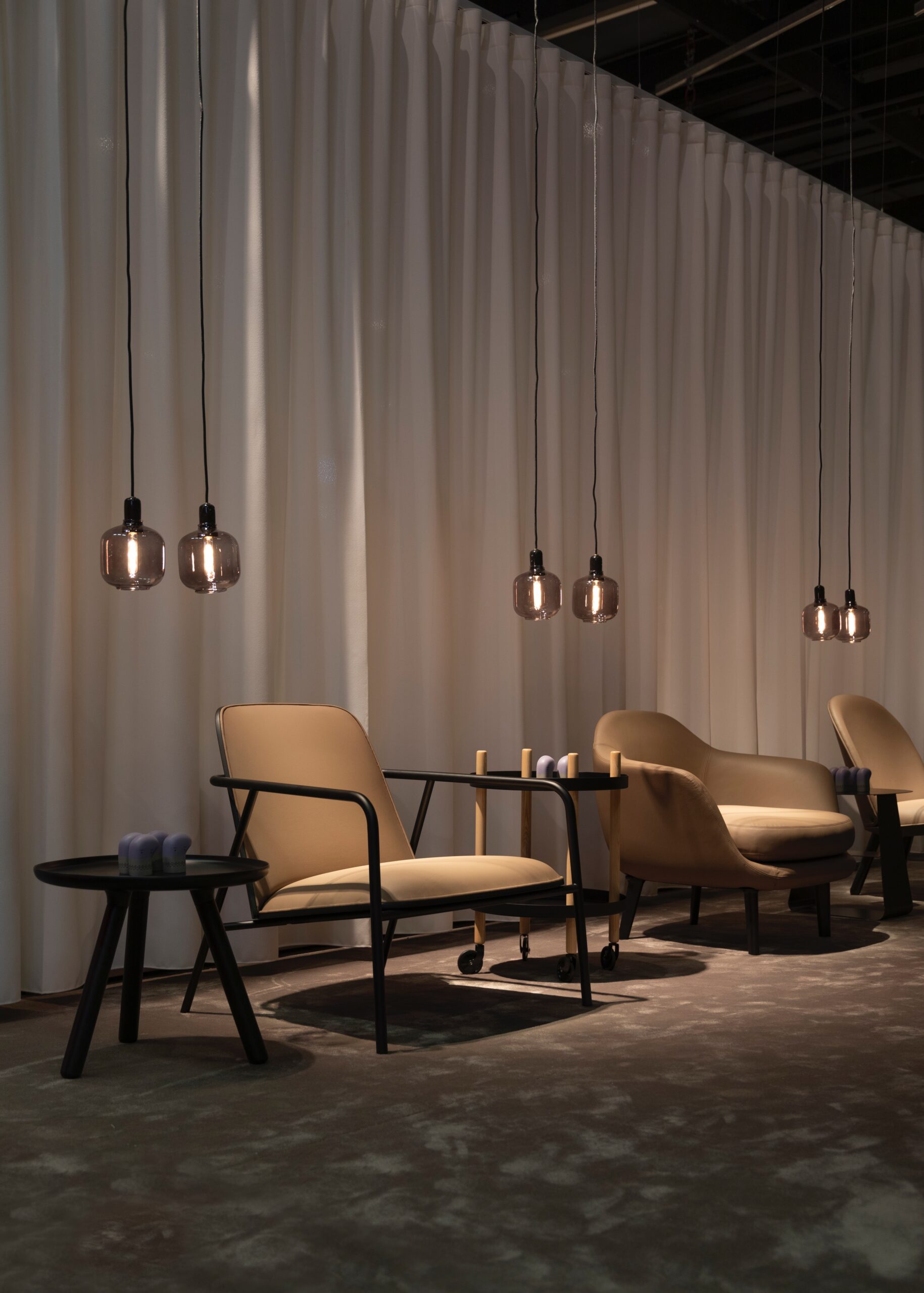
The psychology of lighting in interior spaces is a crucial aspect of design that influences the mood, atmosphere, and functionality of a room. Different types of lighting and their intensity can evoke specific emotional responses. Here’s a breakdown of how lighting impacts psychological perceptions in interior spaces:
Natural Light:
Psychological Effects: Natural light is associated with positivity, well-being, and improved mood.
Usage: Maximize natural light by incorporating large windows, skylights, and light-colored curtains. Position furniture to capture natural light whenever possible.
Task Lighting:
Psychological Effects: Task lighting enhances focus and productivity, reducing eye strain and fatigue.
Usage: Employ task lighting in areas dedicated to specific activities such as reading, cooking, or working. Examples include desk lamps, under-cabinet lighting, and pendant lights.
Ambient Lighting:
Psychological Effects: Soft ambient lighting creates a warm and inviting atmosphere, promoting relaxation.
Usage: Use ambient lighting to set the overall mood in a room. Examples include chandeliers, wall sconces, and recessed lighting with dimmers.
Accent Lighting:
Psychological Effects: Accent lighting draws attention to specific features, adding drama and visual interest.
Usage: Highlight artwork, architectural details, or specific objects with accent lighting, such as spotlights, track lighting, or picture lights.
Color Temperature:
Psychological Effects: Warm light (yellow tones) is cozy and relaxing, while cool light (blue tones) is energizing and refreshing.
Usage: Consider the color temperature of light sources based on the room’s purpose. Warm light is suitable for bedrooms and living areas, while cool light may be preferred in kitchens and workspaces.
Circadian Lighting:
Psychological Effects: Mimicking natural daylight patterns with circadian lighting can regulate sleep-wake cycles and improve overall well-being.
Usage: Consider smart lighting systems that adjust color temperature throughout the day, promoting alertness during the day and relaxation in the evening.
Contrast and Shadows:
Psychological Effects: Play of light and shadows adds depth, creating a dynamic and visually appealing environment.
Usage: Experiment with different light intensities and directions to create contrast, emphasizing textures and architectural features.
Lighting Control:
Psychological Effects: Having control over lighting levels allows individuals to adapt the atmosphere to their preferences.
Usage: Install dimmer switches, smart lighting systems, or multiple lighting sources to provide flexibility and adaptability.
Symmetry and Balance:
Psychological Effects: Well-balanced lighting contributes to a sense of harmony and order in a space.
Usage: Ensure even distribution of light throughout a room, avoiding overly bright or dark areas. Balance different light sources for a cohesive look.
Unexpected Elements:
Psychological Effects: Unique and unexpected lighting elements can create a sense of intrigue and captivate attention.
Usage: Consider unconventional fixtures, such as statement pendant lights or artistic lamps, to add personality and interest to the space.
Understanding the psychological impact of lighting in interior spaces enables designers and homeowners to create environments that support well-being, enhance functionality, and evoke desired emotional responses. It’s essential to carefully plan and layer lighting to achieve a balanced and harmonious atmosphere in each room.
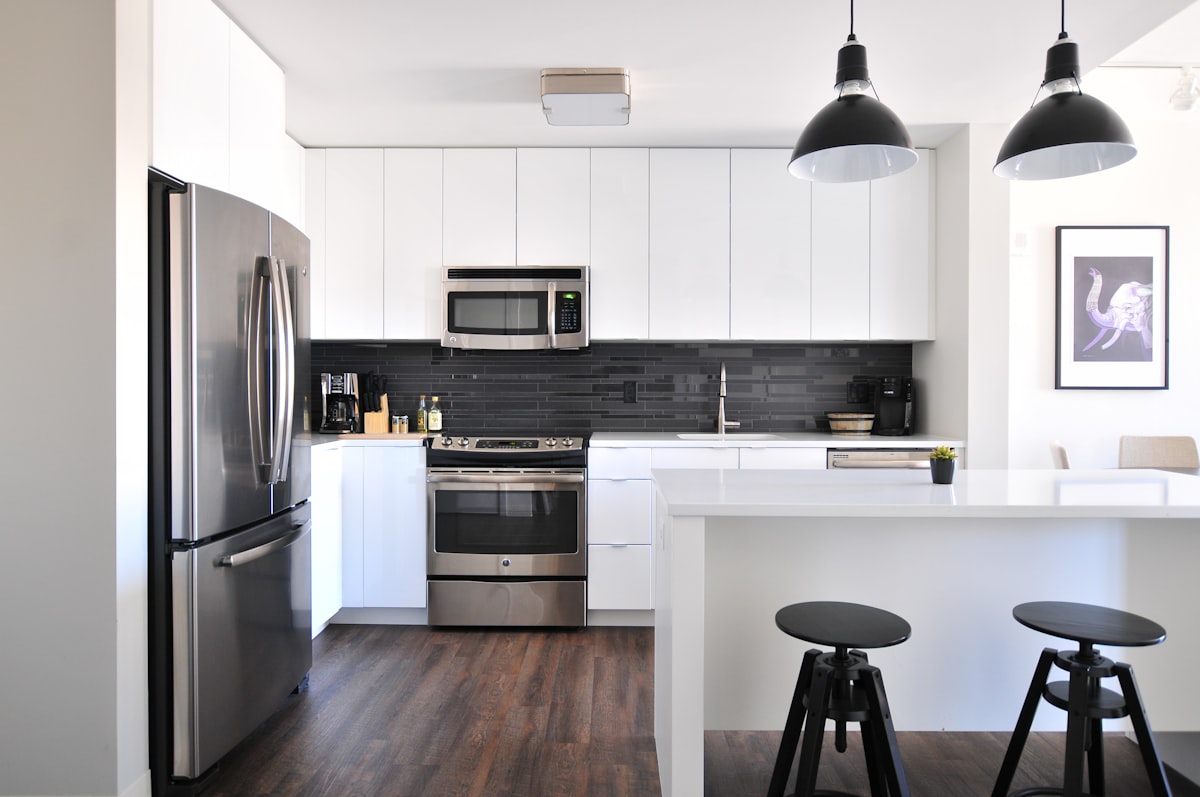
Kitchen design trends evolve over time, influenced by lifestyle changes, technological advancements, and aesthetic preferences. As of my knowledge cutoff in January 2022, here are some kitchen design trends that were gaining popularity:
Open Shelving:
Open shelving provides a more airy and accessible feel to the kitchen. It allows for easy display of decorative items and commonly used kitchenware.
Two-Tone Cabinetry:
Mixing cabinet colors or materials adds visual interest. Common combinations include upper cabinets in one color and lower cabinets in another or using a different material for the kitchen island.
Dark and Moody Tones:
Darker colors for cabinets, countertops, and even walls have become increasingly popular, adding a touch of sophistication and drama to the kitchen.
Smart Kitchens:
Integration of smart technology in kitchen appliances and fixtures, such as smart refrigerators, touchless faucets, and voice-controlled assistants, to enhance convenience.
Quartz Countertops:
Quartz continues to be a preferred choice for countertops due to its durability, low maintenance, and a wide range of color and pattern options.
Matte Finishes:
Matte finishes for kitchen appliances, hardware, and even cabinets are on-trend, offering a sleek and modern appearance.
Statement Lighting:
Bold and unique lighting fixtures, such as oversized pendants or sculptural chandeliers, serve as focal points and add personality to the kitchen.
Large Format Tiles and Slabs:
Large tiles or slabs for backsplashes and countertops create a seamless look with fewer grout lines, contributing to a clean and modern aesthetic.
Mixed Materials:
Combining various materials like wood, metal, and stone in the kitchen design for added texture and visual interest.
Concealed Storage:
Clever storage solutions, including pull-out pantries, hidden cabinets, and integrated appliances, maintain a clean and uncluttered appearance.
Sustainable Design:
Use of eco-friendly materials, energy-efficient appliances, and sustainable practices in kitchen design to promote environmental consciousness.
Open Concept Kitchens:
Open layouts that seamlessly connect the kitchen with the living and dining areas, promoting a sense of inclusivity and spaciousness.
Textured Backsplashes:
Intriguing backsplash materials, such as textured tiles, natural stone, or even metal, add depth and character to the kitchen.
Bold Patterns:
Bold patterns, whether in backsplashes, flooring, or even on cabinets, inject personality and vibrancy into the kitchen space.
Coffee Stations and Beverage Centers:
Dedicated areas for coffee preparation and beverage centers with specialized appliances, showcasing the growing trend of at-home barista setups.
Integrated Appliances:
Concealing appliances behind custom cabinetry for a streamlined and cohesive look in the kitchen.
Mixing Metals:
Combining different metal finishes, such as brass, copper, and stainless steel, for a curated and eclectic look.
Window Walls:
Incorporating large windows or glass walls to maximize natural light and create a connection with the outdoors.
Remember that trends are subjective and can change over time. It’s essential to choose elements that align with your personal style, functional needs, and the overall aesthetic you want to achieve in your kitchen. Always consider the practicality and long-term appeal of the design choices you make.
Mixing patterns and textures in interior design adds depth, visual interest, and a sense of personality to a space. However, achieving a harmonious and balanced look requires thoughtful consideration and careful planning. Here are some tips on how to successfully mix patterns and textures in your interior design:
Start with a Base:
Begin with a neutral or solid-colored base for larger elements such as walls, furniture, and flooring. This provides a foundation for the patterns and textures to stand out.
Choose a Color Palette:
Stick to a cohesive color palette to ensure that the patterns and textures complement each other. This helps create a unified and harmonious look.
Scale and Proportion:
Vary the scale of patterns to create visual interest. Mix larger-scale patterns with smaller-scale ones to avoid overwhelming the space.
Mix Pattern Types:
Combine different types of patterns, such as florals, stripes, geometrics, and solids, to add variety. Aim for a balance of busy and simple patterns.
Consider Color Intensity:
Pay attention to the intensity of colors in the patterns. Mixing bold patterns with muted or neutral ones can prevent the space from feeling too busy.
Texture Variety:
Introduce various textures alongside patterns. Incorporate elements like woven fabrics, smooth surfaces, and tactile materials to enhance the sensory experience.
Use a Dominant Pattern:
Choose one dominant pattern to anchor the room. This can be a large area rug, bold wallpaper, or a statement piece of furniture.
Maintain a Consistent Theme:
Stick to a consistent theme or style throughout the space to tie together different patterns and textures. This helps create a cohesive and intentional design.
Limit the Color Palette:
If you’re using multiple patterns, limit the color palette to a few key hues. This ensures a cohesive look without overwhelming the senses.
Mix Pattern Scales:
Combine different pattern scales, such as a large floral print with a small geometric pattern. This adds visual interest without causing a clash.
Consider the Room’s Purpose:
Tailor your pattern and texture choices based on the room’s function. For example, a bedroom may benefit from soft and calming patterns, while a living room could accommodate bolder choices.
Experiment with Textiles:
Use a variety of textiles, such as throw pillows, rugs, curtains, and upholstery, to introduce patterns and textures. These elements are easy to swap out if you want to change the look later.
Use Solid Anchors:
Ground the space with solid-colored elements, such as a sofa or curtains, to prevent the patterns from becoming too overwhelming.
Consider the Scale of the Room:
In smaller spaces, consider using fewer and smaller-scale patterns to avoid making the room feel cramped.
Test with Samples:
Before committing to large pieces, test patterns and textures with smaller samples. This allows you to see how they work together in the actual space.
Remember, the key to successfully mixing patterns and textures is finding a balance between variety and cohesion. Experiment with different combinations, and don’t be afraid to trust your instincts and personal style.
Designing for small spaces requires creativity, smart solutions, and a focus on maximizing functionality without sacrificing style. Here are some small space design solutions to help you make the most of limited square footage:
Multi-Functional Furniture:
Invest in furniture that serves multiple purposes, such as a sofa bed, a dining table with storage, or ottomans that double as storage units.
Foldable and Stackable Furniture:
Choose foldable or stackable furniture that can be easily tucked away when not in use, providing flexibility in space utilization.
Wall-Mounted Shelves:
Use wall-mounted shelves to free up floor space and display items without cluttering tabletops or countertops.
Custom Storage Solutions:
Opt for custom-built storage solutions that maximize every inch of available space, including under-stair storage, built-in cabinets, and wall niches.
Mirrors to Create Illusion:
Use mirrors strategically to create the illusion of a larger space by reflecting light and making the room feel more open.
Light Colors and Simple Patterns:
Choose light colors for walls and furniture to create an airy and open feel. Simple patterns can also contribute to a sense of spaciousness.
Sliding Doors:
Replace traditional doors with sliding doors to save space and enhance the flow within a small area.
Flexible Room Dividers:
Use bookshelves, curtains, or sliding panels as flexible room dividers to create separate zones within a small space.
Smart Storage Under Furniture:
Utilize the space under beds, sofas, and coffee tables for hidden storage solutions, such as drawers or pull-out bins.
Modular Furniture:
Consider modular furniture that can be rearranged to adapt to different needs and configurations.
Compact Appliances:
Choose compact and space-saving appliances for the kitchen and laundry areas to maximize functionality.
Vertical Storage:
Take advantage of vertical space by installing floor-to-ceiling shelving or cabinets to store items and keep the floor clear.
Fold-Down Desks:
Install a fold-down desk or wall-mounted desk to create a functional workspace that can be easily concealed when not in use.
Dual-Purpose Rooms:
Design rooms with dual purposes, such as a living room that can transform into a guest bedroom or a home office that doubles as a guest room.
Hidden Storage Furniture:
Choose furniture with hidden storage compartments, such as ottomans with storage space or coffee tables with lift-up tops.
Translucent Furniture:
Use translucent or glass furniture to maintain a sense of openness and visual continuity in small spaces.
Declutter Regularly:
Regularly declutter and edit your possessions to ensure that only the essentials remain in the space, reducing visual and physical congestion.
Optimize Entryways:
Create an organized entryway with hooks, shelves, and storage to prevent clutter from accumulating as you enter the space.
By incorporating these small space design solutions, you can transform even the most compact areas into functional, stylish, and comfortable living spaces.
Color psychology plays a crucial role in interior design, influencing our emotions, perceptions, and overall well-being within a space. Here’s a breakdown of various colors and their psychological effects, along with tips on incorporating them into interior design:
Blue:
Psychological Effects: Calming, promotes concentration, and enhances productivity.
Usage: Ideal for bedrooms, home offices, and areas where focus and relaxation are important.
Green:
Psychological Effects: Associated with nature, promotes a sense of tranquility and balance.
Usage: Well-suited for living rooms, bedrooms, and areas where a calming atmosphere is desired.
Yellow:
Psychological Effects: Energetic, uplifting, and stimulates creativity.
Usage: Great for kitchens, dining areas, and spaces where energy and positivity are desired.
Red:
Psychological Effects: Stimulating, energizing, and can increase appetite.
Usage: Considered for dining rooms or as an accent color; use sparingly in areas where relaxation is key.
Purple:
Psychological Effects: Represents luxury, sophistication, and creativity.
Usage: Suitable for bedrooms, accent walls, or areas where a touch of opulence is desired.
Orange:
Psychological Effects: Warm, inviting, and stimulates social interaction.
Usage: Works well in dining rooms, social spaces, and areas where a lively atmosphere is desired.
Neutral Tones (Gray, Beige, White):
Psychological Effects: Timeless, versatile, and create a sense of simplicity.
Usage: Ideal for creating a neutral backdrop, allowing for flexibility in accent colors and decor.
Brown:
Psychological Effects: Grounding, earthy, and promotes a sense of stability.
Usage: Common in living rooms and areas where a cozy, natural feel is desired.
Pink:
Psychological Effects: Calming, nurturing, and associated with romance.
Usage: Suitable for bedrooms, nurseries, or areas where a soft and soothing ambiance is desired.
Black:
Psychological Effects: Sophisticated, modern, and can add depth to a space.
Usage: Use in moderation as an accent color; it works well in modern and minimalist designs.
Gold and Metallics:
Psychological Effects: Symbolize luxury, elegance, and warmth.
Usage: Adds a touch of opulence as accents in lighting, hardware, or decor elements.
Tips for Using Color Psychology in Interior Design:
Balance is Key: Achieve a harmonious look by balancing bold colors with neutrals.
Consider Room Function: Match colors to the purpose of each room (e.g., calming in bedrooms, energizing in workspaces).
Use Accents Wisely: Introduce vibrant colors through accessories, artwork, or accent walls to avoid overwhelming the space.
Personal Preference Matters: While color psychology provides general guidelines, personal preference plays a significant role. Choose colors that resonate with your style and preferences.
By understanding color psychology, you can create interior spaces that not only look visually appealing but also evoke the desired emotions and atmosphere for each room in your home.
Creating a functional and productive home office is crucial for individuals who work remotely. Here are key considerations and tips for designing an interior space that fosters productivity:
Optimal Workspace Layout:
Arrange furniture to maximize natural light and minimize distractions.
Consider placing the desk near a window for a view and natural light.
Ergonomic Furniture:
Invest in an ergonomic chair and a desk with adjustable height to ensure comfort during long work hours.
Keep the desk clutter-free to promote a focused work environment.
Color Psychology:
Use colors that promote focus and productivity, such as muted blues, greens, or neutrals.
Introduce pops of energizing colors through accessories for visual interest.
Effective Lighting:
Incorporate a mix of ambient, task, and accent lighting.
Position the desk near a natural light source, and use adjustable artificial lighting for task-specific areas.
Tech Organization:
Implement cable management solutions to keep wires organized.
Provide ample power outlets for various devices.
Sound Control:
Consider using soundproofing materials or adding area rugs to minimize noise.
Use noise-canceling headphones for additional focus.
Personalized Decor:
Decorate with items that inspire and motivate, such as artwork, plants, or motivational quotes.
Avoid overcrowding the space with too many personal items.
Storage Solutions:
Invest in efficient storage solutions to keep the space organized.
Use shelving, cabinets, or storage bins to minimize visual clutter.
Multi-Functional Furniture:
Opt for furniture that serves multiple purposes, such as a desk with built-in storage or a convertible standing desk.
Foldable furniture can be useful in small spaces.
Greenery and Biophilic Design:
Bring in plants to improve air quality and add a touch of nature.
Consider incorporating biophilic design elements for a connection to the outdoors.
Inspiring Color Schemes:
Use a color scheme that resonates with your personal style and encourages creativity.
Consider a mix of neutral tones with a bold accent color for a balanced look.
Tech-Friendly Design:
Design the space with technology integration in mind, including sufficient outlets and charging stations.
Conceal cables and wires for a clean and organized appearance.
Zoning and Separation:
If possible, create distinct zones for work and relaxation.
Use room dividers or furniture placement to delineate different areas within the space.
Personalized Organization:
Choose organization systems that suit your work style, whether it’s a bulletin board, a whiteboard, or digital tools.
Keep frequently used items within easy reach.
Natural Materials:
Incorporate natural materials like wood or stone for a calming and grounding effect.
Choose furniture and accessories that align with a cohesive natural theme.
Remember, the key is to create a workspace that aligns with your personal preferences and work habits while promoting focus and productivity. Tailor the design to suit your needs, and regularly assess and adjust the space to maintain an optimal working environment.
Creating modern luxury home interiors involves incorporating sleek designs, high-quality materials, and a sense of sophistication. Here are some key elements and ideas for achieving a modern luxury look:
Clean Lines and Minimalism:
Embrace clean, straight lines and a minimalist approach to design.
Opt for furniture and decor with simple shapes and minimal ornamentation.
High-Quality Materials:
Use luxurious materials such as marble, granite, quartz, and high-quality woods for surfaces like countertops and flooring.
Incorporate metals like brass, chrome, or stainless steel for fixtures and hardware.
Neutral Color Palette:
Stick to a neutral color palette with a focus on whites, grays, and beige tones.
Introduce occasional pops of color through art or accent furniture.
Open Floor Plans:
Create an open and spacious feel by incorporating open floor plans, allowing for seamless flow between living spaces.
Use minimalistic dividers or furniture to define different areas within the open space.
Smart Home Technology:
Integrate smart home systems for lighting, temperature control, and security to enhance convenience and modernity.
Conceal technology when possible to maintain a streamlined look.
Floor-to-Ceiling Windows:
Maximize natural light by incorporating large, floor-to-ceiling windows.
Use high-quality window treatments that allow for flexibility in controlling light and privacy.
Luxurious Lighting:
Invest in statement lighting fixtures that serve as focal points in each room.
Consider pendant lights, chandeliers, or unique modern fixtures to add a touch of luxury.
Custom Built-Ins:
Utilize custom-built furniture and storage solutions to maximize space and maintain a cohesive design.
Integrated shelving and cabinetry can create a seamless and organized appearance.
Art and Sculptures:
Select modern art pieces or sculptures that complement the overall design.
Use art to add personality and visual interest to the space.
Designer Furniture:
Invest in high-end designer furniture pieces that showcase quality craftsmanship and timeless design.
Choose furniture with sleek profiles and a harmonious color palette.
Accent Lighting:
Incorporate accent lighting to highlight architectural features, artwork, or specific design elements.
Use LED strips or spotlights to create dramatic effects.
Statement Pieces:
Integrate a few bold statement pieces, such as a unique coffee table, a designer chair, or a distinctive rug.
Quality over quantity is essential for a luxurious look.
Texture and Layering:
Add texture through textiles like plush rugs, velvet upholstery, and throw pillows.
Layer textures to create depth and visual interest.
Remember that modern luxury is often about the seamless integration of high-quality materials, cutting-edge design, and a curated aesthetic. Personalization and attention to detail play a crucial role in achieving a modern luxury home interior.
Designing a luxury interior for small spaces requires a thoughtful approach to maximize functionality, optimize aesthetics, and create an overall sense of comfort and sophistication. Here are some tips and ideas to achieve luxury in small spaces:
Multipurpose Furniture:
Opt for furniture that serves multiple functions, such as a sofa that can convert into a bed or a coffee table with storage compartments.
Consider custom-built furniture tailored to the specific dimensions of the space.
Neutral Color Palette:
Use a neutral color scheme, such as soft whites, creams, and light grays, to create an open and airy feel.
Introduce pops of luxury with metallic accents, like gold or silver, for accessories and hardware.
Strategic Lighting:
Incorporate a variety of lighting sources, including ambient, task, and accent lighting, to add depth and create a luxurious atmosphere.
Consider pendant lights or wall sconces to save floor space.
Reflective Surfaces:
Mirrors can visually expand the space and add a touch of glamour. Consider mirrored furniture or large decorative mirrors on walls.
Use glossy or metallic finishes for surfaces to reflect light and create a sense of opulence.
Custom Shelving and Storage:
Invest in custom storage solutions that maximize every inch of available space.
Consider built-in shelves and cabinets to keep the space clutter-free while showcasing curated luxury items.
Luxurious Textures:
Introduce plush textures like velvet, faux fur, or silk to add a sense of luxury and comfort.
Use high-quality materials for upholstery and linens.
Statement Pieces:
Incorporate one or two statement furniture pieces or decorative items that become focal points in the room.
Focus on quality over quantity to maintain a sense of simplicity and sophistication.
Smart Space Planning:
Plan the layout thoughtfully to optimize the flow of the space.
Consider open shelving to maintain an open feel while providing storage.
Vertical Emphasis:
Utilize vertical space with tall bookshelves or floor-to-ceiling drapes to draw the eye upward and create the illusion of height.
Consider vertical stripes on walls for a similar effect.
Greenery and Art:
Incorporate plants or fresh flowers to bring a natural element into the space.
Invest in art or sculptures that complement the design and add a touch of sophistication.
Remember, luxury doesn’t always equate to excess. In small spaces, a curated and intentional approach to design can create a luxurious and comfortable environment.
When it comes to creating a luxurious and stylish home, one of the key elements is choosing the right furniture. Designer furniture not only adds a touch of elegance to your living space but also reflects your personal style and taste. Whether you are furnishing a new home or looking to update your current one, investing in designer furniture can transform your space into a sanctuary of comfort and sophistication.
Quality and Craftsmanship
One of the main reasons why designer furniture is highly sought after is the superior quality and craftsmanship that goes into its creation. Unlike mass-produced furniture, designer pieces are meticulously crafted by skilled artisans who pay attention to every detail. From the choice of materials to the finishing touches, designer furniture is made to last for generations.
When you invest in designer furniture, you are not just buying a piece of furniture, but also a work of art. Each piece is carefully designed and crafted with precision and care, resulting in furniture that is not only beautiful but also functional.
Unique and Customizable Designs
Another advantage of designer furniture is the ability to customize and personalize your pieces. Most designers offer a range of options when it comes to materials, colors, and finishes, allowing you to create furniture that perfectly suits your style and preferences. Whether you prefer sleek and modern designs or classic and timeless pieces, there is a designer furniture collection that will cater to your individual taste.
With designer furniture, you have the opportunity to create a truly unique and one-of-a-kind living space. You can mix and match different pieces, experiment with different styles, and create a cohesive look that is a reflection of your personality. The possibilities are endless when it comes to designing your dream home with designer furniture.
Attention to Detail
Designer furniture is known for its attention to detail. From the stitching on a sofa to the intricate carvings on a dining table, every aspect of designer furniture is carefully considered. These small details not only enhance the aesthetic appeal of the furniture but also contribute to its overall quality and durability.
Whether it’s the choice of hardware, the placement of buttons, or the selection of fabrics, designer furniture is designed to perfection. The attention to detail is what sets designer furniture apart from mass-produced alternatives, making it a popular choice for those who appreciate fine craftsmanship.
Long-Term Investment
While designer furniture may come with a higher price tag, it is important to view it as a long-term investment. Unlike cheaper alternatives, designer furniture is built to withstand the test of time. The high-quality materials and expert craftsmanship ensure that your furniture will remain in excellent condition for years to come.
Furthermore, designer furniture holds its value well and can even appreciate over time. If you ever decide to sell your designer pieces, you can expect a good return on your investment. This makes designer furniture not only a luxurious addition to your home but also a wise financial decision.
Conclusion
Designer furniture is the epitome of luxury and style. With its superior quality, unique designs, attention to detail, and long-term value, it is no wonder that designer furniture is highly coveted by homeowners around the world. Investing in designer furniture allows you to create a home that is not only beautiful but also a reflection of your individuality and taste. So, why settle for ordinary when you can elevate your living space with designer furniture?
When it comes to creating a luxurious and opulent living space, there are endless possibilities. An extravagant living room can be a haven of comfort and style, where you can relax and entertain in grandeur. Whether you prefer a classic and timeless design or a more contemporary and avant-garde approach, here are some extravagant living room ideas to inspire you.
1. Statement Furniture
One way to instantly elevate the extravagance of your living room is by investing in statement furniture pieces. Consider a plush velvet sofa with intricate detailing or a sleek leather sectional that exudes sophistication. Opt for unique and eye-catching designs that become the focal point of the room.
2. Rich Fabrics and Textures
Introduce rich fabrics and textures to add depth and luxury to your living room. Velvet curtains, silk throw pillows, and faux fur rugs can instantly transform the space into a lavish retreat. Don’t be afraid to mix and match different textures to create a visually stunning and tactile experience.
3. Grand Lighting Fixtures
Lighting plays a crucial role in setting the mood and ambiance of a room. Opt for grand chandeliers or oversized pendant lights to create a sense of drama and opulence. Consider installing dimmers to control the intensity of the lighting, allowing you to create different atmospheres for different occasions.
4. Artistic Accents
Add a touch of artistry to your living room with carefully curated accents. Displaying unique sculptures, paintings, or intricate wall hangings can elevate the overall aesthetic and make a bold statement. Choose pieces that reflect your personal taste and create a conversation-worthy focal point.
5. Luxurious Flooring
The flooring of your living room can greatly contribute to its overall extravagance. Consider installing marble or hardwood floors with intricate patterns or designs. Alternatively, a plush and high-quality carpet can add a sense of comfort and luxury. Don’t forget to incorporate stylish rugs to enhance the visual appeal.
6. Glamorous Color Palette
Choose a glamorous color palette that exudes elegance and sophistication. Deep jewel tones like emerald green, sapphire blue, and ruby red can create a regal atmosphere. Alternatively, a monochromatic scheme using shades of white, cream, and gold can create a timeless and luxurious look.
7. Customized Built-ins
Investing in customized built-ins can be a game-changer for an extravagant living room. Consider installing built-in bookshelves, entertainment centers, or a bar area. These personalized features not only enhance the functionality of the space but also add a touch of exclusivity and luxury.
8. Lavish Window Treatments
Window treatments can significantly impact the overall aesthetic of a living room. Opt for floor-to-ceiling curtains made from luxurious fabrics like silk or velvet. Install decorative curtain rods and tiebacks to add an extra touch of elegance. Sheer curtains can also be layered for a more ethereal and romantic look.
9. Opulent Accessories
Accessorize your living room with opulent details that reflect your personal style. Incorporate decorative mirrors, crystal vases, and metallic accents to create a sense of luxury. Don’t forget to add a touch of greenery with fresh flowers or potted plants to bring life and freshness to the space.
10. Comfortable Seating Areas
While extravagance is often associated with grandeur, it’s important to prioritize comfort as well. Create multiple seating areas that allow for intimate conversations and relaxation. Invest in plush and comfortable sofas, armchairs, and ottomans to ensure that your living room is both luxurious and inviting.
Remember, creating an extravagant living room is all about embracing your personal style and incorporating elements that make you feel pampered and indulged. Whether you choose to go for a classic and traditional look or a more contemporary and avant-garde design, these ideas will help you create a space that exudes luxury and sophistication.
A luxurious bedroom design can transform your space into a serene retreat, providing you with a sense of comfort and indulgence. Whether you prefer a contemporary, classic, or eclectic style, there are various elements you can incorporate to create a luxurious atmosphere. In this blog post, we will explore some key features and design ideas to help you achieve the bedroom of your dreams.
Colors and Textures
The choice of colors and textures plays a crucial role in creating a luxurious feel in your bedroom. Opt for a neutral color palette, such as soft creams, warm grays, or elegant whites, to create a soothing and sophisticated ambiance. Consider adding pops of color through accessories or artwork to add visual interest.
When it comes to textures, incorporate plush fabrics like velvet, silk, or cashmere. These materials not only feel luxurious but also add depth and richness to the overall design. Use them for your bedding, curtains, or even in the form of accent pillows or throws.
Furniture and Layout
Invest in high-quality furniture pieces that exude elegance and comfort. Choose a bed with a beautiful headboard, such as one upholstered in luxurious fabric or adorned with intricate detailing. Consider complementing it with matching nightstands and a dresser to create a cohesive look.
When planning the layout, ensure there is ample space to move around and that the furniture placement allows for a smooth flow. Avoid clutter by incorporating storage solutions like built-in wardrobes or stylish dressers with ample drawers. This will help maintain a clean and organized appearance.
Lighting
Proper lighting can enhance the luxurious ambiance of your bedroom. Install a combination of task lighting, such as bedside lamps or wall sconces, for functional purposes. Additionally, incorporate ambient lighting, such as a chandelier or pendant lights, to create a warm and inviting atmosphere.
Consider adding dimmers to control the intensity of the light, allowing you to create different moods depending on the time of day or your preferences. Natural light is also essential, so maximize it by using sheer curtains or blinds that can be easily adjusted.
Accessories and Accents
The right accessories and accents can elevate the luxurious feel of your bedroom. Opt for statement pieces like a decorative mirror, an ornate rug, or a stylish piece of artwork. These elements not only add visual interest but also reflect your personal style.
Consider adding a seating area with a comfortable armchair or chaise lounge, creating a cozy spot for relaxation. Incorporate soft and plush textiles, such as a faux fur throw or velvet cushions, to enhance the comfort and opulence of the space.
Final Thoughts
A luxurious bedroom design is all about creating a space that makes you feel pampered and relaxed. By carefully selecting colors, textures, furniture, lighting, and accessories, you can transform your bedroom into a haven of luxury. Remember to choose elements that reflect your personal style and preferences, ensuring that the design resonates with you. With these ideas in mind, you can create a bedroom that exudes elegance and provides you with the ultimate comfort.
Welcome to the world of luxury home design! If you’re looking for inspiration to create your dream home, you’ve come to the right place. In this blog post, we will explore various design ideas and trends that can help you transform your living space into a luxurious retreat.
1. Elegant Interiors
When it comes to luxury home design, elegance is key. Opt for high-quality materials such as marble, hardwood, and plush fabrics to create a sophisticated and timeless look. Incorporate statement pieces like chandeliers, grand staircases, and ornate moldings to add a touch of opulence to your interiors.
2. Open Floor Plans
Open floor plans are a popular choice for luxury homes as they create a sense of spaciousness and flow. Consider combining your living, dining, and kitchen areas to create a seamless and inviting space for entertaining guests. Use large windows and glass doors to bring in natural light and provide stunning views of the surrounding landscape.
3. Outdoor Living Spaces
No luxury home is complete without a well-designed outdoor living space. Create a private oasis by incorporating features such as swimming pools, outdoor kitchens, fire pits, and comfortable seating areas. Use landscaping to enhance the beauty of your outdoor space and create a seamless transition between indoors and outdoors.
4. Smart Home Technology
Integrating smart home technology into your luxury design can elevate your living experience. From voice-controlled lighting and temperature systems to automated window blinds and security systems, the possibilities are endless. Embrace the convenience and comfort that technology can bring to your home.
5. Spa-like Bathrooms
Transform your bathroom into a luxurious spa-like retreat. Incorporate features such as freestanding bathtubs, rainfall showers, heated floors, and high-end fixtures. Use natural materials like stone and wood to create a calming and serene environment where you can relax and unwind.
6. Home Theaters
Create the ultimate entertainment space with a dedicated home theater. Install state-of-the-art audiovisual equipment, comfortable seating, and soundproofing to recreate the cinema experience in the comfort of your own home. Add a popcorn machine and a mini-bar for a touch of luxury.
7. Customized Walk-in Closets
No luxury home is complete without a spacious and well-organized walk-in closet. Consider customizing your closet with built-in shelving, drawers, and ample storage space for your clothes, shoes, and accessories. Incorporate luxurious lighting and mirrors to create a glamorous dressing area.
Conclusion
Creating a luxury home design is all about attention to detail, high-quality materials, and a touch of extravagance. Whether you prefer a classic, contemporary, or eclectic style, there are endless possibilities to explore. Let your imagination run wild and create a home that reflects your personal style and offers the utmost comfort and luxury.
When it comes to interior design, trends are constantly evolving. Each year brings new styles, colors, and materials that shape the way we decorate our homes. If you’re looking to stay ahead of the curve and create a truly unique and exclusive space, then this blog post is for you. We’ll explore some of the latest interior design trends that are sure to make a statement in any home.
1. Minimalism with a Twist
Minimalism has been a popular design trend for a while now, but this year it’s taking on a new twist. Instead of stark white spaces, designers are incorporating warm, earthy tones to create a cozy and inviting atmosphere. Think neutral colors like beige, taupe, and soft grays paired with natural materials such as wood and stone. This combination of minimalism and warmth creates a serene and sophisticated ambiance.
2. Biophilic Design
Biophilic design is all about bringing nature indoors. It focuses on incorporating natural elements like plants, natural light, and organic materials into the design scheme. This trend not only adds visual interest but also promotes a sense of well-being and connection to the natural world. Consider adding a living wall, large windows, or using sustainable materials like bamboo or cork to create a biophilic design in your home.
3. Statement Ceilings
Ceilings are often overlooked when it comes to interior design, but they can be a powerful way to make a statement. This year, designers are using bold colors, patterns, and textures on ceilings to add drama and visual interest to a space. Whether it’s a vibrant paint color, a textured wallpaper, or even a decorative ceiling medallion, incorporating a statement ceiling can elevate the overall design of a room.
4. Sustainable Design
With a growing focus on sustainability and eco-consciousness, sustainable design is becoming increasingly popular. This trend emphasizes the use of environmentally friendly materials, energy-efficient appliances, and sustainable building practices. From reclaimed wood furniture to energy-saving lighting fixtures, incorporating sustainable elements into your home not only helps the planet but also creates a unique and exclusive design aesthetic.
5. Mixed Metals
Mixing metals is a trend that adds a touch of luxury and sophistication to any space. Instead of sticking to one metal finish, designers are now combining different metals like gold, silver, and bronze to create a layered and eclectic look. Whether it’s through light fixtures, hardware, or decorative accessories, incorporating mixed metals adds visual interest and creates a sense of depth and dimension in a room.
Conclusion
Keeping up with the latest interior design trends can be exciting, especially when you’re looking to create an exclusive and unique space. From minimalism with a twist to biophilic design, statement ceilings, sustainable design, and mixed metals, these trends offer endless possibilities for creating a one-of-a-kind interior. Remember, it’s important to choose trends that resonate with your personal style and create a space that reflects your individuality.
When it comes to furnishing your home, investing in high-quality furniture can make a significant difference in both style and longevity. If you’re looking for luxury and elegance, there are several expensive furniture brands that are renowned for their craftsmanship, attention to detail, and exquisite designs. In this article, we will explore some of the top names in the industry that offer exceptional furniture pieces to elevate your living space.
1. Roche Bobois
Roche Bobois is a French furniture brand that has been synonymous with luxury for over 60 years. Their furniture collections are known for their contemporary designs, innovative materials, and exceptional craftsmanship. From sleek sofas and elegant dining tables to statement-making beds and unique accessories, Roche Bobois offers a wide range of high-end furniture options to suit various tastes and styles.
2. Fendi Casa
Fendi Casa is the home collection of the renowned Italian fashion house Fendi. Their furniture pieces embody the brand’s signature style, combining timeless elegance with modern sophistication. Fendi Casa offers a curated selection of furniture, including luxurious sofas, armchairs, beds, and tables, all crafted with the finest materials and meticulous attention to detail.
3. Herman Miller
Herman Miller is an American furniture company known for its iconic designs and commitment to ergonomics. Their furniture pieces are not only visually stunning but also prioritize comfort and functionality. From the iconic Eames Lounge Chair to the innovative Aeron Chair, Herman Miller’s furniture blends style and practicality seamlessly.
4. Poltrona Frau
Poltrona Frau is an Italian brand renowned for its exquisite leather furniture. With a heritage dating back to 1912, Poltrona Frau combines traditional craftsmanship with contemporary design. Their leather sofas, armchairs, and beds are crafted with the utmost precision, ensuring both beauty and durability.
5. Minotti
Minotti is an Italian luxury furniture brand known for its clean lines, minimalist aesthetic, and exceptional quality. Their furniture collections feature understated elegance and timeless designs that can effortlessly enhance any interior. From sofas and chairs to tables and lighting, Minotti offers a wide range of sophisticated furniture options.
6. Baker Furniture
Baker Furniture is an American brand that has been synonymous with fine craftsmanship and luxury for over a century. Their furniture pieces are meticulously crafted by skilled artisans, showcasing exquisite details and finishes. Baker Furniture offers a diverse range of styles, from traditional to contemporary, ensuring there’s something for every discerning homeowner.
7. Christopher Guy
Christopher Guy is a British luxury furniture brand known for its glamorous and opulent designs. Their furniture pieces feature intricate carvings, luxurious fabrics, and attention-grabbing details. Christopher Guy’s creations exude a sense of grandeur and are often considered statement pieces that can transform any space into a luxurious haven.
These are just a few examples of expensive furniture brands that offer exceptional quality and design. While the price tag may be higher, investing in furniture from these renowned brands ensures that you’re not only getting a beautiful piece for your home but also a long-lasting investment that will stand the test of time.
Remember, when choosing furniture, it’s important to consider your personal style, the overall aesthetic of your home, and the functionality you require. By investing in high-quality furniture, you can create a space that not only looks luxurious but also provides comfort and enjoyment for years to come.
When it comes to creating a luxurious and opulent living space, the interior design plays a crucial role. Opulent home interiors are characterized by their grandeur, elegance, and attention to detail. From lavish furnishings to exquisite decor, every element is carefully curated to create a sense of luxury and indulgence. In this blog post, we will explore some key elements and design ideas that can help you achieve an opulent look in your home.
Rich and Luxurious Fabrics
One of the defining features of opulent home interiors is the use of rich and luxurious fabrics. Velvet, silk, brocade, and satin are some of the popular choices for upholstery, curtains, and cushions. These fabrics not only add a touch of elegance but also create a sense of comfort and luxury. Opt for deep, jewel-toned colors like emerald green, sapphire blue, or ruby red to enhance the opulence of the space.
Statement Furniture Pieces
To create an opulent look, it is essential to invest in statement furniture pieces. These are the focal points of the room and should be chosen with care. Look for pieces that have intricate detailing, such as carved woodwork or ornate metal accents. Oversized sofas, chaise lounges, and canopy beds are some examples of furniture that can add a luxurious touch to your home. Don’t be afraid to mix different styles and eras to create a unique and eclectic look.
Chandeliers and Crystal Lighting
Lighting plays a crucial role in setting the mood and ambiance of a space. In opulent home interiors, chandeliers and crystal lighting fixtures are often used to create a dramatic effect. These fixtures not only provide ample light but also serve as stunning works of art. Opt for chandeliers with cascading crystals or crystal wall sconces to add a touch of glamour to your home.
Art and Accessories
Opulent home interiors are incomplete without art and accessories that reflect the homeowner’s taste and style. Invest in original artwork, such as paintings or sculptures, to create a sense of sophistication. Display them prominently on walls or pedestals to showcase their beauty. Additionally, decorative accessories like ornate mirrors, antique vases, and intricate candle holders can further enhance the opulence of the space.
Luxurious Flooring
The flooring of a space can significantly impact its overall look and feel. In opulent home interiors, hardwood floors with intricate patterns or marble flooring are often preferred. These materials exude elegance and luxury. To add warmth and comfort, layer the flooring with plush area rugs in rich colors and textures.
Window Treatments
Opulent home interiors often feature elaborate window treatments that create a sense of grandeur. Floor-to-ceiling curtains in luxurious fabrics like silk or velvet can instantly elevate the look of a room. Opt for drapes with intricate details like tassels, fringes, or beaded trims to add a touch of opulence.
Conclusion
Opulent home interiors are all about creating a sense of luxury, elegance, and indulgence. By incorporating rich fabrics, statement furniture pieces, crystal lighting, art, and accessories, as well as luxurious flooring and window treatments, you can transform your home into a haven of opulence. Remember to balance these elements with your personal style to create a space that is both visually stunning and reflects your taste and personality.
When it comes to creating a luxurious and sophisticated living space, high-end home decor is the key. Whether you’re looking to transform your entire home or just add a touch of elegance to a specific room, investing in high-quality furnishings and accessories can make all the difference. In this blog post, we will explore the world of high-end home decor and provide you with some inspiration to elevate your living space.
The Importance of High-End Home Decor
High-end home decor goes beyond mere aesthetics. It is about creating a space that reflects your personal style and provides a sense of luxury and comfort. By investing in high-quality materials and craftsmanship, you can enhance the overall look and feel of your home, creating an environment that is both visually stunning and functional.
One of the main advantages of high-end home decor is durability. High-quality furniture and accessories are built to last, ensuring that your investment will stand the test of time. Additionally, these pieces often come with warranties or guarantees, giving you peace of mind and confidence in your purchase.
Choosing the Right Furniture
When it comes to high-end home decor, furniture plays a crucial role. It sets the tone for the entire room and can make a significant impact on the overall aesthetic. Here are some key factors to consider when choosing high-end furniture:
Quality: Look for furniture made from high-quality materials such as solid wood or top-grain leather. Pay attention to the construction and finishing details to ensure superior craftsmanship.
Style: Select furniture that complements your personal style and the overall theme of your home. Whether you prefer modern, traditional, or eclectic designs, there are high-end options available for every taste.
Comfort: Don’t compromise on comfort. High-end furniture should not only look good but also provide a comfortable seating or sleeping experience. Test out different pieces to find the perfect balance between style and comfort.
Accessorizing with Elegance
Once you have chosen the right furniture, it’s time to add the finishing touches with elegant accessories. Here are some ideas to inspire you:
Lighting: Invest in high-quality lighting fixtures that not only provide ample illumination but also serve as statement pieces. Consider chandeliers, sconces, or floor lamps to add a touch of glamour to your space.
Artwork: Displaying original artwork can instantly elevate the ambiance of a room. Invest in paintings, sculptures, or photography that speaks to your personal taste and complements the overall design.
Textiles: Luxurious textiles such as silk, velvet, or cashmere can add a sense of opulence to any space. Incorporate them into your curtains, throw pillows, or rugs to create a cozy and inviting atmosphere.
Statement Pieces: Consider investing in a few standout pieces that become the focal point of the room. It could be a unique coffee table, an antique cabinet, or a designer chair that adds a touch of exclusivity to your space.
Creating a Cohesive Design
While high-end home decor allows for individual expression, it is important to create a cohesive design throughout your home. Here are some tips to achieve a harmonious look:
Stick to a Color Palette: Select a color palette that flows seamlessly from room to room. This will create a sense of unity and make your home feel well-curated.
Balance Bold and Subtle: Mix statement pieces with more understated elements to create a balanced and visually interesting space.
Pay Attention to Scale: Ensure that your furniture and accessories are proportionate to the size of the room. Oversized or undersized pieces can disrupt the overall harmony.
Consider Functionality: While aesthetics are important, don’t forget about functionality. Make sure your high-end decor choices enhance the usability of the space.
Remember, high-end home decor is not just about following the latest trends or purchasing expensive items. It’s about creating a space that reflects your personality, provides comfort, and stands the test of time. By investing in quality furnishings and accessories and paying attention to the overall design, you can transform your living space into a luxurious haven.
Luxury interior design ideas continue evolving toward warm minimalism, layered textures and highly personalized spaces. New design directions increasingly focus on comfort, tactile materials and quieter forms of luxury rather than purely decorative styling. :contentReference[oaicite:0]{index=0}
Homeowners across Gurgaon, Noida and Delhi NCR are investing in custom interiors with elegant layouts, designer lighting and premium materials.
Layered lighting, high-quality materials and meaningful design details increasingly define modern luxury interiors. :contentReference[oaicite:1]{index=1}
15 Luxury Interior Design Ideas
Layered Luxury Living Rooms
Combine linen, wood, marble and rich textures for depth and comfort.
Statement Lighting
Lighting can dramatically elevate luxury perception inside a home. :contentReference[oaicite:2]{index=2}
Hotel Style Bedrooms
Create premium comfort with layered textiles and warm tones.
Designer Kitchens
Luxury kitchens now emphasize functionality and premium finishes.
Architectural Features
Statement staircases and structural elements create visual impact.
Indoor Outdoor Design
Natural integration creates openness and lifestyle-focused spaces.
When it comes to creating a luxurious and elegant space, interior design plays a crucial role. Whether you are designing your dream home or revamping your current living space, incorporating elements of luxury can elevate the overall aesthetic and create a sense of opulence. In this blog post, we will explore some inspiring luxury interior design ideas that can transform any space into a sophisticated oasis.
1. Embrace a Neutral Color Palette
Neutral colors are a hallmark of luxury interior design. Opt for shades of cream, beige, taupe, and gray to create a timeless and elegant look. These hues provide a calm and sophisticated backdrop, allowing other design elements to shine. Consider incorporating metallic accents like gold or silver to add a touch of glamour to your space.
2. Invest in High-Quality Materials
When it comes to luxury interior design, the quality of materials used is paramount. Opt for high-end materials like marble, granite, and hardwood for flooring, countertops, and furniture. These materials not only exude luxury but also stand the test of time. Incorporate luxurious fabrics like silk, velvet, or cashmere for upholstery and drapery to add a sense of indulgence.
3. Create an Open and Spacious Layout
A spacious and open layout is a key feature of luxury interior design. Consider removing unnecessary walls or partitions to create a seamless flow between rooms. This not only enhances the sense of grandeur but also allows natural light to flood the space, creating an airy and inviting atmosphere. Use strategically placed mirrors to further amplify the feeling of spaciousness.
4. Incorporate Statement Lighting
Lighting can make or break the ambiance of a space. To create a luxurious atmosphere, invest in statement lighting fixtures that serve as focal points. Chandeliers, pendant lights, and wall sconces can add a touch of elegance and drama to any room. Consider using dimmers to create different moods and enhance the overall ambiance.
5. Add Texture and Layers
To create a visually interesting and luxurious space, incorporate texture and layers. Use plush rugs, textured wallpapers, and decorative pillows to add depth and dimension. Layering different fabrics and materials can create a rich and inviting atmosphere. Don’t be afraid to mix patterns and textures to add visual interest.
6. Pay Attention to Details
Details matter when it comes to luxury interior design. Pay attention to every aspect of the space, from the hardware on cabinets to the trim on curtains. Opt for high-quality finishes like brushed nickel or brass for fixtures and hardware. Add decorative elements like crown molding, wainscoting, or ceiling medallions to create a sense of grandeur.
7. Create a Relaxing Retreat
Incorporate elements of relaxation and comfort to create a luxurious retreat within your home. Consider adding a spa-like bathroom with a soaking tub, a cozy reading nook with a plush armchair, or a serene outdoor space with comfortable seating. Use soft and soothing colors like blues and greens to create a calming atmosphere.
8. Showcase Art and Antiques
Displaying art and antiques can add a touch of sophistication and personal style to your space. Invest in original artwork or unique pieces that reflect your taste and personality. Incorporate antique furniture or decorative objects to add a sense of history and timeless beauty.
In conclusion, incorporating luxury interior design ideas can transform any space into a sophisticated and elegant oasis. By embracing a neutral color palette, investing in high-quality materials, creating an open layout, incorporating statement lighting, adding texture and layers, paying attention to details, creating a relaxing retreat, and showcasing art and antiques, you can create a truly luxurious living environment. Remember, luxury is not just about expensive materials; it is about creating a space that reflects your personal style and provides a sense of indulgence and comfort.
Apartments are a popular choice for many people looking for a place to live. Whether you own an apartment complex or you’re a tenant looking to upgrade your flooring, choosing the right flooring option is crucial. The flooring in an apartment not only affects the overall appearance but also plays a significant role in comfort, durability, and maintenance. In this article, we will explore some of the best flooring options for apartments, considering factors such as cost, style, and practicality.
1. Laminate Flooring:
Laminate flooring is a popular choice for apartments due to its affordability and versatility. It is a synthetic product that mimics the look of hardwood or stone flooring. Laminate is easy to install, durable, and resistant to scratches and stains. Additionally, it is low-maintenance, making it ideal for busy apartment dwellers. With a wide range of styles and colors available, laminate flooring can suit any apartment decor.
2. Vinyl Flooring:
Vinyl flooring has come a long way in recent years and is now available in a variety of styles, including luxury vinyl planks (LVP) and luxury vinyl tiles (LVT). Vinyl flooring is highly durable, water-resistant, and easy to clean, making it suitable for high-traffic areas such as living rooms, kitchens, and bathrooms. It is also softer underfoot compared to other hard flooring options, providing a more comfortable living experience.
3. Engineered Hardwood Flooring:
If you desire the timeless beauty of hardwood flooring in your apartment but want a more budget-friendly option, engineered hardwood flooring is an excellent choice. It is made from a thin layer of real hardwood on top of high-quality plywood, giving it the look and feel of solid hardwood. Engineered hardwood is more resistant to moisture and temperature changes, making it suitable for apartments with fluctuating humidity levels.
4. Carpet:
Carpet is a classic choice for apartments, especially in bedrooms and living areas, as it adds warmth and comfort. It comes in various styles, colors, and textures, allowing you to choose the perfect option to match your apartment’s decor. Carpet also acts as an insulator, providing soundproofing benefits and reducing energy costs. However, it is important to consider the maintenance requirements and potential for stains or allergens in high-traffic areas.
5. Ceramic or Porcelain Tile:
Ceramic or porcelain tile is an excellent choice for apartments, particularly in kitchens and bathrooms. These tiles are highly durable, water-resistant, and easy to clean. They come in a wide range of colors and patterns, offering endless design possibilities. Additionally, ceramic or porcelain tile can help keep your apartment cool in hot climates, making it energy-efficient.
6. Cork Flooring:
Cork flooring is an eco-friendly option that is gaining popularity in apartments. It is made from the bark of cork oak trees, making it a sustainable choice. Cork flooring is soft underfoot, providing cushioning and reducing noise. It is also hypoallergenic and resistant to mold and mildew. However, it is important to note that cork flooring may require regular maintenance, such as sealing, to keep it in good condition.
When choosing the best flooring option for your apartment, consider factors such as your budget, lifestyle, and personal preferences. It is also advisable to consult with professionals or flooring experts to ensure you make an informed decision. Remember, the right flooring can enhance the overall appeal and comfort of your apartment, making it a more enjoyable place to live.
FAQ: Best Flooring Options for Apartments
1. What are the most popular flooring options for apartments? The most popular flooring options include hardwood, laminate, vinyl, ceramic tiles, and carpet. These materials are chosen based on durability, style, and maintenance needs.
2. Which flooring is best for small apartments? Light-colored flooring such as laminate, vinyl, or light hardwood can make small apartments feel larger and more open. Reflective surfaces like polished tiles can also enhance the sense of space.
3. Is vinyl flooring a good option for apartments? Yes, vinyl flooring is an excellent option for apartments. It’s water-resistant, affordable, and available in various designs that mimic wood or stone. Additionally, it is soft underfoot and reduces noise.
4. What is the most durable flooring for apartments? Ceramic or porcelain tiles, engineered wood, and concrete are some of the most durable flooring options. They withstand heavy foot traffic and are resistant to wear and tear.
5. Which flooring is best for noise reduction in apartments? Carpet and cork flooring are the best options for noise reduction. They provide sound insulation, making them ideal for multi-level apartments or spaces where minimizing noise is essential.
6. What is the cost-effective flooring option for apartments? Laminate and vinyl flooring are cost-effective options. They offer good durability and come in various styles that can mimic higher-end materials like hardwood or stone.
7. Is hardwood flooring suitable for apartments? Hardwood flooring is suitable for apartments, especially in living rooms and bedrooms. However, it is more expensive and requires maintenance. Engineered wood can be a more budget-friendly alternative.
8. What flooring is ideal for wet areas like kitchens and bathrooms? Ceramic or porcelain tiles, vinyl flooring, or stone flooring (such as granite or slate) are ideal for wet areas due to their water-resistant properties.
9. Can I install carpet in an apartment? Yes, carpet is a great option for bedrooms and living rooms in apartments. It adds warmth, comfort, and noise insulation. However, it requires regular cleaning and is less durable in high-traffic areas.
10. What flooring is best for luxury apartments? Marble, hardwood, or engineered wood flooring is best for luxury apartments. These materials add elegance and value to the property.
11. Are there eco-friendly flooring options for apartments? Yes, bamboo and cork flooring are eco-friendly options. Both are sustainable materials that offer durability and a natural aesthetic.
12. What flooring requires the least maintenance? Vinyl, laminate, and ceramic tiles are some of the lowest-maintenance flooring options. They are easy to clean and resistant to stains and scratches.
13. Can I use marble flooring in an apartment? Yes, marble flooring is a popular choice for high-end apartments. It’s luxurious, durable, and ideal for warmer climates due to its cooling effect. However, it requires sealing and polishing to prevent stains.
14. What flooring works best in a pet-friendly apartment? Vinyl, laminate, and ceramic tiles are great options for pet-friendly apartments. They are scratch-resistant, easy to clean, and durable.
15. Which flooring is best for colder climates? Carpet, cork, or engineered wood flooring works well in colder climates as they provide warmth and insulation.
16. How do I choose flooring for high-traffic areas in my apartment? For high-traffic areas like hallways and living rooms, opt for durable options like ceramic tiles, engineered wood, or laminate flooring with a protective finish.
17. Can I mix different flooring types in an apartment? Yes, mixing flooring types is a great way to define spaces in an apartment. For example, you can use hardwood in the living room and carpet in the bedroom.
18. What is hybrid flooring, and is it suitable for apartments? Hybrid flooring combines the best features of vinyl and laminate, offering durability, water resistance, and an attractive appearance. It’s an excellent option for apartments due to its versatility.
19. Is polished concrete flooring a good idea for apartments? Yes, polished concrete flooring is ideal for modern, minimalist apartments. It’s durable, easy to maintain, and works well with underfloor heating systems.
20. Can I install flooring myself in an apartment? Some flooring types like vinyl planks, laminate, or peel-and-stick tiles are DIY-friendly. However, materials like hardwood, marble, or tiles may require professional installation.
By choosing the right flooring, you can enhance the functionality, style, and comfort of your apartment while meeting your personal and practical needs.
[vc_row][vc_column][vc_column_text]Dividing a room in a studio apartment can provide a sense of privacy and help define different functional areas within the open space. Here are several creative ways to divide a room in a studio apartment:
Bookshelves or Open Shelving:
Use tall bookshelves or open shelving units to create a visual barrier between different areas. This allows for additional storage and display space.
Curtains or Sheer Panels:
Hang curtains or sheer panels from the ceiling to separate spaces. This option is flexible, cost-effective, and allows you to adjust the level of privacy as needed.
Folding Screens or Room Dividers:
Invest in folding screens or room dividers that can be easily moved and adjusted. These come in various styles and materials, allowing you to match them to your decor.
Rugs or Carpets:
Use area rugs or carpets to define specific zones within the studio. Different rugs can visually separate the living, dining, and sleeping areas.
Half-Wall or Low Partition:
Install a low wall or partition that doesn’t extend to the ceiling. This option provides some separation while maintaining an open feel in the space.
Vertical Gardens or Plant Partitions:
Create a natural and visually appealing partition using vertical gardens or potted plants. This not only divides the room but also adds a touch of greenery.
Built-In Furniture:
Consider built-in furniture like bookshelves, cabinets, or even a low entertainment unit that can serve as a room divider while providing functional storage.
Glass Partitions:
If you want to maintain a sense of openness, consider using glass partitions. This option allows light to flow through while creating a visual distinction between areas.
Headboard Wall:
Use a large and tall headboard for the bed to create a visual separation between the sleeping area and the rest of the space.
Hang Art or Fabric Panels:
Suspend art or fabric panels from the ceiling to act as a decorative and functional room divider. This adds a personalized touch to the space.
Multifunctional Furniture:
Choose multifunctional furniture that can serve as a divider. For example, a fold-out sofa or a shelving unit that doubles as a desk can separate different areas.
Sliding Doors or Barn Doors:
Install sliding doors or barn doors to create a partition when needed. These options are effective in dividing the space while providing the flexibility to open or close the areas.
Platform Bed with Storage:
Use a platform bed with built-in storage to visually separate the sleeping area from the rest of the studio while maximizing storage space.
Low Cabinets or Benches:
Place low cabinets or benches strategically to act as room dividers. This provides additional storage and defines separate zones.
String or Rope Dividers:
Hang strings or ropes to create a lightweight and airy partition. This option is particularly suitable for creating a sense of separation without blocking light.
Bifold Doors or Screens:
Bifold doors or screens can be installed to create a partition. These can be folded away when not needed, offering flexibility in the use of space.
Mirrored Panels:
Mirrored panels can visually expand the space while acting as room dividers. They reflect light and create the illusion of a larger area.
Chalkboard or Corkboard Walls:
Paint one section of the wall with chalkboard or corkboard paint. This not only serves as a room divider but also provides a functional and interactive surface.
When dividing a room in a studio apartment, it’s essential to balance the need for privacy with the desire to maintain an open and cohesive atmosphere. Experiment with different solutions to find the one that best suits your style and functional requirements.
Separating rooms in a studio apartment involves creating distinct zones for different functions while maintaining a sense of openness. Here are several ideas and techniques to achieve this:
Furniture Arrangement:
Use Furniture as Dividers: Strategically place furniture to delineate different areas. For example, a sofa or bookshelf can serve as a divider between the living and sleeping areas.
Floating Furniture: Avoid pushing all furniture against the walls. Instead, float key pieces like sofas or tables to create clear divisions.
Open Shelving:
Bookshelves or Open Shelving Units: Install open shelving units to act as room dividers. These can serve as storage and display spaces while visually separating different zones.
Curtains or Drapes:
Hanging Curtains: Install ceiling-mounted curtains or drapes to create a soft visual separation between spaces. This is especially useful for dividing the sleeping area or creating privacy when needed.
Rugs and Flooring:
Area Rugs: Use rugs to define different areas within the studio. A large rug can anchor the living room, while a smaller one can define the dining or workspace.
Flooring Transitions: If possible, consider using different flooring materials to visually separate spaces. For example, use a different type of flooring in the bedroom area compared to the living or kitchen space.
Furniture Screens or Panels:
Folding Screens: Portable folding screens or room dividers can be positioned as needed to create separation and privacy.
Built-In Panels: Consider installing permanent or semi-permanent panels that can serve as room dividers and may include storage or display elements.
Dual-Purpose Furniture:
Murphy Beds: Consider a Murphy bed that can be folded up during the day to open up space and folded down for sleeping at night.
Sofa Beds: Opt for a sofa bed in the living area that can serve as seating during the day and a bed at night.
Color and Accent Walls:
Accent Walls: Use different colors or textures to create visual separation. Painting an accent wall or using wallpaper can define different areas.
Color Blocking: Consider using a consistent color palette throughout the studio but introducing different accent colors for each zone.
Height Variation:
Different Ceiling Heights: If feasible, vary the ceiling heights to create a sense of separation. This can be achieved through the use of partial walls, ceiling beams, or other architectural elements.
Functional Furniture:
Built-In Storage: Invest in furniture with built-in storage to keep clutter at bay and define specific areas.
Kitchen Islands: Use a kitchen island or bar to separate the kitchen from the living or dining area.
Visual Cohesion:
Consistent Design Elements: Maintain a cohesive design theme throughout the studio to create a unified look despite the separation of zones.
Glass Partitions: For a more open feel, consider using glass partitions that maintain visual continuity while providing a physical barrier.
When designing a studio space, the key is to balance functionality and aesthetics while ensuring that the layout meets your specific needs. Experiment with these ideas to find the combination that best suits your lifestyle and preferences.
Making a small bedroom look bigger involves strategic design choices and optical illusions to create a sense of space and openness. Here are some tips to make a small bedroom appear larger:
Light Colors:
Use light and neutral colors for the walls, bedding, and furniture. Light colors reflect light, making the room feel more open and airy. Consider whites, creams, light grays, or pastel shades.
Mirrors:
Incorporate mirrors to create the illusion of more space. Place a large mirror on one wall or use mirrored furniture to reflect light and make the room feel larger.
Declutter:
Keep the bedroom clutter-free to create a sense of openness. Use storage solutions to hide items and minimize visual distractions.
Multi-Functional Furniture:
Opt for multi-functional furniture that serves more than one purpose. For example, choose a bed with storage drawers underneath or a desk that can also function as a vanity.
Floating Furniture:
Choose furniture with exposed legs or opt for floating shelves. This allows more of the floor to be visible, giving the impression of more space.
Vertical Lines:
Use vertical lines in the design, such as vertical stripes on the walls or tall bookshelves. Vertical lines draw the eye upward and create the illusion of height.
Lightweight Furniture:
Select lightweight and visually open furniture. Avoid heavy, bulky pieces that can make the room feel cramped. Consider furniture with slender legs and open backs.
Clever Lighting:
Ensure the room is well-lit to eliminate shadows and make it feel brighter and more spacious. Use ambient and task lighting strategically.
Use Light Fabrics:
Choose light and airy fabrics for curtains, bedding, and upholstery. Sheer curtains allow more natural light to enter the room and create a breezy atmosphere.
Optimal Furniture Placement:
Arrange furniture to create an open flow and maximize floor space. Avoid blocking natural pathways, and place furniture against walls to create a more open center.
Choose Low Furniture:
Consider low-profile furniture to maintain a sense of openness. Low beds and seating arrangements can make the ceiling appear higher.
Monochromatic Color Scheme:
Stick to a monochromatic color scheme, using varying shades of the same color. This creates a cohesive look and minimizes visual interruptions.
Strategic Use of Mirrors:
Place mirrors opposite windows or near light sources to reflect natural light and give the impression of a larger space.
Install Wall-Mounted Shelves:
Install wall-mounted shelves to keep the floor clear and provide storage without taking up precious space. This also draws the eye upward.
Use a Few Large Decor Items:
Instead of many small decor items, opt for a few large statement pieces. This can create a cleaner look and reduce visual clutter.
Choose a Light-Colored Rug:
If you use a rug, choose a light-colored one that blends with the flooring. This creates a seamless and expansive look.
Maximize Natural Light:
Make the most of natural light by using sheer curtains or blinds. Natural light helps create a more open and inviting atmosphere.
Create a Focal Point:
Designate a focal point in the room, such as a statement wall or a piece of artwork. This draws attention and distracts from the size of the space.
Horizontal Lines:
Use horizontal lines strategically, such as horizontal stripes on bedding or furniture. Horizontal lines create a sense of width in the room.
Keep it Simple:
Adopt a minimalist approach to decor. Choose a few essential pieces and decorations to avoid overwhelming the space.
By incorporating these design strategies, you can visually expand the perceived size of a small bedroom and create a more open and inviting atmosphere.
Designing a balcony for your apartment can turn this outdoor space into a cozy retreat or a stylish extension of your living area. Here are some balcony design ideas for apartments:
Comfortable Seating:
Invest in comfortable and space-saving seating options. Consider foldable chairs, floor cushions, or a compact bistro set. Add outdoor cushions and throws for extra comfort.
Vertical Gardens:
Create a vertical garden by using hanging planters, wall-mounted pots, or a trellis system. This adds greenery without taking up valuable floor space.
Outdoor Rug:
Define the space with an outdoor rug. Choose a durable and weather-resistant material that complements your design style.
String Lights:
Add a touch of ambiance with string lights. String them along railings, walls, or hang them overhead to create a cozy and inviting atmosphere for evenings.
Balcony Flooring:
Upgrade the balcony flooring with outdoor-friendly options like deck tiles, outdoor rugs, or even artificial grass. This not only enhances the aesthetics but also makes the space more comfortable.
Foldable Furniture:
Opt for foldable furniture that can be easily stored when not in use. Folding tables and chairs are perfect for balconies with limited space.
Compact Dining Set:
If space allows, consider a compact dining set for alfresco dining. Bistro tables or small dining tables with foldable chairs work well in small balconies.
Shade Solutions:
Provide shade with a small umbrella, retractable awning, or outdoor curtains. This not only protects you from the sun but also adds a stylish element to the balcony.
Cozy Corner:
Create a cozy corner with a hammock, hanging chair, or a swing. This adds a touch of relaxation and leisure to your outdoor space.
Outdoor Cushions and Pillows:
Enhance the comfort of your seating with outdoor cushions and pillows. Choose weather-resistant fabrics and mix patterns and colors to add vibrancy.
Foldable Bar Table:
Install a foldable bar table against the balcony railing. This serves as a handy surface for drinks or snacks without taking up floor space.
Privacy Screens:
Add privacy screens or bamboo fencing to create a secluded oasis. This not only provides privacy from neighbors but also adds a touch of visual interest.
Outdoor Shelving:
Install outdoor shelving or a plant stand to display potted plants, lanterns, or decorative items. This maximizes vertical space and adds personality to the balcony.
Compact Grill or BBQ:
If allowed in your apartment building, a small grill or BBQ can turn your balcony into a perfect outdoor cooking area.
Weather-Resistant Storage:
Use weather-resistant storage solutions for cushions, throws, and other outdoor accessories. Deck boxes or storage benches can double as seating and storage.
Outdoor Artwork:
Hang weather-resistant artwork or decor elements on the balcony walls to personalize the space and add visual interest.
Compact Water Feature:
Consider a small water feature, such as a tabletop fountain or a wall-mounted water wall, to bring a soothing element to your balcony.
Portable Fire Pit:
For cooler evenings, a portable fire pit can provide warmth and create a cozy ambiance. Ensure that it complies with safety regulations.
Insect Repellent Plants:
Incorporate plants known for repelling insects, such as citronella, lavender, or marigolds, to make your balcony more enjoyable in the evenings.
Mobile Planters:
Use mobile planters or wheeled carts to easily move plants around and rearrange the layout of your balcony.
When designing your apartment balcony, consider your personal style, the amount of available space, and any restrictions set by your apartment building. By combining practical and aesthetic elements, you can transform your balcony into a charming outdoor retreat.