Author name: Interior A to Z - Luxury Interior Designers

Interior A to Z is a premier interior design firm specializing in luxury residential and commercial transformations across Gurgaon, Noida, and Delhi NCR. With over 15 years of expertise, we offer end-to-end solutions, from modular kitchens and minimalist bedrooms to complete home renovations. Our mission is to blend modern aesthetics with functional design. Book a Free Consultation at https://interioratoz.com/contact-us/ to start your dream project today.

Transform Your Space: The Rise of 3D Interior Design Services in Delhi NCR
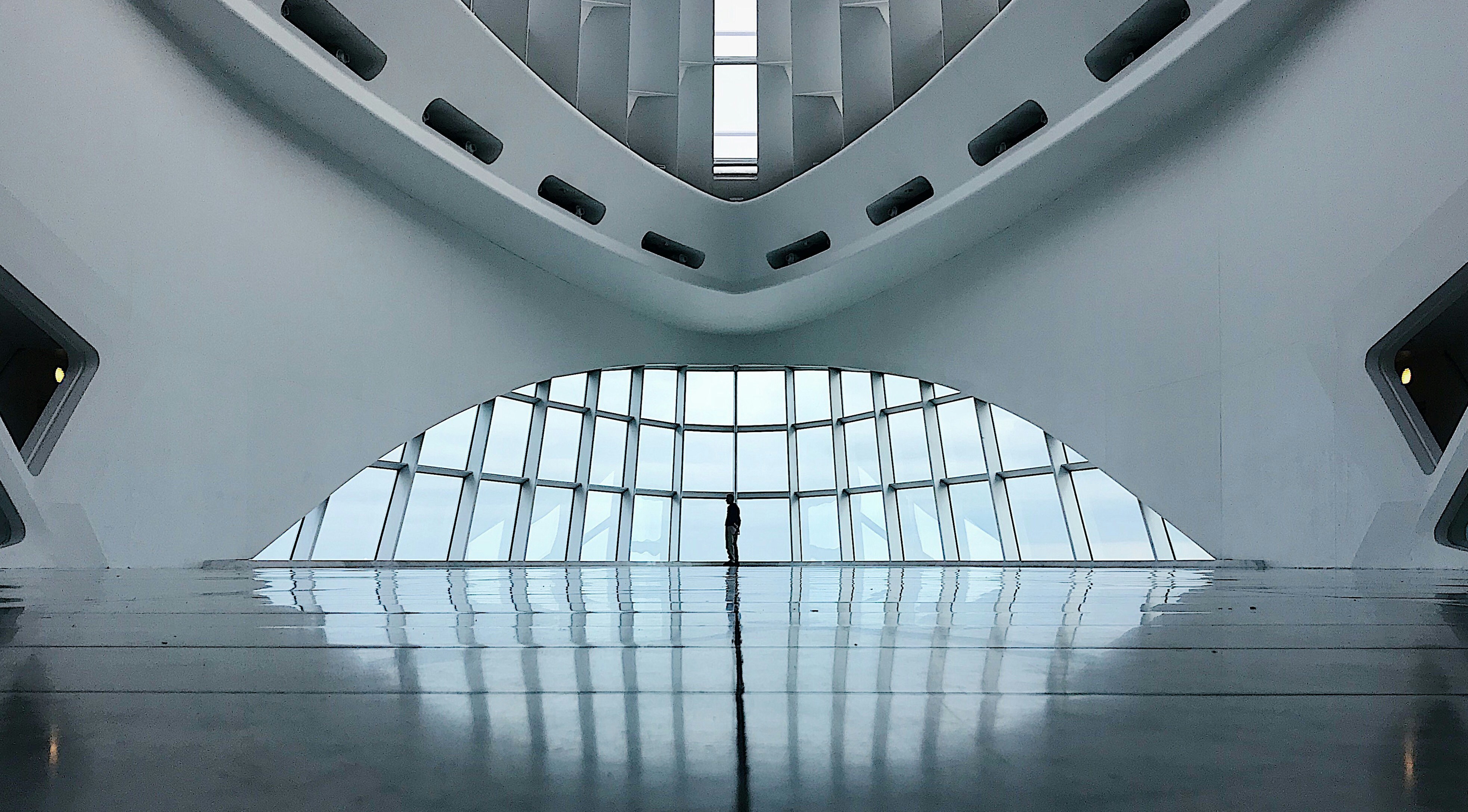
Transform Your Space: The Rise of 3D Interior Design Services in Delhi NCR

Introduction to 3D Interior Design

3D interior design has emerged as a transformative approach, reshaping how spaces are conceptualized and visualized. Unlike traditional design methods that rely heavily on two-dimensional sketches and floor plans, 3D interior design incorporates advanced technology to create lifelike representations of spaces. This shift offers a more immersive experience, allowing clients to navigate through their future environments before any physical alterations are made.

One of the key advantages of 3D technology in interior design is enhanced visualization. Clients can view their space from multiple angles, making it easier to understand how various elements will interact within the environment. This added layer of realism not only helps in communicating ideas but also significantly reduces misunderstandings between clients and designers. By viewing a space in three dimensions, homeowners can make more informed decisions about layout, furnishings, and color schemes, ensuring that the final design aligns with their vision.

Additionally, 3D interior design proves to be a cost-effective solution. Traditional design methods often involve extensive back-and-forth communication and adjustments, which can lead to increased costs and time delays. In contrast, 3D rendering allows for rapid modifications and instant feedback, ultimately streamlining the design process. As a result, clients are spared from potential overspending due to unforeseen alterations made during construction or decoration.

Moreover, 3D interior design opens up a realm of increased customization possibilities. Homeowners can experiment with various design elements and visualize their impact in real-time, facilitating a more dynamic and engaging design experience. The flexibility offered by 3D rendering enables clients to explore various aesthetics, materials, and layouts without committing to untested ideas. This approach fosters a collaborative environment between designers and clients, enhancing overall satisfaction with the final result.

The Importance of Interior Design in Home and Business

Interior design plays a crucial role in the aesthetics and functionality of both residential and commercial spaces. By effectively harnessing elements such as space arrangement, lighting, color psychology, and furniture selection, interior design can significantly enhance the usability and overall atmosphere of any environment. In homes, well-designed interiors not only reflect the personal style and tastes of the inhabitants but also create a harmonious living space that promotes comfort and well-being. For instance, a thoughtfully designed living area can facilitate social interactions, while a meticulously organized study can enhance focus and productivity.

In the context of businesses, the importance of interior design is even more pronounced. A well-executed design can foster a productive workplace, encouraging collaboration among team members and improving overall employee satisfaction. For example, open-plan offices that feature adaptable workspaces can promote teamwork and communication, while designated quiet zones can aid concentration. Additionally, a commercial space that incorporates brand colors, logos, and thematic decorations can effectively convey the company’s values and mission to clients and customers. This alignment not only strengthens brand identity but also creates an engaging environment that enhances client interactions.

Moreover, the impact of effective interior design extends beyond functionality and style. It plays an influential role in the ambiance of a space, impacting the emotions and experiences of those who inhabit it. Positive sensory experiences, achieved through strategic design choices, can lead to increased productivity, improved mood, and overall well-being. As a result, investing in professional interior design services, especially in rapidly developing regions like Delhi NCR, can yield significant advantages for both homeowners and business owners. By understanding the intrinsic value of well-designed spaces, individuals and organizations can transform their environments into functional, aesthetically pleasing, and productive areas conducive to success.

Benefits of Choosing 3D Interior Design Services in Delhi NCR

3D interior design services have revolutionized the way design projects are conceptualized and executed. One of the primary advantages of utilizing these services in Delhi NCR is the significant improvement in communication between designers and clients. Traditional 2D drawings often leave room for misinterpretation, while 3D models provide a more tangible representation of the proposed designs. Clients can visualize the layout, colors, and textures more accurately, which fosters clearer discussions and allows for timely feedback.

Another key benefit of 3D interior design services is the flexibility it offers in making changes prior to the implementation stage. With the aid of advanced software, designers can easily modify elements such as furniture placement, color schemes, and lighting options based on client preferences. This capability reduces the likelihood of costly alterations during construction and ensures that the final design aligns closely with the client’s vision. As a result, clients in Delhi NCR can save both time and money, enhancing their overall satisfaction with the project.

Furthermore, 3D interior design services contribute to better project management. By visualizing the entire space in a three-dimensional format, designers can identify potential challenges or constraints before starting work. This proactive approach minimizes delays and misunderstandings during the project cycle. Additionally, it enables more precise estimations of costs and timelines, allowing clients to plan their budgets and schedules effectively. The burgeoning market for 3D interior design in Delhi NCR reflects the municipality’s growing awareness and adoption of these innovative services. As more individuals and businesses seek to transform their spaces, the demand for high-quality, technologicallyadvanced design solutions continues to increase.

Understanding the Workflow of 3D Interior Design

The process of 3D interior design involves several well-defined stages, each crucial for delivering an exceptional space transformation. It begins with an initial consultation, where the designer meets with the client to understand their aspirations, preferences, and budget. This collaborative discussion helps in gathering essential information regarding the desired style, functionality, and specific requirements of the space.

Following the consultation, the next step is concept development. During this phase, designers create mood boards and preliminary sketches to visualize ideas effectively. Utilizing advanced software such as AutoCAD or SketchUp, they can begin to construct a digital layout that aligns with the client’s vision. This initial visualization is essential, as it serves as the foundation for further design advancements.

Once a satisfactory concept is established, the design rendering phase commences. Using sophisticated 3D rendering software like V-Ray or Lumion, designers produce high-quality visualizations that offer a lifelike representation of the proposed interior. These renderings incorporate realistic lighting, textures, and materials, allowing clients to envision how their spaces will appear once completed. This technology enhances communication, as clients can provide feedback based on these detailed visualizations.

After showcasing the initial renderings, designers invite clients to review and suggest alterations. Revisions are an integral part of the process, allowing for fine-tuning of aesthetics and layout based on feedback. This iterative procedure ensures that the final design aligns perfectly with client expectations.

The final phase is implementation, where the approved design is brought to life. This may involve coordinating with contractors, sourcing materials, and overseeing the execution of the interior design plans. Advanced project management tools may be utilized during this stage to maintain clarity and organization, ensuring a smooth transition from design to an actual living space.

Popular Styles and Trends in 3D Interior Design

The evolution of 3D interior design services has introduced a variety of popular styles and trends that reflect modern sensibilities and technological advancements. One prominent trend is minimalism, characterized by clean lines, open spaces, and a focus on simplicity. This approach allows homeowners in Delhi NCR to create serene environments that emphasize functionality without sacrificing aesthetics. Minimalist designs often incorporate multi-use furniture and neutral color palettes, which can be easily visualized through 3D rendering techniques.

Another significant trend gaining traction is the integration of eco-friendly designs. With heightened awareness of environmental issues, more homeowners are opting for sustainable materials and energy-efficient solutions. In Delhi NCR, this can manifest in the use of reclaimed wood, bamboo, and other materials that reduce the carbon footprint. 3D interior design allows designers to experiment with these elements effectively, helping clients visualize how these sustainable choices can enhance their living spaces while contributing to a greener planet.

The rise of smart home technologies is also influencing 3D interior design trends. Home automation systems, lighting control, and energy-efficient appliances are increasingly being integrated into interior design plans. These technological enhancements are designed to improve the quality of life for residents, providing convenience and efficiency. 3D interior design services can showcase how these smart home features might be seamlessly incorporated into existing frameworks, making it easier for homeowners to adapt and modernize their spaces.

Cultural influences specific to the Delhi NCR region also play a significant role in shaping design styles. The fusion of traditional Indian aesthetics with contemporary design techniques is becoming more prevalent. This interplay creates unique visuals that celebrate the rich heritage of the region while catering to modern lifestyle needs. Accessibility to 3D rendering technology facilitates the merging of these diverse influences, allowing for highly personalized and culturally resonant living environments.

Choosing the Right 3D Interior Design Service in Delhi NCR

When selecting a 3D interior design service in Delhi NCR, it is crucial to consider several factors to ensure that you obtain the best possible results tailored to your needs. One of the first steps should be to evaluate the credentials of the design firm or professionals you are considering. Look for qualifications such as professional certifications, licenses, and relevant educational backgrounds in interior design. These credentials often indicate a level of expertise and commitment to the field.

Another essential aspect to consider is the portfolio of the interior design service. Review previous projects to gain insights into their design style, creativity, and adaptability to different spaces. A diverse portfolio can demonstrate the ability to manage various projects, from residential to commercial designs. Pay close attention to the quality of craftsmanship and the spatial arrangements showcased in their 3D renderings. This will help you gauge whether their artistic vision aligns with your goals for the space.

Client testimonials and reviews also provide invaluable information regarding the reliability and professionalism of the chosen service. Positive feedback from previous clients can highlight key strengths, such as adherence to timelines, communication skills, and overall satisfaction with the final outcome. Conversely, negative reviews might raise red flags regarding potential issues you may encounter.

Finally, establishing clear communication regarding budget and timelines is paramount. Engage in candid discussions from the outset to ensure that both you and the design service share a mutual understanding of the project’s scope and financial constraints. This transparency can prevent misunderstandings and promote a more efficient working relationship. By considering these factors, you can make an informed decision when selecting a 3D interior design service in Delhi NCR that best fits your project.

Case Studies: Successful 3D Interior Design Projects in Delhi NCR

Over the past few years, 3D interior design services have gained immense popularity in Delhi NCR, enabling homeowners and businesses to visualize their spaces before making any physical changes. One notable case study involves a contemporary office space renovation in Gurgaon. The client aimed to create an open workspace that fosters collaboration among employees while maintaining areas for privacy. The design team faced the challenge of optimizing a limited floor area. By utilizing 3D modeling software, they explored various layouts, ultimately selecting one that maximally utilized natural light and facilitated seamless movement. The final outcome included a vibrant color scheme, flexible workspace solutions, and acoustic panels that significantly enhanced employee satisfaction.

Another successful project showcases a luxury residential apartment in Noida. The owners sought to transform their traditional interior into a modern sanctuary. The design experts conducted a thorough analysis of the client’s lifestyle and preferences, acknowledging their desire for a minimalist aesthetic. Challenges included blending existing furniture pieces with new modern elements. The 3D design rendered vibrant room visualizations depicted how each item would harmonize with the overall theme. Creative solutions included custom-built storage that minimized clutter and enhanced the apartment’s functionality. The final result was a stunning refurbishment that not only optimized space but also reflected the client’s personality.

A third case involves a small yet vibrant cafΓ© in South Delhi. The establishment’s owner wanted to create an inviting atmosphere that encouraged social interaction among patrons. The design team faced the challenge of maximizing seating capacity without compromising on comfort. By employing 3D interior design techniques, they visualized a layout that included modular furniture and strategic lighting. The cafΓ©’s aesthetic was inspired by local culture, which was successfully integrated into the dΓ©cor. The implementation of these design solutions resulted in increased foot traffic and positive reviews, establishing the cafΓ© as a go-to spot for both residents and visitors.

Cost Considerations for 3D Interior Design Services

When considering 3D interior design services in Delhi NCR, understanding the pricing structure is crucial for effective budgeting and planning. Various factors influence the overall costs, including project size, complexity, the materials selected, and the experience level of the designer. Each of these elements plays a significant role in determining the final investment needed for transforming a living or working space.

The size of the project is one of the primary determinants of cost. Larger spaces typically require more detailed 3D modeling, which can increase labor and material costs. For instance, redesigning a sprawling commercial office will generally involve a higher financial outlay than a compact residential unit. The complexity of the design also influences pricing; intricate designs with multiple textures, colors, and functional elements necessitate more extensive planning and execution, causing costs to rise accordingly.

Materials used in the design process further expand the scope of budget considerations. High-quality, durable materials will naturally incur higher costs than more economical alternatives. Additionally, if special features or technologies are incorporated into the design, such as advanced lighting systems or sustainable materials, these can also contribute significantly to the overall expenditure.

The experience of the designer is another important factor. Established designers with a proven track record in 3D interior design may charge a premium for their expertise and innovative approach. While working with highly regarded professionals can assure quality, emerging designers may offer more competitive rates, allowing clients to benefit from fresh ideas while staying within budget.

To effectively budget for 3D interior design services, potential clients should begin by obtaining multiple quotes and thoroughly assessing the included services. It is also advisable to establish a clear understanding of the scope of work and any additional expenses that may arise. By doing so, clients can make informed decisions that align with their vision without exceeding their financial limitations.

Conclusion: The Future of Interior Design in Delhi NCR

As we navigate through the evolving landscape of interior design in Delhi NCR, it becomes increasingly clear that 3D interior design services are transforming the way spaces are envisioned and executed. This innovative approach not only allows for greater creativity but also enhances the functional aspects of both residential and commercial environments. The integration of advanced technology in design processes enables clients to visualize their interiors in a realistic manner, aiding decision-making and streamlining the entire design journey.

The rise of 3D design services facilitates a more collaborative approach between designers and their clients, fostering a more inclusive environment during the design phase. Clients can now engage with the design in real-time, making adjustments and providing feedback that directly influences the outcome. This level of interaction not only ensures that the final product aligns with the client’s vision but also elevates the overall satisfaction with the design journey. As digital tools continue to advance, one can anticipate even more sophisticated rendering techniques that will further enhance the visualization of interior spaces.

Moreover, the ongoing importance of design innovation cannot be overstated. The need for sustainable and multifunctional spaces is becoming more prevalent, pushing designers to seek solutions that resonate with modern lifestyles while being environmentally responsible. Future trends may include an increased emphasis on biophilic design, where natural elements are incorporated into interiors to create calming and restorative atmospheres.

Ultimately, the emergence of 3D interior design services in Delhi NCR marks a significant shift in how spaces are crafted. The combination of technology, creativity, and a client-centered approach is setting new standards in the industry. As we look ahead, it is evident that the trajectory of interior design will be defined by its responsiveness to societal needs and the perpetual pursuit of innovation.

Transform Your Space: The Rise of 3D Interior Design Services in Delhi NCR Read More Β»

Exploring Sustainable Interior Designers in Delhi NCR

Exploring Sustainable Interior Designers in Delhi NCR

Introduction to Sustainable Interior Design

Sustainable interior design is an innovative approach that focuses on creating functional and aesthetically pleasing spaces while minimizing negative impacts on the environment. This design philosophy addresses the pressing environmental concerns posed by conventional design practices, which often lead to excessive resource consumption and waste generation. In stark contrast, sustainable interior design emphasizes the importance of using resources efficiently, reducing waste, and improving the overall well-being of individuals who inhabit these spaces.

At the core of sustainable interior design lies the principle of resource efficiency. This involves selecting materials and products that are renewable, recycled, or sourced responsibly, thereby reducing the ecological footprint of the design process. Sustainable designers often prioritize the use of low-emission paints, natural textiles, and locally manufactured items to ensure that their projects not only look good but also contribute to environmental preservation.

Moreover, minimal waste is another fundamental tenet of this design approach. Sustainable interior design encourages the reuse and repurposing of existing furniture and materials, which helps in diverting waste from landfills while also preserving the unique character of spaces. This practice often fosters creativity and innovation, as designers seek out ways to integrate salvaged items into modern designs.

Furthermore, human well-being is deeply embedded in the sustainable interior design framework. This aspect recognizes that the built environment plays a pivotal role in our health, comfort, and productivity. By focusing on natural lighting, proper ventilation, and the use of non-toxic materials, sustainable design promotes a healthier living and working atmosphere. Thus, sustainable interior design serves not only an environmental cause but also enhances the quality of life for its occupants.

The Rise of Sustainability in Interior Design

The increasing urgency of climate change and environmental degradation has propelled sustainability to the forefront of contemporary design practices, particularly in vibrant urban locales like Delhi NCR. Over the past few years, sustainable interior design has transitioned from a niche concept to a fundamental principle embraced by an ever-growing number of designers, clients, and industry stakeholders. This shift is driven by a combination of heightened consumer awareness, regulatory frameworks, and a cultural shift towards valuing ecological responsibility.

Consumers today are more informed and proactive about their choices, seeking out interior designs that not only reflect their aesthetic preferences but also align with their values. The demand for sustainable materials, energy-efficient systems, and practices that minimize waste underscores this transition. Interior design professionals in Delhi NCR are increasingly responding to this consciousness by adopting strategies that prioritize the health of both people and the planet. For instance, the incorporation of recycled materials, non-toxic finishes, and biophilic design elements that enhance indoor air quality highlights a commitment to ecological integrity.

Moreover, the impact of climate change on urban living has made sustainability an essential consideration in interior design. Noise pollution, air quality deterioration, and urban heat island effects are pressing concerns faced by Delhi NCR inhabitants. Designers are thus compelled to innovate solutions that address these challenges while promoting sustainable living practices. This has led to a creative synergy between aesthetics and functionality, where design not only meets visually appealing criteria but also supports long-term environmental goals.

In summary, the rise of sustainability in interior design within Delhi NCR is indicative of a broader societal trend towards environmental mindfulness. As designers continue to prioritize sustainable practices, it is clear that this shift is not merely a passing trend but rather a critical evolution in the field of interior design aimed at fostering a healthier, more sustainable future.

Key Principles of Sustainable Interior Design

Sustainable interior design focuses on creating spaces that minimize environmental impact while promoting the health and well-being of their occupants. One of the key principles is the use of recycled materials. Sustainable interior designers often select materials that have been salvaged or repurposed, reducing waste and promoting a circular economy. For instance, reclaimed wood can be used for flooring or furniture, while recycled metal can feature prominently in fixtures or accents. This approach not only conserves resources but also adds unique character to spaces.

Another vital principle is ensuring energy efficiency. Sustainable interiors often incorporate systems and technologies that maximize natural light, thereby reducing reliance on artificial lighting. Designers might opt for large windows, skylights, or open floor plans that allow for optimal daylighting. Additionally, energy-efficient appliances and fixtures, such as LED lighting and programmable thermostats, can significantly lower energy consumption in both residential and commercial settings.

Promoting indoor air quality is also crucial in sustainable interior design. Utilizing low-VOC (volatile organic compounds) paint and finishes helps to minimize harmful emissions. Furthermore, incorporating indoor plants not only enhances aesthetics but also improves air quality by filtering toxins and producing oxygen. Choose sustainably sourced textiles that do not off-gas, ensuring a healthier environment for inhabitants.

To effectively implement these principles, sustainable interior designers assess the lifecycle of materials, consider the energy performance of appliances, and emphasize the importance of ventilation. This holistic approach not only aims for an aesthetically pleasing space but also prioritizes sustainability and occupants’ well-being. By adhering to these principles, designers in Delhi NCR can lead the charge toward adaptable and responsible living environments that benefit both people and the planet.

Top Sustainable Interior Designers in Delhi NCR

Delhi NCR boasts a vibrant community of sustainable interior designers who creatively integrate eco-friendly principles into their work. These designers prioritize sustainability not just as a trend, but as a fundamental aspect of their design philosophy, ensuring that each project aligns with environmental responsibility. Below is a curated list of prominent designers contributing to the realm of sustainable interiors in the region.

First on the list is Ravi Kumar Design Studio, known for its innovative approach towards biophilic design, which emphasizes harmony between nature and built environments. Kumar’s projects often feature materials sourced from sustainable resources, reducing carbon footprints while enhancing aesthetic appeal. A notable project is the ‘Green House,’ where reclaimed wood and natural textiles were utilized, creating a visually striking and environmentally friendly living space.

Next, Aditi Sharma Interiors stands out for her commitment to using recycled materials. Her design philosophy revolves around minimalism and functionality while maintaining an eye on sustainability. One of her distinguished projects includes a contemporary office space designed with recycled glass and low-VOC paints, fostering a healthier work environment. Sharma believes that sustainable design can elevate user experience without compromising on style.

Another notable designer is Manoj Singh, whose focus lies in adaptive reuse – reinventing existing structures sustainably rather than opting for new constructions. His work on the ‘Heritage Hotel’ exemplifies this, as he masterfully transformed an old building using energy-efficient systems and sustainable materials. Singh’s designs are a testament to the environmental benefits of reimagining spaces, promoting heritage conservation alongside modern living.

Lastly, Priya Mehta Design Co. elevates eco-friendly design through innovative solutions like zero-waste practices. Her projects often include sustainable landscaping and the use of organic materials. Mehta’s recent work, a family residence, encapsulates her vision of merging aesthetics with sustainability while creating inviting, health-conscious environments.

These designers in Delhi NCR are not only shaping beautiful interiors but are also paving the way for a more sustainable future in interior design, illustrating the pivotal role that eco-friendly practices play in modern design. Their commitment to sustainability marks a significant shift in how spaces can be crafted with respect for both aesthetics and our planet.

Innovative Sustainable Materials Used in Interiors

As the consciousness surrounding sustainable living continues to grow, interior designers in Delhi NCR are increasingly integrating innovative sustainable materials into their projects. These materials not only enhance aesthetics but also align with environmentally responsible practices. One notable example is bamboo, a rapidly renewable resource known for its strength and versatility. Bamboo is not only lightweight but also has a high tensile strength, making it an excellent choice for furniture, flooring, and decor items. Its cultivation requires minimal water and no pesticides, thus markedly reducing its ecological footprint.

Another sustainable option gaining popularity is reclaimed wood. This material is sourced from old structures, furniture, or flooring, allowing designers to create unique pieces while mitigating the demand for new lumber. By opting for reclaimed wood, interior designers contribute to reducing deforestation and promote the circular economy, where materials are reused rather than discarded. Similarly, recycled metals, including aluminum and steel, are becoming common in furniture and fixtures. These materials are not only durable but also help reduce the dependency on virgin resources, thus playing a vital role in sustainable architecture.

Textiles also play a significant role in sustainable interiors. Organic textiles made from cotton, linen, and hemp are gaining traction; these materials are cultivated without harmful chemicals, showcasing a commitment to both health and the environment. Furthermore, low-VOC (volatile organic compounds) paints are essential in creating sustainable interiors. These eco-friendly paints emit fewer toxic fumes, contributing to better indoor air quality while maintaining high standards of performance and color. Designers in Delhi NCR are harnessing these innovative materials to create spaces that reflect both beauty and sustainability, demonstrating a clear commitment to the environment in their designs.

Case Studies of Successful Sustainable Projects

In the realm of sustainable interior design, several projects in Delhi NCR serve as exemplary models that highlight the effectiveness of eco-friendly practices. One noteworthy case is the transformation of a commercial office space into a green workspace by a well-regarded interior designer. The objective was not merely aesthetic; the aim was to reduce the office’s carbon footprint significantly. Through the use of reclaimed materials for furniture and fixtures, energy-efficient lighting and appliances, and innovative water conservation systems, the design team successfully created an environment that promotes both employee well-being and environmental sustainability.

Challenges encountered during the project included sourcing sustainable materials locally and convincing stakeholders of the benefits of investing in green design practices. To overcome these hurdles, the designers implemented a rigorous selection process for vendors and engaged in awareness campaigns to educate clients on the long-term savings associated with sustainable choices. As a result, the office not only reduced its energy consumption by over 30% but also became a source of pride for its employees, contributing to improved morale and productivity.

Another significant project is the redesign of a residential home that was faced with poor ventilation and high energy costs. The designer addressed these issues by incorporating biophilic design principles, integrating natural elements into the living spaces. This approach not only improved indoor air quality but also created a more comfortable atmosphere. The use of natural fabrics and non-toxic paints further advanced the objective of creating a healthier living space. Post-implementation, the homeowners reported a 25% reduction in energy bills, attributing the savings to improved insulation and effective natural cooling techniques.

These case studies illustrate the profound impact sustainable interior design can have on both the environment and user experience. By prioritizing innovative solutions, designers in Delhi NCR are demonstrating that eco-friendly choices lead to practical and impactful results.

Benefits of Hiring a Sustainable Interior Designer

Opting for a sustainable interior designer can significantly benefit both residential and commercial projects. One of the primary advantages is the potential for long-term cost savings. Sustainable designers are skilled in selecting materials and designing spaces that maximize energy efficiency. This careful consideration often leads to lower utility costs over time, as energy-efficient solutions such as proper insulation, efficient lighting, and smart home technologies minimize waste and reduce bills.

Moreover, properties that incorporate sustainable practices tend to experience an increase in value. As society becomes more environmentally conscious, the demand for eco-friendly spaces rises. By investing in sustainable design, property owners can enhance the marketability of their spaces. Features like natural materials, energy-efficient appliances, and versatile, sustainable design not only attract potential buyers but can also yield higher resale values, making it a wise investment.

In addition to financial benefits, hiring a sustainable interior designer can contribute significantly to health and well-being. A focus on using non-toxic materials, proper ventilation, and incorporating natural light creates healthier environments that contribute positively to the physical and mental health of occupants. Interiors designed with sustainability in mind also often include elements such as indoor plants, which improve air quality and promote a sense of tranquility.

Finally, the ecological footprint of a space can be minimized through sustainable interior design practices. Choosing locally sourced materials, using renewable resources, and prioritizing recycling and upcycling reduces waste and conserves natural resources. This conscious effort to care for the planet not only benefits the environment but also reflects positively on the values of businesses and individuals, enhancing their reputation as responsible and forward-thinking. Overall, the advantages of hiring a sustainable interior designer are manifold, leading to cost efficiency, increased property value, improved health, and a commitment to eco-friendly living.

Tips for Incorporating Sustainability in Your Home

Incorporating sustainable practices into your home is an attainable goal, even for those who may not wish to hire an interior designer. By making conscientious choices, homeowners can significantly impact the environment while creating a healthy living space. Here are some practical tips for embracing sustainability in your interiors.

Firstly, consider the materials you use within your home. Opt for sustainable furnishings made from recycled, reclaimed, or responsibly sourced materials. This includes items crafted from bamboo, reclaimed wood, or recycled metals, which not only reduce your carbon footprint but also add unique character to your space. When shopping for textiles, look for organic fabrics free from harmful chemicals, and choose durable options that will last longer, ultimately reducing waste.

DIY projects are a great way for homeowners to incorporate sustainability while adding a personal touch. Simple tasks such as upcycling old furniture or creating home decor from scrap materials can infuse your space with creativity and charm. Furthermore, you can involve family members in these projects, fostering a sense of community and shared responsibility towards sustainability.

Another essential aspect of sustainable interiors is energy efficiency. Invest in energy-efficient appliances, which consume less power and can significantly reduce your utility bills. Additionally, adopting practices like using LED lighting and maximizing natural light can help minimize energy usage. Consider implementing smart home technology that allows you to monitor and control your energy consumption effectively.

Lastly, greenery is a natural way to improve air quality and enhance the visual appeal of your home. Introduce houseplants, which not only contribute to a sustainable environment but also provide aesthetic benefits. By considering these tips for sustainable living, homeowners can make meaningful strides toward fostering a culture of sustainability in their homes.

Future Trends in Sustainable Interior Design

The landscape of sustainable interior design is rapidly evolving, particularly in the dynamic region of Delhi NCR. As environmental awareness grows, the future of interior design is increasingly characterized by innovative approaches that not only prioritize aesthetics but also emphasize the importance of sustainability. Among the key trends reshaping this field are smart homes, biophilic design, and the integration of advanced technologies.

Smart homes represent a significant trend in sustainable interior design, revolutionizing how spaces are managed and utilized. By employing interconnected devices, homeowners can optimize energy consumption, monitor resource usage, and enhance comfort. Designers are increasingly incorporating smart systems that allow for energy-efficient lighting, temperature control, and water management, which contribute to a more sustainable living environment. The IoT (Internet of Things) is playing a pivotal role in making homes not just functional, but also environmentally friendly.

Another emerging trend is biophilic design, which draws inspiration from nature to create harmonious living spaces that foster human connection with the natural world. This design philosophy emphasizes the use of natural materials, ample greenery, and daylight, which can enhance well-being while also promoting sustainability. Architects and designers in Delhi NCR are innovating to integrate indoor gardens, living walls, and natural light to create spaces that resonate with the environment and improve indoor air quality.

Additionally, the role of technology in enhancing sustainability is becoming more pronounced. Designers are leveraging advanced materials and eco-friendly solutions, such as recycled content and sustainably sourced products, enabling them to create low-impact spaces. The integration of virtual reality and 3D modeling tools also facilitates sustainable design by allowing for more efficient planning and resource allocation.

Ultimately, the future of sustainable interior design in Delhi NCR lies in the convergence of these trends. As designers embrace smart technologies and biophilic approaches, they will not only redefine aesthetics but also lead the charge towards more sustainable living. The transformation is underway, marking a concerted effort towards a greener and more responsible future in interior design.

Exploring Sustainable Interior Designers in Delhi NCR Read More Β»

Transforming Hospitality: The Role of Interior Design Firms for Hotels in Delhi NCR

Transforming Hospitality: The Role of Interior Design Firms for Hotels in Delhi NCR

Introduction to Interior Design in the Hospitality Industry

Interior design plays a pivotal role in the hospitality industry, particularly within the context of hotels in Delhi NCR. As competition intensifies in this vibrant metropolitan area, hotels increasingly recognize the necessity of creating visually appealing and functional spaces to enhance overall guest experiences. A well-designed interior not only fosters a welcoming atmosphere but also serves to communicate the hotel’s brand identity and values effectively.

For hotels, the importance of interior design lies in its ability to influence guest perceptions. A thoughtfully curated environment can evoke feelings of comfort, luxury, or even an adventurous spirit, depending on the target demographic. Through the strategic arrangement of furniture, selection of color palettes, and incorporation of local culture into design elements, interior design firms can craft spaces that resonate with visitors, encouraging them to return. Moreover, the careful integration of lighting and textures can significantly impact mood and behavior, enhancing the overall enjoyment of a stay.

Furthermore, successful interior design contributes to the branding of hotels. The way a space is designed can embody the essence of the hotel, differentiating it from competitors. For instance, a boutique hotel might utilize eclectic design elements to create a unique personality, whereas a luxury brand could focus on an elegant and sophisticated ambiance. These design choices not only attract guests but also foster a strong emotional connection, as patrons often share their experiences through word of mouth and social media.

In conclusion, the infusion of innovative interior design in hotels across Delhi NCR is crucial to elevating guest experiences, shaping perceptions, and reinforcing brand narratives. As the hospitality landscape continues to evolve, the collaboration between hotel management and interior design firms will remain essential in redefining what it means to experience hospitality.

Why Delhi NCR is a Hub for Hotel Interior Design

The National Capital Region (NCR), encompassing Delhi and its neighboring states, has emerged as a pivotal hub for hotel interior design, driven by a multitude of factors that significantly enhance its appeal for both domestic and international investors. One of the primary catalysts for this trend is the remarkable economic growth in the region. With an expanding economy that boasts a plethora of business opportunities, Delhi NCR has seen an influx of corporate travelers and expatriates, necessitating the development of hotels that cater to diverse clientele. As a result, the demand for innovative and aesthetically pleasing hotel interiors has surged.

Additionally, the thriving tourism sector in Delhi NCR plays a critical role in establishing the region as a focal point for hotel development. The area’s rich cultural heritage, historic landmarks, and vibrant local experiences attract millions of visitors each year. Consequently, hotels are increasingly keen on investing in sophisticated interior design to create spaces that resonate with the local culture while offering comfort and luxury to guests. This heightened emphasis on unique and culturally immersive hotel interiors aligns seamlessly with the expectations of modern travelers, who seek not just a place to stay but a holistic experience that reflects the destination.

Cultural diversity further enriches the tapestry of Delhi NCR, influencing hotel design trends in significant ways. With a melting pot of backgrounds and traditions, interior design firms have the opportunity to incorporate various styles and elements. This creativity not only caters to the aesthetic preferences of numerous demographics but also gives rise to innovative concepts that set hotels apart from their competitors. As a result, Delhi NCR stands out as an epicenter for hotel interior design, merging economic prosperity, tourism appeal, and rich cultural narratives into a compelling environment for hospitality development.

Key Elements of Hotel Interior Design

The foundation of effective hotel interior design lies in several key elements that collectively create an inviting and functional environment for guests. Among these elements, space planning is paramount. It entails the strategic organization of rooms and areas to optimize flow and accessibility. A well-planned layout enhances guest experience by facilitating movement and ensuring that spaces such as lounges, dining areas, and corridors are inviting and comfortable. This also includes considerations for service staff, enabling them to perform their duties efficiently and without disrupting guest activities.

Color schemes further influence the atmosphere within a hotel. The strategic use of color can evoke particular moods and emotions, from serene blues and greens that promote relaxation in spa areas, to vibrant tones that energize social spaces. Interior design firms often recommend palettes that complement the hotel’s brand identity while also appealing to the target clientele. It is this careful selection of colors that can set the tone for each area, contributing to a cohesive and memorable guest experience.

In addition to space planning and color schemes, lighting design plays a crucial role in shaping the ambiance of hotel interiors. Through the combination of natural and artificial light, designers can create warm and inviting atmospheres that enhance the aesthetic appeal of the space. Well-placed lighting fixtures can highlight architectural features, ensure visibility, and contribute to the overall thematic expression of the hotel.

Lastly, furniture selection is vital in hotel interior design. The choice of furnishings impacts not only the aesthetic and comfort level of the space but also its functionality. Designers must carefully consider the quality and style of furniture to align with the hotel’s image, ensuring that it is both visually appealing and suitable for the expected wear from guest use. By integrating these key elementsβ€”space planning, color schemes, lighting design, and furniture selectionβ€”interior design firms can significantly elevate the guest experience in hotels throughout Delhi NCR.

Trends Influencing Hotel Interior Design in Delhi NCR

The interior design landscape for hotels in Delhi NCR is currently undergoing significant transformation, driven by evolving guest expectations and broader societal trends. One prominent trend is the focus on sustainable design practices. Hotels are increasingly adopting eco-friendly materials and energy-efficient solutions that not only reduce their environmental footprint but also appeal to the modern traveler, who is often more environmentally conscious. This includes using recycled materials for furniture and fixtures, as well as incorporating energy-efficient lighting and climate control systems. Such practices not only enhance the aesthetic appeal of the interiors but also contribute to operational cost savings in the long term.

Another key trend is the integration of smart technology. As hotels strive to provide seamless experiences, the incorporation of technology in interior design has become essential. This ranges from smart room controls, which allow guests to adjust lighting and temperature via mobile applications, to advanced entertainment systems that enhance in-room experiences. Moreover, features such as keyless room entry and automated services create a more efficient and user-friendly environment for guests. Such technological advancements not only elevate guest satisfaction but also set the hotel apart in a competitive market.

Additionally, the use of local materials and cultural influences plays a critical role in shaping the interior design of hotels in Delhi NCR. Emphasizing local craftsmanship and region-specific elements help to create a unique identity that resonates with guests. This could involve incorporating traditional textiles, artworks, or architectural elements that reflect the rich cultural heritage of the region. By celebrating local culture in the design, hotels can forge a deeper connection with both domestic and international visitors, enhancing their overall experience.

Case Studies: Successful Hotel Interior Designs in Delhi NCR

The transformation of the hotel industry in Delhi NCR can be significantly attributed to the valuable contributions made by interior design firms. Several hotels in this dynamic region have successfully harnessed the expertise of these design professionals, resulting in remarkable interiors that enhance both guest experiences and operational efficiency. The following case studies illustrate successful implementations of design solutions that tackled prevalent challenges in the hospitality sector.

One prominent case is that of the XYZ Hotel, which faced significant issues related to outdated interiors amid growing competition. The hotel enlisted the services of a reputable interior design firm to modernize its aesthetic. By focusing on a contemporary design language that incorporated local cultural elements, the firm enhanced the appeal of the lobby and guest rooms. The outcome was a dramatic increase in guest satisfaction scores, as the refreshed environment resonated well with visitors seeking a blend of modernity and tradition.

Another example is the ABC Luxury Suites, which struggled with limited space in its existing layout. To tackle this, the interior design team utilized innovative space-saving solutions and high-quality materials that exude luxury while maximizing usability. The clever reconfiguration of furniture layouts and the incorporation of multifunctional spaces allowed for improved guest comfort. Post-renovation feedback highlighted a significant boost in positive reviews regarding room functionality and ambiance, reflecting the success of the overall design strategy.

Finally, the DEF Boutique Hotel embarked on a mission to create a unique identity that distinguished it from other establishments in the area. Collaborating with an interior design firm specialized in thematic designs, the hotel adopted a vintage chic theme that appeals to niche markets. The successful execution of this design not only carved out a distinctive brand image but also resulted in increased occupancy rates due to heightened interest from both local and international travelers.

These case studies exemplify the essential role that interior design firms play in reshaping hotel environments in Delhi NCR, ultimately driving guest satisfaction and enhancing the overall performance of these hospitality businesses.

The Process of Working with an Interior Design Firm

When hotels in Delhi NCR decide to engage an interior design firm, the journey typically begins with a comprehensive briefing session. This initial meeting serves as a critical touchpoint where hotel management articulates their vision, needs, and expectations. During this phase, it is essential for hotel operators to communicate their brand identity, target clientele, and desired atmosphere, as these elements significantly influence the design direction.

Following the briefing, the design firm conducts extensive research and site assessments. This analysis allows the designers to understand the spatial dynamics and existing conditions of the hotel. In this stage, they also evaluate the local market trends and competitive landscape to tailor designs that not only meet the client’s aspirations but also resonate with the intended guests. This meticulous groundwork sets the stage for the conceptual development process.

Once the research phase is complete, the interior design firm presents initial concept designs encapsulating the hotel’s brand and functional requirements. These concepts may include mood boards, sketches, or 3D visualizations. It is vital for hotel management to provide feedback during this stage as collaborative input refines the vision and ensures alignment with expectations. Collaboration between the designers and the hotel team is crucial in achieving a design that is both aesthetically pleasing and operationally effective.

After finalizing the design concepts, the project moves into the execution phase. This includes detailed planning and coordination with contractors, vendors, and other stakeholders to bring the design to life. Continuous communication throughout this stage is essential to address any unforeseen challenges or changes promptly. Documenting each stage of the process helps maintain clarity and ensures that the project adheres to the established timelines and budgets.

Budgeting for Hotel Interior Design Projects

When embarking on hotel interior design projects in Delhi NCR, budgeting emerges as a critical consideration that can dictate the project’s success. The first step in establishing a budget is to conduct a thorough assessment of the hotel’s current condition and its design goals. This initial evaluation typically includes identifying the specific areas that require renovation or enhancement, which allows for a more accurate estimation of costs associated with various design elements.

The costs within a hotel interior design project can vary significantly depending on factors such as the size of the space, the choice of materials, and the complexity of the design. For example, high-end finishes and custom furnishings may incur substantial costs, while opting for more affordable alternatives can allow for a budget-friendly renovation. It is essential for hotel owners to communicate their vision clearly to the interior design firms, ensuring a mutual understanding of aesthetic aspirations and financial limitations.

To effectively manage expenses, developers and owners should consider itemizing the budget, allocating specific amounts for each aspect of the design, including furniture, fixtures, lighting, and artwork. Implementing a contingency fundβ€”often around 10 to 20 percent of the total budgetβ€”can provide a safety net for unexpected expenses that might arise during the project. Additionally, establishing a timeline can help in phasing out expenses, allowing for strategic investments based on revenue projections and financial performance.

Collaborating closely with interior design firms can further enhance budget management. Professional designers can provide insights into cost-effective materials and innovative design solutions, enabling hoteliers to achieve high-quality outcomes without exceeding financial constraints. This cooperative approach not only keeps projects within budget but can also streamline the process, ensuring that the finished space aligns with both the vision and the budgetary framework established at the outset.

Challenges in Hotel Interior Design

The process of designing hotel interiors encompasses numerous challenges that interior design firms must navigate to ensure a successful outcome. One of the primary challenges faced is adherence to various regulations and standards. Hotels are subjected to strict compliance requirements regarding safety, accessibility, and environmental considerations. Interior design firms must stay updated with local building codes and international guidelines, which can vary significantly across locations, particularly in a bustling area like Delhi NCR.

Another significant challenge is managing timelines effectively. Hotel interior design projects often operate under tight schedules due to operational commitments. Delays can result in increased costs and disrupt the overall guest experience. Thus, creating a detailed timeline and proactively addressing potential hurdles is crucial for interior design firms. Employing project management tools and strategies can aid in maintaining focus, coordinating with contractors, vendors, and other stakeholders, thereby ensuring that timelines are met without compromising quality.

Additionally, striking a balance between aesthetics and functionality is essential yet challenging. Interior design for hotels must evoke a sense of luxury and appeal while being practical for both staff and guests. This involves choosing the right furnishings, layouts, and materials that enhance the visual atmosphere without causing operational inefficiencies. Design firms must fully comprehend the hotel’s brand identity and target audience, ensuring the environment reflects the establishment’s values while remaining user-friendly.

To overcome these challenges, best practices such as extensive planning and upfront research into market trends are vital. Regular communication with the hotel management team can help in aligning expectations and addressing concerns swiftly. By utilizing innovative design solutions and sustainable practices, interior design firms can create spaces that not only meet regulatory requirements but also stand out in the competitive hospitality market of Delhi NCR.

The Future of Hotel Interior Design in Delhi NCR

As the hospitality landscape in Delhi NCR continues to evolve, hotel interior design is poised to undergo significant transformation. One prominent trend is the shift towards increased personalization in hotel environments. Hotels are likely to focus on creating unique, tailored experiences that resonate with guests’ preferences. By leveraging technology, such as AI-driven design tools, interior design firms can craft spaces that reflect individual styles and cultural nuances, thereby enhancing guest satisfaction. This trend reflects a broader move within the hospitality industry towards customized experiences that cater to diverse clientele.

Furthermore, the integration of wellness design principles is anticipated to gain momentum. With growing awareness of health and well-being, hotels are likely to prioritize designs that promote physical and mental wellness. This could involve incorporating natural light, biophilic design elements, and sustainable materials into hotel interiors. By creating serene and rejuvenating environments, hotel designers can enhance the overall guest experience, aligning with the increasing consumer demand for health-focused accommodations.

Additionally, adaptability will be a crucial factor in future hotel interior design. As consumer behaviors continue to shift, driven by various socio-economic changes and technological advancements, flexibility in design will become essential. Hotels in Delhi NCR might embrace modular furniture and multifunctional spaces that can easily accommodate varying guest needs, whether for business, leisure, or events. Embracing adaptability will allow hotels to stay relevant and responsive to evolving market trends.

In conclusion, the future of hotel interior design in Delhi NCR is set to embrace personalization, wellness, and adaptability. By focusing on these key areas, interior design firms can create innovative spaces that not only meet the current demands of guests but also anticipate future trends, ensuring a competitive edge within the vibrant hospitality sector in the region.

Transforming Hospitality: The Role of Interior Design Firms for Hotels in Delhi NCR Read More Β»

Transforming Retail Spaces: Top Interior Designers in Gurgaon

Transforming Retail Spaces: Top Interior Designers in Gurgaon

Understanding the Role of Retail Space Interior Designers

Retail space interior designers in Gurgaon play a crucial role in shaping the shopping experience. They blend aesthetics with functionality, ensuring that each store not only captivates customers visually but also provides a seamless shopping journey. This unique blend of creativity and practicality is essential for retail success.

Key Features of Successful Retail Interiors

A well-designed retail space should reflect the brand’s identity while also considering customer behavior. Interior designers focus on layout, lighting, and color schemes that enhance product visibility and attract foot traffic. In Gurgaon, where competition is fierce, interior designers employ innovative strategies to set businesses apart. For instance, incorporating interactive displays or creating themed areas can significantly elevate customer engagement.

Why Choose Local Designers in Gurgaon?

Opting for local retail space interior designers in Gurgaon offers distinct advantages. These designers have a keen understanding of the market trends specific to the region and can tailor designs to meet local consumer preferences. Furthermore, collaborating with local talent often leads to more sustainable practices by utilizing regional materials and craftsmen, which not only reduces costs but also supports the local economy.

In conclusion, whether you are launching a new retail venture or seeking to revamp your existing store, partnering with experienced retail space interior designers in Gurgaon can provide the vision and expertise needed to create an inviting shopping environment. Investing in professional design is a step towards attracting and retaining loyal customers.

Transforming Retail Spaces: Top Interior Designers in Gurgaon Read More Β»

Transforming Dining Experiences: The Role of Restaurant Interior Design Firms in Delhi NCR

Transforming Dining Experiences: The Role of Restaurant Interior Design Firms in Delhi NCR

Introduction to Restaurant Interior Design

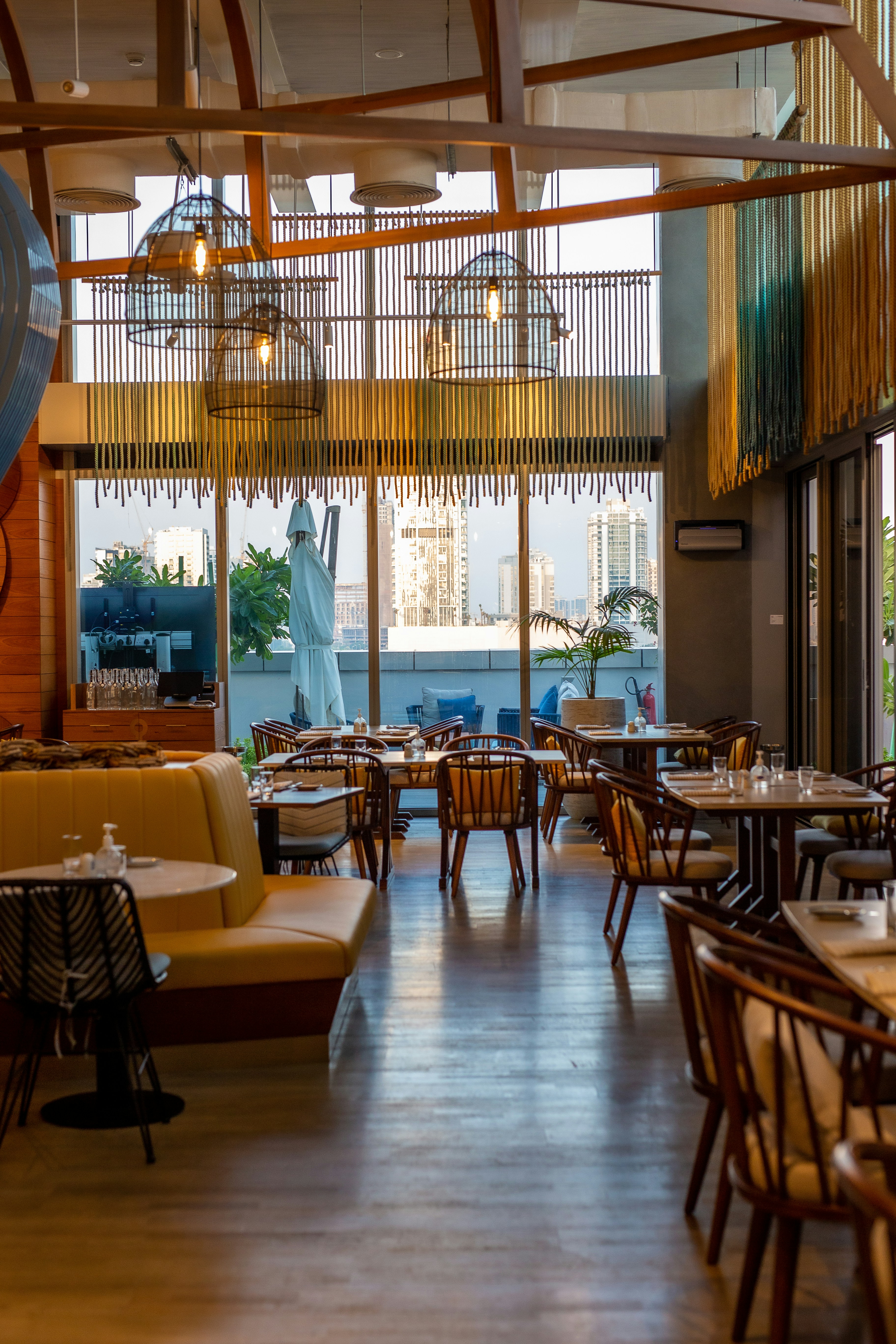
Restaurant interior design encompasses a multifaceted approach to creating an inviting and functional dining environment that significantly impacts customer experiences. This discipline blends aesthetics, psychology, and practicality to cultivate atmospheres where patrons feel comfortable and engaged. The ambiance of a restaurant is one of its most pivotal elements; it dictates not only the visual appeal but also shapes diners’ emotions and perceptions as they enjoy their meals. Careful consideration must be given to aspects such as lighting, color schemes, furniture selection, and decor, all of which serve to enhance the dining experience.

The layout of a restaurant plays an equally crucial role in its success. A well-planned space can optimize the flow of movement for both customers and staff, which enhances operational efficiency. Strategic placement of tables, aisles, and service areas ensures that diners can enjoy their meals without undue disruption, while allowing staff to serve them effectively. Moreover, the functionality of design elements, such as seating arrangements and kitchen visibility, contributes to the overall dining experience. A thoughtful arrangement can encourage social interactions or create intimate spaces depending on the restaurant’s vision.

In metropolitan areas like Delhi NCR, the demand for innovative and appealing restaurant designs has surged. As competition increases, restaurant owners must turn to specialized firms that possess in-depth knowledge of current trends, consumer preferences, and local cultural nuances. These firms are essential in executing designs that not only align with a restaurant’s brand identity but also resonate with target audiences. Collaboration between restaurateurs and interior design professionals is vital for crafting spaces that attract customers and foster memorable experiences. Therefore, understanding the intricate aspects of restaurant interior design is imperative for those looking to elevate their establishments.

Why Choose a Specialized Interior Design Firm?

When embarking on the journey of transforming a restaurant’s ambiance, it is paramount to consider the advantages of collaborating with a specialized interior design firm. Such firms bring a wealth of expertise to the table, particularly when dealing with the unique challenges and requirements of the restaurant industry. Their deep understanding of space utilization, flow, and functionality allows them to create environments that not only look appealing but also enhance operational efficiency.

One of the key benefits of engaging a specialized interior design firm lies in their creativity. These professionals are skilled at merging aesthetics with practicality, ensuring that every design element contributes to a cohesive atmosphere that resonates with patrons. Their ability to conceptualize innovative designs tailored to a restaurant’s brand identity is crucial in creating a memorable dining experience. This level of creativity is often difficult to achieve without the guidance and insight of seasoned designers who are familiar with current trends and timeless aesthetics.

Moreover, restaurant interior design firms have extensive industry knowledge, which is particularly significant in a diverse market like Delhi NCR. They possess insights into local preferences and cultural nuances that can influence design choices. By understanding what appeals to the target audience, these firms can help craft an inviting space that enhances customer engagement and satisfaction. This localized expertise is invaluable in creating a distinctive ambiance that sets a restaurant apart in a competitive landscape.

In essence, hiring a specialized interior design firm not only streamlines the design process but also elevates a restaurant’s overall brand identity. Their tailored approach, combined with an in-depth understanding of the market, allows for the creation of spaces that are both functional and visually striking, ultimately enhancing the dining experience for all who enter.

Trends in Restaurant Interior Design: Delhi NCR Edition

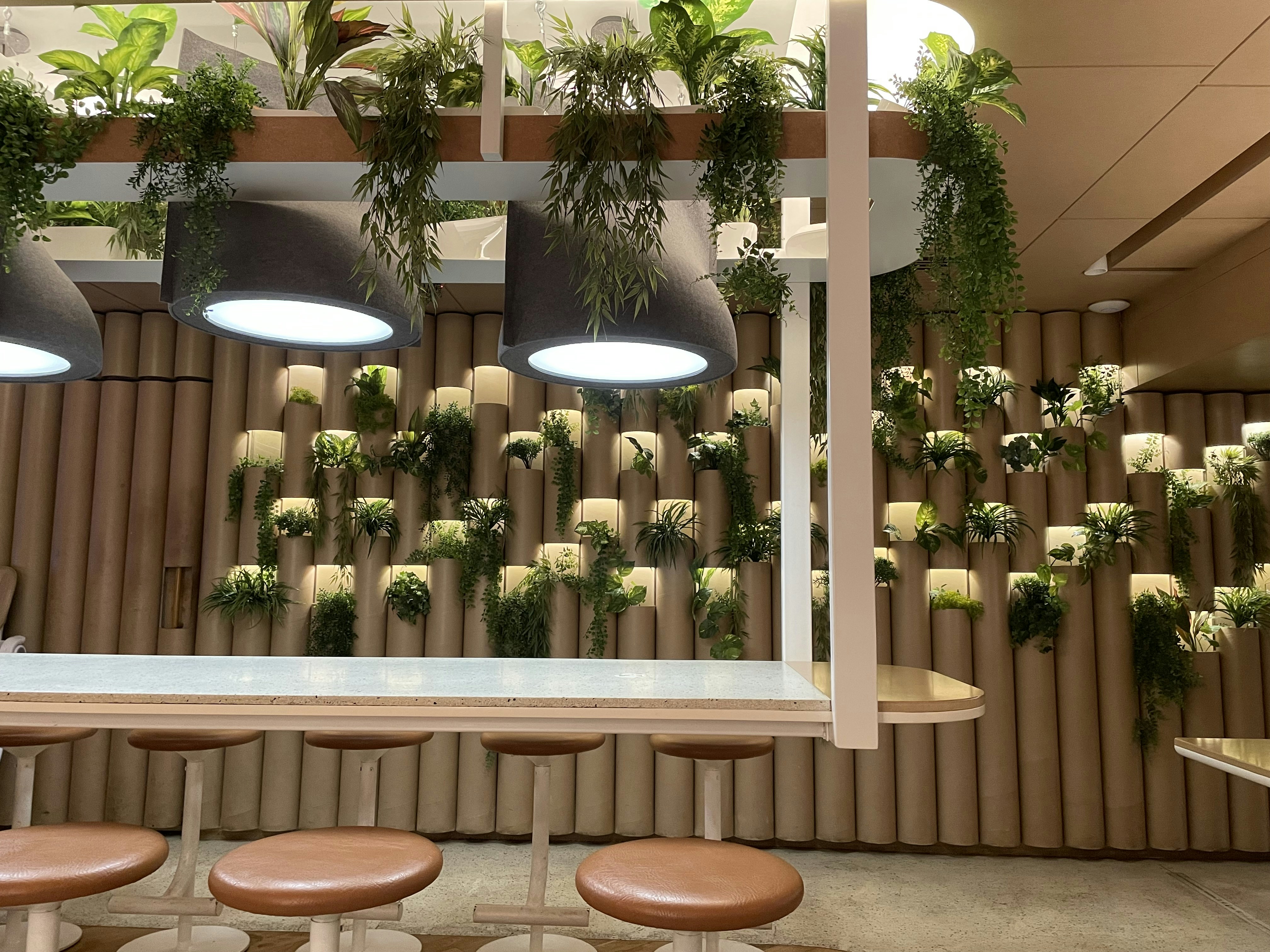
The restaurant interior design landscape in the Delhi NCR region is rapidly evolving, driven by changing consumer preferences and cultural influences. One notable trend is the embrace of biophilic design, which integrates natural elements into indoor spaces. This approach not only enhances aesthetics but also improves the overall dining experience by fostering a connection to nature. Incorporating indoor plants, natural materials like wood and stone, and ample natural light resonates profoundly with patrons seeking a serene atmosphere amidst the urban hustle.

Another prominent trend is the use of sustainable practices in restaurant design. As environmental concerns become increasingly paramount, establishments in Delhi NCR are opting for eco-friendly materials, energy-efficient lighting, and waste-reducing practices. This shift not only appeals to environmentally conscious diners but also aligns with a growing commitment among businesses to contribute positively to the environment. Using recycled materials or sustainably sourced furnishings demonstrates a restaurant’s dedication to both quality and social responsibility.

Innovative layouts are also becoming increasingly popular, allowing restaurants to create unique dining experiences. Open-concept designs enhance customer engagement, encouraging interaction among guests and staff. Flexible seating arrangements accommodate various group sizes, enhancing functionality. This adaptability has proven essential in catering to diverse dining preferences, whether it be casual gatherings or celebratory occasions. The incorporation of private dining rooms or semi-enclosed spaces further adds to the versatility of the environment.

Color palettes play a significant role in setting the tone for a restaurant’s interior. Warm, inviting hues are favored over stark, clinical tones, as they promote a welcoming ambience. Establishments often choose colors that reflect their cuisine or brand identity, creating a cohesive experience. Such attention to detail in color coordination complements the overall design, reinforcing the restaurant’s concept and resonates well with local culture.

Key Elements of Effective Restaurant Design

Effective restaurant design is essential for creating inviting atmospheres that enhance the dining experience and encourage repeat patronage. Several key elements contribute to this process, including space planning, lighting design, furniture selection, branding integration, and acoustics, each playing a distinctive role in both customer satisfaction and operational efficiency.

Space planning involves the strategic arrangement of different areas within the restaurant. This includes dining zones, kitchen space, and waiting areas. A well-thought-out layout not only ensures smooth workflow for staff but also enhances customer accessibility. For instance, maximizing seating capacity while ensuring sufficient room for movement can significantly influence overall dining comfort and satisfaction.

Lighting design is another crucial aspect that sets the mood and ambiance of a restaurant. The right balance of natural and artificial lighting can enhance the aesthetics of the space while contributing to the overall dining experience. Warm lighting can create a relaxing atmosphere, while brighter lights may be employed for more vibrant settings. Restaurant interior design firms in Delhi NCR often employ sophisticated lighting strategies to be both functional and decorative.

Furniture selection directly affects the comfort and the visual appeal of the dining area. Choosing suitable materials, styles, and layouts contributes to the overall theme of the restaurant. Comfortable seating arrangements encourage diners to stay longer, ultimately increasing the likelihood of additional orders. Furthermore, integrating branding into the furniture selections reinforces the restaurant’s identity.

Acoustics play an often-overlooked role in restaurant design. Controlling noise levels enhances the dining experience, allowing for conversation without straining to communicate. Proper acoustic considerations through material choices and design layout contribute significantly to customer enjoyment. As a result, these key elements of effective restaurant design not only create an inviting atmosphere but also optimize operational functionality and customer satisfaction.

Case Studies of Successful Restaurant Designs in Delhi NCR

In the competitive landscape of Delhi NCR’s dining scene, effective restaurant interior design plays a pivotal role in attracting customers and ensuring their satisfaction. This section highlights notable case studies of successful restaurant designs that demonstrate how design firms have overcome challenges and achieved remarkable results.

One exemplary case is the renovation of β€œArtusi Ristorante.” Faced with the challenge of transforming a dated space into an inviting Italian eatery, the interior design firm integrated modern aesthetics with traditional Italian elements. The use of warm colors, ambient lighting, and elegant furnishings successfully created an upscale yet welcoming atmosphere. This strategic design not only enhanced customer experience but also significantly increased patronage, resulting in a 30% increase in foot traffic within six months of the redesign.

Another interesting example is β€œCafe 27,” which aimed to deliver a vibrant and youthful dining environment. The design firm tackled the challenge of limited space by implementing multi-functional furniture and open-plan seating arrangements. Bright murals and engaging decor elements contributed to an energetic vibe that appealed to a younger audience. The redesign was a major success, with the cafe reporting a doubling of its sales figures shortly after the launch, highlighting the direct impact of effective spatial design on business performance.

β€œSpice Route,” a high-end establishment specializing in regional Indian cuisines, presents yet another noteworthy instance. The restaurant faced the challenge of creating an immersive dining experience that matched its culinary offerings. Employing traditional motifs and natural materials, the design team developed a rich cultural ambiance that narrates the story of Indian heritage. This attention to detail not only resonates with the clientele but has also led to positive reviews and an increase in repeat customers, showcasing the importance of thematic design in restaurant spaces.

These case studies underscore the critical role of restaurant interior design firms in Delhi NCR. By addressing unique design challenges and crafting tailored solutions, these firms contribute significantly to enhancing the overall dining experience, ultimately translating their creative endeavors into successful business outcomes.

The Design Process: From Concept to Completion

Creating an inviting and functional restaurant interior requires a structured design process that encompasses several key phases. This journey typically commences with an initial consultation, where the restaurant interior design firm engages with the client to understand their vision, target audience, and operational requirements. During this phase, designers often conduct thorough site assessments to gauge the spatial dynamics and existing infrastructure, thus informing subsequent design decisions.

Once the foundational elements are established, the next step is concept development. This phase involves brainstorming and sketching preliminary ideas, which may include thematic elements, layout options, and color schemes that resonate with the restaurant’s brand identity. Designers collaborate closely with the client during this stage, seeking feedback to align the creative vision with practicality. This collaborative approach not only fosters innovative thinking but also builds a strong client-designer rapport essential for the project’s success.

Following concept development, the design refinement stage begins. Here, selected ideas are further polished, with detailed plans and renderings being produced. This often includes specifying furniture selections, lighting fixtures, and dΓ©cor elements that complement the restaurant’s ambiance. The design firm may also present material samples, enabling clients to visualize how textures and finishes will impact the overall atmosphere.

Material sourcing is a critical component of the design process. The restaurant design firm facilitates the procurement of high-quality materials that comply with both aesthetic and functional benchmarks. They establish relationships with reliable suppliers to ensure timely delivery and adherence to the budgetary constraints.

Lastly, project management comes into play, guiding the execution of the design plan from start to finish. This phase encompasses coordinating with contractors, overseeing construction, and ensuring that the final installation aligns with the original vision. By meticulously managing every aspect of the project, restaurant interior design firms help ensure a cohesive and successful outcome, transforming the dining experience into a remarkable culinary journey.

Budgeting for Restaurant Interior Design

Budgeting effectively for restaurant interior design is crucial in ensuring the successful completion of a project without overspending. Several factors influence the overall costs, including the size of the space, the complexity of the design, the quality of materials, and the specific services of the restaurant interior design firm employed. It is essential to conduct thorough market research to understand the average costs associated with various aspects of the design process, which may include layout planning, furniture selection, lighting, and decorative elements.

One of the primary steps in budgeting is establishing a clear budget early on. This requires a detailed discussion with stakeholders to identify the necessary components that align with the restaurant’s vision. By determining the priorities of the design, such as ambiance, functionality, and aesthetics, project owners can allocate funds appropriately. Furthermore, it is advisable to include a contingency fund, typically around 10-15% of the total budget, to address any unexpected expenses that may arise during the project.

There are potential areas for cost savings when planning the interior design. For example, opting for custom furniture may be more costly than selecting ready-made pieces; however, carefully sourcing local artisans can yield high-quality results at a lower price. Additionally, utilizing multifunctional furniture can lead to savings in both space and budget, while investing in energy-efficient lighting may reduce long-term operating costs. Engaging with a restaurant interior design firm that offers a tailored approach can help identify these opportunities effectively, ensuring the design aligns with budget constraints while achieving the desired aesthetic and functional goals.

In conclusion, effective budgeting for restaurant interior design requires a strategic approach focusing on a detailed understanding of costs, prioritizing essential elements, and exploring potential savings. By establishing a clear budget from the outset, restaurant owners can maintain project momentum and deliver a dining experience that resonates with their target audience.

Sustainability in Restaurant Design

As sustainability becomes an increasingly important consideration in the hospitality industry, restaurant interior design firms in Delhi NCR are adopting eco-friendly practices to attract today’s environmentally conscious consumers. Innovative designs not only focus on aesthetics but also emphasize sustainability through the selection of materials, energy efficiency, and waste reduction strategies.

One of the first steps interior design firms can take toward sustainability is the careful selection of materials. Utilizing reclaimed or locally sourced materials significantly reduces the carbon footprint associated with transportation and manufacturing. In addition, choosing non-toxic and biodegradable materials contributes to a healthier indoor environment for both employees and patrons. Designers might incorporate elements such as bamboo flooring, recycled metal, and low-VOC paints to create visually appealing spaces while promoting sustainability.

Energy efficiency is another critical aspect when it comes to eco-friendly restaurant design. This can be achieved through the installation of energy-efficient lighting, such as LED fixtures, which consume less electricity while providing adequate illumination. Additionally, incorporating natural light through large windows or skylights can reduce the need for artificial lighting during the day. The integration of energy-efficient appliances, including induction cooktops and high-efficiency HVAC systems, can further minimize overall energy consumption.

Waste reduction strategies should also be a fundamental part of sustainable restaurant design. Interior design firms can facilitate proper waste management by incorporating composting stations and recycling bins within the dining area. Moreover, designing spaces with flexible seating options allows for better management of customer flow, thus minimizing food waste. An eco-focused restaurant design does more than just address environmental concerns; it also establishes a unique selling point that can differentiate a restaurant in a competitive market.

By prioritizing sustainability in their designs, interior design firms not only cater to the growing demand for eco-friendly spaces but also contribute positively to the environment, demonstrating a commitment that resonates with today’s eco-aware consumers.

Conclusion: The Future of Restaurant Interior Design in Delhi NCR

The evolution of the dining experience in Delhi NCR is intrinsically linked to the innovative contributions of restaurant interior design firms. As the culinary landscape continues to thrive, propelled by a growing consumer desire for unique and memorable dining experiences, the role of thoughtful interior design becomes increasingly paramount. The trends emerging in this vibrant market showcase a shift towards creating spaces that not only appeal visually but also enhance functionality and comfort, ultimately enriching the overall customer experience.

Future trends in restaurant interior design will likely emphasize sustainability and wellness. The incorporation of eco-friendly materials and biophilic design elements can create immersive environments that resonate with health-conscious consumers. Additionally, technology integration will play a significant role in shaping dining spaces, making it essential for restaurant owners to adapt to new digital trends to meet the expectations of a tech-savvy clientele. Features such as contactless menus, smart lighting systems, and adaptable seating arrangements offer innovative solutions that can set a restaurant apart in a competitive landscape.

While embracing these advancements, restaurant owners must also acknowledge potential challenges, including balancing aesthetic appeal with operational efficiency and cost-effectiveness. To navigate these complexities successfully, partnering with professional restaurant interior design firms in Delhi NCR can provide invaluable insights and expertise. By collaborating with experienced designers, business owners can ensure their establishments not only reflect their brand identity but also resonate with the evolving tastes and preferences of diners.

In conclusion, the future of restaurant interior design in Delhi NCR holds immense potential for transformation. As the industry continues to adapt to changing consumer demands, forward-thinking design strategies will remain crucial for success. Establishments that prioritize innovative design and engage with skilled professionals will be well-positioned to thrive in this dynamic market, ultimately creating enriching and memorable dining experiences that keep customers coming back.

Transforming Dining Experiences: The Role of Restaurant Interior Design Firms in Delhi NCR Read More Β»

Transforming Spaces: The Ultimate Guide to Luxury Apartment Interior Design in Delhi NCR

Transforming Spaces: The Ultimate Guide to Luxury Apartment Interior Design in Delhi NCR

Introduction to Luxury Apartment Interior Design

Luxury apartment interior design encompasses a blend of aesthetics, functionality, and personalization, aimed at creating sophisticated living experiences that resonate with individual preferences. In the dynamic landscape of Delhi NCR, luxury spaces have emerged as a reflection of taste, showcasing not only opulence but also the essence of modern living. The design of these apartments goes beyond mere beautification; it is an intricate process that marries style with practicality, ensuring residents enjoy a home that caters to their lifestyle while also exuding elegance.

The importance of aesthetics in luxury apartment interior design cannot be overstated. Each element, from color palettes to furniture selection, plays a pivotal role in defining the ambiance of a space. Designers prioritize high-quality materials, bespoke furnishings, and artistic details to create an inviting yet refined environment. Functionality complements aesthetics in these settings. Open floor plans, efficient storage solutions, and carefully considered layouts ensure that luxury does not come at the cost of livable space. Every inch of a luxury apartment is considered, merging beauty with utility for an unparalleled living experience.

Personalization is another cornerstone of luxury apartment design. Homeowners increasingly seek to infuse their unique identity into their living spaces. This aspect of design involves customizing elements that reflect the individual’s taste, preferences, and lifestyle. From selecting art pieces to designing multi-functional spaces, the goal is to create an environment that tells a story. Furthermore, trends such as sustainable design, smart home technology integration, and the use of natural materials are shaping the luxury apartment landscape in Delhi NCR. These influences highlight the evolving nature of interior design, combining style with modern comforts and environmental consciousness.

The Role of an Interior Design Company

When it comes to luxury apartment interior design in Delhi NCR, the expertise of a professional interior design company is invaluable. These companies bring a wealth of experience and knowledge that can significantly elevate the aesthetic and functional qualities of a living space. Their designers are adept at analyzing a client’s needs and preferences, transforming them into a cohesive design that reflects individual style while adhering to the principles of luxury living.

Additionally, interior design companies have access to exclusive resources that homeowners might not be able to procure on their own. This includes high-quality materials, furniture, and finishes that are crucial for achieving the desired upscale ambiance of luxury apartments. Furthermore, interior designers maintain relationships with a network of suppliers and artisans, ensuring that their projects can incorporate exquisite elements that elevate the overall appeal of the space.

The collaborative process between homeowners and an interior design company is essential for successful results. Initially, designers often conduct an in-depth consultation to understand the client’s vision, preferences, and requirements. This dialogue fosters a strong partnership where both parties can contribute ideas, ensuring that the final design reflects the homeowner’s personality while benefiting from professional insights. Effective communication throughout the design process promotes transparency and builds trust, allowing for a smoother progression from concept to execution.

In essence, engaging an interior design company streamlines the transformation of luxury apartments by merging professional creativity with the homeowner’s aspirations. This synergy not only results in visually stunning interiors but also lies at the heart of a seamless and enjoyable design journey. By leveraging both expertise and collaboration, homeowners can create spaces that are not merely functional but are also imbued with elegance and sophistication.

Key Elements of Luxury Interior Design

Luxury apartment interior design encapsulates an essence of sophistication and exclusivity, achieved through various key elements that significantly enhance the overall living experience. One of the primary components is the use of high-quality materials. From exquisite hardwood flooring to plush rugs, each element contributes to a sense of refinement that is visually appealing and tactilely pleasing. Furthermore, materials such as marble, brushed metals, and premium fabrics elevate not only the aesthetic but also the durability of the design.

Another crucial aspect of luxury interior design is the careful selection of color palettes. Sophisticated hues, such as deep blues, rich earth tones, and muted pastels, can create a serene and inviting atmosphere. These colors are often balanced with bold accent shades to add depth and character to a space. The interplay of light and these sophisticated color combinations can dramatically transform any apartment into a luxurious haven.

Custom furnishings also play a vital role in defining luxury spaces. Tailored pieces ensure that the layout of the apartment is optimized for comfort and function while reflecting the homeowner’s unique style. Luxurious upholstery options, such as velvet or silk, enhance comfort, making every seat an indulgent experience. Incorporating bespoke furniture not only makes a design more personalized but also contributes to the exclusivity that luxury interiors are known for.

Finally, artistic decor features prominently in luxury interior design. High-end artwork, intricate sculptures, and bespoke decorative items infuse character and elevate the ambiance of the apartment. These accent pieces serve as focal points and conversation starters, enhancing the luxurious feel of the space. In conclusion, the integration of high-quality materials, sophisticated color palettes, custom furnishings, and artistic decor create a lavish atmosphere that distinguishes luxury apartment interiors.

Understanding Client Needs and Preferences

Creating an exquisite luxury apartment interior design in Delhi NCR hinges significantly on understanding the clients’ needs, lifestyle, and personal style. Each client brings a unique vision, and it is the designer’s role to translate this vision into a cohesive and luxurious living space. Therefore, establishing a strong foundation of communication with the client is paramount. By engaging in active listening, designers can discern not only what clients explicitly want but also underlying preferences that may not be immediately articulated.

One effective strategy is to conduct comprehensive questionnaires or interviews that explore various aspects of the clients’ lives. This might include questions about their daily routines, hobbies, and preferences in colors and materials. Additionally, discussing how the clients envision their space enhances the understanding of their aesthetic and functional requirements. For example, a family-oriented client may prioritize open spaces and kid-friendly materials, while a professional may lean towards a more sophisticated, minimalist approach.

Moreover, utilizing visual aids such as mood boards or design mock-ups can facilitate clearer communication. These tools can make it easier for clients to express themselves, allowing designers to capture their essence and translate it into actionable design elements. It is not just about following trends but rather about curating an environment that seamlessly reflects the client’s personality and lifestyle.

A personalized approach ensures that the final design resonates with the client, making them feel at home. This synergy between client and designer is crucial; it transforms a mere living space into a sanctuary that embodies luxury and comfort. By prioritizing an understanding of client needs and preferences, designers can create truly bespoke interiors that stand out in the vibrant Delhi NCR market.

Current Trends in Luxury Apartment Design in Delhi NCR

The luxury apartment design landscape in Delhi NCR is continuously evolving, reflecting a fusion of contemporary trends and cultural heritage. The current design ethos emphasizes sustainability, technology integration, and a harmonious blend of modern and traditional aesthetics. Together, these elements create sophisticated living spaces that cater to the evolving lifestyles of residents.

Sustainability has emerged as a pivotal trend in luxury apartment design. Innovative materials that minimize environmental impact, such as reclaimed wood, recycled glass, and low-VOC paints, are increasingly integrated into interiors. Furthermore, energy-efficient lighting and appliances not only contribute to reduced utility bills but also enhance the overall appeal of modern living spaces. Luxury apartments in Delhi NCR now feature green roofs, vertical gardens, and other biophilic design elements that promote a connection with nature, catering to the growing preference for eco-friendly solutions.

Technology integration is another trend revolutionizing luxury apartment interiors. Smart home systems enabling voice control of lighting, heating, and security have become essential for modern households. Furthermore, advanced home automation solutions are seamlessly incorporated into design, providing functionality while maintaining aesthetic integrity. Features such as smart mirrors, automated blinds, and integrated sound systems contribute to an elevated living experience, ensuring that residents enjoy both convenience and luxury.

The blend of modern and traditional aesthetics is playing a significant role in defining luxury apartment design in the region. Designers are cleverly combining contemporary furnishings with traditional Indian elements, such as intricate carvings and handwoven textiles. This juxtaposition provides a personalized touch while preserving cultural roots. Elements like ornate ceilings, antique accents, and heritage-inspired color palettes create inviting atmospheres that resonate with the local cultural context.

In summary, the luxury apartment design trends in Delhi NCR reflect a rich tapestry of sustainability, technology, and cultural heritage. These trends not only enhance living experiences but also resonate with the values and lifestyles of contemporary residents. Embracing these elements allows homeowners to create spaces that are sophisticated, functional, and deeply connected to their environmental and cultural surroundings.

The Design Process: From Concept to Completion

The design process for luxury apartment interior design in Delhi NCR typically unfolds in a sequence of distinct phases, each integral to shaping the final outcome. Initially, an initial consultation is conducted where designers engage with clients to understand their preferences, lifestyle needs, and desired aesthetics. During this phase, it’s crucial to establish a cohesive vision and discuss budgetary constraints, ensuring all parties are aligned from the outset.

Once the consultation is completed, the next phase involves concept development. This stage often includes the creation of mood boards, layout planning, and selection of materials and color palettes that resonate with the client’s vision. Designers focus on conceptualizing spaces that balance functionality and luxury, incorporating elements such as lighting, furniture, and decor that reflect an upscale living environment. Presenting these concepts for client approval is essential, as it allows for any necessary revisions before advancing to implementation.

Upon receiving approval, the project transitions into the implementation phase. This is where the design takes physical form. Designers coordinate with various contractors, suppliers, and artisans to source materials and execute the construction and installation processes. Effective project management is crucial during this time, as timelines can be tight and adjustments may be required based on unforeseen circumstances, such as delays in shipping or installation challenges.

As the project nears completion, a final walkthrough is conducted, allowing both the designer and client to assess the completed interior spaces. This stage is vital for ensuring that every detail aligns with the initial vision and meets the expectations for luxury and comfort. Throughout this comprehensive design process, attention to detail, effective communication, and adaptability are key components that facilitate a successful transformation of spaces in luxury apartments.

Budgeting for Luxury Interior Design Projects

When embarking on a luxury interior design project in Delhi NCR, effective budgeting is essential. A well-structured budget not only keeps expenditures in check but also ensures that the desired quality and style are achieved. Understanding the common costs associated with luxury interior design will help homeowners make informed decisions and prioritize expenditures based on impact.

Key components of an interior design budget often include furniture, materials, labor, and decorative elements. The costs for these factors can vary significantly. For instance, high-end furniture can range from INR 50,000 to over INR 2,00,000 per piece, while bespoke designs may go beyond this range. Additionally, premium materials, such as marble or high-quality wood, typically start at INR 100 per square foot and can escalate depending on the rarity and design intricacy.

Labor costs are another crucial factor. Hiring skilled artisans or luxury interior designers can represent a significant portion of the budget, often falling between 10 to 20 percent of the total expenditure. It is advisable to engage with professionals who have a proven track record in luxury projects to ensure the best value for money.

Balancing quality with budget constraints is vital. One effective strategy is to allocate funds based on the impact of each design element. For example, investing in a statement piece such as a designer sofa can dramatically enhance the overall aesthetic of a space more than multiple smaller decorative items. Additionally, prioritizing essential renovations such as lighting or wall treatments can create a luxurious ambiance without excessive spending.

Ultimately, careful planning and strategic decision-making in budgeting for a luxury interior design project can lead to striking results that reflect both personal style and financial prudence.

Sourcing Materials and Furnishings

Successfully transforming spaces in luxury apartments requires a keen eye for quality materials and unique furnishings. In the world of high-end interior design, sourcing is a critical step that can significantly influence the overall aesthetic and comfort of a living space. Luxury apartment designs often rely on the characterization brought about by carefully selected materials that enhance both functionality and style.

When seeking high-quality materials, established brands often provide a reliable range of options. These brands have a reputation for excellence and durability, ensuring that the chosen elements will maintain their appeal over time. Furthermore, many of these companies offer exclusive collections that can imbue a space with a sense of sophistication. In addition to established brands, collaborating with local artisans can yield unique furnishings that add character and a personal touch. Artisans often create bespoke pieces tailored to your vision, aligning perfectly with specific design narratives while supporting local craftsmanship.

As you navigate the selection process, it is critical to consider the provenance and sustainability of materials. Eco-friendly options have become increasingly popular among luxury apartment owners and designers alike. By choosing sustainable materials, such as reclaimed wood, organic fabrics, or eco-friendly finishes, you not only contribute to environmental preservation but also enhance the uniqueness of your interior design. Sustainable materials often feature distinctive textures and colors, further enriching the visual narrative of the space.

In addition to sustainability, it is essential to assess the materials’ durability and maintenance requirements, ensuring that your selections will withstand the test of time without compromising their luxurious appearance. By focusing on the sourcing of high-end materials and furnishings, you can create a cohesive and elegant environment that reflects personal taste while promoting a sense of timelessness in luxury apartment design.

Final Thoughts: Elevating Apartments into Luxurious Retreats

As the prevailing ethos in interior design evolves, the aspiration for creating luxury apartments in Delhi NCR has gained substantial momentum. Thoughtful interior design plays a crucial role in transforming ordinary living spaces into luxurious retreats where comfort and style coexist harmoniously. By meticulously selecting design elements, furnishings, and color palettes, one can craft an environment that not only reflects personal taste but also enhances the quality of life.

One of the quintessential approaches to elevate an apartment is the focus on space planning. An intelligently designed layout maximizes the efficiency and usability of the available area. This strategic planning allows for fluid transitions between rooms, facilitating an aesthetically pleasing journey throughout the residence. Furthermore, incorporating upscale materials like marble, hardwood, or bespoke cabinetry contributes to an overall luxurious ambiance, reinforcing the importance of high-quality finishes in apartment interior design.

Moreover, the integration of statement piecesβ€”whether it be a grand chandelier, a bespoke art installation, or bespoke furnishingsβ€”infuses a sense of opulence and individuality. Lighting, too, cannot be understated; it significantly shapes the mood and perception of a space. Layered lighting solutions, including ambient, task, and accent lighting, create an inviting atmosphere while highlighting architectural features that define luxury.

Ultimately, embracing one’s personal style is key in this transformative journey. While there are numerous trends in luxury apartment interior design, the authentic elegance emerges when homeowners infuse their unique perspectives into the space. Whether one gravitates towards modern minimalism, classic sophistication, or eclectic charm, the essence of luxury lies in the comfort and satisfaction derived from one’s surroundings. The outcome is not merely a living area, but a personal sanctuary that resonates with grace and refinement.

Transforming Spaces: The Ultimate Guide to Luxury Apartment Interior Design in Delhi NCR Read More Β»

Transforming Spaces: The Role of a Corporate Office Interior Design Firm in Noida

Transforming Spaces: The Role of a Corporate Office Interior Design Firm in Noida

Understanding Corporate Office Interior Design

Corporate office interior design is a specialized field that focuses on creating functional, aesthetically pleasing work environments. A corporate office interior design firm typically combines creativity with practicality, making the workspace not just visually appealing but also conducive to productivity. In Noida, various design firms cater to these needs, understanding the importance of how a well-designed office can influence employee morale and efficiency.

Why Choose a Design Firm in Noida?

Noida has emerged as a hub for modern businesses, making it essential for companies to invest in professional design services. An experienced corporate office interior design firm in Noida can tailor office layouts to reflect a company’s brand while optimizing space for maximum utility. These firms are well-versed in local regulations and can incorporate the latest trends in design, ensuring that your office stays ahead of the curve.

Benefits of Professional Interior Design

Engaging a corporate office interior design firm can lead to numerous benefits. From strategic planning of furniture layouts to the selection of color schemes and lighting options, these experts can transform any workspace into a vibrant and engaging atmosphere. Additionally, a professionally designed office can promote collaboration and creativity among employees, ultimately contributing to the overall success of the business.

Transforming Spaces: The Role of a Corporate Office Interior Design Firm in Noida Read More Β»

Finding the Best Interior Design Firm Near You in Delhi NCR

Finding the Best Interior Design Firm Near You in Delhi NCR

Introduction to Interior Design

Interior design is a multifaceted profession that encompasses the art and science of enhancing the interiors of a space to achieve a healthier and more aesthetically pleasing environment. This field goes beyond mere decoration; it involves a deep understanding of architecture, furniture arrangement, color theory, lighting, and spatial harmony, allowing designers to transform ordinary spaces into extraordinary ones. The process of interior design requires careful planning and consideration, ensuring that each element works together cohesively to meet the functional needs of the occupants while also reflecting their personal style.

The importance of interior design cannot be understated. A well-designed interior can significantly enhance both the aesthetics and functionality of a space. It influences how we perceive our environments, impacting our mood, productivity, and overall quality of life. For instance, a thoughtfully designed office can foster creativity and increase employee satisfaction, while a well-organized home can promote relaxation and comfort. In today’s fast-paced world, the spaces we inhabit play a crucial role in shaping our experiences. Effective interior design integrates various elements, such as color, lighting, and furniture placement, to create an atmosphere that resonates with the intended purpose of the environment.

Moreover, the psychological effects of interior design should not be overlooked. Spaces that are cluttered or poorly designed can lead to stress and anxiety, while those that are harmoniously designed can evoke feelings of tranquility and inspiration. As individuals seek to improve their living and working conditions, the role of professional interior designers becomes increasingly relevant. In the following sections, we will explore how to find the best interior design firm in Delhi NCR, which can provide the necessary expertise to elevate your space, ensuring that it meets your aesthetic and functional expectations.

Why Choosing a Local Interior Design Firm Matters

When embarking on an interior design project, selecting a local interior design firm in Delhi NCR presents numerous advantages that can significantly impact the success of your endeavor. One of the primary benefits is the firm’s in-depth knowledge of local design trends and cultural nuances. Local firms often have a better understanding of the aesthetic preferences and architectural styles that resonate with the community, enabling them to create designs that are not only functional but also visually coherent with the surroundings.

Additionally, local interior design firms are well-versed in the regulations and building codes specific to Delhi NCR. This familiarity allows them to navigate any legal complexities efficiently, helping to avoid potential project delays or compliance issues that could arise if a designer unfamiliar with the area were to be engaged. Furthermore, these firms can provide insights into the best local suppliers and materials, ensuring that the design not only meets your expectations but also aligns with regional standards.

The benefit of availability cannot be overlooked; local firms are more likely to provide on-site assessments promptly and frequently. This accessibility facilitates better communication and collaboration, fostering a seamless workflow throughout the design process. Moreover, having the opportunity for face-to-face interactions allows for a more personalized approach, helping to build a strong working relationship between you and the designer. You can discuss your vision directly, offer feedback in real-time, and make adjustments as necessary.

Finally, the ability to visit completed projects within the area can be a game changer. Being able to see the actual work of a potential design firm gives clients invaluable insight into their style, quality of craftsmanship, and overall capabilities. These elements combined highlight why choosing a local interior design firm in Delhi NCR is not just a wise decision, but a strategic one aimed at ensuring project success.

Services Offered by Interior Design Firms

Interior design firms offer a wide array of services designed to transform spaces into aesthetically pleasing and functional environments. One of the primary services is space planning. This involves analyzing how the available space can be utilized efficiently while considering the client’s needs, preferences, and lifestyle. Effective space planning ensures that every nook and corner is optimized, leading to a well-organized environment that reflects personal style.

Another essential service is color consultation. Selecting the right color palette can drastically influence the mood and atmosphere of a space. Interior design firms guide clients through the nuances of color theory and help in choosing suitable hues that resonate with the desired aesthetic while complementing the existing architectural elements. The expertise of professionals in this area often results in cohesive and harmonious designs.

Furniture selection is also a critical service provided by interior design firms. Designers assist clients in choosing appropriate furnishings that align with both functionality and style. They consider factors like scale, proportions, and material quality, ensuring that the selected items enhance the overall design while meeting practical requirements. Interior designers often have access to exclusive furnishings and resources that clients may not be aware of, facilitating a more diverse selection process.

Lastly, project management is an integral part of the services offered by interior design firms. This entails overseeing the entire design process, from conceptualization to execution. The project managers coordinate with contractors, suppliers, and other professionals to ensure timely completion of the project within the stipulated budget. Their involvement helps streamline communication and mitigate any potential issues that may arise during the execution phase.

Factors to Consider When Choosing an Interior Design Firm

When embarking on the journey of selecting an interior design firm, particularly in the dynamic landscape of Delhi NCR, several vital factors come into play. Understanding these elements can significantly impact the outcome of your project and your overall satisfaction with the design process.

First and foremost, one must consider the budget. Interior design services can vary widely in price based on the firm’s reputation, project complexity, and the scope of work required. Establishing a clear budget upfront will enable you to narrow down your choices effectively. Equally important are your style preferences; a successful interior design firm should resonate with your aesthetic vision. Reviewing their previous projects will provide critical insights into their design philosophy and ability to deliver results aligned with your taste.

Experience is another pivotal factor. Firms with a robust portfolio often demonstrate a refined skill set and a proven track record of executing diverse projects. An experienced firm is more likely to be familiar with various design challenges and can provide innovative solutions. Additionally, customer reviews and testimonials are indispensable resources. Researching feedback from past clients offers a better understanding of a firm’s reliability, professionalism, and ability to meet deadlinesβ€”a critical aspect of any successful project.

Another factor to consider is the firm’s approach to sustainability. In today’s environmentally-conscious world, many clients prefer interior design firms that prioritize eco-friendly materials and practices. Assessing a firm’s commitment to sustainable design can ensure that your project not only looks good but also aligns with broader environmental goals.

In summary, when selecting an interior design firm in Delhi NCR, critically examining budget, style, experience, customer feedback, and sustainability will empower you to make an informed decision that meets your design aspirations and project requirements.

Top Interior Design Firms in Delhi NCR

Delhi NCR is home to an abundance of interior design firms that offer diverse services, styles, and expertise. Whether you are looking to redesign your residential space or revamp a commercial property, several firms stand out as industry leaders, known for their creativity and client satisfaction.

One of the top-rated firms is Design Atelier, recognized for their contemporary and minimalistic approach. They specialize in residential designs, focusing on functional spaces that do not compromise on aesthetics. Their portfolio includes luxurious apartments and expansive bungalows, and their clients praise them for their attention to detail and personalized service.

Next on our list is Studio Lotus, which has garnered acclaim for its innovative design philosophy that harmoniously integrates sustainability with luxury. They work on a myriad of projects ranging from boutique hotels to high-end residences. Client testimonials often highlight their ability to create spaces that reflect the essence of the inhabitants while maintaining a stylish appeal.

Space Matrix is another notable firm, particularly well-regarded for their expertise in commercial interior design. They have been involved in several landmark projects across the NCR, including corporate offices and retail spaces. Their clients commend their collaborative approach and timely project delivery, making them a preferred choice for businesses seeking comprehensive design services.

Lastly, Nuances Interiors stands out with its focus on bespoke furniture and unique decor elements. They cater primarily to residential clients and emphasize tailoring every aspect of design to the client’s preferences. Reviews reveal that clients consistently appreciate their creativity and dedication to bringing visions to life.

These firms represent just a fraction of the extraordinary talent available in the Delhi NCR region, showcasing a blend of innovation, style, and professionalism that can cater to varied tastes and requirements.

Cost of Hiring an Interior Design Firm

The cost of hiring an interior design firm in Delhi NCR can vary significantly based on several factors including the size of the project, the reputation of the firm, and the complexity of the design work required. Typically, firms adopt various pricing models, such as hourly rates, a fixed project fee, or a percentage of the overall project cost. Understanding these pricing structures can help potential clients better estimate their budget before engaging with a design firm.

Hourly rates for interior design services in Delhi NCR may range from INR 1,000 to INR 5,000, depending on the designer’s experience and the firm’s standing in the industry. For smaller projects, an hourly model can be cost-effective as it allows for flexibility. Conversely, larger or more complex projects might benefit from a fixed fee approach, which gives clients a clearer idea of total expenditure upfront. Generally, well-established firms often charge a premium for their expertise and reliability, whereas newer firms may offer more competitive pricing to attract clients.

Several variables can influence the overall cost of hiring an interior design firm. For instance, the choice of materials and furnishings significantly impacts expenses, as high-quality items can drive costs higher. Additionally, the geographic location within Delhi NCR can also play a role, with urban centers typically commanding higher rates than suburban areas. Clients on a budget might consider working with up-and-coming designers or firms that focus primarily on cost-effective solutions without compromising on aesthetic appeal.

Ultimately, engaging an interior design firm is an investment in your space that can enhance functionality and aesthetic value. By researching and clarifying your needs, clients can find options suitable for their budget while still achieving their desired outcomes.

How to Collaborate Effectively with Your Interior Designer

Collaborating effectively with your interior designer is crucial to achieving a harmonious and aesthetically pleasing space. One of the most fundamental aspects of this collaboration is the clear communication of ideas and expectations. Before starting the design process, homeowners should take the time to articulate their vision, preferences, and any specific requirements they may have. This initial discussion helps ensure that the designer understands the homeowner’s goals and lifestyle needs. Utilizing mood boards, design inspiration from magazines, or online platforms can significantly aid this communication, providing a visual framework for the desired outcome.

Creating a shared vision is another key component of effective collaboration. This involves working together with your interior designer to develop a cohesive design plan that reflects your personal style while incorporating the designer’s professional insights. Be receptive to suggestions and recommendations from the designer, as their expertise can bring innovative solutions and enhance the overall design. By fostering an environment of open dialogue, homeowners can work with designers to refine ideas and explore different styles and layouts that align with their vision.

Furthermore, providing timely feedback throughout the design process is essential to ensure that the project stays on track. Regular check-ins and updates allow homeowners to voice any concerns or adjustments they desire, enabling the designer to implement changes promptly. This ongoing dialogue can build trust and rapport, strengthening the partnership between the homeowner and the interior designer. Effective collaboration is ultimately about teamwork; it requires mutual respect, understanding, and a shared commitment to bringing the design project to life. By engaging in this collaborative process, homeowners are more likely to achieve a successful outcome that meets their expectations and reflects their individuality.

Trends in Interior Design: What’s Hot in Delhi NCR

The interior design landscape in Delhi NCR is constantly evolving, showcasing a dynamic blend of traditional sensibilities and contemporary innovations. One of the most prominent trends currently shaping this region is the emphasis on sustainable materials. Designers are increasingly opting for eco-friendly options, which not only minimize environmental impact but also resonate with the growing awareness of sustainability among consumers. Materials like bamboo, reclaimed wood, and recycled metals are frequently incorporated into designs, offering aesthetic appeal alongside ecological responsibility.

Another defining characteristic of modern interiors in Delhi NCR is the minimalist aesthetic. This approach emphasizes simplicity, functionality, and a decluttered space, appealing to urban dwellers who seek calmness amid the hustle and bustle of city life. Color palettes are often muted, favoring soft whites, grays, and earthy tones, which create a serene environment. Clean lines and open spaces are essential components of minimalist design, allowing for a more spacious feel, even in compact apartments.

Cultural elements also play a crucial role in interior design trends within Delhi NCR. The fusion of contemporary design with traditional Indian motifs and craftsmanship reflects a deep-rooted cultural heritage. Whether it’s intricate jali work, vibrant textiles, or antique furniture pieces, these elements are being thoughtfully integrated into modern designs, providing a unique identity that resonates with local residents. The emphasis on artisanship not only supports local craftspeople but also makes for distinctive interiors that tell a story.

By staying abreast of these trendsβ€”sustainable practices, minimalism, and cultural integrationβ€”homeowners in Delhi NCR can pursue a design aesthetic that reflects both modernity and tradition. As individuals seek out the best interior design firms, understanding these trends can guide their choices and inspire innovative solutions tailored to their personal preferences.

Frequently Asked Questions About Interior Design Firms

When considering the engagement of an interior design firm, prospective clients often have myriad questions regarding processes, expectations, and outcomes. Addressing these frequently asked questions can provide clarity and assist in making informed decisions regarding interior design services.

One common inquiry pertains to the duration of interior design projects. The timeline for completion varies significantly based on the size and complexity of the project. Typically, smaller residential projects may take anywhere from a few weeks to a couple of months, while larger commercial or bespoke home designs can extend over several months. It is essential to have an open dialogue with the design firm about the anticipated timeline, allowing for adjustments if necessary.

Disputes can occasionally arise during the course of a project. Clients often wonder how to manage these disputes effectively. It is a standard practice for reputable interior design firms to establish a clear communication channel and a formal agreement outlining the scope of work. Should disagreements occur, addressing them promptly through direct communication is vital. Many firms are equipped with conflict resolution protocols to ensure that issues are managed amicably and efficiently, preserving the ongoing relationship between the client and the designers.

Another pressing question concerns the outcome of the project, particularly if it does not align with the client’s expectations. Clients are encouraged to have a detailed discussion with the interior design firm during the initial design phase to articulate their visions clearly. In scenarios where the final output does not meet expectations, it is advisable for clients to voice their concerns immediately and refer back to the project’s original objectives. A professional firm will generally be willing to make necessary adjustments to ensure satisfaction.

Understanding these facets of working with interior design firms allows potential clients to approach their projects with greater confidence and clarity.

Finding the Best Interior Design Firm Near You in Delhi NCR Read More Β»

Why You Should Hire an Interior Design Company in Delhi NCR

Why You Should Hire an Interior Design Company in Delhi NCR

Understanding the Benefits

When it comes to creating the perfect living or working space, hiring an interior design company in Delhi NCR can make a substantial difference. Professional designers bring a wealth of knowledge and expertise, ensuring that your space is both functional and aesthetically pleasing. They stay updated with the latest design trends and have access to quality materials that can elevate your home or office.

Tailored Solutions for Every Space

Every project is unique, and an experienced interior design company understands that. They provide tailored solutions that fit your specific needs and tastes. From contemporary styles to traditional designs, these professionals can adapt their approach to match your vision. Collaborating with a designer also means you’ll receive a comprehensive plan that includes color palettes, furniture selections, and layout suggestions, saving you time and effort.

Maximizing the Potential of Your Space

One of the main reasons to hire an interior design company in Delhi NCR is their ability to maximize the potential of your space. Designers are skilled in spatial arrangements and can help you utilize every inch effectively, creating a balanced and harmonious environment. Whether you’re dealing with a small apartment or a large office, they know how to enhance the functionality and style of your interiors.

In conclusion, if you are considering renovations or a new look for your space, enlisting the help of a professional interior design company in Delhi NCR can vastly improve the outcome. The expertise, tailored solutions, and enhanced functionality they offer make it a worthwhile investment for your home or business.

Why You Should Hire an Interior Design Company in Delhi NCR Read More Β»

Understanding the Cost of Interior Design Services in Gurgaon

Understanding the Cost of Interior Design Services in Gurgaon

Introduction to Interior Design Services

Interior design services encompass a range of professional activities aimed at enhancing the aesthetic appeal, functionality, and overall value of spaces, whether residential or commercial. These services are not merely about selecting colors, furniture, and decor; rather, they involve a comprehensive understanding of the spatial dynamics, client preferences, and the intended purpose of each area. Interior designers play a critical role in transforming empty or outdated environments into well-coordinated, livable spaces that reflect personal or brand identity.

In residential settings, interior design services help homeowners create comfortable and inviting environments tailored to their lifestyle and taste. Designers analyze the flow of space, recommend furniture layouts, and choose materials that harmoniously combine form and function. Whether it is a modern apartment or a traditional house, skilled interior design can transform these living spaces into areas that not only look pleasing but also enhance the inhabitants’ quality of life.

On the commercial front, interior design services are crucial as well. Businesses seeking to project a specific image or brand identity can greatly benefit from expert design input. From office spaces that foster productivity to retail environments that attract customers, a well-developed interior design strategy contributes significantly to a brand’s success and viewer engagement. Moreover, the professional touch ensures that practical considerationsβ€”such as compliance with safety regulations and efficient space utilizationβ€”are adequately addressed.

Interior design, therefore, serves as a vital aspect of space management, significantly impacting aesthetics, usability, and long-term value. By investing in professional interior design services, clients can ensure that their spaces meet functional needs while also creating an atmosphere that resonates on both personal and communal levels. This understanding sets the foundation for a more detailed exploration of the related costs associated with these services.

Factors Influencing Interior Design Costs

When assessing the cost of interior design services, several factors play a crucial role in determining the final price. One primary aspect is the project size. Larger spaces typically require more extensive planning, additional materials, and longer timelines, thereby increasing overall costs. Conversely, smaller projects may incur lower expenses but can still be complex depending on the design intent.

The complexity of the project is another significant factor. Projects that involve intricate design elements, architectural modifications, or unique features necessitate a greater investment in both time and resources. Designers must evaluate structural constraints and aesthetic preferences, which can drive up costs. For example, integrating custom cabinetry or specialized lighting can elevate a project’s complexity and budget requirements.

Client requirements also influence pricing. Specific preferences for styles, themes, or functionalities can lead to customized solutions, which may come at a premium. Thus, clients who desire a highly personalized design often find that their preferences substantially affect the overall cost.

Selection of materials is yet another determinant of interior design costs. High-quality materials or sustainable options generally incur higher costs than standard alternatives. Material choices not only impact the look of a space but also its durability and maintenance requirements. Therefore, strategic material selection is paramount in balancing aesthetics and budget.

Lastly, the reputation and experience level of the interior designer can significantly influence pricing. Established designers or firms with a proven track record may charge more due to their expertise, while emerging designers may offer competitive rates to build their portfolios. Recognizing the interplay among these factors provides valuable insight into understanding the cost of interior design services in Gurgaon.

Types of Interior Design Fees

When hiring an interior designer in Gurgaon, it is essential to understand the different fee structures they may employ. These structures can vary significantly, affecting the overall cost of your project. Here, we will describe the most common types of fees: hourly rates, fixed fees, percentage of project costs, and retainer fees.

The hourly rate is one of the most straightforward fee structures. In this model, the designer charges for the actual time spent on your project. For example, if a designer has an hourly rate of β‚Ή1,500 and spends 10 hours on your project, your total cost would be β‚Ή15,000. This method is beneficial for those who have smaller projects or need advice on specific elements of their design.

Another prevalent fee structure is the fixed fee. In this case, the designer provides a total price for the entire project up front. For instance, a designer may quote a price of β‚Ή60,000 to complete a living room redesign. This fee model ensures that clients know their total expenditure from the beginning, eliminating surprise costs. It’s particularly helpful for larger projects with defined scopes.

Additionally, some interior designers charge a percentage of the total project costs. Typically, this percentage ranges from 10% to 30%. For instance, if the total project budget is β‚Ή2,000,000 and the designer’s fee is 15%, the fee would amount to β‚Ή300,000. This method aligns the designer’s compensation with the project’s overall cost, which can be beneficial if the project scope changes.

Lastly, retainer fees are a less common, yet effective option, especially for ongoing projects. Clients pay a predetermined fee upfront for a certain number of hours, which can be used whenever needed. This can offer flexibility while ensuring the designer is readily available for consultations and support during the project.

Average Cost Ranges in Gurgaon

Understanding the cost of interior design services in Gurgaon can be quite complex, as pricing can vary significantly based on the type of property and the specific services rendered. On average, for residential projects, homeowners can expect to pay between INR 800 to INR 2,500 per square foot. This range generally applies to apartments and smaller homes, where the costs include design consultation, material selection, and execution of the design plan.

For larger properties such as villas, the costs may increase, typically ranging from INR 1,200 to INR 3,000 per square foot. These upscale projects may involve more intricate designs, higher-quality materials, and personalized services, reflecting in the overall expenditure. Additionally, the complexity of the design, the reputation of the interior designer, and the location of the property can heavily influence these averages.

In addition to residential spaces, the cost of interior design for commercial properties in Gurgaon also merits consideration. Businesses can anticipate an average budget of INR 1,000 to INR 3,500 per square foot, depending on the nature of the workspace. Factors such as brand identity and functionality play a crucial role in determining the overall costs. Retail spaces or hospitality projects might incur higher expenses due to unique design elements and specialized requirements that align with business objectives.

Understanding these average cost ranges will help prospective clients in Gurgaon formulate a realistic budget before commencing their interior design projects. It is advisable to consult with various designers to receive a detailed quotation that encompasses all necessary aspects of the design process, catering to individual preferences and requirements. With proper planning and budget allocation, clients can ensure a successful and satisfying design experience.

Hidden Costs to Consider

When engaging interior design services in Gurgaon, it is crucial to understand that the quoted fees may not encompass the entire financial commitment of your project. Hidden costs can arise during various stages of the design and execution process, impacting your overall budget. Therefore, preparing for these potential expenses will ensure a smoother journey towards achieving your design goals.

One significant hidden cost to account for is permit fees. Various renovation projects require approvals from local authorities, and these permits can incur additional costs. If your design entails structural changes or alterations, it may lead to unforeseen expenses, which can be substantial if you are unprepared. It is advisable to consult with your interior designer about the potential need for permits and the associated costs based on your specific project requirements.

Unexpected repairs can also emerge as a hidden expense. As existing structures are assessed during the design phase, issues like plumbing problems or electrical system deficiencies may come to light. Such repairs can inflate the initial cost estimates, and thus, it is wise to allocate a contingency budget in your financial plan. Discussing the state of the property with your interior designer can help identify potential areas of concern beforehand.

Additionally, shipping fees for materials should not be overlooked. Depending on the origin of the decor and furnishings you select, transportation costs can vary significantly. Delays in shipping can further contribute to storage and handling fees. It is beneficial to inquire about these costs upfront and factor them into your overall budget to prevent any unpleasant surprises later.

Ultimately, being aware of these hidden costs will facilitate a more realistic financial overview of your interior design project in Gurgaon, allowing for better planning and minimizing disruptions as you bring your vision to life.

Finding the Right Interior Designer in Gurgaon

Selecting an interior designer in Gurgaon requires careful consideration to ensure that your vision aligns with the designer’s expertise, budget, and style preferences. The first step in this process is to define your project requirements clearly. Consider the scope of work, whether it is a residential project or a commercial space, and outline any specific needs that the designer should address. This foundational understanding will streamline your search for the right professional.

Next, assessing portfolios is crucial in this selection process. A designer’s portfolio showcases their previous projects, helping you gauge their style and versatility. Look for designs that resonate with your aesthetic preferences. Pay attention to their ability to balance functionality with creativity, as this is essential in producing a harmonious space. Additionally, ensure that the portfolio reflects a variety of projects that are similar in scale and style to your intended design.

Checking references cannot be overlooked. Speak to past clients to gather insights about their experiences and satisfaction levels. This step can provide a clearer picture of the designer’s reliability, professionalism, and ability to deliver on promises. Furthermore, conducting interviews with shortlisted candidates allows you to assess their compatibility. Discuss your ideas, ask about their design process, and evaluate their communication style. A designer who listens and engages well with you is more likely to bring your vision to life.

Finally, it is wise to consider your budget when selecting an interior designer. Obtain quotes from multiple designers and understand their pricing structures. This will help you make a more informed decision while ensuring that you choose a designer who not only aligns stylistically but also fits within your financial plan.

Budgeting for Your Interior Design Project

When embarking on an interior design project in Gurgaon, careful budgeting is essential for a successful outcome. The first step is to establish your priorities. Consider the aspects of your space that are most important to you. Are you focusing on aesthetics, functionality, or a combination of both? This prioritization will significantly influence your budget allocations, helping you determine where to invest more heavily and where you can afford to cut back.

Once your priorities are set, it’s time to breakdown your budget into specific categories. Typically, the major components include design fees, materials, furnishings, and labor costs. Design fees can vary widely based on the designer’s experience and the scope of the project, so it’s wise to have a clear understanding of what you can expect. Materials can also encompass a wide range from flooring to wall finishes, which should be selected with both aesthetic and durability in mind. Allocating funds for high-quality materials can often save you money in the long run by reducing the need for replacements or repairs.

Furnishings are another significant element of your interior design budget. Whether you decide to invest in custom pieces or shop from existing collections, it’s crucial to choose items that not only fit your style but also your budget. Lastly, remember to set aside a portion of your budget for labor costs, which can include not only installation and setup but also any construction or modification work that may be required.

Importantly, while drafting your budget, always leave room for contingencies. Unexpected expenses are common in interior design projects, whether due to design adjustments, cost fluctuations, or unforeseen issues. A contingency fund of 10-15% of your total budget is generally recommended, providing you with a safety net to navigate any hurdles that may arise during the project.

Case Studies: Interior Design Projects in Gurgaon

Exploring the practical implications of interior design in Gurgaon can provide valuable insights into the factors that determine the costs involved. In this section, we will delve into several case studies showcasing diverse interior design projects in this bustling metropolitan area, highlighting the associated expenses, challenges encountered, and the final outcomes achieved.

The first case study involves a contemporary residential apartment located in DLF Phase 5. The clients sought a modern aesthetic with an emphasis on functionality. The total budget allocated for the interior design services was approximately β‚Ή15 lakhs. The project duration was four months, during which the design team faced challenges such as integrating the client’s existing furniture and managing the supply chain for imported materials. Despite these hurdles, the final design not only met the client’s expectations but also enhanced the property’s market value, making it a lucrative investment.

The second case study focuses on a commercial space, a newly opened cafΓ© in Sector 29. With a budget of β‚Ή8 lakhs, the design aimed to create a warm and inviting environment for patrons, complete with unique seating arrangements and custom lighting. This project presented challenges regarding adhering to local regulations and sourcing sustainable materials within budget. Ultimately, the cafΓ© successfully captured the essence of contemporary dining, resulting in positive feedback from customers and a notable increase in foot traffic.

In the third case study, a luxury villa in Golf Course Road was renovated to reflect a more sophisticated design, with an investment of around β‚Ή25 lakhs. This project showcased substantial challenges, including spatial reconfiguration and the need for high-quality finishes. The outcome exceeded expectations, showcasing a harmonious blend of elegance and comfort. The homeowners reported immense satisfaction with the transformation and noted that the increased aesthetic appeal significantly raised the property value.

These case studies illustrate the varied costs and challenges of interior design projects in Gurgaon. Each project reveals how thoughtful planning and professional execution can lead to remarkable transformations, further elucidating the importance of investing in high-quality design services.

Conclusion and Final Thoughts

Understanding the cost of interior design services in Gurgaon is essential for anyone looking to enhance their living or working space. Throughout this blog post, we have explored the various factors that contribute to these costs, including the scope of the project, the designer’s experience, and the materials selected. Additionally, we examined the potential budget ranges one might encounter, which can vary significantly based on specific requirements and preferences.

It is crucial to emphasize that the decision to engage interior design services should not be taken lightly. Potential clients must be well-informed before embarking on their projects. This entails thorough research into different design firms, understanding their pricing structures, and evaluating the value of their services. Clients should also consider the long-term benefits of investing in professional interior design, which can lead to improved functionality, aesthetic appeal, and ultimately, increased property value.

Moreover, communicating openly with designers about budget constraints and expectations can foster a more successful partnership. By discussing financial parameters upfront, clients can ensure that their interior design vision aligns with their budgetary limits. This proactive approach is instrumental in mitigating unexpected costs and ensuring a smoother project execution.

In summary, the journey of enhancing a space through interior design is both exciting and complex, requiring careful consideration of numerous factors. By understanding the costs involved and conducting appropriate research, individuals can make informed decisions that ultimately lead to satisfying and enriching design experiences. Investing time and effort into this process will yield significant rewards, both in terms of the project outcome and personal satisfaction.

Understanding the Cost of Interior Design Services in Gurgaon Read More Β»

Top 10 Best-Reviewed Interior Designers in Noida

Top 10 Best-Reviewed Interior Designers in Noida

Top 10 Best-Reviewed Interior Designers in Noida

Introduction to Interior Design in Noida

Noida, a bustling city within the National Capital Region of India, has witnessed significant growth in its interior design industry over recent years. This rapid urbanization has led to an increased demand for skilled interior designers who can creatively transform residential and commercial spaces. With a rising middle class and a booming real estate market, the need for exceptional interior design services has never been more crucial.

The significance of interior design in Noida extends beyond aesthetics; it plays a pivotal role in enhancing the functionality and comfort of spaces. Interior designers are essential for creating environments that reflect the personalities and preferences of their occupants, whether in homes, offices, or retail outlets. The unique styles emerging in Noida’s interior design sector cater to diverse tastes, incorporating both contemporary and traditional elements. Minimalism, sustainable design, and smart home technology are among the popular trends, as clients seek innovative solutions that complement their lifestyles.

Moreover, the rise of e-commerce and startups in Noida has led businesses to prioritize their spatial identity, necessitating the expertise of interior designers to deliver an impactful brand experience. With a keen eye for detail and a deep understanding of design principles, interior designers in Noida are helping businesses create inviting and impressive atmospheres that attract customers and foster productivity among employees.

Choosing the right interior designer in Noida is critical for achieving desired outcomes in any project. Their ability to blend creativity with practical execution can significantly influence the success of a space, making it essential to partner with professionals who understand the local market and can bring innovative ideas to life. This introductory overview underscores the vital role of interior design in shaping Noida’s urban landscape, laying the groundwork for the exploration of the top-reviewed interior designers in the area.

Criteria for Choosing the Best Interior Designers

When selecting an interior designer, it is crucial to consider several key criteria that contribute to successful project outcomes. Experience is often regarded as one of the foremost factors. Designers with extensive experience typically possess a deep understanding of various design principles and styles, which can significantly affect the quality of work they deliver. A seasoned designer is more likely to navigate challenges effectively, ensuring a smoother renovation process for their clients.

Another essential criterion is the designer’s portfolio. A comprehensive portfolio showcasing previous projects can provide valuable insights into the designer’s style, creativity, and the variety of work they have completed. It reflects their ability to adapt to different aesthetics and environments, making it an invaluable resource for prospective clients. When reviewing a portfolio, pay attention not only to the visual appeal but also to the usability of the designs, as well-balanced spaces enhance functionality alongside beauty.

Client reviews also serve as significant indicators of an interior designer’s reliability and professionalism. Testimonies from past clients can reveal insights about the designer’s commitment to timelines, budget adherence, and overall satisfaction with the final outcome. This feedback can help steer potential clients towards making informed decisions, as it reflects real-world experiences rather than mere marketing claims.

Lastly, innovative design capabilities are essential when evaluating designers. A designer who stays current with trends and incorporates unique features into their work can provide a fresh perspective to renovations, ensuring that the final design resonates with contemporary standards while meeting the client’s personal style. Potential clients should look for designers who offer a blend of originality and practicality in their ideas, ensuring both aesthetic appeal and functionality in the final design.

Top Rated Interior Designers in Noida

Noida is home to a plethora of talented interior designers who specialize in a wide range of styles and aesthetics. This section highlights ten of the best-reviewed interior designers in Noida, detailing their background, expertise, and design philosophies. Each designer has garnered impressive user ratings and commendable reviews from clients across various platforms, underscoring their credibility and reputation within the industry.

The first on our list is Arjun Gupta, known for his contemporary designs that merge functionality with modern elegance. With over a decade of experience, Arjun has worked on residential as well as commercial projects, earning a loyal client base. His designs often involve innovative space utilization, and he is rated 4.8/5 by previous clients.

Next is Priya Sharma, an interior designer celebrated for her colorful and whimsical approach. She brings a unique storytelling element to her projects, making her a favorite among homeowners. Her attention to detail has resulted in a score of 4.7/5 based on extensive reviews.

Another notable designer is Vikram Singh, who specializes in minimalistic and sustainable designs. With a background in architecture, Vikram seamlessly blends aesthetics with eco-friendly practices, earning him a solid reputation reflected in his 4.6/5 rating.

Anna Malhotra focuses on luxury interior design, often seen working with high-profile clients. Her sophisticated style and understanding of opulence set her apart, and she enjoys an outstanding rating of 4.9/5.

Lastly, we have Kunal Verma, who excels in traditional Indian design complemented by a modern twist. His ability to curate spaces that resonate closely with clients’ cultural roots has gained him a remarkable rating of 4.5/5.

These interior designers are just a snapshot of the talent available in Noida, offering varying styles, techniques, and experiences. Engaging with any of these professionals ensures that clients receive both exceptional design support and customer service.

Feature Design Projects by Each Designer

Interior designers are pivotal in redefining spaces, and the ten experts listed each bring a unique flair to their projects. One standout designer, known for her vibrant aesthetics, demonstrated her prowess through a recent residential project in Noida. This high-end apartment was transformed into a modern sanctuary with bespoke furniture and thoughtful use of color, creating a balance between functional living and artistic expression. The biggest challenge here was maximizing the space while adhering to the client’s penchant for luxury. The designer skilfully integrated floating shelves and mirrored walls to create an illusion of expansiveness, showcasing her innovative solutions.

Another noteworthy project comes from a designer celebrated for his minimalist approach. He undertook a commercial office renovation aimed at enhancing productivity and employee well-being. The design concept centered on open spaces and natural lighting, which significantly improved the atmosphere of the work environment. The challenge lay in retaining privacy while fostering collaboration. By incorporating glass partitions, the designer successfully mitigated this issue, promoting a seamless flow of communication without compromising individual privacy.

Next, a regional designer renowned for her eco-friendly initiatives completed a remarkable sustainable home project. This endeavor included the use of recycled materials and energy-efficient appliances, demonstrating a commitment to both design and environmental responsibility. One challenge was sourcing local materials that met aesthetic standards while remaining environmentally sustainable. The designer overcame this by collaborating with local artisans, thus nurturing community relationships as well. Her designs echoed the natural surroundings, integrating indoor and outdoor elements harmoniously.

Another designer’s sophisticated concept for a boutique hotel in Noida worth mentioning combined luxury with local cultural elements. Each room told a story through intricate textiles and art sourced from the region. The challenge was to maintain a cohesive theme across various spaces while allowing for individuality. The designer addressed this by implementing a color palette grounded in local traditions, cleverly weaving together modern comforts with heritage aesthetics.

Client Testimonials and Experiences

When considering a partnership with an interior designer, client testimonials serve as a crucial indicator of the service quality and level of satisfaction that prospective clients can expect. Numerous clients have shared their positive experiences while collaborating with the featured designers in Noida, highlighting key attributes such as professionalism, creativity, and adherence to project deadlines and budgets.

For instance, one satisfied client praised a designer for their exceptional ability to creatively transform a modest living area into an inviting and aesthetically pleasing space. The client emphasized how the designer showcased a remarkable understanding of their vision, converting it into a tangible result that exceeded expectations. Such experiences underscore the importance of choosing a designer who not only possesses technical skills but also values open communication and client involvement throughout the design process.

Another testimonial commended a designer for their unwavering dedication to meeting deadlines. One client recounted how their project was delivered ahead of schedule, allowing them to make the most of their new interior within a limited timeframe. This level of commitment toward timely project completion reflects a designer’s reliabilityβ€”an essential factor for clients with time-sensitive needs.

Furthermore, budget management is often a primary concern for clients when selecting an interior designer. Clients have positively noted that the featured designers consistently worked within agreed-upon budgets, showcasing their transparency and accountability. One client shared how the designer managed to source high-quality materials at reasonable prices, delivering an exquisite final product without surpassing the initial financial plan.

These testimonials collectively paint a picture of dedicated professionals who understand the nuances of their clients’ needs and deliver high-quality design outcomes, making them well-recommended choices for anyone seeking interior design services in Noida.

Trends in Interior Design for 2023

As we progress through 2023, several key trends have emerged in the field of interior design that reflect a growing emphasis on sustainability, technological integration, and aesthetic preferences. One of the most significant trends is the shift towards sustainable design practices. Interior designers are increasingly focusing on eco-friendly materials and processes, emphasizing the importance of reducing environmental impact. This includes the use of recycled materials, energy-efficient appliances, and finishes that are non-toxic and safe for indoor air quality. As awareness of climate change continues to rise, the demand for sustainable interiors in Noida is becoming a priority for both clients and designers.

Another noteworthy trend is the integration of smart home technology. As technology advances, homeowners are looking for ways to incorporate these innovations seamlessly into their living spaces. Smart lighting, thermostats, and security systems are becoming commonplace, allowing for enhanced convenience and energy management. Interior designers in Noida are embracing these technologies by designing spaces that enhance functionality without compromising on aesthetics. This integration not only increases the value of the property but also enhances the overall living experience.

Color palettes for 2023 also reflect a shift towards soothing and nature-inspired hues. Soft earth tones, muted greens, and warm neutrals are gaining popularity as they create calming environments that foster well-being. These color choices resonate particularly well in the bustling urban landscape of Noida, providing a much-needed sense of tranquility amidst the fast pace of life. Designers are creatively incorporating these colors into their projects, whether through paint, furnishings, or decorative elements, to create harmonious spaces that appeal to contemporary sensibilities.

In conclusion, the trends in interior design for 2023 highlight the industry’s commitment to sustainability, technological advancement, and aesthetic enhancement. By staying ahead of these trends, the top designers in Noida are ensuring that their projects not only reflect modern preferences but also contribute to a more sustainable and enjoyable living environment.

Budgeting for Interior Design Projects in Noida

When embarking on an interior design project in Noida, one of the most crucial steps is establishing a realistic budget. By understanding the various cost factors involved, clients can create an effective budget that meets their needs while maximizing the quality of the design. The costs associated with interior design can vary significantly based on project scope, materials, labor, and designer fees. To facilitate budgeting, it is important to categorize these expenses into manageable segments.

First and foremost, clients should consider the size of the space being designed. Larger rooms generally require more materials and labor, which can drive up costs. Additionally, factors like the complexity of the design, finishes, and furnishings must be evaluated. High-end materials or custom furniture will increase the budget, while sourcing more affordable alternatives can help maintain cost-effectiveness without sacrificing overall style.

Moreover, it is essential to decide on a budget cap early in the project. Clients should assess their financial situation and determine how much they are willing to invest in their interior design project. A detailed budget breakdown will help avoid overspending. This breakdown should include not only materials and furnishings but also potential additional expenses like permits, contractor fees, and unexpected costs that may arise throughout the project.

Balancing quality and affordability is crucial in achieving the desired aesthetic while ensuring financial viability. Clients can negotiate contracts with designers, making it imperative to communicate expectations from the outset. Transparency regarding budget limits will allow designers to offer creative solutions within the set parameters, ensuring clients receive the best value for their investment. By carefully managing these aspects, clients can realize their design visions without compromising financial stability.

FAQs About Hiring Interior Designers in Noida

Hiring an interior designer in Noida can be a pivotal step in transforming your space, whether it’s a home or a commercial establishment. Potential clients often have numerous questions regarding the hiring process, project timelines, expected costs, and effective communication with designers.

One of the first inquiries relates to the hiring process itself. Generally, the process begins with a consultation, wherein clients discuss their vision, preferences, and requirements with the designer. During this initial meeting, it is essential for homeowners to convey their ideas clearly, ensuring that the designer understands the desired aesthetic, functionality, and budget constraints. Following the consultation, designers may provide proposals, which include cost estimates and design concepts, allowing clients to make informed decisions.

Regarding project timelines, clients frequently ask how long it will take for a project to be completed. The timeline can vary significantly based on the size and complexity of the project. Generally, smaller residential projects may take a few weeks, whereas larger, more intricate installations could extend to several months. It’s advisable to discuss anticipated timelines during the initial consultations to establish realistic expectations.

Cost is another critical factor. Hiring interior designers can range widely in price depending on various factors, including project scope, designer experience, and materials used. Clients should expect to discuss payment structures during consultations, whether it is a flat fee, hourly rate, or percentage of the project cost. Understanding these options can aid clients in managing their budget effectively.

Lastly, effective communication is vital throughout the project. Clients are encouraged to maintain open lines of dialogue with their designers, providing feedback and updates as the work progresses. Periodic review meetings can facilitate a smoother collaboration, ensuring that the project aligns with the client’s vision and expectations. This communication can ultimately enhance the interior design experience, resulting in satisfactory outcomes.

Conclusion

Choosing the right interior designer is a crucial step in transforming your living or working space into a functional and aesthetically pleasing environment. Throughout this blog post, we have explored the profiles of the top 10 best-reviewed interior designers in Noida, highlighting their unique styles, professional experiences, and client testimonials. Each designer brings a distinct perspective to interior design, from contemporary minimalism to rich traditional aesthetics, ultimately catering to a diverse range of tastes and preferences.

As you consider which designer might best suit your specific needs, it is essential to reflect on the various factors discussed, such as design philosophy, budget considerations, and project timelines. Engaging in initial consultations with these designers can provide valuable insights into their methodologies and help you assess compatibility with your vision. It is also advisable to evaluate their portfolios to gain a clearer understanding of their past projects and the types of spaces they have successfully transformed.

Moreover, communication is key in any collaborative effort, particularly when it comes to the nuanced process of interior design. Ensuring that there is a good rapport with the designer can often lead to a more satisfying and efficient outcome. Keep in mind your personal style preferences, but remain open to expert suggestions that can enhance your vision. By making a well-informed choice, you set the stage for a rewarding partnership in design.

In summary, embarking on your interior design journey with one of the reputable designers mentioned can lead to a beautifully curated space tailored to your lifestyle. As you take the next steps, reach out to these professionals to discuss your aspirations and embark on the transformation of your interior landscape.

Top 10 Best-Reviewed Interior Designers in Noida Read More Β»

Finding Affordable Interior Designers in Delhi NCR: A Comprehensive Guide

Finding Affordable Interior Designers in Delhi NCR: A Comprehensive Guide

Introduction to Budget Interior Designing

Budget interior designing is a vital aspect of creating inviting and functional spaces while keeping costs manageable. In a rapidly growing market like Delhi NCR, where design aspirations often seem at odds with financial constraints, understanding the principles of affordable interior design is essential. The process of designing interiors on a budget involves striking a delicate balance between aesthetics and practicality. By emphasizing smart design choices, it is possible to achieve stylish outcomes without incurring exorbitant expenses.

One of the fundamental principles of budget interior design is resourcefulness. Affordable interior designers utilize their expertise to incorporate cost-effective materials and innovative solutions that enhance a space’s visual appeal. This might include repurposing existing furniture, opting for economically sourced dΓ©cor, or using paint and textiles strategically to transform the space. Such practices showcase that a limited budget does not equate to a lack of style; rather, it invites creativity and ingenuity in selecting design elements.

Moreover, affordable interior designers possess a wealth of knowledge about local suppliers and affordable options, which can significantly reduce costs. They can help clients make informed decisions regarding layout, color schemes, and materials that align with both their taste and budget. This expertise is particularly important in a diverse market such as Delhi NCR, where options range widely in terms of price and quality.

In conclusion, embracing budget interior designing does not imply compromising on quality or aesthetics. Instead, it opens up a realm of possibilities, allowing individuals to achieve their desired interior look without exceeding financial limits. By collaborating with affordable interior designers, clients can successfully create beautiful spaces that reflect their personalities while remaining cost-effective.

The Growing Demand for Interior Designers in Delhi NCR

In recent years, Delhi NCR has witnessed a significant surge in the demand for interior design services. This upward trend can be attributed to several interconnected factors that reflect the region’s evolving lifestyle and consumer preferences. Urbanization is one of the primary drivers, as more individuals and families migrate to this metropolitan area in search of better opportunities. Consequently, the influx of new residents has led to a greater need for functional and aesthetically pleasing living spaces.

As new residential complexes, offices, and commercial spaces continue to emerge, the demand for professional interior designers has increased substantially. Homeowners are increasingly recognizing the importance of well-designed interiors that not only enhance the functionality of their spaces but also contribute to their overall quality of life. With limited space in urban environments, interior designers play a crucial role in maximizing the use of available square footage while ensuring that each area is both practical and visually appealing.

Additionally, the popularity of home renovation shows and design-centric media has also sparked greater interest in interior design among the general public. As these shows highlight the transformative power of design, many viewers are inspired to invest in enhancing their own spaces. Social media platforms further amplify this trend, allowing people to showcase their homes and gain inspiration from others, thereby increasing the desire for professional design services.

The growing awareness of how effective interior design can improve one’s living environment, coupled with rising disposable incomes, has encouraged many individuals to seek out the expertise of interior designers. As the demand continues to rise, various designers and firms are adapting by offering affordable yet high-quality services, making professional interior design accessible to a broader audience in Delhi NCR.

Key Qualities to Look for in Affordable Interior Designers

When seeking affordable interior designers in Delhi NCR, it is crucial to identify key qualities that exemplify professionalism and creativity within a budgetary framework. A paramount quality to seek is creativity. An effective designer should possess an inventive mindset, enabling them to devise innovative and resourceful solutions that make the best use of available space, materials, and lighting, without compromising on aesthetics. This attribute is particularly vital as it lays the foundation for a unique interior design that reflects the client’s personality.

Experience also stands as a significant factor when choosing an interior designer. Designers who have a broad range of experience are more likely to understand different styles and trends, as well as practical design principles. They are adept at anticipating potential challenges and can navigate them effectively, ensuring that projects proceed smoothly. An experienced designer will also have a portfolio showcasing their previous work, allowing clients to gauge their capability and style.

Effective communication skills are another essential quality to consider. An affordable interior designer must be able to actively listen to the client’s needs and preferences, translating those visions into design concepts. Communication also extends to the ability to articulate ideas clearly and collaborate with other professionals, such as contractors and suppliers, ensuring that everyone is aligned with the project vision and timeline.

Finally, it is vital that the designer demonstrates a strong capability to work within a budget. The process of designing an interior can often come with unforeseen expenses, so a proficient designer should provide realistic estimations, offer cost-effective solutions, and minimize wastage of resources. By evaluating these key qualitiesβ€”creativity, experience, communication skills, and budget managementβ€”clients will be better positioned to find an affordable interior designer who meets their needs and expectations.

Researching Affordable Interior Designers in Delhi NCR

Finding budget-friendly interior designers in the Delhi NCR region requires a strategic approach and effective research methods. To begin, one of the most powerful tools at your disposal is the internet. Utilize online platforms dedicated to interior design, where you can find numerous professionals listed with comprehensive details about their services, styles, and costs. Websites such as Houzz and Pinterest are excellent for visual inspiration; you can also explore designer portfolios that showcase their previous work.

In addition to dedicated design platforms, social media networks like Instagram and Facebook can aid your search. Many designers actively showcase their work on these platforms, offering real-time insights into their styles and current projects. Engaging with these accounts allows you to gauge their creative approach, connect with them directly, and even inquire about their pricing structures. Moreover, leveraging hashtags related to interior design in Delhi NCR can help you discover a wider array of options tailored to your budget.

Local recommendations can also play a crucial role in your research. Speak with friends, family, or acquaintances who have recently renovated their homes. Their firsthand experiences will provide valuable insights into affordability, professionalism, and the overall satisfaction of working with specific designers. Additionally, checking online reviews and testimonials can help you verify the credibility of potential interior designers. Pay attention to feedback regarding the quality of work, timeliness, and budget adherence, as these aspects are essential when selecting a designer who fits your financial constraints.

A comprehensive evaluation of each designer’s portfolio further aids your decision-making. Look for projects that resonate with your aesthetic preferences and align with your budgetary requirements. By meticulously researching diverse sources, you can confidently identify affordable interior designers in the Delhi NCR area who meet your home improvement needs.

Cost Considerations: Getting Value for Money

When embarking on an interior design project in Delhi NCR, understanding the cost factors associated with hiring a designer is crucial for ensuring that you receive good value for your investment. Several elements influence the pricing of interior design services, which can significantly affect your overall budget.

Firstly, the scope of the project plays a pivotal role in determining costs. Whether you are looking to redesign a single room or an entire home, the complexity of the project will dictate the amount of time and resources a designer will need to commit. Larger projects may require more extensive planning and additional materials, which can increase the overall expenditure.

Another important factor to consider is the experience level of the designer. Established interior designers often charge higher fees due to their expertise, reputation, and industry connections. While it may seem tempting to opt for a less experienced designer to save costs, it is essential to assess their portfolio and client reviews to ensure quality is not compromised. Balancing cost with the designer’s capabilities can lead to better outcomes.

Material selection also impacts the budget significantly. High-quality materials typically entail higher costs, but they often contribute to the longevity and aesthetic appeal of the space. It is advisable to strike a balance between affordability and quality when choosing materials, as opting for cheaper alternatives may result in greater expenses down the line.

Finally, negotiation is a potent tool in securing value for your money. Engaging in open discussions about budget constraints and desired outcomes can lead to mutually beneficial agreements. Many designers are willing to adjust their services or suggest cost-effective alternatives to ensure that you stay within your budget without compromising on quality.

Showcasing Successful Budget Interior Design Projects

Delhi NCR has increasingly become a hub for innovative interior design, especially within budget constraints. Numerous successful projects exemplify that chic, functional spaces can be achieved without exorbitant costs. This section presents several case studies that highlight outstanding budget interior design projects, demonstrating how skilled designers can transform spaces economically.

One notable project involved reimagining a small apartment in Gurgaon. The designer utilized space-saving furniture and multifunctional elements to enhance both functionality and aesthetic. Before the transformation, the living area appeared cramped and lacked character. The after-image showcases a vibrant, open layout that embodies contemporary style while remaining budget-friendly. Client testimonials emphasize satisfaction with the stylistic quality and the designer’s ability to adhere to financial limits without compromising on vision.

Another remarkable case study features a co-working space in Noida designed on a limited budget. The designer employed recycled materials and cost-effective furnishings while maintaining a modern, engaging environment. Before the project commenced, the existing office was uninspired and unappealing. Post-transformation visuals illustrate a creative ambiance that promotes collaboration. The client praised the designer’s keen eye for detail and ability to capture their brand identity within budget constraints, reaffirming that effective design aligns with cost-efficiency.

Insights from these designers reveal that understanding client needs is crucial to achieving successful outcomes in budget projects. Effective communication and smart planning allow for the strategic allocation of resources, ensuring that each element aligns with the overall design goals. These case studies offer valuable lessons for potential clients seeking to engage affordable interior designers in Delhi NCR. They highlight the importance of creativity and innovation in transforming spaces economically, ultimately illustrating that a budget should not be a hindrance to extraordinary design.

Common Mistakes to Avoid When Hiring Interior Designers

When seeking affordable interior designers in Delhi NCR, it is crucial to navigate the selection process carefully. Clients often make several common mistakes that can lead to unsatisfactory outcomes, financial strain, or the inability to achieve their desired aesthetic. One prominent pitfall is underestimating costs. Many individuals assume that a lower budget will automatically translate to reduced expenditure on design services. However, hidden costs such as materials, labor, and unforeseen changes can quickly inflate expenses. To avoid this mistake, it is essential to set a realistic budget and communicate it clearly with the designer. Be open to discussing potential expenses upfront to ensure that the project remains financially viable throughout its progression.

Another common error is failing to clearly communicate design preferences. Clients sometimes have a vague sense of what they want, which can lead to misunderstandings and misaligned visions. An effective collaboration with affordable interior designers relies on transparency and clear communication. To mitigate this issue, it is advisable to prepare a mood board or gather visual references to help convey personal style and expectations. This will foster a better understanding between the client and the designer, ensuring that the final outcome aligns closely with the initial vision.

Lastly, skipping the research phase can lead to regrettable decisions. Many clients may rush into hiring a designer without thoroughly evaluating their credentials, portfolio, or reviews from past clients. This oversight can result in hiring someone whose style doesn’t resonate with the client’s needs or who lacks essential experience. Conducting thorough research, including reviewing online portfolios and seeking recommendations from trusted sources, can significantly enhance the chances of selecting the right designer for the project. By being mindful of these common mistakes, clients can streamline the process and achieve a successful interior design outcome.

Tips for Collaborating with an Interior Designer

Collaborating with an interior designer effectively is crucial for achieving the desired outcome in any home improvement project. Setting clear expectations is the initial step that clients should take to ensure a smooth working relationship. Begin by discussing your vision, preferences, and budget with the interior designer. This will provide a solid foundation for the project and allow the designer to tailor their approach to your specific needs.

Furthermore, it is important to establish a timeline for the project. Both parties should agree on key milestones, such as design approval, procurement of materials, and the final installation phase. Having a defined schedule can help manage expectations and keep the project progressing according to plan.

Providing constructive feedback throughout the design process is another vital aspect of effective collaboration. Clients should feel comfortable discussing what they like or dislike about the proposed designs. This dialogue not only assists the designer in refining their work but also helps build a sense of trust and mutual respect. It is beneficial to focus on specific elementsβ€”such as color palettes, furniture choices, or spatial arrangementsβ€”rather than expressing vague impressions.

Moreover, fostering a positive working relationship is essential for a successful collaboration. Open and respectful communication should be maintained at all times. Being prompt in responding to queries and being attentive to the designer’s recommendations can significantly enhance the collaboration experience. Establishing a balance between providing input and trusting the designer’s expertise will lead to a more harmonious working dynamic.

In conclusion, effectively collaborating with an interior designer involves clear communication, setting expectations, providing feedback, and fostering a cooperative atmosphere. By following these tips, clients can maximize the benefits of their partnership and achieve an interior design that meets their needs and aesthetics.

Conclusion

Choosing the right interior designer for your budget in Delhi NCR is an essential process that can significantly enhance the aesthetic and functionality of your living space. Throughout this comprehensive guide, we have explored various strategies to help you identify and connect with affordable interior designers in the region. By understanding your needs and setting a clear budget, you can narrow down your options more effectively, ensuring that you make a selection that aligns with both your vision and financial constraints.

Furthermore, we discussed the value of researching potential designers through online platforms and social media, where portfolios are readily accessible. This allows you to evaluate their style and expertise without incurring any costs upfront. Seeking referrals from friends and family also provides a level of assurance regarding the quality of services offered, making it a reliable approach to finding the perfect designer for your needs.

Moreover, we highlighted the importance of preliminary meetings, which allow you to gauge the designer’s understanding of your requirements and their ability to work within your budget. Clear communication about your financial limits and the scope of the project will enable designers to propose creative solutions that bring your vision to life without compromising your budgetary constraints.

Ultimately, securing an affordable interior designer does not mean settling for less. Instead, it means leveraging your resources wisely and making informed decisions. By taking an active role in the selection process and being open to collaboration, you can transform your home into a stunning space that reflects your personal style and meets your financial objectives. Therefore, with the right approach and mindset, you are well on your way to discovering an interior designer in Delhi NCR who can deliver exceptional results within your desired budget.

Finding Affordable Interior Designers in Delhi NCR: A Comprehensive Guide Read More Β»

Transforming Spaces: The Rise of Smart Home Interior Designers in Delhi NCR

Transforming Spaces: The Rise of Smart Home Interior Designers in Delhi NCR

Introduction to Smart Home Design

Smart home design represents a significant advancement in modern living, merging technology with traditional aesthetics to create spaces that are not only functional but also visually appealing. This innovative approach to interior design emphasizes the integration of interconnected devices and systems that enhance the quality of life for inhabitants. Essentially, smart home design aims to improve convenience, security, and energy efficiency, thereby offering a comprehensive solution to contemporary housing needs.

The concept revolves around equipping homes with cutting-edge technology that can be controlled remotely or automated based on user preferences. Key features often include smart lighting systems, climate control mechanisms, security cameras, and appliances that can be monitored and managed through smartphones and other devices. This seamless interaction between man and machine transforms ordinary living spaces into intelligent habitats tailored to individual lifestyles.

In cities like Delhi NCR, the demand for smart home interior designers has surged, underpinned by a growing awareness of the advantages these systems provide. As urban dwellers increasingly seek comfort and efficiency, the role of interior designers has evolved to include not just aesthetics but also the strategic integration of technology within residential environments. The movement towards smart living is fueled by the desire for sustainability, as energy-efficient solutions reduce costs while promoting environmentally friendly practices.

Moreover, this trend supports various lifestyle objectives, from simplifying daily chores to enhancing home security. Smart home design fundamentally redefines how spaces are perceived and utilized, leading to an enhanced quality of life. As the real estate market continues to evolve, the emphasis on intelligent design in homes signifies a forward-thinking approach that holds great promise for the future of interior design in urban settings.

The Importance of Smart Home Interior Designers

In today’s fast-paced world, the fusion of technology and interior design is becoming increasingly vital, particularly in metropolitan areas like Delhi NCR. Smart home interior designers play a crucial role in this transformation. Their expertise lies in seamlessly integrating advanced technology with aesthetic design, ensuring that spaces are not just visually appealing but also functionally superior. This blend of artistry and technological innovation results in what is often referred to as a “smart living environment.”

One of the significant advantages of hiring smart home interior designers is their ability to create functional spaces that cater to the unique needs of each individual or family. These professionals understand that the essence of home design goes beyond mere looks; it incorporates practicality and user experience. By evaluating how inhabitants interact with their spaces, designers ensure that every element is optimally positioned to enhance convenience. This meticulous planning leads to streamlined daily activities and promotes a more harmonious lifestyle.

Moreover, smart home interior designers are at the forefront of promoting energy efficiency. Utilizing state-of-the-art home automation systems, they help homeowners save on energy costs while simultaneously reducing their carbon footprint. For instance, smart lighting systems can adjust automatically based on natural light or occupancy, minimizing unnecessary energy use. These practical benefits extend beyond mere savings; they contribute to a more sustainable way of living, which is increasingly becoming a priority for many homeowners.

In addition, incorporating smart technology into home design enhances the overall user experience. From voice-controlled assistants to automated climate control, the convenience offered by these systems can significantly elevate the day-to-day comfort of residents. With the guidance of skilled smart home interior designers, homeowners can transform their spaces into not only aesthetically pleasing environments but also intelligent, responsive ecosystems that cater to their every need.

Key Features of Smart Homes

Smart homes are increasingly becoming the focal point of modern living, especially in metropolitan areas like Delhi NCR. One of the primary features that defines a smart home is automated lighting. With the ability to control lighting through mobile applications or voice commands, homeowners can adjust brightness levels to create the perfect ambiance for any occasion while also enhancing energy efficiency. This level of control not only contributes to comfort but also adds to security, as lights can be programmed to users’ preferences, mimicking presence when no one is home.

Another fundamental aspect is the smart thermostat, which plays a crucial role in energy management. These thermostats learn a user’s schedule and preferences, optimizing heating and cooling systems to enhance comfort while decreasing energy consumption. This feature not only provides convenience but also significantly lowers utility bills, making a smart home a cost-effective option over time.

Integrated security systems represent a significant advancement in home safety. A smart home can be equipped with various security measures, such as smart doorbells, cameras, and alarm systems, all of which can be monitored and controlled remotely. This increased level of access allows homeowners to check on their properties in real time, providing peace of mind whether they are at home or away. The convenience of receiving alerts and controlling security features from a smartphone contributes to a heightened sense of safety.

Furthermore, high-tech appliances are transforming kitchens and laundry rooms into efficient, user-friendly spaces. Smart refrigerators can track food inventory and suggest recipes, while smart washers and dryers offer remote operation and diagnostic capabilities. These innovations not only streamline daily tasks but also contribute to a more sustainable lifestyle by promoting efficient resource use. Collectively, these features reflect the fundamental benefits of smart homes, encompassing enhanced comfort, energy efficiency, and improved security.

Top Smart Home Interior Design Trends in Delhi NCR

The Delhi NCR region has embraced the concept of smart home interior design, leading to an evolution in contemporary living spaces. This evolution reflects a blend of technology with aesthetic appeal, creating homes that are not only visually striking but also efficient and functional. One prominent trend in smart home interiors is the increased integration of technology into design elements, fostering a seamless connection between lifestyle and functionality.

One of the pivotal styles currently gaining traction in the Delhi NCR area is minimalism. Homeowners are gravitating towards clean lines, uncluttered spaces, and functional furniture that incorporates smart technology, such as automated lighting and climate control systems. This minimalist approach is complemented by neutral color palettes, with shades of white, beige, and grey dominating, providing a serene backdrop that accentuates smart features. Additionally, earthy tones are being introduced to add warmth to the space while maintaining an elegant aesthetic.

Another trend is the use of innovative materials like smart glass that can change opacity with a push of a button, offering both privacy and openness. Sustainable materials, such as bamboo and recycled metals, also play a crucial role, aligning with the rising demand for eco-friendly living. Homeowners are encouraged to explore smart textiles that regulate temperature and humidity, enhancing comfort while reducing energy consumption.

Furthermore, the incorporation of biophilic design elements, which connect indoor spaces with the natural environment, is becoming increasingly prominent. Features such as living walls and natural light optimization via large windows not only elevate the visual appeal but also contribute positively to the inhabitants’ wellbeing. To harmonize these trends within their homes, residents can collaborate with local smart home interior designers to create spaces that are both reflective of their personal style and equipped with the latest technology.

Choosing the Right Smart Home Interior Designer

When selecting a smart home interior designer, it is crucial to consider a number of key factors to ensure that your vision is effectively translated into reality. One of the most important steps in this process is to assess the designer’s portfolio. A comprehensive portfolio not only showcases the range of styles and concepts they have successfully implemented but also allows potential clients to gauge the quality of their work. Look for projects that align with your personal aesthetic and functional needs.

Client reviews serve as valuable insights into the designer’s reliability and professionalism. Reading testimonials from previous clients can provide a clearer picture of the designer’s ability to meet deadlines, communicate effectively, and adapt to challenges. Engaging in conversations with past clients about their experiences can further inform your decision-making process and help you avoid pitfalls.

Familiarity with the latest technologies is essential in today’s rapidly evolving digital landscape. A proficient smart home interior designer should demonstrate knowledge of the current smart home systems and devices. This entails an understanding of how to integrate automation and smart technologies seamlessly into a living space while ensuring user-friendly operation. Inquire about their experience with different smart home setups to ensure that they can tailor solutions to match your unique needs.

Moreover, effective communication is paramount. A designer should actively listen to your ideas, preferences, and any concerns you may have. They should be able to articulate their thoughts and suggestions clearly, while also demonstrating openness to collaboration. This relationship is integral to achieving a design that fully represents the homeowner’s vision, along with implementing innovative solutions that smart home technologies offer.

Budgeting for Smart Home Design Projects

When embarking on the journey of transforming your living space into a smart home, understanding the potential costs associated with smart home interior design services is crucial. Smart home technology encompasses a wide array of devices and systems, ranging from basic automation solutions to intricate integrated networks that enhance comfort, security, and convenience within the home.

The initial costs for smart home design projects can vary significantly based on various factors, including the scope of the project, the complexity of the systems involved, and the quality of the products selected. On average, homeowners in the Delhi NCR region can expect to invest anywhere between INR 50,000 to INR 5,00,000. Basic systems that include smart lights, thermostats, and security cameras may start at a lower budget, while comprehensive solutions that integrate various technologies can reach higher price points.

Moreover, installation costs are a critical consideration. Professional installation is often advisable to ensure optimal performance and security of smart home devices. Depending on the systems chosen, installation costs can range from INR 10,000 to INR 1,00,000 or more. Budgeting effectively is paramount, and it is essential to prioritize your needs and wants. Drafting a list that ranks the most critical features will help balance between desired luxuries and budget constraints.

Furthermore, when budgeting for a smart home project, consider ongoing maintenance and potential upgrades. Technologies evolve rapidly, meaning that what is cutting-edge today may require updates or replacements in the near future. Allocating a portion of your budget towards future-proofing your investment can yield significant long-term benefits.

In summary, careful planning and thorough research are fundamental to successfully navigating the financial aspects of a smart home transformation project. Balancing quality with affordability will enable homeowners in Delhi NCR to create smart living spaces that meet their needs and enhance their lifestyles.

Successful Smart Home Designs in Delhi NCR

As the demand for smart home interior design continues to grow in Delhi NCR, numerous projects showcase innovative solutions tailored to meet the unique needs of clients. One notable case study involves a modern family residence in Gurugram. The client expressed a desire for seamless integration of technology with an emphasis on sustainability. The designers implemented a smart lighting system that adapts based on occupancy, enhancing energy efficiency. Furthermore, the installation of smart thermostats enabled the family to control the temperature remotely, significantly reducing energy costs while promoting a comfortable environment.

Another compelling example comes from a luxury apartment in Noida, where the clients sought a sleek, contemporary design that prioritized convenience. The designers introduced centralized home automation, allowing the residents to manage lighting, security, and audio-visual systems through a single app. This approach not only streamlined the various technological components but also contributed to a clutter-free living space. The aesthetic appeal was achieved by blending minimalist furniture with smart design elements, ensuring that technology complemented the overall ambiance of the home.

A third project worth mentioning is a vibrant family home in Faridabad. Here, the designers faced challenges in maximizing space while incorporating smart technologies. They opted for multifunctional furniture embedded with smart capabilities, such as charging ports and audio systems hidden within the design. The client’s requirements for a flexible living space were met through the implementation of smart partitions that could be adjusted based on the family’s needs, transforming the area for entertainment or relaxation as required.

These case studies illustrate the diverse styles and innovative technologies utilized by smart home interior designers in Delhi NCR. Each project showcases a unique blend of aesthetics and functionality, emphasizing the importance of addressing client needs while overcoming design challenges. The successful implementation of smart solutions in these projects not only enhances the homeowners’ daily lives but also sets a benchmark for future smart home designs.

Sustainability and Smart Home Design

The emergence of smart home interior design has paved the way for significant advancements in sustainable living, particularly within the Delhi NCR region. This innovative approach not only enhances the functionality of spaces but also emphasizes environmental sustainability through the integration of eco-friendly materials and energy-efficient technologies. Sustainable home design is fundamentally about striking a vital balance between luxury and care for the planet.

One of the key components of sustainable smart home design is the choice of materials. Interior designers now prioritize the use of reclaimed, recycled, or sustainably sourced materials that minimize environmental impact. For instance, furniture made from reclaimed wood or decor items crafted using recycled metal not only contribute to reducing waste but also add a unique character to living spaces. Furthermore, natural fibers such as bamboo or organic cotton are increasingly favored for textiles, as they are biodegradable and less harmful to the environment.

Incorporating energy-saving technologies is another crucial aspect of smart home design that bolsters sustainability. Smart thermostats, energy-efficient lighting, and advanced HVAC systems can significantly reduce energy consumption. These technologies allow homeowners to optimize their energy use, lowering utility bills while minimizing their carbon footprint. For example, smart sensors can adjust the lighting based on the time of day or the presence of people in the room, thus ensuring that energy is not wasted.

Moreover, sustainable practices, such as proper insulation and the use of energy-efficient appliances, are becoming increasingly common in modern interior design. These practices not only enhance comfort but also promote a lifestyle that is aligned with eco-conscious values. As smart home interior designers continue to evolve, the principles of sustainability will remain at the forefront of their designs, ultimately contributing to a healthier planet without sacrificing elegance and luxury.

Conclusion and Future of Smart Home Interior Design

As we delve into the realm of smart home interior design in Delhi NCR, it becomes evident that this innovative approach represents more than just a transient trend; it is fundamentally altering how we interact with our living spaces. The advent of technology has significantly transformed the interior design landscape, allowing for greater customization and functionality. Homeowners are now more inclined towards integrating smart solutions, such as automated lighting, climate control systems, and intelligent security features, thereby creating environments that are both aesthetically pleasing and efficient. The discussion around how these advancements can enhance comfort and convenience truly illustrates the significance of smart home design.

Moreover, with the increasing awareness and accessibility of smart technology, designers are now tasked with blending these advanced features seamlessly into interior aesthetics. The focus on sustainability and energy efficiency is also noteworthy, as smart homes not only elevate the standard of living but also contribute to ecological conservation. As professionals in the field continue to push boundaries, innovative materials and techniques are likely to emerge, further enriching the smart home experience.

Looking toward the future, we can anticipate a rise in demand for skilled smart home interior designers who can navigate the complexities of modern technology while ensuring an appealing design. The integration of artificial intelligence and machine learning will also play a pivotal role in shaping how these spaces are designed and utilized, making day-to-day living more intuitive. Thus, embracing smart home interior design will not only enhance residential functionality but also signify a profound lifestyle evolution. In this context, it is imperative for homeowners to prioritize and invest in this forward-thinking approach for a sophisticated living experience that aligns with contemporary needs and future aspirations.

Transforming Spaces: The Rise of Smart Home Interior Designers in Delhi NCR Read More Β»

Exploring Biophilic Interior Design: A Look at Leading Firms in Delhi NCR

Exploring Biophilic Interior Design: A Look at Leading Firms in Delhi NCR

Introduction to Biophilic Design

Biophilic design is an innovative approach to creating interior environments that emphasize the connection between humans and nature. This concept is grounded in the idea that integrating natural elements into built spaces can significantly enhance the well-being and productivity of occupants. By mimicking nature and incorporating natural materials, colors, and forms, biophilic design cultivates a sense of tranquility, promoting psychological and emotional benefits.

One of the fundamental principles of biophilic design is the inclusion of natural light. Maximizing daylight not only enhances aesthetic appeal but also contributes to improved mood and cognitive performance. Incorporating greenery, such as indoor plants and living walls, enables individuals to experience the calming effects of nature within indoor settings. Additionally, the use of natural materials like wood and stone fosters tactile connections, creating a warm and inviting atmosphere.

Furthermore, biophilic design acknowledges the prominence of nature in human evolution, theorizing that our innate affinity for natural environments deeply influences our behavior and well-being. Research has shown that exposure to nature can reduce stress, enhance creativity, and improve overall health. This design philosophy thus strives to blur the boundaries between indoor and outdoor spaces, fostering a harmonious relationship with the environment.

Another key aspect of biophilic design is the subtle incorporation of natural rhythms, such as seasonal changes and the use of organic forms. These elements allow for a dynamic interior experience that adapts to the changing environment, thereby enriching the user experience. The thoughtful implementation of biophilic principles not only provides aesthetic enhancements but also leads to long-term benefits in physical and mental health for individuals who inhabit these spaces.

The Importance of Nature in Urban Spaces

In an increasingly urbanized world, the integration of nature into built environments has become essential for enhancing the quality of life. Urban spaces, particularly in densely populated regions like Delhi NCR, often lack natural elements, which can significantly affect the psychological well-being and overall health of residents. Studies indicate that exposure to greenery has profound benefits, ranging from improved mental health to increased productivity among inhabitants.

Research suggests that environments that incorporate natural elements can lead to reduced stress levels, improved mood, and enhanced cognitive function. A study published in the Journal of Environmental Psychology highlighted that individuals working in biophilic-designed spaces reported 15% higher levels of well-being and satisfaction compared to those in non-biophilic environments. Furthermore, access to natural light and greenery has been linked to increased productivity and creativity in workplace settings.

The health benefits associated with biophilic design extend beyond psychological well-being. A report by the World Health Organization posits that green spaces play a significant role in physical health, promoting active lifestyles and social interactions. In urban settings, where the pace of life can be overwhelming, integrating parks and green rooftops can create community spaces that encourage physical activity and foster a sense of belonging among residents.

Additonally, incorporating natural elements in urban design can mitigate some adverse environmental effects common in cities. For instance, urban greenery contributes to better air quality, provides insulation against heat, and manages stormwater more effectively. Collectively, these benefits underscore the critical role of nature in urban environments, reinforcing the need for innovative design approaches such as biophilic design to create healthier, more sustainable cities.

Key Elements of Biophilic Interior Design

Biophilic interior design emphasizes a deep connection to nature, integrating various natural elements within indoor environments to promote well-being and serenity. One of the foundational components of this design philosophy is the abundant use of natural light. Large windows and skylights are instrumental in creating bright, airy spaces that not only enhance aesthetic appeal but also support mental health by promoting a natural circadian rhythm.

Another critical aspect is the incorporation of plant life. Indoor plants serve multiple functions; they improve air quality, bolster mood, and infuse spaces with lively colors and textures. Strategies include using vertical gardens, potted plants, or living walls, fostering a sense of tranquility while also contributing to the overall design narrative.

Water features are also integral to biophilic design. Elements such as indoor fountains or aquariums add a soothing auditory dimension and often create focal points that spark conversation. The sound of flowing water can significantly reduce stress levels, making it an invaluable addition in both residential and commercial interiors.

In terms of materials, biophilic design advocates for the use of natural materials like wood, stone, and bamboo, which convey a sense of warmth and authenticity. Sustainable sourcing of these materials further aligns with the principles of environmental stewardship that biophilic design often promotes. Textures derived from nature can also be utilized to enhance tactile experiences within a space.

Lastly, organic shapes are utilized to mirror patterns found in nature, moving away from rigid lines and angular forms. Curved furniture and flowing layouts can harmonize a space, making it feel more grounded and welcoming. By effectively integrating these elements, interior designers can create immersive environments that nurture the human spirit and enhance overall quality of life.

Noteworthy Biophilic Interior Design Firms in Delhi NCR

Delhi NCR is home to numerous interior design firms that excel in biophilic design, a style emphasizing the connection between nature and the built environment. These firms have pioneered creative solutions that seamlessly integrate natural elements within various spaces. One standout firm is Design Atelier, known for its holistic approach towards creating harmonious living environments. Their projects often feature extensive use of natural materials, living walls, and light-filled spaces, which foster a sense of tranquility and well-being.

Another notable player is Studio Lotus, which has made a significant mark with its commitment to sustainability and biophilic principles. Their work often involves deep engagement with the local ecological context, resulting in designs that not only reflect the natural environment but also enhance the user’s experience. One of their exemplary projects is a luxury residence that incorporates water features and greenery throughout, creating a cohesive indoor-outdoor flow that exemplifies biophilic design.

Space Matrix also stands out in the realm of biophilic design, particularly in commercial spaces. Their innovative strategies focus on creating collaborative environments that prioritize employee well-being. By integrating plants, natural light, and open spaces, they have successfully transformed workplaces into vibrant ecosystems that boost productivity and foster creativity.

Lastly, Indesign stands out for its cutting-edge application of biophilic principles in retail design. They emphasize the importance of creating immersive experiences that connect consumers with nature, which not only enhances the aesthetic appeal of spaces but also aligns with growing consumer preferences for sustainable practices. Noteworthy projects include experiential retail spaces that prominently feature greenery and natural light, contributing to an inviting atmosphere.

These firms reflect the diversity of talent and innovative solutions available in Delhi NCR, each championing biophilic design in unique ways to create environments that nurture both mind and body.

Successful Biophilic Projects: Case Studies

Biophilic interior design seeks to foster a connection between people and nature, and several successful projects within Delhi NCR exemplify this trend. One noteworthy case study is the β€œNature’s Edge” office space located in Gurgaon. This project was aimed at creating a workspace that not only maximized productivity but also improved employee well-being. The design team faced substantial challenges, including limited natural light and noisy urban surroundings. To counteract these issues, they implemented large glass facades that optimized daylight access and incorporated sound-absorbing green walls. The outcome was a tranquil work environment that led to higher employee satisfaction and improved performance.

Another exemplary project is the β€œGreen Haven” residential complex in Noida. Here, the focus was on promoting sustainable living through biophilic principles. The design featured extensive use of natural materials and integrated indoor gardens that filtered air and enhanced living spaces. However, the team encountered difficulties in balancing aesthetics with functionality, particularly with the water management systems needed for the gardens. By utilizing permeable surfaces and rainwater harvesting, they successfully enhanced both the visual elements and environmental efficiency. Residents reported a stronger sense of community and well-being, showcasing the positive impact of biophilic design on lifestyle.

Lastly, the β€œUrban Oasis” retail space in Delhi illustrates the commercial application of biophilic design. Designers aimed to create an inviting atmosphere that drew customers while encouraging longer visits. The project faced the challenge of creating a cohesive landscape within a confined urban area. Through strategic placement of natural elements like indoor trees and water features, along with carefully curated lighting to simulate sunlight, the space felt open and refreshing. This resulted in increased foot traffic and sales, confirming that biophilic interior design not only enhances the aesthetic but also drives commercial success.

Challenges in Implementing Biophilic Design

Biophilic design, which integrates natural elements into built environments, is increasingly recognized for its potential to enhance well-being and productivity. However, its implementation often encounters several challenges that designers and clients must navigate. One of the most prominent obstacles is budget constraints. Incorporating natural materials and features, such as living walls or natural ventilation systems, can significantly increase project costs. Clients may hesitate to allocate funds for biophilic elements when faced with tight budgets, prioritizing other aspects of the design instead.

Another prevalent challenge is space limitations. In dense urban settings like Delhi NCR, where space is often at a premium, introducing biophilic elements can be difficult. Architectural designs may not allow for substantial outdoor views or the inclusion of greenery, leading to a compromise on the essence of biophilic design. Designers may need to become innovative in utilizing available spaces, integrating features like vertical gardens, indoor plants, or even digital representations of nature, to satisfy biophilic principles on a smaller scale.

Maintaining natural elements presents yet another set of challenges. Live plants, for instance, require ongoing care, including watering, light, and occasional pruning. This maintenance can become a burden for occupants or property managers who may lack the expertise or resources to keep these elements thriving. To counter this issue, designers are focusing on low-maintenance solutions, such as choosing hardy plant species and utilizing automated irrigation systems to minimize upkeep.

Addressing these challenges requires collaboration between designers and clients to find creative and practical solutions. By adopting flexible design strategies and selecting cost-effective options, biophilic design can be successfully implemented, even amidst constraints. This collaborative approach ensures that the benefits of biophilic design are not lost, as it can significantly enhance the quality of indoor environments.

The Future of Biophilic Design in Delhi NCR

As awareness of sustainability and health continues to rise, the future of biophilic design in Delhi NCR appears promising and transformative. Biophilic design, which seeks to strengthen the connection between individuals and nature, is likely to blossom in both residential and commercial spaces. Factors driving this trend include the growing concerns over urbanization’s impact on well-being, environmental sustainability, and a shifting perspective on the necessity of integrating natural elements into architectural and interior design.

The integration of greenery and natural materials is becoming pivotal in modern design philosophies. Architects and designers are increasingly recognizing the benefits that biophilic elements bring, such as improved air quality, reduced stress levels, and enhanced productivity. This understanding will lead to the incorporation of innovative solutions that promote wellness, such as living walls, skylights, and natural ventilation systems. In Delhi NCR, where urban pollution is a significant concern, biophilic interventions can effectively address both ecological and psychological issues faced by residents.

Moreover, as the demand for sustainable practices grows, developers and interior designers will likely prioritize materials and construction methods that align with eco-friendly principles. This holistic approach to design will not only focus on aesthetics but also on functionality and sustainability, encouraging the use of recycled materials, energy-efficient systems, and water-saving technologies. The result will be living and working environments that foster a sense of harmony with nature.

Furthermore, government policies favoring green building practices will bolster the growth of biophilic design in the region. Incentives for sustainable construction can lead to a plethora of new opportunities for designers specializing in this area. As more companies and homeowners seek to incorporate biophilic elements into their spaces, it is anticipated that Delhi NCR will emerge as a leader in sustainable interior design practices, setting benchmarks for others to follow.

Tips for Incorporating Biophilic Elements in Your Space

Integrating biophilic elements into your home or workplace can transform your environment, enhancing both aesthetic appeal and well-being. To achieve this natural connection indoors, consider the following practical tips that range from simple, effortless changes to more substantial renovations.

First and foremost, the incorporation of plants is essential. Begin with easy-to-maintain houseplants such as succulents, snake plants, or pothos. These plants not only improve air quality but also bring a touch of greenery indoors. For a more dramatic effect, create a vertical garden or a dedicated plant wall. This installation can serve as a focal point in your space, drawing attention to the beauty of nature.

Natural light plays a crucial role in biophilic design. Maximize sunlight by utilizing large windows, skylights, or glass doors, which can dramatically improve the indoor ambiance. If you are unable to make extensive structural changes, consider using mirrors to reflect light within the room, creating an illusion of more natural brightness.

Material selection also significantly influences biophilic design. Utilize natural materials such as wood, stone, and bamboo in furniture, flooring, and decor. These elements add an authentic touch of nature to your interiors. Additionally, choosing color palettes inspired by natureβ€”such as earthy tones, greens, and bluesβ€”can evoke a serene atmosphere.

Water features, such as small indoor fountains or aquariums, can enhance the tranquility of a space, promoting relaxation and a connection to nature. However, ensure these features are placed thoughtfully to avoid overwhelming the environment.

Lastly, create outdoor connections by ensuring easy access to outdoor spaces. Incorporating a patio, balcony, or garden area allows for a seamless transition between indoor and outdoor environments. This connection is not only visually appealing but also promotes physical and mental well-being.

By incorporating these biophilic elements, you can create a harmonious space that reflects nature, supports well-being, and fosters a healthier living or working environment.

Conclusion

In conclusion, biophilic interior design emerges as an essential approach for creating harmonious living and working environments, particularly in urban settings like Delhi NCR. Throughout this exploration, we have delved into the fundamental principles of biophilic design, emphasizing its ability to enhance well-being through a strong connection with nature. The integration of natural elements into architectural spaces fosters tranquility and promotes mental health, making it a vital consideration for both residential and commercial projects.

Leading firms in Delhi NCR have begun to adopt biophilic principles, showcasing innovative designs that incorporate natural materials, ample daylight, and indoor vegetation. These examples not only highlight the aesthetic appeal of such designs but also their tangible benefits, including improved air quality and increased productivity. By prioritizing biophilic elements, designers are creating spaces that resonate with the occupants’ innate affinity for nature, ultimately leading to enhanced comfort and satisfaction.

As we reflect on the information presented, it becomes evident that embracing biophilic design can serve as a catalyst for a healthier lifestyle. Individuals are encouraged to consider how they can incorporate elements like plants, natural lighting, and organic materials into their own homes and workplaces. Whether through simple adjustments or comprehensive renovations, the potential to improve one’s environment is vast.

The shift toward biophilic interior design is not merely a trend but a key movement aimed at enhancing the quality of life amidst the concrete jungle. By fostering a deeper connection with our natural surroundings, we can create spaces that not only look appealing but also nurture our mental and emotional well-being. Moving forward, adopting this design philosophy will be crucial in shaping a sustainable future in urban living.

Exploring Biophilic Interior Design: A Look at Leading Firms in Delhi NCR Read More Β»

The Rise of Vastu-Compliant Interior Designers in Delhi NCR

The Rise of Vastu-Compliant Interior Designers in Delhi NCR

The Rise of Vastu-Compliant Interior Designers in Delhi NCR

Understanding Vastu Shastra

Vastu Shastra is an ancient Indian science that governs architecture and urban planning, emphasizing harmony between human dwellings and nature. Rooted in Vedic texts, Vastu aims to create spaces that foster positivity, health, and prosperity. The philosophy underlying Vastu Shastra promotes the alignment of structures with the natural elements and cosmic energies to enhance the well-being of inhabitants.Β 

Central to Vastu is the concept of the five elements: Earth (Prithvi), Water (Jal), Fire (Agni), Air (Vayu), and Space (Akasha). Successful integration of these elements within a building’s design is crucial; they significantly influence the ambiance and function of any space. For instance, the earth element indicates stability and grounding, while water signifies wealth and tranquility. Each element has a directional alignment that should be heeded during construction or interior design.Β 

An important aspect of Vastu Shastra is ensuring that spaces harmoniously support daily activities and lead to prosperous living. This encompasses factors such as the location of rooms, windows, and doors, each playing a vital role in the circulation of energy. For instance, the kitchen, traditionally associated with fire and nourishment, is ideally situated in the southeast direction to harness positive energy and ensure efficiency. Similarly, bedrooms should be placed in favorable positions to promote restful sleep and mental clarity.

Vastu principles also stress the integration of natural light, ventilation, and open spaces, contributing to a nurturing environment that supports physical and mental well-being. As modern interior designers recognize the growing importance of Vastu compliance, many are incorporating these ancient principles into contemporary designs, acknowledging that the balance of energies can lead to enriched living experiences. Through Vastu Shastra, spaces not only come alive with aesthetic appeal but also radiate positivity, reinforcing the connection between occupants and their surroundings.

Importance of Vastu Compliance in Interior Design

Vastu Shastra, an ancient Indian architectural principle, plays a pivotal role in shaping the interiors of a space, particularly in culturally rich regions like Delhi NCR. Integrating Vastu compliance in interior design is not merely a trend but a necessity that influences the overall quality of life for its inhabitants. By adhering to Vastu principles, interior designers can enhance the positivity within a space, leading to improved well-being and happiness for homeowners.

One significant aspect of Vastu-compliant interiors is the enhancement of energy flow. Vastu emphasizes the importance of directional alignment and spatial harmony, which can amplify the positive vibrations in a home. For instance, placing the living room in the north-east direction allows ample natural light and encourages social interactions, fostering a vibrant and welcoming atmosphere. Similarly, positioning the kitchen towards the south-east promotes health and prosperity, as it is associated with the element of fire, which signifies energy and vitality.

Another crucial benefit of Vastu compliance is the promotion of mental peace and emotional stability. Homeowners who have embraced Vastu principles often report a marked improvement in their mental health and interpersonal relationships. For example, a recent case study in Noida highlighted a family that transformed their home according to Vastu guidelines. They reported a significant decrease in conflicts and an increase in harmony among members, attributing these changes to the positive energy cultivated by the created environment.

The growing awareness of Vastu’s benefits is leading to a surge in demand for Vastu-compliant interior designers in Delhi NCR. Testimonials from satisfied clients emphasize the profound impact that design choices, rooted in Vastu principles, have had on their lives. As individuals recognize the importance of aligning their living spaces with these ancient principles, the need for expert guidance in this area continues to grow, shaping the evolving landscape of interior design in the region.

Key Principles of Vastu in Interior Design

Vastu Shastra, an ancient Indian science, plays a critical role in the field of interior design, particularly in the Delhi NCR region. The approach is based on the belief that the arrangement of space can significantly influence the well-being and prosperity of its inhabitants. One of the foundational elements in Vastu principles is the concept of directional influences. Each directionβ€”North, South, East, and Westβ€”holds specific energies that can impact various aspects of life. For instance, it is often recommended that the main entrance of a home or office should face North or East to attract positive energies.

Additionally, the placement of rooms is crucial in Vastu-compliant interior design. Each room should be positioned and designed according to its purpose. For example, the kitchen should ideally be in the Southeast direction, while the master bedroom is best situated in the Southwest. Ensuring that these placements align with Vastu principles can lead to enhanced harmony and productivity within the space.

Another essential aspect is the placement of elements within a room. Vastu encourages a balanced incorporation of the five natural elements: Earth, Water, Fire, Air, and Space. Each element can influence the environment significantly. For example, incorporating water features in the Northeast can promote positivity, while the appropriate use of fire elements in the South can bring about energy and warmth.

Color schemes also play an integral role in Vastu-friendly designs. Harmonious colors, such as light blue and green, are advisable for tranquility, while brighter shades like red and orange can be employed strategically to stimulate energy and enthusiasm. By carefully considering these aspectsβ€”directional influences, room placements, element placements, and color selectionsβ€”interior designers can create spaces that not only comply with Vastu Shastra principles but also foster an inviting and balanced atmosphere for occupants.

Choosing a Vastu-Compliant Interior Designer in Delhi NCR

Selecting a Vastu-compliant interior designer in Delhi NCR can significantly impact the energy and harmony in your living space. Given the growing recognition of Vastu Shastra in architecture and interior design, it is crucial to choose a professional who understands its principles thoroughly. Begin by researching potential designers to assess their background in Vastu and related fields. Review their educational qualifications and professional experience to ensure they are sufficiently knowledgeable about Vastu guidelines.

A designer’s portfolio is instrumental in evaluating their capability and style. Look for projects that demonstrate a comprehensive understanding of Vastu principles. Consider designs where harmony and balance are evident, ensuring that the spaces reflect traditional Vastu values. It is also beneficial to read client testimonials and reviews to gauge satisfaction levels. This can provide insight into the designer’s ability to work collaboratively and implement Vastu principles effectively.

During consultancy sessions, asking the right questions can help ascertain whether the designer is the right fit for your needs. Inquire about their approach to Vastu complianceβ€”is it a standard part of their design process? Understanding how they implement Vastu principles in their work is vital. Ask about their previous projects that involved significant Vastu considerations, as this will reveal their level of practical experience.

Additionally, discuss your specific requirements and aesthetic preferences. A good designer should be able to marry your vision with Vastu principles seamlessly. Questions regarding their project management skills, timelines, and budget considerations can also provide clarity on their operational style. Ultimately, choosing a Vastu-compliant interior designer should be a carefully considered decision that aligns both with your personal taste and Vastu tenets.

Top Vastu-Compliant Interior Designers in Delhi NCR

As interest in Vastu Shastra has grown, so has the number of interior designers in Delhi NCR who specialize in creating Vastu-compliant spaces. This list highlights some of the most notable professionals in the field, showcasing their unique design aesthetics, expertise in Vastu, and previous projects.

One prominent name is Design Aesthetic Group, known for its contemporary approach to Vastu. They emphasize balancing energies through thoughtful placement of furniture and decor. The team has worked on numerous residential projects, earning accolades for their ability to create harmonious homes without compromising on modern design elements.

Another key player is Vastu Urban Space, which prides itself on providing tailored solutions that meld functionality with Vastu principles. Their portfolio includes a range of commercial and residential properties, demonstrating versatility and a commitment to enhancing the well-being of occupants. Clients appreciate their attention to detail and dedication to cultivating spaces that foster positivity and productivity.

Harmonious Interiors is renowned for its holistic approach. The founder, a certified Vastu consultant, integrates traditional principles with cutting-edge design. Their projects are characterized by a careful selection of materials, color palettes, and spatial arrangements, ensuring that every design choice contributes to the overall balance. Homeowners often commend them for transforming their spaces into serene and inviting environments.

Lastly, Divine Spaces stands out with its focus on sustainability while adhering to Vastu guidelines. They utilize eco-friendly materials and practices, making them a favorite among environmentally conscious clients. Their innovative designs reflect a deep understanding of Vastu, promoting health and prosperity in the spaces they create.

This curated list serves as a valuable resource for homeowners seeking trusted Vastu-compliant interior designers in Delhi NCR. By partnering with these professionals, individuals can create spaces that not only look good but also align with Vastu principles to enhance overall well-being.

Current Trends in Vastu-Compliant Interior Design

Vastu-shastra, an ancient Indian architectural science, has witnessed a resurgence in recent years, particularly in the vibrant region of Delhi NCR. As urban living continues to evolve, there is a notable trend among interior designers to harmonize traditional Vastu principles with modern aesthetics. This fusion not only respects the age-old wisdom of Vastu but also ensures that the interiors are visually appealing and functional for contemporary lifestyles.

One significant trend is the innovative integration of color palettes that promote positive energy while adhering to Vastu guidelines. Designers are opting for earthy tones and soothing pastels that align with Vastu principles, thus creating serene environments. For instance, the strategic use of greens and blues can enhance tranquility, resonating well with the principles of Vastu while appealing to modern sensibilities. Moreover, the inclusion of natural light through strategically placed windows or skylights further aligns with traditional beliefs about the importance of sunlight in enhancing a space’s energy.

Another noteworthy evolution involves layout optimization. Designers are increasingly embracing open floor plans that facilitate movement and interaction while maintaining Vastu compliance. This shift not only enhances the spatial arrangement but also promotes a sense of community within homes. Additionally, the careful selection of furniture is gaining attention, as many designers are now opting for pieces that not only complement aesthetics but are also placed thoughtfully to enhance energy flow as per Vastu norms.

Incorporating sustainable materials is also emerging as a vital trend in Vastu-compliant interior design. Designers are prioritizing eco-friendly furnishings and finishes that resonate with both modern interior design trends and Vastu guidelines. This commitment to sustainability reflects a broader awareness of environmental issues, showing that Vastu principles and contemporary design concerns can coexist harmoniously in the realm of interior design in Delhi NCR.

Challenges Faced by Vastu Interior Designers

The field of Vastu-compliant interior design in Delhi NCR has witnessed a notable rise; however, it is not without its challenges. One of the primary hurdles faced by Vastu interior designers is client misconceptions surrounding Vastu principles. Many clients often harbor a limited understanding of Vastu Shastra, seeing it merely as superstition rather than a holistic approach to creating harmonious living spaces. This misunderstanding can lead to skepticism about the efficacy of Vastu designs, making it difficult for designers to present their concepts convincingly. Designers often find themselves in the position of educating clients about the benefits of Vastu, which requires effective communication and a tailored educational approach.

Another significant challenge lies in balancing clients’ practical needs with Vastu guidelines. Many contemporary spaces are constrained by urban limitations, such as irregularly shaped plots, which may conflict with traditional Vastu principles. Designers must exhibit creativity and technical skill to integrate these guidelines while ensuring that the design remains functional and visually appealing. This entails a comprehensive understanding of both Vastu concepts and modern architectural practices, allowing designers to navigate the intricacies of balancing traditional and contemporary needs.

Furthermore, the stigma associated with traditional practices poses an ongoing challenge. As society advances toward a more modern lifestyle, some individuals may regard Vastu as outdated or irrelevant. This perception can deter potential clients from seeking out Vastu interior design services. To combat this challenge, many Vastu designers are adopting hybrid approaches that blend modern design sensibilities with traditional practices. This not only appeals to a broader audience but also helps to demystify Vastu by presenting it as a relevant and beneficial concept in contemporary design scenarios.

Benefits of Hiring a Vastu-Compliant Interior Designer

Engaging a Vastu-compliant interior designer can yield a multitude of tangible and intangible benefits that significantly enhance the overall living experience in a space. One of the primary advantages is the potential increase in property value. Homes designed with Vastu principles are often sought after in the market, as buyers recognize the importance of harmonious living environments. This can lead to higher appraisal values, making it a wise investment for homeowners.

Moreover, the psychological and emotional satisfaction derived from living in a Vastu-aligned home cannot be overstated. Many inhabitants report feelings of peace, prosperity, and well-being in spaces designed according to Vastu Shastra. Professional interior designers who specialize in these principles skillfully organize elements like room orientation, layouts, and decorations to promote positive energy flow within the dwelling. According to renowned Vastu consultant Dr. Aditi Garg, “Vastu-compliant designs help create a balanced environment, allowing residents to thrive both socially and personally.”

Another significant benefit is the improved functionality of spaces resulting from Vastu alignment. Areas that flow naturally and serve their intended purpose without hindrance can transform mundane living into a seamless experience. Tasks such as cooking, working, and relaxing can be conducted more efficiently, thereby enhancing daily productivity. Feedback from satisfied clients often highlights how thoughtful designs have made their homes more enjoyable and practical.

In conclusion, investing in a Vastu-compliant interior designer is not merely about aesthetics but a deeper commitment to nurturing a balanced, harmonious living space. The resulting benefits – from increased property value to heightened well-being and optimized functionality – make a strong case for considering this approach in modern interior design.

Conclusion: The Future of Vastu in Interior Design

The increasing interest in Vastu-compliant interior design in Delhi NCR signifies a notable shift in contemporary architectural practices. As modern homeowners and businesses seek to encapsulate traditional wisdom whilst embracing innovation, Vastu principles have begun to find a significant place in interior design conversations. This evolution signifies not only a respect for cultural heritage but also a willingness to adapt such traditions to fit evolving lifestyles.

In recent years, interior designers have actively sought to harmonize Vastu modalities with modern aesthetics. This involves integrating elements conducive to Vastu such as spatial orientation, natural light, and appropriate materials while also ensuring that the designs remain functional and contemporary. As designers increasingly cater to the growing demographic concerned with well-being and positive energy, the marriage between Vastu architecture and modern design strategies promises an exciting future. Firms specializing in Vastu will likely emerge, offering custom solutions that blend both style and tradition.

This trend extends beyond residential spaces; commercial buildings are likewise influenced by Vastu principles. Businesses are becoming cognizant of the impact that a well-structured environment can have on productivity and prosperity. By applying Vastu guidelines, organizations aim to foster a conducive working atmosphere that promotes harmony and enhances overall employee satisfaction.

As we look ahead, it is crucial for prospective homeowners and business leaders in Delhi NCR to consider Vastu design principles seriously. Their incorporation into interior design offers a unique opportunity to create spaces characterized by balance and tranquility. By harmonizing the ancient wisdom of Vastu with modern design, individuals can achieve an enhanced quality of life, thereby reflecting a truly progressive approach to interior design in the years to come.

The Rise of Vastu-Compliant Interior Designers in Delhi NCR Read More Β»

Exploring Scandinavian Interior Design: Transform Your Space with a Delhi NCR Firm

Exploring Scandinavian Interior Design: Transform Your Space with a Delhi NCR Firm

What is Scandinavian Interior Design?

Scandinavian interior design is known for its minimalism, functionality, and emphasis on natural materials. Originating in the Nordic countries, its simplicity blends effortlessly with contemporary lifestyles. This design style often uses neutral color palettes, natural light, and open spaces to create a serene environment. In places like Delhi NCR, this design ethos fits perfectly with modern urban living.

Benefits of Hiring a Scandinavian Interior Design Firm in Delhi NCR

Collaborating with a Scandinavian interior design firm in Delhi NCR can elevate your home or office space. These firms understand the intricacies of combining aesthetics with practicality, resulting in elegant and functional spaces. By utilizing local artisans and sustainable materials, these designers also contribute to eco-conscious living without compromising on style.

How to Choose the Right Firm for Your Project

When selecting a Scandinavian interior design firm in Delhi NCR, consider their portfolio and past projects. Look for versatility in their designs, ensuring they align with your vision. Meeting with the design team can also help you gauge their understanding of your needs. A good firm will focus on creating spaces that resonate with your personality while maintaining the core principles of Scandinavian design.

Exploring Scandinavian Interior Design: Transform Your Space with a Delhi NCR Firm Read More Β»

Exploring Boho-Chic Interior Designers in Noida

Exploring Boho-Chic Interior Designers in Noida

Introduction to Boho-Chic Design

Boho-chic interior design, often simply referred to as bohemian style, represents a creative and eclectic approach to home decor. Rooted in the free-spirited movement of the 1960s and 1970s, this design illustrates a blend of various cultural influences, artistic elements, and personal expression. Unlike strict design styles that emphasize uniformity, boho-chic invites a mixture and layering of textures, colors, and patterns, offering a more relaxed and lived-in aesthetic.

At its core, boho-chic design is characterized by its intentional disregard for conventional decor norms, making way for individualized spaces. Key features include vivid color palettes that often draw from rich earthy tones, deep jewel colors, and vibrant accents that evoke a sense of warmth and comfort. The use of natural materials such as wood, wicker, and organic fibers plays a significant role in crafting a serene atmosphere, while global artifacts bring a sense of story and adventure into the space.

Textiles are central to achieving the boho-chic vibe, with patterns ranging from tribal prints to floral motifs adding character. Layering cushions, throws, and rugs with contrasting designs creates a welcoming environment often associated with relaxation and creativity. Additionally, natural elements, such as potted plants and handmade decor, not only enhance the visual appeal but also promote an organic connection to the outdoors.

Ultimately, boho-chic interior design embodies the ethos of living authentically and freely. This style encourages individuals to curate their space in a way that reflects their personal experiences, travels, and tastes, resulting in a unique home that evolves over time. By embracing eclectic combinations and rich textures, one can transform a living space into a cozy retreat filled with vibrancy and inspiration.

The Appeal of Boho-Chic Interiors

The boho-chic design aesthetic has surged in popularity, particularly among homeowners in urban settings such as Noida. This trend is increasingly favored for its ability to create personalized spaces that radiate comfort and warmth. One of the primary reasons for its widespread appeal lies in its aesthetic flexibility. Unlike more rigid design styles, boho-chic allows for an eclectic mix of colors, patterns, and textures. Homeowners can embrace a variety of elements, including vintage finds, artisanal crafts, and natural materials, resulting in a unique and vibrant living space.

Another significant factor contributing to the allure of boho-chic interiors is the opportunity for personal expression they provide. In a fast-paced urban environment, many individuals seek to reflect their identities and stories within their homes. The bohemian style encourages collectors to showcase their travels, interests, and artistic inclinations through curated decor. By incorporating meaningful objects such as handcrafted accessories and cultural artifacts, homeowners can narrate their personal journeys and create living spaces rich with character.

Furthermore, the relaxed vibe associated with boho-chic design is particularly appealing in today’s world, where stress and fast living are prevalent. This style often emphasizes comfort, blending functional furniture with inviting textiles like plush cushions and throws. The use of organic elements, such as plants and natural light, adds to the tranquility of the environment, making it an ideal refuge from the hustle of city life.

Ultimately, the combination of aesthetic flexibility, personal expression, and a laid-back atmosphere is what makes boho-chic interiors a favored choice among urban homeowners in Noida. As the trend continues to evolve, it offers a refreshing alternative to traditional design paradigms, allowing individuals to create spaces that are distinctly their own.

Top Boho-Chic Interior Designers in Noida

Noida boasts a vibrant array of interior designers who specialize in the boho-chic aesthetic, combining eclectic elements with a laid-back, yet stylish approach to design. These experts not only have a keen eye for aesthetics but also understand the importance of creating spaces that resonate with the individuality of their clients.

One of the premier names in this niche is Riya Sharma Interiors. Known for her playful use of colors and textures, Riya embraces the bohemian spirit by incorporating sustainable and upcycled materials into her designs. Her recent project, a cozy penthouse in Noida, features vibrant tapestries, handcrafted furniture, and lush greenery, embodying the essence of boho-chic living.

Another leading designer is Ankit Verma Designs. Ankit’s style is characterized by a harmonious blend of contemporary and traditional elements, which reflects the diversity of the boho-chic movement. He believes in storytelling through design, often showcasing artifacts from travels across the globe. His work on several cafes and boutiques in Noida has earned him a loyal clientele who appreciate his artistic vision.

Additionally, Neha Gupta Creations stands out with her philosophy of creating spaces that inspire creativity and comfort. Neha specializes in rich textiles and layered decor, making her designs a perfect match for those seeking a warm and inviting bohemian flair. Her recent renovation of a family home displayed her signature style, with each room narrating a unique story through its decor and furnishings.

These designers exemplify the blend of artistry and functionality that defines boho-chic interiors. As you explore options for your own living or work spaces, considering the expertise of these professionals can provide valuable insights into crafting your ideal bohemian sanctuary.

Key Elements of Boho-Chic Interiors

Boho-chic interiors are characterized by a distinctive blend of eclectic styles, vivid colors, and a casual vibe that evokes a sense of freedom and creativity. To create a bohemian-inspired atmosphere in your home, several critical components must be considered, including textures, patterns, color palettes, and essential dΓ©cor pieces.

Textures play a significant role in establishing a boho-chic look. Incorporating diverse materials such as natural fibers, soft textiles, and rustic woods can create depth within the space. For instance, layering rugs made from jute or Persian designs offers an inviting and warm foundation that welcomes comfort and style. Similarly, incorporating plush cushions and throws in varied textures, such as macramΓ© or velvet, contributes to the space’s overall cozy and relaxed ambiance.

Patterns are another hallmark of boho-chic interiors. Mixing and matching prints, including floral motifs, geometric shapes, and ethnic patterns, adds personality to the decor. The key lies in achieving a harmonious balance; selecting a few standout pieces with bold patterns allows other items in the space to complement rather than compete for attention.

The color palette of boho-chic interiors typically features earthy tones intermixed with vibrant hues. Colors such as terracotta, deep greens, and soft rust can foster a grounded feel, while splashes of bold colors like cerulean or magenta inject energy into the space. This balance between earthy and lively colors is vital for achieving a cohesive design.

Essential dΓ©cor pieces contribute significantly to the boho-chic aesthetic. Incorporating indoor plants, for example, can enhance the natural vibe, bringing life into your home. Art pieces, whether they are handwoven wall hangings, paintings, or travel souvenirs, also play a pivotal role in narrating individual stories. By thoughtfully selecting these elements, one can create a unique and inviting boho-chic interior that reflects personal style.

Tips for Creating a Boho-Chic Space in Your Home

Embracing a boho-chic aesthetic in your home can transform an ordinary space into a vibrant and eclectic retreat. One of the key principles of bohemian design is to prioritize comfort and individuality, which can be achieved through thoughtful furniture selections and layering techniques. When choosing furniture, opt for pieces that reflect a variety of cultures and periods. Vintage finds or handcrafted items contribute to the unique character of a boho space. Look for ornate furniture with distressed finishes or natural materials like wood and rattan, which evoke a sense of warmth.

Layering is essential to achieving the boho-chic look. Start with a neutral base for your walls and flooring, then incorporate a variety of textiles and patterns. Use throws, pillows, and rugs in mixed prints and colors to create a cozy atmosphere. Layering different textiles adds depth and interest, making the space feel lived-in and inviting. Don’t shy away from bold colors and patterns; instead, embrace them as part of the bohemian ethos of self-expression.

Incorporation of personal items plays a pivotal role in achieving a boho-chic vibe. Display travel souvenirs, photographs, or handmade crafts that resonate with your personal journey. The inclusion of these items not only enriches the space but also infuses it with story and warmth. To further enhance the aesthetic, integrate plants to bring a touch of nature indoors; choosing hanging plants, succulents, or larger potted varieties can breathe life into any corner of your home.

By following these tips, homeowners can create a boho-chic space that reflects their style and personality. The key is to remain open to creativity and allow the space to evolve, embracing the unexpected and the unique.

Sustainability in Boho-Chic Design

The boho-chic interior design style is celebrated for its unique ability to blend vibrant colors, eclectic patterns, and a relaxed aesthetic. In recent years, there has been a significant shift in this design philosophy towards sustainability. Many boho designers in Noida are embracing eco-friendly practices and prioritizing the use of upcycled materials, creating spaces that not only reflect personal style but also contribute positively to the environment.

Sustainability in boho-chic design centers around the concept of using natural, renewable materials, which aligns seamlessly with the bohemian ethos of living authentically and harmoniously with nature. Designers are increasingly sourcing raw materials such as bamboo, reclaimed wood, and organic textiles. By selecting items that carry a lower carbon footprint, these designers contribute to the larger movement of eco-conscious living.

One popular practice among boho-chic interior designers is the use of repurposed furnishings. Upcycling transforms discarded or vintage pieces into functional art, adding character and history to a space while minimizing waste. This practice allows homeowners to express their individuality through curated selections that tell a unique story, reinforcing the idea that sustainability can indeed coexist with sophisticated design.

Furthermore, plants and greenery play a crucial role in this design trend. Incorporating indoor plants not only enhances aesthetic appeal but also improves air quality and promotes a sense of well-being. The use of locally-sourced and drought-resistant plants exemplifies a commitment to sustainability, further emphasizing the boho vision of serene living.

In conclusion, the integration of sustainability into boho-chic design highlights a growing awareness of environmental issues. By utilizing eco-friendly materials and practices, boho designers in Noida are reshaping contemporary interior spaces while advocating for a sustainable lifestyle that resonates with the core values of this vibrant design movement.

Case Studies: Successful Boho-Chic Projects in Noida

In recent years, Boho-chic interior design has become a favored choice in Noida, combining a relaxed aesthetic with vibrant patterns and earthy tones. This section delves into several notable case studies of successful Boho-chic projects completed by professional interior designers in the region. Each case outlines the design journey, showcasing the transformative power of this eclectic style.

One exemplary project involved a residential apartment that initially appeared sterile and uninspiring. The designer’s vision focused on integrating various cultural motifs through colorful textiles, vintage furnishings, and handmade decor. Before the redesign, the space was characterized by muted color palettes and minimal furniture. However, after incorporating layered rugs, macramΓ© hangings, and an abundance of lush indoor plants, the apartment blossomed into a vibrant retreat. The careful selection of throw pillows and wall art not only added personality but also created a cozy atmosphere, illustrating the core principles of Boho-chic design.

Another compelling case study features a cafΓ© that sought to embody a globally-inspired aesthetic. Initially a bare and functional space, the cafΓ© was transformed into a lively social hub. The design process included repurposing vintage furniture and adding eclectic lighting fixtures sourced from local artisans. By blending rustic wooden tables with colorful ceramic dishes, the cafΓ© offered an inviting ambiance. The use of mural artwork reflecting diverse cultures not only enhanced the visual appeal but further solidified the Boho-chic theme.

These successful projects reflect the versatility and creativity innate to the Boho-chic style. They demonstrate how strategic design choices can significantly enhance a space, fostering a warm and welcoming atmosphere. By leveraging unique elements such as cultural artifacts and organic textures, interior designers in Noida are skillfully reviving spaces to embody the essence of Boho-chic living.

Challenges of Boho-Chic Design

The boho-chic design style, celebrated for its vibrant colors, eclectic furnishings, and artistic expression, poses several challenges that aspiring decorators must navigate. One significant hurdle is achieving cohesion in what is inherently an eclectic style. Bohemian interiors thrive on diversity, yet this can lead to a visually chaotic space if not managed correctly. To create a harmonious environment, it is crucial to establish a unifying theme. This may involve selecting a consistent color palette or adhering to particular materials that tie the various elements together. A thoughtful approach to the arrangement of each piece, ensuring they complement rather than clash, is essential.

Another challenge in boho-chic design lies in avoiding clutter. The very essence of bohemian decor often invites an accumulation of items, which can work wonders to create warmth and personality. However, without careful curation, one’s space can quickly become overcrowded and overwhelming. To prevent this, homeowners should regularly assess their collections and curate only those pieces that resonate with their vision or hold personal significance. This careful selection not only breathes life into the space but also ensures that each item has its moment to shine.

Furthermore, balancing comfort with aesthetics poses yet another challenge. While boho-chic design leans heavily into a relaxed vibe, there is a fine line between comfortable and unrefined. It is essential to select furniture and decor that maintain a sense of style while still prioritizing functionality. For instance, plush cushions, soft textiles, and inviting seating arrangements can enhance comfort, but they must be chosen thoughtfully to ensure that the overall design does not compromise on visual appeal. By addressing these challenges, one can successfully navigate the intricacies of boho-chic design and create a space that is both beautiful and livable.

Conclusion: Embracing Boho-Chic in Noida

In the exploration of boho-chic interior design within Noida, we have delved into the elements that make this style both unique and appealing. The boho-chic aesthetic is characterized by its vibrant colors, eclectic patterns, and an overall warm, inviting ambiance. It emphasizes individuality and personal expression, allowing homeowners to curate spaces that reflect their personality. This design trend is especially relevant in Noida, where urban living often necessitates a touch of creativity and warmth in home decor.

One of the most compelling aspects of boho-chic design is its flexibility. This style is not confined to a single aesthetic; rather, it encourages a blend of textures, patterns, and materials creating a harmonious environment. Elements such as vintage furniture, handcrafted artifacts, and vibrant textiles can be effortlessly integrated into modern settings, providing a contrast that enhances the overall visual appeal. This adaptability makes it a perfect choice for residents in Noida who seek to personalize their living spaces with a touch of bohemian flair.

Furthermore, collaborating with local interior designers who specialize in boho-chic can significantly enhance the design process. These professionals understand the nuances of this style and can offer tailored advice to help you achieve that perfect balance of comfort and artistic expression. By reaching out to them, you can embark on a transformative journey to create a vibrant and inviting living space that embodies the spirit of boho-chic.

In conclusion, embracing boho-chic in Noida is not merely about home decor; it is about creating a sanctuary that resonates with your identity and aspirations. This design style invites you to express yourself through unique decor choices, making it the ideal solution for anyone looking to foster a lively and personal atmosphere in their home. Explore this exciting design direction, and let your creativity flow to breathe new life into your spaces.

Exploring Boho-Chic Interior Designers in Noida Read More Β»

The Ultimate Guide to Vastu-Compliant Interior Design in Delhi NCR

The Ultimate Guide to Vastu-Compliant Interior Design in Delhi NCR

Introduction to Vastu Shastra

Vastu Shastra is an ancient Indian architectural doctrine that is deeply rooted in the principles of harmony, balance, and the integration of natural elements. Historically, it dates back thousands of years and is associated with the design and layout of spaces to promote health, prosperity, and general well-being. The term ‘Vastu’ translates to ‘house’ or ‘building’ in Sanskrit, while ‘Shastra’ means ‘science’ or ‘knowledge,’ making Vastu Shastra a comprehensive study of building architecture aligned with universal laws.

The foundational principles of Vastu Shastra are based on the interplay between five essential elements: earth, water, fire, air, and space. These elements are believed to have significant effects on human life and the surrounding environment. By incorporating these principles into interior design, individuals can create spaces that not only appeal aesthetically but also enhance the energy flow, facilitating positive vibrations within the environment.

In contemporary urban settings like Delhi NCR, the relevance of Vastu Shastra is particularly pronounced. Rapid urbanization, dense population, and fast-paced lifestyles often lead to environments that may disrupt natural energies. Consequently, individuals and families are increasingly looking to Vastu Shastra for guidance on creating supportive living and working spaces that align with their well-being. This ancient practice offers valuable insights into spatial arrangement, allowing designers and homeowners to integrate Vastu principles in modern interiors effectively. By addressing aspects like room placement, furniture arrangement, and the use of colors and materials, Vastu Shastra aids in crafting interiors that are not only visually appealing but also conducive to a harmonious lifestyle.

Ultimately, understanding Vastu Shastra serves as a vital tool for anyone engaged in interior design, particularly in bustling urban areas such as Delhi NCR, where the quest for peace and stability is essential in daily life.

The Importance of Vastu in Interior Design

Vastu Shastra, the ancient Indian science of architecture and design, plays a pivotal role in shaping the ambiance and functionality of interior spaces. It is not simply a set of guidelines but a holistic approach that harmonizes the environment with the well-being of its occupants. When integrated into interior design, Vastu principles can significantly elevate the atmosphere of a home or office, promoting a sense of peace and positivity.

Implementing Vastu in interior design is believed to enhance mental clarity and focus. The alignment of spaces according to Vastu creates a conducive environment for productivity and innovation. For instance, the strategic placement of furniture, colors, and decor items can influence mood and energy levels, leading to improved cognitive functions. This is particularly beneficial in workplaces, where an optimized environment fosters collaboration and efficient workflow.

Furthermore, Vastu compliance is linked to better health outcomes. By ensuring that living spaces are infused with positive energy, occupants often experience reduced stress levels and overall well-being. This can lead to fewer health issues and a more vibrant lifestyle. For families, a Vastu-oriented design can enhance relationships, as the balanced energy flow fosters harmony and reduces conflicts among family members. The systematic positioning of rooms, such as ensuring that bedrooms are conducive to restful sleep, can also lead to a more rejuvenating living environment.

Incorporating Vastu principles into the interior design process requires thoughtful consideration of various elements including layout, materials, and spatial arrangement. As awareness of its benefits grows, more homeowners and business leaders in Delhi NCR are recognizing the importance of aligning their spaces with Vastu Shastra, making it a critical aspect of modern interior design.

Key Principles of Vastu-Compliant Interiors

Vastu Shastra, the ancient Indian science of architecture, emphasizes the harmony between nature and human living spaces. The key principles of Vastu-compliant interiors revolve around orientation, element placement, and the thoughtful use of colors and materials. Understanding these principles is essential for homeowners and designers seeking to create spaces that foster positivity and well-being.

Orientation is one of the foundational aspects of Vastu. The proper direction for different areas of a home can significantly impact the energy flow. For instance, it is recommended that the main entrance faces north or east, as these directions are believed to draw in positive energy. Similarly, the placement of rooms such as the kitchen, which should ideally be in the southeast, contributes to the overall harmony of the household. Bedrooms, on the other hand, are best placed in the southwest to encourage restful sleep.

Element placement is another crucial principle of Vastu compliance. Each room should reflect the five elementsβ€”earth, water, fire, air, and spaceβ€”each contributing its own energy to the home. For instance, the incorporation of water features, such as aquariums or indoor fountains, can enhance tranquility in living spaces, while the strategic use of fire through lighting can energize kitchens. Additionally, balancing these elements through furniture arrangement and dΓ©cor is essential to create an inviting atmosphere.

Colors and materials also play an integral role in Vastu-compliant interiors. Each color resonates with specific energies and can evoke different emotions. For example, light shades of blue and green are soothing and can enhance the peaceful ambiance of bedrooms, while vibrant shades of red and yellow can stimulate creativity in workspaces. Using natural materials, such as wood and stone, aligns interiors with Vastu principles by connecting inhabitants with the earth, promoting well-being and harmony within the living environment.

Popular Vastu-Compliant Design Elements

In the realm of Vastu-compliant interior design, several key elements stand out as essential components that harmonize living spaces with natural energies. One of the foremost aspects is the utilization of natural materials. Materials like wood, clay, and stone not only contribute to the aesthetic appeal of a space but also enhance its energy flow, thereby fostering a peaceful environment. For instance, wooden furniture crafted from sustainable sources can help create a warm and inviting ambiance that aligns with Vastu principles.

Proper lighting is another critical element in Vastu-compliant design. Natural light is highly valued as it brings positive energy into a space. Homeowners are encouraged to maximize daylight through large windows and strategically placed mirrors, which can help reflect light across the room. Additionally, incorporating various types of lighting fixturesβ€”such as soft yellow lights or candle lightsβ€”can replicate the warmth of daylight, creating a soothing atmosphere during the night.

Plants are often regarded as symbols of life and vitality, making them a significant part of Vastu interiors. Indoor plants such as money plants, bamboo, and peace lilies not only liven up the decor but also purify the air, thereby enhancing the health and prosperity of the inhabitants. Moreover, the placement of water features like indoor fountains or aquariums can further elevate the energy in a home. Water is considered auspicious in Vastu, symbolizing abundance and tranquility. It is advisable to place these features in the north or northeast corner of the home to optimize the flow of positive energy.

Incorporating these popular design elements into Vastu-compliant interiors can not only make living spaces more appealing but also ensure that they support well-being and harmony, resonating with the principles of Vastu Shastra.

Vastu Tips for Different Areas of the Home

In Vastu Shastra, the arrangement and design of various areas within a home play a significant role in promoting positive energy and well-being. Different spaces, such as the living room, kitchen, bedroom, and bathrooms, have unique requirements for optimal energy flow. By following specific Vastu tips for each area, homeowners in the Delhi NCR region can create a balanced and harmonious living environment.

Starting with the living room, this area is often considered the heart of the home. It is advisable to position the furniture in a way that encourages conversation; placing sofas and chairs in a circular or U-shape can foster interaction. The main entrance should ideally face north or east to allow the flow of positive energy. Colors such as light shades of blue, green, or beige are recommended, as they promote tranquility.

Moving on to the kitchen, which represents nourishment and health, the stove should be positioned in the southeast corner. This placement not only aligns with Vastu principles but also is believed to enhance the cooking experience. Ensuring that the cooking area is clutter-free and using vibrant colors, such as yellow or orange, can boost energy while stimulating appetite and creativity in cooking.

In the bedroom, the positioning of the bed is critical. Ideally, the head of the bed should be against a solid wall, away from the door, enabling a sense of security. Soft, soothing colors like pastels can promote restful sleep, while avoiding bold hues is essential to create a serene atmosphere. It is also wise to keep electronic devices away from the sleeping area, as they can disrupt sleep and energy flow.

Lastly, the bathrooms should be designed to minimize negative energy. Placing the toilet in the northwest is preferable, while mirrors should not face the bathroom door. Inspiring colors such as white or light blue can contribute to feelings of cleanliness and relaxation.

Challenges of Implementing Vastu in Delhi NCR

Implementing Vastu Shastra principles in densely populated urban environments such as Delhi NCR presents a number of unique challenges. One of the primary difficulties is the issue of space constraints. Urban living spaces are often limited in size, making it challenging to adhere strictly to Vastu guidelines regarding room orientations and placements. In such cases, individuals may need to prioritize which aspects of Vastu are most critical for their well-being and harmony within their living spaces.

Another significant challenge involves architectural limitations. Many residential and commercial properties in Delhi NCR are constructed with predefined layouts that may not always align with Vastu principles. For instance, older buildings often have fixed entry points and room orientations that cannot be easily modified to conform to the ideal Vastu design. In these situations, subtle adjustments or extensions may be necessary to enhance the overall energy flow, such as using mirrors or plants to redirect energy, despite the original structure’s constraints.

Moreover, balancing modern design aesthetics with traditional Vastu practices can prove to be a formidable task. Homeowners may feel torn between their desire for contemporary features and the time-honored principles of Vastu. This tension can lead to compromises that undermine both aesthetic appeal and Vastu integrity. To address this, individuals can explore innovative design solutions that incorporate Vastu while still aligning with their personal style. For example, utilizing materials that resonate with both modern and traditional sensibilities can create a harmonious blend that satisfies both design needs and spiritual principles.

In navigating these challenges, practical solutions such as consulting with a Vastu expert can greatly assist in finding personalized approaches. Tailoring Vastu solutions to fit the constraints of urban life can ultimately result in spaces that not only respect traditional wisdom but also cater to the functional demands of modern living.

Expert Advice: Consulting a Vastu Specialist

When it comes to achieving Vastu compliance in interior design, seeking the guidance of a Vastu specialist can be immensely beneficial. These professionals possess a deep understanding of Vastu principles, which can help tailor your space according to the unique energies influenced by the environment. Consulting a Vastu expert is particularly crucial in Delhi NCR, where urban density can complicate how energies flow within a space.

During a consultation, you can expect an in-depth analysis of your space. The specialist will evaluate factors such as the layout, orientation, and placement of furniture and decor elements to ensure they align with Vastu principles. The consultation will typically involve a visit to your intended space, where the expert will assess its current state and provide recommendations for improvement. This personalized approach allows for adjustments that resonate with the occupants’ lifestyle and aspirations, thereby enhancing overall well-being.

Choosing the right Vastu consultant requires careful consideration. Look for specialists with credible qualifications and experience in the field. Client testimonials and case studies can provide valuable insights into the consultant’s expertise and success rates. Additionally, ensuring that the consultant’s approach aligns with your personal beliefs and goals can lead to a more satisfying experience.

The benefits of professional insights cannot be overstated. A Vastu specialist can identify potential issues that may not be apparent to the untrained eye. They provide tailored solutions that can improve energy flow, thereby enhancing health, prosperity, and happiness for the inhabitants. Furthermore, consulting a Vastu expert fosters a greater understanding of the space, empowering individuals to create a harmonious living or working environment. Integrating these services into your design process can undoubtedly lead to more effective Vastu compliance and a greater sense of balance within your space.

Case Studies of Vastu-Compliant Projects in Delhi NCR

Delhi NCR has witnessed a notable surge in the implementation of Vastu-compliant designs across both residential and commercial projects. A significant case study can be drawn from a luxury apartment complex in Noida, where the developers embraced Vastu principles to enhance the living experience. The primary challenge faced was the existing layout of the structure, which did not initially align with the Vastu Shastra guidelines. The developers addressed this by reorienting certain elements such as the main entrance and placement of key rooms, thereby creating a more harmonious environment. Residents reported an increase in their overall well-being and positivity within the home post-renovation.

Another commendable example is a corporate office situated in Gurgaon. The management sought to foster a conducive work atmosphere reflecting Vastu principles. The office layout was redesigned to position the leadership team in Vastu-compliant zones, resulting in enhanced productivity and employee satisfaction. Additionally, the incorporation of water bodies and greenery within the workspace helped mitigate stress, fostering creativity and collaboration among staff members.

A small yet impactful project involved a family home in Ghaziabad that initially struggled with negativity emanating from poorly aligned spaces. After consulting a Vastu expert, the homeowners made strategic changes, including proper placement of the kitchen and bedrooms according to Vastu recommendations. As a result, the family reported significant improvements in health, financial stability, and interpersonal relationships. Introducing open spaces and larger windows allowed for natural light to flood the interior, symbolizing prosperity and enlightenment.

These case studies underscore the importance of Vastu-compliant designs in enhancing both residential and commercial environments in Delhi NCR. By adhering to these age-old principles, homeowners and businesses are reaping substantial benefits, leading to higher levels of comfort, productivity, and satisfaction. As more individuals recognize the positive impacts of Vastu, it is evident that its implementation remains a worthy investment in both lifestyle and wellness.

Conclusion: The Future of Vastu in Modern Interior Design

As globalization continues to influence contemporary lifestyles, there is a growing recognition of the need for spaces that foster harmony, well-being, and positive energy. Vastu Shastra, the ancient Indian science of architecture, offers time-tested principles that can significantly enhance interior environments. The application of Vastu in modern interior design is not merely a trend but a meaningful approach to cultivating spaces that resonate with personal and professional aspirations.

The key takeaways from this exploration into Vastu-compliant design reveal the importance of salience in both residential and commercial interiors. By synchronizing spatial arrangements with elemental forces, individuals can promote tranquility and productivity within their living and working areas. The integration of natural light, color palettes, and spatial alignment according to Vastu guidelines can lead to a richer experience of daily life, enhancing both comfort and functionality. Furthermore, sustainable materials and practices in modern developments lend themselves well to Vastu principles, ensuring environmental consciousness without compromising aesthetic values.

As we look to the future of Vastu in modern interior design, there is an opportunity for innovation. Designers and homeowners are increasingly blending traditional Vastu principles with contemporary aesthetics, catering to diverse tastes while honoring time-honored wisdom. This fusion creates unique spaces that are not only efficient and beautiful but also enhance overall well-being and satisfaction. Embracing Vastu may lead to enriched living conditions, improved relationships, and even greater success, aligning with the desires of a modern populace that values both heritage and innovation.

Ultimately, the journey towards Vastu compliance in interior design invites everyone to explore the potential benefits of this ancient wisdom, encouraging a harmonious balance between the past and present in our living spaces.

The Ultimate Guide to Vastu-Compliant Interior Design in Delhi NCR Read More Β»

Transforming Spaces: Smart Home Interior Design in Gurgaon

Transforming Spaces: Smart Home Interior Design in Gurgaon

Introduction to Smart Home Interior Design

Smart home interior design represents the harmonious integration of advanced technology with aesthetic elements, aiming to enhance both functionality and style within living spaces. This innovative approach not only focuses on visual appeal but also emphasizes the convenience and efficiency that technology can introduce into everyday life. The central premise of smart home design is to use technological advancements to create environments that are responsive to the needs and preferences of the occupants.

In recent years, the trend of smart homes has gained immense traction, particularly in urban centers like Gurgaon. As a hub of modern living, Gurgaon has seen a rise in demand for residences that incorporate smart technologies, offering an array of enhancements such as automated lighting, climate control, and security systems. These features are seamlessly integrated into the interior design, ensuring that while the functionality improves, the overall aesthetic remains elegant and inviting.

The influx of smart home technology in Gurgaon is not merely a passing fad. The benefits of implementing such designs are profound, offering homeowners an elevated level of control over their living environments. For instance, smart lighting systems can be adjusted to match the mood or time of day, while smart thermostats learn and adapt to the user’s preferences, ultimately leading to energy efficiency and cost savings. Furthermore, integrating smart technology with interior design allows for greater personalization, enabling residents to curate spaces that reflect their individual tastes and lifestyles.

As homeowners continue to seek ways to enhance their living spaces, the fusion of smart technology with interior design emerges as an essential consideration. The future of living spaces in Gurgaon is undoubtedly poised for transformation, showcasing how thoughtful design can effectively meet the demands of contemporary life.

Understanding the Smart Home Ecosystem

The smart home ecosystem encompasses a variety of interconnected devices and systems designed to enhance the convenience, efficiency, and security of residential living. At the core of this ecosystem are smart lighting systems, which allow homeowners to control the illumination of their spaces through mobile applications or voice commands. These systems can be programmed to adapt to daily routines, energy consumption patterns, and even sync with other smart devices, creating an intelligent environment that responds to the homeowner’s needs.

Moreover, smart security systems significantly contribute to the overall safety of the home. These include smart cameras, doorbell monitors, and alarm systems that can be easily managed from a smartphone. They offer real-time monitoring and alerts, ensuring that homeowners can maintain oversight regardless of their location. By integrating smart locks and automated outdoor lighting, homeowners can enhance their security further, ensuring a comprehensive protective layer around their property.

Another essential component of the smart home ecosystem is automated climate control. Smart thermostats enable efficient management of heating and cooling systems, allowing homeowners to optimize their energy use based on personal preferences or occupancy patterns. These devices can learn from behavioral patterns and adjust the indoor climate accordingly, leading to increased comfort and reduced energy bills.

Additionally, the integration of smart appliances has become increasingly prevalent in modern homes. Devices such as smart refrigerators, ovens, and washers not only offer convenience but also enhance energy efficiency. These appliances can communicate with each other and the homeowner, providing insights on usage and notifications when maintenance is required.

The interconnectivity of these smart home elements showcases the potential for a cohesive design that enhances daily living. By creating a unified smart home ecosystem, homeowners can fully leverage technology to create an environment customized to their lifestyle while ensuring sustainability and efficiency in their interior design.

Choosing the Right Technology for Your Home

In the contemporary landscape of home design, selecting the right technology is crucial for creating a smart home that meets both functional and aesthetic requirements. Several factors influence this decision-making process, particularly budget, existing infrastructure, and spatial limitations. Homeowners must first assess their budget to determine the scope of their smart home project. Setting a clear financial framework helps narrow down potential technologies, features, and brands that align with an individual’s financial capacity.

Next, it is vital to evaluate the existing infrastructure within the home. Older homes may have limitations regarding electrical wiring and internet connectivity that can affect the installation of smart technologies. For instance, certain smart lighting systems may require a neutral wire, which might be absent in homes built before 1990. Therefore, understanding the current layout and electrical setup of your home can guide you in selecting compatible devices, eliminating the risk of purchasing technology that is not easily integrated.

Additionally, considering the specific spaces where smart technologies will be implemented is essential. Different rooms may benefit from varying technologies; for example, a smart thermostat can optimize heating and cooling in living areas, while smart speakers may enhance audio experiences in entertainment spaces. It is advisable to create a prioritized list of areas where smart devices would provide the most value, thereby implementing technology strategically.

Another critical consideration is compatibility and future scalability. As the smart home market continues to grow, homeowners should select devices that are compatible with existing systems and allow for future upgrades. Opting for technology that adheres to universal standards can prevent obsolescence and ensure that any new additions in the future can integrate seamlessly into the home. By taking these factors into account, homeowners can make informed decisions that lead to a cohesive and efficient smart home design.

Incorporating Smart Design Elements

The integration of smart technology into interior design is revolutionizing how spaces are conceptualized and utilized. In Gurgaon, homeowners and designers are increasingly embracing smart design elements that enhance both functionality and aesthetics. The key is to achieve a harmonious balance between technology and traditional design principles, ensuring that the aesthetic appeal is not sacrificed for convenience.

One effective approach to incorporating smart technology is through the strategic placement of devices. For instance, rather than mounting smart speakers or security cameras in plain view, consider integrating them into furniture or architectural features. Built-in systems within walls or custom cabinetry can provide seamless access to technology while maintaining a clean and uncluttered look. Lighting plays a critical role as well; smart LED bulbs can be used to enhance ambiance while offering energy efficiency. Selecting fixtures that complement the overall decor can elevate both function and form.

Another aspect to consider is the choice of materials and colors. Soft, muted tones can create a serene environment, allowing the smart devices to blend into the background. Textiles and finishes that are in line with contemporary trends can also enhance the visual appeal of the space without drawing attention away from the technology. For example, using a smart thermostat with a sleek design can be an attractive element on a wall, transforming it into a conversation starter rather than just a utility.

In Gurgaon, several innovative designs have successfully fused smart technology with stylish interiors. A prominent example is the use of automated window treatments, which not only regulate natural light but also add sophistication to a room. Similarly, smart home systems that control heating, cooling, and security can be elegantly incorporated into the overall design rather than appearing as an afterthought.

By thoughtfully integrating smart elements, homeowners can create environments that are not only functional but also stylish. This approach ensures that technology enriches the living experience while maintaining the aesthetic integrity of the space.

Popular Smart Home Trends in Gurgaon

In recent years, Gurgaon has emerged as a leading hub for smart home interior design, adapting to the needs of modern homeowners who seek efficiency and sophistication in their living spaces. One of the most prominent trends is the integration of home automation systems that allow homeowners to control lighting, temperature, and security settings through their smartphones or smart speakers. This convenience has made smart technologies highly sought after, enhancing the overall appeal of homes in the region.

Another trend gaining traction in Gurgaon is the use of sustainable materials in smart home design. Homeowners are increasingly prioritizing eco-friendly options, such as bamboo flooring, recycled material countertops, and low-VOC paints. These choices not only enhance the aesthetics of a space but also contribute to environmentally responsible living. This focus on sustainability complements the technological aspects of smart homes, promoting a lifestyle that is both modern and conscientious.

Moreover, the popularity of multi-functional furniture is on the rise, particularly in urban spaces where square footage can be limited. Smart furniture, which includes features like built-in charging stations or convertible designs that maximize space utility, caters to the needs of growing families and professionals alike. Such designs resonate well with Gurgaon’s dynamic lifestyle and provide practical solutions for everyday living.

Furthermore, the incorporation of advanced security systems combines technology with peace of mind. Homeowners are investing in smart locks, cameras, and motion sensors that can be managed remotely, enhancing safety without compromising aesthetics. As residents of Gurgaon continue to prioritize advanced security features, this trend is expected to flourish in the upcoming years.

In conclusion, the trends in smart home interior design in Gurgaon reflect a growing desire for innovation, sustainability, and practicality, shaping the future of residential spaces in the city.

Sustainability in Smart Home Design

Sustainability has emerged as a critical component in smart home interior design, particularly in urban settings like Gurgaon, where population density and environmental concerns necessitate intelligent solutions. Integrating eco-friendly technologies plays a pivotal role in creating homes that are not only smart but also environmentally responsible. One of the foremost considerations in sustainable design is energy efficiency. By employing energy-efficient appliances and fixtures, homeowners can significantly reduce their energy consumption. This not only leads to lower utility bills but also minimizes the carbon footprint associated with daily household activities.

Smart thermostats, for instance, enable homeowners to monitor and control their heating and cooling systems remotely, ensuring that energy is used efficiently. Likewise, automated lighting systems can adapt based on occupancy and natural light levels, reducing unnecessary power usage. Solar panels are another vital addition, providing a renewable source of energy that further supports sustainability goals in smart home design.

Another essential aspect of sustainable interior design is the selection of materials. Eco-friendly building materials, such as reclaimed wood or bamboo, can be utilized to create a stylish yet sustainable environment. Using materials with low volatility organic compounds (VOCs) in paints and finishes promotes indoor air quality and aligns with the principles of green design.

Sustainable design elements also contribute to a home’s overall livability. Features like proper insulation and energy-efficient windows not only enhance comfort but also reduce reliance on heating and cooling systems. Furthermore, incorporating green spaces, such as indoor plants or vertical gardens, can improve air quality while providing a tranquil element to interior spaces.

Incorporating sustainability into smart home design leads to a harmonious balance between modern technology and ecological responsibility. Through innovative solutions, homeowners can enjoy the benefits of a convenient lifestyle while actively contributing to environmental preservation.

The Role of Professional Designers and Consultants

Engaging professional designers and consultants is crucial in the realm of smart home interior design, especially in a dynamic market like Gurgaon. With the rapid advancement of technology, incorporating smart features into home interiors can be overwhelming for homeowners. By collaborating with experienced professionals, individuals can streamline the integration process while ensuring aesthetic appeal and functionality. Professional designers possess the expertise to navigate the complexities associated with integrating smart technology into home spaces.

One of the primary benefits of hiring a professional is their ability to provide tailored solutions that align with the client’s vision and lifestyle. Designers and consultants understand how to harmonize smart devices, lighting, and other technological elements without compromising the interior’s overall design. They stay updated on the latest trends and technologies, offering insights into what works best in a specific environment while considering the client’s preferences and budget constraints.

Moreover, professional designers can save homeowners considerable time and effort. The installation of smart home systems involves intricate configurations, and professional guidance can eliminate potential pitfalls. From selecting the right products to coordinating with contractors, consultants manage various aspects of the project, thus ensuring a seamless integration. Their expertise allows them to foresee possible challenges and devise effective solutions, leading to a smoother installation process.

Furthermore, the knowledge that professional designers have regarding energy efficiency can also lead to long-term savings for homeowners. By utilizing energy-efficient smart technologies, they can help create a sustainable living environment, ultimately reducing utility costs. In summary, the collaboration with professional designers and consultants not only enhances the overall aesthetic of smart homes but also guarantees functional effectiveness, allowing homeowners to fully enjoy the benefits of modern living.

Case Studies: Successful Smart Home Projects in Gurgaon

Gurgaon has witnessed a remarkable surge in smart home interior design, where technology seamlessly integrates with aesthetics to enhance both functionality and comfort. One notable case is the transformation of a modern apartment in Sector 62, which initially featured conventional design principles. The homeowners sought to incorporate smart technology without compromising on the visual appeal. The design team faced challenges concerning space optimization and ensuring compatibility with existing structures. They successfully implemented a comprehensive smart home system that included automated lighting, smart thermostats, and advanced security features. The before-and-after visuals of this project demonstrate a significant improvement, reflecting a futuristic yet warm living environment.

Another noteworthy project is located in the upscale DLF Phase 5. This house was notorious for its outdated decor and inefficient layout. To create a cohesive and smart living space, the interior designers conducted a thorough analysis of the existing environment. They encountered hurdles in integrating smart solutions with traditional elements, particularly in the living room and kitchen. The solution involved the use of smart appliances that blended style with technology, alongside customized shelving solutions that increased storage capacity without overwhelming the aesthetic. The end result was a sustainable and stylish home where each room serves multiple purposes, making it perfect for both family life and entertaining guests.

A further example is a luxury villa in Golf Course Road, showcasing a seamless blend of indoor and outdoor spaces. The challenge here involved maximizing natural light while maintaining privacy. By deploying smart window treatments and automated blinds, the design team achieved an ideal balance. The outdoor space was transformed into an extension of the home, equipped with smart irrigation systems and ambient lighting that adjusts based on time of day. This project illustrates how intelligent design can elevate the living experience, providing comfort, security, and energy efficiency. These case studies exemplify the evolution of smart home interior design in Gurgaon, showcasing innovative solutions that cater to diverse needs and lifestyles.

Future of Smart Home Design in Gurgaon

The future of smart home design in Gurgaon is poised on the brink of transformative advancements, thanks to the rapid evolution of technology and changing consumer expectations. As urbanization continues to shape the landscape of this burgeoning city, integrating smart technologies into interior design is becoming increasingly essential. These implementations not only enhance the functionality of spaces but also contribute to energy efficiency and sustainability, addressing the growing concerns of environmental impact.

Emerging technologies such as artificial intelligence (AI), the Internet of Things (IoT), and advanced home automation systems are expected to redefine how residents interact with their living spaces. In Gurgaon, homeowners are likely to embrace smart solutions that allow for remote monitoring and control of appliances, lighting, and security systems via smartphones. Moreover, with advancements in voice-activated technologies and AI-driven systems, managing home environments will become more intuitive and seamless.

In the realm of design, trends suggest an increased emphasis on aesthetics that harmoniously blend technology with traditional comforts. The use of minimalistic designs, adaptive layouts, and customizable features will offer homeowners the freedom to tailor their spaces according to personal preferences. Smart home features such as integrated health monitoring and ambient environmental controls are also expected to make significant inroads in the upcoming years, responding to a growing demand for wellness-oriented living environments.

However, challenges lurk on the horizon. One of the primary concerns is the potential for cybersecurity threats, as more devices become interconnected. Homeowners will need to prioritize security measures to protect their data and privacy. Additionally, as technology advances at an unprecedented pace, ensuring that designs remain user-friendly for all demographics will be vital. Balancing innovation with accessibility will ultimately shape the future of smart home design in Gurgaon, creating spaces that are not only functional but also resilient and welcoming.

Transforming Spaces: Smart Home Interior Design in Gurgaon Read More Β»

Transform Your Space: Eco-Friendly Interior Design Services in Delhi

Transform Your Space: Eco-Friendly Interior Design Services in Delhi

Introduction to Eco-Friendly Interior Design

Eco-friendly interior design is a philosophy that emphasizes the creation of spaces that not only reflect aesthetic values but also prioritize sustainability and environmental protection. In a time where climate change and pollution pose significant challenges, the significance of adopting eco-conscious practices in interior design cannot be understated. This approach focuses on minimizing the environmental impact of design choices, while simultaneously enhancing the quality of life for individuals and communities.

At its core, eco-friendly interior design involves the utilization of sustainable materials that are sourced responsibly, ensuring that they don’t deplete natural resources or harm ecosystems. Examples of such materials include reclaimed wood, bamboo, and low-VOC (volatile organic compounds) paints. Designers who integrate these materials into their projects are making a conscious effort to reduce waste and encourage the recycling of resources. The use of environmentally friendly materials also fosters a healthier indoor environment, reducing the prevalence of harmful chemicals that can adversely affect human health.

Energy efficiency is another pillar of eco-friendly interior design. By incorporating energy-efficient lighting, appliances, and insulation, designers help reduce energy consumption and lower utility costs. Solutions such as LED lighting, smart home systems, and energy-efficient windows contribute to significant energy savings over time. Additionally, integrating natural elementsβ€”such as maximizing natural light and optimizing ventilationβ€”also complements the eco-friendly ethos and enhances the overall living experience.

Ultimately, eco-friendly interior design is about creating functional, beautiful, and sustainable spaces. This design philosophy not only caters to individual preferences but also promotes environmental preservation. Consequently, embracing these eco-friendly practices can lead to a more sustainable future, benefiting both people and the planet.

Why Choose Eco-Friendly Interior Design?

Opting for eco-friendly interior design offers numerous benefits that extend beyond mere aesthetics. One of the most significant advantages is the improvement in indoor air quality. Traditional interior design often incorporates materials and products that release volatile organic compounds (VOCs) and other pollutants. In contrast, eco-friendly materials, such as natural paints and sustainably sourced furnishings, contribute to a healthier indoor environment, promoting better respiratory health and overall well-being for occupants.

Furthermore, eco-friendly interior design plays a crucial role in the conservation of natural resources. By utilizing sustainable materials and practices, designers help minimize the depletion of forests and other vital ecosystems. This conscious selection of materials not only reduces waste but also encourages the use of renewable resources, allowing for a more sustainable future. Moreover, employing recycled or reclaimed materials in interior projects can contribute to a unique aesthetic, treasured by many homeowners for its authenticity and character.

Another appealing aspect of eco-friendly interior design is its potential for energy savings. Implementing energy-efficient systems, such as proper insulation, LED lighting, and energy-efficient appliances, can result in significantly reduced utility bills. Homeowners increasingly recognize the value of investing in energy-efficient solutions that not only lower expenses but also enhance comfort within their living spaces. Furthermore, these energy-efficient designs can lead to increased property value, making homes more attractive to environmentally conscious buyers in the market.

Lastly, choosing eco-friendly interior design has a positive impact on the environment. By reducing carbon footprints and enhancing sustainability, such design choices reflect a commitment to protecting the planet. This not only fosters a sense of responsibility and awareness among homeowners but also sets a vital precedent for future generations. Thus, embracing eco-friendly design not only benefits individual households but also contributes to a broader movement towards environmental stewardship.

Key Principles of Eco-Friendly Interior Design

Eco-friendly interior design focuses on creating spaces that are both functional and sustainable, utilizing principles that prioritize environmental health. One of the foundational elements is the use of sustainable materials. This involves selecting products that have minimal negative impacts on the environment, such as recycled, reclaimed, or rapidly renewable resources. By choosing such materials, designers can reduce the carbon footprint of their projects while promoting a healthier indoor atmosphere.

Energy efficiency is another crucial principle of eco-friendly interior design. Implementing strategies that reduce energy consumption is pivotal in minimizing the ecological impact of a space. This can include utilizing energy-efficient appliances, incorporating LED lighting, and designing spaces that enhance natural ventilation and heating, therefore lessening reliance on traditional heating and cooling systems. These measures not only contribute to sustainability but also result in long-term cost savings for homeowners.

In addition, waste reduction plays a significant role in eco-friendly design. Designers can achieve this by repurposing existing furniture, implementing smart storage solutions, and utilizing modular designs that allow for easy upgrades or changes. This holistic approach to minimizing waste not only extends the lifecycle of products but also encourages a culture of sustainability among occupants.

Finally, prioritizing natural light is essential in eco-friendly interior design. Incorporating windows, skylights, and open spaces allows for maximum daylight, reducing the need for artificial lighting. By fostering a connection to the outdoors, natural light not only enhances the aesthetic appeal but also contributes to the overall wellbeing of the inhabitants. Understanding and applying these key principles enables designers and homeowners alike to create spaces that are both beautiful and sustainable.

Popular Eco-Friendly Materials for Interior Design

In the realm of eco-friendly interior design, selecting the right materials is essential for creating sustainable and aesthetically pleasing spaces. Various eco-friendly materials offer unique properties and benefits, allowing homeowners to transform their environments while considering their ecological footprint.

Bamboo is one of the most sought-after materials due to its rapid growth and renewability. This versatile material is not only strong but also lightweight, making it suitable for flooring, furniture, and decorative elements. Bamboo’s natural finish exudes a modern and elegant charm that complements a variety of interior styles. Additionally, its carbon sequestration properties contribute positively to the environment, enhancing its appeal in sustainable design.

Reclaimed wood is another popular choice among eco-conscious designers. By repurposing old timber, reclaimed wood minimizes waste and reduces the demand for new materials. This type of wood often carries a unique history, imparting character and warmth to spaces. Its durability and rustic aesthetic make it ideal for furniture, accent walls, and cabinetry, seamlessly integrating sustainability with style.

Recycled materials, such as glass, metal, and plastic, have gained traction in interior design due to their versatility and environmental benefits. For example, recycled glass can be used for countertops, tiles, and decorative items, providing a striking visual appeal while conserving resources. Similarly, using recycled metal in fixtures and fittings not only adds industrial flair but also supports the reduction of landfill waste.

Moreover, low-VOC (volatile organic compounds) paints present a vital option for eco-friendly interiors. These paints are formulated with fewer harmful chemicals, promoting healthier indoor air quality. Available in a vast array of colors, low-VOC paints ensure that homeowners can achieve their desired look without compromising their commitment to sustainability. Choosing eco-friendly paints also reflects a conscious effort toward reducing environmental pollution.

By selecting materials such as bamboo, reclaimed wood, recycled products, and low-VOC paints, individuals can create spaces that are not only beautiful but also sustainable. This mindful approach to material selection in interior design facilitates a harmonious balance between aesthetics and environmental responsibility.

Eco-Friendly Interior Design Services in Delhi

Delhi has emerged as a hub for sustainable living, and eco-friendly interior design services are gaining significant traction among homeowners and businesses alike. These services focus on minimizing environmental impact while creating aesthetically pleasing and functional spaces. A number of renowned interior design firms in Delhi specialize in eco-friendly practices, integrating sustainable materials and energy-efficient solutions into their projects.

One notable firm is Design For Life, which emphasizes the use of recycled and upcycled materials in their designs, aiming to reduce waste and promote reuse. Their approach involves a thorough consultation process, allowing clients to express their needs while the designers guide them toward greener choices. They offer a variety of services including space planning, where they strategically arrange areas to maximize natural light and ventilation, contributing to energy efficiency.

Another prominent player in the eco-friendly interior design landscape is Green Spaces. This firm adopts a holistic approach, combining biophilic design principles that incorporate natural elements within interior environments. By using low-VOC paints and sustainably sourced furniture, Green Spaces not only beautifies a space but also creates a healthier living environment. Their project management services ensure that every aspect is closely monitored for adherence to sustainability standards.

In addition, EcoNest Interiors offers unique services such as green certifications, which guide clients through the process of obtaining LEED or similar accreditation for their spaces. Their expertise in sustainable materials and technologies positions them as leaders in fostering eco-conscious development in the region.

As the demand for eco-friendly spaces continues to grow, it is evident that these design firms in Delhi are pioneering innovative ways to create interiors that are both stylish and sustainable. By prioritizing the environment, they are setting a new standard in the interior design industry.

Case Studies: Successful Eco-Friendly Design Projects in Delhi

Eco-friendly interior design is gaining momentum in Delhi, evident from various successful projects that not only prioritize sustainability but also enhance the living experience of inhabitants. This section explores several case studies that highlight the objectives, challenges, solutions, and impacts associated with eco-friendly design initiatives.

One notable project is the transformation of a traditional residential space in South Delhi. The primary objective was to reduce the client’s carbon footprint while ensuring a comfortable living environment. The main challenge was to incorporate sustainable materials without compromising aesthetics. By opting for locally-sourced bamboo flooring, reclaimed wood furniture, and non-toxic paints, the design team was able to create an eco-conscious space that reflected the homeowner’s personality. The implementation of energy-efficient lighting systems further minimized electricity consumption. As a result, not only did the design promote sustainability, but it also led to a significant reduction in utility costs for the residents.

Another successful example can be found in the office renovation of a corporate firm in Gurugram. The objective was to foster a healthier workplace while showcasing the company’s commitment to sustainability. The challenge was substantial due to the existing outdated infrastructure. The design team addressed this by integrating live plant walls to improve air quality and selecting office furniture made from recycled materials. Additionally, the space was equipped with smart lighting systems to optimize energy usage throughout the day. Following the transformation, employee productivity increased, and the firm reported a substantial decrease in environmental impact.

These case studies illustrate the potential of eco-friendly interior design services in Delhi to transform spaces while promoting environmental stewardship. The thoughtful integration of sustainable practices demonstrates that design can be both beautiful and responsible, offering long-lasting benefits to both inhabitants and the planet.

Tips for Implementing Eco-Friendly Design in Your Space

Incorporating eco-friendly design elements into your home is increasingly essential as we seek to reduce our environmental footprint. One of the first steps in achieving this goal is to select sustainable furniture and materials. When choosing furniture, look for items made from sustainable resources such as reclaimed wood or bamboo. These materials are not only durable but also renewable, making them an excellent choice for environmentally conscious consumers. Additionally, selecting furniture that is produced locally can significantly reduce transportation emissions. By supporting local artisans and manufacturers, you contribute to the economy while minimizing your carbon footprint.

Another crucial aspect of eco-friendly interior design involves reducing energy consumption. Implementing energy-efficient lighting solutions, such as LED bulbs, not only reduces energy use but also lowers electric bills. When possible, maximize the use of natural light by opting for sheer curtains or strategically positioning mirrors to reflect sunlight throughout the space. Furthermore, consider investing in smart home technology that allows for better control of energy consumption, such as programmable thermostats or energy-efficient appliances. These small changes can lead to significant long-term benefits for both your wallet and the environment.

Lastly, creating a calming and health-conscious environment is made easier with the incorporation of plants and natural elements. Indoor plants not only improve air quality but also reduce stress and enhance overall well-being. Choose low-maintenance plants like succulents or snake plants, which are excellent for indoor spaces yet require minimal care. Integrating natural elements, like stone or wood decor, can further connect your home to nature, promoting a sustainable lifestyle. Ultimately, these strategies collectively contribute to a more sustainable living space, enabling you to embrace eco-friendly design while fostering a serene and inviting atmosphere in your home.

Challenges and Considerations in Eco-Friendly Interior Design

Embarking on an eco-friendly interior design project in Delhi presents a unique set of challenges that require careful consideration. One significant hurdle is budget constraints. Sustainable materials and environmentally friendly practices often come with a higher upfront cost compared to traditional designs. While energy-efficient installations and eco-conscious furnishings may save money in the long run, the initial financial investment can be daunting for many homeowners. Understanding and prioritizing eco-friendly features within the limits of one’s budget is crucial to achieving a successful design.

Another challenge lies in sourcing sustainable materials. The availability of eco-friendly materials can vary significantly depending on local resources and supply chains. For instance, while bamboo and reclaimed wood are popular choices, finding high-quality and ethically sourced options can be difficult. Designers must conduct thorough research and establish relationships with reliable suppliers to ensure that the materials used not only adhere to sustainability standards but also align with the aesthetic preferences of the client. This process can be time-consuming and may require flexibility, as some sustainable options may need to be ordered in advance or custom-made.

Moreover, effective planning is essential to ensure that the eco-friendly design is both functional and visually appealing. Designers must balance the integration of sustainable choices with the client’s vision and lifestyle. This may involve innovative thinking and creative problem-solving to incorporate energy-efficient lighting, natural ventilation, and recycled materials without compromising aesthetic appeal. Additionally, it is vital to consider the entire lifecycle of the materials chosen, ensuring that they contribute positively to indoor air quality and the overall environmental impact of the space.

Conclusion: The Future of Eco-Friendly Interior Design in Delhi

In examining the evolution of interior design in Delhi, it is clear that eco-friendly practices are gaining significant momentum. This shift reflects a broader global trend towards sustainability, where an increasing number of individuals and organizations prioritize environmentally conscious solutions in their design choices. The adoption of eco-friendly interior design services is not merely a trend; it is paving the way for a future where sustainability is at the forefront of design considerations.

The importance of embracing eco-friendly practices is underscored by the pressing need to address environmental challenges. As urban regions like Delhi continue to expand, the strain on resources becomes increasingly evident. Interior design services that prioritize sustainability can significantly mitigate this impact by incorporating materials and processes that reduce waste, enhance energy efficiency, and promote healthier indoor environments.

Furthermore, the benefits of eco-friendly designs extend beyond environmental considerations. These practices often result in spaces that foster well-being, creativity, and productivity. By integrating natural elements, such as plants and natural light, eco-friendly interiors can create a calming and harmonious atmosphere that resonates with occupants. As residents of Delhi become more aware of these advantages, the demand for innovative and sustainable design options will likely grow, driving further advancements in this field.

As we move forward, it is crucial for both designers and clients to prioritize eco-friendly choices in their projects. By opting for sustainable materials and solutions, individuals can play an active role in fostering a healthier planet while enjoying aesthetically pleasing spaces. Ultimately, the future of eco-friendly interior design in Delhi is promising, and it presents an opportunity to create beautiful environments that are aligned with the values of sustainability and environmental responsibility.

Transform Your Space: Eco-Friendly Interior Design Services in Delhi Read More Β»

Revolutionizing Small Spaces: The Best Space-Saving Furniture Designers in Noida

Revolutionizing Small Spaces: The Best Space-Saving Furniture Designers in Noida

Introduction to Space-Saving Furniture

In contemporary urban living, particularly in densely populated cities like Noida, the challenge of optimizing limited space has grown increasingly significant. As real estate prices soar and living spaces shrink, space-saving furniture has emerged as a practical solution to enhance both functionality and aesthetics within smaller areas. This innovative design approach caters to the pressing need for efficient use of space without sacrificing style or comfort.

Space-saving furniture encompasses a wide range of products, including foldable tables, convertible sofas, and modular storage solutions that can be easily adapted to meet evolving needs. These versatile designs are not only functional but also contribute positively to the visual appeal of a home. By incorporating elements that can serve multiple purposes, individuals can create a more organized and streamlined living environment.

The importance of space-saving furniture extends beyond mere aesthetics; it also plays a crucial role in improving day-to-day living experiences. For example, a multifunctional dining table can serve as a workspace during the day and transition into a gathering space for family meals in the evening. This dual-purpose approach allows residents to maximize the utility of each piece, making well-planned spaces feel open and inviting. Moreover, proper integration of such furniture can lead to better organization and management of belongings, reducing clutter and stress.

Ultimately, space-saving furniture designers are revolutionizing how we perceive and navigate our living spaces. By adopting innovative approaches to design that prioritize both utility and style, residents of Noida can transform their homes into functional sanctuaries where comfort meets creativity. As such, understanding the core principles and benefits of space-saving furniture can guide urban dwellers in making informed choices to improve their living situations significantly.

Why Choose Space-Saving Furniture?

In an era where urban living has become increasingly prevalent, the importance of maximizing limited space cannot be overlooked. Space-saving furniture emerges as a practical and innovative solution, catering to the needs of individuals living in small apartments or homes. The design philosophy behind these pieces revolves around optimizing every square meter, allowing for a more efficient use of space without compromising on style or functionality.

The primary advantage of space-saving furniture lies in its unparalleled versatility. Multifunctional pieces, such as sofa beds, extendable dining tables, and foldable chairs, offer flexible living solutions that adapt to the varying needs of daily life. As one navigates from working, entertaining guests, or enjoying leisure time, these cleverly designed items can be effortlessly transformed to suit specific functions. This adaptability contributes significantly to creating a dynamic living environment that caters to modern lifestyles.

Moreover, choosing space-saving furniture aids in the cultivation of organized and clutter-free surroundings. In smaller homes, clutter can accumulate rapidly, impacting overall well-being and functionality. By incorporating furniture with built-in storage options, such as ottomans or beds with drawers, individuals can efficiently store their belongings while maintaining an appealing aesthetic. This approach not only enhances space management but also streamlines daily routines, resulting in a more harmonious living space.

In addition to practicality and organization, space-saving furniture plays a vital role in enhancing the overall dΓ©cor of a home. Designers are increasingly focusing on creating aesthetically pleasing items that reflect personal style while fulfilling their functional purpose. Consequently, adopting these pieces contributes to a visually appealing and comfortable atmosphere, transforming small spaces into stylish retreats. The thoughtful integration of space-saving furniture can significantly elevate the ambiance, making it essential for those seeking to revolutionize their living space.

Key Features of Space-Saving Furniture

Space-saving furniture has become increasingly important in urban living, where maximizing limited spaces is essential. One of the primary characteristics that define such furniture is its multipurpose functionality. This entails designing pieces that serve more than one purpose, such as a sofa bed that can accommodate guests while providing seating during the day. By focusing on versatility, designers can create furniture that fulfills multiple roles, catering to the evolving needs of residents in small spaces.

Another distinctive feature is foldability. Many space-saving solutions are designed to easily fold or collapse when not in use, making them ideal for compact living environments. For instance, a wall-mounted desk can be folded away after use, allowing for an unobstructed area for other activities. This feature not only saves space but also promotes a clean and organized look, which contributes to a more pleasant living atmosphere.

Stackability is also a crucial aspect of space-saving furniture. Stackable chairs or tables provide flexibility in how space is utilized, allowing users to adjust arrangements based on their daily routines. When hosting gatherings, these can be easily stacked and stored away to create additional area for movement, urging a seamless transition from everyday life to socializing.

Convertible designs represent another innovative feature of space-saving furniture. From transforming dining tables to adjustable shelving units, these designs offer enhanced flexibility to adapt to various situations. Smart design principles emphasize user-centric configurations that maintain style without sacrificing functionality. By prioritizing ergonomics and aesthetic appeal, furniture makers ensure that their creations remain visually appealing while maximizing utility.

Ultimately, the most effective space-saving furniture combines these key features to provide stylish, functional solutions for modern living arrangements.

Top Space-Saving Furniture Designers in Noida

Noida is emerging as a hub for innovative space-saving furniture designers who offer creative solutions for everyone looking to maximize their living spaces. Below, we highlight some of the most notable designers in the region, their specialties, and examples of their distinctive works.

One prominent name in the realm of space-saving furniture is Space Savvy Designs. Specializing in multifunctional pieces, they create furniture that seamlessly transitions between uses without compromising on style. A standout example is their convertible sofa that transforms into a bed, ensuring comfort for guests while conserving space in urban apartments.

Another noteworthy designer is Eco Chic Furniture, which focuses on sustainable materials and eco-friendly practices. Their designs often incorporate natural wood finishes and recycled materials. A notable project includes their modular shelving systems that can be customized to fit various spaces, providing both utility and aesthetic appeal while maintaining an environmentally conscious approach.

Compact Living Co. is recognized for its innovative designs tailored specifically for small homes. They excel at creating space-saving tables that can be easily expanded for dining or work purposes. A prime example is their foldable dining table, which can be tucked away when not in use, making it ideal for limited spaces.

Additionally, Urban Nest Designs has gained popularity for their chic, modern furniture that maximizes functionality. Their innovative use of hidden storage solutions within beds and sectional sofas demonstrates an effective approach to space management. A well-received product is their bed frame, which includes drawers for bedding and other essentials, marrying style with practical storage.

Each of these designers exemplifies the creativity and resourcefulness that is characteristic of Noida’s burgeoning furniture scene, contributing significantly to the revolution of small space living.

Innovative Designs to Inspire Your Space

Noida has garnered a reputation as a hub for innovative space-saving furniture design, with local designers consistently pushing the boundaries of creativity. Among the standout products are wall beds, which seamlessly blend functionality and aesthetics. These beds can be folded up against the wall when not in use, freeing valuable floor space while maintaining a stylish appearance. Their unique designs range from minimalist styles to more ornate options, making them suitable for various interior decor themes.

Another noteworthy innovation is the expandable table, which offers versatility for dining and work purposes. Designed to cater to both intimate settings and larger gatherings, these tables can be adjusted easily to accommodate varying numbers of users. Incorporating intricate mechanisms that allow for quick expansions, they often feature exquisite finishes that enhance the overall decor of the space. This makes them a practical choice for homeowners looking to make the most out of limited square footage.

Modular sofas are another exemplary product developed by Noida’s skilled designers. These customizable seating solutions can be rearranged to fit different layouts and preferences, not only maximizing comfort but also ensuring optimal use of space. Available in an array of colors and fabrics, modular sofas are perfect for personalizing a living area while remaining functional. The ability to reconfigure these pieces allows residents to adapt their spaces based on shifting needs or aesthetic desires.

Visuals of these innovative designs can showcase their transformative power in small spaces, demonstrating how thoughtful furniture choices can profoundly enhance both functionality and style. The artistic flair exhibited by these designers highlights the endless possibilities for creating a harmonious balance between aesthetic appeal and practicality in limited living areas.

Purchasing Options and Accessibility

When it comes to acquiring space-saving furniture in Noida, consumers have a multitude of options to choose from, catering to various preferences and budgets. Local showrooms play a pivotal role in providing customers with the opportunity to physically examine and experience the quality of the furniture before making a purchase. Many of the featured designers have dedicated showrooms where potential buyers can explore a range of innovative space-saving solutions, allowing them to visualize how these pieces would fit in their homes.

For those who prefer the convenience of shopping from home, online platforms have made it easier than ever to access a variety of designs from Noida’s leading furniture designers. Websites often showcase the latest collections, complete with detailed descriptions, dimensions, and high-resolution images. This accessibility means that customers can browse through different styles and options at their own pace, making it an attractive alternative to traditional shopping. Additionally, many designers offer online consultations or virtual tours of their showrooms, allowing customers to receive personalized advice without needing to visit in person.

Customization is another appealing feature in the realm of space-saving furniture. Many designers in Noida understand the importance of catering to individual needs and preferences, and thus offer various customization options. This could range from selecting specific materials and colors to modifying the dimensions of the furniture to fit unique spaces. Price ranges for space-saving furniture can vary significantly, allowing individuals from different financial backgrounds to find suitable options. Whether you are seeking budget-friendly solutions or high-end bespoke designs, Noida’s talented furniture designers provide myriad choices ensuring everyone has access to stylish, functional, and space-efficient home furnishings.

Customer Testimonials and Reviews

As small living spaces become increasingly common, the demand for innovative and practical space-saving furniture has surged. Customers who have invested in space-saving solutions from designers in Noida have shared their experiences, highlighting various aspects of usability, functionality, and overall satisfaction.

One notable testimonial comes from a young couple residing in a compact apartment. They purchased a multifunctional sofa bed from a well-known Noida designer. β€œThis piece not only serves as a comfortable sofa during the day, but at night it effortlessly transforms into a cozy bed,” they stated. They praised its design and ease of use, mentioning how it has significantly improved their living experience in a small space.

Another customer who acquired a space-saving dining table expressed their delight, stating, β€œOur previous table took up too much room, making the living area feel cramped. The new one folds away neatly when not in use, allowing us to enjoy a spacious environment.” They emphasized how this versatility has made hosting friends and family much more enjoyable, confirming that the space-saving furniture has become an essential part of their daily life.

Reviews frequently highlight the craftsmanship and aesthetic appeal of the furniture. A customer commented on how the designs not only save space but also enhance the overall ambiance of their home. β€œIt was crucial for us to find pieces that are both functional and stylish. The designers in Noida provided exactly that, combining beauty with practicality,” they remarked.

Overall, these customer testimonials reflect a high level of satisfaction among purchasers of space-saving furniture in Noida. The insights provided by these individuals can greatly assist prospective buyers in making informed decisions, ensuring that they select the right furniture to optimize their limited space effectively.

Maintenance Tips for Space-Saving Furniture

Space-saving furniture can significantly enhance the functionality and aesthetic appeal of small living areas. However, to ensure the longevity and durability of these ingenious designs, regular maintenance is essential. Proper care and attention can protect your investment and keep your furniture looking new for years to come.

Firstly, it is important to follow the manufacturer’s care instructions. Each piece of space-saving furniture may be constructed from different materials, such as wood, metal, or upholstered fabrics, requiring specific cleaning methods. For instance, wooden surfaces often benefit from occasional polishing with a suitable furniture polish, while metal components might need a gentle wipe with a damp cloth to prevent rust.

When it comes to cleaning upholstered furniture, a gentle vacuuming routine can help remove dust and debris without damaging the fabric. In some cases, spot cleaning with a mild detergent may be required for stains. Always test any cleaning solution on a small, inconspicuous area first to avoid any discoloration or damage. Additionally, consider using fabric protectors to shield the upholstery from spills and stains.

Moreover, regularly check for loose screws, bolts, or hinges in folding or expandability mechanisms. Tightening these components ensures that the furniture remains stable and safe for use. If you notice any wear or damage, promptly address the issue to prevent further deterioration.

Lastly, be mindful of the environment in which your space-saving furniture is kept. Extreme heat, moisture, or direct sunlight can negatively impact materials over time. Positioning furniture away from these sources can help maintain its integrity. By following these maintenance tips, you can ensure that your space-saving furniture not only meets your immediate needs but also stands the test of time.

Conclusion: Embracing Efficient Living with Space-Saving Solutions

In the contemporary world where living spaces are gradually diminishing, the importance of space-saving furniture cannot be overstated. This innovative approach to interior design not only tackles the challenge of compact living but also encourages a lifestyle that prioritizes efficiency and creativity. From multifunctional sofas to extendable dining tables, the array of options available from leading designers in Noida showcases a commitment to maximizing utility without sacrificing aesthetics.

The incorporation of space-saving solutions embodies a philosophy that transcends mere functionality; it represents a shift in how we approach our living environments. By selecting furniture that adapts to our needs, individuals are empowered to create versatile spaces that can transform quickly, accommodating both leisure and work activities seamlessly. This adaptability is particularly crucial in urban settings, where every square foot counts and personal space can often be limited.

Moreover, choosing space-saving furniture supports a more minimalist lifestyle, reducing clutter and enhancing the overall ambiance of a home. This streamlined approach fosters an atmosphere of tranquility and focus, enabling residents to engage more fully in their day-to-day lives. As households embrace this change, the once-simple task of furniture selection evolves into a thoughtful process that reflects personal values and aspirations.

Ultimately, the journey toward optimized living spaces is about more than just furniture; it is an invitation to rethink how we interact with our environments. By integrating innovative designs from leading space-saving furniture designers in Noida, individuals can not only make the most of their physical spaces but also cultivate a mindset that celebrates simplicity, efficiency, and creativity. Embracing these principles offers a pathway to a more harmonious and fulfilling living experience.

Revolutionizing Small Spaces: The Best Space-Saving Furniture Designers in Noida Read More Β»

Scroll to Top