Exploring Biophilic Interior Design: Natural, Sustainable & Beautiful Spaces in Delhi NCR
Discover how biophilic interior design brings natural light, greenery, organic materials, earthy colours and outdoor connections into modern homes and workplaces across Delhi, Gurgaon and Noida.
Get Free Design Consultation Call 9891050117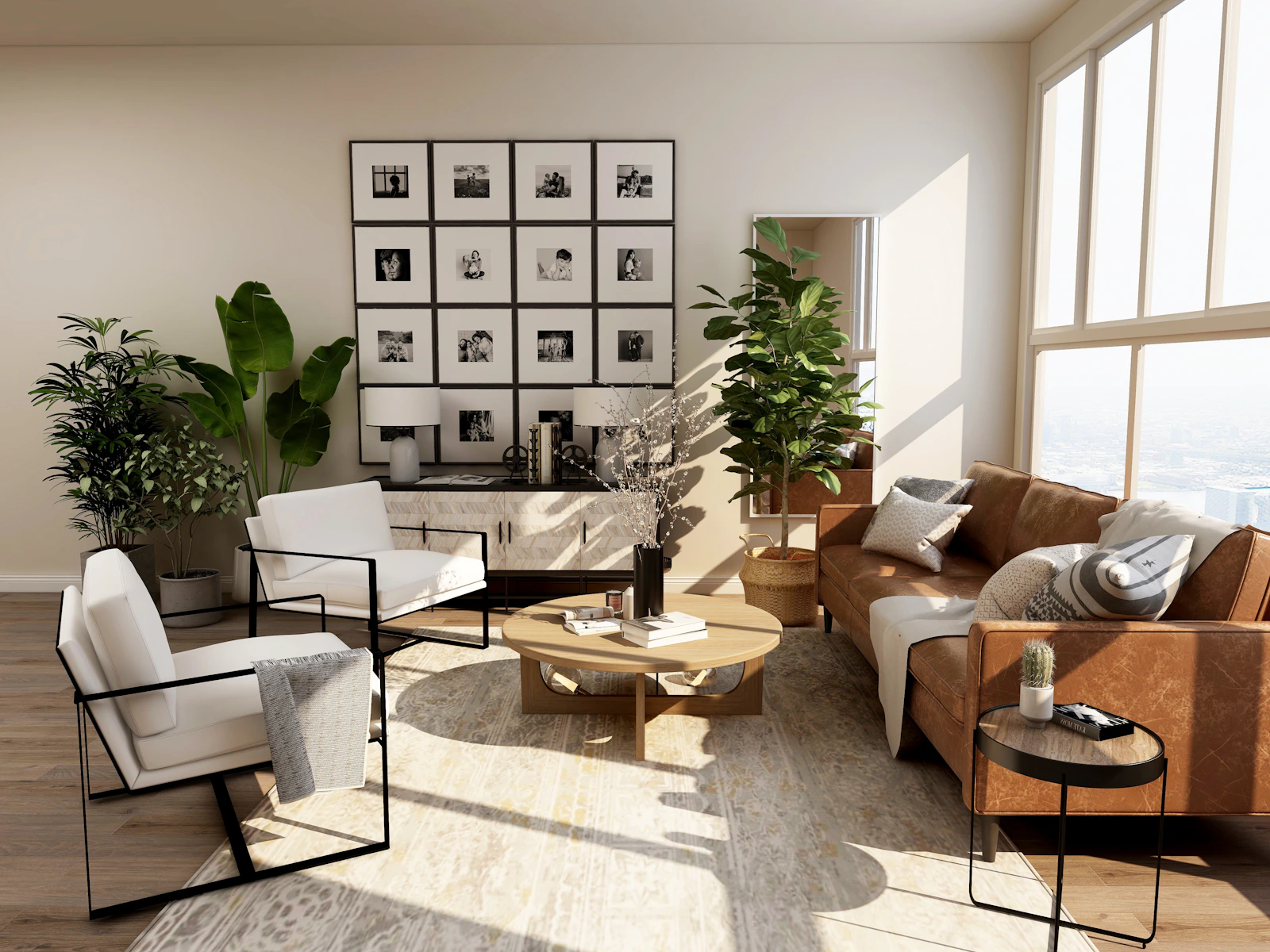
What Is Biophilic Interior Design?
Biophilic interior design is an approach that strengthens the connection between people and nature through the spaces they inhabit. Instead of treating greenery and natural materials as simple decoration, the design integrates daylight, plants, organic textures, natural forms and outdoor views into the overall environment.
This approach is particularly relevant in dense urban environments such as Delhi NCR, where apartments, offices and commercial spaces may have limited direct contact with nature.
A well-planned biophilic interior can make a space feel calmer, brighter and more connected to its surroundings while maintaining the functionality expected from a modern interior.
Benefits of Biophilic Interior Design for Delhi NCR Homes
Bringing nature into an interior is not only an aesthetic choice. It can influence how a room feels, functions and is experienced every day.
More Natural Light
Thoughtful window planning, mirrors, glass and lighter finishes can help maximise available daylight.
Connection With Nature
Plants, natural textures and outdoor views introduce visual and tactile connections with the natural environment.
Calmer Interiors
Earthy colours, organic shapes and greenery can create a softer and more relaxing visual atmosphere.
Better Visual Comfort
Balanced daylight, layered lighting and natural materials can make interiors feel more comfortable and welcoming.
Sustainable Choices
Natural, recycled, durable and responsibly sourced materials can support a more environmentally conscious design approach.
Improved Aesthetics
Greenery, wood, stone and organic forms add depth, warmth and character to contemporary interiors.
10 Key Elements of Biophilic Interior Design
Biophilic design does not require a large garden or a luxury budget. The principles can be adapted to apartments, villas, offices and compact urban spaces.
Natural Light
Maximise daylight with appropriately planned windows, glass doors, skylights and reflective surfaces.
Indoor Plants
Use potted plants, planters, plant shelves and indoor greenery to introduce living elements.
Living Walls
Vertical gardens can create a strong natural focal point without requiring extensive floor space.
Natural Wood
Timber, wood veneer and natural wood textures add warmth and organic character.
Stone & Earthy Materials
Marble, sandstone, slate and textured surfaces can introduce natural visual depth.
Nature-Inspired Colours
Greens, beige, sand, terracotta, muted blues and warm neutrals create a nature-led palette.
Organic Shapes
Curved furniture, rounded edges and flowing forms soften rigid architectural geometry.
Water Elements
Carefully designed fountains and small water features can add movement and a soothing sensory element.
Natural Textures
Rattan, cane, linen, jute, woven fabrics and tactile surfaces add sensory richness.
Outdoor Connections
Balconies, terraces, gardens and large windows can visually connect interior spaces with the outdoors.
Beautiful Biophilic Interior Design Ideas
Use a combination of natural materials, plants, daylight and organic forms rather than relying on a single decorative feature.


Why Biophilic Design Works So Well in Delhi NCR
Delhi NCR is a highly urbanised region with apartments, high-rise residences, offices and commercial developments. This makes the thoughtful introduction of natural elements especially valuable.
Biophilic interiors can work even when a property has limited access to gardens or large outdoor areas. A balcony planter wall, indoor trees, natural wood finishes, daylight-focused layouts or nature-inspired colours can make a noticeable difference.
- Compact apartment interiors
- Luxury villas and independent houses
- Modern builder floors
- Corporate offices in Gurgaon
- Residential apartments in Noida
- Retail and hospitality interiors
- Home offices and study spaces
- Balconies and terrace areas


Biophilic Interior Design Ideas for Small Homes
Small apartments do not need to sacrifice the connection with nature. In fact, carefully selected biophilic details can make compact interiors feel visually lighter and more inviting.
- Use tall indoor plants in unused corners
- Create a compact vertical plant wall
- Choose light wood finishes
- Use mirrors to increase reflected daylight
- Select earthy neutral wall colours
- Use cane and rattan furniture selectively
- Choose natural-texture upholstery
- Keep windows visually uncluttered
- Add plants to balconies and window ledges
- Use warm layered lighting after sunset
Best Natural Materials for Biophilic Interiors
Materials are central to creating an authentic nature-inspired interior. The objective is to introduce tactile and visual variation without making the room feel cluttered.
Wood
Use wood or wood-look finishes for flooring, wall panels, cabinetry, furniture and ceiling details.
Stone
Marble, slate, sandstone and other stone finishes can provide natural texture and visual depth.
Cane & Rattan
Cane and rattan are useful for furniture, cabinet shutters, partitions and decorative elements.
Linen & Cotton
Natural-looking fabrics can soften sofas, curtains, cushions and bedroom interiors.
Jute
Rugs, baskets and accessories made from jute can add earthy texture without overwhelming the design.
Terracotta
Terracotta planters and warm clay accents can reinforce an earthy colour palette.
Leading Biophilic Interior Design Firms in Delhi NCR
Delhi NCR has a diverse interior design ecosystem, with firms and studios applying natural materials, sustainability, greenery, daylight and indoor-outdoor concepts in different ways.
Design Atelier
Known for an approach that can combine natural materials, greenery and light-filled environments to create harmonious interiors.
Studio Lotus
Recognised for sustainability-focused design thinking and projects that respond to local context and natural surroundings.
Space Matrix
A workplace design-focused name associated with collaborative, people-centric environments and the integration of natural elements.
Indesign
A design-focused firm referenced for immersive commercial and retail environments incorporating natural visual elements.
Interior A to Z
Interior A to Z provides residential and commercial interior design and turnkey solutions across Delhi NCR, Gurgaon and Noida.
Custom Biophilic Solutions
The best firm for a project should be selected according to its portfolio, material expertise, execution capability, budget and understanding of the property.
Biophilic Design Applications for Different Spaces
Living Rooms
Add indoor plants, natural wood, earthy upholstery, organic shapes and daylight-focused furniture layouts.
Bedrooms
Create calm bedrooms with wood textures, natural fabrics, greenery, soft colours and warm layered lighting.
Modular Kitchens
Combine natural wood tones, stone countertops, indoor herbs and daylight wherever the layout permits.
Home Offices
Use plants, daylight, natural finishes and comfortable ergonomic furniture to create a pleasant work environment.
Corporate Offices
Introduce greenery, daylight, breakout zones, natural textures and open layouts to create people-focused workplaces.
Retail & Hospitality
Use greenery, natural materials, water elements and atmospheric lighting to create memorable customer experiences.
How to Create a Successful Biophilic Interior
Study the Space
Analyse orientation, windows, natural light, ventilation, views, existing plants and available outdoor connections.
Set the Design Goal
Decide whether the priority is wellness, aesthetics, sustainability, productivity or a combination of these.
Select Natural Elements
Choose plants, wood, stone, textures, colours and organic forms appropriate for the property.
Plan Lighting
Maximise available daylight and supplement it with layered artificial lighting.
Design for Maintenance
Select plant species and materials that are realistic for the owner’s lifestyle and maintenance capacity.
Balance Function
Natural elements should enhance the space without compromising storage, circulation or daily usability.
Execute Carefully
Coordinate carpentry, electrical, lighting, planting and finishing details during implementation.
Maintain the Design
Plan ongoing plant care, cleaning and replacement of natural elements where required.
Challenges of Biophilic Interior Design
Biophilic design can be highly effective, but it should be planned realistically. Live plants, natural materials and water features require the right conditions and maintenance.
- Limited natural light in some apartments
- Small floor areas for plants
- Regular plant maintenance requirements
- Waterproofing requirements for certain installations
- Higher cost of selected natural materials
- Humidity and ventilation considerations
- Need for careful electrical planning around water
- Balancing aesthetics with practical storage
In compact Delhi NCR homes, vertical gardens, low-maintenance plants, natural-look materials and carefully positioned planters can often provide the desired effect without requiring major structural changes.
12 Simple Ways to Add Biophilic Design to Your Home
1. Add Indoor Plants
Start with easy-care plants suited to your home’s light conditions.
2. Use Natural Wood
Introduce timber textures through furniture, panels or cabinetry.
3. Improve Daylight
Keep windows clear and use reflective finishes where appropriate.
4. Choose Earthy Colours
Greens, beige, brown, sand and terracotta can create a natural palette.
5. Add Natural Textures
Consider linen, jute, cane, rattan and woven materials.
6. Create a Plant Wall
Vertical planting is useful where floor space is limited.
7. Add Curved Forms
Rounded furniture and organic forms can soften a modern interior.
8. Bring in Stone
Use stone-inspired or natural stone finishes for focal surfaces.
9. Refresh the Balcony
Turn balconies into green extensions of the living space.
10. Use Nature-Inspired Art
Landscape art, botanical prints and organic patterns reinforce the concept.
11. Layer Warm Lighting
Combine ambient, task and accent lighting to maintain a natural atmosphere after sunset.
12. Reduce Visual Clutter
Keep the design organised so that natural elements remain visually prominent.
Biophilic Interior Design Services in Delhi, Gurgaon & Noida
Interior A to Z provides interior design and turnkey solutions across Delhi NCR, including residential and commercial spaces in Delhi, Gurgaon and Noida.
Delhi
Biophilic home interiors for apartments, builder floors, independent houses, villas and commercial spaces.
Gurgaon
Nature-inspired interiors for luxury homes, modern apartments, offices and corporate environments.
Noida
Sustainable and nature-led interior solutions for apartments, residences, workplaces and commercial projects.
FAQs About Biophilic Interior Design
What is biophilic interior design?
Biophilic interior design is an approach that connects indoor environments with nature through plants, natural light, wood, stone, organic forms, natural textures, nature-inspired colours and outdoor views.
What are the main elements of biophilic design?
The main elements include natural light, indoor plants, natural materials, water features, organic shapes, nature-inspired colours, natural textures and connections between indoor and outdoor spaces.
Is biophilic interior design suitable for apartments?
Yes. Biophilic design can work very well in apartments. Vertical gardens, planters, natural materials, daylight and nature-inspired colours can be used even when floor space is limited.
Is biophilic design expensive?
It does not have to be. Simple additions such as plants, natural textures, earthy colours and improved lighting can be relatively affordable, while custom living walls, premium natural materials and water features can increase project costs.
Which plants are suitable for indoor biophilic interiors?
Suitable plants depend on available daylight, ventilation, temperature and maintenance preferences. Low-maintenance varieties are often practical for busy urban homes.
Can biophilic design be used in an office?
Yes. Offices can use plants, natural daylight, outdoor views, wood, natural textures, breakout spaces and greenery to create people-focused work environments.
How can I create biophilic interiors in a small Delhi home?
Use vertical greenery, indoor plants, mirrors, natural wood finishes, earthy colours, natural textures and clear access to windows or balconies. These elements can create a stronger connection with nature without consuming significant floor space.
What materials are best for biophilic interiors?
Wood, stone, bamboo, cane, rattan, jute, linen, cotton and nature-inspired textures are commonly used to create a natural interior character.
Do biophilic interiors require a lot of maintenance?
Live plants and water features require maintenance. The maintenance level can be reduced by selecting suitable plant varieties, low-maintenance materials and practical planting systems.
Does Interior A to Z provide interior design services in Gurgaon and Noida?
Interior A to Z provides interior design and turnkey solutions across Delhi NCR, including Delhi, Gurgaon and Noida.
Bring Nature Into Your Delhi NCR Home
Plan a biophilic interior with natural materials, greenery, comfortable layouts and practical design solutions tailored to your property and lifestyle.
WhatsApp for Free Consultation Call 9891050117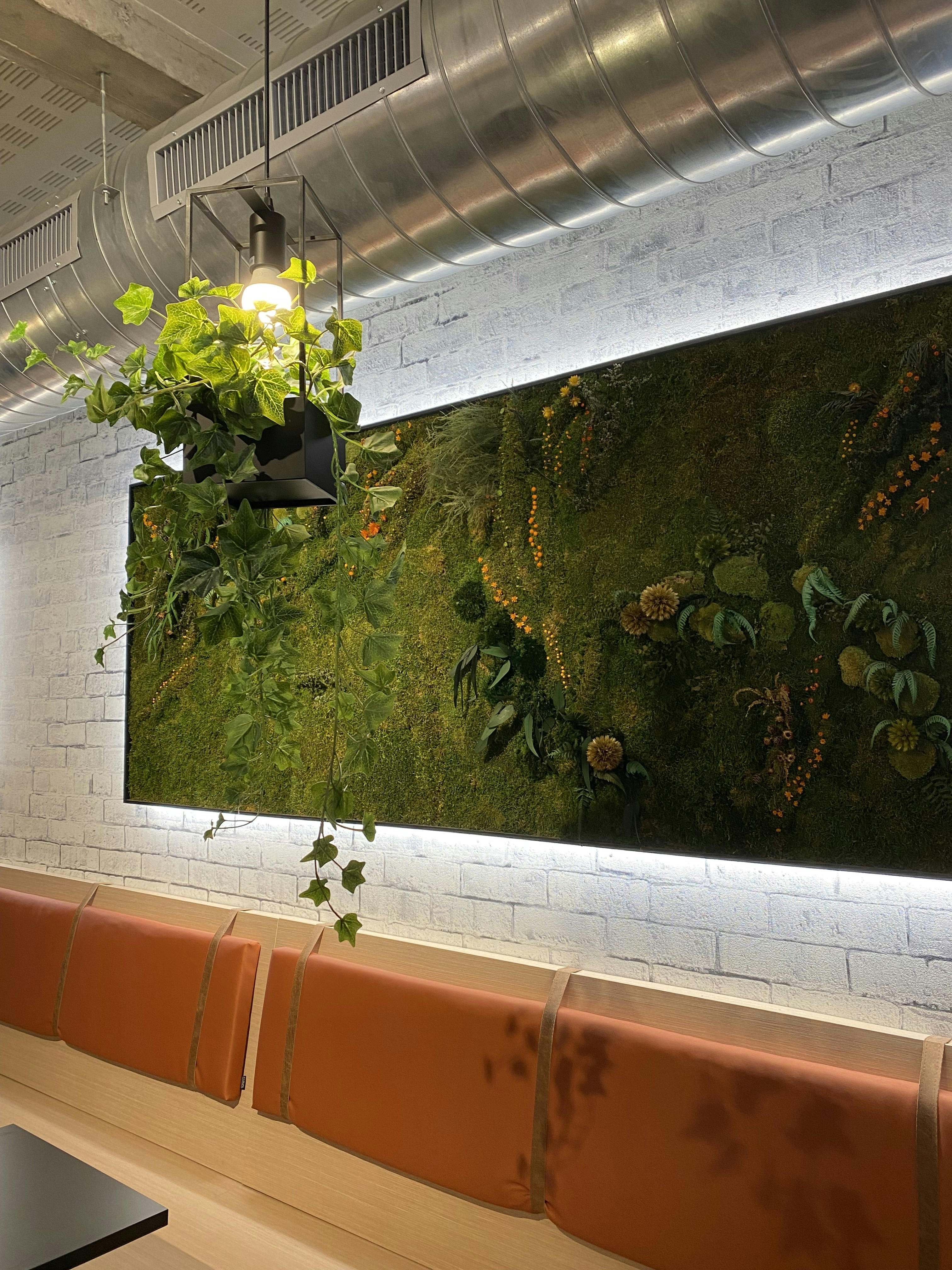
Introduction to Biophilic Design
Biophilic design is an innovative approach to creating interior environments that emphasize the connection between humans and nature. This concept is grounded in the idea that integrating natural elements into built spaces can significantly enhance the well-being and productivity of occupants. By mimicking nature and incorporating natural materials, colors, and forms, biophilic design cultivates a sense of tranquility, promoting psychological and emotional benefits.
One of the fundamental principles of biophilic design is the inclusion of natural light. Maximizing daylight not only enhances aesthetic appeal but also contributes to improved mood and cognitive performance. Incorporating greenery, such as indoor plants and living walls, enables individuals to experience the calming effects of nature within indoor settings. Additionally, the use of natural materials like wood and stone fosters tactile connections, creating a warm and inviting atmosphere.
Furthermore, biophilic design acknowledges the prominence of nature in human evolution, theorizing that our innate affinity for natural environments deeply influences our behavior and well-being. Research has shown that exposure to nature can reduce stress, enhance creativity, and improve overall health. This design philosophy thus strives to blur the boundaries between indoor and outdoor spaces, fostering a harmonious relationship with the environment.
Another key aspect of biophilic design is the subtle incorporation of natural rhythms, such as seasonal changes and the use of organic forms. These elements allow for a dynamic interior experience that adapts to the changing environment, thereby enriching the user experience. The thoughtful implementation of biophilic principles not only provides aesthetic enhancements but also leads to long-term benefits in physical and mental health for individuals who inhabit these spaces.
The Importance of Nature in Urban Spaces
In an increasingly urbanized world, the integration of nature into built environments has become essential for enhancing the quality of life. Urban spaces, particularly in densely populated regions like Delhi NCR, often lack natural elements, which can significantly affect the psychological well-being and overall health of residents. Studies indicate that exposure to greenery has profound benefits, ranging from improved mental health to increased productivity among inhabitants.
Research suggests that environments that incorporate natural elements can lead to reduced stress levels, improved mood, and enhanced cognitive function. A study published in the Journal of Environmental Psychology highlighted that individuals working in biophilic-designed spaces reported 15% higher levels of well-being and satisfaction compared to those in non-biophilic environments. Furthermore, access to natural light and greenery has been linked to increased productivity and creativity in workplace settings.
The health benefits associated with biophilic design extend beyond psychological well-being. A report by the World Health Organization posits that green spaces play a significant role in physical health, promoting active lifestyles and social interactions. In urban settings, where the pace of life can be overwhelming, integrating parks and green rooftops can create community spaces that encourage physical activity and foster a sense of belonging among residents.
Additonally, incorporating natural elements in urban design can mitigate some adverse environmental effects common in cities. For instance, urban greenery contributes to better air quality, provides insulation against heat, and manages stormwater more effectively. Collectively, these benefits underscore the critical role of nature in urban environments, reinforcing the need for innovative design approaches such as biophilic design to create healthier, more sustainable cities.
Key Elements of Biophilic Interior Design
Biophilic interior design emphasizes a deep connection to nature, integrating various natural elements within indoor environments to promote well-being and serenity. One of the foundational components of this design philosophy is the abundant use of natural light. Large windows and skylights are instrumental in creating bright, airy spaces that not only enhance aesthetic appeal but also support mental health by promoting a natural circadian rhythm.
Another critical aspect is the incorporation of plant life. Indoor plants serve multiple functions; they improve air quality, bolster mood, and infuse spaces with lively colors and textures. Strategies include using vertical gardens, potted plants, or living walls, fostering a sense of tranquility while also contributing to the overall design narrative.
Water features are also integral to biophilic design. Elements such as indoor fountains or aquariums add a soothing auditory dimension and often create focal points that spark conversation. The sound of flowing water can significantly reduce stress levels, making it an invaluable addition in both residential and commercial interiors.
In terms of materials, biophilic design advocates for the use of natural materials like wood, stone, and bamboo, which convey a sense of warmth and authenticity. Sustainable sourcing of these materials further aligns with the principles of environmental stewardship that biophilic design often promotes. Textures derived from nature can also be utilized to enhance tactile experiences within a space.
Lastly, organic shapes are utilized to mirror patterns found in nature, moving away from rigid lines and angular forms. Curved furniture and flowing layouts can harmonize a space, making it feel more grounded and welcoming. By effectively integrating these elements, interior designers can create immersive environments that nurture the human spirit and enhance overall quality of life.
Noteworthy Biophilic Interior Design Firms in Delhi NCR
Delhi NCR is home to numerous interior design firms that excel in biophilic design, a style emphasizing the connection between nature and the built environment. These firms have pioneered creative solutions that seamlessly integrate natural elements within various spaces. One standout firm is Design Atelier, known for its holistic approach towards creating harmonious living environments. Their projects often feature extensive use of natural materials, living walls, and light-filled spaces, which foster a sense of tranquility and well-being.
Another notable player is Studio Lotus, which has made a significant mark with its commitment to sustainability and biophilic principles. Their work often involves deep engagement with the local ecological context, resulting in designs that not only reflect the natural environment but also enhance the user’s experience. One of their exemplary projects is a luxury residence that incorporates water features and greenery throughout, creating a cohesive indoor-outdoor flow that exemplifies biophilic design.
Space Matrix also stands out in the realm of biophilic design, particularly in commercial spaces. Their innovative strategies focus on creating collaborative environments that prioritize employee well-being. By integrating plants, natural light, and open spaces, they have successfully transformed workplaces into vibrant ecosystems that boost productivity and foster creativity.
Lastly, Indesign stands out for its cutting-edge application of biophilic principles in retail design. They emphasize the importance of creating immersive experiences that connect consumers with nature, which not only enhances the aesthetic appeal of spaces but also aligns with growing consumer preferences for sustainable practices. Noteworthy projects include experiential retail spaces that prominently feature greenery and natural light, contributing to an inviting atmosphere.
These firms reflect the diversity of talent and innovative solutions available in Delhi NCR, each championing biophilic design in unique ways to create environments that nurture both mind and body.
Successful Biophilic Projects: Case Studies
Biophilic interior design seeks to foster a connection between people and nature, and several successful projects within Delhi NCR exemplify this trend. One noteworthy case study is the “Nature’s Edge” office space located in Gurgaon. This project was aimed at creating a workspace that not only maximized productivity but also improved employee well-being. The design team faced substantial challenges, including limited natural light and noisy urban surroundings. To counteract these issues, they implemented large glass facades that optimized daylight access and incorporated sound-absorbing green walls. The outcome was a tranquil work environment that led to higher employee satisfaction and improved performance.
Another exemplary project is the “Green Haven” residential complex in Noida. Here, the focus was on promoting sustainable living through biophilic principles. The design featured extensive use of natural materials and integrated indoor gardens that filtered air and enhanced living spaces. However, the team encountered difficulties in balancing aesthetics with functionality, particularly with the water management systems needed for the gardens. By utilizing permeable surfaces and rainwater harvesting, they successfully enhanced both the visual elements and environmental efficiency. Residents reported a stronger sense of community and well-being, showcasing the positive impact of biophilic design on lifestyle.
Lastly, the “Urban Oasis” retail space in Delhi illustrates the commercial application of biophilic design. Designers aimed to create an inviting atmosphere that drew customers while encouraging longer visits. The project faced the challenge of creating a cohesive landscape within a confined urban area. Through strategic placement of natural elements like indoor trees and water features, along with carefully curated lighting to simulate sunlight, the space felt open and refreshing. This resulted in increased foot traffic and sales, confirming that biophilic interior design not only enhances the aesthetic but also drives commercial success.
Challenges in Implementing Biophilic Design
Biophilic design, which integrates natural elements into built environments, is increasingly recognized for its potential to enhance well-being and productivity. However, its implementation often encounters several challenges that designers and clients must navigate. One of the most prominent obstacles is budget constraints. Incorporating natural materials and features, such as living walls or natural ventilation systems, can significantly increase project costs. Clients may hesitate to allocate funds for biophilic elements when faced with tight budgets, prioritizing other aspects of the design instead.
Another prevalent challenge is space limitations. In dense urban settings like Delhi NCR, where space is often at a premium, introducing biophilic elements can be difficult. Architectural designs may not allow for substantial outdoor views or the inclusion of greenery, leading to a compromise on the essence of biophilic design. Designers may need to become innovative in utilizing available spaces, integrating features like vertical gardens, indoor plants, or even digital representations of nature, to satisfy biophilic principles on a smaller scale.
Maintaining natural elements presents yet another set of challenges. Live plants, for instance, require ongoing care, including watering, light, and occasional pruning. This maintenance can become a burden for occupants or property managers who may lack the expertise or resources to keep these elements thriving. To counter this issue, designers are focusing on low-maintenance solutions, such as choosing hardy plant species and utilizing automated irrigation systems to minimize upkeep.
Addressing these challenges requires collaboration between designers and clients to find creative and practical solutions. By adopting flexible design strategies and selecting cost-effective options, biophilic design can be successfully implemented, even amidst constraints. This collaborative approach ensures that the benefits of biophilic design are not lost, as it can significantly enhance the quality of indoor environments.
The Future of Biophilic Design in Delhi NCR
As awareness of sustainability and health continues to rise, the future of biophilic design in Delhi NCR appears promising and transformative. Biophilic design, which seeks to strengthen the connection between individuals and nature, is likely to blossom in both residential and commercial spaces. Factors driving this trend include the growing concerns over urbanization’s impact on well-being, environmental sustainability, and a shifting perspective on the necessity of integrating natural elements into architectural and interior design.
The integration of greenery and natural materials is becoming pivotal in modern design philosophies. Architects and designers are increasingly recognizing the benefits that biophilic elements bring, such as improved air quality, reduced stress levels, and enhanced productivity. This understanding will lead to the incorporation of innovative solutions that promote wellness, such as living walls, skylights, and natural ventilation systems. In Delhi NCR, where urban pollution is a significant concern, biophilic interventions can effectively address both ecological and psychological issues faced by residents.
Moreover, as the demand for sustainable practices grows, developers and interior designers will likely prioritize materials and construction methods that align with eco-friendly principles. This holistic approach to design will not only focus on aesthetics but also on functionality and sustainability, encouraging the use of recycled materials, energy-efficient systems, and water-saving technologies. The result will be living and working environments that foster a sense of harmony with nature.
Furthermore, government policies favoring green building practices will bolster the growth of biophilic design in the region. Incentives for sustainable construction can lead to a plethora of new opportunities for designers specializing in this area. As more companies and homeowners seek to incorporate biophilic elements into their spaces, it is anticipated that Delhi NCR will emerge as a leader in sustainable interior design practices, setting benchmarks for others to follow.
Tips for Incorporating Biophilic Elements in Your Space
Integrating biophilic elements into your home or workplace can transform your environment, enhancing both aesthetic appeal and well-being. To achieve this natural connection indoors, consider the following practical tips that range from simple, effortless changes to more substantial renovations.
First and foremost, the incorporation of plants is essential. Begin with easy-to-maintain houseplants such as succulents, snake plants, or pothos. These plants not only improve air quality but also bring a touch of greenery indoors. For a more dramatic effect, create a vertical garden or a dedicated plant wall. This installation can serve as a focal point in your space, drawing attention to the beauty of nature.
Natural light plays a crucial role in biophilic design. Maximize sunlight by utilizing large windows, skylights, or glass doors, which can dramatically improve the indoor ambiance. If you are unable to make extensive structural changes, consider using mirrors to reflect light within the room, creating an illusion of more natural brightness.
Material selection also significantly influences biophilic design. Utilize natural materials such as wood, stone, and bamboo in furniture, flooring, and decor. These elements add an authentic touch of nature to your interiors. Additionally, choosing color palettes inspired by nature—such as earthy tones, greens, and blues—can evoke a serene atmosphere.
Water features, such as small indoor fountains or aquariums, can enhance the tranquility of a space, promoting relaxation and a connection to nature. However, ensure these features are placed thoughtfully to avoid overwhelming the environment.
Lastly, create outdoor connections by ensuring easy access to outdoor spaces. Incorporating a patio, balcony, or garden area allows for a seamless transition between indoor and outdoor environments. This connection is not only visually appealing but also promotes physical and mental well-being.
By incorporating these biophilic elements, you can create a harmonious space that reflects nature, supports well-being, and fosters a healthier living or working environment.
Conclusion
In conclusion, biophilic interior design emerges as an essential approach for creating harmonious living and working environments, particularly in urban settings like Delhi NCR. Throughout this exploration, we have delved into the fundamental principles of biophilic design, emphasizing its ability to enhance well-being through a strong connection with nature. The integration of natural elements into architectural spaces fosters tranquility and promotes mental health, making it a vital consideration for both residential and commercial projects.
Leading firms in Delhi NCR have begun to adopt biophilic principles, showcasing innovative designs that incorporate natural materials, ample daylight, and indoor vegetation. These examples not only highlight the aesthetic appeal of such designs but also their tangible benefits, including improved air quality and increased productivity. By prioritizing biophilic elements, designers are creating spaces that resonate with the occupants’ innate affinity for nature, ultimately leading to enhanced comfort and satisfaction.
As we reflect on the information presented, it becomes evident that embracing biophilic design can serve as a catalyst for a healthier lifestyle. Individuals are encouraged to consider how they can incorporate elements like plants, natural lighting, and organic materials into their own homes and workplaces. Whether through simple adjustments or comprehensive renovations, the potential to improve one’s environment is vast.
The shift toward biophilic interior design is not merely a trend but a key movement aimed at enhancing the quality of life amidst the concrete jungle. By fostering a deeper connection with our natural surroundings, we can create spaces that not only look appealing but also nurture our mental and emotional well-being. Moving forward, adopting this design philosophy will be crucial in shaping a sustainable future in urban living.