Author name: Designfirm

Interior A to Z is a leading Interior Designers firm in Gurgaon and Delhi NCR. We are well know interior designers in Gurgaon and Delhi NCR. As an interior designer in Delhi NCR we are working from last 15 years.

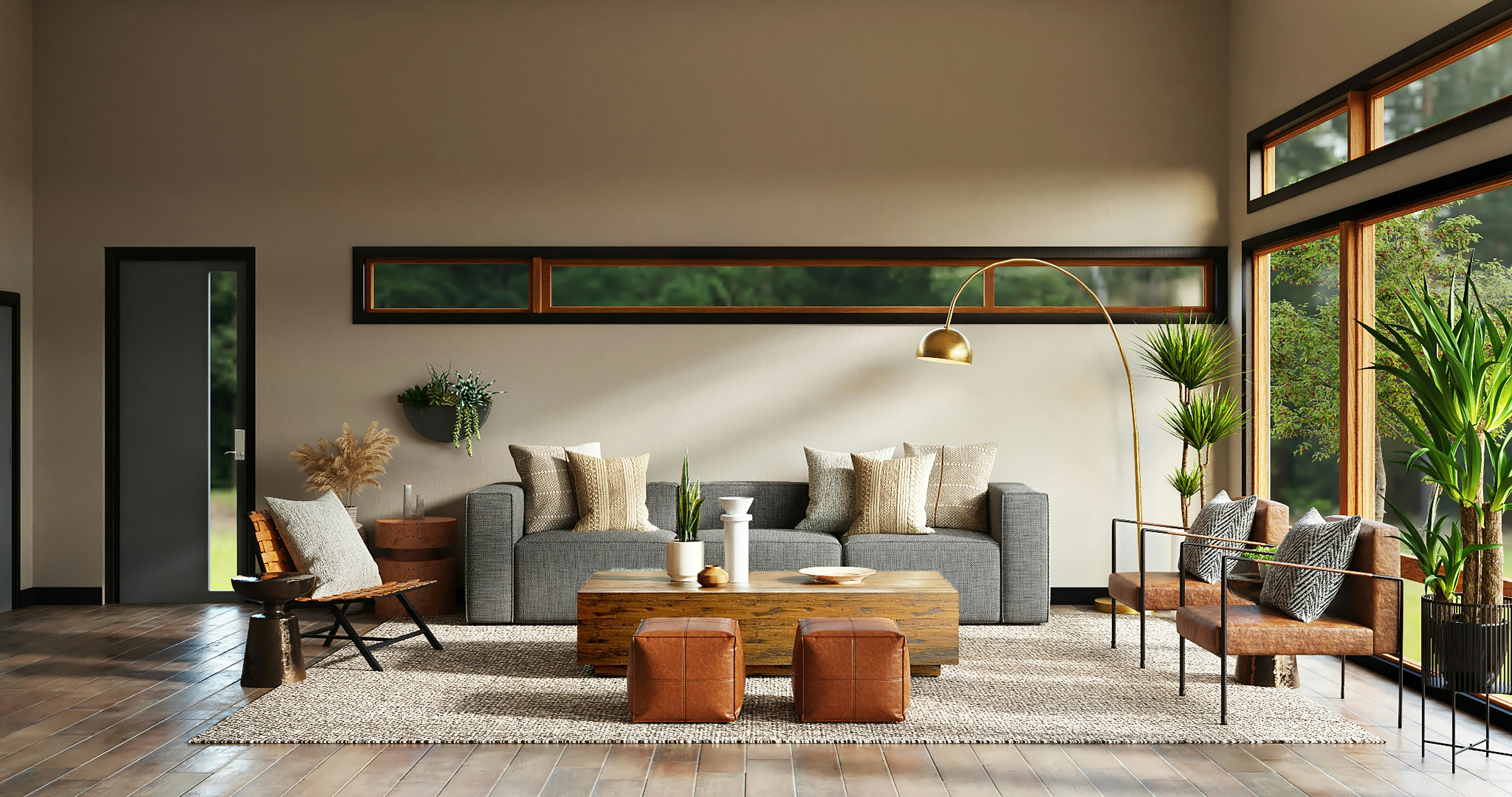
Vastu-Inspired Living Room Arrangement for Positivity

The Importance of a Positive Living Space

Your living room is the heart of your home, a place where you relax, entertain guests, and spend quality time with your loved ones. Creating a positive and harmonious environment in your living room can have a profound impact on your overall well-being. One way to achieve this is by incorporating Vastu principles into your living room arrangement.

Understanding Vastu Shastra

Vastu Shastra is an ancient Indian architectural science that focuses on creating a balance between the five elements of nature – earth, water, fire, air, and space. According to Vastu, the placement and arrangement of furniture and other elements in your living room can influence the flow of positive energy, or “prana,” in your home.

Optimal Living Room Layout

When arranging your living room, consider the following Vastu-inspired tips to promote positivity and harmony:

1. Position of the Main Seating Area

The main seating area, such as the sofa or chairs, should be placed against a solid wall. This provides a sense of stability and support. Avoid placing the seating arrangement directly under a beam or slanted ceiling, as this can create a feeling of unease.

2. Direction of the Main Entrance

Ensure that the main entrance to the living room is in the north, east, or northeast direction. This allows for the flow of positive energy into the space. Avoid positioning the main entrance in the southwest direction, as it is believed to bring negative energy into the room.

3. Placement of Electronic Devices

Electronics such as the television and sound system should be placed in the southeast corner of the living room. This direction is associated with the element of fire and is considered auspicious for electronic devices. Avoid placing the television in the northeast corner, as it can disrupt the flow of positive energy.

4. Colors and Lighting

Choose soothing and calming colors for your living room, such as light shades of blue, green, or beige. These colors promote a peaceful atmosphere. Additionally, ensure that your living room receives ample natural light during the day. Natural light is considered beneficial for overall well-being.

5. Declutter and Organize

A cluttered and disorganized living room can disrupt the flow of positive energy. Keep your living room tidy and free from unnecessary items. Arrange furniture in a way that allows for easy movement and promotes a sense of spaciousness.

6. Placement of Mirrors

According to Vastu, mirrors should be placed on the north or east walls of the living room. Mirrors help in reflecting light and creating a sense of expansiveness. Avoid placing mirrors on the south or west walls, as they are believed to create a sense of restlessness.

7. Natural Elements

Introduce natural elements such as plants, flowers, or a small indoor water feature into your living room. These elements enhance the flow of positive energy and create a connection with nature.

Conclusion

Incorporating Vastu principles into your living room arrangement can help create a positive and harmonious space. By considering the placement of furniture, colors, lighting, and other elements, you can enhance the flow of positive energy and promote a sense of well-being for you and your family. Remember, a balanced and positive living space can have a profound impact on your overall happiness and peace of mind.

Vastu-Inspired Living Room Arrangement for Positivity Read More Β»

Vastu-Approved Flooring Choices for Home Design

Introduction

When it comes to designing our homes, we often overlook the importance of the flooring. However, in Vastu Shastra, the ancient Indian science of architecture, the choice of flooring plays a vital role in creating a harmonious living space. In this article, we will explore some Vastu-approved flooring choices that can enhance the positive energy flow in your home.

1. Marble Flooring

Marble flooring is considered one of the most auspicious choices according to Vastu Shastra. Its natural beauty and durability make it a popular option for many homeowners. Marble is believed to bring a sense of luxury and elegance to a space while promoting a calming and peaceful environment. It is especially recommended for the living room and bedrooms.

2. Wooden Flooring

Wooden flooring is another Vastu-approved option that adds warmth and natural beauty to your home. It is believed to have a grounding effect and can create a harmonious balance of energy. Hardwood floors are particularly recommended for the dining area and bedrooms, as they are said to promote a sense of stability and togetherness.

3. Ceramic Tiles

Ceramic tiles are a versatile flooring choice that can be customized to suit any style or design. According to Vastu Shastra, ceramic tiles in earthy tones, such as beige or brown, are considered auspicious. They are believed to promote stability and grounding energy. Ceramic tiles are commonly used in kitchens and bathrooms, but they can be used throughout the house as well.

4. Granite Flooring

Granite flooring is known for its durability and strength. It is believed to bring stability and grounding energy to a space. According to Vastu Shastra, granite flooring in shades of black, gray, or white is considered auspicious. It is commonly used in high-traffic areas such as hallways and entryways, as well as in kitchens and bathrooms.

5. Terrazzo Flooring

Terrazzo flooring is a unique and stylish option that can add a touch of elegance to your home. It is made by embedding small pieces of marble, glass, or other materials into a cement or resin base. According to Vastu Shastra, terrazzo flooring promotes positive energy flow and is believed to bring good luck and prosperity. It is commonly used in living rooms and dining areas.

6. Vitrified Tiles

Vitrified tiles are a popular choice for modern homes due to their durability and low maintenance. These tiles are made by fusing clay and silica at high temperatures, resulting in a dense and water-resistant material. According to Vastu Shastra, vitrified tiles in light shades, such as cream or off-white, are considered auspicious. They are recommended for areas that require easy maintenance, such as kitchens and bathrooms.

Conclusion

Choosing the right flooring for your home is not just about aesthetics, but also about creating a positive and harmonious living environment. By considering Vastu-approved flooring choices, you can enhance the energy flow in your home and promote overall well-being. Whether you opt for marble, wood, ceramic tiles, granite, terrazzo, or vitrified tiles, each choice has its unique benefits and can contribute to a balanced and peaceful living space.

Remember to consult with a Vastu expert or professional before making any final decisions, as they can provide personalized guidance based on your specific needs and requirements. With the right flooring, you can create a home that not only looks beautiful but also feels energetically balanced and inviting.

Vastu-Approved Flooring Choices for Home Design Read More Β»

Kitchen Layout Ideas Based on Vastu Principles

The Importance of Vastu Principles in Kitchen Design

Vastu Shastra, an ancient Indian architectural science, emphasizes the importance of harmonious living by aligning the layout and design of a space with natural and cosmic energies. When it comes to the kitchen, Vastu principles play a significant role in promoting positive energy flow and enhancing the overall well-being of the occupants. In this blog post, we will explore some kitchen layout ideas based on Vastu principles that can help create a balanced and auspicious environment.

1. Placement of the Kitchen

According to Vastu, the ideal location for the kitchen is in the southeast corner of the house. This direction is associated with the fire element, which is essential for cooking. Placing the kitchen in this direction ensures that the cooking process is in harmony with the natural flow of energy. However, if it is not feasible to have the kitchen in the southeast corner, the northwest corner is considered as the second-best option.

2. Orientation of the Cooking Platform

The cooking platform or stove should ideally be placed in the southeast corner of the kitchen. This placement ensures that the cook faces east while preparing meals, which is considered auspicious in Vastu. It allows for the maximum utilization of natural light and promotes a positive atmosphere in the kitchen.

3. Sink Placement

The sink represents the water element in the kitchen, and according to Vastu, it should be placed in the northeast or north direction. This placement ensures the proper flow of water and promotes cleanliness and hygiene in the kitchen. Avoid placing the sink in the southeast or southwest corners, as it may lead to financial losses or health issues.

4. Storage and Organization

Proper storage and organization are essential for a clutter-free and efficient kitchen. In Vastu, it is recommended to have the storage cabinets and shelves in the southern and western walls of the kitchen. This placement ensures that the heavy items are stored in the south and west, balancing the overall energy flow in the space. Additionally, keeping the kitchen clean and well-organized is crucial for maintaining positive energy.

5. Ventilation and Lighting

Good ventilation and lighting are vital for any kitchen. In Vastu, it is advised to have windows or exhaust fans in the east or north direction. This allows for the entry of fresh air and natural light, creating a pleasant and vibrant environment. Adequate lighting is essential for both safety and functionality in the kitchen.

6. Colors and Materials

The choice of colors and materials in the kitchen can significantly impact the overall Vastu energy. According to Vastu, warm and earthy tones like yellow, orange, and brown are considered auspicious for the kitchen. Avoid using dark or dull colors that may create a negative ambiance. Additionally, using natural materials like wood and stone can enhance the positive energy in the kitchen.

7. Eliminate Clutter and Obstacles

Clutter and obstacles hinder the flow of energy in the kitchen. It is important to keep the kitchen clean, organized, and free from unnecessary items. Remove any obstacles that may block the movement within the kitchen space. This promotes a smooth flow of energy and creates a harmonious environment.

Conclusion

Designing a kitchen based on Vastu principles can help create a space that is not only aesthetically pleasing but also promotes positive energy and well-being. By considering the placement of the kitchen, orientation of the cooking platform, sink placement, storage and organization, ventilation and lighting, colors and materials, and eliminating clutter and obstacles, you can ensure that your kitchen becomes a source of positive energy and nourishment for you and your family.

Remember, while Vastu principles offer guidelines, it is essential to adapt them to your specific kitchen layout and personal preferences. Creating a kitchen that aligns with Vastu principles can contribute to a harmonious and balanced living environment.

Kitchen Layout Ideas Based on Vastu Principles Read More Β»

Vastu-Friendly Bedroom Design for Tranquility

Introduction

Creating a peaceful and harmonious environment in your bedroom is essential for a good night’s sleep and overall well-being. Vastu Shastra, an ancient Indian architectural science, offers valuable insights on how to design and arrange your bedroom to promote tranquility and positive energy flow. In this article, we will explore some key principles of Vastu-friendly bedroom design that can help you create a serene and restful space.

1. Placement of the Bed

The placement of the bed is of utmost importance in Vastu Shastra. Ideally, the bed should be positioned in the southwest corner of the bedroom. This is believed to promote stability and strength in your personal life. Avoid placing the bed directly under a beam or in line with the bedroom door, as this can create a feeling of insecurity and restlessness.

2. Colors and Lighting

Choose soothing and calming colors for your bedroom walls, such as light pastels, earthy tones, or shades of blue. These colors create a serene ambiance and promote relaxation. Avoid using bright or vibrant colors, as they can be too stimulating and disrupt your sleep. Additionally, ensure that your bedroom receives ample natural light during the day, as it is beneficial for both physical and mental well-being.

3. Declutter and Organize

A cluttered and disorganized bedroom can create a sense of chaos and unease. To maintain a Vastu-friendly bedroom, declutter and organize your space regularly. Remove any unnecessary items and ensure that everything has its designated place. This not only promotes positive energy flow but also helps you create a peaceful and stress-free environment.

4. Placement of Mirrors

According to Vastu Shastra, mirrors should not be placed directly facing the bed. Mirrors reflect energy, and having them in front of the bed can disrupt your sleep and create restlessness. If possible, avoid placing mirrors in the bedroom altogether. However, if you must have a mirror, make sure it is not facing the bed and cover it with a cloth or curtain during the night.

5. Electronic Devices

Electronic devices emit electromagnetic waves that can interfere with your sleep patterns and disrupt the flow of positive energy in your bedroom. To create a Vastu-friendly environment, keep electronic devices such as televisions, computers, and smartphones out of the bedroom. If you must have them in the room, make sure to turn them off or put them on airplane mode before going to bed.

6. Plants and Natural Elements

Bringing nature into your bedroom can have a calming and rejuvenating effect. Place indoor plants like peace lilies, snake plants, or aloe vera near the window or in the southeast corner of the room. These plants not only purify the air but also add a touch of natural beauty to your space. Additionally, incorporating natural elements like wood, stone, or bamboo in your bedroom decor can further enhance the positive energy flow.

7. Bedding and Furnishings

Choose comfortable and high-quality bedding and furnishings for your bedroom. Opt for natural materials like cotton or linen for bed sheets and curtains, as they allow the flow of air and promote better sleep. Avoid synthetic materials that trap heat and can make you feel restless during the night. Additionally, ensure that your bed is positioned against a solid wall, as this provides a sense of support and stability.

Conclusion

By incorporating Vastu-friendly principles into your bedroom design, you can create a tranquil and restful space that promotes overall well-being. The placement of the bed, choice of colors, decluttering, and incorporation of natural elements all contribute to a harmonious environment. Remember, a peaceful bedroom is essential for a good night’s sleep and sets the foundation for a productive and balanced life.

Vastu-Friendly Bedroom Design for Tranquility Read More Β»

Vastu-Based Color Palettes for Home Interior Design

Introduction

When it comes to home interior design, color plays a crucial role in creating a harmonious and inviting space. In Vastu Shastra, an ancient Indian science of architecture, color is believed to have a profound impact on the energy flow within a home. By incorporating Vastu-based color palettes, you can enhance the positive energy and create a balanced environment in your home. In this article, we will explore some Vastu-based color palettes that can be used for different areas of your home.

The Science Behind Vastu Colors

In Vastu Shastra, each color is associated with one of the five elements – Fire, Earth, Water, Air, and Space. These elements have specific qualities and energies that can be balanced through the use of corresponding colors. By understanding the properties of each element and its associated colors, you can create a harmonious and balanced living space.

1. Fire Element Colors

The Fire element is associated with passion, energy, and warmth. Colors like red, orange, and pink are considered ideal for areas like the living room or dining area. These colors can create a vibrant and lively atmosphere, promoting social interactions and positive energy flow.

2. Earth Element Colors

The Earth element represents stability, grounding, and nourishment. Colors like brown, beige, and yellow are associated with the Earth element. These colors are suitable for areas like the bedroom or study, as they create a calm and serene environment, promoting relaxation and focus.

3. Water Element Colors

The Water element is associated with tranquility, flow, and emotional well-being. Shades of blue and green are considered ideal for areas like the bathroom or meditation room. These colors create a soothing and peaceful ambiance, promoting a sense of calm and rejuvenation.

4. Air Element Colors

The Air element represents movement, freshness, and clarity. Light shades of green, blue, and white are associated with the Air element. These colors are suitable for areas like the kitchen or study, as they create an airy and refreshing atmosphere, promoting clarity of thought and creativity.

5. Space Element Colors

The Space element represents expansiveness, openness, and spirituality. Shades of purple and lavender are associated with the Space element. These colors can be used in areas like the prayer room or meditation space, as they create a serene and transcendent environment, promoting spiritual growth and introspection.

Tips for Using Vastu Colors

Here are some tips to keep in mind while incorporating Vastu colors in your home:

  • Consider the function of each room and choose colors accordingly. For example, use warm colors in social areas and cool colors in areas meant for relaxation.
  • Avoid using excessive amounts of a single color, as it can create an imbalanced energy flow.
  • Experiment with different shades and tones of the chosen colors to create depth and visual interest.
  • Combine colors from different elements to create a harmonious and balanced color scheme.
  • Use natural light and artificial lighting to enhance the impact of the chosen colors.

Conclusion

Incorporating Vastu-based color palettes in your home interior design can have a positive impact on the energy flow and overall ambiance of your living space. By understanding the properties of each element and its associated colors, you can create a harmonious and balanced environment that promotes well-being and positivity. So, go ahead and infuse your home with the power of colors!

Vastu-Based Color Palettes for Home Interior Design Read More Β»

Vastu Shastra Decor Elements for a Peaceful Home

Introduction

Vastu Shastra, an ancient Indian science, focuses on creating harmonious living spaces that promote positive energy and well-being. By incorporating Vastu Shastra principles into your home decor, you can create a peaceful and balanced environment. In this article, we will explore some key Vastu Shastra decor elements that can help you achieve a tranquil home.

1. Entrance

The entrance of your home is considered the gateway for energy flow. According to Vastu Shastra, it is essential to keep the entrance clutter-free and well-lit. Placing a beautiful doormat and adding auspicious symbols like the Swastika or Om can enhance positive energy. Additionally, incorporating plants near the entrance can bring freshness and vitality to your home.

2. Colors

Colors play a significant role in influencing our emotions and energy levels. Vastu Shastra suggests using soothing colors like light blues, greens, and pastels for a peaceful ambiance. These colors promote relaxation and tranquility. However, it is important to choose colors that resonate with your personal preferences and create a sense of harmony in your living space.

3. Furniture Placement

The placement of furniture in your home can impact the flow of energy. According to Vastu Shastra, it is advisable to position furniture in a way that allows for easy movement and promotes a sense of openness. Avoid placing furniture in a way that obstructs natural light or creates cramped spaces. Additionally, incorporating rounded edges in furniture design can help create a more harmonious environment.

4. Lighting

Lighting plays a crucial role in creating a peaceful atmosphere. Vastu Shastra recommends using soft and diffused lighting to create a calming effect. Avoid harsh or direct lighting, as it can disrupt the flow of energy. Natural light is considered auspicious, so try to maximize the use of natural light during the day. Additionally, adding candles or dimmers can create a serene ambiance in the evenings.

5. Indoor Plants

Indoor plants not only add beauty to your home but also purify the air and promote positive energy. According to Vastu Shastra, certain plants like money plants, bamboo, and peace lilies are considered auspicious and bring good luck. Place these plants in the living room, bedroom, or any area that needs a touch of nature. Remember to keep the plants healthy and vibrant by providing adequate care and maintenance.

6. Mirrors

Mirrors have the power to amplify energy and create a sense of spaciousness. According to Vastu Shastra, placing mirrors in the right direction can enhance positive energy flow. Avoid placing mirrors directly facing the bed or reflecting negative spaces like clutter or sharp corners. Instead, position mirrors in areas that reflect natural light or beautiful views, creating a sense of openness and positivity.

7. Artwork and Decorative Pieces

Artwork and decorative pieces can significantly impact the energy of your home. Choose artwork that evokes positive emotions and reflects your personal taste. Vastu Shastra suggests avoiding artwork depicting violence or negative themes. Incorporate symbols of peace, abundance, and harmony to create a serene atmosphere. Additionally, keeping your decor clutter-free and organized promotes a sense of calmness and order.

Conclusion

Incorporating Vastu Shastra decor elements into your home can help create a peaceful and harmonious living environment. From the entrance to the choice of colors, furniture placement, lighting, indoor plants, mirrors, and artwork, each element contributes to the overall energy flow. By embracing these principles, you can create a space that nurtures your well-being and promotes a sense of tranquility in your daily life.

Vastu Shastra Decor Elements for a Peaceful Home Read More Β»

Maximizing Natural Light in Vastu-Aligned Home Interiors

When it comes to designing a home, one of the key elements to consider is natural light. Natural light not only enhances the aesthetic appeal of a space but also has numerous health benefits. In Vastu Shastra, the ancient Indian science of architecture, maximizing natural light is considered essential for creating a harmonious and positive living environment. In this article, we will explore some effective ways to maximize natural light in Vastu-aligned home interiors.

1. Orientation and Placement

The orientation and placement of windows and doors play a crucial role in allowing ample natural light to enter your home. According to Vastu principles, the ideal placement for windows is in the east and north directions, as these directions receive maximum sunlight during the day. Additionally, larger windows and glass doors should be placed in areas where natural light is most needed, such as living rooms, dining areas, and workspaces.

2. Avoid Obstructions

To maximize the entry of natural light, it is important to avoid obstructions that can block or limit its flow. Keep furniture, curtains, and other objects away from windows to ensure that light can freely enter the room. If privacy is a concern, consider using sheer curtains or blinds that allow light to pass through while still maintaining privacy.

3. Reflective Surfaces

Using reflective surfaces strategically can help amplify the natural light in your home. Mirrors, glass tabletops, and glossy finishes on furniture or walls can bounce light around the room, creating a brighter and more spacious feel. Place mirrors opposite windows or in areas where light is limited to reflect and distribute the natural light throughout the space.

4. Light Colors and Materials

Choosing light-colored walls, ceilings, and flooring can significantly enhance the natural light in your home. Light colors reflect light better than dark colors, making the space appear brighter and more open. Opt for materials such as glass, marble, or light-colored wood that can help maximize the reflection of natural light.

5. Skylights and Light Tubes

If your home design allows for it, consider incorporating skylights or light tubes to bring in additional natural light. Skylights are windows installed on the roof, while light tubes are reflective tubes that channel sunlight into darker areas of the home. These features not only increase the amount of natural light but also add a unique architectural element to your space.

6. Open Floor Plans

Open floor plans with fewer walls and partitions allow natural light to flow freely throughout the home. By removing unnecessary walls, you can create a more open and light-filled space. This design approach not only maximizes natural light but also promotes better air circulation and a sense of spaciousness.

7. Greenery and Outdoor Connection

Integrating indoor plants and creating a strong connection with the outdoors can enhance the natural light in your home. Plants not only add a touch of nature but also help filter the air and create a refreshing environment. Additionally, having windows that provide a view of the outdoor landscape can make your interiors feel brighter and more connected to nature.

8. Regular Maintenance

To ensure that natural light continues to flow into your home, it is essential to keep windows and glass surfaces clean. Regularly clean the windows from both the inside and outside to remove any dirt or grime that may hinder the entry of natural light. Additionally, trim any overgrown trees or shrubs outside your windows that may block sunlight.

In conclusion, maximizing natural light in Vastu-aligned home interiors is not only aesthetically pleasing but also promotes a positive and healthy living environment. By considering the orientation and placement of windows, avoiding obstructions, incorporating reflective surfaces, choosing light colors and materials, adding skylights or light tubes, embracing open floor plans, connecting with the outdoors, and maintaining cleanliness, you can create a well-lit and harmonious space that aligns with Vastu principles.

Maximizing Natural Light in Vastu-Aligned Home Interiors Read More Β»

Furniture Layout for Vastu Harmony in Home Interiors

Furniture Layout for Vastu Harmony in Home Interiors

Vastu Shastra, an ancient Indian architectural science, emphasizes the importance of creating a harmonious living environment. According to Vastu principles, the placement of furniture in your home can significantly impact the energy flow and overall well-being of the occupants. In this blog post, we will explore some essential tips for arranging furniture to achieve Vastu harmony in your home interiors.

1. Entrance and Living Room

The entrance and living room are considered the most crucial areas of the house as they welcome positive energy. Place your furniture in a way that allows for easy movement and promotes a sense of openness. Avoid blocking the entrance with large furniture pieces, as it may restrict the flow of positive energy. Ensure that the seating arrangement in the living room encourages face-to-face conversations, fostering a harmonious atmosphere.

2. Bedroom

The bedroom is a sanctuary for rest and rejuvenation. To create a Vastu-compliant bedroom, position the bed in the southwest corner of the room. Avoid placing the bed directly under a beam or in line with the door. Keep the space under the bed clutter-free to allow the free flow of energy. Additionally, choose soothing colors and soft lighting to enhance the overall tranquility of the room.

3. Dining Area

The dining area is where the family gathers for meals, fostering togetherness and nourishment. According to Vastu, the dining table should be placed in the northwest or west direction of the house. Ensure that the dining area is well-lit and clutter-free. Avoid positioning the dining table directly in front of the kitchen entrance, as it may disrupt the flow of positive energy.

4. Home Office

For those who work from home, creating a Vastu-compliant home office is essential for productivity and success. Position your desk in the north or east direction, as these directions are believed to attract positive energy. Avoid placing the desk in a way that your back faces the door, as it may create a sense of insecurity. Keep your workspace organized and clutter-free to promote focus and efficiency.

5. Bathroom

While furniture placement in the bathroom may be limited, it is still essential to consider Vastu principles. Avoid placing heavy furniture or storage units in the bathroom, as it may create a sense of heaviness. Keep the bathroom clean, well-ventilated, and well-lit to maintain a positive energy flow.

6. Balcony and Outdoor Spaces

If you have a balcony or outdoor space, it is vital to create a harmonious environment in these areas as well. Arrange your outdoor furniture in a way that allows for free movement and relaxation. Avoid cluttering the space with too many furniture pieces. Incorporate natural elements such as plants and water features to enhance the positive energy flow.

Remember, while following Vastu principles can contribute to a harmonious living environment, it is also essential to prioritize functionality and personal preferences. Use these guidelines as a starting point and adapt them to suit your specific needs and lifestyle.

By considering the placement of furniture in alignment with Vastu principles, you can create a home that promotes positive energy, balance, and overall well-being. Implement these tips in your home interiors and experience the transformative effects of Vastu harmony.

Furniture Layout for Vastu Harmony in Home Interiors Read More Β»

Harmony and Balance in Vastu-Compliant Home Interiors

The Importance of Harmony and Balance in Vastu-Compliant Home Interiors

In today’s fast-paced world, creating a harmonious and balanced living space is essential for our overall well-being. One way to achieve this is by incorporating Vastu principles into our home interiors. Vastu Shastra, an ancient Indian architectural science, focuses on the harmonious balance of energy within a space, promoting positive vibrations and enhancing the quality of life.

Understanding Vastu Shastra

Vastu Shastra, which translates to “the science of architecture,” is based on the belief that the layout and design of a space can greatly influence its inhabitants. It takes into account various factors such as the direction, placement, and arrangement of rooms, furniture, and objects to create a balanced and positive environment.

Creating a Vastu-Compliant Home Interior

Here are some key principles to consider when designing Vastu-compliant home interiors:

1. Entrance and Main Door

The entrance and main door of a house play a crucial role in attracting positive energy. It is recommended to have a well-lit entrance with a sturdy and aesthetically pleasing door. The door should ideally open inwards and be placed in a direction that aligns with the homeowner’s favorable direction based on their birth chart.

2. Colors and Elements

Colors have a significant impact on our emotions and energy levels. Vastu suggests using soothing and balanced colors such as earthy tones, pastels, and neutrals for walls and furniture. Additionally, incorporating the five elements of nature – earth, water, fire, air, and space – in the form of paintings, plants, and natural materials can enhance the overall energy of the space.

3. Furniture Placement

The placement of furniture should be done in a way that allows for free movement and flow of energy. Avoid placing furniture in a way that obstructs doorways or creates clutter. Positioning beds, desks, and chairs in the right direction can help promote positive energy and productivity.

4. Lighting and Ventilation

Proper lighting and ventilation are essential for a Vastu-compliant home interior. Natural light should be maximized by allowing ample sunlight to enter the space. Use curtains or blinds that can be easily opened and closed. Adequate ventilation ensures the circulation of fresh air, creating a healthy and vibrant atmosphere.

5. Decluttering and Organization

A clutter-free environment is essential for maintaining positive energy flow. Regularly declutter and organize your home by getting rid of unnecessary items. Keep the space clean and tidy to allow for the smooth flow of energy.

6. Sacred Space

Creating a sacred space within your home can further enhance the positive energy. This can be a small altar, meditation corner, or a space dedicated to your spiritual practices. Decorate it with meaningful objects and symbols that resonate with your beliefs.

The Benefits of Vastu-Compliant Home Interiors

By incorporating Vastu principles into your home interiors, you can experience various benefits:

  • Improved overall well-being
  • Enhanced positive energy and vibrations
  • Increased harmony and balance in relationships
  • Boosted productivity and focus
  • Reduced stress and anxiety
  • Improved physical and mental health

Conclusion

Creating harmony and balance in our living spaces is crucial for our overall happiness and well-being. By incorporating Vastu principles into our home interiors, we can harness the positive energy and vibrations that promote a healthy and fulfilling life. Consider implementing these principles in your home to create a space that not only looks beautiful but also feels harmonious and balanced.

Harmony and Balance in Vastu-Compliant Home Interiors Read More Β»

Creating Positive Energy Flow in Vastu-Inspired Home Design

Creating Positive Energy Flow in Vastu-Inspired Home Design

Creating a harmonious and balanced living space is essential for our overall well-being. Vastu Shastra, an ancient Indian architectural practice, offers valuable insights into designing homes that promote positive energy flow. By incorporating Vastu principles into your home design, you can create a space that not only looks aesthetically pleasing but also fosters a sense of peace and tranquility.

Understanding Vastu Shastra

Vastu Shastra is a traditional Indian system of architecture that focuses on the flow of energy within a space. It aims to create a harmonious relationship between the occupants and their environment. According to Vastu principles, the energy flow in a home can greatly influence the well-being and success of its residents.

The Five Elements

At the core of Vastu Shastra are the five elements – earth, water, fire, air, and space. These elements are believed to be the building blocks of the universe and play a significant role in creating a balanced living space. Incorporating these elements in your home design can help create a positive energy flow.

Optimal Room Placement

The placement of rooms in a Vastu-inspired home is crucial for maintaining a positive energy flow. It is recommended to have the master bedroom in the southwest direction, as it is believed to bring stability and grounding energy. The living room should ideally be located in the northeast or north direction to encourage social interactions and positive vibrations.

Colors and Lighting

Colors and lighting have a significant impact on the energy of a space. According to Vastu Shastra, using warm colors like yellow, orange, and red in the living room can create a welcoming and energetic atmosphere. Cool colors like blue and green are best suited for bedrooms as they promote relaxation and tranquility.

Proper lighting is also essential for positive energy flow. Natural light is considered the best source of energy, so it is advisable to have ample windows and skylights in your home. Additionally, incorporating soft and warm lighting fixtures can create a cozy and inviting ambiance.

De-Cluttering and Organization

A cluttered and disorganized space can hinder the flow of positive energy. It is important to keep your home clean and clutter-free to allow energy to flow freely. Regularly decluttering and organizing your space not only creates a visually appealing environment but also promotes a sense of calmness and clarity.

Nature and Greenery

Bringing nature indoors is another way to enhance the positive energy in your home. Incorporate plants and flowers in your living space to create a connection with the natural world. Plants not only add beauty to your home but also purify the air and create a sense of vitality.

Conclusion

Incorporating Vastu principles into your home design can have a profound impact on the energy and atmosphere of your living space. By considering the placement of rooms, colors, lighting, organization, and the inclusion of nature, you can create a home that promotes positive energy flow. Remember, a harmonious living space can greatly contribute to your overall well-being and happiness.

Creating Positive Energy Flow in Vastu-Inspired Home Design Read More Β»

Creating Positive Energy Flow in Vastu-Inspired Home Design

Creating Positive Energy Flow in Vastu-Inspired Home Design

Creating a harmonious and balanced living space is essential for our overall well-being. Vastu Shastra, an ancient Indian architectural practice, offers valuable insights into designing homes that promote positive energy flow. By incorporating Vastu principles into your home design, you can create a space that not only looks aesthetically pleasing but also fosters a sense of peace and tranquility.

Understanding Vastu Shastra

Vastu Shastra is a traditional Indian system of architecture that focuses on the flow of energy within a space. It aims to create a harmonious relationship between the occupants and their environment. According to Vastu principles, the energy flow in a home can greatly influence the well-being and success of its residents.

The Five Elements

At the core of Vastu Shastra are the five elements – earth, water, fire, air, and space. These elements are believed to be the building blocks of the universe and play a significant role in creating a balanced living space. Incorporating these elements in your home design can help create a positive energy flow.

Optimal Room Placement

The placement of rooms in a Vastu-inspired home is crucial for maintaining a positive energy flow. It is recommended to have the master bedroom in the southwest direction, as it is believed to bring stability and grounding energy. The living room should ideally be located in the northeast or north direction to encourage social interactions and positive vibrations.

Colors and Lighting

Colors and lighting have a significant impact on the energy of a space. According to Vastu Shastra, using warm colors like yellow, orange, and red in the living room can create a welcoming and energetic atmosphere. Cool colors like blue and green are best suited for bedrooms as they promote relaxation and tranquility.

Proper lighting is also essential for positive energy flow. Natural light is considered the best source of energy, so it is advisable to have ample windows and skylights in your home. Additionally, incorporating soft and warm lighting fixtures can create a cozy and inviting ambiance.

De-Cluttering and Organization

A cluttered and disorganized space can hinder the flow of positive energy. It is important to keep your home clean and clutter-free to allow energy to flow freely. Regularly decluttering and organizing your space not only creates a visually appealing environment but also promotes a sense of calmness and clarity.

Nature and Greenery

Bringing nature indoors is another way to enhance the positive energy in your home. Incorporate plants and flowers in your living space to create a connection with the natural world. Plants not only add beauty to your home but also purify the air and create a sense of vitality.

Conclusion

Incorporating Vastu principles into your home design can have a profound impact on the energy and atmosphere of your living space. By considering the placement of rooms, colors, lighting, organization, and the inclusion of nature, you can create a home that promotes positive energy flow. Remember, a harmonious living space can greatly contribute to your overall well-being and happiness.

Creating Positive Energy Flow in Vastu-Inspired Home Design Read More Β»

Vastu-Friendly Landscaping for Interior and Exterior Harmony

Introduction

Creating a harmonious living environment is essential for our overall well-being. Vastu Shastra, an ancient Indian science, emphasizes the importance of balancing the energies within a space to promote health, happiness, and prosperity. While most people focus on interior design, incorporating Vastu principles into your landscaping can further enhance the positive energy flow in and around your home. In this blog post, we will explore the concept of Vastu-friendly landscaping and how it can contribute to creating a balanced and harmonious living space.

Understanding Vastu-Friendly Landscaping

Vastu-friendly landscaping involves the strategic placement of natural elements, such as plants, trees, water features, and pathways, to optimize the flow of positive energy. By aligning your outdoor space with Vastu principles, you can create a serene and inviting atmosphere that positively influences the energy within your home.

Key Principles of Vastu-Friendly Landscaping

1. Entrance and Pathways: The entrance to your home and the pathways leading to it should be clear, well-maintained, and free from any obstacles. This allows positive energy to easily find its way into your home.

2. Trees and Plants: According to Vastu Shastra, certain trees and plants have specific energies that can enhance different aspects of your life. For example, planting a money plant near the entrance can attract wealth and prosperity. Similarly, placing flowering plants in the southwest direction can promote love and harmony in relationships.

3. Water Features: Water symbolizes abundance and prosperity in Vastu. Including a water feature, such as a fountain or a small pond, in your garden can create a soothing and calming effect. Ensure that the water is clean and flowing smoothly to maintain positive energy.

4. Seating Areas: Design comfortable seating areas in your garden where you can relax and unwind. These spaces should be positioned in the northeast or east direction to harness the positive energy from the rising sun.

5. Lighting: Proper lighting is crucial for a Vastu-friendly landscape. Use soft and warm lights to create a welcoming ambiance. Avoid harsh or bright lights that can disrupt the flow of positive energy.

Indoor-Outdoor Connection

Vastu Shastra emphasizes the connection between the indoor and outdoor spaces. Ensure that there is a seamless transition between the two to maintain a harmonious flow of energy. Design your landscape in a way that complements the architectural style of your home and creates a cohesive living environment.

Maintenance and Care

Maintaining a Vastu-friendly landscape requires regular care and attention. Keep your garden clean, well-manicured, and clutter-free. Remove any dead plants or trees as they can create stagnant energy. Regularly prune and trim the plants to promote healthy growth and positive energy flow.

Conclusion

Incorporating Vastu-friendly landscaping into your home can significantly enhance the positive energy flow and create a harmonious living environment. By following the key principles of Vastu Shastra, such as strategic placement of natural elements, proper lighting, and maintaining a seamless indoor-outdoor connection, you can create a space that promotes health, happiness, and prosperity. So, why not start transforming your landscape today and experience the benefits of Vastu in your daily life?

Vastu-Friendly Landscaping for Interior and Exterior Harmony Read More Β»

Vastu Shastra and the Science of Interior Design Balance

The Ancient Wisdom of Vastu Shastra

Vastu Shastra, an ancient Indian architectural science, focuses on creating harmonious and balanced living spaces. The word “Vastu” means dwelling or habitat, while “Shastra” refers to a scientific discipline or knowledge. Vastu Shastra is based on the belief that the design and arrangement of a space can significantly impact the well-being and happiness of its occupants.

According to Vastu Shastra, every space, be it a home, office, or any other building, is influenced by the energy forces present in the surrounding environment. By aligning these forces in a positive and balanced way, Vastu aims to create a harmonious living or working environment.

The Science of Interior Design Balance

Interior design, on the other hand, is the art and science of enhancing the interior of a space to create a more aesthetically pleasing and functional environment. While Vastu Shastra focuses on the energy flow and balance, interior design takes into account various factors such as functionality, aesthetics, and personal preferences.

However, there is a significant overlap between Vastu Shastra and the principles of interior design. Both disciplines emphasize the importance of balance, harmony, and the optimal use of space. By incorporating the principles of Vastu Shastra into interior design, one can create spaces that not only look beautiful but also promote positive energy flow and well-being.

The Role of Vastu Shastra in Interior Design

Vastu Shastra provides guidelines and principles that can be applied to interior design to create a balanced and harmonious living or working space. Here are some key aspects of Vastu Shastra that can be integrated into the interior design process:

1. Orientation and Placement

Vastu Shastra emphasizes the importance of the orientation and placement of rooms, furniture, and objects within a space. For example, the placement of the main entrance, bedrooms, and kitchen should be carefully considered to ensure optimal energy flow and balance.

2. Colors and Materials

Colors and materials play a crucial role in creating the desired atmosphere and energy in a space. Vastu Shastra suggests using specific colors and materials that are believed to enhance positive energy and well-being. For instance, earthy tones and natural materials are often recommended for a calming and balanced environment.

3. Lighting and Ventilation

Proper lighting and ventilation are essential for creating a healthy and vibrant living space. Vastu Shastra emphasizes the use of natural light and adequate ventilation to promote a positive and energetic atmosphere. Interior design can incorporate these principles by maximizing natural light sources and ensuring proper airflow in the space.

4. Decluttering and Organization

According to Vastu Shastra, clutter and disorganization can hinder the flow of positive energy in a space. Interior design can address this by incorporating storage solutions and organizing systems that help maintain a clutter-free environment. A well-organized space not only looks visually appealing but also promotes a sense of calm and balance.

Conclusion

Vastu Shastra and the science of interior design share a common goal of creating balanced and harmonious living spaces. While Vastu Shastra provides ancient wisdom and principles for optimal energy flow, interior design brings in creativity and functionality to enhance the overall aesthetics and functionality of a space.

By integrating the principles of Vastu Shastra into interior design, one can create spaces that not only look visually pleasing but also promote positive energy flow and well-being. Whether you choose to follow Vastu Shastra strictly or adapt its principles to suit your personal preferences, incorporating its wisdom can help create a more balanced and harmonious living or working environment.

Vastu Shastra and the Science of Interior Design Balance Read More Β»

Vastu Tips for Creating a Calming Bedroom Sanctuary

Introduction

Our bedrooms are our sanctuaries, the place where we retreat to after a long day to relax, rejuvenate, and find peace. Creating a calming atmosphere in our bedrooms is essential for a good night’s sleep and overall well-being. Vastu Shastra, the ancient Indian science of architecture, offers valuable insights and tips to help us design our bedrooms in a way that promotes tranquility and positive energy. In this article, we will explore some Vastu tips for creating a calming bedroom sanctuary.

1. Placement of the Bed

The placement of the bed is of utmost importance in Vastu Shastra. It is recommended to position the bed in the southwest corner of the bedroom. This placement ensures that the head of the bed is towards the south or east direction, promoting a sense of stability and relaxation. Avoid placing the bed directly under a window or against a shared wall with the bathroom.

2. Colors and Lighting

Colors play a significant role in creating a calming atmosphere. Opt for soothing and soft colors such as pastels, earth tones, or shades of blue and green. Avoid using bright or bold colors in the bedroom, as they can be too stimulating. Additionally, ensure that the lighting in the bedroom is soft and diffused. Use warm, ambient lighting instead of harsh, bright lights.

3. Declutter and Organize

A cluttered and disorganized bedroom can disrupt the flow of positive energy. Keep your bedroom clean, tidy, and free from unnecessary clutter. Remove any items that do not belong in the bedroom and ensure that everything has its designated place. This will create a sense of calm and promote a restful environment.

4. Mirrors and Reflections

In Vastu Shastra, mirrors are considered powerful objects that can influence the energy in a space. Avoid placing mirrors directly facing the bed, as they can create a sense of restlessness and disturb sleep. If you must have a mirror in the bedroom, ensure that it is positioned in a way that does not reflect the bed while you are sleeping.

5. Natural Elements and Plants

Bringing nature into your bedroom can enhance its calming ambiance. Incorporate natural elements such as indoor plants, fresh flowers, or a small water feature. These elements not only add beauty but also purify the air and promote a sense of tranquility. However, ensure that the plants are well-maintained and do not become a source of clutter or stagnant energy.

6. Electronic Devices

Electronic devices emit electromagnetic radiation that can interfere with sleep and disrupt the flow of positive energy. It is advisable to keep electronic devices such as televisions, computers, and smartphones out of the bedroom. If that is not possible, make sure to turn them off or put them on airplane mode before going to bed. Additionally, avoid charging your phone or other devices near your bed.

7. Art and Decor

Choose art and decor that promotes a sense of calm and relaxation. Opt for soothing landscapes, abstract art, or images that evoke positive emotions. Avoid displaying any artwork or decor that depicts violence, sadness, or disturbing imagery, as it can negatively impact the energy in the room.

8. Proper Ventilation and Air Quality

Good ventilation and air quality are essential for a calming bedroom sanctuary. Ensure that your bedroom has proper windows that allow fresh air to circulate. Use natural and non-toxic materials for furniture, bedding, and curtains to promote a healthy indoor environment. Regularly clean and dust your bedroom to maintain cleanliness and air quality.

Conclusion

By incorporating these Vastu tips into the design and arrangement of your bedroom, you can create a calming sanctuary that promotes restful sleep and overall well-being. Remember, the key is to create a harmonious and balanced environment that allows positive energy to flow freely. A calm and peaceful bedroom will not only enhance your sleep but also contribute to a more balanced and fulfilling life.

Vastu Tips for Creating a Calming Bedroom Sanctuary Read More Β»

Vastu-Inspired Window and Door Placements in Interiors

When it comes to designing the interiors of our homes, we often focus on the aesthetics and functionality of the furniture, colors, and decor. However, one aspect that is often overlooked but plays a crucial role in creating a harmonious living space is the placement of windows and doors. In Vastu Shastra, an ancient Indian architectural science, the positioning of windows and doors is believed to have a significant impact on the energy flow within a home.

According to Vastu principles, the main entrance door should ideally face the east or north direction. This allows for the entry of positive energy and sunlight into the house. Similarly, windows should be placed in such a way that they allow for ample natural light and fresh air to enter the rooms. East-facing windows are considered auspicious as they bring in the morning sun, while north-facing windows ensure a constant flow of cool breeze.

It is also important to avoid placing windows and doors in the corners of a room, as this can disrupt the energy flow and create negative vibrations. Instead, they should be positioned in the center of the walls to ensure a balanced distribution of energy throughout the space.

Vastu also emphasizes the use of specific materials for windows and doors. Wooden frames are considered favorable, as they are believed to have a calming effect and promote positive energy. Additionally, it is advisable to avoid using broken or damaged windows and doors, as they can attract negative energy and hinder the flow of positive vibrations.

By incorporating Vastu-inspired window and door placements in your interiors, you can create a harmonious and energetically balanced living environment. While adhering to these principles, it is essential to prioritize your personal preferences and practical requirements to ensure a space that not only aligns with Vastu principles but also reflects your unique style and needs.

Vastu-Inspired Window and Door Placements in Interiors Read More Β»

Vastu-Compliant Interior Design for Positive Energy Flow

Introduction

Vastu Shastra, an ancient Indian architectural science, emphasizes the importance of harmonious energy flow in our living spaces. By incorporating Vastu principles into interior design, we can create a positive and balanced environment that promotes well-being and prosperity. In this blog post, we will explore the key aspects of Vastu-compliant interior design and how it can enhance the energy flow in your home or office.

The Five Elements

According to Vastu Shastra, everything in the universe is composed of five elements – Earth, Water, Fire, Air, and Space. Balancing these elements within our living spaces is crucial for positive energy flow. Here’s how you can incorporate them:

  1. Earth: Use earthy colors like brown and green for walls and furniture. Place indoor plants to bring in the energy of nature.
  2. Water: Install a small water fountain or an aquarium in the northeast or north direction to attract positive energy.
  3. Fire: Use warm colors like red and orange sparingly. Place candles or a fireplace in the southeast direction to activate the fire element.
  4. Air: Ensure proper ventilation and natural light in your space. Use light and pastel colors to create an airy atmosphere.
  5. Space: Declutter your living area to allow the free flow of energy. Avoid overcrowding and maintain a sense of spaciousness.

Room Placement and Layout

The placement of rooms within a building also plays a significant role in Vastu-compliant interior design. Here are some guidelines to consider:

  • Entrance: The main entrance should face the east or north direction to allow the positive energy to enter.
  • Bedroom: Place the master bedroom in the southwest direction for stability and prosperity. Avoid mirrors and electronic devices in the bedroom.
  • Kitchen: The ideal location for the kitchen is in the southeast corner. Ensure that the cook faces east while preparing meals.
  • Bathroom: Avoid placing the bathroom in the northeast direction as it disrupts the flow of positive energy. Keep it clean and well-ventilated.
  • Study or Office: Position your study or office in the north or northeast direction for enhanced concentration and productivity.

Furniture and Decor

The choice of furniture and decor items can greatly influence the energy flow in your space. Here are some tips to follow:

  • Use solid wood furniture instead of metal or plastic to create a grounding effect.
  • Avoid sharp edges and corners in furniture as they create negative energy. Opt for rounded or curved designs instead.
  • Hang mirrors strategically to reflect natural light and create an illusion of spaciousness.
  • Choose artwork and decor that evoke positive emotions and align with your personal taste.
  • Keep the space clean and clutter-free to allow the energy to flow freely.

Lighting and Colors

Lighting and color choices have a significant impact on the ambiance and energy of a space. Here’s how you can optimize them:

  • Maximize natural light by keeping windows unobstructed and using sheer curtains or blinds.
  • Use warm and soft lighting fixtures to create a cozy and inviting atmosphere.
  • Avoid harsh or dim lighting as it can disrupt the energy balance.
  • Choose colors that resonate with the purpose of each room. For example, use calming blues and greens in bedrooms and vibrant yellows in study areas.
  • Experiment with different lighting techniques and color combinations to find the perfect balance for your space.

Conclusion

Vastu-compliant interior design offers a holistic approach to creating harmonious living spaces. By incorporating the principles of Vastu Shastra, we can optimize the energy flow in our homes and offices, leading to improved well-being and prosperity. Whether you are renovating your current space or starting from scratch, consider implementing Vastu guidelines to create a positive and balanced environment for yourself and your loved ones.

Vastu-Compliant Interior Design for Positive Energy Flow Read More Β»

Vastu Shastra and the Art of Mirror Placement in Interiors

The Influence of Vastu Shastra on Interior Design

Vastu Shastra, an ancient Indian architectural science, focuses on creating harmonious living spaces that promote positive energy flow. It emphasizes the placement of objects and elements within a space to enhance the well-being and prosperity of its occupants. One such element that plays a significant role in Vastu Shastra is the mirror.

The Significance of Mirrors in Vastu Shastra

Mirrors are believed to have the power to reflect and amplify energy, making them an essential component in Vastu Shastra. They are considered to be conduits of cosmic energy and can be strategically placed to enhance the positive energy flow in a space.

Guidelines for Mirror Placement

According to Vastu Shastra, here are some guidelines to consider when placing mirrors in your interiors:

1. Entrance Area

The entrance of a home or office is crucial as it is the first point of entry for energy. Placing a mirror near the entrance helps to expand the space visually and creates a sense of openness. However, it is important to avoid placing mirrors directly facing the main door as it can reflect positive energy back out.

2. Living Room

In the living room, mirrors can be placed on the north or east walls to attract positive energy and abundance. They should not be placed opposite the main seating area, as it may create a sense of restlessness or discomfort.

3. Bedroom

According to Vastu Shastra, it is advisable to avoid placing mirrors in the bedroom. However, if necessary, make sure that the mirror does not face the bed. This is believed to disturb the peaceful energy required for a good night’s sleep.

4. Dining Area

Mirrors can be used in the dining area to create an illusion of abundance and to reflect the dining table. This is believed to enhance the overall dining experience and promote positive energy during meal times.

5. Bathroom

In the bathroom, mirrors are commonly used for practical purposes. According to Vastu Shastra, it is important to ensure that the mirror is not placed directly opposite the toilet, as it is believed to create negative energy.

Other Considerations

While following the guidelines for mirror placement in Vastu Shastra, it is also important to consider the following:

1. Clean and Clear Mirrors

Mirrors should always be kept clean and clear, as dirty or broken mirrors are believed to attract negative energy.

2. Size and Placement

The size and placement of mirrors should be in proportion to the room. Oversized mirrors may overpower the space, while small mirrors may not have the desired effect.

3. Personal Preference

Ultimately, personal preference and aesthetics should also be taken into consideration when placing mirrors in interiors. It is important to create a space that feels visually appealing and comfortable.

In Conclusion

Vastu Shastra offers valuable insights into the placement of mirrors in interiors to optimize positive energy flow. By following these guidelines, you can create a harmonious living space that promotes well-being and prosperity.

Vastu Shastra and the Art of Mirror Placement in Interiors Read More Β»

Vastu Guidelines for the Selection of Home Decor Accessories

In recent years, there has been a growing interest in Vastu Shastra, an ancient Indian architectural science that focuses on creating harmonious living spaces. According to Vastu, the energy flow in our homes can be influenced by the placement of furniture, color schemes, and even the selection of home decor accessories. In this article, we will explore some Vastu guidelines for choosing the right home decor accessories to create a positive and balanced environment.

1. Colors and Materials

When it comes to selecting home decor accessories, it is essential to consider the colors and materials used. Vastu suggests using earthy tones like beige, brown, and green, as they promote a sense of grounding and stability. Avoid using dark and intense colors, as they may create a heavy or negative atmosphere.

Similarly, the materials used in home decor accessories can also impact the energy flow. Vastu encourages the use of natural materials like wood, stone, and clay. These materials are believed to have a positive influence on the overall energy of the space. Avoid using synthetic materials or items made from animal products.

2. Placement and Arrangement

The placement and arrangement of home decor accessories play a crucial role in Vastu. According to Vastu, it is important to create a balanced and clutter-free environment. Avoid overcrowding your space with too many accessories, as it can disrupt the energy flow.

When placing accessories, consider the function of the room. For example, in the living room, it is advisable to have a focal point like a painting or a decorative wall hanging. This helps to create a positive and inviting atmosphere. In the bedroom, choose decor items that promote relaxation and restful sleep, such as soft lighting and soothing artwork.

3. Symbols and Artwork

Vastu also emphasizes the use of symbols and artwork that have positive connotations. For example, placing a statue or painting of Lord Ganesha, the Hindu deity associated with wisdom and prosperity, is believed to bring good luck and remove obstacles. Similarly, artwork depicting serene landscapes or nature scenes can create a calming and peaceful ambiance.

It is important to note that personal beliefs and cultural background may influence the choice of symbols and artwork. The key is to select items that have a positive and uplifting impact on the overall energy of the space.

4. Lighting

Lighting is an essential aspect of home decor and can greatly influence the energy flow in a room. Vastu suggests using natural light as much as possible, as it is considered beneficial for overall well-being. Ensure that windows are unobstructed and allow ample sunlight to enter the space.

In areas where natural light is limited, opt for soft and warm lighting options. Avoid harsh or bright lights, as they can create a disruptive atmosphere. Use lamps, candles, or dimmers to create a soothing and inviting ambiance.

5. Plants and Natural Elements

Incorporating plants and natural elements into your home decor can have a positive impact on the energy flow. Vastu recommends placing indoor plants in specific areas to enhance the overall well-being of the occupants. Plants like money plants, bamboo, and peace lilies are believed to bring prosperity and positive energy.

In addition to plants, incorporating natural elements like water features or natural stone can also create a sense of balance and harmony. However, it is important to ensure that these elements are well-maintained and clean, as stagnant water or clutter can have a negative impact on the energy flow.

By following these Vastu guidelines for the selection of home decor accessories, you can create a positive and balanced environment that promotes well-being and harmony. Remember, the key is to choose items that resonate with you and create a space that feels comfortable and nurturing.

Vastu Guidelines for the Selection of Home Decor Accessories Read More Β»

Vastu Principles for a Clutter-Free Home Interior

The Importance of a Clutter-Free Home

A clutter-free home not only looks visually appealing but also has a positive impact on our overall well-being. It creates a sense of calm and tranquility, allowing us to relax and rejuvenate in our own space. In Vastu Shastra, the ancient Indian science of architecture, the concept of a clutter-free home holds great significance. According to Vastu principles, a cluttered home can disrupt the flow of positive energy, leading to stress and imbalance in our lives.

Understanding Vastu Principles

Vastu Shastra is based on the idea that our surroundings have a direct influence on our physical and mental well-being. It provides guidelines and principles for designing and organizing our living spaces in harmony with the natural elements and cosmic energies. By following Vastu principles, we can create a balanced and harmonious environment that promotes positive energy flow.

Applying Vastu Principles for a Clutter-Free Home

Here are some Vastu principles that can help you achieve a clutter-free home interior:

1. Declutter Regularly

One of the fundamental principles of Vastu is to keep your home free from unnecessary clutter. Regularly decluttering your living space not only helps in maintaining cleanliness but also allows positive energy to flow freely. Get rid of items that are broken, unused, or hold negative associations. Organize your belongings in a systematic manner to create a sense of order and harmony.

2. Clear Out the Entrance

In Vastu, the entrance of a home is considered the gateway for positive energy. Ensure that your entrance is clutter-free and well-lit. Remove any obstacles or unnecessary items that block the flow of energy. Keep the entrance area clean and welcoming to invite positive vibrations into your home.

3. Optimize Furniture Placement

Vastu suggests placing furniture in a way that allows for easy movement and flow of energy. Avoid cluttering your living spaces with oversized or unnecessary furniture. Arrange your furniture in a manner that promotes a sense of openness and spaciousness. This not only enhances the aesthetic appeal of your home but also allows positive energy to circulate freely.

4. Organize Storage Spaces

Proper organization of storage spaces is crucial for maintaining a clutter-free home. Vastu recommends keeping storage areas clean, well-organized, and clutter-free. Avoid piling up unnecessary items in closets or cabinets. Regularly clean and declutter these spaces to ensure a smooth flow of energy.

5. Use Colors Wisely

Colors play a significant role in Vastu Shastra. Opt for light and soothing colors for your home interior to create a sense of spaciousness and calmness. Avoid using dark or heavy colors that can make a space feel cramped and cluttered. Choose colors that resonate with positive energy and promote a clutter-free environment.

6. Enhance Natural Lighting

Ample natural lighting is essential for a clutter-free home. Open up your windows and let natural light flow in. Natural light not only brightens up the space but also has a positive impact on our mood and overall well-being. Ensure that your curtains or blinds are light and airy, allowing light to enter freely.

7. Create Zones for Different Activities

Vastu suggests creating designated zones for different activities within your home. This helps in maintaining a clutter-free and organized living space. Designate specific areas for work, relaxation, and socializing. By doing so, you can keep each area free from unnecessary clutter and ensure a harmonious flow of energy.

Conclusion

A clutter-free home is essential for a balanced and harmonious living environment. By applying Vastu principles, you can create a space that promotes positive energy flow, enhances well-being, and brings a sense of peace and tranquility. Regularly decluttering, optimizing furniture placement, organizing storage spaces, and using colors wisely are some of the key Vastu principles that can help you achieve a clutter-free home interior. Embrace these principles and experience the transformative power of a clutter-free living space.

Vastu Principles for a Clutter-Free Home Interior Read More Β»

Vastu Recommendations for Interior Design Color Psychology

Understanding the Role of Color in Interior Design

Color plays a crucial role in interior design as it has the power to evoke emotions, create moods, and influence our overall well-being. In Vastu Shastra, an ancient Indian architectural science, color psychology is given great importance when it comes to designing spaces. By understanding the principles of Vastu and incorporating them into our interior design choices, we can create harmonious and balanced environments that promote positive energy flow.

The Impact of Colors on Vastu

According to Vastu, each color is associated with specific energies that can affect different aspects of our lives. Here are some Vastu recommendations for using colors in interior design:

1. White

White is considered a neutral color that symbolizes purity and peace. It is an excellent choice for walls, ceilings, and furniture in any room. White also reflects light, making spaces appear more spacious and airy. However, it is essential to balance the use of white with other colors to avoid creating a sterile or cold atmosphere.

2. Blue

Blue is associated with calmness, tranquility, and positivity. It is an ideal color for bedrooms, meditation rooms, and areas where relaxation is desired. Light shades of blue can help create a soothing and peaceful ambiance, while darker shades can add depth and elegance to a space.

3. Green

Green represents growth, harmony, and abundance. It is a color that promotes balance and healing. Incorporating green in interior design can be done through indoor plants, furniture, or accent pieces. It is particularly suitable for living rooms, study areas, and spaces where creativity and productivity are essential.

4. Yellow

Yellow is associated with positivity, energy, and happiness. It is a vibrant color that can uplift the mood of any room. However, it is crucial to use yellow in moderation as excessive yellow can create feelings of restlessness or anxiety. Yellow is best used in spaces where socialization and communication are encouraged, such as dining areas or living rooms.

5. Red

Red is a powerful and energetic color that symbolizes passion, strength, and vitality. It is a color that stimulates the senses and can be used as an accent color to create a focal point in a room. However, it is essential to use red with caution as excessive red can lead to feelings of aggression or restlessness. Red is best used in moderation in areas where high energy and activity are desired, such as gyms or entertainment rooms.

6. Purple

Purple is associated with luxury, spirituality, and creativity. It is a color that stimulates the imagination and promotes a sense of calmness. Light shades of purple can add a touch of elegance and sophistication to a room, while darker shades can create a cozy and intimate atmosphere. Purple is often used in bedrooms, meditation rooms, or areas where relaxation and introspection are encouraged.

7. Orange

Orange is a warm and energetic color that symbolizes enthusiasm, creativity, and joy. It is a color that can create a sense of warmth and comfort in a room. Orange is best used in spaces where social interaction and creativity are encouraged, such as playrooms or art studios. However, it is important to use orange in moderation to avoid overwhelming the senses.

Additional Vastu Tips for Color Selection

While the choice of colors is essential, it is equally important to consider the following Vastu tips when selecting colors for your interior design:

  1. Avoid using dark and heavy colors in small rooms as they can make the space feel cramped and claustrophobic.
  2. Ensure proper lighting in each room to enhance the effects of the chosen colors.
  3. Consider the function of each room and choose colors accordingly. For example, soothing colors like blue and green are ideal for bedrooms, while vibrant colors like red and orange are more suitable for areas of high energy.
  4. Avoid using clashing colors that create visual disharmony. Instead, opt for colors that complement each other and create a cohesive look.
  5. Consult with a professional Vastu expert or interior designer who can provide personalized recommendations based on your specific needs and preferences.

Conclusion

Vastu recommendations for interior design color psychology can greatly influence the energy and ambiance of a space. By understanding the meanings and effects of different colors, we can create harmonious and balanced environments that promote well-being and positive energy flow. Whether you are redecorating your home or designing a new space, incorporating Vastu principles into your color choices can help create spaces that are not only aesthetically pleasing but also conducive to your overall happiness and success.

Vastu Recommendations for Interior Design Color Psychology Read More Β»

Vastu-Approved Furniture Placement in Interiors

Introduction

Vastu Shastra, an ancient Indian science of architecture and design, emphasizes the importance of harmonizing our living spaces with the natural elements and energy forces. One aspect of Vastu Shastra that plays a significant role in creating positive energy flow within a home is the placement of furniture. In this blog post, we will explore the guidelines for Vastu-approved furniture placement in interiors to help you create a balanced and harmonious living environment.

The Basics of Vastu Shastra

Vastu Shastra is based on the belief that our surroundings have a profound impact on our well-being and success. It suggests that by aligning our living spaces with the natural elements and energy forces, we can enhance positive energy flow and create a sense of balance and harmony.

Furniture Placement Tips

1. Living Room:

– The living room is considered the heart of the home. It is recommended to place the furniture in such a way that it promotes conversation and interaction among family members and guests. Avoid placing furniture in a way that obstructs the main entrance or hinders the flow of energy.

– The sofa should ideally be placed against a solid wall, facing the main entrance. This arrangement symbolizes stability and security. Avoid placing the sofa under a beam or directly opposite the main entrance.

– Coffee tables and side tables should be placed in the southwest or southeast corners of the living room. These corners are associated with wealth and prosperity.

2. Bedroom:

– The bedroom is a space for relaxation and rejuvenation. It is important to create a calming and peaceful atmosphere by arranging the furniture in a Vastu-approved manner.

– The bed should be placed in the southwest corner of the room, with the headrest towards the east or south. This position promotes restful sleep and overall well-being.

– Avoid placing the bed under a beam or directly facing a mirror, as these can create a sense of unease and disturb the energy flow.

– Keep the space under the bed clutter-free to allow the energy to flow freely.

3. Dining Room:

– The dining room is a space where the family gathers to share meals and connect with one another. It is important to create a warm and inviting atmosphere by following Vastu guidelines for furniture placement.

– The dining table should be placed in the center of the room, allowing equal space on all sides. This arrangement promotes harmony and balance.

– Avoid placing the dining table under a beam or directly in line with the main entrance. This can disrupt the flow of energy and create a sense of discomfort.

– Ensure that the chairs are comfortable and positioned in a way that allows free movement around the table.

Conclusion

Vastu-approved furniture placement in interiors can have a significant impact on the energy flow and overall harmony of a living space. By following the guidelines of Vastu Shastra, we can create a balanced and harmonious environment that promotes well-being and success. Remember, these guidelines are not meant to be rigid rules but rather suggestions to help you create a space that aligns with your personal energy and lifestyle.

Embracing Vastu principles in furniture placement can be a transformative experience, enhancing the positive energy in your home and creating a sanctuary of peace and tranquility.

Vastu-Approved Furniture Placement in Interiors Read More Β»

Scroll to Top