49 Affordable Bedroom Interior Design Solutions
Create a bedroom that feels comfortable, organized and stylish without unnecessary spending. Use smart layouts, practical storage, simple finishes, layered lighting and carefully selected décor to get more value from your budget.
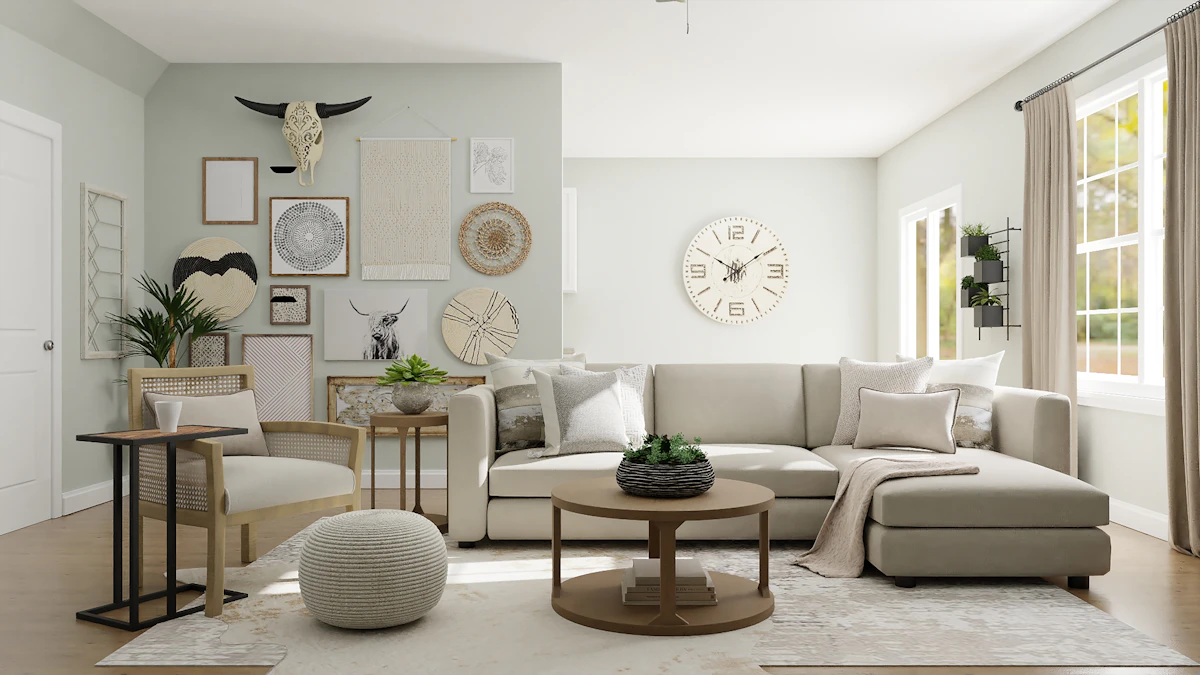
Affordable bedroom design is less about buying the cheapest products and more about spending money where it matters. Prioritize layout, comfort, storage and lighting, then use paint, textiles, mirrors, plants and small décor changes to create visual impact.
Good bedroom design starts with priorities
Before buying furniture or décor, decide what the bedroom needs to accomplish. A well-planned layout can make a modest budget feel much more effective.
Affordable bedroom interior design solutions
Work through these ideas according to your room size, lifestyle, existing furniture and available budget. You do not need to implement everything at once.
Define Your Style
Choose modern, minimalist, contemporary, traditional or another clear direction before shopping.
Use Neutral Base Colours
Soft whites, beige, taupe and muted tones create an adaptable foundation.
Create a DIY Accent Wall
Use paint, removable wallpaper or simple patterns to create a focal point.
Refresh Existing Furniture
Repaint suitable furniture or replace handles instead of replacing everything.
Choose Practical Bedding
Use coordinated sheets, cushions and throws to make the bed the visual centre.
Use Layered Lighting
Combine general, bedside and accent lighting instead of relying on one ceiling fixture.
Add Affordable LED Lighting
Warm LED fixtures can improve ambience while remaining practical for everyday use.
Install Wall-Mounted Shelves
Use vertical surfaces for books, décor and small personal items.
Use Under-Bed Storage
Store seasonal clothing, bedding and less frequently used items beneath the bed.
Choose a Storage Bed
A hydraulic or drawer-based bed can combine sleeping and storage functions.
Optimize Wardrobe Interiors
Prioritize shelves, hanging space, drawers and compartments that match your belongings.
Use Sliding Wardrobe Doors
Sliding systems can help preserve circulation in compact bedrooms.
Add a Full-Length Mirror
A strategically positioned mirror can improve light and create visual depth.
Use Simple Curtains
Choose curtains that complement the wall and bedding palette rather than competing with them.
Layer Rugs
A practical rug can add warmth, softness and visual definition around the bed.
Use Natural Textures
Cotton, linen, jute and woven textures can add character without excessive decoration.
Repurpose Side Tables
Existing stools, compact cabinets or small tables can become useful bedside units.
Use Floating Bedside Shelves
Floating shelves save floor space while providing a place for essentials.
Choose Multipurpose Furniture
Select furniture that performs two functions whenever the room is compact.
Use a Compact Study Desk
A narrow wall-mounted or compact desk can create a useful work corner.
Keep Furniture Proportional
Correctly scaled furniture makes even an inexpensive bedroom look more considered.
Declutter Before Decorating
Removing unnecessary objects can improve the room without spending anything.
Use Vertical Space
High shelves and tall storage help compact rooms use their available volume.
Choose One Accent Colour
Repeat one colour through cushions, artwork, curtains or small accessories.
Use Affordable Wall Art
Prints, photographs and simple framed artwork can personalize the bedroom.
Create a Photo Wall
Personal photographs can provide meaningful decoration with minimal cost.
Add Indoor Plants
Suitable indoor plants can bring colour and natural character to the room.
Update Cabinet Handles
New handles can refresh existing wardrobes, drawers and cabinets quickly.
Refresh the Headboard
Paint, fabric or a simple upholstered treatment can change the appearance behind the bed.
Use a Feature Headboard Wall
Concentrate decorative spending behind the bed rather than treating every wall.
Choose Simple Ceiling Design
Keep false ceiling work restrained and use lighting where it adds practical value.
Use Warm Light
Warm lighting generally creates a calmer bedroom atmosphere than harsh cool light.
Add Bedside Lamps
Separate bedside lighting improves comfort and reduces dependence on the main light.
Use Hidden LED Lighting
Subtle lighting behind furniture can add depth without requiring major decoration.
Use Mirrors on Wardrobes
Mirrored wardrobe panels can combine storage with a useful full-height reflective surface.
Choose Easy-Care Materials
Durable and easy-to-clean finishes can provide better long-term value.
Compare Laminate Finishes
Practical laminates offer many colours and textures for wardrobes and furniture.
Reuse Good Flooring
If existing flooring is functional, consider refreshing other elements before replacing it.
Use a Coordinated Bedding Set
Matching or complementary bedding creates visual order with minimal effort.
Add Cushions Carefully
A few cushions can introduce colour and texture without creating visual clutter.
Use Soft Throws
A throw at the foot of the bed can add warmth and a layered appearance.
Create a Reading Corner
Use a compact chair, floor lamp or cushion to activate an otherwise unused corner.
Choose Foldable Furniture
Foldable desks and occasional furniture can be useful in multifunctional rooms.
Buy in Phases
Complete essential furniture first and add optional décor when the budget allows.
Compare Before Buying
Compare material quality, warranty, hardware, installation and total cost rather than price alone.
Reuse What Still Works
Keeping good furniture is often more economical than replacing it simply for appearance.
Prioritize the Mattress
Comfort should remain a priority even when the decorative budget is limited.
Track the Complete Budget
Include delivery, installation, hardware and small accessories when planning spending.
Design for Long-Term Use
Choose practical layouts and durable essentials instead of temporary trends.
Where should you spend and where can you save?
A controlled bedroom budget works best when essential comfort and functionality receive priority over purely decorative upgrades.
Worth prioritizing
- Comfortable mattress and bed structure
- Practical wardrobe storage
- Good bedroom lighting
- Quality hinges and drawer hardware
- Appropriate curtains and privacy
- Efficient room layout
Can often be simplified
- Excessive wall paneling
- Overly complicated ceilings
- Too many decorative accessories
- Oversized furniture
- Unnecessary furniture replacement
- Trend-driven finishes with short lifespans
Spend where the bedroom works hardest
The strongest budget bedrooms usually combine good planning with restrained styling. The goal is not to make every element expensive.
Affordable ideas for different bedroom types
The right solution depends on the room. Compact bedrooms need space efficiency, while larger bedrooms can accommodate more furniture and decorative layers.

Small Bedroom
Focus on openness, circulation and storage.
- Storage bed
- Sliding wardrobe
- Light colours
- Wall-mounted furniture

Master Bedroom
Balance comfort, storage and visual calm.
- Upholstered headboard
- Functional wardrobe
- Bedside lighting
- Layered textiles

Guest Bedroom
Keep the room simple, comfortable and easy to maintain.
- Simple bed
- Compact wardrobe
- Neutral palette
- Minimal décor

Rental Bedroom
Prefer reversible upgrades that do not require major construction.
- Removable décor
- Freestanding storage
- Lighting upgrades
- Textiles and artwork
Simple bedroom budget framework
Instead of assigning the entire budget to decoration, divide spending according to the problems that need solving first.
| Priority | Typical requirements | Budget approach |
|---|---|---|
| Essential | Bed, mattress, wardrobe and basic lighting | Spend carefully on durability and comfort |
| Functional | Storage, curtains, bedside units and work area | Choose practical standardized solutions |
| Visual upgrade | Feature wall, rug, artwork and decorative lighting | Concentrate spending on a few high-impact elements |
| Optional | Premium finishes, extensive paneling and additional décor | Add later if the budget permits |
Affordable bedroom design checklist
Use this checklist before buying anything. The aim is to solve functional problems before adding decorative purchases.
Common affordable bedroom design mistakes
Continue planning your bedroom interior
Affordable bedroom interior design FAQs
How can I design a bedroom on a low budget?
Start with the layout, storage and essential furniture. Reuse suitable pieces, choose a simple colour palette, improve lighting and add decorative elements gradually.
What is the cheapest way to decorate a bedroom?
Reusing furniture, repainting walls, updating bedding, adding affordable curtains, mirrors, plants and simple wall décor can create a noticeable improvement without major renovation.
Can a bedroom look luxurious on a small budget?
Yes. A coordinated palette, layered lighting, clean furniture proportions and carefully selected textiles can create a refined appearance without expensive decoration everywhere.
How can I make a small bedroom look bigger?
Use light colours, keep circulation clear, select appropriately sized furniture, use vertical storage and position mirrors where they can reflect useful light.
What should I prioritize in a budget bedroom?
Prioritize the mattress and bed, practical storage, lighting, curtains and the overall room layout before spending heavily on decorative accessories.
Is modular furniture good for an affordable bedroom?
Modular furniture can be useful when standard dimensions and finishes suit your requirements. It can simplify planning, installation and storage design.
How can I reduce bedroom interior design costs?
Reuse suitable furniture, avoid unnecessary civil work, select practical finishes, standardize dimensions, compare materials and complete optional upgrades in phases.
Plan a bedroom that fits your space and budget.
Share your room requirements, preferred style and approximate budget to discuss a practical bedroom interior design approach.