A home designed
as one complete idea.
Design-led interiors in Delhi NCR bring together space planning, functionality, materials, lighting, furniture and personal style to create homes that look refined and work beautifully every day.

Design-led interiors in Delhi NCR start with how you want to live.
Rather than selecting furniture and finishes room by room, design-led interiors establish a clear direction for the entire property. Layout, storage, lighting, materials and furniture are then developed around that direction.
Four foundations of successful design-led interiors.
A strong interior does not need to be visually complicated. It needs a clear relationship between the way the home functions and the way its design elements work together.
Plan around everyday routines.
Storage, circulation and furniture placement should reflect the actual routines of the people living in the home.
Create visual hierarchy.
Decide which walls, furniture pieces, architectural features or views should become focal points.
Repeat selected finishes.
A controlled material palette can connect the living room, kitchen, bedrooms and circulation areas.
Layer the lighting.
Ambient, task, accent and concealed lighting can give the same room different moods throughout the day.
Design-led interiors become memorable through thoughtful details.
These ideas can be adapted to Delhi apartments, Gurgaon residences, Noida homes, builder floors and larger luxury properties across Delhi NCR.

Give the living room a strong focal point.
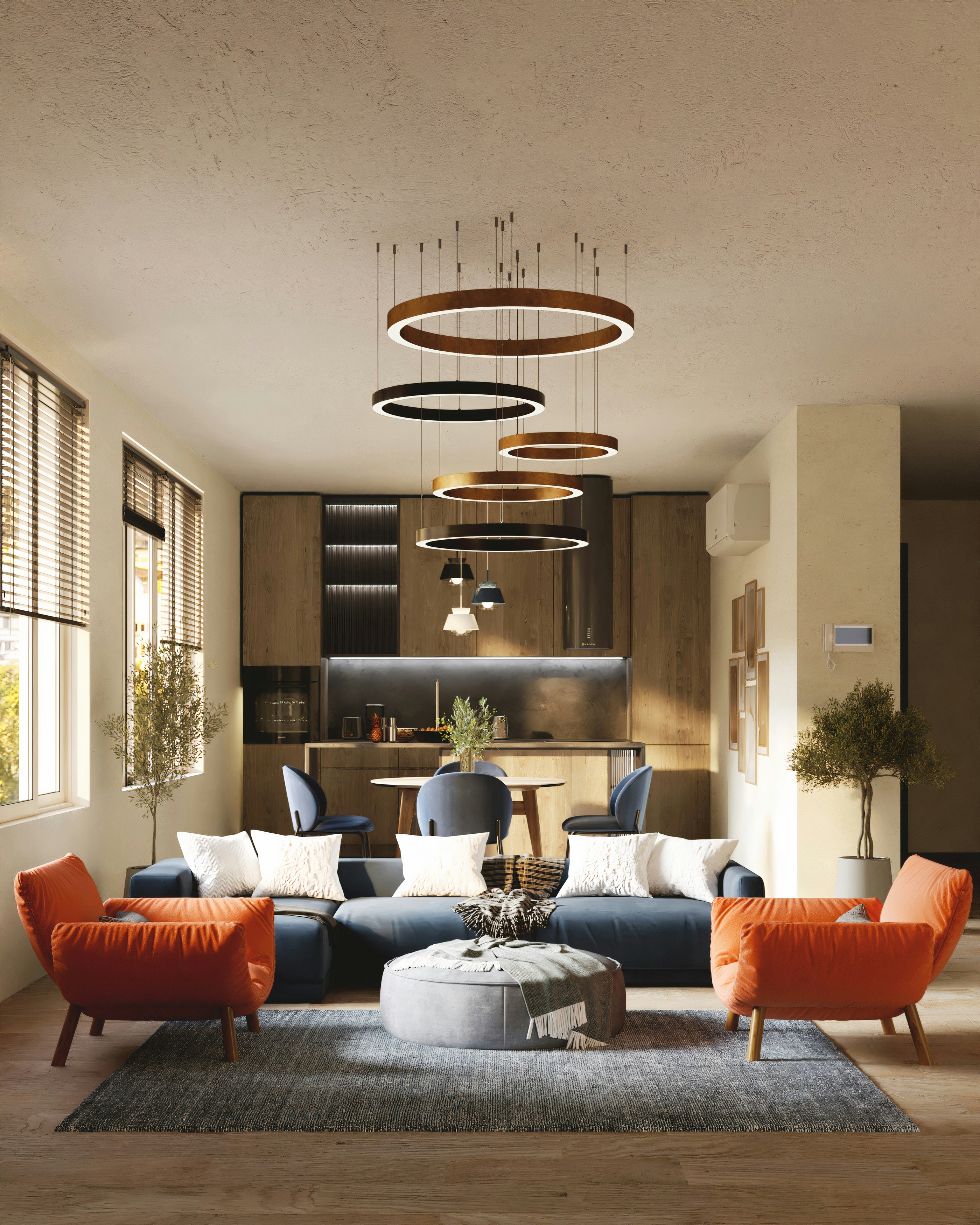
A refined media wall, textured backdrop, artwork, stone panel or custom storage unit can establish the visual centre of the room.

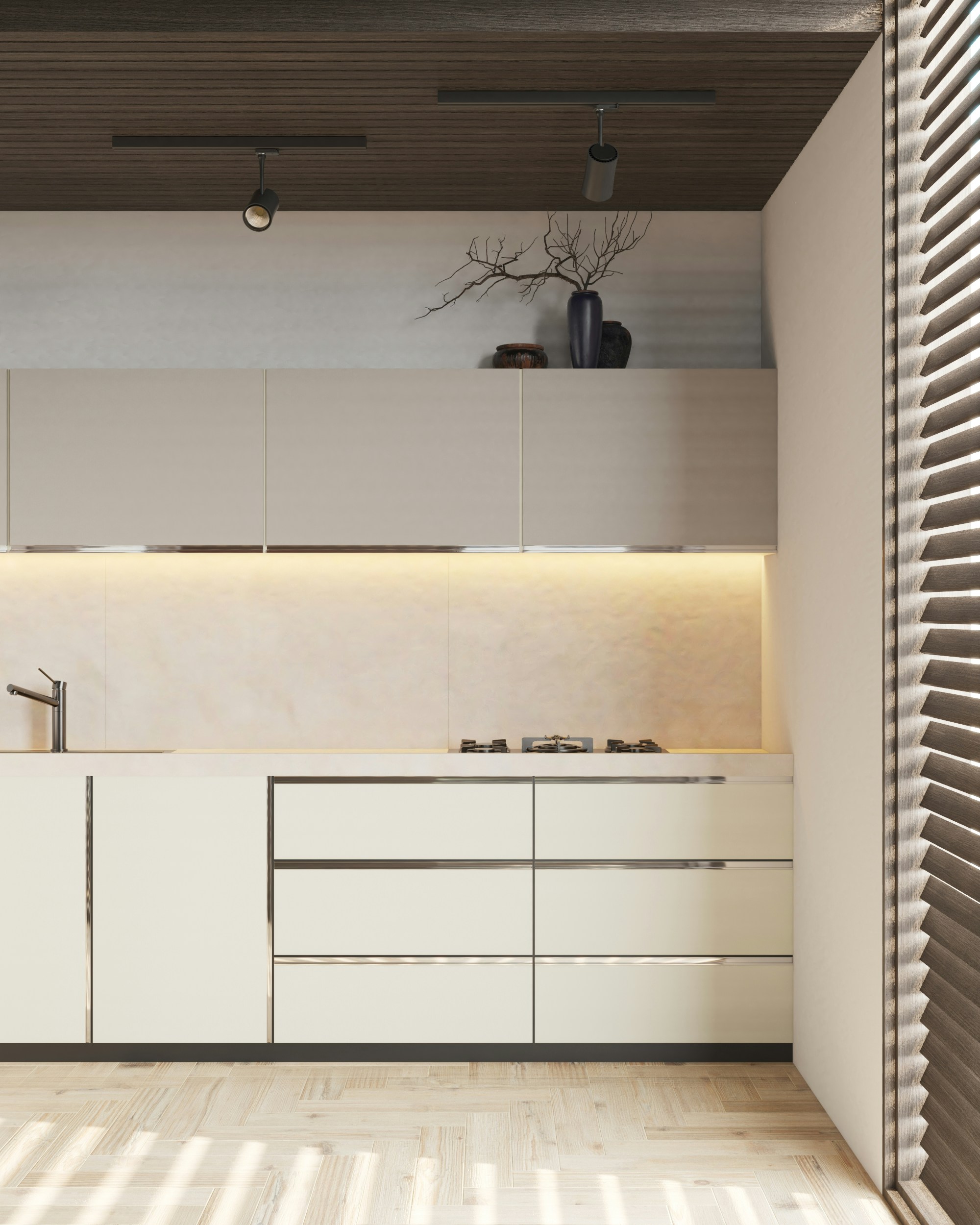
Treat the kitchen as part of the home’s architecture.
Integrated appliances, tall storage, clean cabinetry and a practical work triangle can make the kitchen both elegant and efficient.

Build a calm and cohesive bedroom.
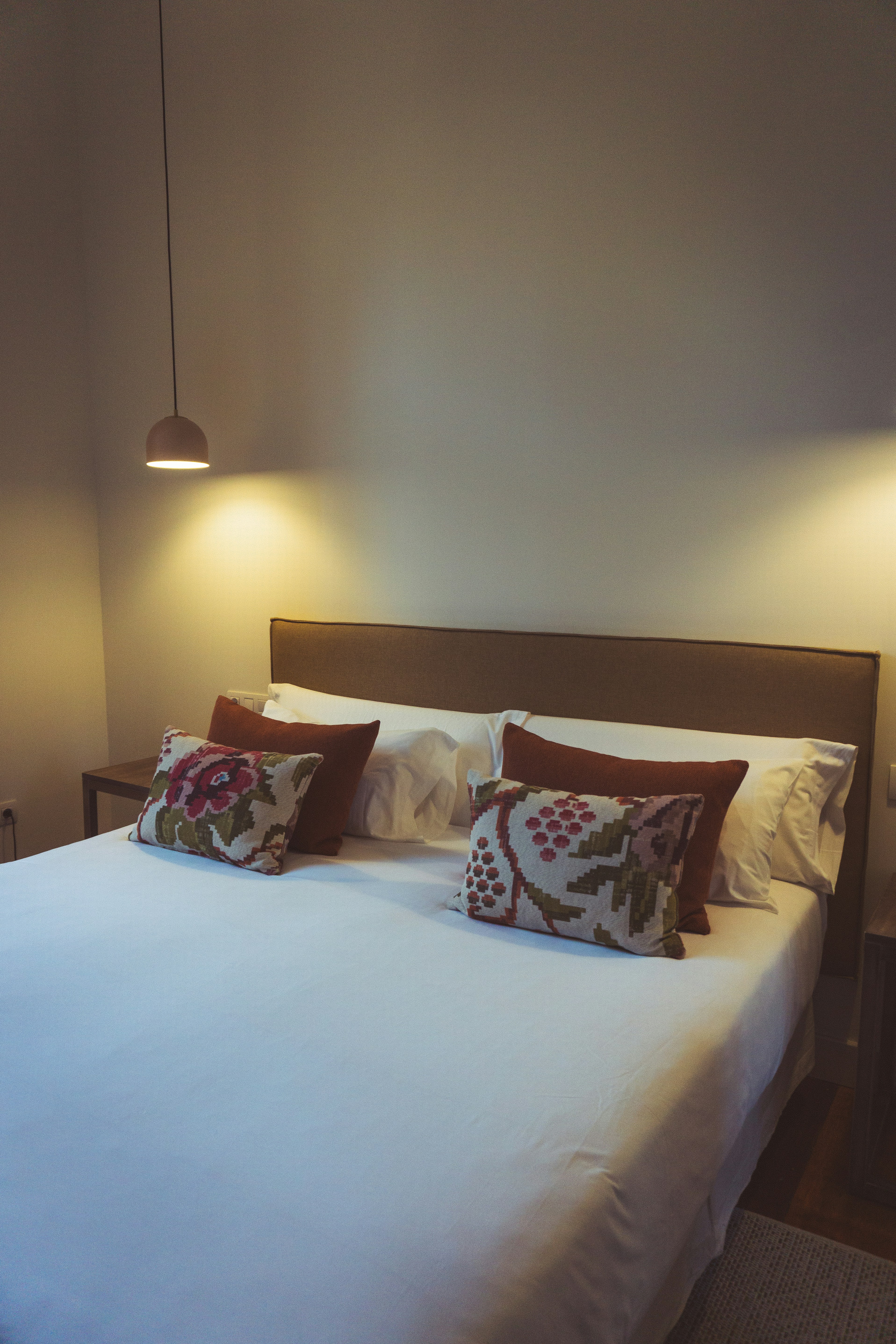
A coordinated headboard wall, bedside lighting, wardrobe planning and soft materials can create a restful private space.

Use a restrained material palette.
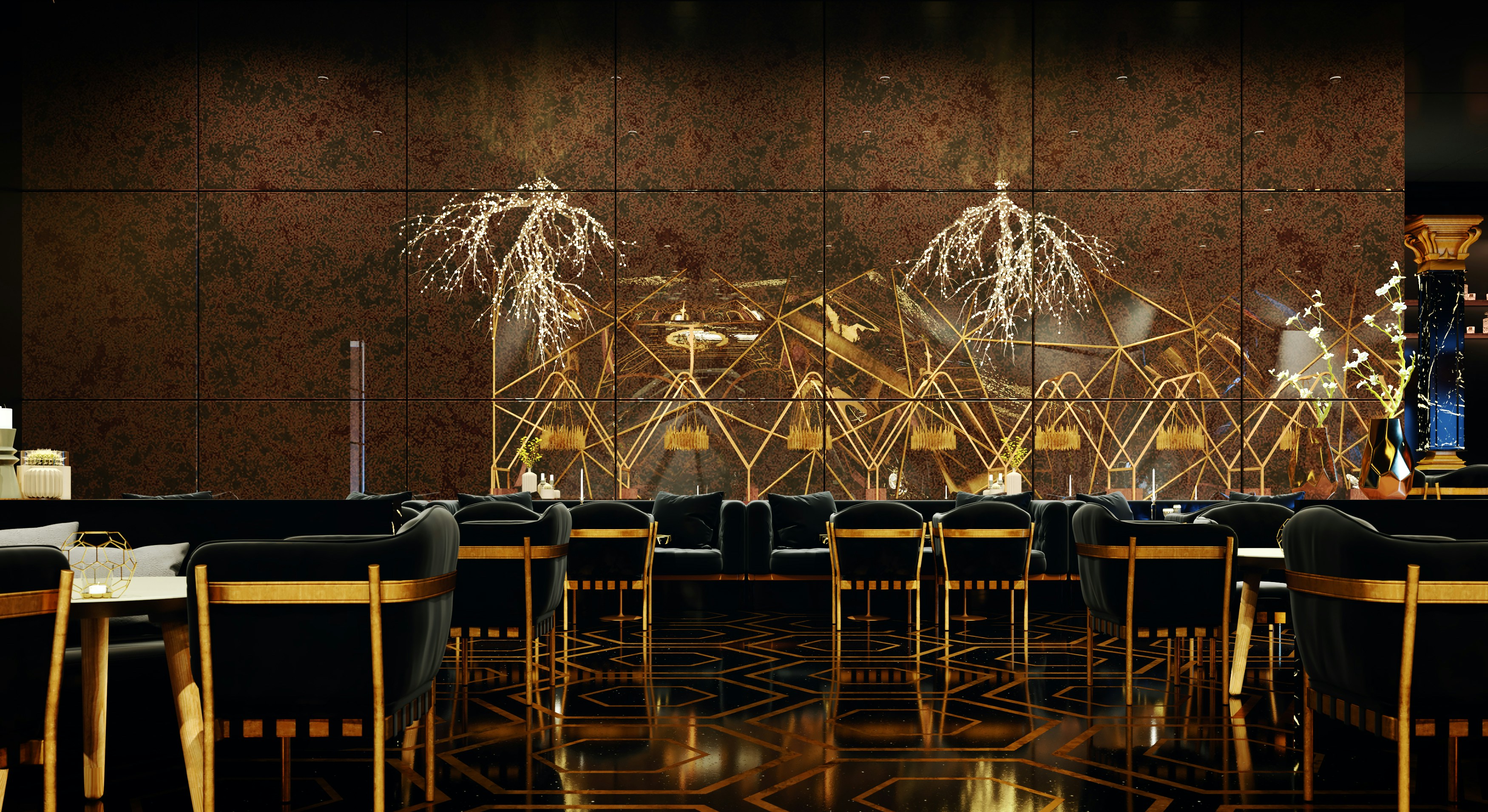
Wood, stone, glass, metal and textured surfaces can be combined without making the interior visually busy.

Layer light instead of relying on one fixture.
Recessed lights, wall washing, pendants, task lighting and concealed illumination can create depth and atmosphere.

Hide storage within the design.
Full-height wardrobes, concealed cabinets and integrated media units keep everyday belongings organised and visually discreet.

Let furniture respect the room.
Sofas, tables, beds and storage should be selected according to the room’s dimensions and circulation rather than independently.

Add character through selected details.
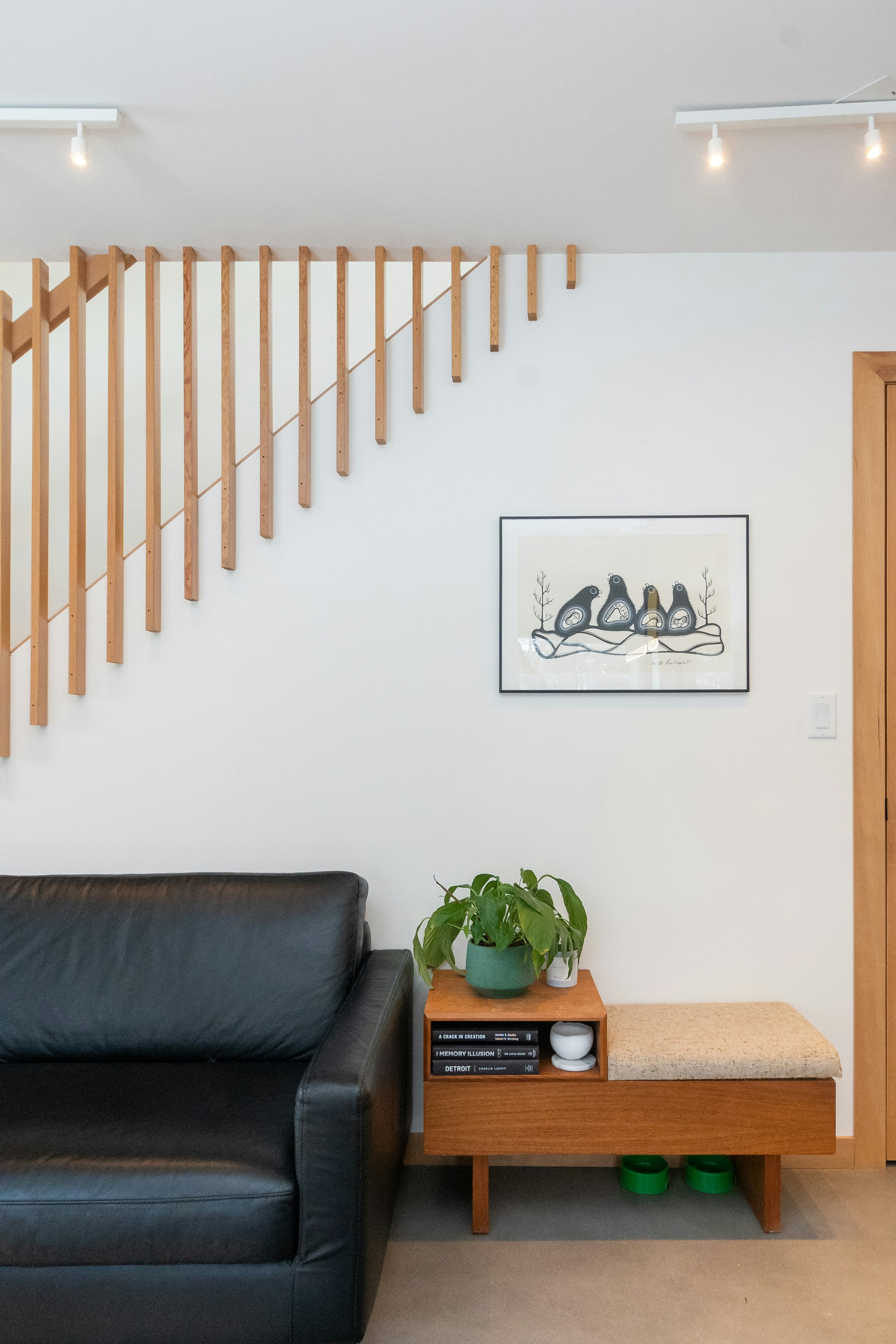
Artwork, books, textiles, plants and distinctive furniture pieces should add personality without overpowering the main design concept.

Connect the rooms visually.
Consistent flooring, selected colours, repeating materials and related lighting details can make separate rooms feel like one complete home.

The strongest homes have a design logic you can feel.
A design-led approach does not mean that every surface has to be dramatic. It means that decisions are made with a clear purpose.
In a Delhi NCR apartment, this may mean creating a better furniture layout, adding integrated storage, simplifying the colour palette or using lighting to visually expand the room.
In a larger Gurgaon or Noida home, the same approach can extend to custom furniture, architectural wall treatments, premium materials, larger kitchen layouts and more detailed lighting systems.
DISCUSS YOUR HOMEA practical process for design-led interiors.
A structured design process helps align the concept, budget, materials and execution before work begins.
Brief
Understand lifestyle, family requirements, style preferences and priorities.
Measure
Review the floor plan, site dimensions, natural light and existing conditions.
Concept
Establish layout, visual direction, materials, colours and furniture strategy.
Detail
Develop drawings, storage, lighting, finishes and construction requirements.
Execute
Coordinate the approved design with manufacturing, installation and site execution.
Choose materials that support the design instead of competing with it.
Material selection is one of the most visible parts of an interior. The right combination can create warmth, depth and durability while keeping the design coherent.


Exploring Design-Led Interiors in Delhi NCR
Design-led interiors in Delhi NCR are about creating a home where every important design decision has a purpose. Instead of treating the living room, kitchen, bedroom, storage and lighting as separate projects, a design-led approach connects them through one clear visual and functional direction.
This approach can work for a compact Delhi apartment, a modern Gurgaon residence, a Noida builder floor or a larger luxury home. The final appearance may vary, but the underlying principles remain similar: understand the people using the space, plan the layout carefully, establish a material language and execute the details consistently.
What are design-led interiors?
Design-led interiors begin with a concept rather than a collection of products. The designer first considers how the home should function and feel, then develops the layout, storage, materials, lighting and furniture around that objective.
For example, a family that needs extensive storage may require full-height wardrobes, concealed cabinets and a carefully planned utility area. A homeowner who prioritises entertaining may need a larger living and dining relationship, better kitchen connectivity and flexible seating.
Why is a design-led approach useful for Delhi NCR homes?
Delhi NCR includes a wide variety of residential properties, from compact apartments and established Delhi neighbourhood homes to contemporary developments in Gurgaon and Noida. Each property has different proportions, natural light, circulation patterns and storage limitations.
A design-led process allows the interior to respond to those characteristics rather than forcing the same style into every property.
Design-led living room interiors
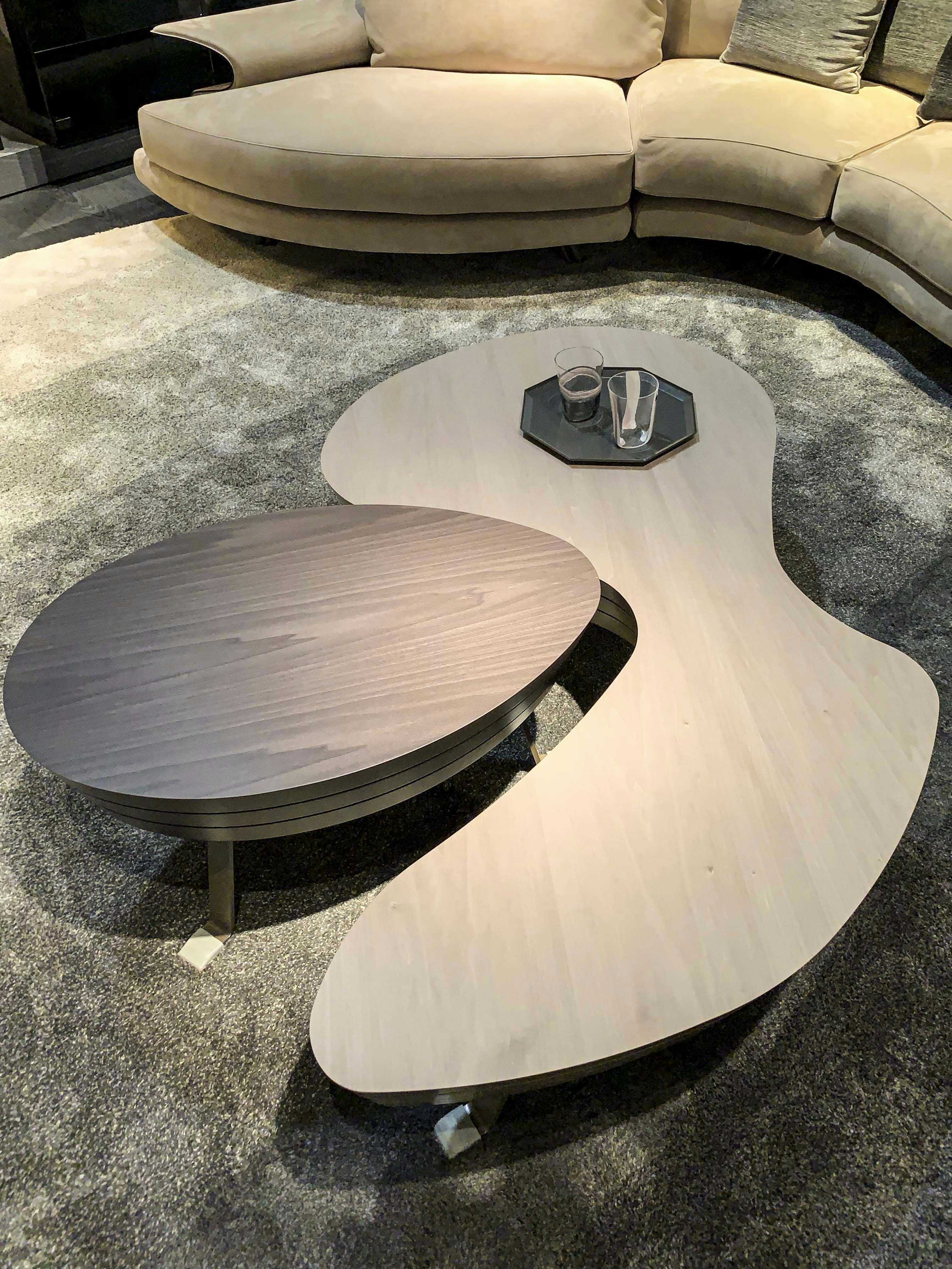
The living room often establishes the visual identity of a home. A strong design can begin with the furniture layout and then develop a focal wall, lighting scheme, rug, artwork and storage around it.
Wall panelling, natural stone, timber, textured finishes and integrated media units can all work effectively, but the scale of each element should be considered carefully.
Design-led kitchen interiors
Kitchens are increasingly treated as a visible part of contemporary home interiors. Cabinet proportions, appliance integration, island placement, storage and lighting can therefore have a significant influence on the overall design.
A practical kitchen should provide adequate storage and comfortable working space while maintaining visual order. Tall units can reduce clutter, while a carefully planned island can provide additional preparation space and informal seating where the room allows.
Design-led bedroom interiors
Bedrooms should balance visual character with comfort. A well-designed headboard wall can become the main feature while wardrobes, bedside storage and lighting remain integrated into the overall composition.
Soft textures and warm lighting are particularly useful when the objective is to create a quieter environment than the home’s social areas.
How does lighting affect design-led interiors?
Lighting is one of the most effective ways to change the atmosphere of an interior. Instead of depending on a single ceiling fixture, a layered scheme can combine ambient, task and accent lighting.
- Use general lighting for overall visibility.
- Use task lighting where focused activities take place.
- Use accent lighting to highlight artwork or architectural features.
- Use concealed lighting to add depth to ceilings and furniture.
- Use warm lighting in areas intended for relaxation.
Storage as part of the interior design
Storage is a major consideration in Delhi NCR homes. When storage is added as an afterthought, it can make rooms feel crowded. Design-led interiors instead consider storage during the planning stage.
Full-height wardrobes, concealed cabinets, window-seat storage, integrated TV units and built-in study areas can provide practical capacity while maintaining a cleaner appearance.
Materials for modern Delhi NCR interiors
A controlled material palette can give a home a sophisticated appearance. Natural and engineered materials can be combined according to the desired style, maintenance requirements and budget.
Wood and veneer can bring warmth. Stone and porcelain can introduce visual weight. Glass can maintain openness. Metal can provide contrast. Textured finishes can add depth without requiring strong colours.
Design-led interiors for Gurgaon homes
Gurgaon properties often include contemporary apartments, builder floors and larger residences where a modern design language works naturally. Larger spaces can accommodate custom furniture, statement lighting, premium materials and more extensive built-in storage.
However, the objective should remain functionality. A large home does not automatically require more furniture or more decoration. Proportion, circulation and visual balance remain important.
Design-led interiors for Noida homes
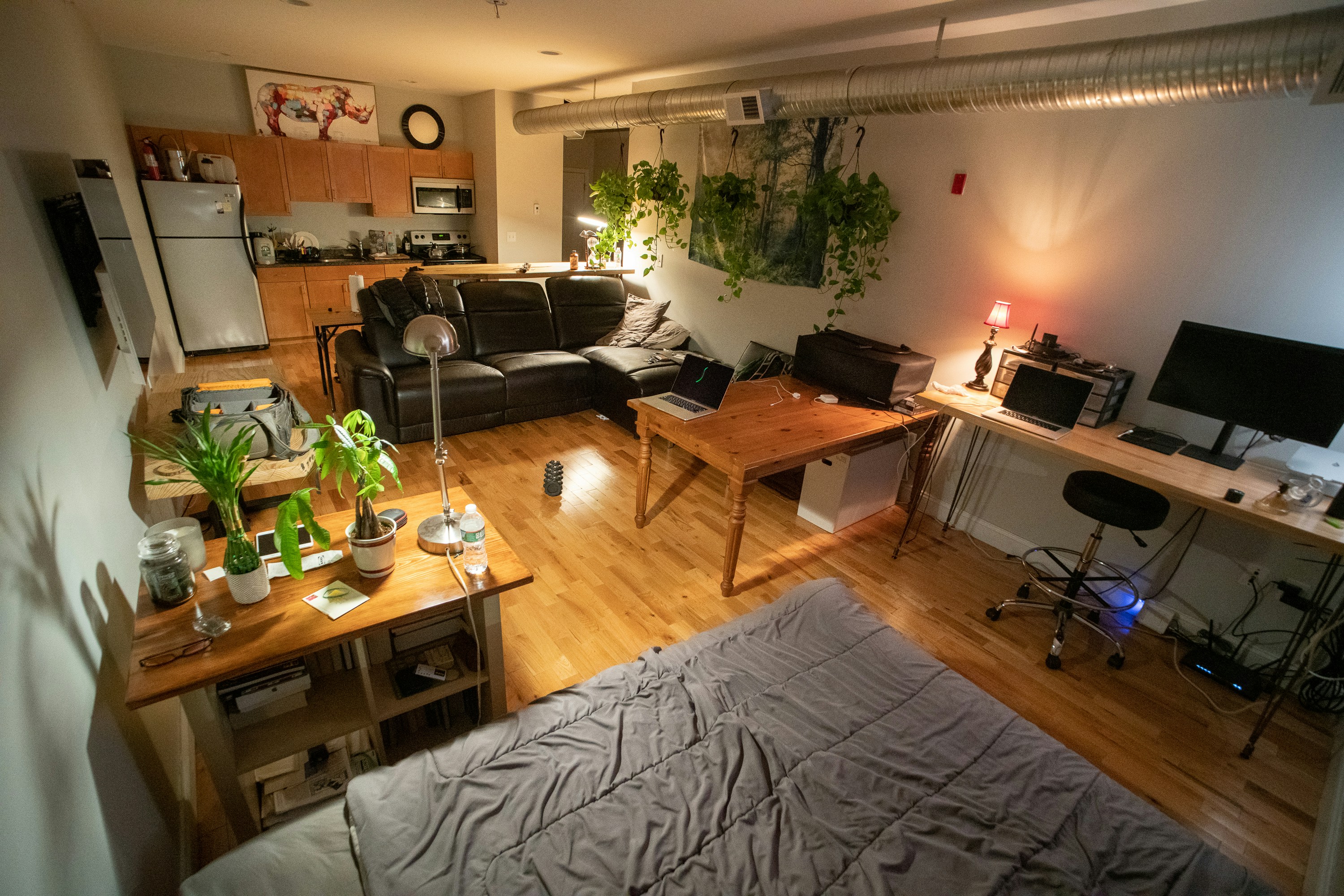
Noida apartments and residential developments can benefit from careful space planning, especially where several functions need to coexist in the same room. Multifunctional furniture, integrated storage and consistent materials can help create a more spacious impression.
Design-led interiors for Delhi homes
Delhi homes can vary significantly in age, layout and architectural character. Some properties benefit from preserving existing features, while others require a more comprehensive renovation.
The design should respond to the existing structure rather than applying a generic contemporary style. Good planning can balance modern functionality with the character of the property.
How to choose an interior design style
A useful starting point is to identify how you want the home to feel rather than selecting a style name immediately. Words such as warm, minimal, elegant, contemporary, classic, earthy or luxurious can help establish a direction.
Once the desired atmosphere is clear, the designer can translate it into colours, materials, furniture forms, lighting and architectural details.
What should be planned before execution?
- Floor plan and furniture layout.
- Electrical and lighting points.
- Kitchen and wardrobe dimensions.
- Storage requirements.
- Ceiling and wall treatments.
- Material and finish selections.
- Custom furniture requirements.
- Budget allocation and project priorities.
Planning these elements together can reduce last-minute changes during execution and help maintain the design concept throughout the project.
The goal: a home that feels intentional
The real value of design-led interiors in Delhi NCR is not simply that the finished home looks attractive. A well-designed interior should make everyday activities easier, provide adequate storage, support natural movement and create an environment that reflects the people who live there.
When function, architecture, materials, lighting and personal details are considered together, the result is a home that feels intentional rather than assembled piece by piece.
One design philosophy, adapted to every property.
The design-led approach can be customised according to the architectural character and requirements of different Delhi NCR locations.
Delhi
Focus on improving existing layouts, storage, lighting and functionality while respecting the character and limitations of the property.
Gurgaon
Contemporary apartments, builder floors and luxury residences can benefit from integrated storage, custom furniture, premium materials and modern architectural detailing.
Noida
Efficient planning, multifunctional spaces and coordinated finishes can help apartments and family homes feel comfortable, organised and visually spacious.
Design-led interiors: common questions.
What are design-led interiors?
Design-led interiors are planned around a clear design concept in which space planning, functionality, materials, lighting, furniture, storage and visual details work together as one coordinated interior.
What makes design-led interiors different from regular home decoration?
Design-led interiors begin with the overall experience and spatial requirements of the home rather than simply adding decorative items. Layout, lighting, storage, materials and furniture are planned as connected elements.
Are design-led interiors suitable for apartments in Delhi NCR?
Yes. Design-led interiors can work particularly well in Delhi NCR apartments because careful planning can improve storage, circulation, lighting and functionality without making the home feel crowded.
What rooms should be prioritised in a home interior project?
Living rooms, kitchens, bedrooms, wardrobes and entry areas are often prioritised because they have a major effect on everyday functionality and the overall visual character of the home.
How much do home interiors cost in Delhi NCR?
Home interior costs vary according to property size, scope, materials, customisation, furniture, kitchen and wardrobe requirements, electrical and civil work. A site assessment and detailed scope are required for an accurate estimate.
Turn your floor plan into a considered home.
Share your property type, location and requirements to start planning a design-led interior tailored to your home.