Smart Strategies to Cut Interior Design Expenses Without Sacrificing Quality
Create a beautiful, functional home while keeping your interior design budget under control. Learn practical ways to prioritize spending, reuse existing furniture, choose durable materials and avoid unnecessary expenses in Delhi NCR, Gurgaon and Noida.

How to Reduce Interior Design Expenses
A controlled interior design budget does not mean compromising on style. The key is deciding where your money creates the greatest impact.
The first step is to understand your finances and determine how much you can comfortably spend. From there, prioritize the areas that need the most improvement and allocate a specific budget to each part of your project.
- Define your maximum project budget
- Prioritize essential rooms and upgrades
- Reuse furniture where practical
- Consider simple DIY improvements
- Choose durable and timeless products
- Avoid unnecessary decorative purchases
3 Smart Strategies to Cut Interior Design Expenses
The most effective approach combines careful budgeting, selective DIY/upcycling and long-term value-focused purchasing.
Understand Your Budget
Analyze your finances before beginning the project. Establish what you can afford and divide your budget according to priority areas. This helps prevent unnecessary spending during the design and execution process.
Use DIY & Upcycling
Simple DIY projects such as painting walls or creating decorative pieces can reduce costs. Reusing and upcycling furniture you already own can also add personality without requiring a completely new purchase.
Choose Quality Over Quantity
Instead of filling your home with numerous inexpensive products, consider fewer high-quality pieces. Durable materials and timeless designs can offer better long-term value.
9 Practical Ways to Reduce Interior Design Costs
Small decisions can make a significant difference to your final interior budget.
1. Set Your Maximum Budget First
Decide the maximum amount you are comfortable spending before selecting materials, furniture or finishes.
2. Prioritize High-Impact Areas
Spend more on rooms and features that matter most to your lifestyle instead of distributing the budget equally everywhere.
3. Reuse Existing Furniture
Evaluate your current furniture before replacing it. Some pieces may only require polishing, painting, reupholstery or minor repairs.
4. Try Simple DIY Projects
Painting, basic decor projects and other suitable DIY improvements can reduce labour costs while giving your home a personal touch.
5. Upcycle Instead of Replacing
Repurpose existing furniture and decor wherever practical. Upcycling can reduce waste and lower the number of new products you need to buy.
6. Avoid Trend-Driven Purchases
Timeless colours, layouts and furniture styles can reduce the need to redesign or replace items when trends change.
7. Buy Fewer Better Products
A smaller number of durable pieces can provide better value than filling a room with inexpensive products that require frequent replacement.
8. Compare Materials Carefully
Compare durability, maintenance, appearance and expected lifespan rather than choosing materials based only on their initial price.
9. Plan Before Execution
Detailed planning can reduce mistakes, unnecessary changes and last-minute purchases during execution.
Save Money Without Making Your Home Look Cheap
Cost-effective interior design is about making better decisions rather than simply choosing the cheapest products.
A carefully planned room can look premium when the furniture, materials, lighting and colours work together. Spending strategically on a few important elements can create more impact than purchasing many inexpensive decorative items.
- Prioritize: Spend on the features you use every day.
- Reuse: Keep furniture and decor that can be refreshed.
- Invest: Choose durable pieces for high-use areas.
- Simplify: Avoid unnecessary design elements that increase cost.
Simple Interior Design Budget Planning
Use this framework to decide where your money should go before beginning an interior project.
| Budget Area | Recommended Approach | Cost-Saving Strategy |
|---|---|---|
| Design Planning | Plan before purchasing | Reduce mistakes and changes |
| Furniture | Buy fewer quality pieces | Reuse existing furniture where possible |
| Decor | Keep decoration selective | DIY and upcycle suitable items |
| Walls | Use durable finishes | Consider DIY painting where practical |
| Storage | Prioritize functional solutions | Avoid unnecessary customization |
| Lighting | Focus on key areas | Avoid excessive decorative fixtures |
Why Quality Can Actually Save Money
Choosing the cheapest product is not always the same as reducing the overall cost of a home interior.
Low-quality furniture, finishes and fixtures may need to be replaced more frequently. A better strategy can be to invest in fewer durable pieces that continue to perform well over time.
- Longer product lifespan
- Lower replacement frequency
- Better everyday functionality
- Timeless visual appeal
- Better long-term value
Affordable Interior Design Across Delhi NCR
Budget-conscious interior design can be planned for apartments, homes and offices across Delhi, Gurgaon and Noida.
Delhi
Plan practical and stylish interiors for apartments, independent homes, flats and offices across Delhi.
Gurgaon
Create modern interiors with smart storage, modular kitchens, functional furniture and carefully planned finishes.
Noida
Budget-conscious apartment interiors with practical layouts, storage solutions, lighting and durable materials.
Budget-Friendly Interior Design Ideas for Every Room
Focus your spending on the rooms and features that have the greatest impact on your daily life.
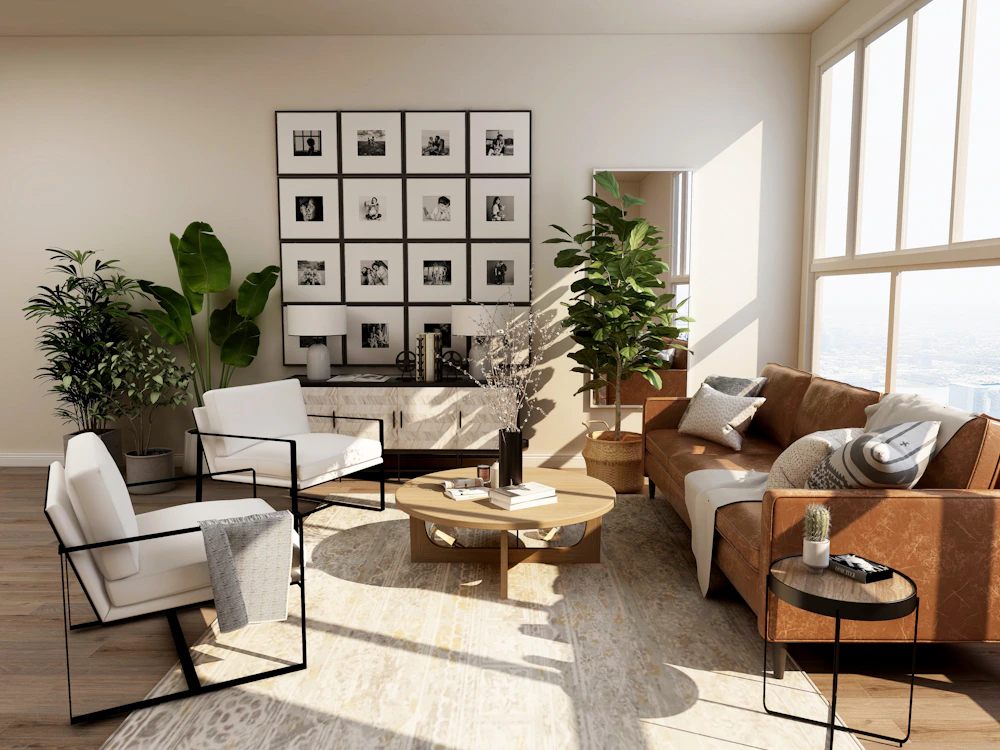
Living Room
Invest in one strong sofa, practical storage and carefully selected lighting instead of excessive decorative furniture.

Bedroom
Prioritize comfortable furniture, functional wardrobes and appropriate lighting while keeping decorative purchases selective.

Kitchen
Focus the budget on durable cabinets, efficient storage, practical hardware and easy-to-maintain surfaces.
4 Steps to Control Your Interior Design Budget
A structured process helps prevent impulsive spending and unnecessary changes.
Set the Budget
Decide what you can comfortably spend before starting the project.
Prioritize
Identify the rooms, furniture and improvements that matter most.
Reuse & Compare
Reuse suitable items and compare materials before purchasing.
Invest Wisely
Spend more selectively on durable, high-use products.
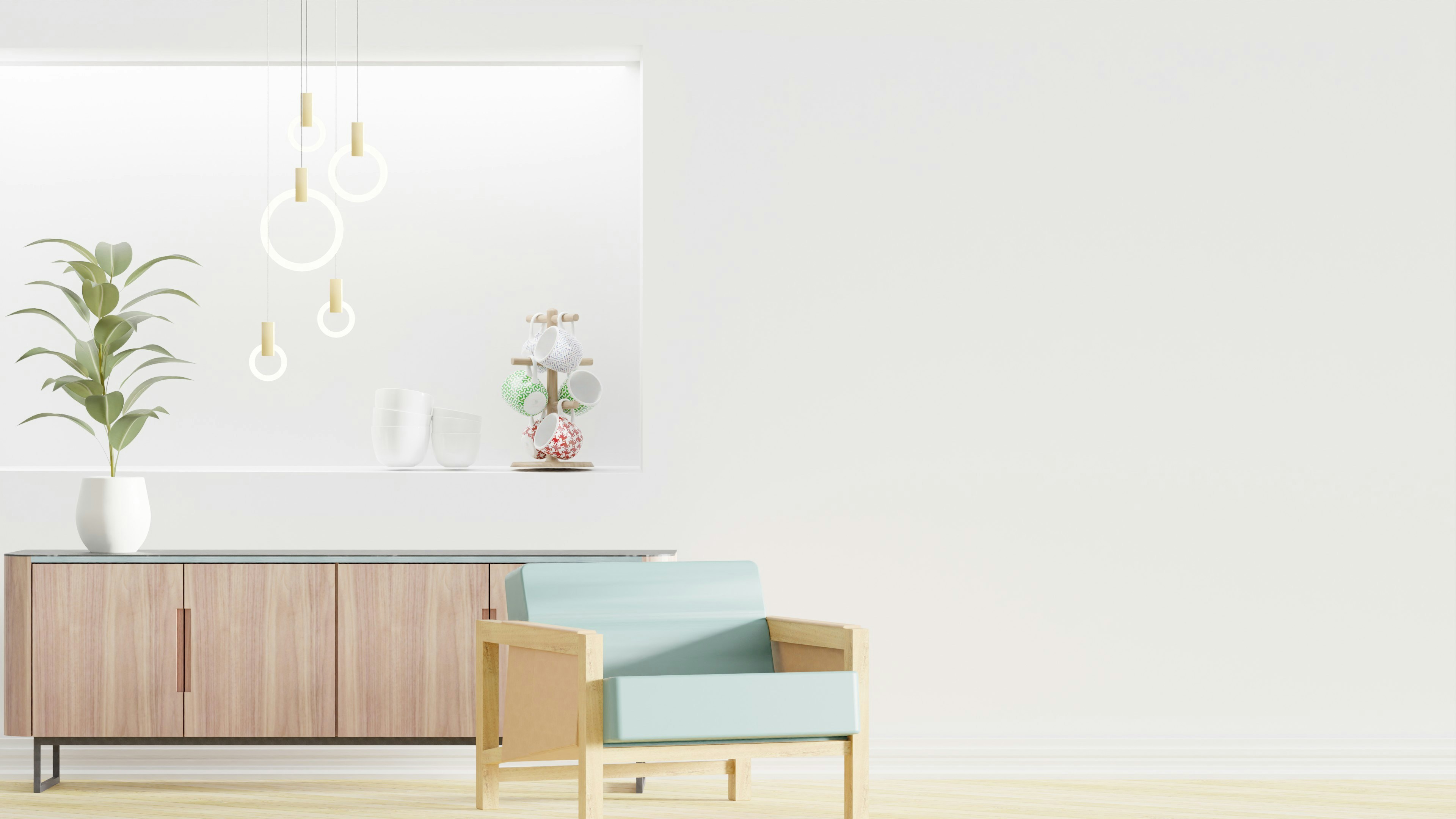
Affordable Interior Design Inspiration
Smart interiors can combine functionality, comfort and style without unnecessary spending.


Plan a Beautiful Interior Within Your Budget
Share your property type, approximate area, rooms and budget with Interior A to Z. Get practical guidance for creating a stylish, functional and cost-conscious interior in Delhi NCR, Gurgaon or Noida.
Frequently Asked Questions About Cutting Interior Design Expenses
Practical answers for homeowners planning a cost-effective interior.
How can I cut interior design expenses?
Start by understanding your budget, prioritizing the areas that need the most improvement, using suitable DIY or upcycling solutions, and choosing fewer high-quality pieces instead of many low-quality items.
Can DIY really reduce interior design costs?
Yes. Simple projects such as painting walls or creating decorative pieces can reduce expenses when you can safely and effectively complete the work yourself.
Is upcycling furniture a good way to save money?
Yes. Existing furniture can sometimes be refreshed, repainted, reupholstered or repurposed instead of being replaced.
Should I always choose the cheapest materials?
No. The cheapest option may not provide the best long-term value. Durability, maintenance, lifespan and functionality should also be considered.
How do I make an interior design budget?
First determine the maximum amount you can comfortably spend. Then prioritize the most important areas and allocate a specific amount to each part of the project.
Can an interior designer help me stay within budget?
Yes. A professional can help with planning, material selection, prioritization and design decisions. Always agree on the project scope and fees before beginning.
Interior A to Z
Professional interior and architectural design services across Delhi, Gurgaon, Noida and the wider Delhi NCR region.
Phone:+91 9891050117
Email:info@interioratoz.com
Office:
53, Ground Floor, Khasra No: 308, A-1147,
Block A1, Chhatarpur, New Delhi,
Delhi 110074
Get a Budget Consultation
Discuss your requirements, preferred style and budget with Interior A to Z before making major interior purchases.
Book Free Consultation
Call Now
Understanding Your Budget
When embarking on an interior design project, the first step is to understand your budget. Analyzing your finances will help you determine how much you can afford to spend without sacrificing quality. Prioritize areas that need improvement the most, and allocate a specific amount for each section of your project.
DIY Solutions and Upcycling
Consider incorporating do-it-yourself solutions into your design. Simple DIY projects, such as painting walls or crafting decor pieces, can significantly lower costs. Upcycling furniture or decor items you already own can also save money while adding a personal touch to your interior space. This approach not only cuts down on expenses but also promotes sustainability.
Prioritize Quality Over Quantity
Rather than filling your space with numerous lower-quality items, invest in fewer, high-quality pieces that will stand the test of time. This strategy may involve spending a bit more upfront but will result in better value over time as you will not need to replace items frequently. Long-lasting materials and timeless designs will enhance the aesthetic and functionality of your home without breaking the bank.