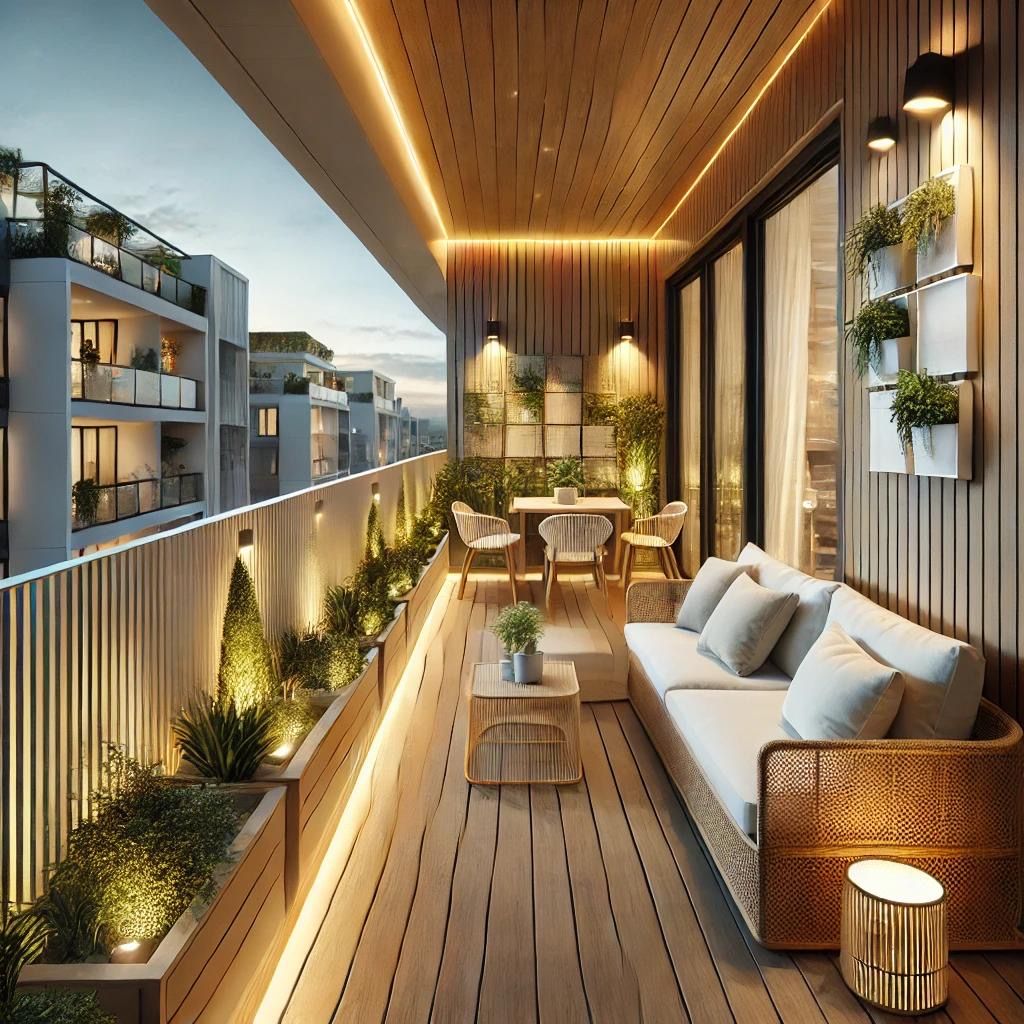
Eco-Friendly Home Renovation Ideas for a More Sustainable Home
Transform an old or dated home without unnecessarily increasing its environmental footprint. Explore practical ways to reuse materials, improve energy efficiency, choose healthier finishes and create beautiful, long-lasting interiors.
What Makes a Home Renovation Eco-Friendly?
Eco-friendly home renovation is not simply about buying products labelled “green.” It is a broader approach to improving a home while considering material waste, energy consumption, indoor air quality, water use, durability and the future life of the products being installed.
One of the most effective strategies is to avoid unnecessary replacement. Repairing, refinishing, adapting or reusing existing elements can reduce waste while preserving the character of an older home.
A sustainable renovation can also combine traditional passive strategies such as natural ventilation and daylight with modern solutions such as efficient lighting, better appliances and durable finishes.

Renovate With Purpose
A thoughtful renovation can improve comfort, functionality and appearance while reducing unnecessary consumption.
Beautiful Spaces Can Also Be Responsible Spaces
Use natural materials, daylight, greenery, durable furniture and thoughtful storage to create interiors that feel contemporary without becoming wasteful.


Eco-Friendly Home Renovation Ideas
You do not need to rebuild your entire home to make a meaningful difference. Start with the renovation decisions that have the greatest long-term impact.

Reuse Existing Furniture
Repair, repaint, reupholster or redesign usable furniture instead of automatically sending it to landfill.

Choose Durable Materials
Select finishes that can withstand everyday use and remain attractive for many years, reducing frequent replacement.

Switch to Efficient Lighting
LED lighting can reduce electricity consumption while giving you greater control over brightness and ambience.

Add Indoor Greenery
Plants can add natural colour, soften hard surfaces and create a stronger visual connection with the outdoors.

Use Natural Fibres
Jute, cotton, linen and wool can introduce warmth and texture while reducing dependence on synthetic decorative materials.

Maximise Daylight
Use window treatments and furniture placement that allow daylight to reach deeper into the home.

Improve Natural Ventilation
Where the architecture allows, create better airflow through well-positioned openings and internal circulation paths.

Consider Low-VOC Finishes
For paints and coatings, consider products with lower volatile organic compound emissions where suitable.

Use Responsible Wood
Look for reclaimed, recycled or responsibly sourced wood and wood products when selecting cabinetry and furniture.
Think Long-Term About Stone
Select durable surfaces carefully and avoid replacing functional stone simply because a new trend has appeared.

Install Water-Saving Fixtures
Efficient taps, shower fittings and dual-flush systems can reduce household water consumption.

Design Better Storage
Good storage reduces clutter and can help homeowners avoid repeatedly buying replacement or duplicate household items.

Repair Before Replacing
A damaged door, cabinet, floor or piece of furniture may be repairable rather than requiring complete replacement.
Improve Thermal Comfort
Consider shading, curtains, glazing, insulation and airflow before relying entirely on mechanical heating or cooling.

Design for Longevity
Choose timeless layouts and finishes that can adapt to changing needs instead of requiring frequent complete renovations.
Follow the 5R Approach
Before buying something new, ask whether the existing element can be retained, repaired, reused or repurposed.
Avoid unnecessary materials, decorative items and finishes that do not add real function or value.
Reduce material consumption by planning dimensions carefully and avoiding unnecessary demolition.
Give existing furniture, doors, cabinets and other usable elements another life.
Repair and restore items wherever technically and financially sensible.

Sustainable Materials to Consider
Material selection should consider more than appearance. Think about durability, maintenance, source, transportation, repairability and what happens to the product at the end of its useful life.
Reclaimed Wood
Useful for furniture, shelving, feature walls and selected cabinetry when properly prepared and treated.
Bamboo
A fast-growing material that can be considered for selected furniture, screens, accessories and decorative applications.
Natural Fibres
Jute, cotton, linen, wool and cane can introduce tactile character into furniture and soft furnishings.
Recycled Materials
Recycled glass, metal and other reclaimed components can reduce demand for virgin resources in suitable applications.
Why Sustainable Home Renovation Matters
Home renovation can create a significant amount of construction and demolition waste. It can also involve large quantities of newly manufactured materials, transportation, packaging and energy-intensive products.
An eco-friendly home renovation approaches these decisions differently. The objective is not to make every component “perfectly green”; instead, it is to make better choices across the entire renovation process.
1. Start With an Audit of the Existing Home
Before demolition begins, identify what can remain. Inspect doors, windows, flooring, cabinetry, electrical systems, plumbing, furniture and structural elements. Some components may only need repair, refinishing or updating.
- Identify materials that can be reused.
- Separate repairable furniture from items that genuinely need replacement.
- Check whether existing flooring can be restored.
- Evaluate lighting and electrical systems before replacing everything.
- Plan demolition carefully to reduce unnecessary waste.
2. Reuse Existing Materials Whenever Practical
Reuse is often one of the simplest sustainability strategies. An existing wood door can become a table, an old cabinet can be refinished, and good quality furniture can receive new upholstery rather than being discarded.
Reuse also creates interiors with more character. Materials that already belong to the home can provide a visual connection between the old and new design.
3. Choose Low-Impact Finishes
Paints, adhesives, sealants and coatings can influence indoor air quality. When selecting these products, review manufacturer specifications and consider low-VOC options where appropriate.
For a family home, material selection should consider maintenance and durability as well as initial appearance. A finish that lasts significantly longer can avoid future replacement and additional material consumption.
4. Improve Natural Light and Ventilation
Passive design can reduce dependence on artificial lighting and mechanical cooling. Where the existing architecture allows, improve the way air and daylight move through the home.
Large openings, internal glass partitions, lighter window treatments, appropriate shading and thoughtful furniture placement can all contribute to a brighter and more comfortable interior.
5. Make Lighting More Efficient
Lighting should be considered both for energy efficiency and for comfort. LED fixtures are generally an efficient option, while dimming and zoning can help avoid illuminating an entire room when only a small area is being used.
- Use LEDs for primary lighting.
- Add task lighting where activities require it.
- Use sensors in appropriate areas.
- Use dimmers where compatible.
- Take advantage of daylight before switching on artificial lights.
6. Think About Water During Renovation
Bathrooms and kitchens are important areas for water-saving improvements. Efficient fixtures can reduce water use without changing the overall design language of the room.
For larger homes, rainwater harvesting and greywater strategies may also be worth investigating, subject to local regulations, site conditions and professional advice.
7. Design Kitchens for Long-Term Use
Kitchen renovation can involve significant quantities of cabinetry, countertops, appliances and hardware. A sustainable approach starts with good planning.
Choose a layout that is likely to remain functional as household needs change. Select durable work surfaces, repairable hardware and storage that makes everyday use efficient.
8. Create a More Sustainable Bedroom
Bedrooms can benefit from natural fabrics, durable furniture and good daylight management. Rather than replacing every item during a renovation, retain pieces that are structurally sound and update them through refinishing or upholstery.
9. Use Natural Materials Without Overusing Them
Sustainable design does not mean covering every surface with wood, stone or bamboo. Material efficiency is important too. Use natural materials where they create meaningful functional or aesthetic value.
A single reclaimed wood console, for example, may have more design impact than covering an entire wall with unnecessary material.
10. Renovation Ideas for Gurgaon, Noida and Delhi NCR Homes
Eco-friendly home renovation can be adapted to apartments, builder floors, villas and independent houses across Gurgaon, Noida and Delhi NCR.
In urban apartments, improving daylight, storage, ventilation and energy efficiency can have a particularly noticeable effect. Larger homes may offer more opportunities for passive cooling, landscaped areas, rainwater systems and larger openings.
How to Renovate an Older Home Without Losing Its Character
Older homes often contain materials and details that are difficult to recreate today. Instead of removing everything, identify the elements that give the property its identity.
- Restore original doors where possible.
- Refinish good-quality wood.
- Repair rather than replace character-rich details.
- Combine original features with contemporary storage.
- Use new materials selectively so the renovation feels intentional.
How to Reduce Renovation Waste
Waste reduction begins before demolition. Accurate measurements, coordinated drawings and material schedules can reduce over-ordering and avoid costly mistakes.
Separate reusable and recyclable materials during demolition rather than mixing everything together. Where possible, work with contractors who have clear processes for responsible material disposal.
Is Eco-Friendly Renovation More Expensive?
Not necessarily. Some sustainable products may have a higher upfront cost, but sustainability also involves durability, maintenance, energy consumption and replacement frequency.
A balanced renovation can prioritise high-impact improvements while avoiding unnecessary premium products. Reusing existing furniture and finishes can also reduce the overall renovation budget.
The Long-Term Goal: A Home That Ages Well
The most successful sustainable renovation is not necessarily the one with the largest collection of eco-labelled products. It is a home that remains useful, comfortable and attractive for many years.
Good planning, durable materials, repairable furniture, efficient lighting, responsible water use and adaptable layouts can collectively create a home with a smaller long-term environmental footprint.
A Smarter Way to Plan an Eco-Friendly Renovation
Sustainability works best when it is considered before demolition and material ordering begins.
Audit
Understand what already exists and identify what can be retained, repaired or reused.
Plan
Create a practical layout, material strategy, lighting plan and renovation scope before work begins.
Select
Choose durable, appropriate materials and efficient fixtures based on function, lifecycle and budget.
Execute
Coordinate installation, waste separation, quality checks and finishing for a long-lasting result.
Eco-Friendly Home Renovation FAQs
What is an eco-friendly home renovation?
An eco-friendly home renovation reduces environmental impact by reusing existing materials, selecting durable and responsibly sourced products, improving energy efficiency, reducing water consumption and choosing healthier finishes.
What are the best sustainable materials for home renovation?
Reclaimed wood, bamboo, natural stone, recycled glass, recycled metal, jute, cork and durable locally sourced materials can be considered for sustainable home renovation.
How can I renovate my home sustainably on a budget?
Start by reusing existing furniture and finishes, repairing rather than replacing items, choosing energy-efficient lighting, improving insulation and ventilation, and prioritising durable materials in high-use areas.
Are low-VOC paints better for home interiors?
Low-VOC paints can help reduce the release of volatile organic compounds into indoor air compared with conventional high-VOC finishes, making them a useful consideration for healthier interior environments.
Can eco-friendly renovation work in Gurgaon, Noida and Delhi NCR?
Yes. Sustainable renovation can be adapted to apartments, builder floors, villas and independent homes throughout Gurgaon, Noida and Delhi NCR.
Ready to Transform Your Home?
Create a renovation plan that balances aesthetics, functionality, durability and responsible material choices.
Understanding Eco-Friendly Interior Design
Eco-friendly interior design focuses on creating spaces that are not only stylish but also sustainable. This approach is particularly crucial when it comes to historic home renovation, where maintaining the integrity of the original structure while incorporating modern, environmentally friendly practices is essential. Sustainable materials, energy-efficient systems, and an emphasis on reducing waste all play vital roles in this process.
Key Considerations for Historic Renovations
When renovating a historic home, it’s important to honor its architectural heritage. This means selecting materials and designs that reflect the period of the home while also meeting modern eco-friendly standards. Using reclaimed wood, low-VOC paints, and energy-efficient windows can enhance the beauty of a historic property while minimizing environmental impact.
Benefits of Eco-Friendly Renovations
Choosing an eco-friendly approach not only benefits the environment but also enhances the quality of life for occupants. Improved indoor air quality, reduced energy costs, and a smaller carbon footprint are just a few advantages. Additionally, many homeowners find that sustainable renovations can increase the long-term value of their historic properties, making them a wise investment.