Essential Qualities to Look for in an Interior Designer
Choosing an interior designer is about more than finding someone with beautiful project photographs. The right professional should understand your lifestyle, communicate clearly, manage design decisions and help turn your ideas into a practical, well-planned space.
Discover the essential qualities to evaluate before hiring an interior designer for your home, apartment, villa or renovation project.
What Makes a Good Interior Designer?
A good interior designer combines design creativity, technical understanding, communication, budget awareness, project planning and attention to detail. They should be able to listen to your requirements, explain design choices, work within agreed parameters and coordinate the project professionally.
A strong portfolio is useful, but it should not be the only factor in your decision. The designer’s process, transparency, experience and ability to understand your needs are equally important.
Why the Right Interior Designer Matters
Your interior designer can influence many decisions that affect how your home looks, functions and feels.
From space planning and storage to lighting, materials, furniture and colour selection, a residential interior project involves dozens of connected decisions.
A designer who understands your requirements can help bring these decisions together into a cohesive design instead of treating each room as a separate project.
That is why it is important to evaluate both creative ability and professional qualities before making a hiring decision.
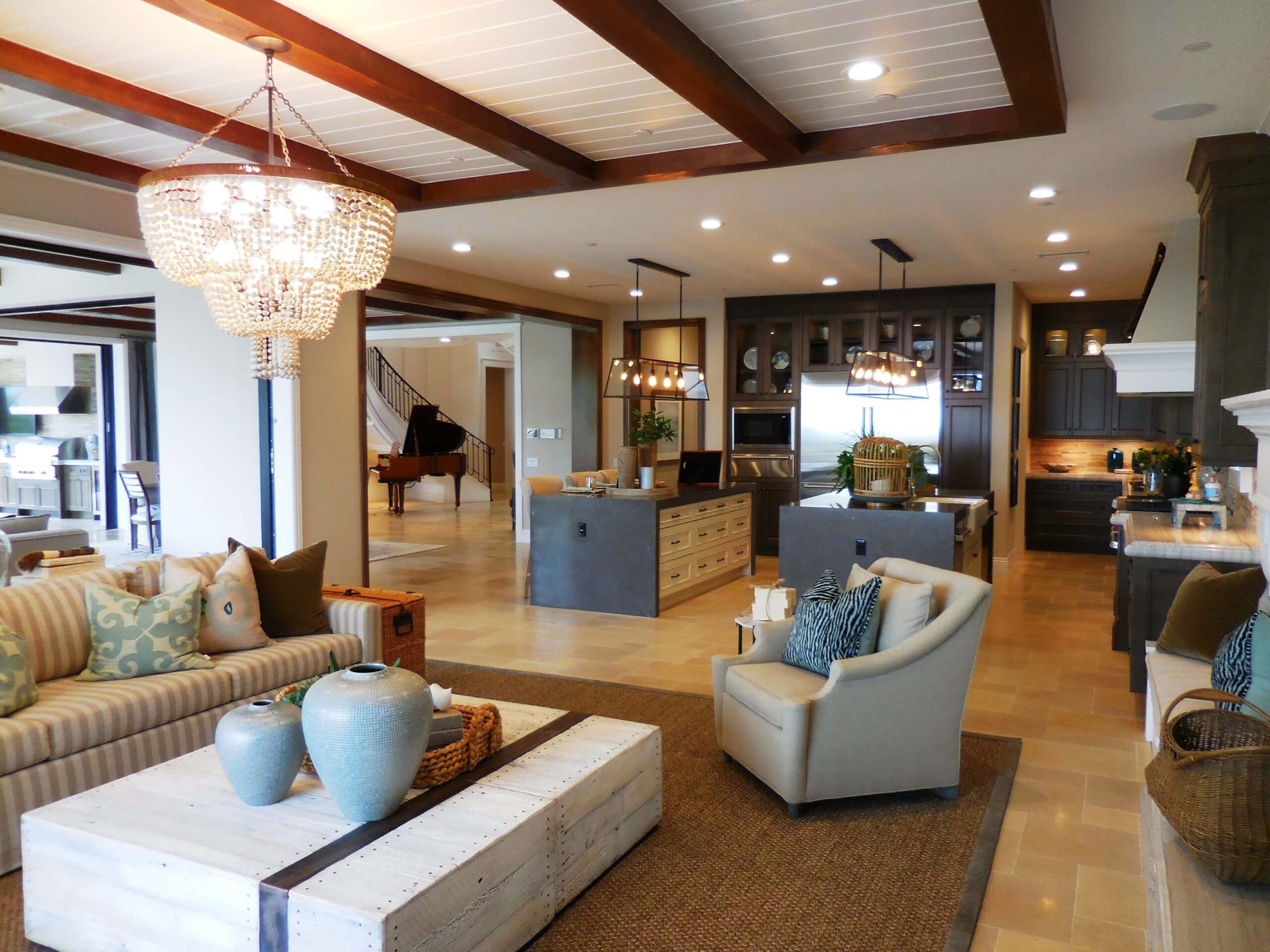
12 Essential Qualities to Look for in an Interior Designer
Use these qualities as a practical framework when comparing interior designers. Not every designer will have the same style, but a professional relationship should be built on trust, clarity and an understanding of your project.
Strong Listening Skills
A good designer should listen before proposing solutions. They need to understand your lifestyle, family requirements, storage needs, preferences and practical concerns.
Creative Thinking
Creativity allows a designer to develop attractive solutions while adapting ideas to the actual size, layout and limitations of your property.
Relevant Experience
Look for experience relevant to your project type. Apartment interiors, villas, builder floors and commercial spaces can have very different requirements.
Clear Communication
Your designer should be able to explain design concepts, costs, timelines, materials and project decisions in language you can understand.
Budget Awareness
A professional designer should understand your budget priorities and help you distinguish between essential requirements and optional upgrades.
Technical Knowledge
Good interior design involves more than colours and furniture. Layouts, lighting, electrical requirements, materials, dimensions and construction details also matter.
Attention to Detail
Details such as hardware, edge profiles, lighting positions, storage accessibility and material transitions can have a major effect on the final result.
Problem-Solving Ability
Interior projects rarely proceed without changes. A good designer should be able to identify practical alternatives when unexpected problems occur.
Time Management
Design revisions, procurement, production and execution all require coordination. A structured approach can make the project easier to manage.
Material Knowledge
A designer should understand the practical characteristics of commonly used materials and help you select finishes appropriate for your lifestyle and budget.
Professional Transparency
Fees, scope, inclusions, exclusions, revisions and execution responsibilities should be discussed clearly before work begins.
Respect for Your Lifestyle
The best interior is not simply attractive. It should work for the people who actually live in the space.

Communication Can Make or Break a Project
Even a talented designer can become difficult to work with if communication is unclear.
Before hiring, pay attention to how the designer handles your questions. Do they explain the reasoning behind recommendations? Do they respond within a reasonable timeframe? Are costs and scope explained clearly?
The consultation itself can provide useful information about how the future working relationship may feel.
How to Evaluate an Interior Designer’s Experience
Experience should be assessed in context rather than simply by counting the number of years someone has worked in the industry.
| What to Check | Why It Matters | Questions to Ask |
|---|---|---|
| Project Type | Different property types have different planning and execution challenges. | “Have you completed projects similar to mine?” |
| Project Scale | A full-home project requires different coordination from a single-room project. | “What size projects do you normally handle?” |
| Design Style | The designer should be capable of adapting to your preferred aesthetic. | “Can you work with my preferred style?” |
| Execution Experience | Design and execution require different types of coordination. | “Do you provide execution or coordinate contractors?” |
| Portfolio Relevance | Relevant examples provide more useful information than unrelated projects. | “Can I see projects similar to my requirements?” |
What Good Communication Looks Like
- The designer listens carefully to your requirements.
- Questions about budget are handled professionally rather than avoided.
- Design recommendations are explained clearly.
- Changes and revisions are documented.
- Important decisions are confirmed before implementation.
- Project responsibilities are clearly defined.
- Potential delays or problems are communicated promptly.
- You know who your primary point of contact is.
Look for an Interior Designer Who Understands Your Budget
Budget is one of the most important areas to discuss before hiring an interior designer.
A designer should not simply present the most expensive materials or finishes. They should understand what matters most to you and help allocate resources accordingly.
Essential Requirements
Kitchen, wardrobes, storage, electrical work and other functional requirements should be prioritized according to your property and lifestyle.
Aesthetic Upgrades
Feature walls, decorative lighting, premium finishes and statement furniture can be evaluated after core requirements are understood.
Long-Term Value
A good designer should consider durability, maintenance and usability rather than focusing only on the appearance of a material.
Cost Transparency
Ask what is included, what is excluded and how additional work or changes will be handled.
Creativity Should Solve Problems, Not Just Create Beautiful Pictures
A strong portfolio can demonstrate a designer’s aesthetic ability, but creativity becomes more valuable when it solves real spatial problems.
For example, a compact bedroom may need wardrobe storage, a study area, lighting, circulation space and comfortable furniture. The designer’s job is to balance all of these requirements without making the room feel crowded.
Look for designers who can explain why a particular solution works, not just show you the final photograph.
Why Technical Knowledge Matters in Interior Design
Interior design is closely connected to practical execution. A beautiful concept may not work if dimensions, electrical points, material properties or construction requirements are ignored.
Space Planning
Furniture dimensions, circulation paths, door clearances and storage access should be considered before finalizing layouts.
Lighting
Ambient, task and accent lighting should be planned according to room use rather than added as an afterthought.
Electrical Planning
Sockets, switches, appliances, lighting and other electrical requirements should be coordinated with the design.
Material Selection
Materials should be selected for appearance, performance, maintenance and application—not appearance alone.
Interior Designer Red Flags to Watch For
A professional designer should be willing to discuss the project clearly before you commit. Be cautious if you notice repeated warning signs.
Unclear Pricing
If you cannot understand what the quoted fee covers, ask for clarification before proceeding.
No Clear Scope
The responsibilities of the designer, contractor, vendor or client should be clearly defined.
Pressure to Decide Immediately
A major home investment deserves time for reviewing the proposal, scope and commercial terms.
No Relevant Portfolio
If all examples are unrelated to your type of project, ask for relevant experience before making a decision.
Poor Communication
Repeatedly unanswered questions can become a bigger issue during execution.
Promises Without Details
Ask for realistic timelines, inclusions and responsibilities instead of relying only on verbal promises.
Interior Designer Hiring Checklist
Before selecting a designer, use this checklist to compare your shortlisted options.
- I have reviewed relevant completed projects.
- The designer understands my preferred design style.
- The designer has asked about my lifestyle and functional requirements.
- The project scope is clearly explained.
- The fee structure is understandable.
- The payment schedule is clearly documented.
- Design revisions and approvals are explained.
- Execution responsibilities are defined.
- Material and procurement responsibilities are clear.
- The expected project timeline is realistic.
- I know who will communicate with me during the project.
- I feel comfortable asking questions and discussing changes.
Simple Interior Designer Evaluation Scorecard
If you have shortlisted several designers, use a simple scoring system rather than making the decision based only on the first impression.
| Quality | Low | Good | Excellent |
|---|---|---|---|
| Portfolio Relevance | Few relevant projects | Several relevant projects | Strong relevant portfolio |
| Communication | Unclear | Generally clear | Consistently clear |
| Budget Understanding | Limited | Reasonable | Very transparent |
| Technical Knowledge | Limited | Good | Strong |
| Creativity | Basic | Good | Highly adaptable |
| Project Planning | Unclear | Defined | Highly structured |
| Attention to Detail | Basic | Good | Excellent |
| Professional Transparency | Limited | Good | Very clear |
Qualities to Look for in an Interior Designer in Delhi NCR
Homeowners searching for an interior designer in Gurgaon, Noida, Delhi, Ghaziabad and the wider Delhi NCR region should consider both design quality and local project experience.
Local knowledge can be useful when projects involve apartment rules, possession schedules, building restrictions, vendor coordination and site-specific execution requirements.
Interior Designer in Gurgaon
Compare portfolio quality, communication, project scope and execution experience before selecting an interior designer for your Gurgaon property.
Explore Gurgaon Interior Design →Interior Designer in Noida
Look for a designer who can coordinate apartment layouts, storage, modular kitchens, wardrobes and practical execution.
Explore Noida Interior Design →Interior Designer in Delhi NCR
Choose based on relevant experience, transparent communication, design quality and a clearly defined project process.
Explore Delhi Interior Design →Related Interior Design Guides
Selecting the Right Interior Designer
Learn how to compare interior designers and choose a professional suitable for your space.
Read the Guide →Questions to Ask Your Interior Designer
Prepare useful questions before your first interior design consultation.
Read the Questions Guide →When to Look for an Interior Designer
Understand how project timing can affect the design and execution process.
Read the Timing Guide →Understanding Interior Designer Fees
Learn what to clarify about designer fees before starting your project.
Explore Fee Structures →Looking for the Right Interior Designer?
A successful interior project starts with the right professional relationship. Discuss your property, design preferences, budget and project requirements before deciding on your interior designer.
Request a Consultation WhatsApp Interior A to ZFrequently Asked Questions About Choosing an Interior Designer
What are the most important qualities of a good interior designer?
Important qualities include creativity, listening skills, relevant experience, communication, technical knowledge, budget awareness, attention to detail, problem-solving ability, time management and professional transparency.
How do I know if an interior designer is experienced?
Review projects relevant to your property type and scope. Ask about similar completed projects, the designer’s role, execution experience and how they handle challenges during a project.
Should I choose an interior designer based only on their portfolio?
No. A portfolio is important, but communication, technical knowledge, budget management, relevant experience and project process should also be considered.
Why is communication important when hiring an interior designer?
Interior projects involve many decisions and changes. Clear communication helps ensure that requirements, design decisions, costs, responsibilities and timelines are understood by everyone.
What should I ask an interior designer before hiring them?
Ask about their relevant experience, design process, fees, scope of work, number of revisions, execution responsibilities, procurement process, timeline and communication process.
How important is technical knowledge in interior design?
Technical knowledge is important because interior design involves space planning, dimensions, lighting, electrical requirements, materials, furniture and execution details in addition to aesthetics.
Should an interior designer work within my budget?
A professional designer should understand your budget and help prioritize requirements. Discuss the budget range and project scope before finalizing the engagement.
What are red flags when choosing an interior designer?
Common warning signs include unclear pricing, undefined scope, poor communication, pressure to make an immediate decision, lack of relevant portfolio examples and promises without clearly defined deliverables.
What qualities should I look for in an interior designer in Gurgaon or Noida?
Look for relevant residential experience, strong communication, technical knowledge, transparent pricing, project planning and the ability to understand local property and execution requirements.
Final Thoughts: Choose the Designer, Not Just the Design
The most attractive portfolio does not necessarily represent the best match for your project. A successful interior design relationship depends on much more than visual style.
Look for an interior designer who can understand your lifestyle, communicate clearly, manage practical constraints, respect your budget and explain the reasoning behind design decisions.
Whether you are planning a home interior in Gurgaon, Noida, Delhi or another part of Delhi NCR, take time to compare the designer’s experience, process, communication and transparency.
The right interior designer should not simply create a beautiful room. They should help create a space that is beautiful, functional and suitable for the way you actually live.
Choosing the right interior designer can significantly impact the aesthetics and functionality of your space. While many professionals may claim to be adept at design, there are specific qualities that set the best apart. Understanding these qualities will help you make an informed decision when selecting an interior designer.
Creative Vision
One of the most crucial qualities of a good interior designer is a strong creative vision. An exceptional designer possesses the ability to envision how different elements can cohesively come together to create a beautiful and functional space. This includes understanding color schemes, furniture arrangements, and spatial dynamics that enhance the overall feel of a room. They can take your preferences and transform them into a reality that reflects your style while also serving practical purposes.
Effective Communication Skills
Another key quality of a good interior designer is effective communication skills. The designer must be able to listen to your ideas and needs and articulate their concepts clearly. This collaborative dialogue is essential for ensuring that your vision aligns with their design strategy. A great designer should also provide updates and be open to feedback throughout the project, fostering a transparent relationship.
Attention to Detail
Lastly, attention to detail is vital in the work of an interior designer. A keen eye for detail ensures that every aspect of the design—from color matching to the selection of accessories—is meticulously managed. This quality contributes to the finishing touches that elevate a design from good to remarkable. Small details can have a significant impact on the overall outcome, making this quality indispensable for a successful interior design project.
Conclusion
In summary, when looking for a good interior designer, focus on those who exhibit strong creative vision, effective communication skills, and meticulous attention to detail. These qualities will not only streamline the design process but also result in a harmonious and well-executed space that meets your needs and preferences.