How to Choose Interior Materials: The 2026 Guide to Quality and Sustainability
In 2026, choosing interior materials is no longer just about aesthetics; it’s about the intersection of tactile luxury, durability, and environmental responsibility. Your material palette forms the sensory foundation of your home, influencing everything from acoustic comfort to air quality.
1. Start with a Cohesive Design Strategy
Material selection should never be an afterthought. It must be integrated into your step-by-step interior design process. By analyzing the latest home interior trends, you can balance trending textures with timeless staples like natural stone and high-performance composites.
2. Prioritize Vertical and Horizontal Surfaces
For vertical surfaces, veneer interior design offers the warmth of real wood with enhanced stability. When it comes to floors, your choice of luxury flooring should consider the “traffic-to-maintenance” ratio—ensuring high-use areas feature scratch-resistant and moisture-proof materials.
3. Transparency and Zoning Materials
Modern interiors often use materials to define space without blocking light. Fluted glass partitions provide privacy while maintaining a sense of openness. For a more organic feel, intricate wooden partitions can introduce texture and warmth to a room’s architecture.
4. Lighting and Material Interaction
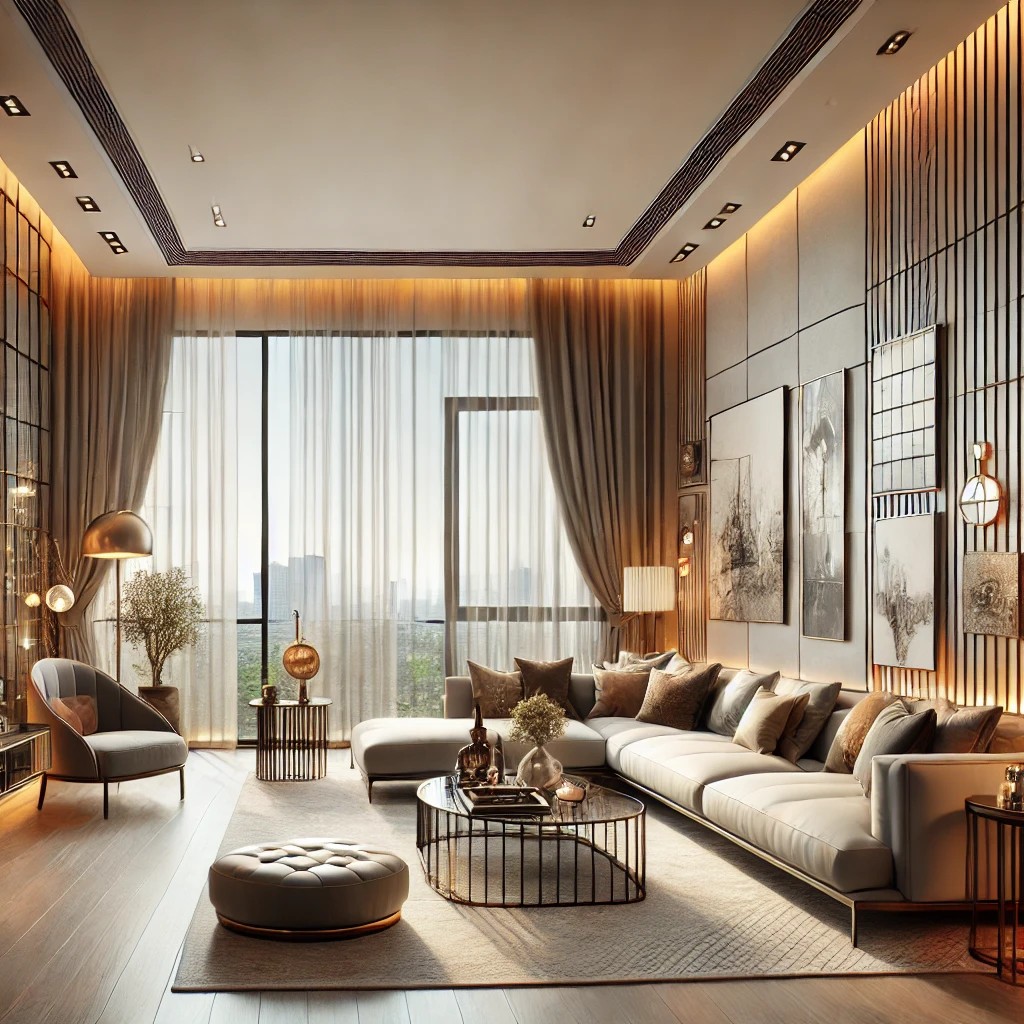
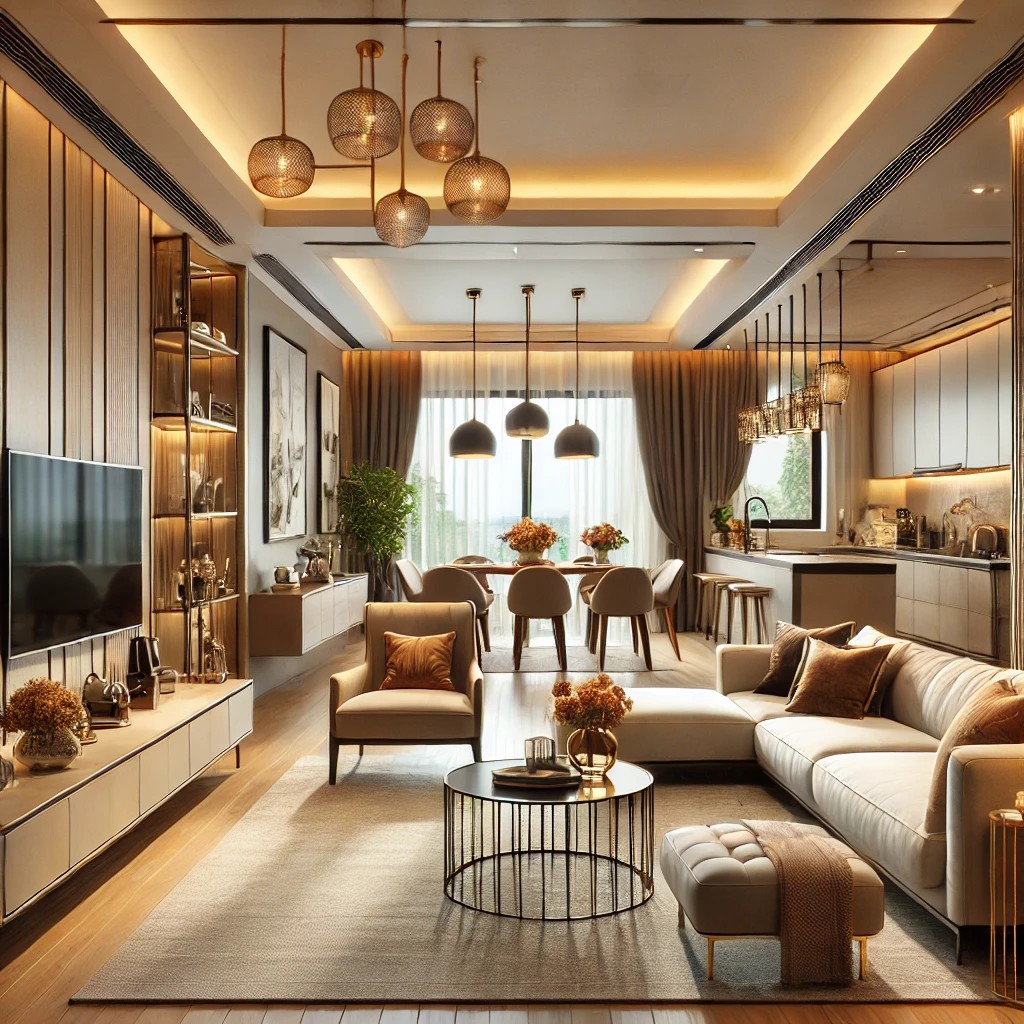
The way a material looks is entirely dependent on your interior lighting solutions. Matte finishes absorb light for a cozy feel, while polished surfaces reflect it to brighten dark spaces. To avoid common interior design mistakes, always view material samples under both natural and artificial light sources as part of your interior design checklist.
Conclusion
Investing in high-quality materials is an investment in the longevity of your home. Use our interior design cost calculator to estimate your material procurement costs. Contact Interior A to Z today for a professional consultation on curating your perfect material palette!