Interior designers do far more than decorate homes. Their role combines creativity, planning, functionality, human behavior, and technical expertise to transform spaces into environments that improve daily life. Interior design focuses on creating functional, safe, and aesthetically pleasing spaces that support how people live and work.
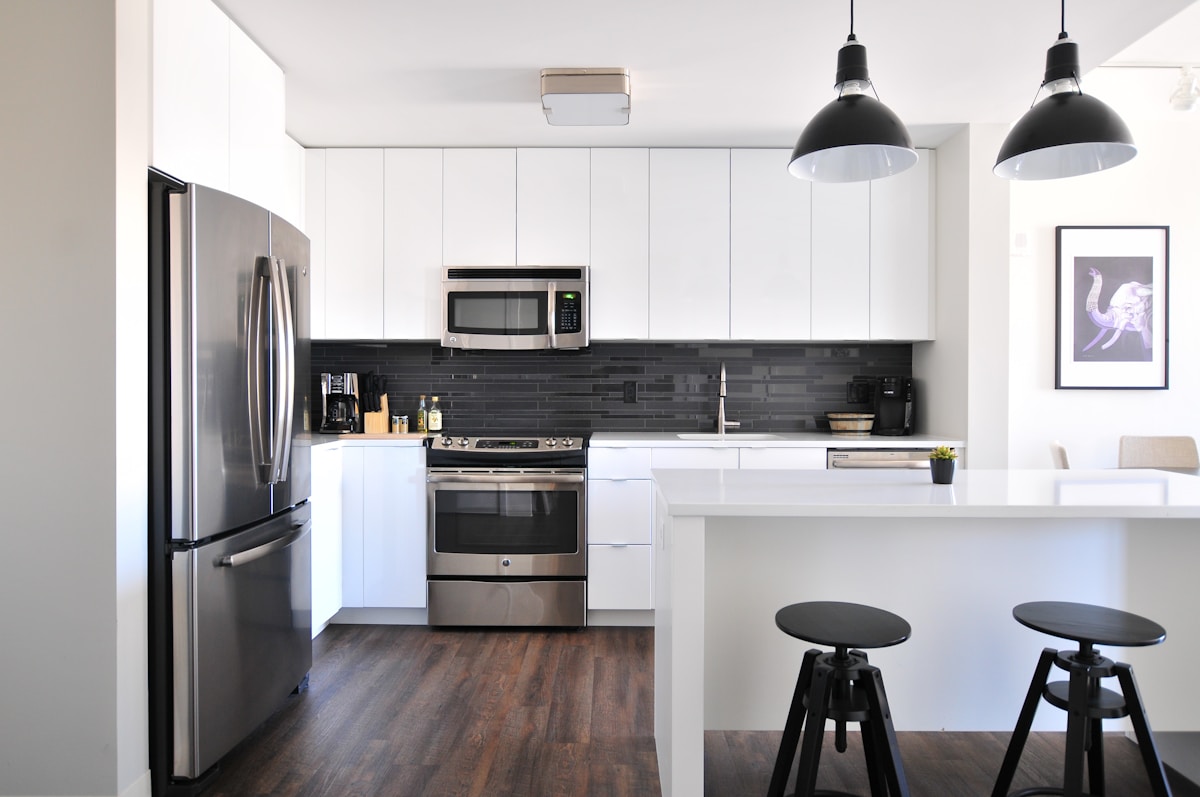
Quick Answer: What Does an Interior Designer Do?
- Plans efficient layouts
- Creates functional spaces
- Optimizes lighting and movement
- Selects colors and materials
- Improves storage solutions
- Coordinates furniture placement
- Enhances comfort and usability
- Balances aesthetics with functionality
Why Functional Interior Design Matters
Interior design impacts how people live, work, relax, and interact with their surroundings. Functional design combines aesthetics with usability and user behavior. Interior designers often work with architects, contractors, and engineers to improve the practical use of spaces. :contentReference[oaicite:0]{index=0}
Explore: Complete Interior Design Guide
1. Space Planning and Layout Optimization
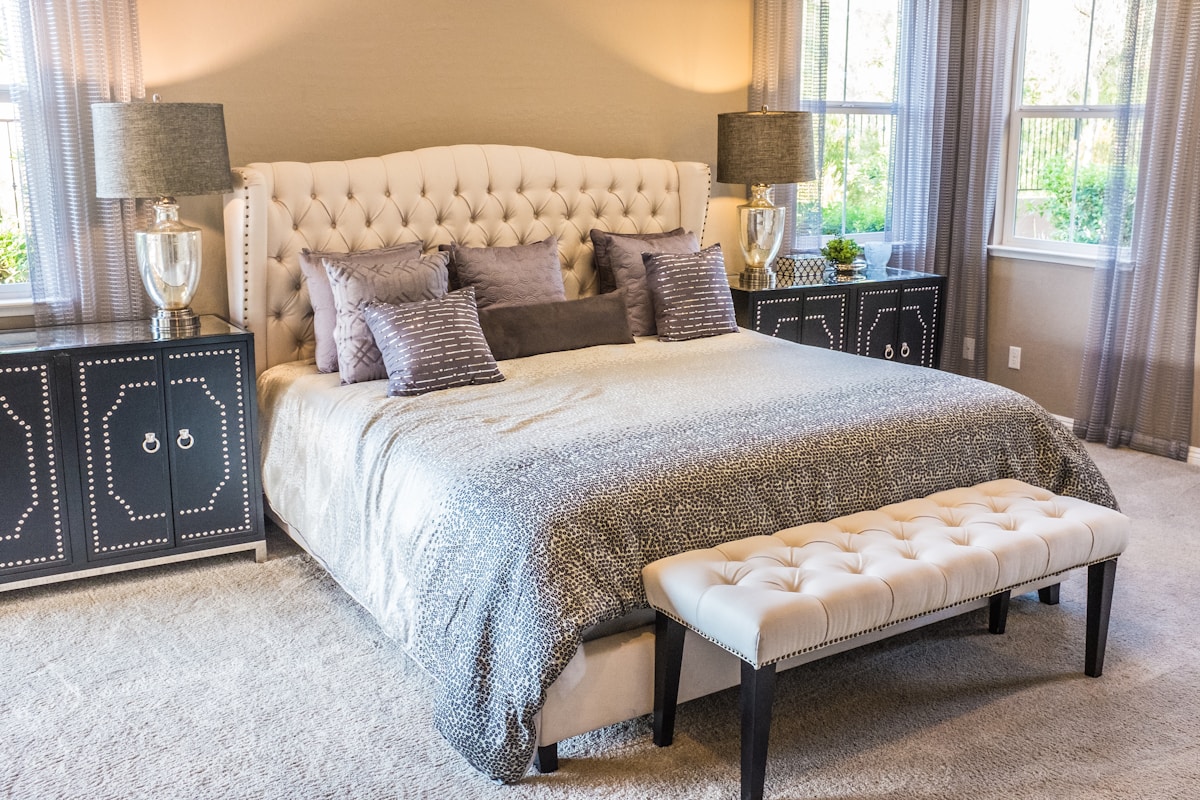
One of the primary responsibilities of an interior designer is efficient space planning. Good design begins with understanding how people move through rooms and use them daily.
Interior Designer Checklist
- Measure room dimensions
- Analyze traffic flow
- Create furniture layouts
- Ensure accessibility
- Improve circulation
Read: Small Space Interior Design Ideas
2. Designing Spaces Around Human Behavior
Interior design is the art and science of understanding how people interact with environments and shaping spaces around those behaviors. :contentReference[oaicite:1]{index=1}
Designers consider:
- Comfort levels
- Daily routines
- Family activities
- Workspace needs
- Lifestyle requirements
3. Creating Functional Lighting Systems
Functional spaces depend heavily on layered lighting systems. Designers combine ambient, task, and accent lighting to create comfortable environments.
Ambient Lighting
General room illumination
Task Lighting
Work and activity lighting
Accent Lighting
Highlight architectural details
Interior designers use layered design principles because multiple lighting levels create more dynamic and comfortable environments. :contentReference[oaicite:2]{index=2}
4. Material Selection and Texture Layering
Interior designers carefully select finishes and materials that improve both aesthetics and functionality.
- Wood textures
- Glass finishes
- Natural stone
- Metal accents
- Soft textiles
- Durable surfaces
Designers increasingly emphasize texture layering to prevent spaces from feeling visually flat. :contentReference[oaicite:3]{index=3}
5. Storage Solutions and Organization
Functional design includes hidden storage, customized cabinetry, and multi-purpose furniture solutions.
Explore: Modular Kitchen Design Ideas
Interior Design Trends Across Gurgaon, Noida & Delhi NCR
- Minimal luxury interiors
- Smart storage systems
- Biophilic design
- Flexible work-from-home layouts
- Natural materials
- Warm neutral palettes
Explore local expertise:
External Design Resources
Frequently Asked Questions
What is the primary role of an interior designer?
The primary role is creating spaces that balance aesthetics, functionality, safety, and user comfort. :contentReference[oaicite:4]{index=4}
How do interior designers create functional spaces?
Through layout planning, storage design, lighting strategies, furniture selection, and understanding user behavior.
Why is space planning important?
Proper planning improves movement, efficiency, and usability.
Transform Your Home Through Smart Interior Design
Discover expert ideas, design trends, and professional insights for creating beautiful and functional interiors. Explore Interior A to Z