


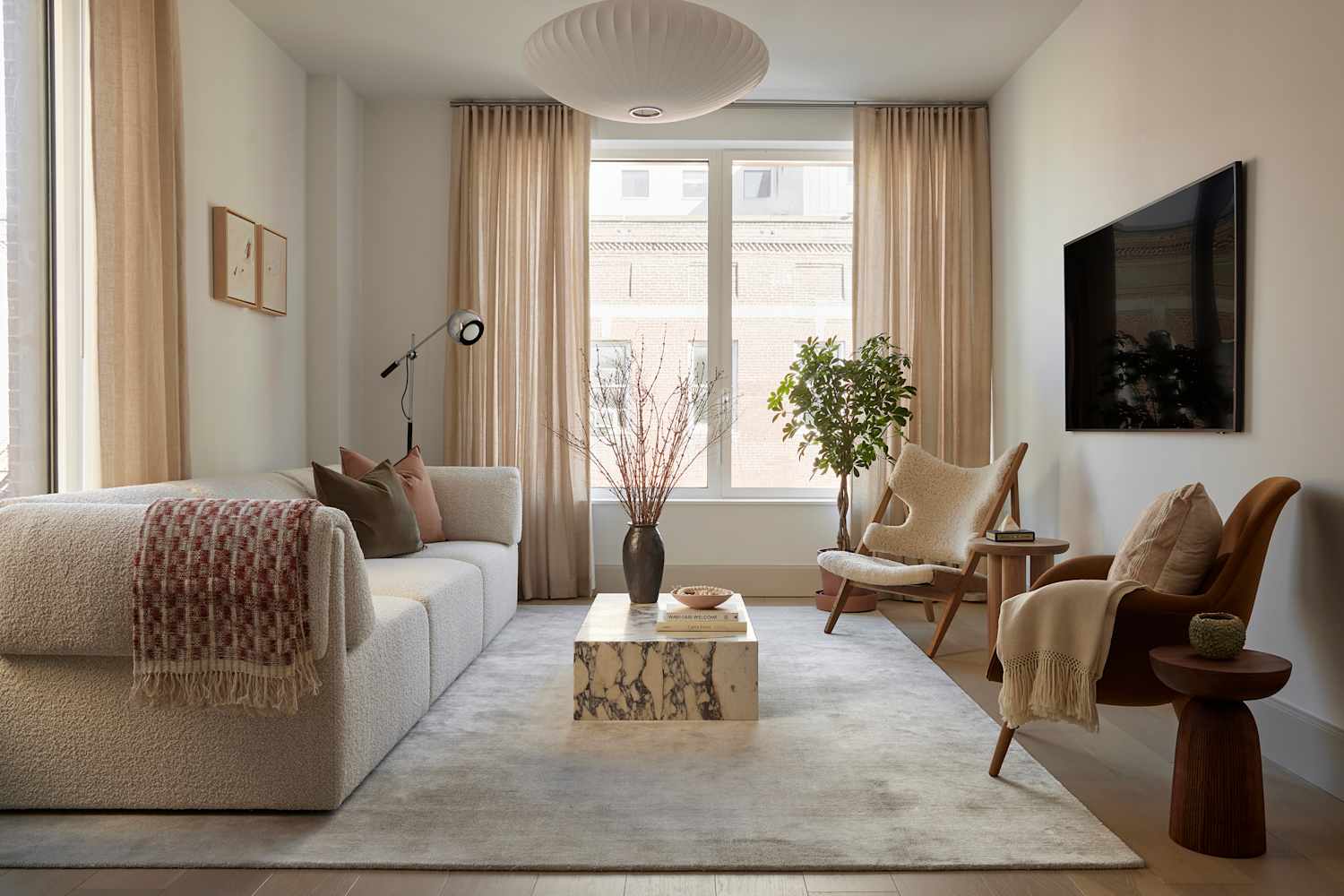
Small space decorating is about visual strategy, not limitation. When rooms are compact, every decorative choice affects how large, calm, and functional the space feels. Good decorating expands perception, improves flow, and removes visual stress.
Across apartments in Gurgaon, Noida, and Delhi NCR, small homes are increasingly styled with precision — fewer items, stronger impact.
This guide explains professional decorating principles that transform tight spaces into open, stylish interiors.
What Makes Small Space Decorating Successful?
Decorating small spaces requires editing. The goal is visual clarity and multi-functional design.
Modern design thinking influenced by movements like Bauhaus emphasizes purposeful design — a key foundation for compact interiors.
Core priorities:
- Light palette
- Minimal clutter
- Vertical styling
- Multi-functional decor
- Visible floor space
- Strong focal points
Decor should support space, not compete with it.
Use a Light, Cohesive Color Palette


Color controls perception of size.
Best small-space palettes:
- Warm white
- Soft beige
- Pale grey
- Light wood tones
- Gentle monochrome layering
Consistent color reduces visual breaks, making rooms feel larger.
Decorate Vertically
Walls are your biggest asset.
Vertical decorating ideas:
- Tall artwork
- Floating shelves
- Vertical mirrors
- Hanging plants
- Narrow gallery walls
Use height instead of floor clutter.
Choose Multi-Functional Decor

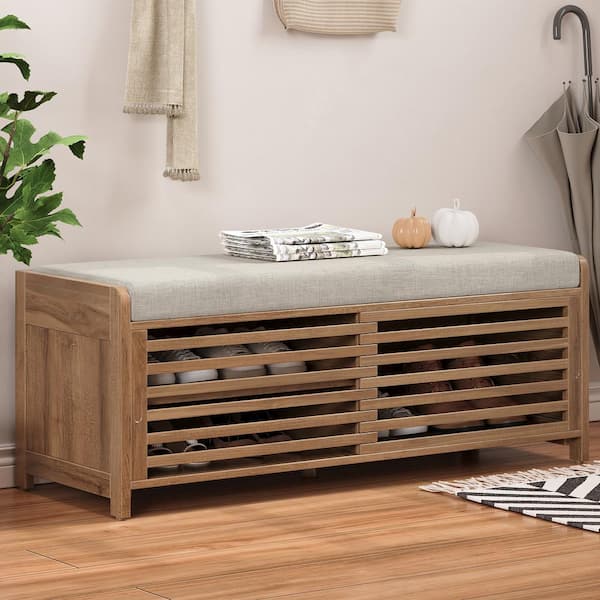


Decor should serve more than one purpose.
Examples:
- Storage ottomans
- Foldable tables
- Mirror cabinets
- Decorative baskets
- Floating desks
Function replaces excess furniture.
Keep Surfaces Clear
Open surfaces create calm.
Limit decorative clusters to:
- One tray arrangement
- A small plant
- A lamp
- A single object group
Crowded surfaces shrink rooms visually.
Use Mirrors to Expand Space
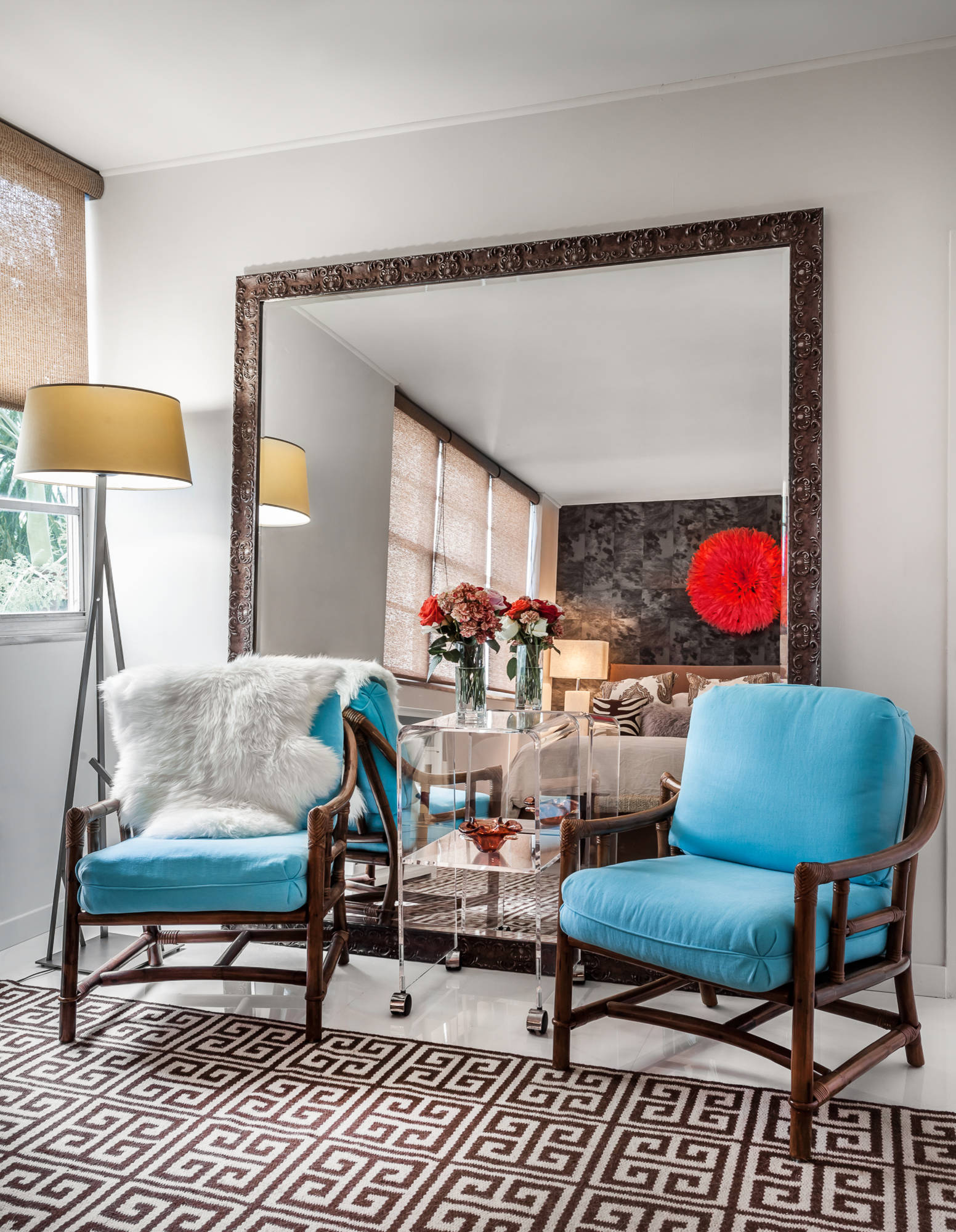
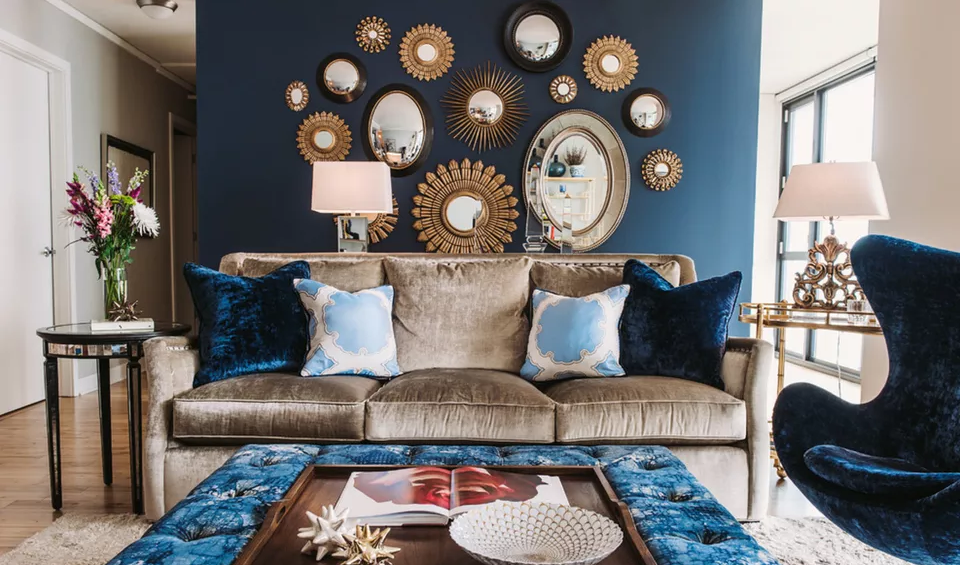


Mirrors double light and depth.
Best placements:
- Opposite windows
- Behind seating
- Full-height wall mirror
- Mirrored furniture accents
Reflection equals visual expansion.
Create One Focal Point Per Room
Too many decorative highlights create noise.
Good focal choices:
- Oversized artwork
- Statement light fixture
- Accent wall
- Sculptural furniture
- Large plant
One anchor organizes the space.
Use Lightweight Visual Furniture
Furniture should feel airy.
Choose:
- Slim legs
- Open frames
- Glass surfaces
- Floating units
- Low-profile silhouettes
Visible floor increases perceived size.
Add Soft Textures for Warmth

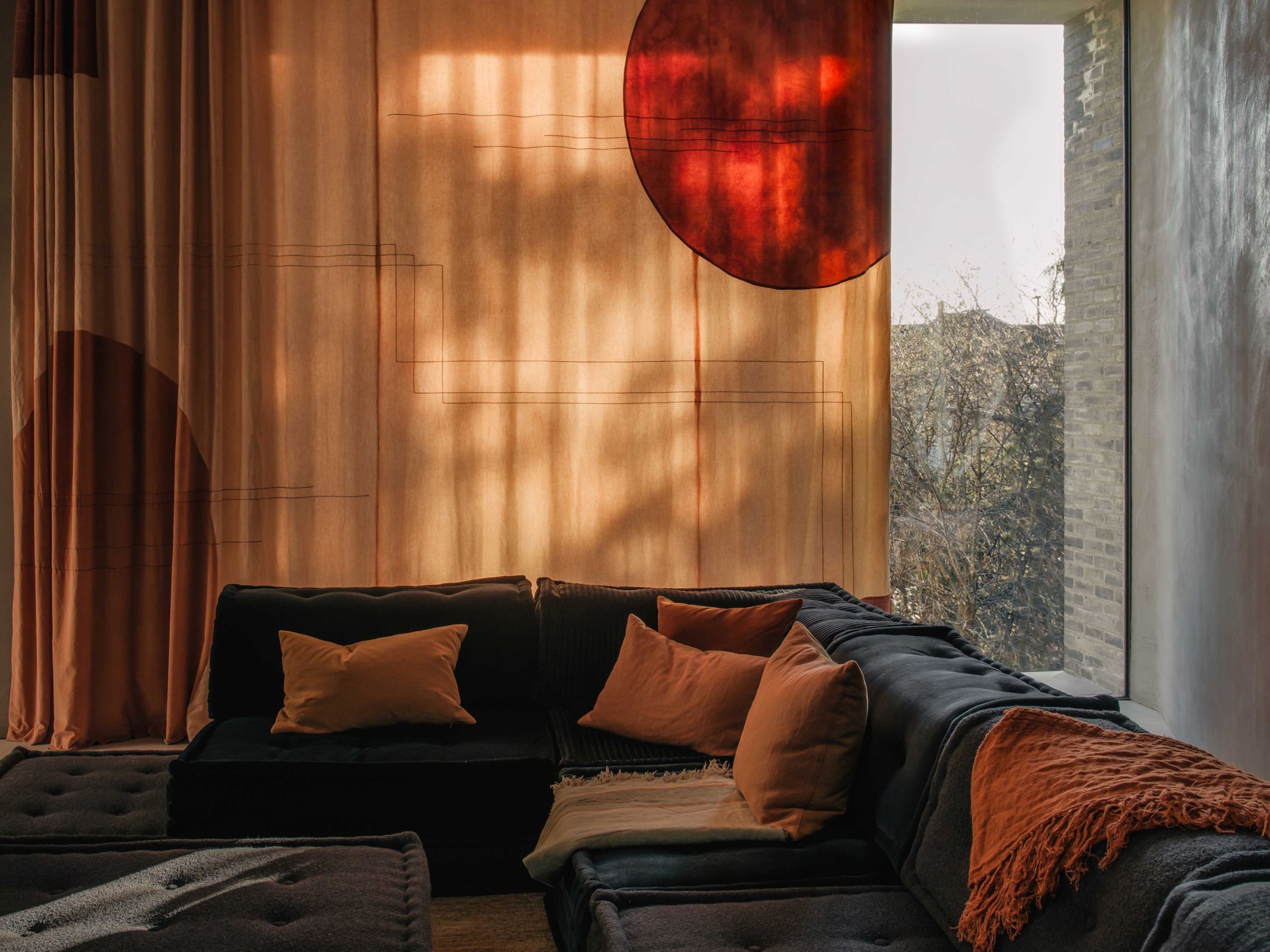

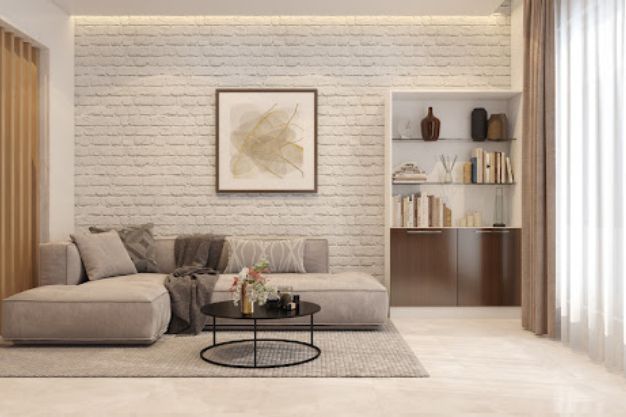
Texture replaces clutter.
Use:
- Neutral rugs
- Cushions
- Throws
- Linen curtains
- Upholstered seating
Softness adds comfort without bulk.
Avoid Common Small Space Decorating Mistakes
Do not:
- Overdecorate walls
- Use dark heavy colors
- Add oversized furniture
- Crowd corners
- Mix too many styles
- Fill every empty area
Negative space is part of design.
Benefits of Smart Small Space Decorating
Thoughtful decorating provides:
- Visual openness
- Reduced stress
- Better organization
- Easier cleaning
- Improved comfort
- Strong personal style
Decor shapes how a room feels.
Summary
Small space decorating succeeds through restraint, vertical styling, light palettes, and multi-functional pieces. Clear surfaces, mirrors, and soft textures create interiors that feel open and calm. Whether decorating a compact Noida apartment or a Gurgaon studio, the principles remain universal: clarity, intention, and balance.
Small spaces do not require less style. They require smarter style.