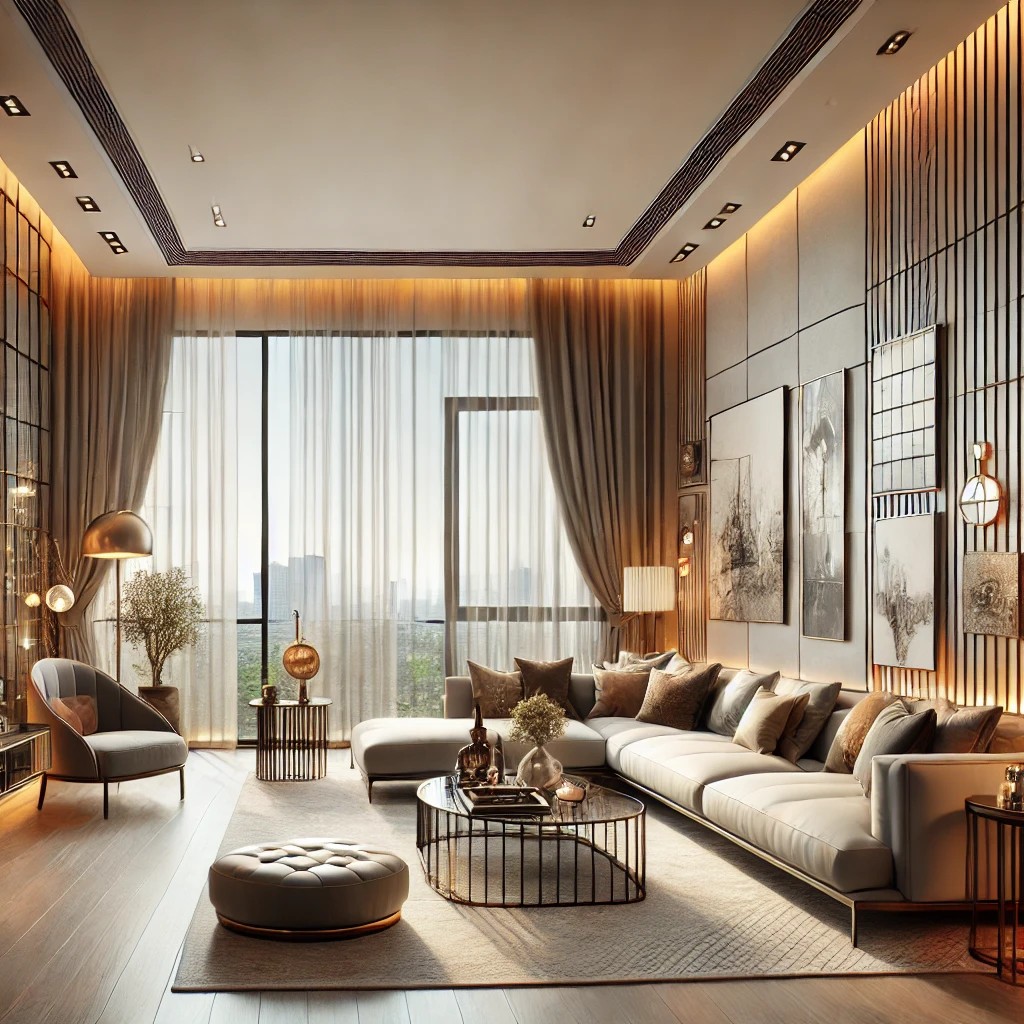
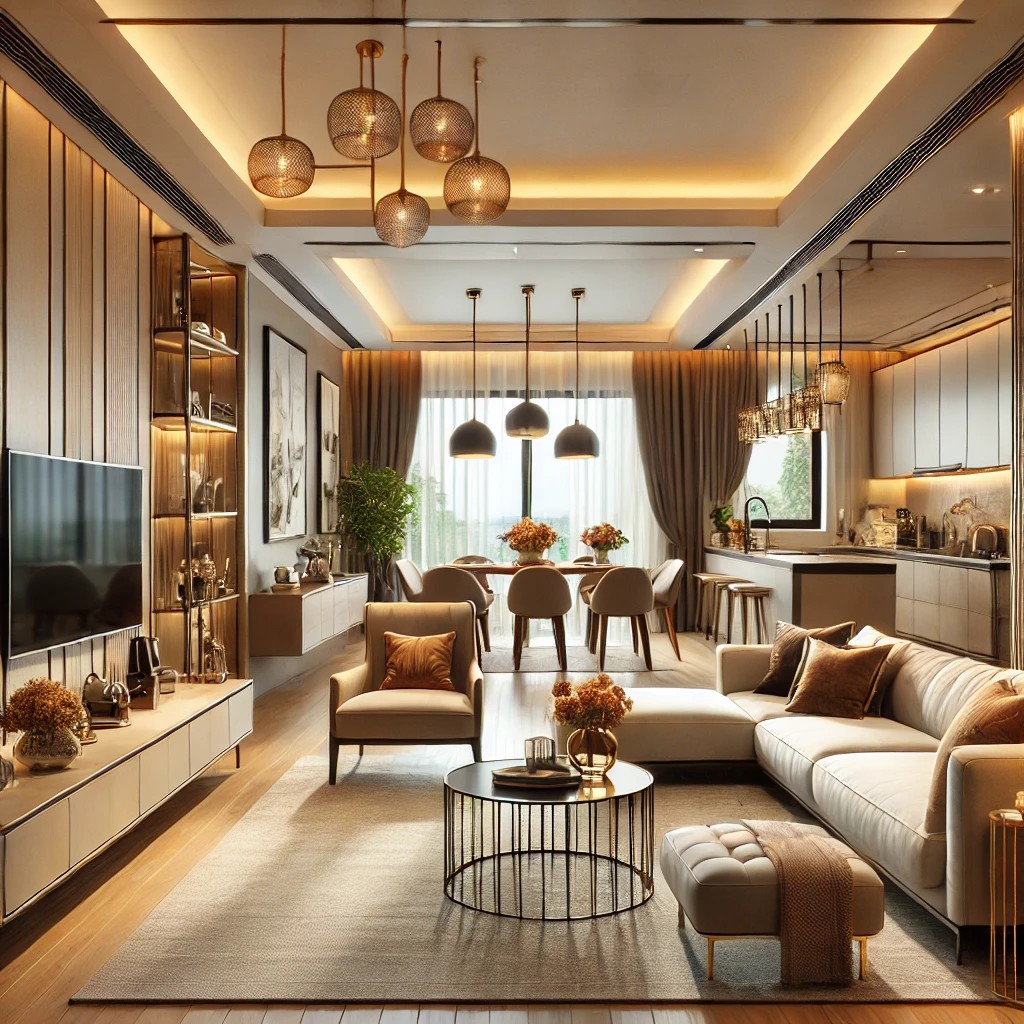
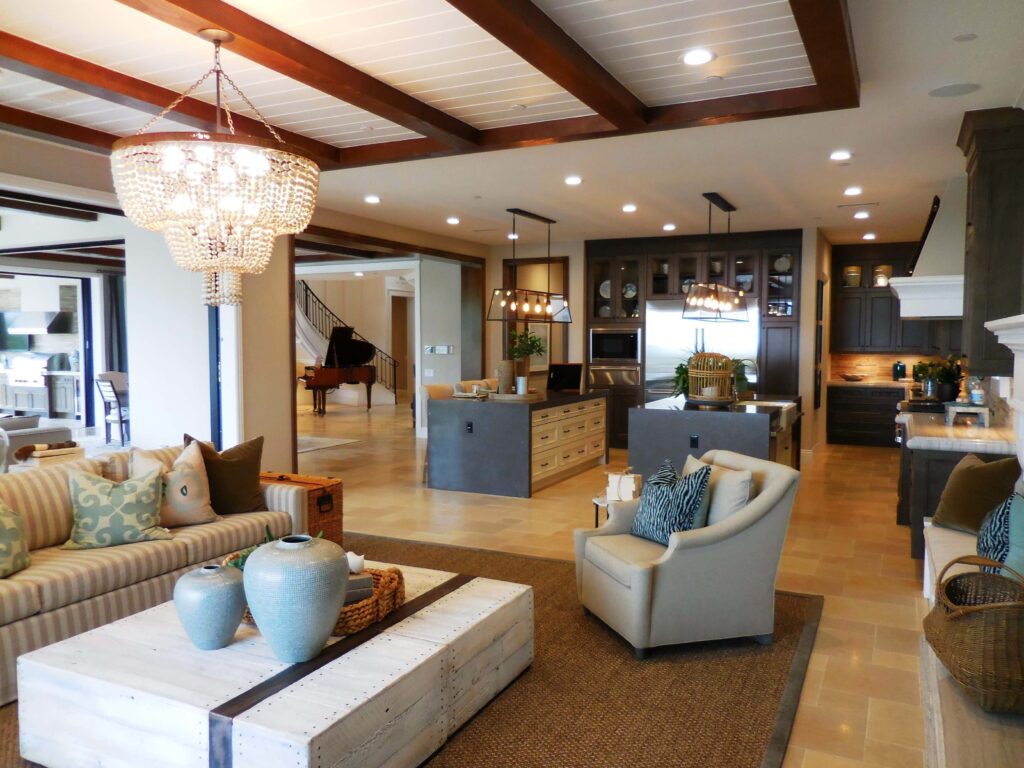
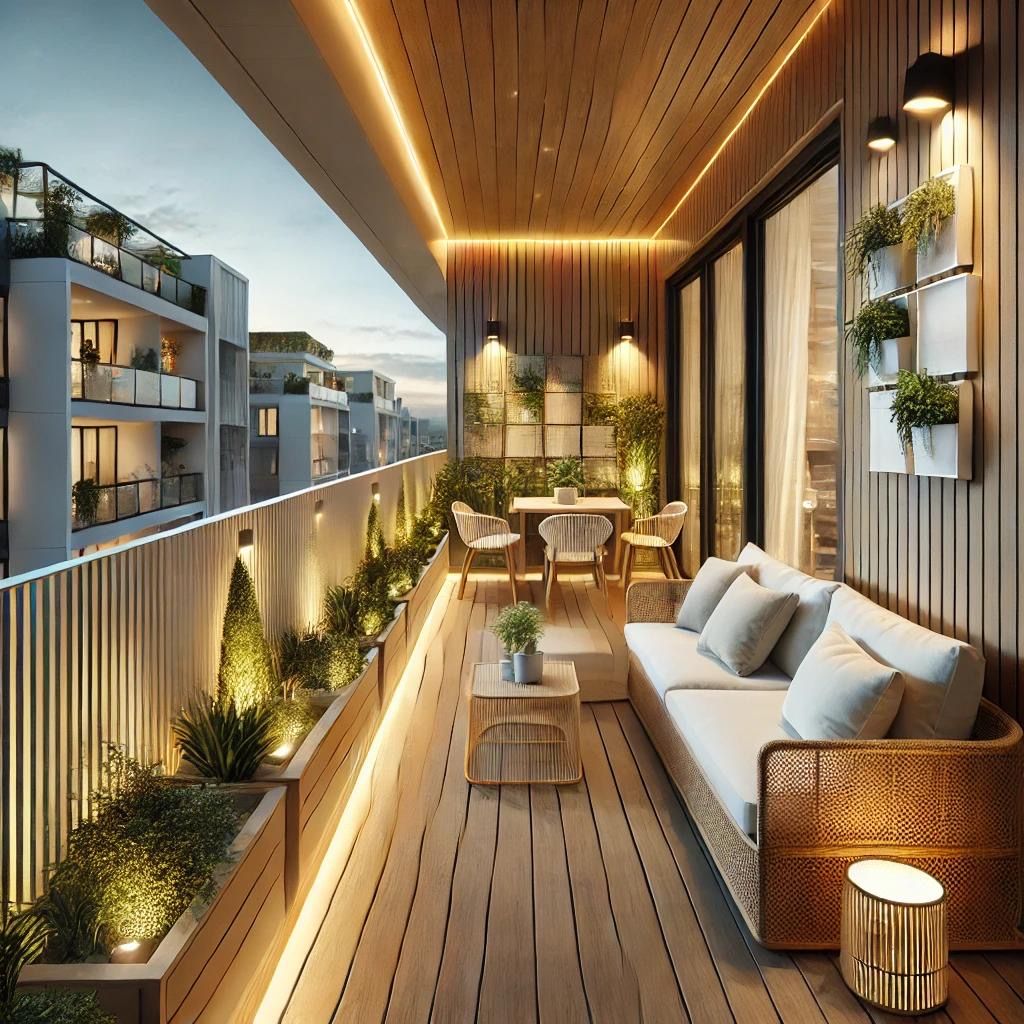
Minimalist interior styling focuses on clarity, intention, and calm. It removes visual noise and highlights space, light, and essential objects. A minimalist home is not empty — it is carefully edited so every element has purpose.
In modern homes across Gurgaon, Noida, and Delhi NCR, minimalist styling is popular because it makes compact spaces feel larger while reducing everyday stress.
This guide explains how to design minimalist interiors that feel warm and livable, not cold.
What Defines Minimalist Interior Styling?
Minimalist styling is rooted in the philosophy of “less but better.” It values simplicity, proportion, and thoughtful material use.
Architects like John Pawson helped shape modern minimalism by emphasizing purity of form and spatial calm.
Core characteristics include:
- Clean architectural lines
- Neutral palettes
- Limited decor
- Functional furniture
- Hidden storage
- Emphasis on light and space
Minimalism is about editing, not deprivation.
Choose a Controlled Color Palette


Color sets the emotional tone.
Effective minimalist palettes:
- Warm white and cream
- Beige and sand
- Soft grey
- Muted earth tones
- Gentle monochrome layering
Avoid sharp contrasts. Calm color transitions support visual quiet.
Focus on Quality Over Quantity
Minimalist interiors use fewer objects, but each piece matters.
Prioritize:
- Well-crafted furniture
- Natural materials
- Timeless shapes
- Durable finishes
- Meaningful decor
One strong piece is better than many small accents.
Embrace Negative Space
Empty space is a design element.
Leave breathing room:
- Between furniture
- On walls
- On shelves
- Around focal objects
- Across floors
Negative space highlights architecture and form.
Use Natural Materials


Natural textures add warmth to minimal spaces.
Key materials:
- Solid wood
- Stone or marble
- Linen and cotton
- Matte ceramics
- Brushed metal
- Glass
Texture replaces decoration.
Keep Furniture Low and Simple
Minimalist furniture emphasizes geometry.
Traits include:
- Low profiles
- Straight silhouettes
- Hidden hardware
- Floating storage
- Built-in cabinetry
- Multi-functional pieces
Furniture should feel quiet, not dominant.
Layer Soft Lighting


Lighting shapes mood.
Combine:
- Warm ambient lighting
- Simple floor or table lamps
- Recessed ceiling lights
- Natural daylight
- Soft shadows
Harsh lighting breaks minimalist calm.
Hide Storage to Reduce Visual Noise
Clutter disrupts minimalism.
Smart solutions:
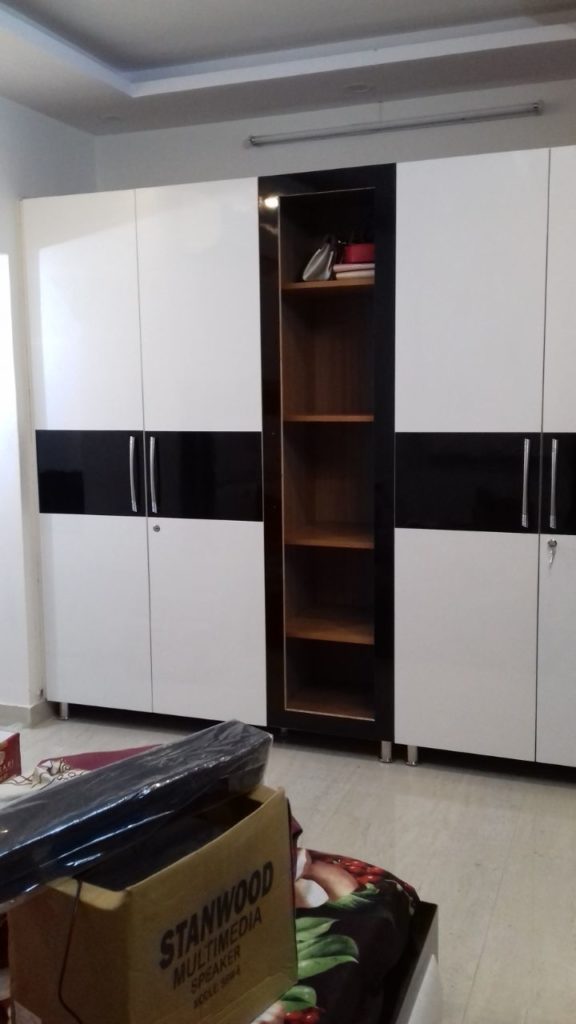
- Built-in wardrobes
- Closed cabinetry
- Under-bed storage
- Floating shelves with restraint
- Hidden compartments
Clear surfaces support mental clarity.
Add One Strong Focal Element
Minimalist spaces benefit from a visual anchor.
Good focal choices:
- Large artwork
- Sculptural chair
- Statement light fixture
- Textured feature wall
- Oversized plant
One focal point replaces many small decorations.
Avoid Common Minimalist Mistakes
Do not confuse minimalism with emptiness.
Avoid:
- Cold, sterile palettes
- Lack of texture
- Poor lighting
- Cheap furniture
- Echo-heavy empty rooms
- Removing all personality
Minimalism should feel warm and intentional.
Benefits of Minimalist Interior Styling
Thoughtful minimalism improves daily living:
- Reduces visual stress
- Makes spaces feel larger
- Simplifies cleaning
- Improves focus and calm
- Highlights architecture
- Encourages intentional living
It is aesthetic and psychological.
Summary
Minimalist interior styling is the art of restraint. Neutral palettes, natural materials, clean furniture, and hidden storage create calm environments that support everyday life. Whether styling a compact Noida apartment or a spacious Gurgaon home, the principles remain consistent: clarity, proportion, and intention.
Minimalism is not about owning less. It is about choosing better.