


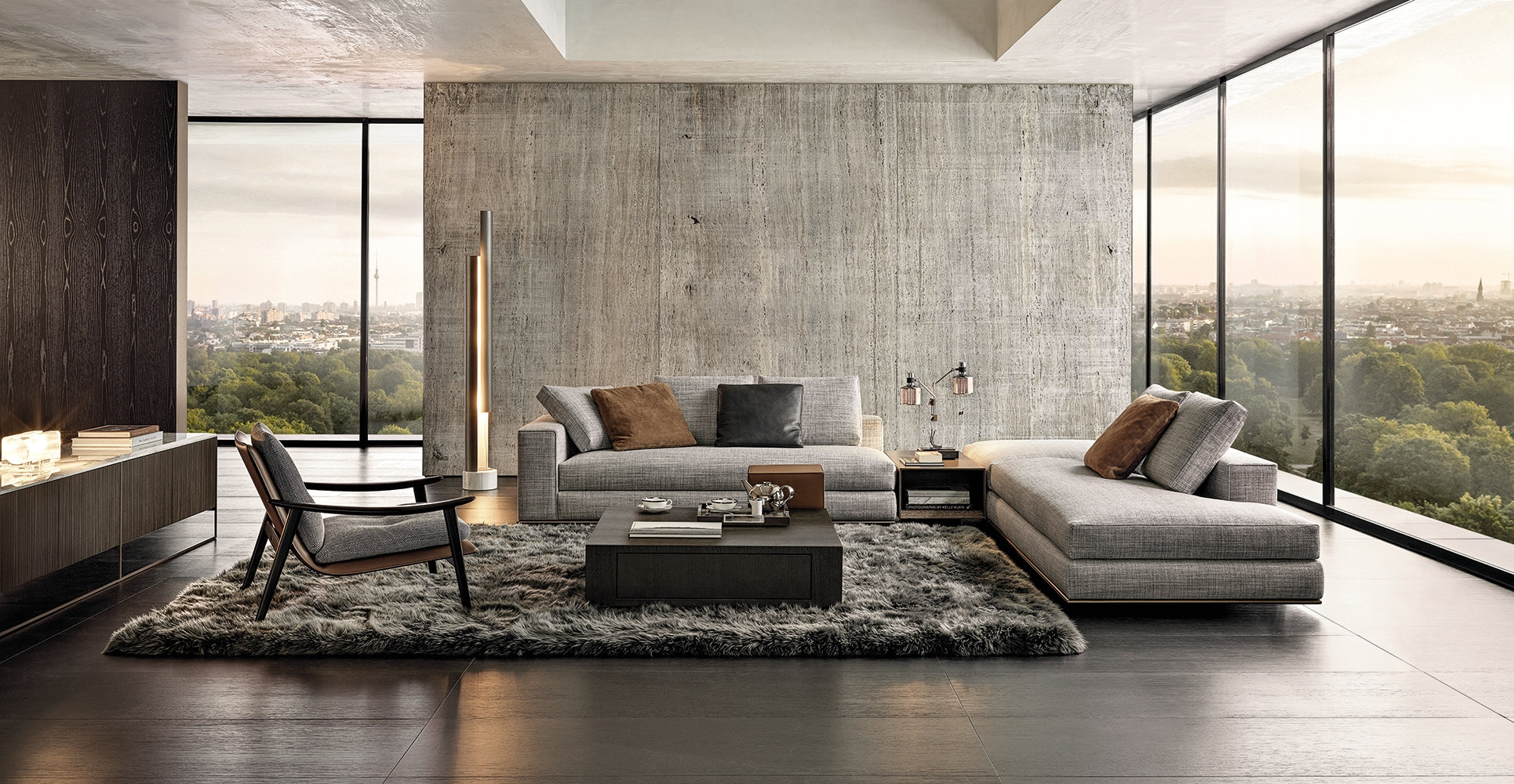
Modern interior design focuses on simplicity, functionality, and visual clarity. Clean lines, neutral tones, and purposeful furniture define the aesthetic. The goal is not emptiness, but balance — every element earns its place.
Modern interior design remains one of the most requested styles in Gurgaon, Noida, and across Delhi NCR because it adapts easily to apartments, villas, and office spaces while maintaining a timeless appearance.
This guide breaks down the principles, materials, layouts, and expert techniques that create a strong modern interior design foundation.
What Is Modern Interior Design?
Modern interior design is rooted in early 20th-century design movements like Bauhaus, emphasizing function over decoration. It rejects excess ornamentation and prioritizes clarity of form.
Key characteristics include:
- Straight, clean architectural lines
- Open floor plans
- Neutral and monochrome palettes
- Natural light as a design element
- Functional furniture with minimal detailing
- Use of steel, glass, wood, and stone
Modern interior design is not the same as contemporary design. Modern refers to a defined historical style, while contemporary evolves with trends.
Core Principles of Modern Interior Design


A successful modern interior design project follows a few essential rules.
Simplicity
Every object should serve a purpose. Decorative clutter is replaced with intentional pieces.
Functionality
Storage, movement, and usability guide the layout. Furniture is arranged for flow, not just appearance.
Visual Balance
Negative space is important. Empty space allows furniture and architecture to breathe.
Honest Materials
Modern interior design celebrates raw textures:
- Exposed wood grain
- Brushed metal
- Concrete finishes
- Matte surfaces
- Glass partitions
Color Palette in Modern Interior Design
Modern interiors rely on restrained color use. Neutral bases create calm environments and make rooms appear larger.
Common palettes include:
- White and warm beige
- Grey and charcoal
- Black accents
- Earth tones
- Muted greens or blues
Accent colors appear through art, cushions, or a single statement chair — not across entire walls.
This palette is especially effective in urban homes in Delhi NCR where space optimization matters.
Furniture Style in Modern Interior Design

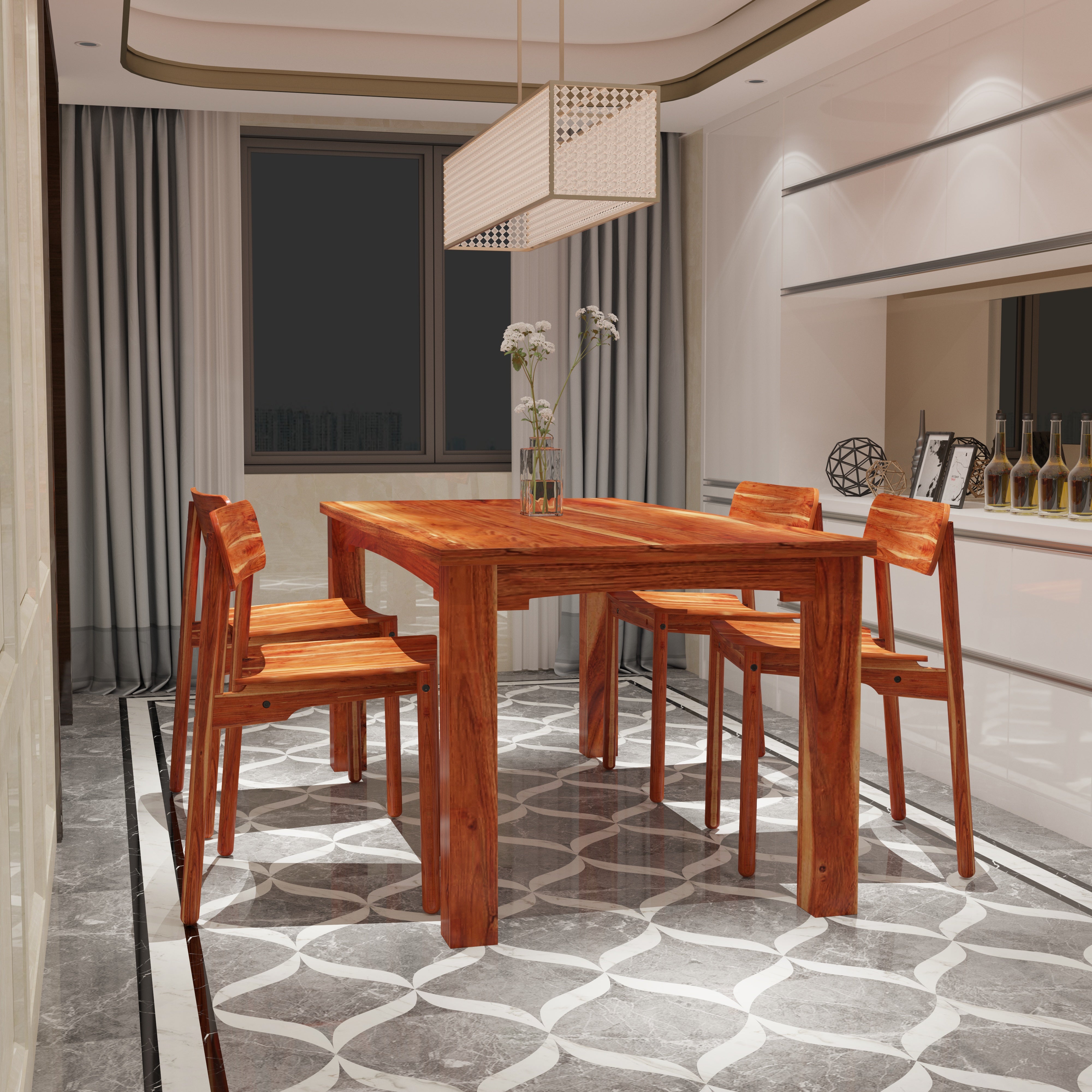


Furniture in modern interior design is low-profile, geometric, and purposeful. Pieces often highlight craftsmanship and material quality.
Influences from designers like Le Corbusier shaped modern furniture philosophy: form must follow function.
Key furniture traits:
- Straight silhouettes
- Slim legs
- Floating storage units
- Built-in cabinetry
- Hidden handles
- Multi-functional pieces
In compact Gurgaon or Noida apartments, modular furniture supports both style and practicality.
Lighting in Modern Interior Design
Lighting is architectural, not decorative. It shapes space and defines mood.
Modern lighting strategies include:
- Recessed ceiling lights
- Linear LED strips
- Pendant fixtures with simple forms
- Floor lamps with sculptural lines
- Large windows maximizing daylight
Layered lighting ensures functionality without visual clutter.
Materials That Define Modern Spaces
Material selection anchors the design. Modern interior design avoids heavy ornamentation and instead focuses on texture contrast.
Common materials:
- Natural wood
- Marble or quartz
- Polished concrete
- Tempered glass
- Stainless steel
- Matte laminates
Combining warm and cool materials prevents the space from feeling sterile.
Layout Strategy for Modern Homes


Open layouts define modern living. Walls are minimized to encourage flow and social connection.
Effective layout planning includes:
- Open living-dining-kitchen concepts
- Clear walking paths
- Zoning through rugs and lighting
- Floating furniture instead of wall-hugging layouts
- Hidden storage to maintain visual clarity
This approach works especially well in high-rise apartments common in Delhi NCR developments.
Benefits of Modern Interior Design
Modern interior design offers long-term practical advantages:
- Makes small spaces appear larger
- Easy maintenance
- Timeless aesthetic
- Flexible furniture arrangement
- High resale appeal
- Strong natural lighting integration
It is both a lifestyle choice and a smart investment.
Summary
Modern interior design prioritizes clarity, function, and balance. Clean lines, neutral palettes, and honest materials create spaces that feel open and intentional. Whether designing a compact Noida apartment or a Gurgaon villa, the principles remain consistent: reduce excess, emphasize structure, and let materials speak.
A well-executed modern interior design does not chase trends. It builds a foundation that stays relevant for decades.
Explore how these principles can shape your next project and adapt them to your lifestyle, space constraints, and architectural context.