Zero-waste interior design aligns perfectly with the philosophy of calm, balance, and intentional living found in the Zen interior style. Zero-waste interior design minimizes environmental impact while creating spaces that feel peaceful, uncluttered, and deeply functional.
In sustainability-conscious cities like Gurgaon, Noida, and Delhi NCR, homeowners are increasingly embracing zero-waste interior design to achieve Zen-inspired interiors that support both well-being and the planet.
Understanding Zero-Waste Interior Design in Zen Interior Style
Zero-waste interior design focuses on reducing material waste through conscious planning, long-lasting materials, and minimal excess. When paired with Zen interior style, it emphasizes simplicity, natural elements, and mindful use of space.
Core principles include:
- Minimalism with purpose
- Thoughtful material selection
- Long-life design solutions
- Clutter-free spatial planning
This approach ensures interiors feel calm, efficient, and environmentally responsible.
Why Zero-Waste Interior Design Complements Zen Interior Style
Zen interiors rely on balance and restraint. Zero-waste interior design supports this by eliminating unnecessary elements and encouraging mindful choices.
Key benefits:
- Reduced visual and material clutter
- Lower environmental footprint
- Enhanced sense of calm and clarity
- Long-term cost efficiency
For homes in Delhi NCR, this combination creates interiors that are timeless rather than trend-driven.
Spatial Planning for Zero-Waste Zen Interiors
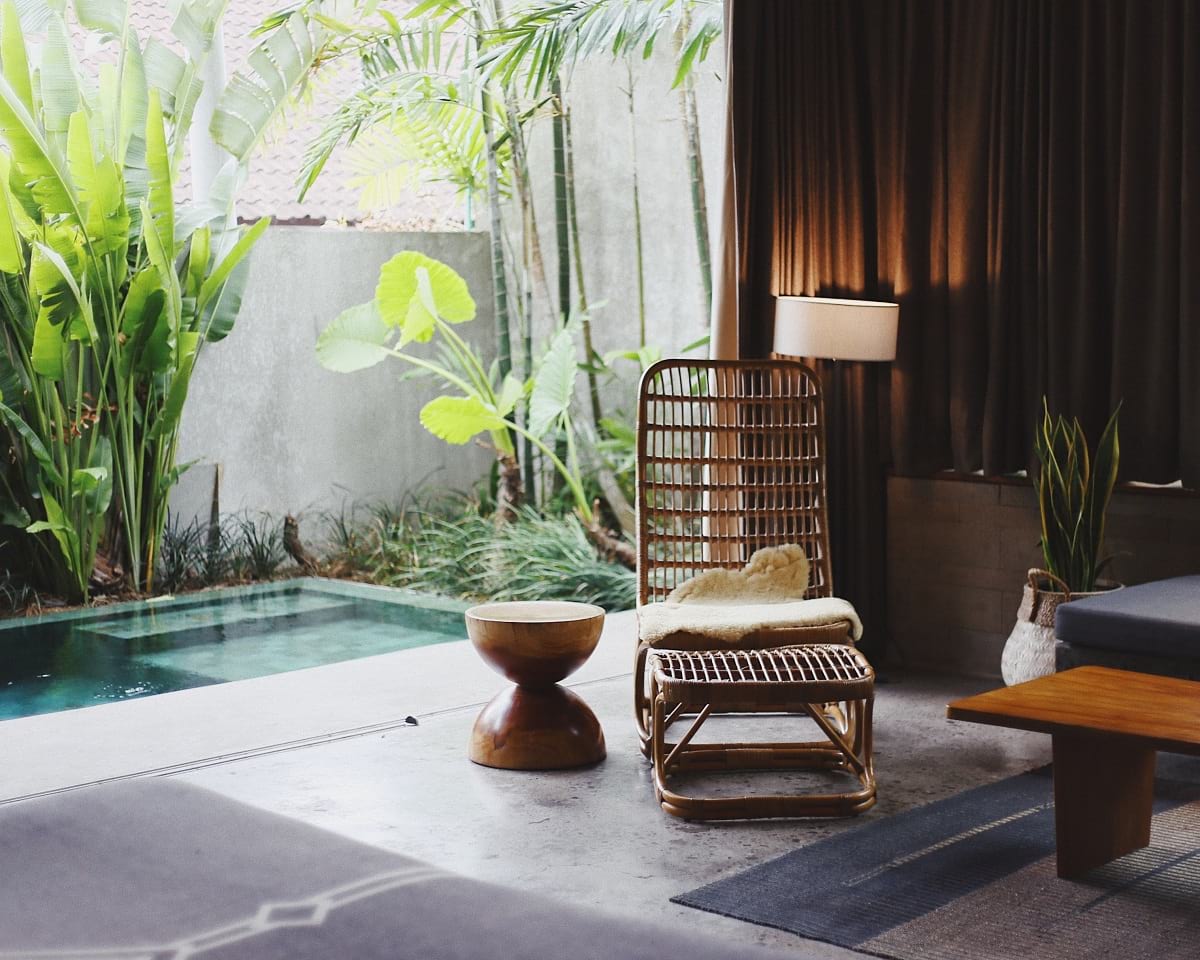
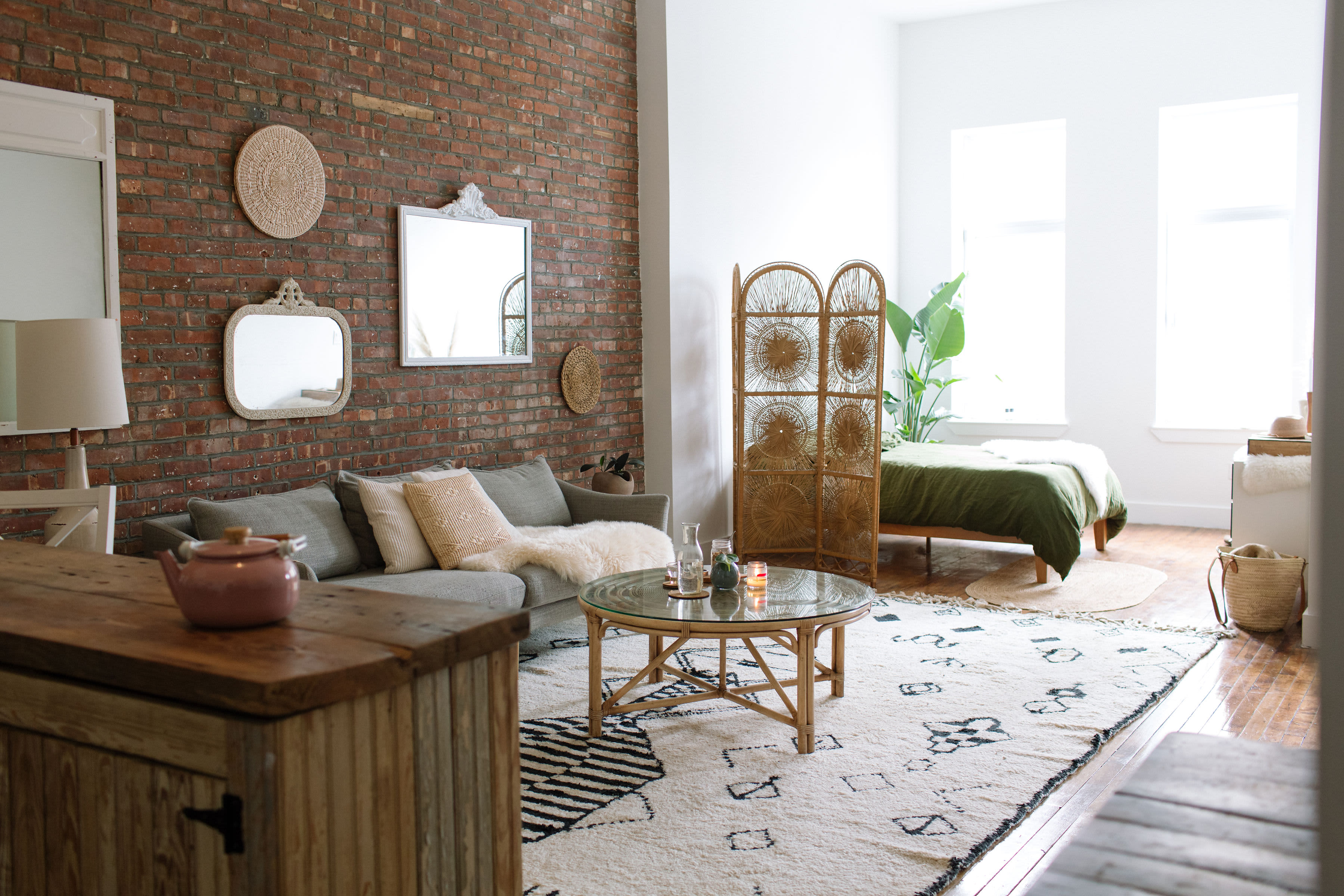


Spatial planning plays a critical role in zero-waste interior design.
Effective strategies include:
- Multi-functional spaces instead of excess rooms
- Open layouts to reduce partition materials
- Clear circulation paths for energy flow
- Purpose-driven furniture placement
These principles reflect the calm structure of Zen interior style.
Material Choices in Zero-Waste Interior Design
Material selection defines sustainability.
Preferred materials include:
- Natural wood from certified sources
- Bamboo, cork, and reclaimed timber
- Lime plaster or clay-based wall finishes
- Stone, terrazzo, or recycled tiles
These materials age gracefully and align with Zen interior style aesthetics.
Color Palette for Zero-Waste Zen Interior Style
Zen interiors rely on natural, grounded colors.
Recommended palettes:
- Soft whites and warm off-whites
- Earthy beiges and sand tones
- Muted greens inspired by nature
- Stone greys for balance
Zero-waste interior design avoids frequent repainting by using timeless, neutral shades.
Furniture Selection in Zero-Waste Zen Interiors
Furniture must be intentional and durable.
Best practices include:
- Fewer, well-crafted furniture pieces
- Modular or repairable furniture designs
- Locally crafted or reclaimed furniture
- Avoiding fast-furniture trends
This ensures longevity while maintaining Zen interior style simplicity.
Storage and Decluttering in Zen Interior Style
Clutter disrupts calm. Zero-waste interior design prioritizes smart storage to reduce excess consumption.
Effective storage solutions:
- Built-in storage using existing niches
- Closed storage to maintain visual calm
- Minimal open shelving
- Dedicated zones to avoid duplication
This supports a clutter-free Zen interior style.
Lighting for Zero-Waste Zen Interiors
Lighting should feel natural and unobtrusive.
Lighting strategies include:
- Maximizing natural daylight
- Energy-efficient LED lighting
- Warm, diffused lighting fixtures
- Minimal decorative lighting
This reduces energy use while enhancing the tranquil Zen atmosphere.
Textile and Décor Choices in Zero-Waste Interior Design
Soft furnishings should be minimal and sustainable.
Preferred choices:
- Organic cotton or linen fabrics
- Neutral-toned rugs and cushions
- Handcrafted décor over mass-produced items
- Fewer accessories with meaningful presence
Zen interior style values quality over quantity.
Common Mistakes to Avoid
Avoid these issues:
- Over-minimalism that compromises comfort
- Using “eco” materials without durability
- Excessive built-in elements
- Ignoring natural light and airflow
Balanced planning is key to successful zero-waste interior design.
Final Perspective on Zero-Waste Zen Interior Style
Zero-waste interior design enhances Zen interior style by aligning sustainability with simplicity. Together, they create interiors that feel light, grounded, and purpose-driven—ideal for mindful living.
Summary & Call to Action
Zero-waste interior design brings sustainability, calm, and long-term value to Zen interior style homes in Gurgaon, Noida, and Delhi NCR. Thoughtful choices today result in interiors that remain peaceful and responsible for years to come.
Explore more zero-waste interior design ideas, share your sustainability goals, or discover Zen interior style solutions to create a home that nurtures both you and the environment.