The cost of hiring an interior designer can vary widely based on several elements. Understanding these factors will help you plan your budget better, compare quotes, and make smarter choices when working with professionals.
1. Size of the Home
- Bigger homes = higher costs. More rooms mean more materials, furniture, and finishes.
- Carpet area directly affects cost per sq. ft. (₹1,500 – ₹3,000+ per sq. ft. in metros).
- Example: A 1BHK may cost ₹3.5–6 Lakhs, while a villa can easily cross ₹30 Lakhs.
2. Scope of Work
- Essentials → Kitchen + wardrobes + painting.
- Premium → Adds furniture, false ceilings, décor, and branded fittings.
- Luxe → Bespoke designs, imported finishes, home automation, and luxury décor.
The broader the scope, the higher the cost.
3. Material Selection
- Budget Finishes → Laminates, standard tiles, local fittings.
- Premium Finishes → Acrylics, quartz countertops, branded sanitaryware.
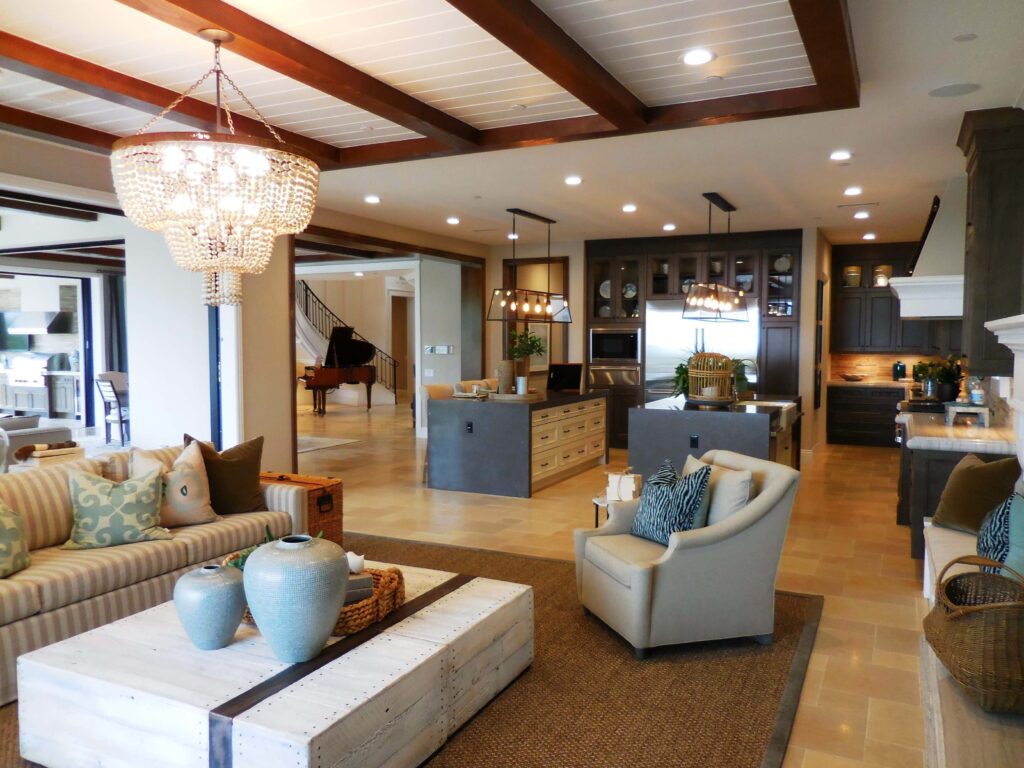
- Luxury Finishes → Veneers, imported marble, hardwood, custom lighting, designer décor.
Your material choice can double or triple the final budget.
4. Customization vs Ready-Made
- Ready-made furniture → Cheaper and quicker, but limited in design.
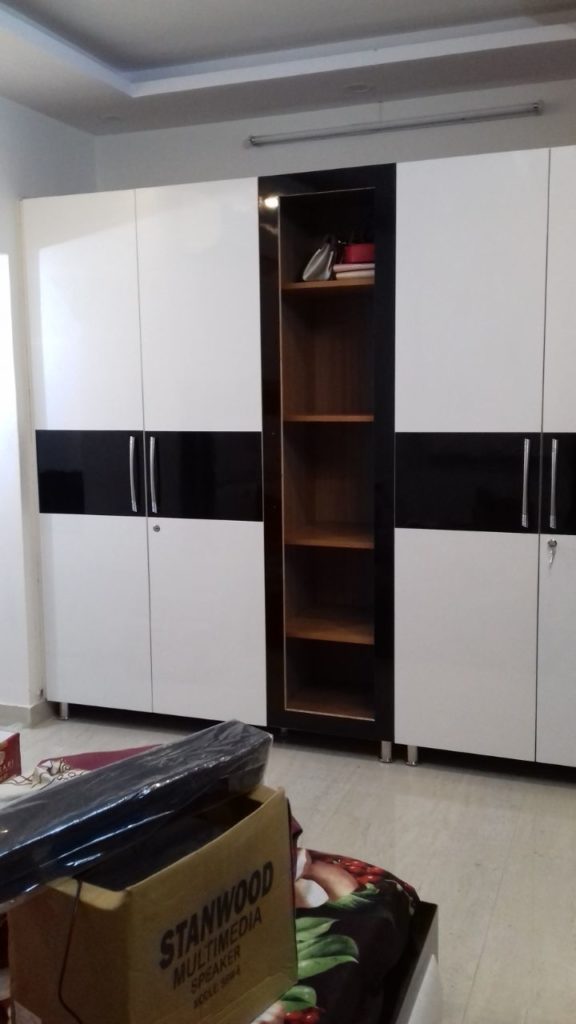
- Custom carpentry → Perfect fit and style but costs more due to labor and materials.
- Bespoke furniture & wardrobes add a significant premium to costs.
5. Location & City Premium
- Interior designer costs are higher in metros like Delhi NCR, Mumbai, and Bangalore compared to Tier-2 cities.
- Within cities, premium neighborhoods also see higher labor, logistics, and sourcing charges.
6. Designer Fees & Experience
- Freelance designers may charge lower fees, but offer limited project management.
- Established firms charge more but provide turnkey solutions (design, execution, warranty, after-sales).
- Experience level of the designer influences consultation fees and overall pricing.
7. Design Style & Complexity
- Minimal interiors cost less as they use fewer finishes and simpler layouts.
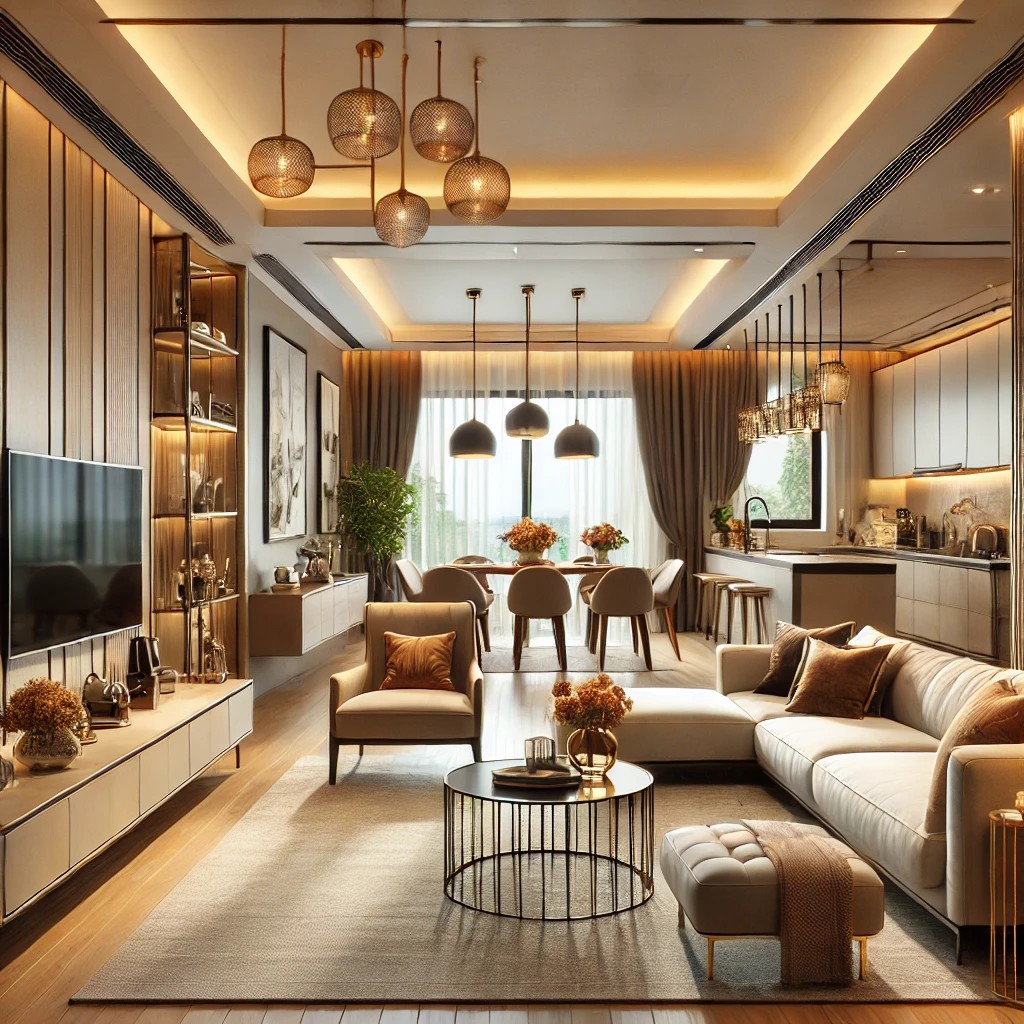
- Premium/Contemporary designs involve layered lighting, modular furniture, and décor.
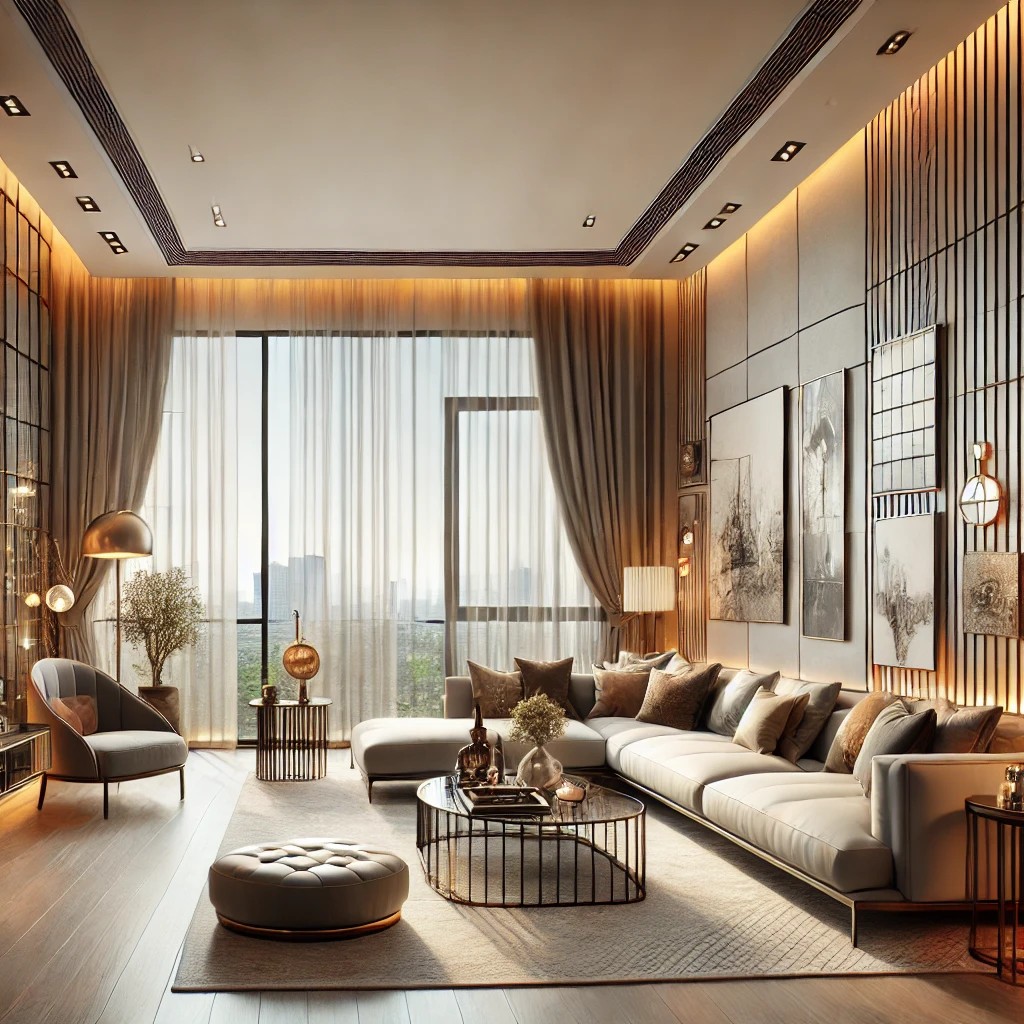
- Luxury interiors include imported materials, intricate false ceilings, home automation, and statement décor—all raising costs.
8. Renovation vs New Interiors
- Renovations often cost more than new setups due to demolition, structural changes, and rework on plumbing/electricals.
- New apartments (bare shell) are easier and cheaper to design.
✅ Quick Insight: The biggest factors influencing interior designer cost are home size, material choices, scope of work, and location. By adjusting these elements, you can create a design plan that fits your budget without compromising on essentials.
Would you like me to create a visual checklist infographic (icons for home size, materials, scope, customization, location, etc.) so this section looks more engaging for readers?