How to Reach Out to Interior Designers With the Right Brief
A clear first message can make it easier for an interior designer to understand your property, requirements, budget and timeline — and helps you compare suitable professionals more effectively.
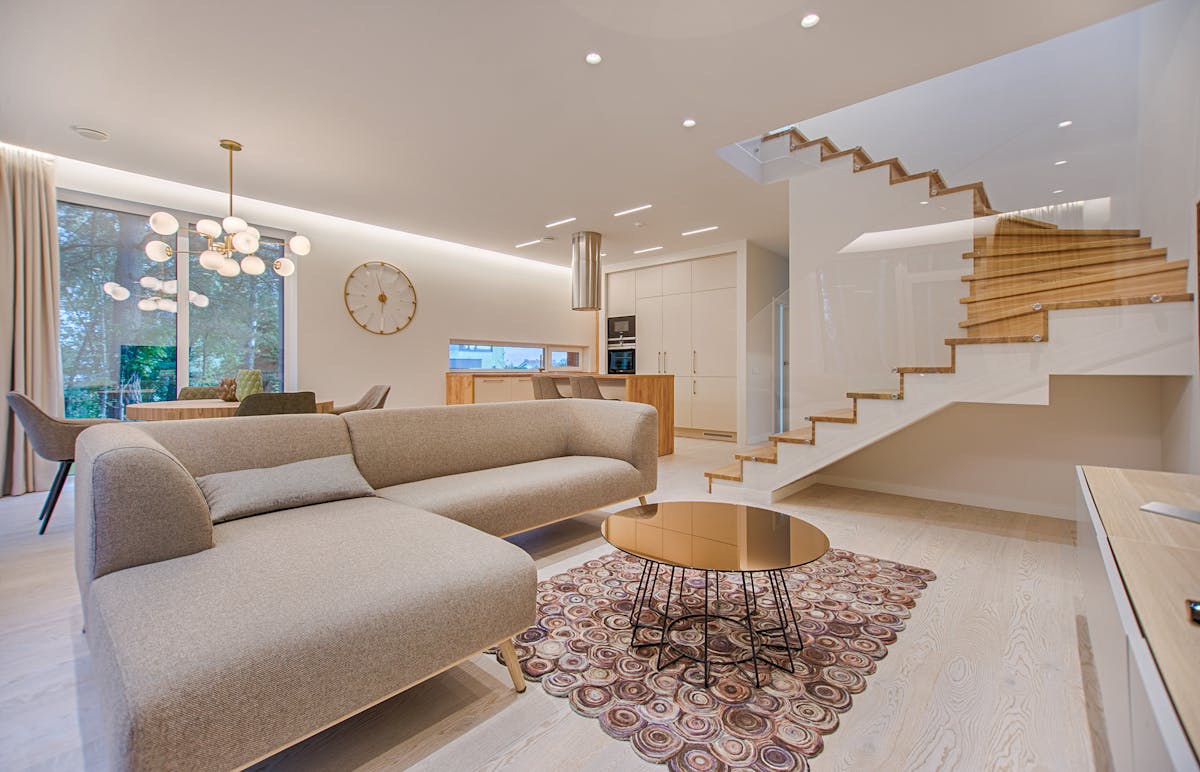
A better first conversation starts before you make the call.
Reaching out to an interior designer does not require a perfect design brief. It does require enough information for the designer to understand what you are planning.
Property type, location, approximate size, rooms, required services, preferred style, budget and timeline are usually more useful than a long description of every design idea.
The goal of the first contact is to establish whether the project, process, scope and expectations are a suitable match.
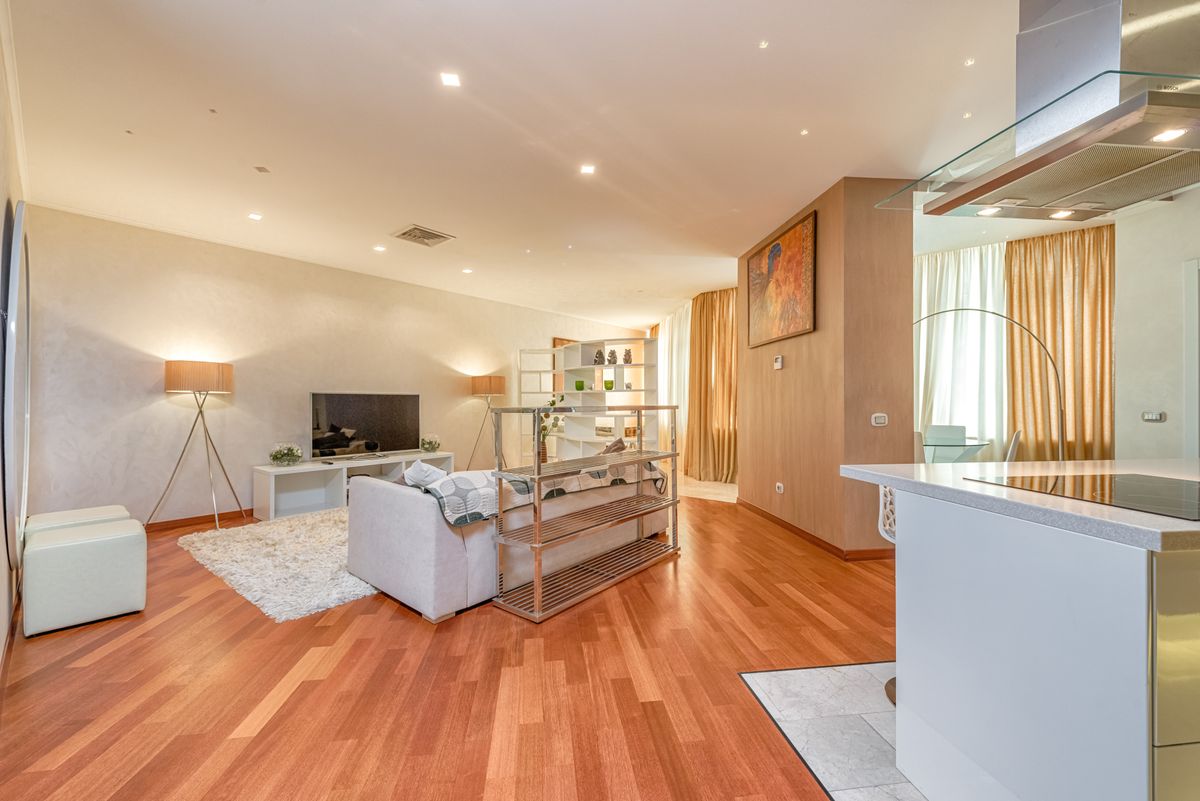
Have the essentials ready.
You do not need technical drawings or a finished design. A concise set of accurate project details is enough to begin a useful conversation.
Property Details
Share the property type, location, approximate area, number of rooms and whether it is new, occupied, under construction or being renovated.
What You Need
Explain whether you need complete interiors, a modular kitchen, wardrobes, renovation, furniture, styling, design-only or execution.
Design Direction
Share preferred styles, reference images, colours, existing furniture and features that are important to you.
Budget Range
Give an approximate range where possible. This helps the designer understand the level of materials, furniture and execution to consider.
Target Dates
Mention when you expect to start and when you would ideally like the project completed.
Useful Files
Keep your floor plan, measurements, photographs, videos, inspiration images and builder or society guidelines ready.
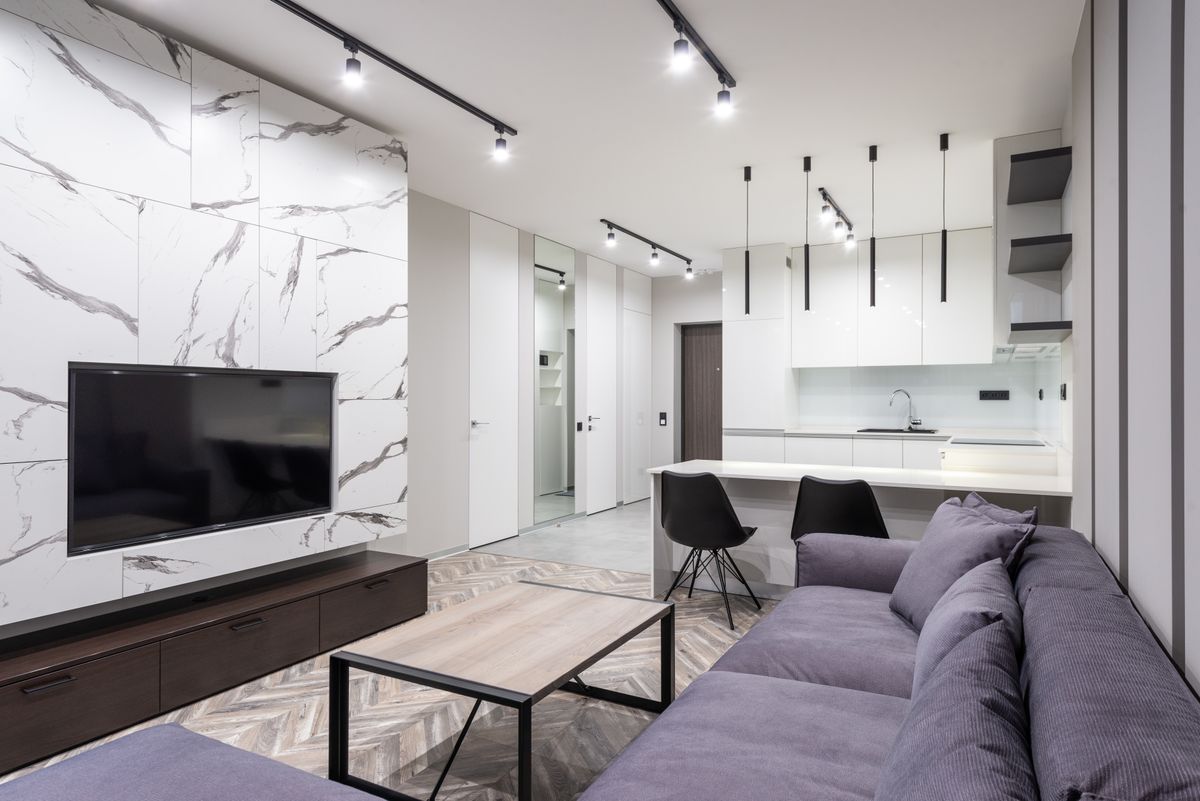
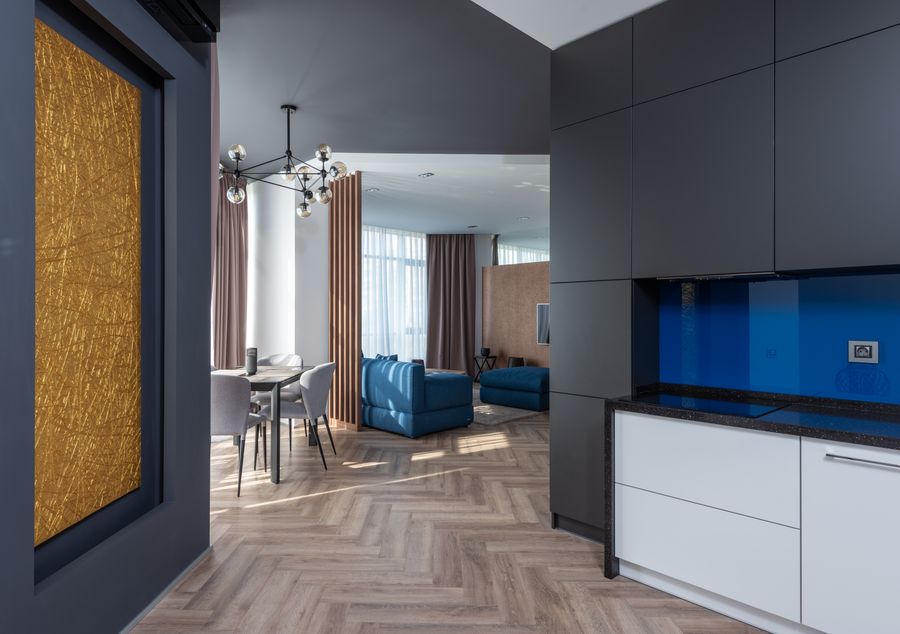
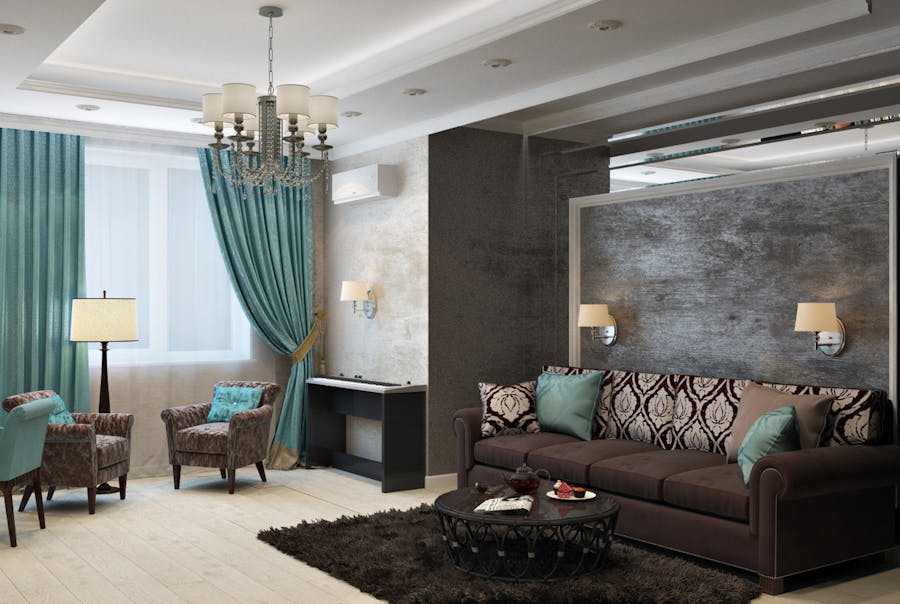
Look for project relevance, not only attractive photographs.
A beautiful portfolio is useful, but it does not tell you everything about how a designer works. Look for projects similar to your property, scale, requirements and desired design direction.
Look for completed work involving similar property types, room sizes, design styles and project scopes.
Check whether the designer provides design only, procurement, fabrication, installation, execution coordination or turnkey services.
For site-based projects, consider whether the designer regularly works in your location and understands local building or society conditions.
A designer experienced with projects similar in size and complexity may be easier to evaluate than a portfolio with unrelated work.
Start with one clear channel.
Different channels work for different stages. Keep the initial enquiry simple and move important decisions into a written format.
Contact Form
Useful for a structured first enquiry where you can include project details and contact information.
Call
Useful for quickly confirming location, project type, availability and whether the designer handles your requirements.
Quick Enquiry
Convenient for photographs, floor plans and short questions. Keep the important project scope documented afterwards.
Formal Brief
Useful when you need to send several documents, a detailed brief, requirements or follow-up questions.
Initial Introduction
A social message can start the conversation, but project details are generally easier to manage through a formal channel afterwards.
Keep One Thread
Avoid sending different incomplete messages through several channels. Ask which communication method the studio prefers.
Keep your enquiry short, specific and useful.
A designer should be able to understand the project quickly without searching through a long conversation for the important details.
The first conversation should clarify the next step.
Pay attention to whether the response addresses your brief and whether the designer asks useful questions before discussing the project further.
Did they understand?
A relevant response should acknowledge the property, scope and requirements you shared.
Is the process clear?
Ask how consultation, design, revisions, quotation and execution are normally handled.
Are the services clear?
Confirm what is included and what is outside the proposed scope.
Is availability realistic?
Discuss expected start dates and whether the proposed timeline suits the project stage.
Are questions relevant?
Useful questions about lifestyle, measurements, budget and requirements can help develop the brief.
Can it be documented?
Important decisions about scope, fees and deliverables should eventually be recorded in writing.
Choose the meeting format based on the project stage.
Useful when the project is still at an early stage and you need to understand services, approach, availability and next steps.
Useful when you want to discuss materials, drawings, previous projects or the designer’s working process in more detail.
Appropriate when existing conditions, dimensions, access, services or construction constraints need to be assessed.
Before a consultation or site visit, clarify whether there is a fee and what you will receive afterwards.
Get clarity before you appoint a designer.
Understand who will design, coordinate, communicate with you and manage execution if execution is included.
Ask how the project moves from brief and concept through design, materials, fabrication, installation and handover.
Confirm the revision process and how additional changes are treated.
Ask whether layouts, elevations, technical drawings, 3D views, material schedules and other documentation are included.
Check quantities, materials, hardware, installation, taxes, transport, civil work and other relevant costs.
Confirm the process for variations, delays, defects, approvals, warranties and additional work.
Understand when payments are due and what deliverables or milestones each payment relates to.
Ask for projects similar to your property, scope or design direction rather than relying only on generic portfolio images.
Compare the same scope, not just the headline fee.
If you contact several designers, provide substantially the same core brief. This makes differences in scope, documentation and execution easier to understand.
Portfolio
Compare relevance to your property, size, style and project type.
Design Process
Compare consultation, planning, drawings, revisions and approvals.
Materials
Review board, finish, hardware, fixtures and other specifications.
Execution
Confirm fabrication, delivery, installation, site coordination and finishing responsibilities.
Exclusions
Identify items that are not included before comparing totals.
Payment
Compare payment milestones, cancellation terms and variation procedures.
Clarity matters before money and work change hands.
Be cautious when significant payment is requested before the scope, deliverables and responsibilities are clearly defined.
A quotation should make important specifications, quantities, exclusions and milestones understandable.
Timelines and costs should account for measurements, approvals, materials, fabrication and site conditions.
Confirm who handles design, procurement, contractors, installation, defects and communication.
Ask relevant questions about completed projects and the team involved when portfolio information is unclear.
Important scope, payment, revision, timeline and variation terms should be documented before substantial work begins.
Put the agreed project into writing.
Once you decide to proceed, the written proposal or agreement should make the project understandable to both sides.
Reaching out to interior designers in Delhi, Gurgaon and Noida.
For a Delhi NCR project, include the exact location and any property access or building restrictions you already know. This can help establish whether site visits, measurements, deliveries and execution coordination are practical.
Delhi
Share locality, property type, floor, access information and required interior scope when making your first enquiry.
Home interiors in Delhi NCR →Gurgaon / Gurugram
Mention apartment or builder-floor details, possession status, society requirements and your expected project timeline.
Interior design in Gurgaon →Noida
Include sector, property type, size, handover status and whether you need design-only or complete execution.
Interior designers in Noida →Useful pages before you contact a designer.
How to Reach Out to Interior Designers FAQs
What should I say when contacting an interior designer?
Introduce yourself, mention the property location and type, approximate size, rooms or services required, preferred style, approximate budget and target timeline. Then ask about relevant portfolio work, process, availability, fees and next steps.
What information should I send to an interior designer?
Send the floor plan or measurements, property photographs, room list, inspiration images, existing furniture information, preferred style, budget range, timeline and any builder or society guidelines you have.
Should I tell an interior designer my budget?
Sharing an approximate budget range can help a designer understand the expected project level and suggest suitable materials, furniture and scope. The final quotation should be based on the agreed project requirements.
How many interior designers should I contact?
You can contact several suitable designers and provide the same core brief so that portfolios, scope, process, fees and proposals can be compared more consistently.
Should I call, WhatsApp or email an interior designer?
Any of these can work. A call or WhatsApp can be useful for an initial enquiry, while email or a website form can be better for a detailed brief and attachments. Ask the designer which channel they prefer for project communication.
What questions should I ask an interior designer?
Ask about the project process, designer responsibility, deliverables, revisions, materials, quotation inclusions and exclusions, timeline, payment milestones, changes, defects, warranty and execution support.
Should I arrange a site visit before hiring a designer?
A site visit can be useful when measurements, existing conditions, access or services need to be assessed. For an early-stage project, a phone or video consultation may be sufficient for the first discussion.
How should I compare interior design quotations?
Compare the same scope and check quantities, material specifications, hardware, furniture, electrical work, civil work, installation, taxes, exclusions, timeline and payment milestones rather than only comparing the headline price.
What should be confirmed before hiring an interior designer?
Confirm the written scope, deliverables, materials, fees, payment schedule, timeline, responsibilities, revision process, variation procedure, cancellation terms and handover requirements.
How do I reach out to an interior designer in Delhi NCR?
Start with a concise brief containing your property location, type, size, requirements, budget and timeline. For Delhi NCR projects, mention access conditions, builder or society requirements and whether the site is ready for measurement or execution.
The right interior conversation starts with the right information.
Share your property location, floor plan, room requirements, preferred style, approximate budget and timeline. Start a clear discussion with Interior A to Z about your project.