Simple Living Room Decoration
How to Decorate a Living Room with Simple Things: 12 Easy Ideas
Refresh your living room without a major renovation. Use cushions, rugs, plants, lighting, artwork, mirrors, textiles, shelves and thoughtful furniture placement to create a comfortable, stylish home.

Quick Answer
You do not need expensive décor to improve a living room.
A stylish living room can often be created by editing what you already own, improving the layout and adding a few carefully chosen decorative elements.
Start with decluttering and furniture placement. Then introduce texture through cushions and throws, define the seating area with a correctly sized rug, add plants or artwork, and improve the lighting.
The current Interior A to Z guide similarly recommends small, flexible changes rather than a complete renovation, with emphasis on layout, textiles, lighting, plants, storage and personal décor. :contentReference[oaicite:0]{index=0}
12 Easy Ideas
Simple things that can make a big difference
Work through these ideas in order. Begin with free changes before buying new décor, then add only the pieces that solve a real visual or functional problem.
Layer Cushions and Throws
Add two or three coordinated colours and mix textures rather than filling the sofa with too many cushions.
- Choose washable everyday fabrics
- Repeat colours already present in the room
- Use texture to create depth
Add a Correctly Sized Rug
A rug can visually connect the sofa, chairs and coffee table while making the seating area feel more intentional.
- Connect the main furniture pieces
- Check door clearance
- Use suitable anti-slip protection
Bring in Indoor Plants
Plants add colour and natural texture without requiring a large decorative investment.
- Match plants to available light
- Protect floors from water
- Consider pets and maintenance
Rearrange the Furniture
Sometimes the most effective decoration is simply a better layout. Test different arrangements before buying anything.
- Improve conversation areas
- Keep circulation clear
- Check TV viewing comfort
Create a Personal Display
Use family photographs, travel memories, artwork, books or handcrafted objects to make the room feel personal.
- Group related pieces
- Keep frame colours coordinated
- Avoid filling every available surface
Layer the Lighting
Combine general lighting with table lamps, floor lamps, wall lights or subtle accent lighting for a more comfortable atmosphere.
- Use warm light for relaxing areas
- Reduce glare on screens
- Keep wiring safe and accessible
Place a Mirror Thoughtfully
A mirror can reflect useful daylight or an attractive part of the room and make a compact space feel more open.
- Reflect light rather than clutter
- Secure heavy mirrors properly
- Check glare before final installation
Refresh Curtains and Fabrics
Clean or replace curtains, cushion covers and small upholstery accents to introduce a noticeable change without construction.
- Consider sunlight exposure
- Choose practical washable fabrics
- Coordinate with the wall colour
Style the Coffee Table
A tray, a few books, a small vase or one decorative object can create a finished look while preserving useful table space.
- Keep the centre practical
- Use different heights
- Avoid fragile or unsafe objects where inappropriate
Create One DIY Accent
Repurpose clean jars, baskets, bottles, frames or other objects into simple decorative pieces.
- Choose meaningful objects
- Stabilise anything that could tip
- Use one or two DIY pieces instead of many
Add Practical Floating Shelves
Shelves provide display space without consuming valuable floor area.
- Check wall type before drilling
- Use appropriate load-rated fixings
- Leave comfortable clearance around seating
Choose One Statement Piece
A large artwork, floor lamp, chair, clock or sculptural object can anchor the room better than many small accessories.
- Let it establish the visual focus
- Repeat one of its colours elsewhere
- Edit competing décor
Simple Styling
Decorate by editing, layering and repeating
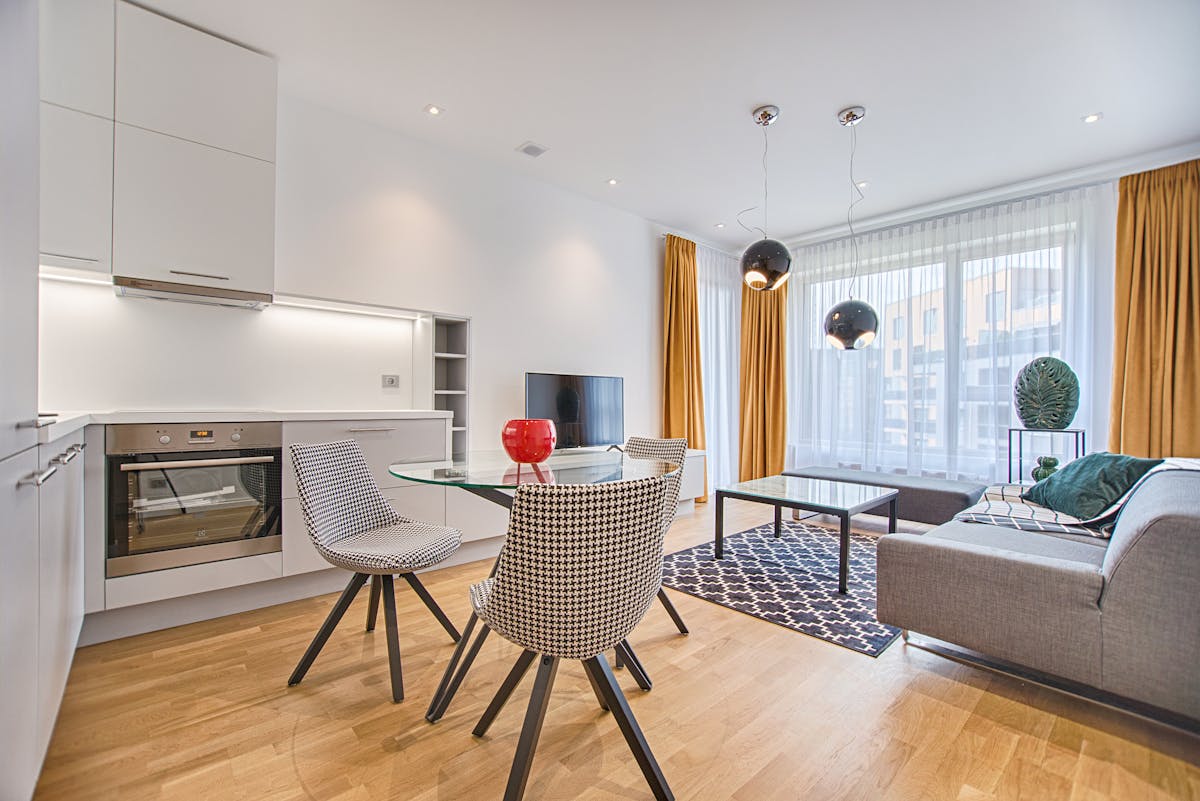
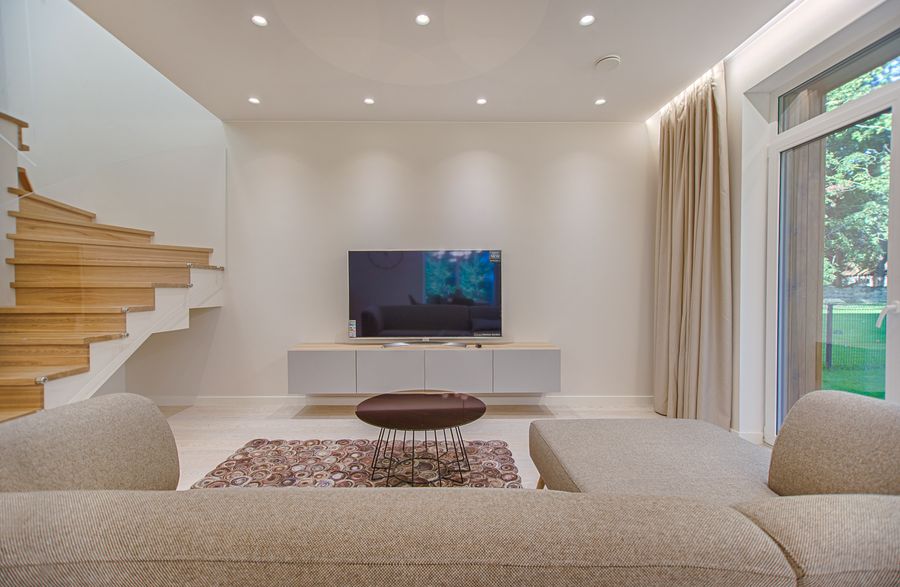
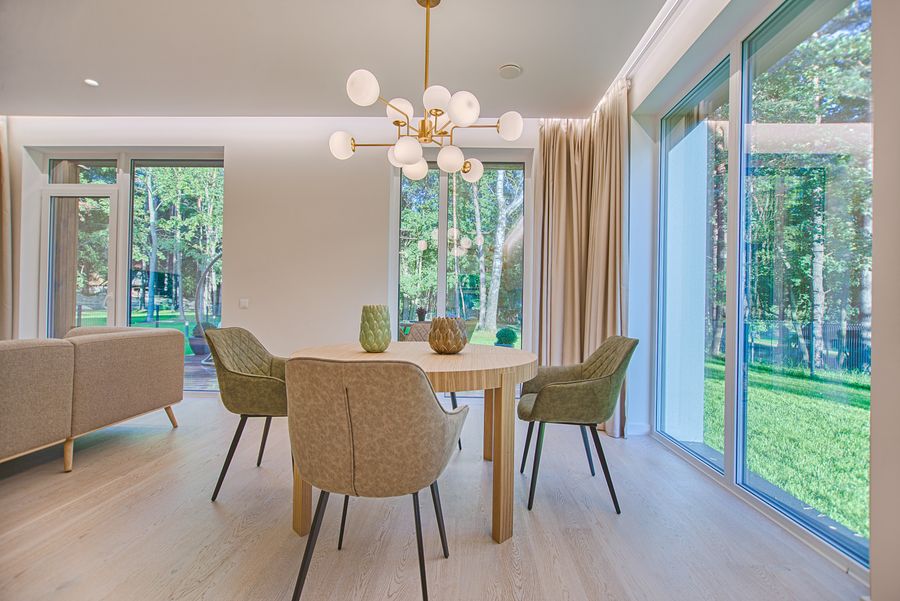
A room feels coordinated when colours, textures and materials appear more than once. Repeat a wood tone, accent colour or fabric texture rather than introducing a different finish for every object.
Colour & Texture
Create a simple colour scheme
You do not need many colours to make a living room interesting. Start with a neutral foundation and use a small number of repeated accents.
1. Neutral Base
Begin with the walls, flooring and largest furniture pieces. Cream, beige, warm white, grey or other restrained neutrals can provide a flexible foundation.
2. Main Accent
Introduce one stronger colour through cushions, artwork, curtains, a chair or selected accessories.
3. Supporting Tone
Add a second related tone and repeat it subtly through plants, wood, ceramics, textiles or artwork.
Texture can provide visual richness without adding more colours. Consider wood, cotton, wool, cane, glass, metal and natural fibres to create contrast while keeping the palette controlled.
Layout First
Before buying décor, fix the living room layout
Clear Routes
Keep practical paths between the entrance, seating, windows and adjoining rooms free from obstruction.
Right-Sized Rug
Connect the main seating furniture instead of using a very small rug that visually floats in the middle of the room.
Comfortable Table
Keep the coffee table close enough for everyday use without creating a trip hazard.
Useful Storage
Use baskets, shelves, cabinets or closed storage to control everyday clutter.
Also check door swings, drawers, vents, switches, windows and TV viewing angles. The existing Interior A to Z guide specifically recommends resolving these practical details before adding more décor. :contentReference[oaicite:1]{index=1}
Budget-Friendly Refresh
Decorate your living room in stages
A simple makeover does not need to happen all at once. Start with changes that cost nothing and add purchases only where they improve comfort, function or visual balance.
| Level | Simple Update | Purpose |
|---|---|---|
| Free | Declutter, clean, rearrange furniture and edit existing décor. | Improve space and circulation. |
| Low Cost | Add cushion covers, a throw, plant, tray, lamp or small artwork. | Add colour, comfort and warmth. |
| Moderate | Update the rug, curtains, mirror, artwork or shelves. | Strengthen zoning and visual identity. |
| Planned Upgrade | Improve lighting, paint, storage or one important furniture piece. | Create longer-term function and cohesion. |
This staged approach follows the current page’s core recommendation: begin with free changes, move to inexpensive accessories, then consider moderate and planned upgrades where they provide greater benefit. :contentReference[oaicite:2]{index=2}
Small Living Rooms
How to make a small living room look larger
Reduce Clutter
Keep surfaces selective and use closed or vertical storage for everyday objects.
Use Scaled Furniture
Measure sofas, tables and chairs before purchasing. Oversized furniture can quickly reduce useful circulation.
Reflect Useful Light
A correctly positioned mirror can reflect daylight or an attractive view and visually expand the room.
Use Vertical Space
Shelves, tall storage and wall-mounted elements can increase function without consuming additional floor area.
Everyday Family Living
Make simple décor practical for daily use
Choose Washable Fabrics
Cushion covers, throws and curtains should suit the amount of cleaning and everyday use the room receives.
Secure Heavy Objects
Mirrors, shelves and artwork need fixings appropriate to the wall type and the weight of the object.
Keep Walkways Clear
Décor should not obstruct doors, circulation paths, switches, vents or commonly used storage.
Control Small Objects
Use trays and baskets to group small items rather than spreading them across every available surface.
Avoid These Mistakes
What can make simple decoration look messy?
Too Many Colours
Several unrelated colours can make a small room feel visually fragmented.
Too Many Small Accessories
A collection of small objects can create clutter instead of decoration. Edit aggressively.
Wrong Rug Size
A very small rug can make the furniture arrangement look disconnected.
Blocking Windows
Tall furniture or excessive décor can reduce useful daylight and airflow.
Unsafe Fixings
Never hang heavy shelves, mirrors or artwork using unsuitable wall fixings.
Buying Before Measuring
Measure the room, doors, furniture and available wall space before purchasing large décor or furniture.
Delhi NCR Homes
Simple living room decoration for Delhi, Gurgaon and Noida
Delhi
Use practical fabrics, washable surfaces, plants suited to the available light and storage that helps control dust and everyday clutter.
Interior Designers in Delhi →Gurgaon
Contemporary apartments can benefit from layered lighting, coordinated textiles, artwork, greenery and clean-lined furniture.
Interior Design in Gurgaon →Noida
Compact flats can use multifunctional furniture, vertical storage, mirrors, rugs and selective décor to maximise usable space.
Interior Designers in Noida →Related Resources
Continue planning your living room
Frequently Asked Questions
Simple living room decoration FAQs
How can I decorate my living room without spending much?
Start by decluttering, cleaning textiles and rearranging furniture. Then add one or two high-impact items such as cushion covers, a plant, lamp, artwork or correctly sized rug.
Which simple things make the biggest difference?
Lighting, curtains, cushions, plants, a suitable rug and one focal artwork can noticeably change the room without construction.
How do I make a small living room look larger?
Keep circulation clear, use appropriately scaled furniture, reflect useful light with a secure mirror, reduce clutter and use vertical or closed storage.
How many colours should a living room use?
A neutral base with one main accent and one supporting tone is a practical starting point. Texture can add interest without adding many more colours.
How can I decorate a living room for everyday family use?
Choose washable fabrics, stable furniture, secure shelving, safe lighting, practical storage and décor placement appropriate for children and pets.
Can I decorate my living room without buying new furniture?
Yes. Rearranging furniture, editing décor, changing textiles, improving lighting, adding plants and creating a better display can substantially refresh a room.
How can I make a living room look expensive with simple things?
Focus on proportion, consistency and restraint. Use a coordinated palette, quality-looking textiles, layered lighting, one strong focal piece and fewer but better-arranged accessories.
What should I decorate first in a living room?
Start with layout and decluttering, then establish the main colour and furniture arrangement before adding rugs, textiles, lighting, plants and decorative accessories.
Refresh Your Living Room
Make your living room stylish with fewer, better choices.
Share your room photographs, dimensions, existing furniture, preferred style and approximate budget to develop a practical living room concept for your home.
Discuss Your Living Room