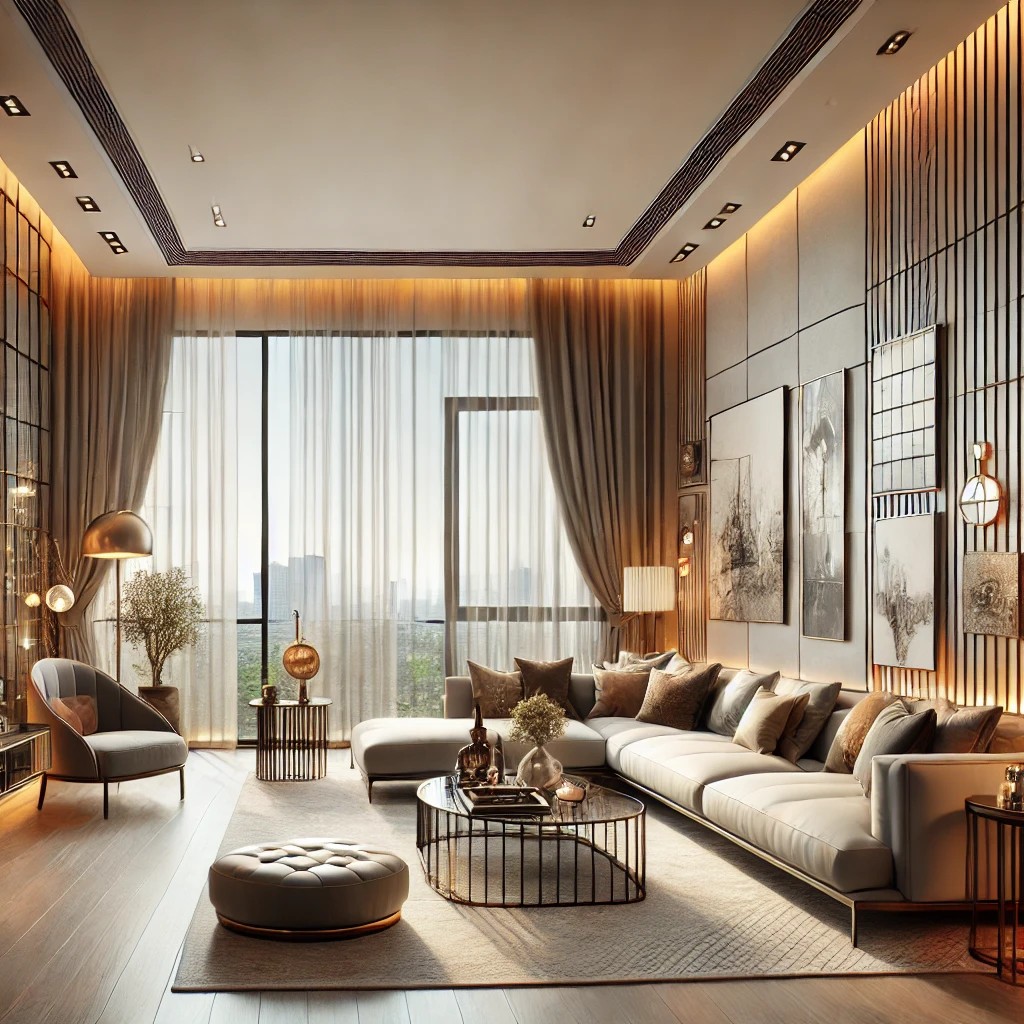
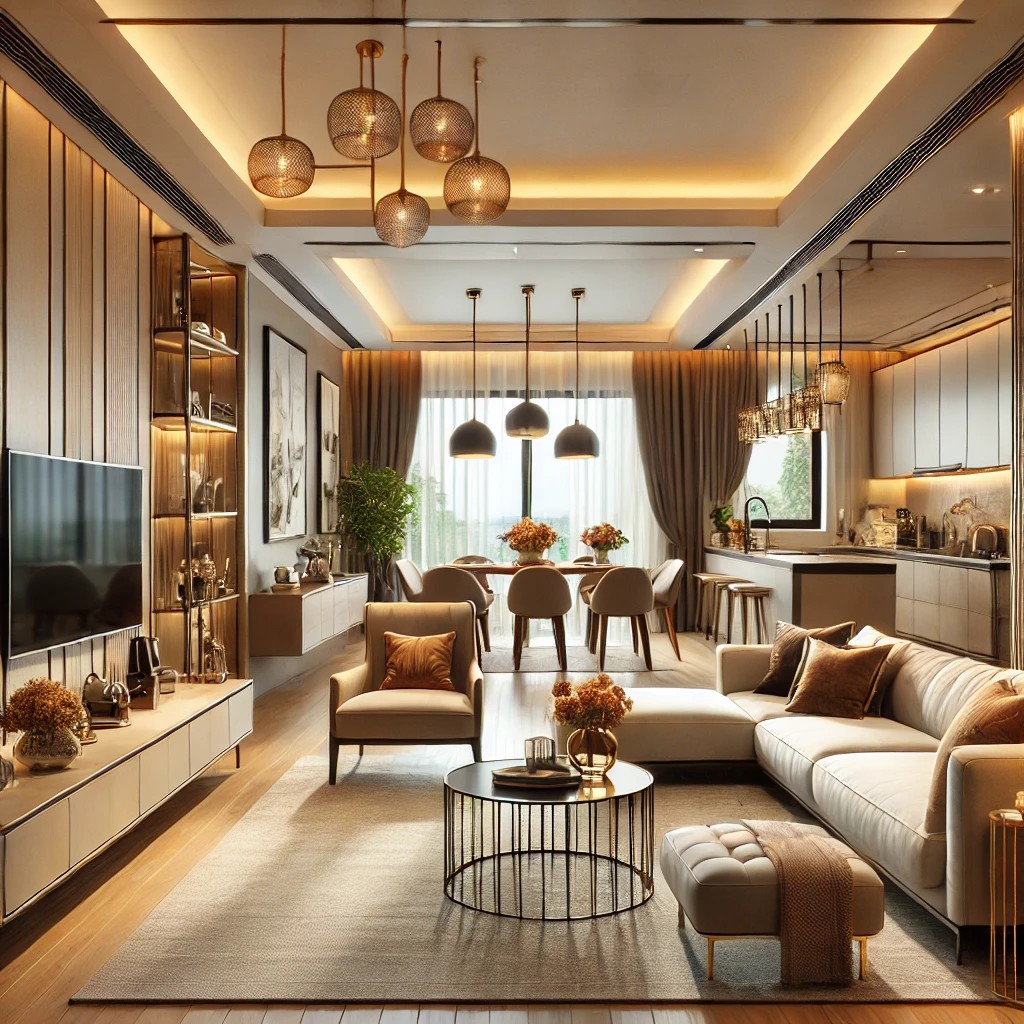
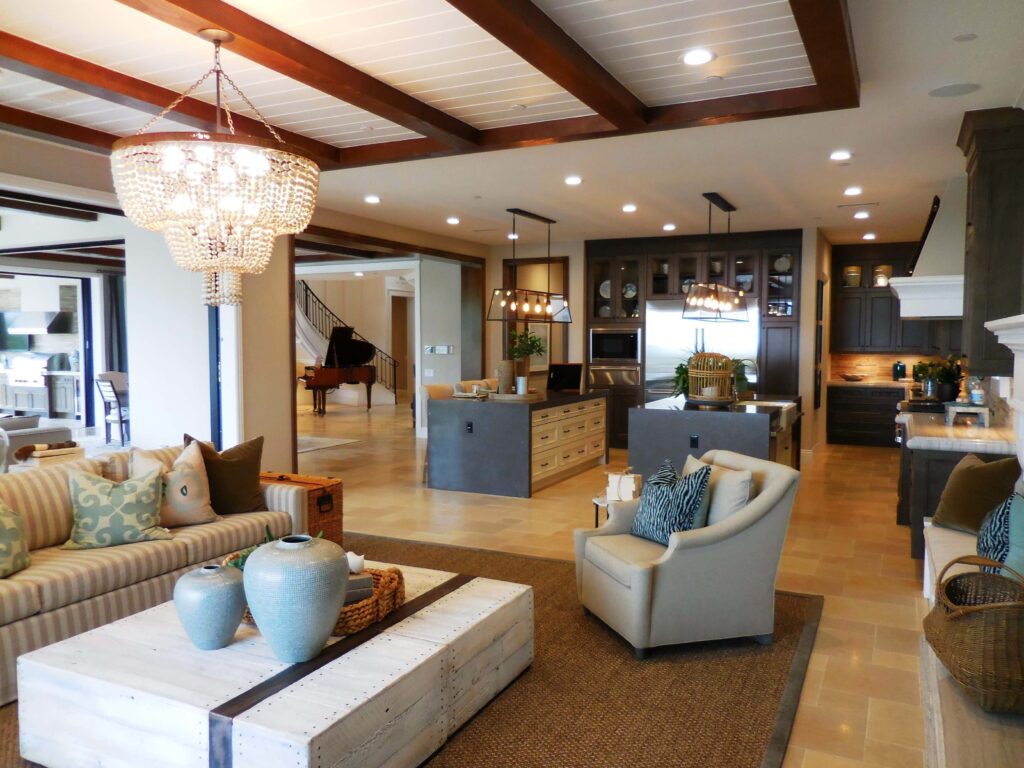
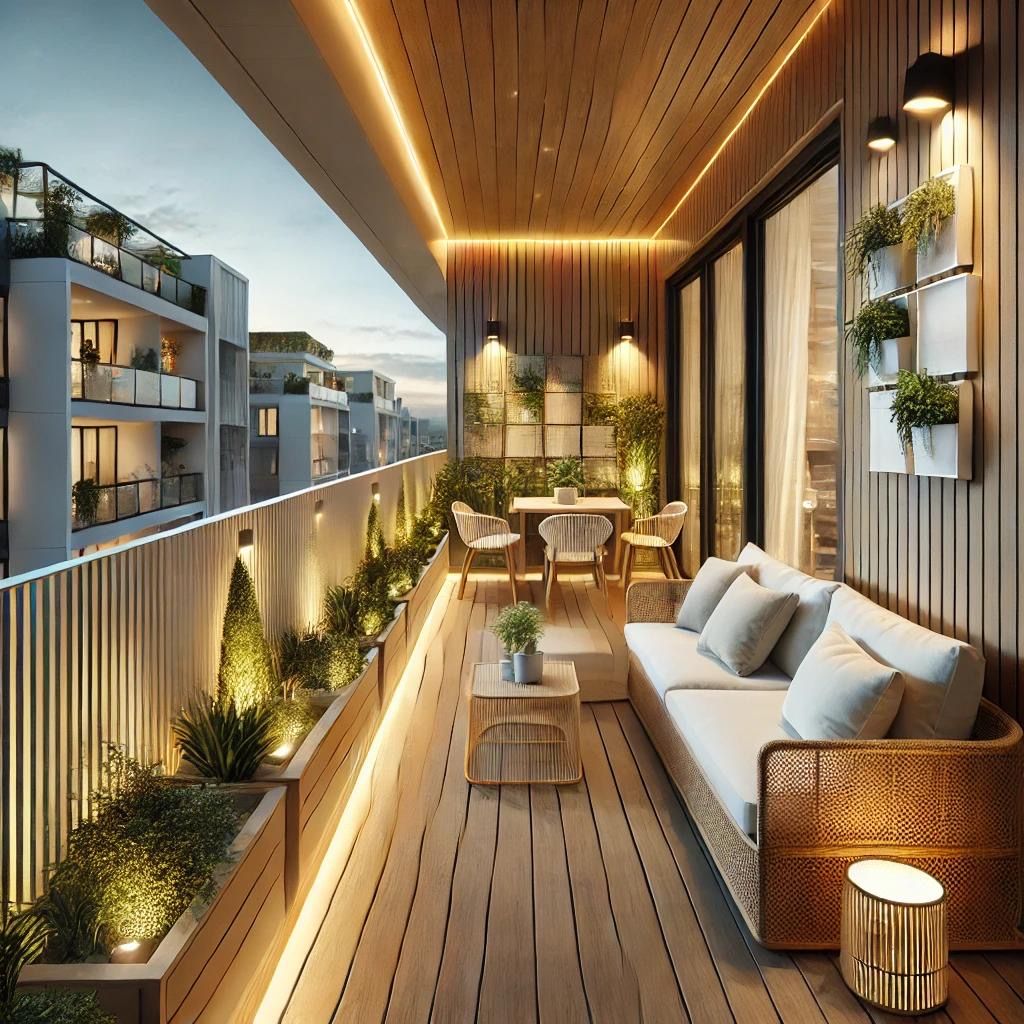
Interior designing is the art and science of enhancing the interior of a space to create a functional, aesthetically pleasing, and comfortable environment. It involves planning, designing, and decorating the interiors of residential, commercial, or industrial spaces to improve their usability, appeal, and overall experience. Interior designers use a combination of creativity, technical knowledge, and practical skills to transform spaces according to the needs and preferences of their clients.
Key Aspects of Interior Designing
- Space Planning
- Optimizing the layout of a space for functionality and flow.
- Arranging furniture, fixtures, and decor to maximize usability.
- Aesthetics
- Choosing color schemes, textures, and materials to create a visually appealing environment.
- Incorporating decorative elements like artwork, lighting, and accessories.
- Functionality
- Ensuring the space meets the practical needs of its users.
- Designing for comfort, convenience, and efficiency.
- Lighting
- Using natural and artificial lighting to enhance the mood and functionality of a space.
- Incorporating ambient, task, and accent lighting.
- Materials and Finishes
- Selecting appropriate materials for flooring, walls, ceilings, and furniture.
- Balancing durability, aesthetics, and cost.
- Sustainability
- Incorporating eco-friendly materials and energy-efficient solutions.
- Designing with a focus on reducing environmental impact.
- Style and Theme
- Creating a cohesive design theme, such as modern, traditional, minimalist, or eclectic.
- Reflecting the client’s personality and preferences in the design.
Types of Interior Designing
- Residential Interior Design
- Designing homes, apartments, and living spaces.
- Focuses on comfort, personal style, and functionality.
- Commercial Interior Design
- Designing offices, retail stores, restaurants, and hotels.
- Emphasizes branding, customer experience, and functionality.
- Hospitality Interior Design
- Creating inviting and luxurious spaces for hotels, resorts, and restaurants.
- Focuses on guest comfort and aesthetic appeal.
- Industrial Interior Design
- Designing functional and efficient spaces for factories, warehouses, and studios.
- Prioritizes practicality and safety.
Steps in the Interior Design Process
- Consultation
- Understanding the client’s needs, preferences, and budget.
- Concept Development
- Creating mood boards, sketches, and design concepts.
- Space Planning
- Developing a layout that optimizes the use of space.
- Material Selection
- Choosing colors, textures, furniture, and finishes.
- Execution
- Coordinating with contractors, carpenters, and other professionals.
- Overseeing the implementation of the design.
- Styling and Decoration
- Adding final touches like artwork, plants, and accessories.
Why is Interior Designing Important?
- Enhances the functionality and usability of a space.
- Improves the aesthetic appeal and creates a welcoming atmosphere.
- Reflects the personality and lifestyle of the occupants.
- Increases the value of a property.
- Promotes well-being and comfort through thoughtful design.
Interior designing is a blend of creativity, technical expertise, and problem-solving. Whether it’s a cozy home, a stylish office, or a luxurious hotel, interior design plays a crucial role in shaping how we experience and interact with spaces.