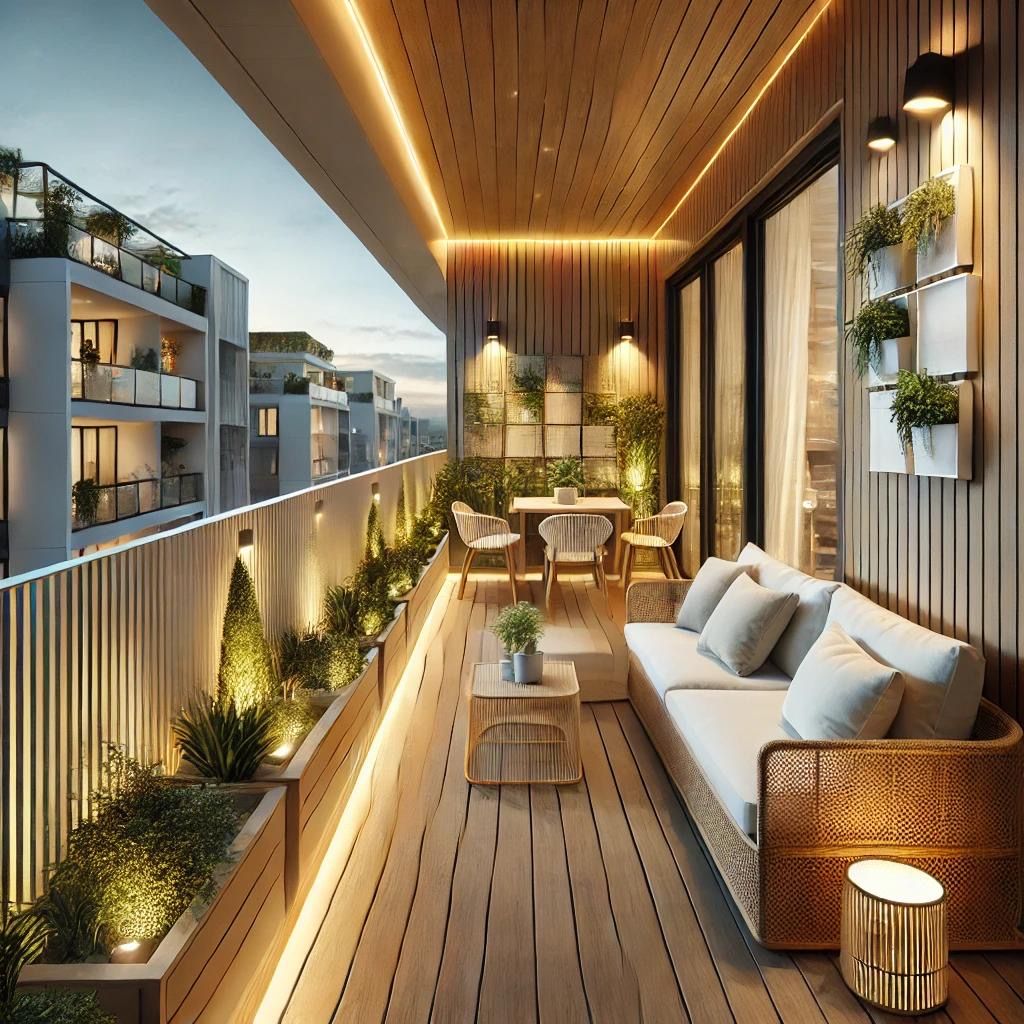
Scandinavian design has become a hallmark of modern interiors, celebrated for its minimalist aesthetic, functionality, and connection to nature. Rooted in the design philosophies of the Nordic countries—Denmark, Norway, Sweden, Finland, and Iceland—this style emphasizes simplicity, clean lines, and a soothing color palette. In this comprehensive guide, we will explore the principles of Scandinavian design, its key characteristics, benefits, and practical tips for incorporating this serene style into your home.
What is Scandinavian Design?
Scandinavian design is an approach that focuses on minimalism and functionality, combining beauty and practicality. It is characterized by a blend of craftsmanship and natural materials, resulting in environments that are both inviting and efficient. This design philosophy emphasizes creating spaces that promote comfort, simplicity, and a connection to the outdoors.
Key Characteristics of Scandinavian Design
1. Minimalist Aesthetic
- Clean Lines: Scandinavian design is known for its sleek, clean lines that create a sense of order and simplicity. Furniture and decor often have understated silhouettes, avoiding unnecessary ornamentation.
- Open Spaces: Emphasis on open floor plans allows for fluid movement and an uncluttered atmosphere, making spaces feel larger and more inviting.
2. Natural Materials
- Wood: Wood is a primary material in Scandinavian design, often used for flooring, furniture, and accents. Light-colored woods like birch, pine, and ash are commonly favored for their warmth and brightness.
- Textiles: Natural textiles such as cotton, linen, and wool are frequently used in Scandinavian interiors, providing comfort and a tactile element to the decor.
3. Neutral Color Palette
- Soft Hues: A neutral color palette dominates Scandinavian design, featuring whites, grays, and soft pastels. This understated approach enhances the sense of calm and tranquility within the space.
- Accent Colors: While the base colors are neutral, pops of muted colors like dusty pinks or blues can be introduced through decor items and artwork, adding depth without overwhelming the senses.
4. Functional Design
- Multi-Functional Furniture: Scandinavian design embraces practicality, often incorporating multi-functional furniture that maximizes space and utility. Pieces like sofa beds, extendable dining tables, and storage solutions are common.
- Thoughtful Layouts: Furniture arrangements are carefully considered to promote ease of movement and functionality, creating an efficient living environment.
Benefits of Scandinavian Design
- Timeless Appeal: The simplicity and functionality of Scandinavian design make it a timeless choice that can easily adapt to changing trends while maintaining its elegance.
- Promotes Well-Being: The focus on natural materials, light, and open spaces fosters a sense of well-being, making it conducive to relaxation and mental clarity.
- Sustainable Practices: Scandinavian design often prioritizes sustainability, using eco-friendly materials and production methods that are mindful of the environment.
- Personalization: Despite its minimalist roots, Scandinavian design allows for personal expression through the careful selection of accessories, art, and decor that resonate with the homeowner.
Key Elements of Scandinavian Design
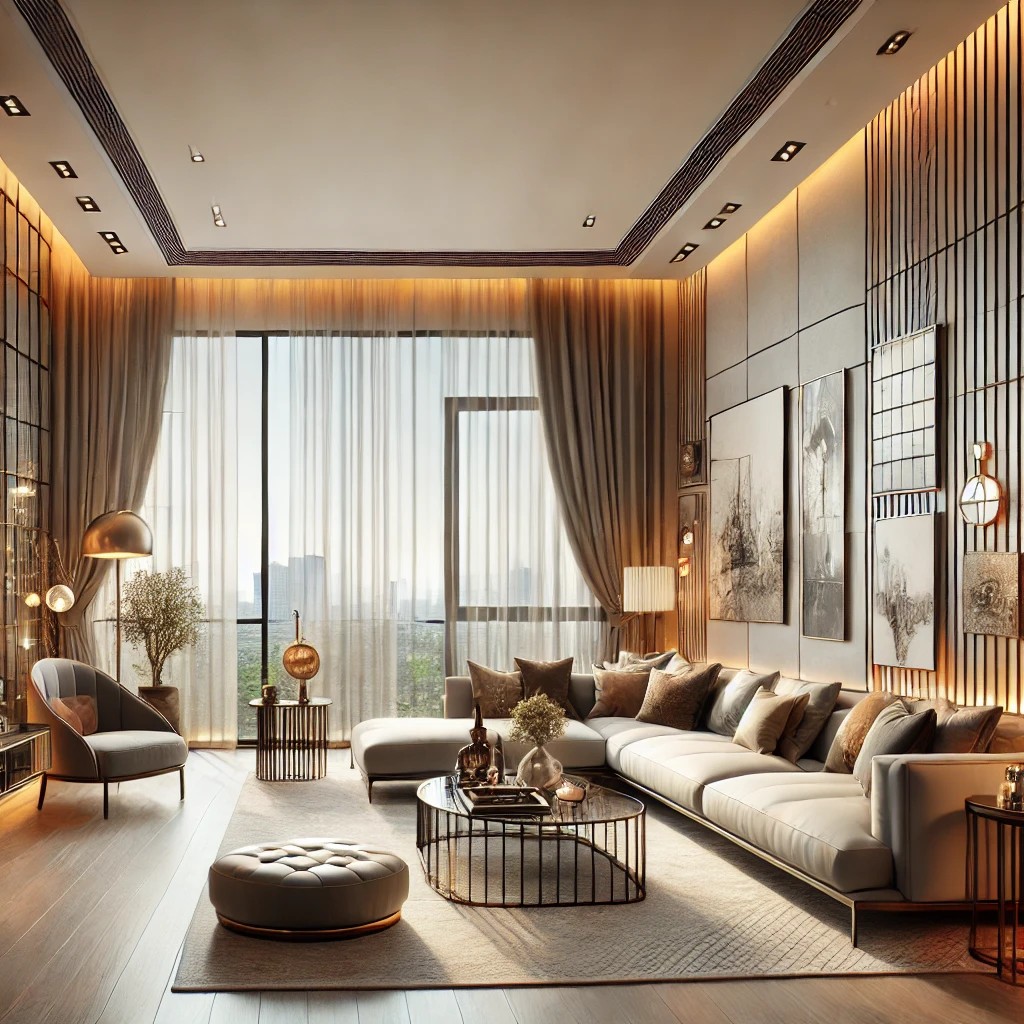
- Natural Light: Large windows and light-filtering treatments are essential to Scandinavian design, maximizing natural light and creating a bright, airy atmosphere.
- Functional Furnishings: Choose furniture that serves a purpose and contributes to the overall aesthetic. Opt for pieces that are comfortable yet stylish, such as mid-century modern sofas and chairs.
- Simple Decor: Select decor items that reflect the simplicity of the design philosophy. Artwork, plants, and handcrafted items should be thoughtfully curated to maintain an uncluttered look.
- Layered Textures: Incorporate various textures to add warmth and depth. Use throws, cushions, and rugs to create a cozy, inviting environment without compromising the minimalist aesthetic.
- Indoor Plants: Bring the outdoors in by adding plants to your decor. Indoor greenery enhances the connection to nature, promotes air quality, and adds life to the space.
Practical Tips for Incorporating Scandinavian Design
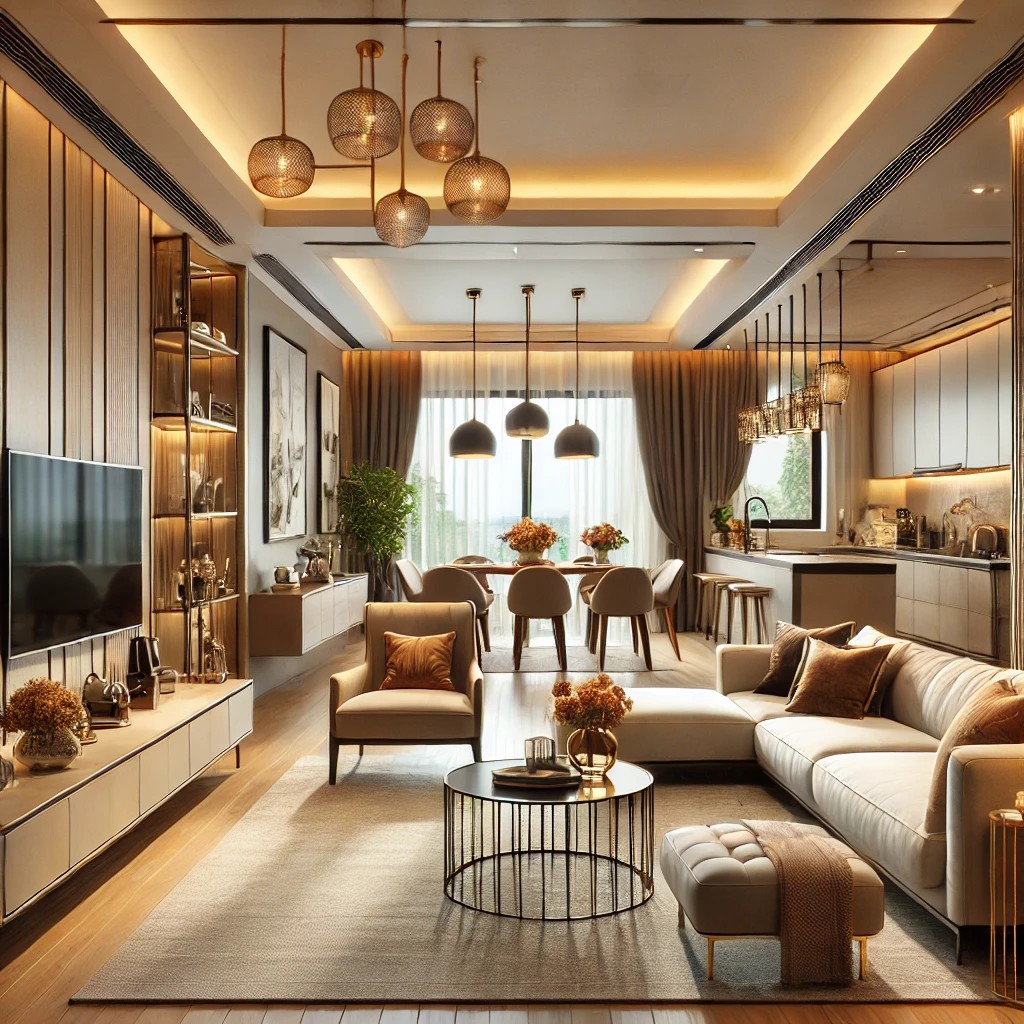
- Embrace Open Spaces: If possible, opt for an open floor plan that allows for easy movement and promotes a sense of spaciousness. Keep furniture arrangements simple and functional.
- Invest in Quality Pieces: Choose high-quality furnishings that are durable and timeless. Investing in a few well-crafted pieces will create a cohesive look that lasts for years.
- Use Light Colors: Paint walls in soft, neutral colors to create a calming backdrop. Light-colored walls enhance natural light and make spaces feel more expansive.
- Limit Accessories: Keep decor to a minimum to maintain a clean, uncluttered look. Choose a few meaningful pieces that resonate with you and contribute to the overall aesthetic.
- Mix Textures and Patterns: While maintaining a neutral palette, feel free to mix textures and subtle patterns through textiles, rugs, and decor to add visual interest without overwhelming the space.
Frequently Asked Questions (FAQ)
1. What defines Scandinavian design?
Scandinavian design is characterized by minimalism, functionality, natural materials, and a neutral color palette. It emphasizes simplicity, comfort, and a connection to nature.
2. Can I achieve Scandinavian design on a budget?
Yes! Scandinavian design can be achieved on a budget by focusing on DIY projects, thrifted finds, and careful selection of key pieces that reflect the style’s principles.
3. How can I add color to a Scandinavian design?
While the base palette is neutral, you can introduce color through accessories, artwork, and textiles. Opt for muted tones that complement the overall aesthetic.
4. Is Scandinavian design suitable for small spaces?
Absolutely! Scandinavian design is ideal for small spaces due to its emphasis on functionality, multi-purpose furniture, and open layouts that maximize space.
5. How do I maintain a Scandinavian aesthetic?
To maintain a Scandinavian aesthetic, focus on keeping spaces organized and clutter-free. Regularly assess decor items and prioritize quality over quantity.
Conclusion
Scandinavian design offers a serene and timeless approach to interior decor, emphasizing minimalism, functionality, and a connection to nature. By embracing natural materials, soft colors, and thoughtful layouts, you can create a tranquil environment that reflects your personality while promoting comfort and well-being. Whether you’re revamping a small apartment or designing a spacious home, incorporating elements of Scandinavian design will transform your space into a harmonious sanctuary.
For further inspiration and resources on Scandinavian design, visit Modular Kitchen Design, Interior AtoZ, and Interior Designer NCR. These platforms offer valuable insights and assistance in creating a beautifully designed, functional living space.