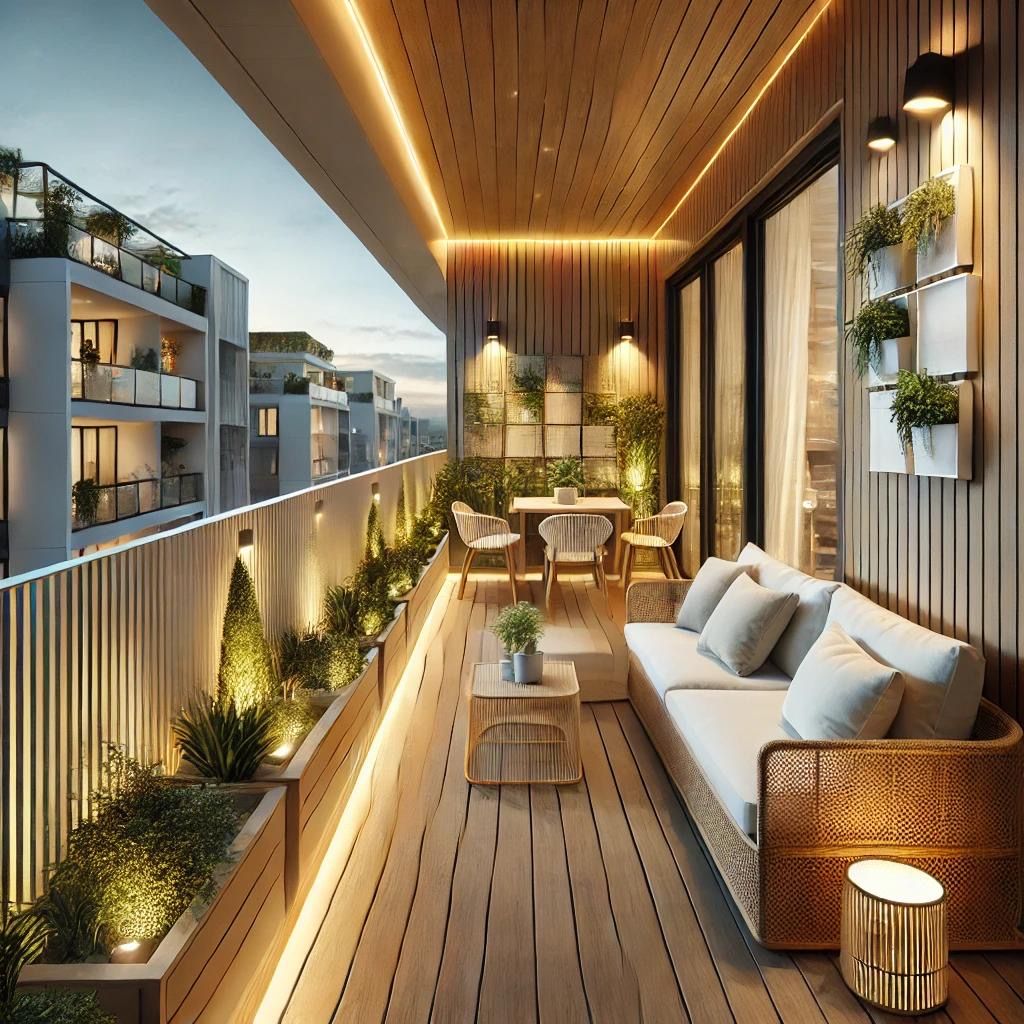
Introduction: Spatial planning is a fundamental aspect of interior design, influencing the flow, functionality, and overall atmosphere of a space. This blog delves into the spatial planning proficiency of interior designers and decorators, exploring how each profession approaches the strategic organization of space to create environments that are both aesthetically pleasing and functionally optimized.
- Interior Designers: Architects of Functional Layouts
- Comprehensive Understanding: Interior designers possess a deep and comprehensive understanding of spatial dynamics, allowing them to strategically plan layouts for optimal functionality.
- Traffic Flow Considerations: Designers meticulously analyze traffic patterns, ensuring that the layout facilitates seamless movement within the space. They prioritize the user experience by considering how occupants will navigate and interact with the environment.
- Ergonomic Expertise: With a focus on user comfort, interior designers incorporate ergonomic principles into spatial planning. They tailor the layout to enhance usability and create spaces that align with the clients’ specific needs and lifestyle.
- Architectural Integration: Designing Within the Structure
- Structural Modifications: Interior designers often collaborate with architects and may be involved in structural modifications to enhance spatial planning. This can include removing or adding walls, optimizing room proportions, and integrating design concepts with architectural elements.
- Creating Flow:* Designers aim to create a cohesive flow between different areas of a space, ensuring that transitions are smooth and that each part of the design contributes harmoniously to the overall composition.
- Holistic Approach: Spatial planning is an integral part of the holistic approach interior designers take in crafting environments that balance form and function.
- Interior Decorators: Crafting Aesthetically Pleasing Arrangements
- Working Within Existing Layouts: Interior decorators specialize in arranging furnishings and decor within existing layouts. While they may not engage in extensive spatial modifications, they focus on optimizing visual appeal within the given structure.
- Furniture Arrangement:* Decorators excel in arranging furniture and decorative elements to create visually pleasing compositions. Their expertise lies in creating harmonious arrangements that enhance the aesthetic quality of a space.
- Attention to Detail: While decorators may not be as involved in structural changes, they pay meticulous attention to the finer details of spatial arrangements, ensuring that every element contributes to the overall visual harmony.
- Client-Centric Approaches: Balancing Preferences and Practicality
- Interior Designers: Place a strong emphasis on client consultations to understand lifestyle, preferences, and functional needs. Spatial planning is tailored to meet the specific requirements of the client, aligning with their vision for the space.
- Interior Decorators:* Work closely with clients to capture their aesthetic preferences and design aspirations. Spatial arrangements are crafted to reflect the client’s style while ensuring visual harmony within the existing architectural framework.
- Project Complexity and Timeframe Considerations:
- Interior Designers: Projects that involve extensive spatial planning, architectural changes, and comprehensive design solutions may have longer timeframes. The complexity of such projects necessitates careful consideration and planning.
- Interior Decorators:* Decorators may achieve visual transformations more efficiently, making them suitable for projects with a quicker turnaround and a focus on aesthetic enhancements within existing spatial parameters.
Conclusion: The spatial planning proficiency of interior designers and decorators reflects their unique strengths in crafting environments that balance functionality and aesthetics. Designers excel in comprehensive spatial planning, integrating architectural considerations, and optimizing layouts for practical use. Decorators, on the other hand, specialize in enhancing visual appeal within existing frameworks, paying meticulous attention to details and creating harmonious compositions. Choosing between the two professions depends on the project scope, with both designers and decorators bringing valuable expertise to the dynamic world of spatial design.