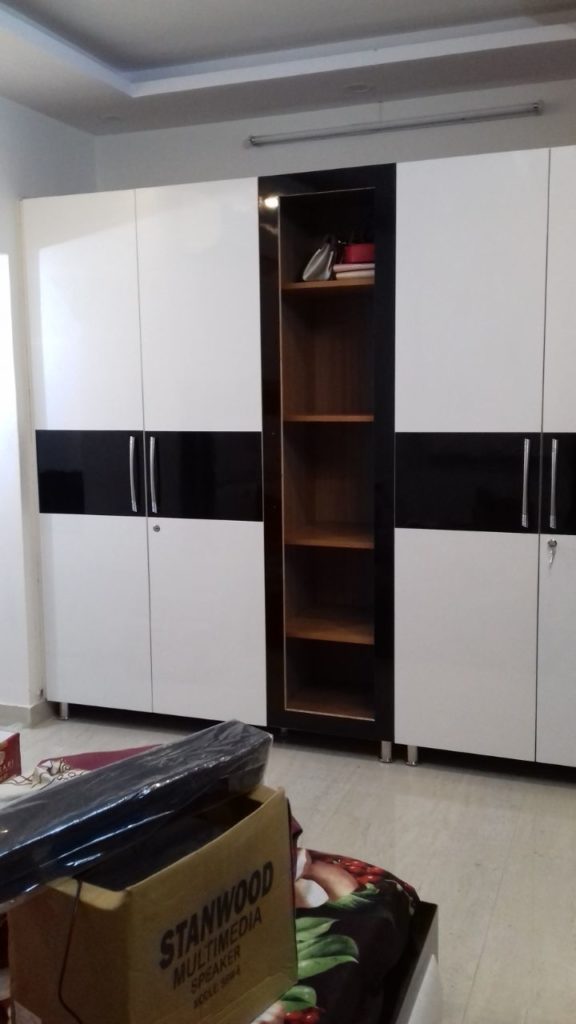
Introduction: Embarking on a journey in interior design requires a versatile skill set. Let’s navigate the essential abilities that aspiring designers must cultivate to chart a course toward success in this dynamic and creative field.
- Creative Vision: A defining trait, a creative vision allows designers to conceptualize and execute unique and visually captivating designs.
- Spatial Awareness and Design Sense: Mastery of spatial relationships and design principles ensures layouts are not just aesthetically pleasing but also optimized for functionality.
- Effective Communication: Clear communication skills, both verbal and visual, are essential for expressing design concepts, collaborating with clients, and fostering effective teamwork.
- Adaptability and Flexibility: The ability to adapt to evolving trends, client preferences, and project dynamics is crucial for staying relevant in a constantly changing industry.
- Attention to Detail: Meticulous attention to detail ensures the precision and cohesiveness of every element in the design, contributing to overall project success.
- Project Management Skills: Proficient project management skills are indispensable for coordinating tasks, timelines, and resources, ensuring the seamless execution of design projects.
- Material and Textile Knowledge: In-depth knowledge of materials and textiles empowers designers to make informed decisions about durability, aesthetics, and sustainability.
- Budgeting and Financial Management: Sound budgeting and financial management skills are crucial for delivering value to clients while adhering to financial constraints.
- Networking and Relationship Building: Building a robust professional network enhances collaboration, providing access to valuable resources and opportunities.
- Problem-Solving Aptitude: Adept problem-solving skills empower designers to navigate challenges creatively, finding solutions that enhance both the design process and final outcomes.
- Visualization and Rendering: The ability to visually communicate design concepts through sketches, mood boards, and 3D renderings facilitates effective communication with clients and stakeholders.
- Cultural Sensitivity: Understanding diverse cultural influences ensures that designs resonate with clients from various backgrounds, creating inclusive and personalized spaces.
- Knowledge of Building Codes and Regulations: Familiarity with building codes and regulations is essential to ensure designs meet safety standards and comply with legal requirements.
- Time Management: Efficient time management is crucial for meeting project deadlines and juggling the multifaceted demands of interior design.
- Client-Centric Approach: A client-centric mindset, coupled with active listening, allows designers to incorporate personal touches that reflect clients’ unique identities in their designs.
Conclusion: To successfully navigate the path of interior design, aspiring designers must cultivate a diverse skill set. By honing these must-have skills, designers can confidently chart their course toward success, creating spaces that leave a lasting impact in the world of design.