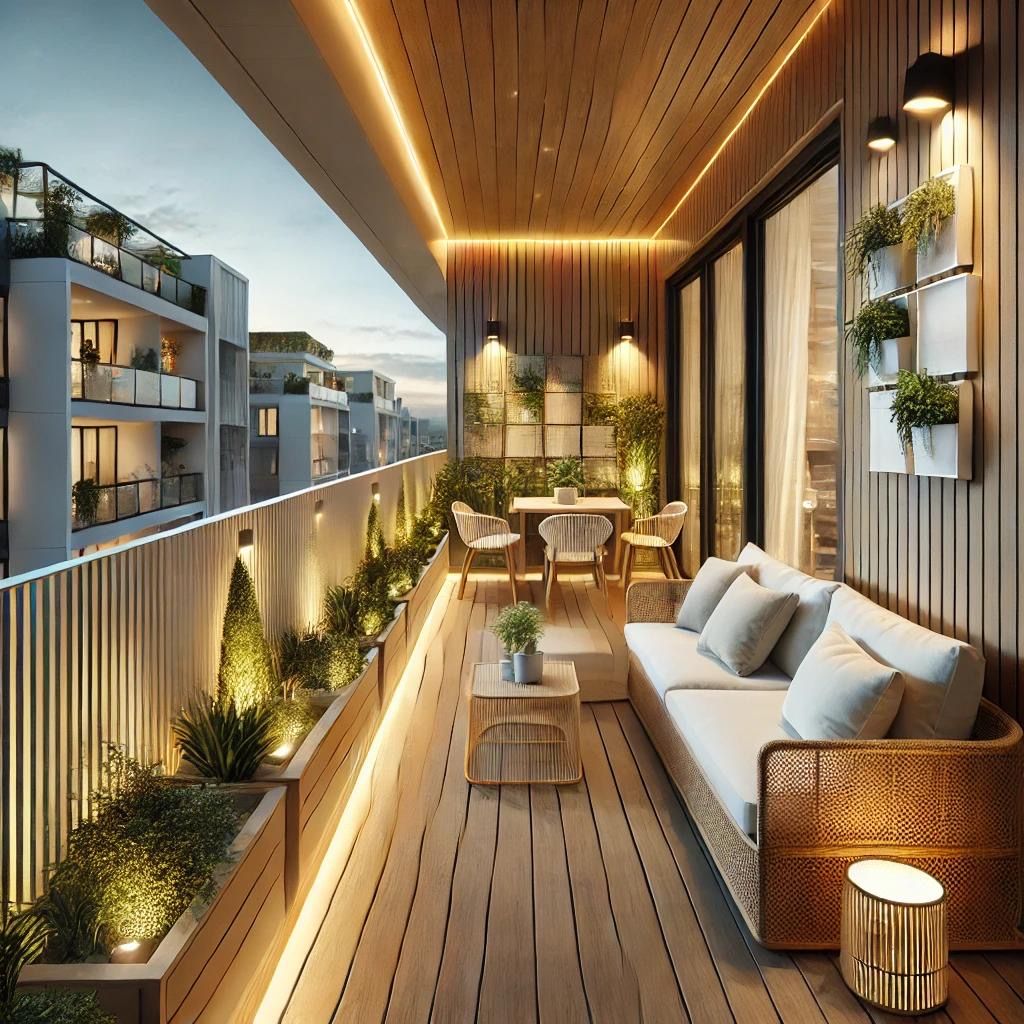
Introduction: Interior design services play a pivotal role in shaping the aesthetic and functional aspects of both residential and commercial spaces. Let’s delve into the diverse offerings that cater to the unique needs of these two distinct environments.
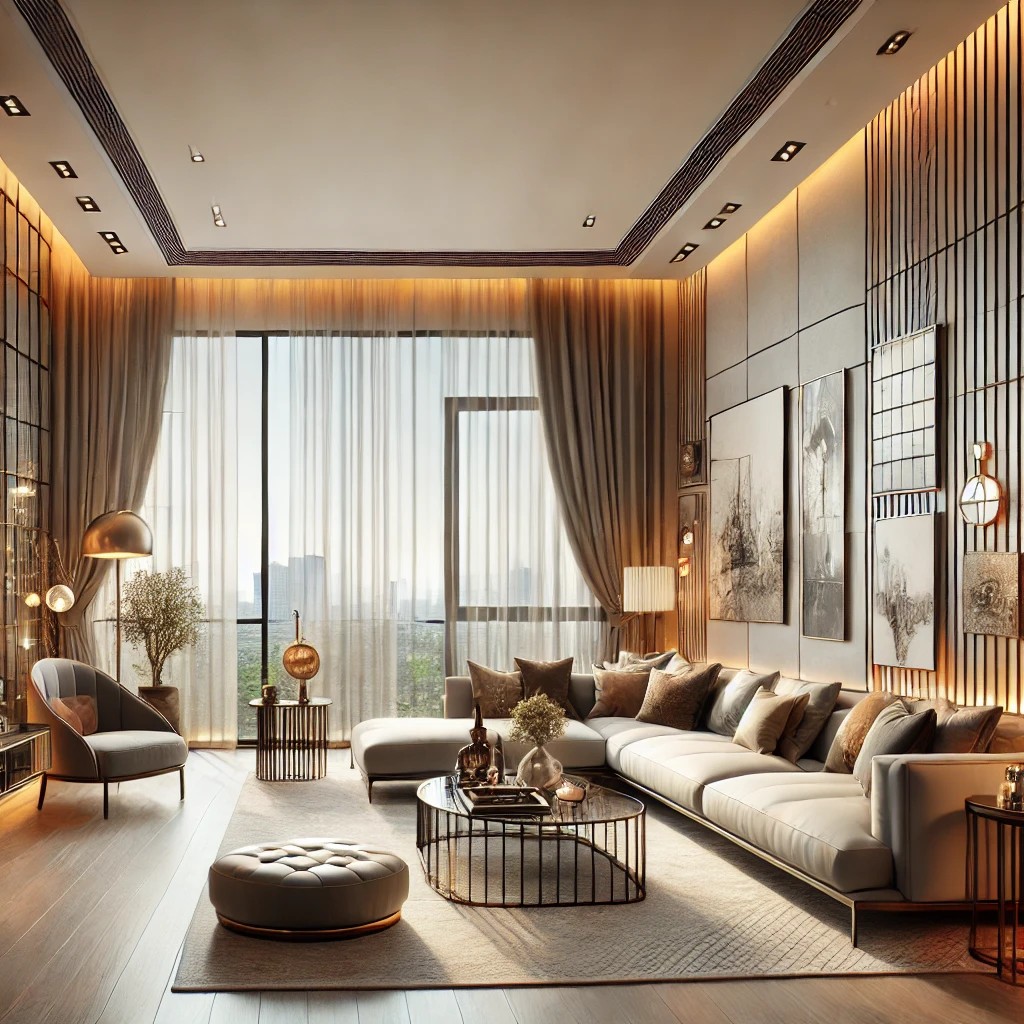
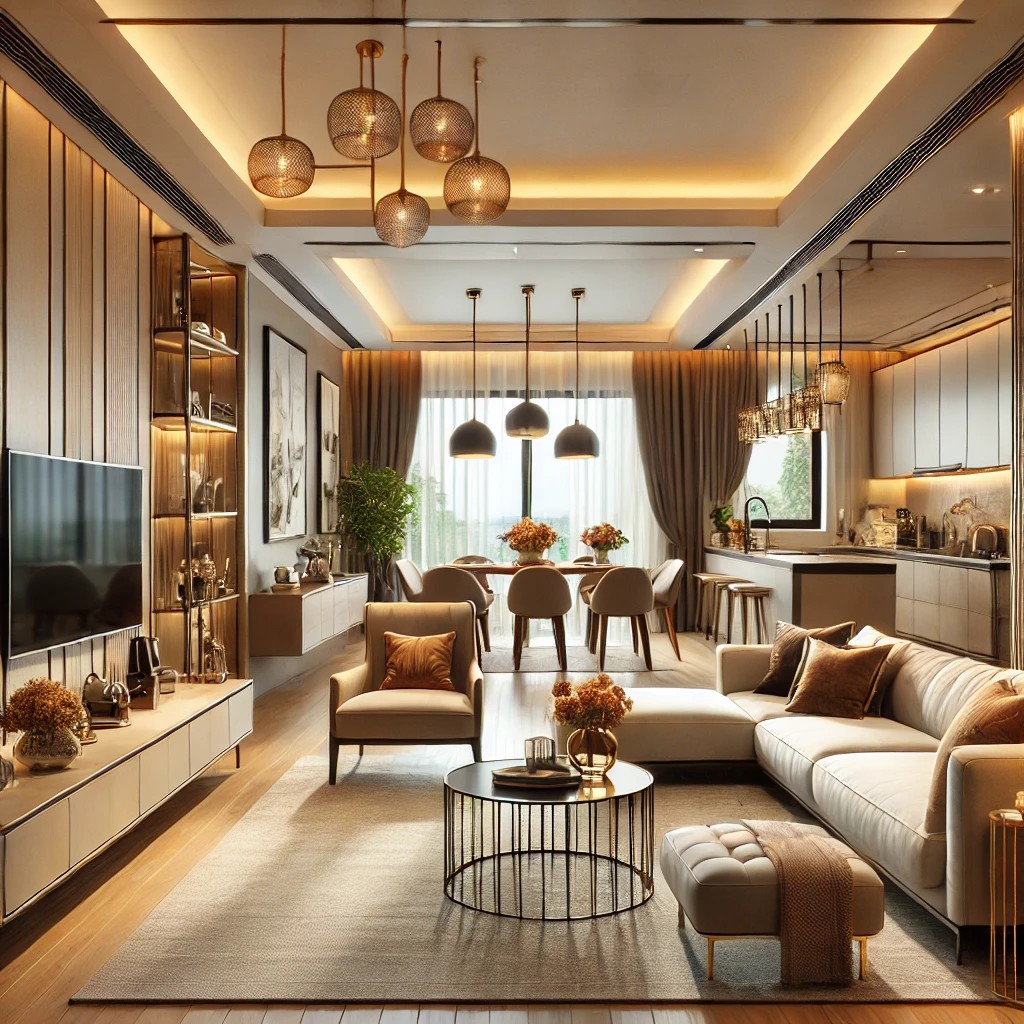
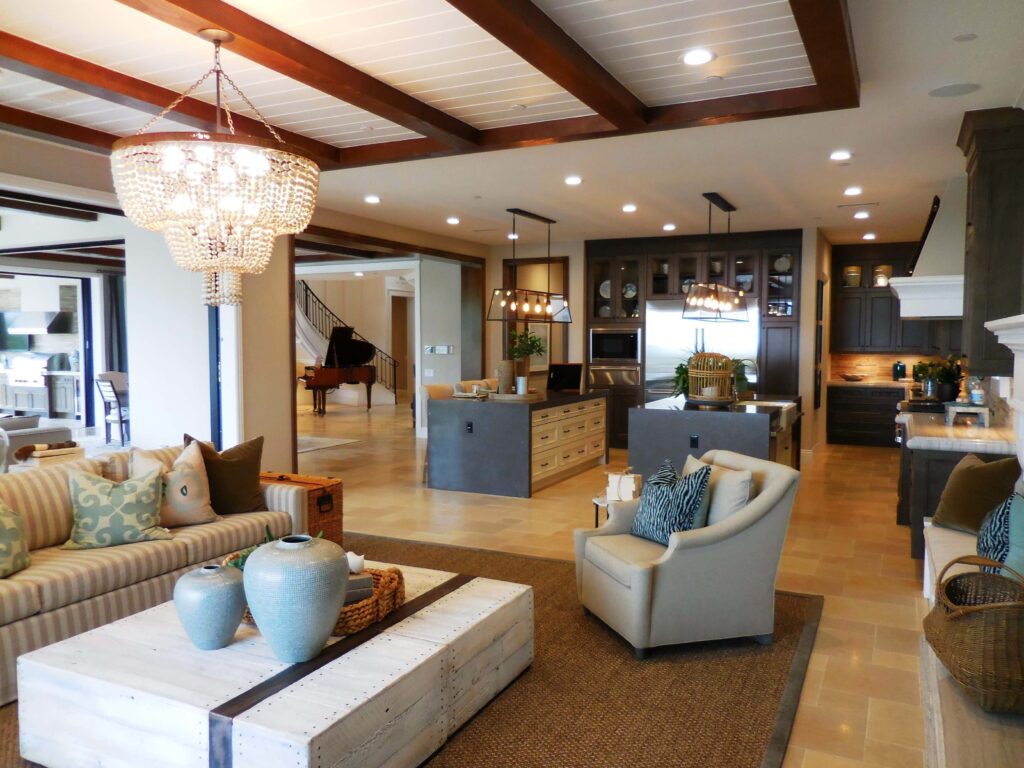
- Residential Elegance: Interior designers for residential spaces focus on creating personalized, comfortable, and visually appealing environments that reflect the homeowners’ tastes and lifestyles.
- Home Consultations: Residential interior design often begins with in-depth consultations, understanding the client’s vision and preferences to curate a customized design plan.
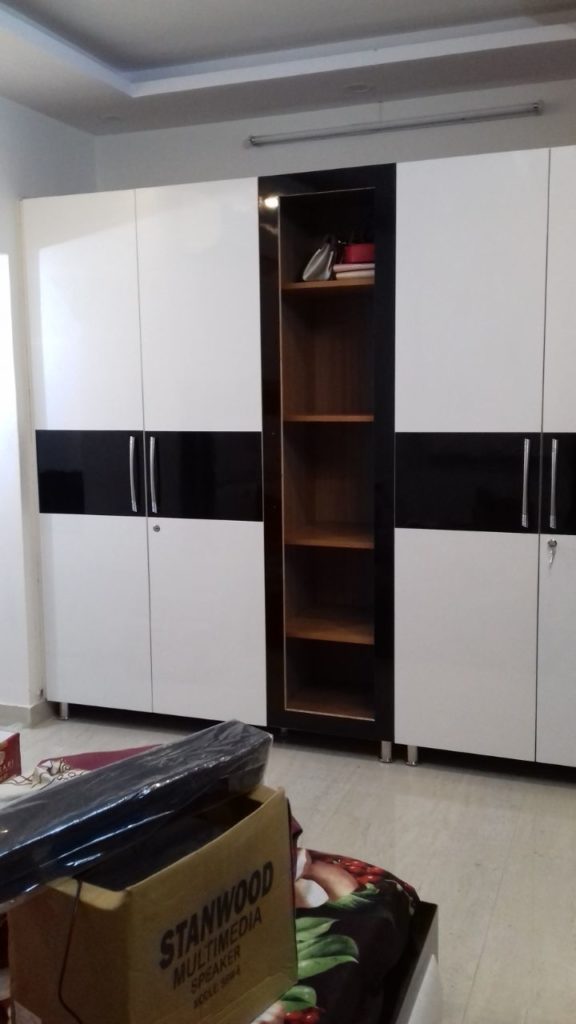
- Space Optimization: Maximizing space and functionality is crucial in residential design, ensuring that every room serves its purpose while maintaining a cohesive aesthetic.
- Personalized Touches: Designers infuse personality into residential spaces, incorporating unique elements, colors, and furnishings that resonate with the homeowners’ individual style.
- Budget-Friendly Solutions: Residential interior design services often offer budget-friendly solutions, helping homeowners achieve their desired look without overspending.
- Commercial Functionality: Interior designers for commercial spaces prioritize functionality and efficiency, creating environments that enhance productivity and align with brand identity.
- Brand Representation: Commercial designers work closely with businesses to represent their brand through the strategic use of colors, layouts, and design elements.
- Workplace Ergonomics: Focusing on employee well-being, commercial interior design emphasizes ergonomic furniture and layouts that contribute to a positive work environment.
- Retail Appeal: For retail spaces, designers craft layouts that optimize product displays, encourage customer flow, and enhance the overall shopping experience.
- Hospitality Design: Interior designers in the commercial sector often specialize in hospitality, creating inviting and aesthetically pleasing spaces for hotels, restaurants, and other leisure venues.
- Sustainable Practices: Both residential and commercial designers increasingly integrate sustainable practices, incorporating eco-friendly materials and energy-efficient solutions.
- Technology Integration: The use of technology is a common thread in both residential and commercial design, with smart home solutions and integrated office technologies becoming prevalent.
Conclusion: Interior design services cater to the diverse needs of residential and commercial spaces, offering personalized touches for homes and optimizing functionality for businesses. Whether it’s creating a cozy living room or designing an efficient workspace, interior designers bring creativity and expertise to transform spaces into visually stunning and functional environments.